
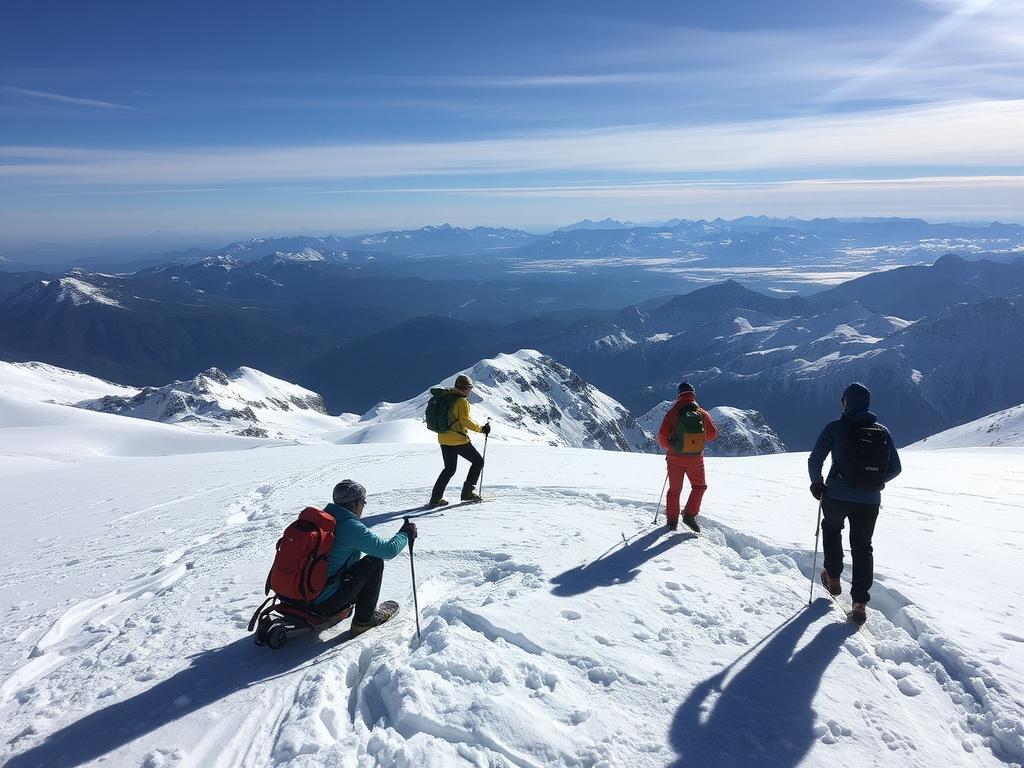
Many athletes chase mountains for the simple promise of harder air and bigger gains. Training at altitude changes how your body breathes, moves, and recovers, and for endurance athletes the effects can be profound. This article walks through the science, the strategies, and the practical steps you need to make high-altitude training safe and effective.
Why athletes go to altitude
People pursue high-altitude exercise for several reasons: improved endurance, a metabolic stimulus, and the psychological edge of conquering a new environment. Living and training where oxygen is scarcer forces physiological adaptations that can translate into better sea-level performance.
Those adaptations aren’t magical — they’re predictable responses to lower oxygen pressure. When managed intelligently, altitude becomes a tool, not a gamble.
How altitude changes the body
At altitude the air contains the same percentage of oxygen as at sea level but lower ambient pressure, which reduces the partial pressure of oxygen entering the lungs. The immediate effect is less oxygen in arterial blood, which challenges tissues and organs to maintain performance.
The body responds through a cascade of adjustments. Within hours to days you increase breathing rate and heart rate. Over weeks your kidneys signal increased production of erythropoietin (EPO), stimulating red blood cell production and raising hemoglobin mass.
Other changes include altered muscle metabolism — a shift to more efficient oxygen usage, increased capillary density in trained muscles over time, and changes in mitochondrial function. Yet these changes take different amounts of time and are sensitive to the altitude you choose.
Altitude zones and typical responses
Altitude is often divided into practical zones that help athletes plan: moderate altitude (1,500–2,500 m), high altitude (2,500–4,000 m), and very high altitude (above 4,000 m). Physiological responses scale with elevation, and so does the risk of altitude illness.
At moderate elevations most people notice breathlessness and reduced power for intense efforts, but many adapt well within a week or two. High altitude produces stronger hematological responses but also raises the chance of acute mountain sickness (AMS) if you ascend too quickly.
| Zone | Elevation (m) | Typical responses |
|---|---|---|
| Moderate | 1,500–2,500 | Mild performance decrease, rapid acclimatization, good for base training |
| High | 2,500–4,000 | Greater EPO response, hemoglobin gains, increased AMS risk |
| Very high | 4,000+ | Severe hypoxia, high illness risk, short stays recommended for most athletes |
Benefits and realistic expectations
When you train above sea level the most reliable benefit is increased hemoglobin mass and oxygen-carrying capacity — provided you allow sufficient time for adaptation. These hematological gains often return higher VO2 plateau or improved endurance back at sea level.
However, benefits are neither immediate nor guaranteed. The magnitude of improvement depends on baseline iron status, genetics, training intensity, duration at altitude, and how you handle recovery. Expect modest but meaningful improvements with proper planning, not dramatic overnight results.
Risks and common problems
Altitude training carries measurable risks. Acute mountain sickness can present as headache, nausea, insomnia, and fatigue. More serious conditions — high-altitude pulmonary edema (HAPE) and high-altitude cerebral edema (HACE) — are rare but life-threatening and require immediate descent and medical care.
Other issues include reduced training intensity, disrupted sleep, dehydration, and immune suppression if stress is unmanaged. Overreaching is easy if you try to maintain sea-level workloads while your body is still adapting.
Planning your altitude block
Successful altitude training begins with a plan. Decide your objective: hematological adaptation, altitude race preparation, or a stimulating training block. Your aim dictates elevation, duration, and the balance between living and training altitude.
A common approach is 2–6 weeks at moderate-to-high altitude to gain red-cell mass and mitochondrial benefits. Shorter stays (less than two weeks) are primarily useful for acclimatization before a competition at altitude rather than for hematological changes.
Consider logistics: travel time, access to medical support, and how training facilities match your needs. Altitude camps can be productive, but a poorly chosen location or rushed timeline undermines results.
Acclimatization strategies
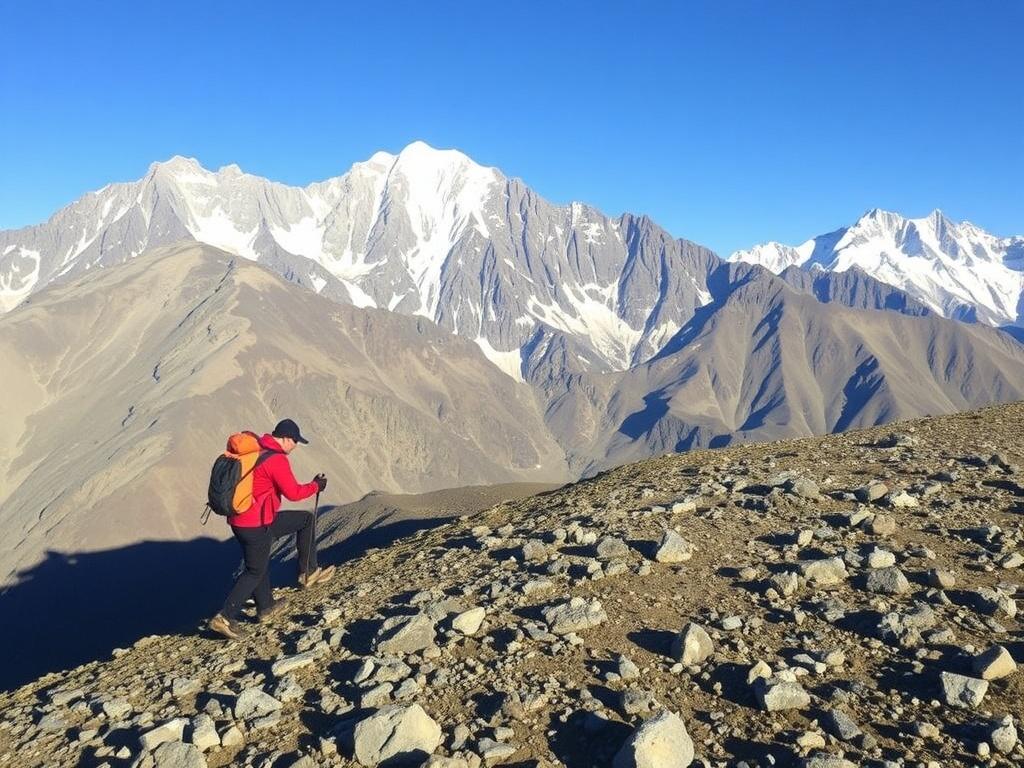
Slow, staged ascent is the cornerstone of acclimatization. A practical guideline is to avoid climbing more than 300–500 meters per day above 3,000 meters and include a rest day every 600–900 meters. This reduces the risk of AMS and helps establish a steady adaptation.
Another widely used tactic is the “live high, train low” model: sleep and live at higher altitude while doing intense workouts at lower elevations where you can sustain quality sessions. This combination aims to keep the hematological stimulus while preserving training intensity.
“Live high, train high” can work for some athletes if the elevation is moderate and workouts are adjusted. However, many find their interval and threshold quality declines when training too high, so balance is essential.
Adjusting training intensity and volume
Expect your power and pace for maximal and near-maximal efforts to drop when you first arrive. The smart move is to reduce high-intensity volume for the first 7–14 days and prioritize aerobic base and recovery. Preserve quality sessions by shifting them to lower elevations when possible.
Use rate of perceived exertion (RPE) in combination with objective metrics. Heart rate typically drifts upward for the same workload, so zone prescriptions based strictly on heart rate should be adjusted or supplemented with power, pace, or RPE.
Gradually reintroduce high-intensity intervals as you acclimatize. A staged increase—adding one or two quality sessions per week only after your sleep and resting metrics stabilize—works better than forcing intensity too early.
Monitoring adaptation: what to track
Track a combination of subjective and objective markers. Sleep quality, mood, appetite, and general energy provide immediate cues. Objective measures like resting heart rate, sleep heart rate, HRV, and morning SpO2 offer additional granularity.
Periodically testing hemoglobin mass or ferritin provides direct evidence of hematological response, but those tests aren’t always accessible. A useful proxy is performance trends across similar workouts and how quickly you recover between hard efforts.
Keep a simple daily log to tie together how you feel, what you did, and recovery metrics. That record becomes invaluable in fine-tuning training and recognizing early signs of maladaptation.
Nutrition, hydration, and supplements
Calories matter more at altitude because resting metabolic rate increases and workouts can feel harder. Prioritize nutrient-dense meals and a modestly higher calorie intake, especially from carbohydrates, which are the preferred fuel for high-intensity efforts.
Hydration is non-negotiable. Dry air and increased ventilation boost fluid losses, so monitor urine color, weigh yourself before and after key sessions, and maintain consistent electrolyte intake. Dehydration worsens altitude symptoms and impairs recovery.
Iron status is especially important because red blood cell production needs iron. Check ferritin before a planned altitude block and correct deficiencies under medical guidance. Supplementation without low ferritin can be unnecessary and should be directed by a clinician.
Sleep disturbances and strategies to improve rest
Many athletes struggle with fragmented sleep at altitude due to periodic breathing, hypoxia, and environmental factors. Poor sleep undermines recovery and blunts adaptation. Expect sleep to normalize gradually over several nights to weeks as you acclimatize.
Optimize the sleep environment: cool, dark, and quiet rooms help, as does a consistent schedule. If sleep is severely disrupted, consider reducing training load until rest improves. Some athletes benefit from targeted interventions like evening magnesium, but pharmacologic aids require careful medical oversight.
Using technology wisely
Pulse oximeters provide a quick snapshot of peripheral oxygen saturation (SpO2), but readings vary with movement and testing conditions. Use the device consistently at rest and avoid overinterpreting single values—trend it over days instead.
GPS, power meters, and running watches remain invaluable for maintaining training quality, but adjust your expectations: power and pace at altitude typically decline for the same perceived effort. HRV and resting heart rate apps offer additional context for recovery and stress.
Gear and practical logistics
Clothing layers are essential because temperature swings are common at elevation. Choose breathable base layers, an insulating midlayer, and a windproof shell for unpredictable weather. Footwear with solid traction is vital for mountain trails.
Bring a basic medical kit and plan for communication and evacuation options if you’re training in remote terrain. Even routine illnesses feel more complicated at altitude; having a written emergency plan reduces stress and speeds response when problems arise.
Sample training schedules
Below are simplified templates for common goals. These are examples, not prescriptions; adjust them to your sport, history, and recovery capacity.
| Goal | Elevation | Duration | Focus |
|---|---|---|---|
| Hematological adaptation | 2,000–2,700 m | 3–4 weeks | Volume-driven aerobic base + limited high-intensity |
| Race-specific preparation | Match race elevation | 1–2 weeks pre-race (after acclimatization) | Course-specific sessions, altitude acclimatization |
| Short acclimatization | 1,500–3,000 m | 3–7 days | Light training, focus on sleep and recovery |
Case study: a mountain marathon build
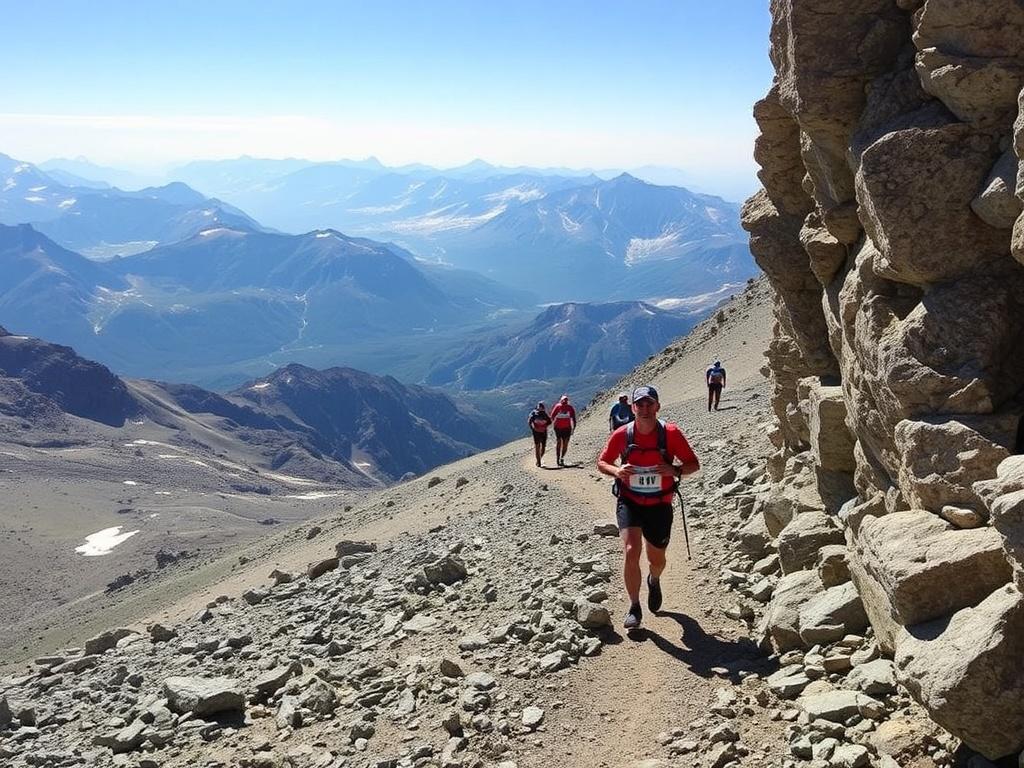
I once worked with a runner targeting a high-altitude trail marathon. We planned a 21-day block at 2,300 meters with the first week devoted to easy aerobic volume and acclimatization. Intervals were delayed until week two, then introduced as short efforts to protect sleep and recovery.
We monitored resting heart rate, sleep, and perceived exertion. The athlete’s ferritin was checked before travel and topped up under physician guidance. Performance tests after returning to sea level showed a modest but tangible improvement in sustained threshold pace.
The lesson: a thoughtful, staged approach that prioritized recovery and monitoring produced gains without illness or forced intensity. Rushing the process or ignoring sleep would have undermined the benefit.
Common myths and misunderstandings
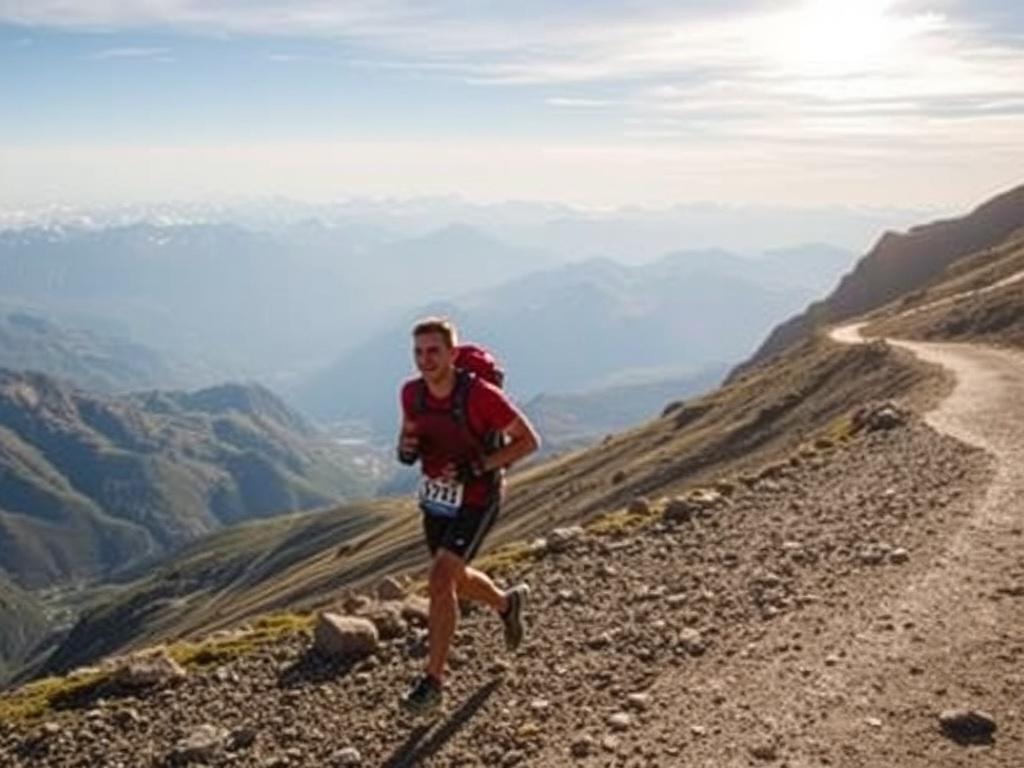
Myth: training at altitude automatically delivers big performance boosts. Reality: benefits are real but modest and depend on many variables.
Myth: you can force acclimatization with one intense workout. Reality: adaptation is cumulative; rest and consistent exposure are what drive physiological change.
Myth: SpO2 devices tell the whole story. Reality: oxygen saturation is one piece of the puzzle; subjective measures and recovery metrics are equally important.
When to avoid altitude training
Certain circumstances argue against heading uphill: a current illness, recent iron deficiency, or inadequate time to acclimatize before an important competition. If your travel schedule forces sudden ascents, the risks often outweigh the potential gains.
Pregnancy, untreated cardiovascular conditions, or a history of severe AMS, HAPE, or HACE are contraindications unless under specialist supervision. Always consult medical professionals for personalized risk assessment.
Returning to sea level and peaking
After completing an altitude block you’ll typically need a taper and a guided reintroduction of high-intensity efforts to realize gains at sea level. Some athletes perform a short washout period of a few days to a week before a key race; others race immediately to exploit acute performance boosts from increased red-cell mass.
Timing depends on the event and the individual. Hematological adaptations persist for weeks, but neuromuscular sharpness and specific race fitness respond quickly to sea-level, high-quality sessions.
Emergency signs and first-aid basics
Recognize red flags: persistent severe headache unrelieved by acetaminophen, increasing ataxia or confusion, shortness of breath at rest, or productive coughing with frothy sputum. These signs require immediate descent and emergency medical care.
Carry a basic emergency plan and communicate it to your training partners. If you plan to train alone, leave a detailed itinerary with someone at home and carry means to call for help.
Psychology of training at altitude
Mental toughness and flexibility matter at elevation. Training sessions that used to feel routine can become humbling, and a patient mindset helps maintain morale. Many athletes report a boost in confidence simply from coping with the discomfort and complexities of mountain life.
Set small, measurable targets—sleep quality, consistent hydration, or completing a moderate session on back-to-back days. These micro-goals provide progress signals when raw pace or power don’t.
Practical checklist before you go
Prepare with a simple checklist: confirm iron status, plan your ascent schedule, pack appropriate gear, and map medical support options. Also plan for communication and carry a small kit for common issues like blisters, headaches, and minor inflammation.
- Check ferritin and address deficiencies
- Plan ascent: avoid rapid climbs
- Bring layers, sun protection, and a pulse oximeter
- Schedule rest days and monitor sleep closely
- Establish an emergency evacuation plan
Adapting specific sports: runners, cyclists, and team sports
Runners will notice the biggest pace drop for intervals and races; favor shorter, controlled sessions early on and rely on effort-based pacing. Cyclists often switch to higher cadence and lower torque to manage hypoxia-related power loss.
Team-sport athletes should account for rapid stop-and-go efforts that are particularly taxing in lower oxygen environments. Conditioning sessions need careful progression and frequent substitution to avoid cumulative fatigue and injury.
Long-term planning and periodization
Altitude blocks should fit into a larger annual plan. Use them as a building block for base phases or as a targeted stimulus before a season. Periodize exposure so you don’t chase altitude repeatedly without clear performance objectives.
Consider alternating moderate blocks with sea-level phases to sustain intensity and avoid chronic stress. Over multiple seasons, small, well-timed altitude exposures typically yield more reliable returns than intermittent, poorly planned trips.
Final notes and practical wisdom
Training at elevation is as much an art as it is a science. The most successful athletes combine cautious planning, consistent monitoring, and a willingness to let adaptation happen on schedule rather than forcing it prematurely. Toward the end of an altitude block you’ll often feel stronger in sustained efforts even if your top-end numbers haven’t fully recovered—trust that pattern.
In my own training I found that the first week always felt like a step back, the second week produced steady gains in endurance, and the third week delivered tangible improvements that showed up in longer tempo runs after returning to lower ground. That rhythm helped me design subsequent blocks with more confidence and fewer setbacks.
Altitude can be a powerful training tool when used thoughtfully. Prepare, monitor, and adapt, and the mountains will reward you with fitness, perspective, and a deeper appreciation for what your body can do when challenged by thinner air.