
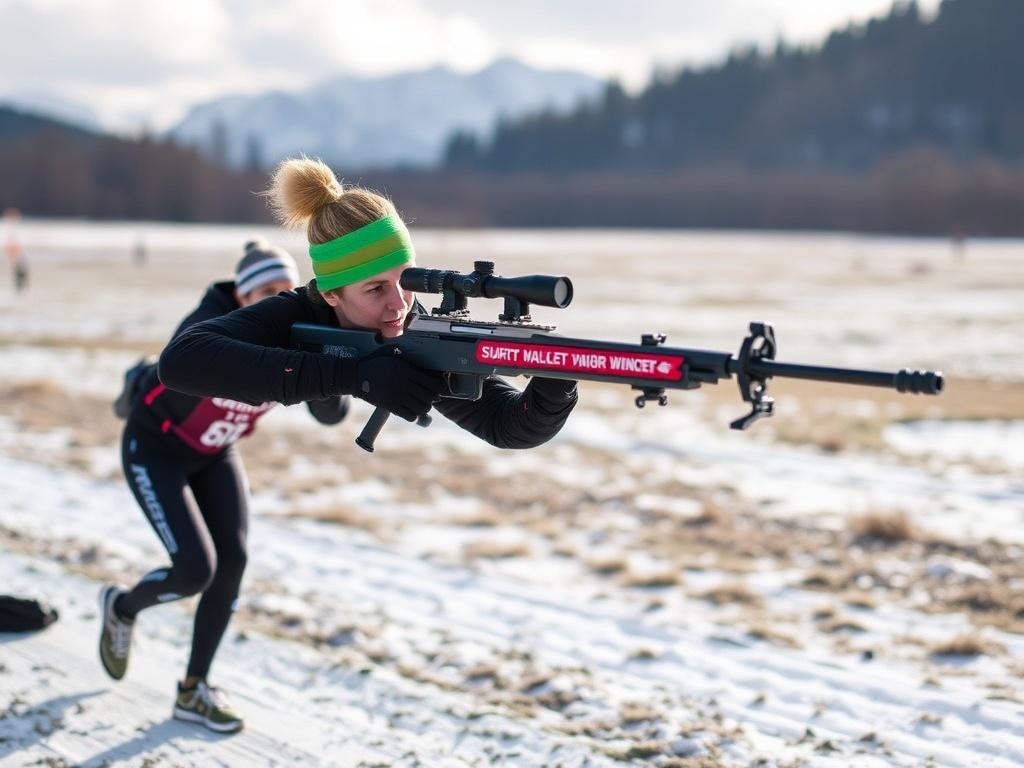
Biatlon marries two very different skills: the explosive, oxygen-demanding art of skiing and the calm precision of marksmanship. Crafting a purposeful training plan requires balancing aerobic development, strength and power, technical skiing, and repeated exposure to shooting under fatigue. This article lays out a comprehensive program you can adapt whether you’re a weekend racer or an aspiring national-level athlete.
Understanding the sport’s demands
Biatlon is physically contradictory: athletes must generate high power outputs on skis, then rapidly reduce heart rate and steady their breathing for accurate shooting. Physiologically, it asks for a large aerobic base, the ability to produce high-intensity efforts, fine motor control, and quick transitions between modes. A successful program targets these capacities without letting one dominate to the detriment of the others.
On the technical side, skiing efficiency saves precious energy and reduces shooting disruptions brought on by poor technique. On the psychological side, the sport punishes impulsiveness; mental control under fatigue is as trainable as a sprint interval. Understanding this mix shapes how you distribute time and intensity across seasons.
Principles to guide your planning
Periodization is the backbone of any season-long program: distribute load and recovery across microcycles (weeks), mesocycles (months), and macrocycles (the year). Build gradually, allow for recovery weeks, and plan peaks for important competitions. Be flexible—illness, travel, and snow conditions will demand adjustments.
Prioritize quality over quantity. Sessions that develop both skiing and shooting skills together are invaluable because they reproduce the sport-specific challenge of calming the body for shooting after intense efforts. Finally, monitor objective markers like resting heart rate and subjective signs like sleep and motivation to avoid overtraining.
Key training components
Your season should include these core elements: aerobic endurance, threshold and VO2 max work, strength and power, skiing technique, shooting skills, transitions, and recovery. Each plays a distinct role and requires specific session types. We’ll detail how to structure each element and how they combine into week-by-week plans.
Balance is crucial. Too much endurance at low intensity won’t develop the high-end capacity needed for fast skiing, while excess high-intensity work can blunt technical gains and increase injury risk. Mix intensities, but give priority to technical sessions and combined shooting practice close to competition dates.
Aerobic endurance
Aerobic base work builds mitochondria, economy, and the ability to recover between high-intensity efforts. Long, steady sessions on skis, rollerskis, or bikes should form a consistent portion of your weekly volume, especially in the general preparation phase. Keep intensity low enough that you can hold a conversation for most of the session; aim for 60–75 percent of maximal heart rate for base-building work.
Frequency matters: two to four long aerobic sessions per week are common for competitive athletes, with durations tailored to age and experience. For younger or less trained athletes, start with 60–90 minutes; elite athletes may do multiple sessions exceeding two hours, but accumulated load must be managed carefully. Use easy days and recovery weeks to consolidate adaptations.
Threshold and VO2 max work
Threshold sessions increase sustainable speed and power; VO2 max intervals raise maximal aerobic capacity and the ability to sustain intense efforts between shooting stops. Typical threshold work includes 20–40 minute steady efforts at slightly below race pace or structured intervals like 3 x 12 minutes. VO2 max sessions often take the form of 4–6 x 3–5 minutes at full effort with adequate recovery to maintain session quality.
Place high-intensity sessions where you can fully recover; never stack two maximal sessions on consecutive days. In the competitive season, reduce VO2 max volume but retain sharpness with shorter, race-specific intervals. Always follow intense days with low-intensity recovery to allow supercompensation.
Strength and power
Strength underpins robust technique and injury resilience, while power—rate of force development—translates to faster sprints and more efficient double-poling. Prioritize foundational strength in the off-season, then shift toward explosive, ski-specific power work as competitions approach. A mix of compound lifts, plyometrics, and resisted ski-simulation drills works well.
Typical programming includes two strength sessions per week during preparatory phases, dropping to one maintenance session during peak competition. Keep sessions concise: 45–60 minutes of quality lifts focused on hips, core, shoulders, and posterior chain. During taper weeks, reduce load and emphasize movement quality and fast-light efforts rather than heavy sets.
Skiing technique and specificity
Technical training refines weight transfer, poling timing, and glide efficiency—skills that save energy in race conditions. Drills that isolate the kick, glide, and poling phases are effective, as are video sessions and coach feedback. On-snow practice is ideal, but rollerskiing provides excellent specificity when snow is unavailable.
Include at least two technical or skill-focused sessions weekly, adding more in the lead-up to competitions. Combine technique work with moderate intensity to ingrain movement patterns under realistic effort levels. Regularly test gear and waxing choices to avoid surprises on race day.
Shooting skills and transition practice
Shooting accuracy under physiological stress is what separates good skiers from podium athletes. Build shooting cadence, breath control, and trigger discipline progressively: start with dry firing and standing drills, then add shooting after moderate, then high-intensity efforts. Simulated race sequences—sprint intervals followed immediately by shooting—are essential.
Practice prone and standing positions separately, then alternate them in a session to mirror races. Incorporate shooting-specific strength and mobility work, like shoulder stability and neck control exercises, to maintain posture. Track hit rates and time per shot to monitor progress over weeks and months.
Mental training and arousal management
Mental control is trainable; athletes benefit from routines that reduce arousal and channel focus during shooting. Techniques include paced breathing, visualization of the shot sequence, and consistent pre-shot routines. Practice these habits in low-pressure settings first, then use simulated competitive drills to build resilience under stress.
Include short mental skills sessions twice weekly—5 to 15 minutes is enough—working on focus anchors and breathing patterns. Use competition simulations and time-pressure drills to practice maintaining accuracy when heart rate and cortisol are elevated. Keep a simple log of mental strategies that work, and refine them across the season.
Recovery, sleep, and load management
Without effective recovery, adaptations stall and injury risk rises. Prioritize sleep quality, day-to-day nutrition, and low-intensity activities like mobility work or short swims for active recovery. Recovery protocols should include at least one lighter week every three to four weeks and a planned taper before key races.
Monitor training load with both objective (heart rate, power, distance) and subjective (perceived exertion, soreness, mood) measures. Make conservative adjustments when multiple metrics point toward fatigue. Small changes early prevent forced long breaks later in the season.
Designing a season: periodization template
A standard annual plan divides into preparatory, pre-competition, competition, and transition phases. The preparatory phase builds volume and foundational strength, the pre-competition phase increases specificity and intensity, the competition phase emphasizes sharpening and recovery, and the transition phase clears fatigue after the season. Use these blocks to align goals, competitions, and training stress.
For younger athletes, keep cycles shorter and avoid high-volume demands until their bodies and movement patterns mature. For masters athletes, emphasize recovery, mobility, and controlled intensity. The exact length of each phase varies with calendar priorities; a four to six-week mesocycle is common for focused progress.
Preparatory phase (8–16 weeks)
This is where you build volume and general strength. Emphasize long aerobic sessions, progressive strength training, and basic technique work. Keep shooting practice steady but not overly demanding; the aim is repetition and position maintenance rather than pressure shooting.
Include a mix of terrain in ski sessions to develop varied force application and confidence on climbs and descents. Add plyometric work late in the block, then progressively shift toward power and shorter, higher-intensity intervals as you move into pre-competition. Schedule a recovery microcycle every three to four weeks to consolidate gains.
Pre-competition phase (6–10 weeks)
Raise the specificity of training: more rollerskiing, more shooting under fatigue, and more threshold and VO2 max sessions. Begin practicing race-format efforts and time trials to tune pacing and fueling strategies. Strength work focuses on maintenance with power-oriented sets and explosive exercises.
Technical sessions become shorter and more intense, honing transitions and start sprints. Simulate relays, mass starts, and shooting sequences to rehearse tactics. Keep recovery sharp—reducing volume slightly while maintaining intensity helps reach peak form for the first competitions.
Competition phase (variable)
During competition, the goal is to maintain fitness while maximizing freshness for races. Reduce overall training volume, focus on high-quality sessions that maintain speed, and emphasize recovery between races. Plan active recovery sessions the day after competitions and light technical work the day before races to stay sharp.
Include short, race-pace efforts to preserve neuromuscular readiness, and keep shooting practice targeted at accuracy and quick reloads. Taper before key events by cutting volume by 30–60 percent while preserving some higher-intensity touches to avoid detraining. Individualize the taper based on how quickly the athlete responds to rest.
Transition phase (2–6 weeks)
After the season, take an active recovery period to restore motivation and address niggles. Reduce structured training dramatically and explore cross-training like hiking, swimming, or recreational cycling. Address physical imbalances with focused mobility, corrective exercises, and maybe a short block of rehabilitation for any lingering issues.
Use this time to reflect on the season: what worked, what didn’t, and set goals for the next macrocycle. Complete absence from structured activity should be limited; gradual reintroduction of training preserves base fitness and prevents abrupt declines when the next preparatory phase begins.
Sample weekly microcycle
Below is an example of a balanced week in the pre-competition phase for an intermediate-level athlete. Tailor durations and intensities to your fitness and goals; younger athletes should reduce volume, while elite athletes may increase technical and high-intensity elements. The week blends endurance, intensity, strength, and shooting practice for sport specificity.
| Day | Session 1 | Session 2 |
|---|---|---|
| Monday | Easy long rollerski 90–120 min (technique focus) | Strength: 45 min (focus on posterior chain) |
| Tuesday | VO2 max intervals: 6 x 3 min hard (rollerski) | Shooting: 30–45 min, including 4 practice series after 2 intervals |
| Wednesday | Recovery swim or easy bike 45–60 min | Dry firing and standing drills 20–30 min |
| Thursday | Threshold session: 3 x 12 min at race pace | Technique session: short hills, focus on poling timing |
| Friday | Moderate rollerski 60–90 min with shooting simulation (3 low-intensity efforts then shooting) | Strength: power session 30–40 min (plyos, Olympic lift variations) |
| Saturday | Specific session: race simulation 30–50 min, full pacing, followed by 4 shooting stages | Mobility and light core work 20–30 min |
| Sunday | Easy recovery ski 60 min or full rest | Optional light shooting drills or complete rest |
Adjust intensities week to week based on feedback and objective metrics. Use an easy day after the most intense training day to promote recovery and maintain training continuity. Rotate session order when travel or weather forces changes, but avoid stacking two high-stress sessions back-to-back.
Dryland alternatives when snow is scarce
Rollerskiing is the closest substitute for on-snow sessions, but biking, running, and ski-erg work are adequate when rollerskis aren’t available. The key is to mimic force application patterns and maintain aerobic stimulus. Include balance and proprioceptive exercises to compensate for the different demands of each modality.
Use the ski erg and uphill running to train upper-body endurance and poling rhythm. When using bikes, incorporate short sprints and standing climbs to simulate double-poling demands. Keep shooting practice regular—even a simple portable target can preserve sighting routines and trigger control.
Technical shooting progression and drills
Effective shooting practice follows a progression from static skill to high-pressure sequences. Start with dry firing and static prone drills to engrain trigger mechanics and sight alignment. Then add standing position practice, followed by sequences with progressively higher heart rates and shorter recovery.
- Dry fire and breath control practice: 10–15 minutes focusing on trigger follow-through.
- Static prone sessions: 20–30 shots with emphasis on consistent position and minimal sway.
- Standing drills: single-target sequences with timing and controlled breathing.
- Combined sessions: sprint 200–400 m, then shoot two rounds to simulate race stress.
- Time-pressure drills: set a limit for target acquisition and evaluate hit rate under time constraints.
Track metrics: hit percentage, average time per shot, and perceived steadiness. Use video occasionally to check posture and rifle handling, and adjust equipment or position mechanics as needed. Small, consistent improvements in shooting often contribute more to race results than comparable gains in skiing.
Strength plan examples
Below is a simple two-day weekly strength split that fits into the preparatory and pre-competition phases. The goal is to develop a strong base and then convert that into explosive, ski-specific power. Keep reps and loads appropriate: higher volume and slower lifts during base, lower reps and explosive intent closer to competition.
| Session | Exercises | Focus |
|---|---|---|
| Day 1 — Strength | Deadlift, Bulgarian split squat, pull-ups, farmer carries, core circuits | Max strength, posterior chain, unilateral stability |
| Day 2 — Power | Power cleans or kettlebell swings, box jumps, med-ball throws, explosive pull-downs | Rate of force development and poling power |
Warm up thoroughly with mobility and activation drills before heavy lifts. For power work, emphasize intent and speed even if lighter loads are used—fast movement quality translates directly to on-ski explosiveness. Maintain core stability through anti-rotation and anti-flexion exercises that mimic holding a rifle position.
Nutrition and fueling for training and race day
Training load and recovery are tightly linked to nutritional choices. Aim for a daily intake that supports energy demands: sufficient carbohydrates for training, adequate protein for muscle repair, and healthy fats for overall function. Hydration and electrolyte balance are equally important, particularly in cold but long-duration efforts where sweat and urine losses still occur.
Before hard sessions and races, focus on easily digestible carbohydrates to top up glycogen stores; during long efforts, plan for steady carbohydrate intake via gels, bars, or drinks. Recovery meals should combine carbs and protein within 30–60 minutes of finishing training to promote glycogen resynthesis and muscle repair. Work with a nutritionist if you have weight-class concerns or special dietary needs.
Testing and performance metrics
Regular testing guides adjustments and measures progress. Useful tests include a 5–6 minute maximal effort for VO2 proxy, lactate threshold testing (if facilities permit), ski-erg 2-minute max efforts, and shooting accuracy under standardized conditions. Track jump height and strength lifts to monitor neuromuscular function.
Record subjective indices too: wellness questionnaires, sleep quality, and training enjoyment. Use simple wearable metrics—resting heart rate variability and sleep duration—to spot trends. Combine multiple data points to form a clear picture and avoid overreacting to single outlier sessions.
Injury prevention and mobility
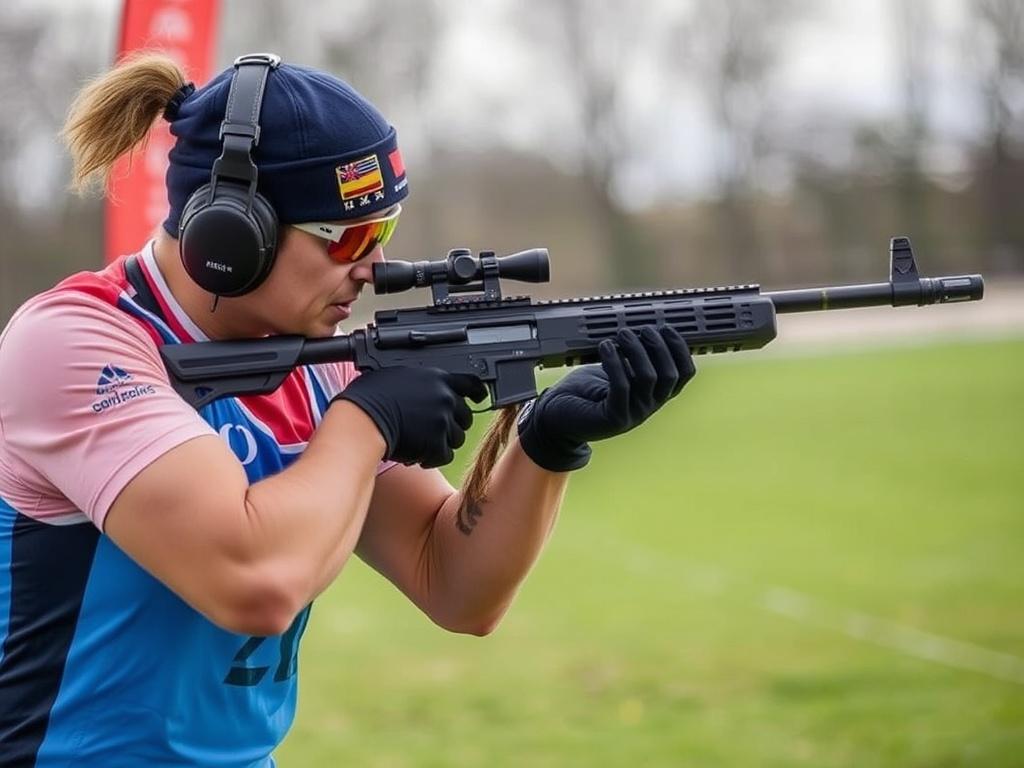
Biatlon places repetitive loads on the shoulders, lower back, and knees. A structured mobility and prehab routine reduces the risk of chronic problems and preserves range of motion for efficient poling and shooting positions. Emphasize thoracic mobility, hip extension, and shoulder scapular control.
Include daily short mobility circuits: 10–15 minutes of targeted stretching, activation, and foam rolling. When adapting training for niggles, favor movement quality and cross-training rather than trying to push through pain. Early management prevents long interruptions later in the season.
Working with a coach and training partners
A skilled coach provides perspective, adjusts load based on performance, and introduces objective testing protocols. Training partners add motivation and realistic race-pace stimuli during sessions. Both are valuable, but good communication with a coach is essential to ensure the program aligns with personal goals and life constraints.
If you can’t work with a coach, use a structured plan and be honest with your monitoring—progress stalls when self-programming becomes wishful thinking. Even occasional consultations with an experienced coach or physiologist can help tweak thresholds, refine technique, and optimize peaking strategies.
Real-life example: an athlete’s season
One athlete I coached moved from regional to national level over two seasons by reorganizing priorities. Year one focused on consistent rollerski volume and targeted shooting practice three times per week; year two emphasized strength conversion to power and refined VO2 work. Small, measurable gains in hit rate and sprint speed translated into improved race placings and less mental stress during shoots.
We used simple testing—6 x 3-minute intervals for repeatability and a monthly simulation race—to guide progress. When small injuries emerged, we swapped some sessions for swim or bike work and used the time to improve technical drills. The athlete learned that sustainable progress is built on consistency, not occasional heroic efforts.
Practical tips for everyday training
Keep a training log and review it weekly; the act of writing clarifies patterns and helps spot overreach. Prioritize sleep by establishing a regular bedtime; even one extra hour a night can accelerate recovery. Practice shooting as part of a daily rhythm—short, focused repetitions trump infrequent, long sessions.
Be realistic about available time and choose the highest-value sessions when life gets busy: a quality interval session plus a strong shooting practice will beat many half-hearted workouts. Finally, treat equipment as a teammate: regularly service skis, test rifle mounts, and keep poles and boots in top condition to avoid small performance leaks.
How to adapt for recreational athletes
If you train biathlon recreationally, scale intensity and volume to fit life demands while preserving the fun of the sport. Focus on one or two quality sessions a week—perhaps a long ski and a combined interval-plus-shooting session—and use cross-training for aerobic maintenance. Social group sessions often provide both motivation and practical pacing benefits.
Safety and technique take priority over chasing high-intensity benchmarks; poor habits learned early are harder to correct. Enjoy the process: improvements in shooting accuracy and the pleasure of moving efficiently over varied terrain are rewards that keep recreational athletes engaged season after season.
Advanced considerations for elites
Elite athletes require meticulous marginal gains: altitude training blocks, individualized nutrition plans, and detailed biomechanical analysis. Training at altitude can raise red blood cell mass but must be planned with adequate recovery and return-to-sea testing. Small changes in rifle setup, waxing strategies, and pacing often deliver disproportionate improvements at the highest levels.
Integration across specialists—physiologists, sports psychologists, equipment technicians—creates a support system that enables peak performance. Even for elites, the fundamentals remain: structured periodization, deliberate practice, and careful recovery. The difference is in precision and the scale of supporting resources.
Common mistakes to avoid
One frequent error is neglecting shooting volume in favor of endless aerobic hours; without consistent shooting practice, accuracy deteriorates under race stress. Another mistake is overloading intensity without sufficient recovery, which leads to plateau or injury. Finally, ignoring technique for the sake of raw volume wastes training time—inefficient skiing requires more energy and compromises shooting performance.
Address these by scheduling regular combined sessions, prioritizing recovery weeks, and keeping technical work frequent and focused. When setbacks occur, step back and simplify—return to basic strength, mobility, and quality shooting practice before ramping intensity again.
Tools and technology to support training
Use heart rate monitors and GPS to quantify load and pacing, and consider power meters for rollerskis if available to standardize intensity. Video analysis is invaluable for technique refinement, and electronic target scoring helps track shooting trends precisely. Apps that log workouts and wellness markers simplify communication with coaches and create a searchable performance history.
Don’t let data overwhelm you; collect metrics that inform decisions and ignore vanity numbers. Simple trends over weeks and months matter more than daily fluctuations. Use devices to test hypotheses—if a training change correlates with improved test times or more hits, it’s working.
Putting it together: a three-month block example
Here’s a concise three-month block you can adapt: month one emphasizes aerobic base and general strength; month two shifts toward intensity and power conversion; month three targets race specificity and tapering. This structure suits athletes preparing for a targeted competition window within a season.
Rotate microcycles with incremental load increases, then follow each intense three-week build with a recovery week to consolidate. Keep shooting practice integrated across all months, increasing pressure and specificity as you approach key events. The block’s success depends on consistent monitoring and small adjustments based on performance feedback.
Training for biathlon is an art of balance: aerobic resilience, explosive power, technical fluency, and steely composure at the range. A thoughtful программа тренировок для биатлона aligns these elements over weeks and months, prioritizing quality and recovery as much as measurable effort. Start with clear goals, measure progress, and be willing to refine the plan—your best season will come from disciplined preparation and steady adaptation.