

High blood pressure doesn’t have to mean the end of physical activity. With the right plan, monitoring, and small adjustments, exercise becomes a powerful tool to lower blood pressure, improve mood, and protect your heart.
In this article I’ll walk through the science, practical training strategies, and safety steps so you can build a reliable routine. I will also share realistic examples and a sample week you can adapt to your needs.
What high blood pressure does and why exercise helps
Hypertension increases the force your heart must generate to push blood through narrowed or stiffened arteries. Over time this elevated load damages vessel walls, promotes atherosclerosis, and raises the risk of heart attack, stroke, and kidney disease.
Exercise lowers resting blood pressure through several mechanisms: it improves endothelial function, reduces arterial stiffness, promotes weight loss, and shifts the autonomic balance toward lower sympathetic activity. These adaptations happen gradually and compound with consistent training.
Even modest, regular activity — like brisk walking for 30 minutes most days — produces meaningful reductions in systolic and diastolic pressure. Combining several types of exercise tends to yield the best long-term control.
Speak with your doctor before you begin
Before starting any new program, check in with your clinician. They can confirm whether your blood pressure is controlled, review medications that affect exercise response, and identify conditions that require further testing or supervised rehabilitation.
People with very high readings (for example, systolic over 180 mm Hg or diastolic over 110 mm Hg), recent heart problems, unstable angina, or uncontrolled arrhythmias should delay unsupervised workouts. In many cases a stress test or supervised exercise program is recommended first.
Bring a list of current medications to the appointment. Beta blockers, for example, blunt heart rate increases and change how you assess intensity; diuretics can increase susceptibility to dehydration; nitrates and some antihypertensive combinations influence tolerance to exercise.
Core principles for safe training
Safety rests on three pillars: appropriate intensity, gradual progression, and symptom awareness. Keep intensity in a zone that improves cardiovascular fitness without provoking extremes in blood pressure or discomfort.
Use the talk test or Borg Rating of Perceived Exertion (RPE) when heart rate targets are unreliable due to medication. Aim for moderate effort where you can speak in full sentences but not sing; that typically corresponds to RPE 11–13 on the 6–20 scale.
Start slowly and increase duration before adding intensity. Small, consistent gains over weeks are safer and more sustainable than sudden, aggressive jumps in workload.
Aerobic exercise: the foundation
Aerobic, or endurance, exercise is the most studied modality for lowering blood pressure. Activities such as brisk walking, cycling, swimming, and low-impact cardio classes improve oxygen use and reduce peripheral resistance.
Guidelines commonly recommend about 150 minutes per week of moderate-intensity aerobic activity, or 75 minutes of vigorous activity, spread over most days. For many people with hypertension, brisk walking for 30 minutes five days a week is a practical starting point.
Choose activities that you enjoy and can perform consistently. Swimming or water aerobics are excellent options for joint issues, while walking and cycling require minimal equipment and can be done outdoors or on a treadmill.
Strength training: add muscle without raising risk
Resistance work builds muscle, supports metabolism, and helps with long-term blood pressure control. When done correctly, strength training adds benefit without causing dangerous blood pressure spikes.
Use light-to-moderate loads with higher repetitions — think 2–3 sets of 10–15 reps for major muscle groups, two to three times per week. Avoid maximal lifts and heavy powerlifting, especially early on or if you have uncontrolled hypertension.
Focus on slow, controlled movements and proper breathing to prevent the Valsalva maneuver (holding your breath), which can acutely raise blood pressure. Resistance bands, bodyweight exercises, and machines are safe, effective tools.
Flexibility and balance: small investments, big gains
Flexibility and balance exercises rarely change blood pressure directly, but they improve function, reduce injury risk, and enhance exercise adherence. These components are particularly important as people age or when joint pain interferes with aerobic activity.
Incorporate dynamic warm-up stretches before workouts and gentle static stretching afterward. Balance work — single-leg stands, heel-to-toe walking, or tai chi — supports confidence and reduces fall risk during daily life and training sessions.
Yoga and tai chi also contribute to stress reduction, which can indirectly support lower blood pressure through better autonomic balance and reduced cortisol levels.
Interval training: proceed with caution
High-intensity interval training (HIIT) shows promise for improving cardiovascular fitness and lowering blood pressure in many studies. However, the acute spikes in blood pressure that can occur during intense intervals make supervision and careful selection important for hypertensive individuals.
Begin with moderate-intensity intervals — for example, 1–2 minute faster segments alternating with 2–3 minutes of easy activity — and keep session count low. If you have well-controlled blood pressure and medical clearance, gradually increase intensity under guidance.
If you are on beta blockers or other medications that blunt heart rate response, rely on RPE and the talk test rather than strict heart rate zones when performing interval work.
Designing your program with FITT principles
Use the FITT framework to structure workouts: Frequency, Intensity, Time, and Type. This keeps training logical and easy to modify as your fitness or medical status changes.
For many people, a balanced weekly plan includes three to five aerobic sessions, two resistance sessions, and daily brief flexibility or balance work. Total weekly time and intensity should progress over months, not days.
Intensity can be monitored by the talk test or RPE. If you can hold a conversation but not sing, you are in the moderate zone—ideal for steady aerobic benefits without excessive cardiovascular strain.
Warm-up and cool-down: tiny investments that protect you
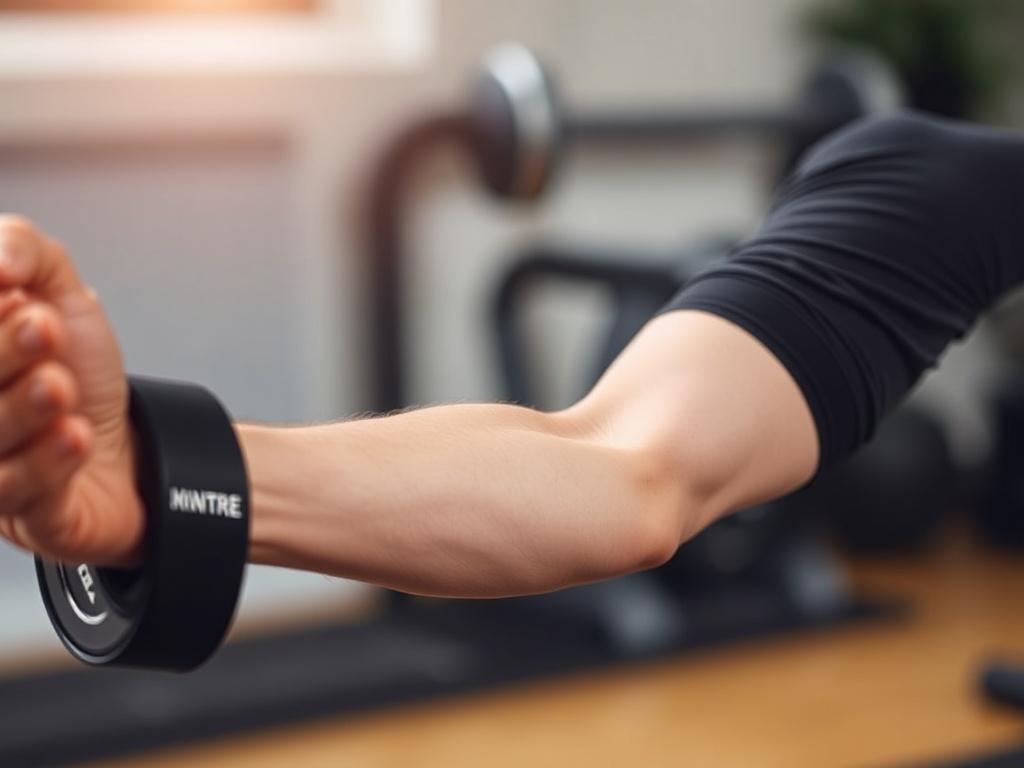
Start every session with a 5–10 minute warm-up of lighter activity to gradually increase heart rate and dilate vessels. A proper warm-up reduces the risk of sudden blood pressure surges and prepares muscles for work.
End with a 5–10 minute cool-down and gentle stretching. Stopping abruptly after a hard effort can cause blood to pool in the legs and a rapid blood pressure change, which sometimes leads to dizziness or fainting.
Include breathing drills during warm-up and cool-down to reinforce steady oxygenation and calm the nervous system, which supports more stable blood pressure responses during the workout.
How medications affect exercise response
Many antihypertensive medications change the way your body responds to exercise. Beta blockers reduce maximal heart rate and blunt heart rate recovery, making heart rate a less reliable intensity gauge.
Diuretics increase urine output and can raise the risk of dehydration and electrolyte disturbances, particularly in hot conditions or prolonged workouts. ACE inhibitors and ARBs may improve exercise tolerance by lowering baseline blood pressure and reducing afterload.
Always discuss medication timing with your clinician. For example, some people prefer to avoid intense sessions when diuretics are at peak effect to limit bathroom urgency and dehydration risk.
Signs you should stop exercising and seek help
Stop exercising and seek immediate medical attention if you experience chest pain, pressure or squeezing; sudden severe shortness of breath; fainting; sudden weakness or numbness; or a new, severe headache. These symptoms may indicate a serious cardiac or cerebrovascular event.
Other warning signs that require pausing the session include lightheadedness that doesn’t pass with rest, irregular or unusually rapid palpitations, and extreme fatigue that is out of proportion to effort. It’s better to err on the side of caution.
If your resting blood pressure measures consistently above 180/110 mm Hg, do not exercise and contact your healthcare provider promptly. High acute readings often require medication change or urgent evaluation.
Monitoring your blood pressure at home
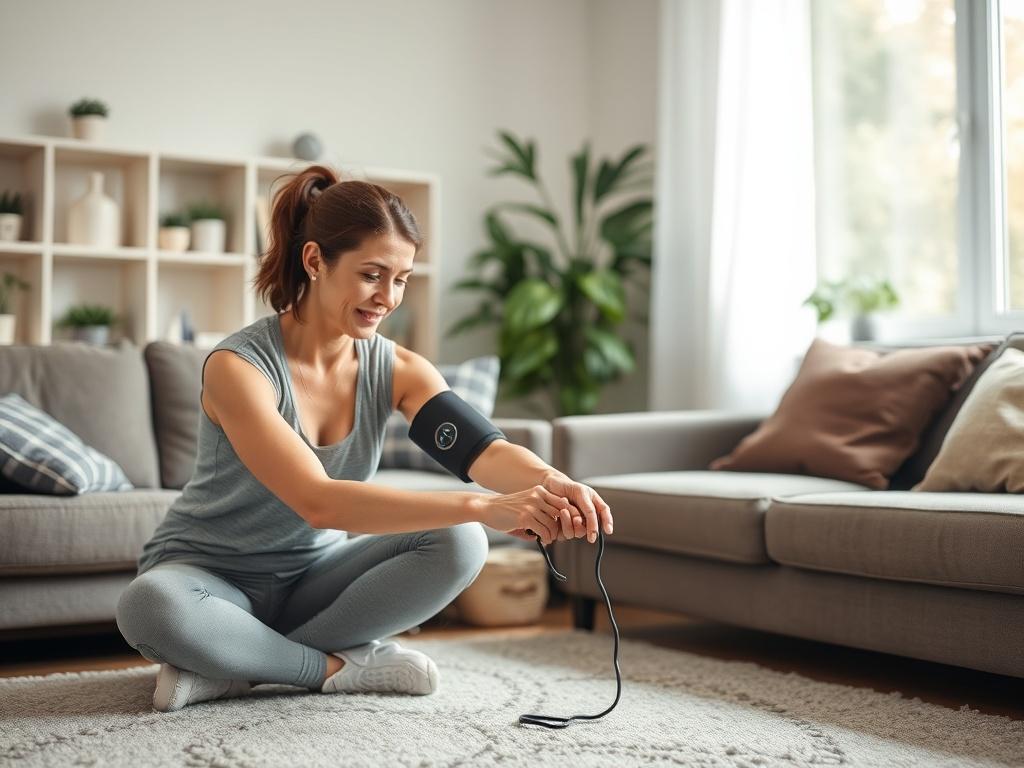
Home blood pressure monitoring gives useful feedback on day-to-day control and can guide exercise timing. Measure when seated and rested, ideally before exercise, and record readings along with notes about how you feel.
Use an upper-arm cuff validated by recognized organizations for best accuracy. Wrist cuffs and finger monitors can be useful in a pinch but are more sensitive to body position and movement.
Track trends rather than single isolated numbers. If exercise consistently precedes higher daytime readings, review the routine with your clinician and consider adjustments to intensity, hydration, or medication timing.
Sample weekly plan for someone with controlled hypertension
The following sample week represents a conservative, effective approach for many people with hypertension who have medical clearance. Adapt exercises to your abilities and preferences, and progress slowly.
| Day | Workout | Duration |
|---|---|---|
| Monday | Brisk walk + dynamic warm-up and cool-down | 30–40 minutes |
| Tuesday | Resistance training (full body, bands or machines) | 30 minutes |
| Wednesday | Low-impact cardio (cycle or swim) + flexibility | 30–45 minutes |
| Thursday | Brisk walk with short intervals of faster pace | 30 minutes |
| Friday | Resistance training (lighter session, focus on mobility) | 25–35 minutes |
| Saturday | Long, easy aerobic activity (hike, long walk) | 45–60 minutes |
| Sunday | Active recovery: tai chi, yoga, or gentle stretching | 20–30 minutes |
This plan balances aerobic and resistance work and places emphasis on recovery. Increase duration first, then frequency, and add intensity last to maintain safety.
Practical exercise examples and how to perform them
Walking: A simple, effective choice. Focus on brisk pace, upright posture, and alternating terrain to increase challenge. Use good shoes and consider a pedometer or smartphone app for motivation.
Cycling: Stationary or outdoor cycling provides controlled aerobic training with minimal joint impact. Maintain moderate cadence and avoid standing sprints if you are new to exercise or unmonitored.
Resistance circuit: Pick 6–8 exercises (squats to a chair, seated rows with band, wall push-ups, step-ups, hip bridges, shoulder press with light weights). Perform one set of 12–15 reps at a steady pace, rest 60–90 seconds, repeat for two circuits.
Common mistakes people make and how to avoid them
- Skipping medical clearance: Always check with your clinician if you have new or uncontrolled hypertension.
- Pushing too hard too soon: Progress slowly in duration before adding intensity.
- Holding breath during lifts: Breathe continuously and avoid Valsalva to reduce blood pressure spikes.
- Ignoring hydration and heat: Dehydration can worsen blood pressure control and increase cardiovascular strain.
- Relying solely on heart rate when on certain meds: Use RPE and the talk test instead.
Awareness of these pitfalls will help you stick to a safe, effective program and reduce setbacks. Adjust your environment and plan to minimize these risks from the start.
Adjusting for age and other health conditions
Older adults or those with arthritis, diabetes, or obesity may need lower-impact, shorter sessions initially. Joint-friendly activities like water aerobics and cycling preserve mobility and allow gradual conditioning.
If you have coronary artery disease, a recent myocardial infarction, heart failure, or peripheral artery disease, cardiac rehabilitation or supervised exercise programs offer structured and monitored progression. These programs combine exercise with education and medical oversight.
Work closely with your healthcare team to set realistic goals and timelines. Safe progress is less dramatic but far more durable than aggressive training that stops due to injury or fear.
Nutrition and lifestyle that support training and blood pressure control
Exercise works best as part of a broader lifestyle approach. The DASH diet, reduced sodium intake, weight management, limited alcohol, and adequate sleep all reinforce the effects of training on blood pressure.
Aim for steady weight loss if overweight; losing even 5–10% of body weight can produce meaningful reductions in blood pressure. Pair strength work with protein-rich meals to preserve lean mass during weight loss.
Manage stress with techniques like mindfulness, moderate exercise, social support, and adequate rest. Stress reduction helps curb sympathetic overactivity and supports lower blood pressure readings over time.
How to progress safely over weeks and months
Follow the 10% rule for increases: raise duration or intensity by no more than about 10% per week when possible. Early focus should be on consistency rather than intensity spikes.
If you feel good and your blood pressure readings trend downward, gradually extend aerobic sessions, then add brief higher-intensity intervals if appropriate and cleared by your clinician. Maintain at least one full rest or active recovery day weekly.
Reassess with your clinician every few months, particularly if medication changes occur or if your training substantially intensifies. Small, documented improvements are worth celebrating and typically predict continued success.
Real-life examples and lessons learned
I once helped a friend in his early 60s who had long-standing hypertension and a sedentary job. We started with short neighborhood walks, two or three times a week, and added resistance band work after six weeks. Within three months he reported more energy and his physician reduced one medication.
Another person I interviewed had been doing heavy weightlifting and experienced dizzy spells during workouts. After switching to higher-rep, lower-weight resistance and focusing on breathing, his symptoms resolved and he felt safer returning to regular training under medical supervision.
These examples highlight small changes that produced sustainable gains: consistency, gradual progression, and attention to breathing and intensity were the keys to success.
Training with comorbid diabetes, kidney disease, or obesity
When diabetes is present, monitor blood glucose around exercise sessions to prevent hypoglycemia, particularly if insulin or insulin secretagogues are used. Carry fast-acting carbs when necessary and plan timing of medication relative to workouts.
Chronic kidney disease may limit exercise tolerance due to anemia, fatigue, or fluid restrictions. Collaborate with nephrology and physical therapy to create tailored plans that preserve function without overtaxing the system.
Obesity often demands low-impact, longer-duration sessions to reduce joint stress while improving cardiorespiratory fitness. Walking, swimming, or using an elliptical machine are good starting points with gradual increments in daily steps or time spent moving.
Tools and technology to help
A reliable home blood pressure monitor is one of the most useful tools for people managing hypertension. Record readings and bring the log to doctor visits to guide treatment decisions and training adjustments.
Fitness trackers and smartphone apps can motivate you to meet daily step goals or log workouts. Use them as behavioral tools rather than definitive medical monitors; interpret heart rate trends cautiously if you’re on rate-altering medications.
In some cases, remote monitoring or telehealth check-ins with a clinician or exercise physiologist provide accountability and safety, especially when starting a new or higher-intensity program.
When exercise alone isn’t enough
Exercise is a powerful adjunct to medication and lifestyle modification, but it is not a guaranteed substitute for pharmacotherapy in all cases. If blood pressure remains above goal despite consistent exercise and lifestyle changes, medications are necessary to reduce risk.
Work with your clinician to optimize therapy and keep training safely. Medication adjustments often allow increased fitness work and improved quality of life, while exercise can reduce medication needs in some people over time.
Monitoring and collaboration create the best outcomes: exercise and medicine together lower risk more reliably than either approach alone for many patients.
Practical safety checklist for every workout
- Check your resting blood pressure if you usually do so and postpone exercise if readings are very high.
- Do a 5–10 minute warm-up before any hard work.
- Use RPE or the talk test to set intensity, especially if medications affect heart rate.
- Stay hydrated and avoid training during heat waves until you are well adapted.
- Stop and seek help for chest pain, severe dizziness, fainting, or neurological symptoms.
Keeping these steps in mind makes exercise safer and reduces the likelihood of adverse events. They also create a consistent routine you can trust and build on.
Questions to ask your clinician
Before starting or intensifying exercise, consider asking: Is my blood pressure controlled enough for unsupervised activity? Do I need any tests, like an exercise stress test? Are there specific limitations related to my medications or other conditions?
Ask about safe intensity ranges and whether certain activities (heavy resistance, contact sports) should be avoided. If supervised rehab is suggested, clarify what that program includes and how it transitions to home training.
Clear guidance helps remove uncertainty and lets you pursue an exercise plan with confidence and measurable goals.
Signs of long-term progress to celebrate
Improvements may show up as lower resting blood pressure, greater ease with activities of daily living, faster recovery between intervals, and increased exercise duration without undue fatigue. Weight loss and better sleep often accompany these gains.
Track these non-numeric wins as carefully as your blood pressure readings. Increased energy, reduced medication side effects, and better mood are meaningful outcomes that sustain long-term adherence.
Celebrate incremental progress and adjust goals periodically so your training remains challenging, safe, and motivating.
Final practical tips
Consistency matters more than intensity. A routine you can sustain for years will outperform a short burst of intense training followed by months of inactivity.
Keep exercise social when possible: walking with a friend or joining a supervised class increases accountability and enjoyment. Enjoyment strongly predicts whether you’ll maintain the program over time.
If you have doubts or new symptoms, pause and consult your clinician. With sensible planning and steady effort, training can become a cornerstone of safe, effective blood pressure management and a source of daily well-being.