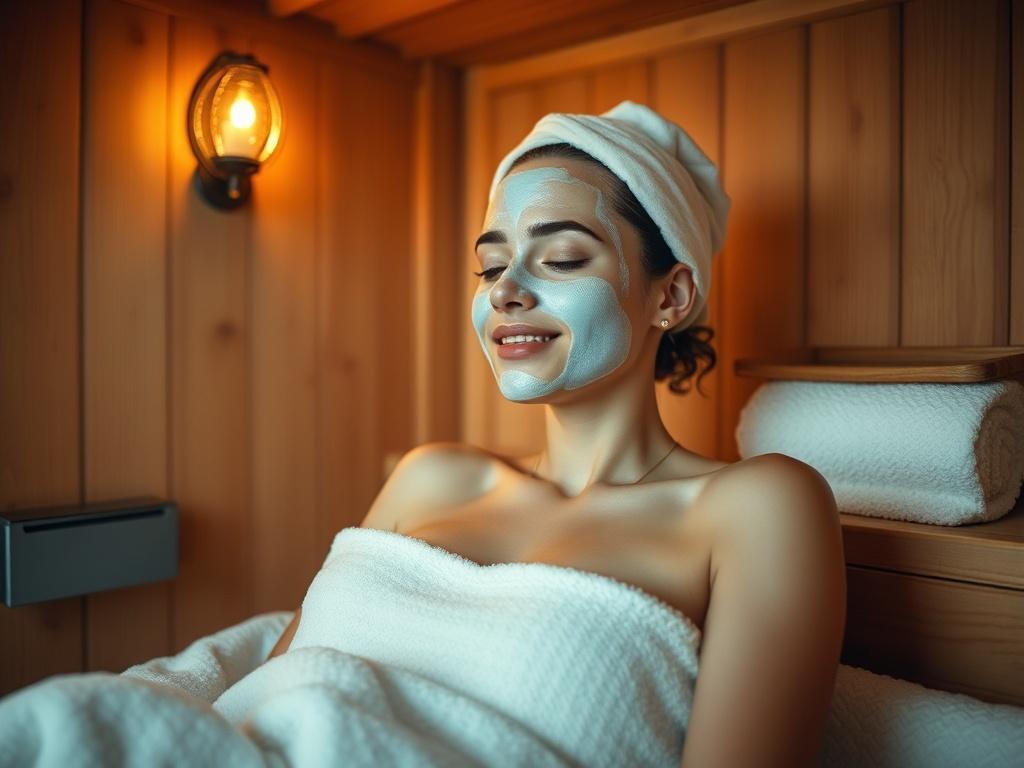
The banya is more than heat and steam — it’s a ritual that can leave your skin softer, clearer, and surprisingly resilient when done with attention and care. Whether you’re stepping into a centuries-old wooden steam room or trying a steam shower at home, the way you prepare, treat, and follow up makes all the difference for healthy skin. This article covers practical steps, gentle recipes, safety considerations, and small rituals that turn a visit to the banya into a real skincare treatment.
How heat and steam affect the skin
Heat causes blood vessels in the skin to dilate, increasing circulation and delivering more oxygen and nutrients to the surface. That flush helps with radiance and can speed the removal of metabolic waste, but it also increases evaporation from the skin, which can lead to temporary dehydration if you don’t rehydrate properly.
Steam opens pores and softens keratin, the protein that makes up the outer layer of skin. This makes impurities and dead cells easier to remove with gentle exfoliation. Yet when pores are opened by steam, they also become more vulnerable to irritants and aggressive scrubs, so a soft touch is essential.
Sweating is a natural detox pathway: sweat removes salts and some water-soluble toxins, but it can also leave residues of bacteria and environmental particles on the skin. Washing and proper aftercare prevent clogged pores and irritation. The benefit of improved circulation must be balanced with protecting the skin barrier.
Preparing your skin before a session
Begin with a clean face and body. Remove makeup and heavy creams so steam can reach the skin directly. Cleansing before heat reduces the chance that oils or cosmetics will trap sweat and impurities inside pores.
If you plan to exfoliate, do it gently before your first heat cycle. A light scrub or a soft-bristled brush removes dead skin and allows steam to work more evenly. Avoid deep or aggressive exfoliation before intense heat — microtears combined with high temperature increase irritation and redness.
Hydration matters. Drink water in the hour before you enter the banya, and consider applying a thin layer of a lightweight, non-comedogenic oil on dry areas like elbows or the backs of hands. This small barrier can prevent excessive moisture loss without blocking pores on oilier faces.
Checklist: what to do before you go
Set up a simple checklist to ensure you don’t skip small but important steps. A short list keeps your routine efficient and consistent.
- Remove makeup and jewelry.
- Wash with a gentle cleanser.
- Apply light hydration to very dry areas if needed.
- Bring a clean towel, slippers, and a refillable water bottle.
- Avoid heavy, oil-rich products on the face prior to steaming.
Sticking to these basics preserves the skin’s barrier and helps you get the cleansing benefits of steam without unnecessary irritation.
What to bring and what to wear
Simple gear keeps the focus on relaxation and skincare. Bring a soft towel to sit on and another for drying off, plus a robe for the cooldown period. A small wooden or cork brush helps with dry brushing on the way in or out of the steam room.
Choose breathable, natural fibers when you wear anything into the banya. Cotton or linen moves moisture away from the skin and reduces friction. If you prefer to be bare, keep the session modest and respectful of any shared spaces.
Bring a head covering — a felt or cotton cap in a traditional banya reduces scalp overheating and protects hair oils. For facial protection, a thin fiber mask or a damp cloth can shield sensitive spots during intense heat sessions.
Timing and temperature: a table for common recommendations
Temperatures and times depend on the type of banya, personal tolerance, and skin type. Use the following table as a general guide and always listen to your body.
| Skin type | Suggested temperature | Session length (each cycle) | Notes |
|---|---|---|---|
| Normal | 140–170°F (60–77°C) | 8–12 minutes | Comfortable heat; hydrate between cycles. |
| Dry or sensitive | 120–140°F (49–60°C) | 5–8 minutes | Lower heat and shorter time; avoid harsh scrubs. |
| Oily or acne-prone | 140–170°F (60–77°C) | 6–10 minutes | Avoid heavy oils afterwards; gentle cleansing post-session. |
| Mature | 130–150°F (54–66°C) | 6–10 minutes | Combine with hydrating masks; don’t overdo heat. |
These numbers are not rules etched in stone; they are starting points. Adjust downward if you feel dizzy, excessively flushed, or uncomfortable.
How to structure a banya session for skin benefit
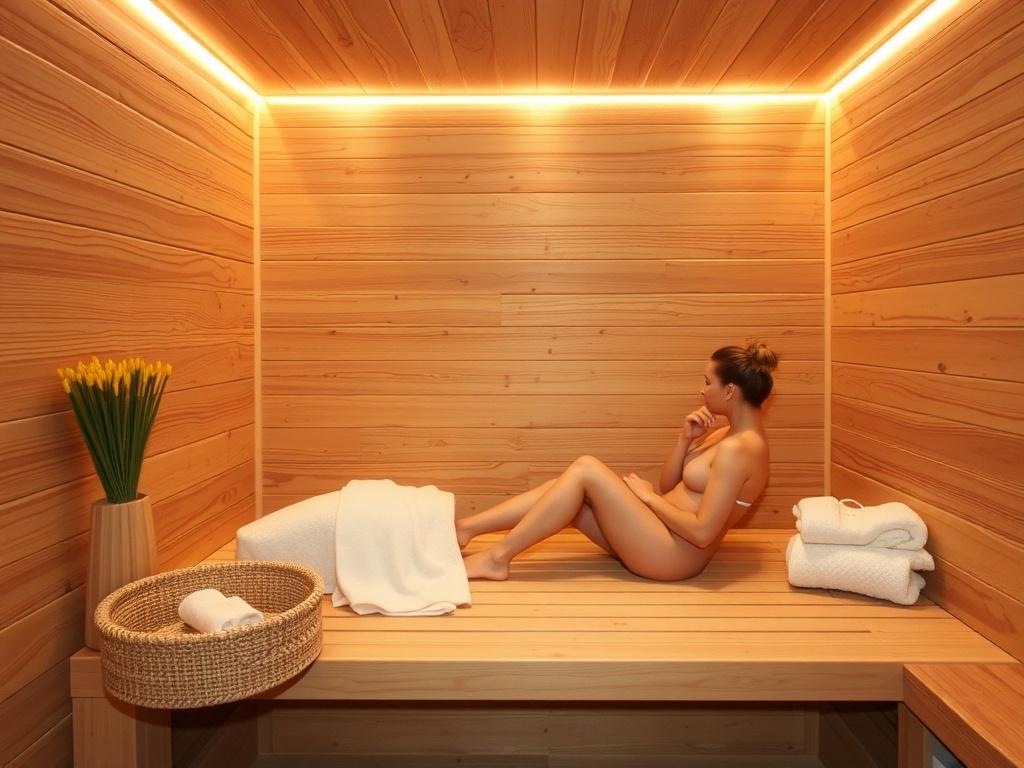
Think in cycles rather than a single long stretch. A typical routine alternates 1–3 heat cycles with cooling periods and a gentle cleansing step between cycles. This rhythm helps the body and skin reset and prevents overheating.
Start with a short warm-up cycle to open pores, then exit to cool and hydrate. After the second or third gentle cycle, if your skin tolerates it, use a soft scrub to remove dead cells. Finish with a soothing cooldown and hydrating treatment.
Avoid remaining in the hottest part for extended times. Shorter, repeated exposures give many of the benefits of heat while minimizing barrier disruption and prolonged inflammation.
Signs you’ve had enough
Learn to read signals from your body. Light-headedness, excessive heart rate, nausea, or a headache are clear signs to stop and cool down. On the skin, intense burning, sharp stinging, or excessive redness beyond a healthy glow means you should step out and neutralize the situation.
If you feel an overwhelming desire to remove clothing or splash cold water aggressively, take it as a cue to slow down. Gentle cooling is safer and kinder to the skin than sudden extremes, especially for older or sensitive individuals.
Venik (whisk) techniques and their effect on the skin
The venik — a bundle of birch, oak, or eucalyptus branches used in traditional banyas — stimulates circulation, exfoliates lightly, and releases aroma compounds. When used skillfully, it enhances the therapeutic effects of heat without harsh friction.
Start with soft, gentle strokes rather than forceful slaps. The goal is increased blood flow, not trauma. The aroma from birch or eucalyptus can also be soothing and can help clear the sinuses, which indirectly benefits the skin by encouraging deeper breathing and relaxation.
Avoid venik strokes on broken skin, insect bites, active rashes, or areas with severe acne. If you’re new to venik use, ask an experienced banya attendant or watch demonstrations to learn pressure and rhythm that suit your comfort level.
Gentle exfoliation: techniques and timing
Exfoliation in the banya is effective because steam softens the skin and loosens debris. But softer is better: choose a mild scrub or a muslin cloth rather than a pumice stone on the face. Reserve coarser tools for thickened areas like heels and elbows.
Use circular motions and minimal pressure, especially on the face and neck. For body scrubs, a blend of natural sugar or finely ground oats with a little oil provides mechanical exfoliation while adding slip to reduce friction. Rinse with warm water and repeat if necessary, but don’t overdo it — once or twice per session is usually enough.
Follow exfoliation with a calming rinse and apply hydrating products while the skin is still slightly damp to lock in moisture. This is when skin absorbs nourishing oils and serums most effectively.
Natural masks, scrubs, and infusions you can use
Natural ingredients work beautifully in the humid, warm environment of the banya. They release aromas, provide nutrients, and often require no preservatives. Below are a few recipes that are easy, effective, and gentle on most skin types.
| Treatment | Ingredients | How to use |
|---|---|---|
| Oat and honey facial mask | 1 tbsp finely ground oats, 1 tsp raw honey, 1 tsp water | Mix to paste, apply to warm face for 8–10 minutes, rinse gently. |
| Sugar and olive oil body scrub | 3 tbsp sugar, 2 tbsp olive oil, few drops lemon (optional) | Rub on damp skin in gentle circles; rinse. Avoid lemon on irritated skin. |
| Herbal steam infusion | Handful fresh birch leaves or eucalyptus, hot water | Pour over hot stones or place in a bowl inside the banya to scent the steam. |
| Avocado hydrating mask | Half ripe avocado, 1 tsp yogurt | Blend, apply to dry areas or face for 10–12 minutes, rinse with warm water. |
Patch-test any new ingredient on the inner arm before applying widely. Natural doesn’t always mean non-irritating, especially for sensitive skin or allergy-prone people.
DIY scrub recipes and safety tips
When making scrubs, balance grit and lubricant. Sugar and finely ground oats are forgiving and dissolve with water, lowering the risk of microtears. Harder abrasives like coarse salt or coffee grounds work on callused skin but avoid them on delicate areas.
Always rinse thoroughly to remove product residues that could trap sweat or bacteria. If a scrub causes burning or excessive redness, discontinue and soothe the area with cool water and a plain emollient like a light oil or fragrance-free cream.
Aftercare: immediate steps when you leave the banya
After your final heat cycle, cool down gradually. Step into a cooler area, sit for several minutes, and sip water. Sudden extremes — like a blast of ice-cold water — can be invigorating, but for many people they cause capillary stress and temporary redness; opt for moderate cooling if your skin is reactive.
Rinse with lukewarm water and use a mild, fragrance-free cleanser if you feel residue on the skin. Pat, don’t rub, when drying to avoid mechanical irritation. Apply treatments while skin is slightly damp to maximize absorption and minimize tackiness.
Choose hydrating products with humectants like glycerin or hyaluronic acid followed by an occlusive or emollient—oil or cream—to seal moisture. For daytime banya visits, finish with a mineral sunscreen if you’ll be outside; heated skin can be more susceptible to sun damage.
Layering order for post-banya skincare
Follow this simple sequence to restore barrier function and lock in hydration.
- Cleanse gently if needed.
- Apply a hydrating serum (hyaluronic acid or glycerin-based).
- Use a soothing treatment for irritation (niacinamide or panthenol if tolerated).
- Seal with a moisturizer or facial oil.
- Use sunscreen outdoors.
Keep products light; heavy, greasy formulations can feel suffocating on freshly steamed skin and may trap sweat if you go back out into heat soon after.
Special considerations for different skin types
Skin responds differently to heat. Oily or acne-prone people often notice a temporary improvement in clarity because steam loosens sebum and softens blackheads, but this can be followed by rebound oiliness. Stick to gentle cleansing and avoid pore-clogging oils afterwards.
Dry or mature skin requires extra protection. Shorter heat cycles and richer post-banya creams help prevent moisture loss. Consider adding a humectant serum plus a nourishing oil as your final layer to restore lipids and prevent tightness.
Sensitive skin and rosacea-prone skin can react strongly to heat. Lower temperatures, gentle cycles, and minimizing physical exfoliation are essential. If rosacea flares after sauna use, consult a dermatologist for personalized guidance before continuing banya routines.
Managing acne and active breakouts
Heat and steam can loosen sebum and push impurities to the surface, which helps some people but may aggravate others. Avoid squeezing or picking at breakouts in the banya. Instead, use gentle cleansing and a non-comedogenic post-banya moisturizer.
Avoid heavy oils and occlusives on acne-prone skin; choose lightweight, non-comedogenic options like squalane. If you are on topical acne medications like retinoids or benzoyl peroxide, consult your clinician — heat can increase irritation or alter how these medications behave on the skin.
If breakouts worsen after regular banya sessions, back off frequency and modify temperature and exfoliation intensity until you find a calmer routine that doesn’t provoke inflammation.
Tattoos, hair removal, and other special cases
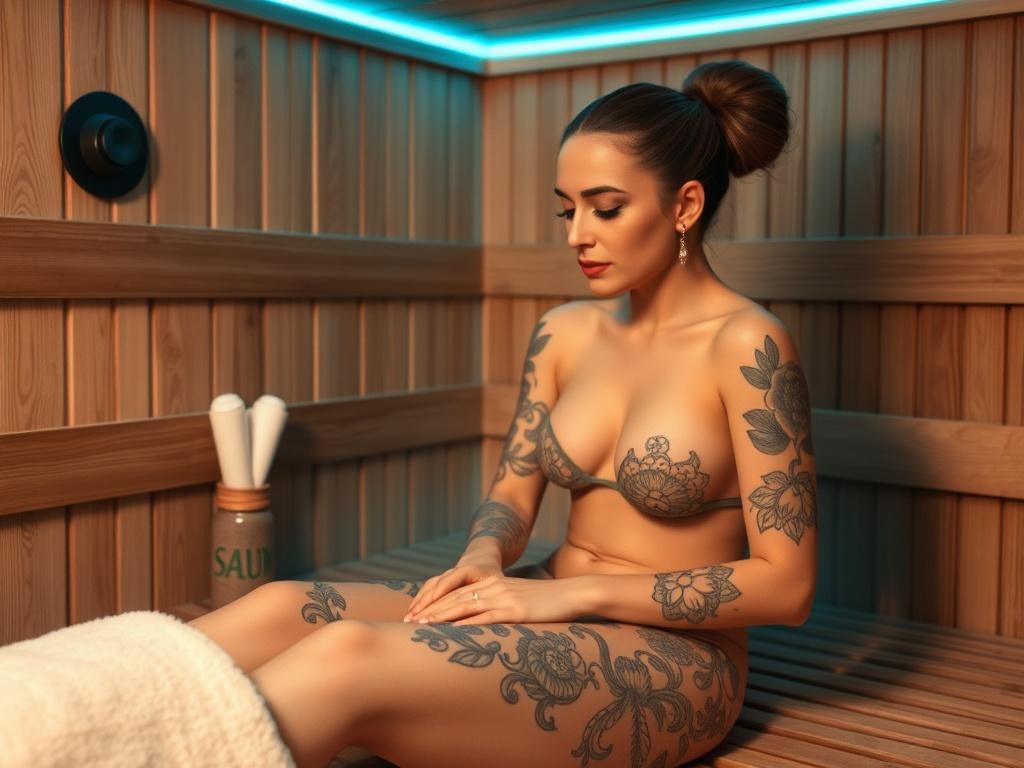
Fresh tattoos should be kept away from the banya until fully healed. Heat, steam, and friction can force ink or fluids out and increase infection risk. Wait at least two to four weeks or follow the advice of your tattoo artist and a healthcare professional.
After hair removal — whether waxing, sugaring, or laser — skin is temporarily more sensitive. Avoid steam and vigorous scrubs for 48–72 hours post-treatment. Gentle, cool healing and fragrance-free emollients protect newly exposed skin.
People with eczema or psoriasis should be cautious. For some, short, mild steam sessions improve hydration and itch; for others, heat and sweating trigger flares. Monitor your response and speak with a dermatologist if you plan frequent sauna use.
Common mistakes to avoid
One frequent error is doing too much in a single visit: aggressive exfoliation, intense heat, and multiple venik sessions stacked together. Those extremes compound stress on the skin barrier and increase the chance of irritation or post-inflammatory pigmentation.
Another mistake is skipping hydration. Both internal and topical hydration are crucial. Drinking water is not optional — it helps your body regulate temperature and supports skin recovery. Topical hydration immediately after the session is equally important to prevent transepidermal water loss.
Finally, using abrasive or scented products right after steaming can sting or inflame skin. Choose bland, soothing formulations in the immediate post-banya period and save stronger active ingredients for days when your skin is calm.
Safety and contraindications
While banyas are restorative for many, they can be risky for people with certain medical conditions. Individuals with unstable heart disease, uncontrolled hypertension, or recent stroke should avoid intense heat exposure. Pregnant people should consult their healthcare provider before using saunas or banyas due to potential effects on circulation and fetal development.
Certain medications — including some blood pressure drugs, diuretics, and antihistamines — alter how your body responds to heat and can increase dehydration risk. If you take regular medication, talk to your clinician about safe sauna practices.
Always err on the side of caution. If you feel faint, excessively dizzy, or nauseous, step out, sit down, and cool gradually. Seek medical help if symptoms persist or are severe.
How often should you visit the banya?
Frequency depends on goals and skin response. For general skin health and stress relief, weekly to biweekly sessions are common. If you’re using the banya to complement a targeted skincare program, once or twice a week may be sufficient, provided you avoid harsh treatments each time.
Listen to how your skin looks and feels in the days after a visit. If you notice increased dryness, redness, or flaking, space sessions further apart and reduce exfoliation intensity. With proper hydration and gentle aftercare, many people find a weekly rhythm balances benefits with recovery time.
In my own experience, moving from a weekend-only banya habit to a once-a-week ritual dramatically improved my skin’s texture and my sleep quality. The key was tempering enthusiasm — I learned to skip heavy scrubs and to follow each visit with a rich, protein-packed mask when my skin needed repair.
Products to choose and products to avoid
Post-banya, favor products with proven moisturizing and barrier-repairing ingredients: ceramides, fatty acids, glycerin, hyaluronic acid, and squalane. These ingredients reinforce the skin’s protective layer and help retain moisture after sweating and steam exposure.
Avoid alcohol-heavy toners, strong fragrances, and high-concentration acids immediately after a session. Those ingredients can sting on freshly heated skin and cause unnecessary irritation. Save acid peels and retinoids for days when your skin is not freshly steamed.
When selecting body products, consider thicker creams or balms for very dry areas and lightweight lotions for the rest. Reading labels helps: look for simple ingredient lists rather than exaggerated marketing claims, and prioritize barrier-supporting components over novelty extracts.
Creating a spa-like banya at home
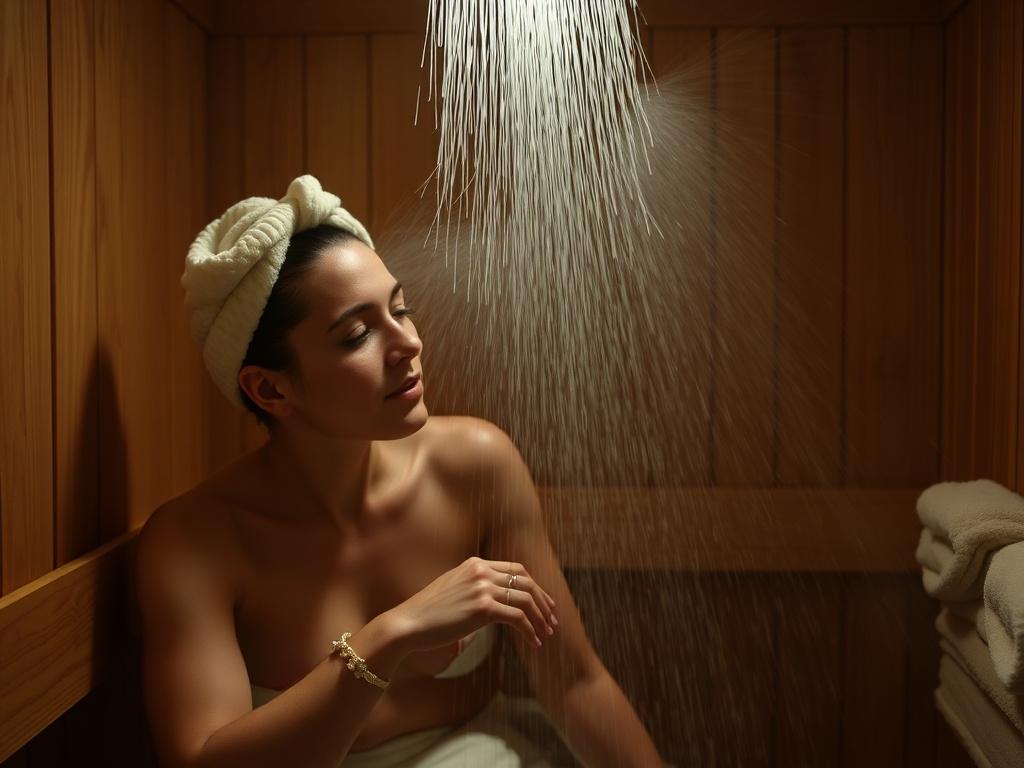
If you don’t have access to a traditional banya, you can recreate many of the benefits at home. A hot shower with a handheld sprayer, a bowl of hot water with eucalyptus or birch leaves, and a small room humidifier produce a pleasant steam environment. Add a towel and a comfy seat, and you have a mini ritual space.
Use low heat and short durations to avoid prolonged household steam exposure, which can be less controlled than a professional banya. Portable sauna tents and infrared saunas are alternatives, but they produce different effects: infrared heats tissue more directly and doesn’t generate the same humid environment, so adapt your skincare steps accordingly.
At home you can also prepare DIY treatments in small batches, control the music and lighting, and layer self-massage with oils. A deliberate, calm approach elevates the experience beyond simple sweating to something restorative for both body and mind.
Rituals and small habits that make a difference
Little rituals add meaning and improve results. Rinsing your face with cool water between cycles, massaging a few drops of oil into damp skin, and drinking herbal tea during cooldown all support recovery and relaxation. These practices change the banya from a physical event into a mindful pause in your week.
Make a habit of noting how your skin reacts over the next 48 hours after a session. Keep a short log: temperature used, whether you exfoliated, what products you applied afterward, and any changes in texture or irritation. Patterns emerge quickly and guide smarter choices.
Share the ritual when it feels right. A trusted friend who knows your tolerance can make venik use safer and more enjoyable. Yet there is beauty in personal time as well — a quiet banya visit can help you tune in to subtle skin cues you might otherwise miss.
Frequently asked questions
Will steam open my pores permanently? No. Steam temporarily dilates pores by softening surface lipids, but pores do not permanently open or close. The effect is transient and reversible with cooling and proper care.
Can I use oil before entering the banya? Light oils can protect very dry spots, but heavy oils on the face may trap sweat and impurities. If you use oils, apply sparingly and choose non-comedogenic options on the face, reserving richer oils for the body.
Is it okay to apply active ingredients like vitamin C or retinol after a banya? Wait until skin has fully cooled and calmed before using strong actives. Vitamin C may be okay after mild steam if your skin tolerates it, but retinoids are best used on days without steaming to reduce the chance of irritation.
Simple weekly banya skincare plan
Here is a gentle weekly template you can adapt based on your skin’s needs and your schedule. It balances heat exposure with recovery and nourishing treatments.
- Day of banya: clean, short warm-up cycle, light exfoliation if tolerated, cool down, hydrating serum, and emollient moisturizer.
- Next day: gentle cleansing and a nutrient-rich mask in the evening if skin feels tight.
- Two to three days later: use a mild active (like a low-concentration AHA or niacinamide) only if skin shows no irritation.
- Repeat weekly or adjust frequency based on skin response.
Consistency matters more than intensity. Small, regular rituals keep skin healthy without triggering sensitivity from overuse.
Final thoughts and a gentle encouragement
Banya skin care is about respecting heat and using steam as a tool — not a weapon. When you approach each session with a plan and an eye for how your skin responds, the banya becomes a place of repair and glow rather than a source of redness and dryness.
Try one change at a time: shorten your heat exposure, swap a scrub for a gentler one, or add a hydrating serum after a visit. Over a few weeks you’ll notice what improves your skin and what doesn’t. The best routine is the one that feels enjoyable and sustainable, leaving your skin healthy and your circuits calmer.
Now pack a towel, bring water, and step into the warmth with intention. Treat the banya as a ritual and your skin will thank you for the care you give it. Уход за кожей в бане can be simple, restorative, and deeply satisfying when done with patience and thoughtfulness.