
Many men ask a blunt question: Как убрать жир с бедер у мужчин — and they want straight answers, not slogans. Fat around the hips and inner thighs feels stubborn, but it follows the same rules as fat anywhere else: diet, movement, recovery, and time. This article lays out a practical, science-backed plan you can follow for months, not days, and gives tools to measure real progress.
Why fat collects on the hips and thighs
Fat distribution is shaped by genetics, hormones, and sex; men usually accumulate more fat around the abdomen and hips than they’d like. The hips and inner thighs can act like a storage depot for excess calories, influenced by testosterone, cortisol, and insulin sensitivity. Understanding the why makes the how less mysterious and less frustrating.
Men also store fat differently across life stages: younger men tend to hold more around the midsection, while lifestyle changes, aging, and reduced muscle mass can shift that balance. Sedentary jobs, long commutes, and desk-based hobbies compound the issue by reducing daily energy expenditure. Once you accept that biological factors are at play, you can design a plan that works with your body rather than against it.
Spot reduction: the myth and the reality
Many people believe targeted exercises will melt fat from a single area, but decades of research contradict that. Performing thousands of inner-thigh raises will strengthen the muscles beneath the fat, yet won’t selectively remove the fat layer itself. Fat loss occurs systemically; your body decides where it takes fat from based on genetics and hormonal signaling.
That doesn’t mean local training is useless. Strengthening the hip and thigh muscles reshapes the underlying structure, improves metabolic rate, and makes a slimmer appearance more likely once fat loss occurs. Think of resistance training as sculpting the foundation while nutrition controls the overall volume of material.
Nutrition: the central tool for losing thigh fat
Calorie balance is the dominant driver of fat loss. To reduce fat around the hips, you must eat fewer calories than you expend over weeks and months. Small, consistent deficits—usually 10–20% below maintenance—are easier to sustain and preserve lean mass better than drastic cuts.
Quality matters, too. Prioritize protein to maintain muscle, fiber-rich vegetables to control hunger, and whole-food carbohydrates and fats for satiety and nutrient density. Timing and meal frequency are personal preferences; they matter less than total intake and macronutrient distribution across the day.
Practical dietary targets
A practical starting point is 0.7–1.0 grams of protein per pound of body weight for men aiming to lose fat while keeping muscle. Fat intake can sit between 20–35% of total calories to support hormones and satiety, while the rest comes from carbohydrates for training performance. Adjust these ranges based on energy levels and progress.
Hydration, fiber, and micronutrients often get overlooked during weight loss. Drinking enough water supports performance and digestion, and a colorful plate of vegetables provides vitamins and minerals necessary for recovery. Missing these basics slows progress and saps motivation.
Sample day: balanced meal plan
Below is a simple example that illustrates the balance between protein, carbs, and fats without overdosing on gimmicks. This template is scalable: increase portion sizes if you’re larger or training intensely, and reduce them if you’re smaller or less active.
| Meal | Example | Approx. calories |
|---|---|---|
| Breakfast | Three-egg omelet with spinach, tomato, and a slice of whole-grain toast | 400–500 kcal |
| Snack | Greek yogurt with berries and a handful of almonds | 200–300 kcal |
| Lunch | Grilled chicken breast, quinoa, mixed greens with olive oil | 500–600 kcal |
| Snack | Apple and 2 tablespoons of peanut butter | 250–300 kcal |
| Dinner | Baked salmon or tofu, sweet potato, steamed broccoli | 500–700 kcal |
| Total | ~1,850–2,400 kcal (adjust as needed) |
Training strategy: resistance, cardio, and intervals
Combine resistance training with targeted cardio and interval work to maximize fat loss and preserve muscle. Resistance training raises resting metabolic rate by increasing lean tissue, while intervals burn more calories during and after a session. Neither alone is as effective as a well-rounded program that includes both.
Frequency and consistency trump perfection. Aim for three to five strength sessions per week, each focusing on compound movements, and two to three cardio or interval sessions on alternate days. If your schedule is tighter, prioritize strength and add short high-intensity sessions that take 10–20 minutes.
Strength work: compound lifts and loaded carries
Compound lifts recruit large muscle groups and stimulate a strong hormonal response favorable to fat loss. Squats, deadlifts, lunges, and Romanian deadlifts should form the core of your lower‑body program. These lifts build muscle around the hips and thighs and burn significant calories when performed with intensity.
Loaded carries—farmer walks or suitcase carries—train the whole body and improve posture, which helps the hips look leaner. Use progressive overload: increase weight, reps, or sets gradually over weeks to keep adaptations moving forward. Strength gains protect your metabolism during a calorie deficit.
Exercises that reshape the hips and thighs
Include both bilateral and unilateral exercises to correct imbalances and target inner thigh development. Bilateral moves like back squats and barbell deadlifts build mass and strength, while unilateral moves like Bulgarian split squats and single-leg Romanian deadlifts improve symmetry. A balanced approach prevents compensation patterns that can hinder progress.
- Back squats: 3–5 sets of 5–8 reps
- Romanian deadlifts: 3–4 sets of 6–10 reps
- Bulgarian split squats: 3 sets of 8–12 reps per leg
- Cable adductions or Copenhagen holds for inner-thigh strength: 3 sets of 8–15 reps
- Hip thrusts or glute bridges for posterior chain development: 3–4 sets of 6–12 reps
Cardio and interval training: efficient calorie burn
Steady-state cardio like cycling or jogging helps build an aerobic base and increases weekly calorie burn, but intervals provide superior time efficiency and metabolic afterburn. High-intensity interval training (HIIT) sessions of 15–25 minutes stimulate fat loss while preserving muscle when paired with strength work.
Choose modalities you enjoy to maximize adherence. Sprint intervals, hill repeats, or bike sprints are excellent options, while moderate-intensity steady-state (MISS) sessions like long walks or easy bike rides can be used for recovery days. The combination of modalities keeps training fresh and prevents burnout.
Sample weekly workout plan
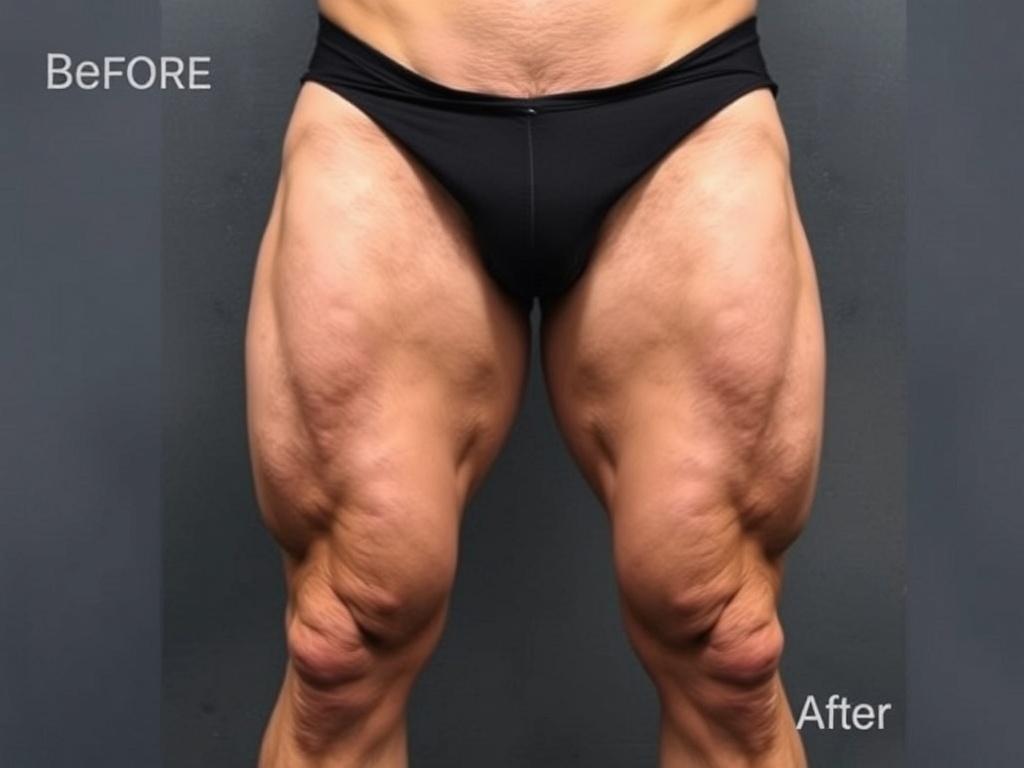
The following plan balances strength, interval work, and recovery across the week. It’s a template you can scale; increase weights or add volume as you grow stronger. Rest days are active recovery, not complete inactivity—gentle movement supports circulation and recovery.
| Day | Session |
|---|---|
| Monday | Lower-body strength: squats, Romanian deadlifts, lunges, calf raises |
| Tuesday | HIIT: bike or sprint intervals (10 x 30s work / 60s rest) |
| Wednesday | Upper-body push/pull: bench press, rows, overhead press, pull-ups |
| Thursday | Active recovery: brisk walk or mobility work |
| Friday | Lower-body strength (different emphasis): deadlifts, Bulgarian split squats, hip thrusts |
| Saturday | Moderate cardio: 30–45 minutes steady-state or a sport |
| Sunday | Rest or light mobility and foam rolling |
Mobility, stretching, and recovery to protect gains
Heavy training demands recovery: sleep, mobility, and active rest unlock the performance needed to keep losing fat. Tight hips and poor mobility limit loading capacity and increase injury risk. A weekly mobility routine preserves range of motion and supports consistent training intensity.
Simple daily rituals can make a big difference: five to ten minutes of targeted stretching after training, foam rolling for circulation, and dynamic warm-ups before heavier sets. These practices aren’t glamorous, but they reduce pain, speed recovery, and keep you logging more productive sessions over months.
Sleep, stress, and hormones: why they matter
Sleep deprivation and chronic stress elevate cortisol and disrupt insulin sensitivity, both of which hinder fat loss and favor central and hip fat storage. Getting 7–9 hours of quality sleep per night supports recovery and appetite regulation, making dietary adherence far easier. Prioritize a consistent sleep schedule and minimize late-night screens or stimulants.
Mental stress is often underestimated. Incorporate brief stress-reduction practices—breathing exercises, short walks, or structured downtime—to blunt cortisol spikes. Managing stress improves food choices and energy levels, both of which are critical for sustained fat loss around the hips and thighs.
Supplements and safe aids worth considering
Supplements aren’t magic, but some can complement training and diet. Protein powder is a convenient way to hit daily protein targets, and creatine monohydrate helps maintain strength during a calorie deficit. Caffeine before workouts can improve performance and increase calorie burn when used responsibly.
Fish oil for general health, vitamin D if deficient, and a basic multivitamin for dietary gaps are reasonable additions. Avoid unregulated fat burners or hormone-altering substances. Real food, sleep, and training should account for most of your progress.
How to measure progress accurately
Scale weight alone is a poor judge because muscle and water fluctuate. Use a combination of methods: weekly photos in consistent lighting and clothing, circumference measurements of hips and thighs with a tape, strength tracking in the gym, and how clothes fit. These indicators together paint a reliable picture over time.
Track trends, not daily noise. Expect non-linear progress—plateaus and small regressions are part of the process. If your measurements, strength, and photos all show improvement over four to eight weeks, you’re heading in the right direction even if the scale stalls briefly.
Real-world example: how this approach worked for a client
I once coached a 38-year-old software engineer who complained primarily about hip and inner-thigh fat. He worked long hours, rarely moved outside the office, and had inconsistent sleep. We started with small nutrition changes, increased protein, and introduced three weekly strength sessions combined with two short HIIT sessions.
Over three months he lost 12 pounds and regained visible muscle definition around the glutes and hamstrings. He reported better posture, fewer back aches, and finally found jeans that fit comfortably. The key wasn’t a secret workout; it was consistent calories in deficit, progressive overload, and realistic timeframes that kept him engaged.
Common mistakes and how to avoid them
Trying to rush fat loss with extreme calorie restriction is a frequent error that costs lean mass and energy. Rapid weight loss often leads to rebound eating and muscle loss, which makes the hips appear less toned. Aim for steady progress and reassess every two to four weeks to avoid counterproductive methods.
Another mistake is neglecting strength training in favor of endless cardio. That approach can produce modest fat loss but often leaves men with less muscle tone and lower metabolic rate. Combine both modalities for optimal aesthetic and functional outcomes.
- Skipping progressive overload: track strength and add weight or reps regularly.
- Ignoring recovery: prioritize sleep and mobility to sustain training intensity.
- Over-relying on spot exercises: use compound lifts to reshape overall musculature.
Adjusting for different body types and ages
Men with a heavier frame or those in middle age may lose fat more slowly around the hips due to hormonal shifts and lower baseline activity. That’s normal and requires patience. Focus on maintaining strength and gradually reducing caloric intake while avoiding overly aggressive deficits that compromise muscle mass.
For leaner men trying to remove a small pocket of stubborn fat, a modest caloric tweak and a focus on neuromuscular recruitment around the hips may be enough. Either way, personalize based on energy, recovery, and strength trends rather than arbitrary timelines.
Injury prevention and modifications
If you have joint pain, old knee injuries, or a herniated disc, prioritize exercises that avoid aggravating those issues. Substitute bilateral squats with goblet or box squats, and use Romanian deadlifts with lighter loads and strict form to protect the lower back. Consult a physical therapist for personalized modifications when necessary.
Progress is rarely linear when injuries occur, but you can often work around limitations by emphasizing unilateral work, tempo control, and mobility. Rehabilitation and long-term consistency usually beat short-term intensity that ends in setbacks.
When to seek medical or professional help
See a physician if you experience unexplained weight changes, severe fatigue, or symptoms suggesting hormone imbalance, such as erectile dysfunction or significant changes in mood. A basic blood panel can reveal thyroid function, testosterone levels, and markers of metabolic health that influence how your body stores fat.
Working with a registered dietitian or certified strength coach helps when you need tailored programming, have unique dietary requirements, or want accountability. Professionals can accelerate progress by optimizing calorie targets, refining training technique, and monitoring recovery markers.
FAQs: short answers to common questions
Will inner-thigh exercises get rid of fat there? No—targeted exercises strengthen the muscle but don’t melt local fat. They’re valuable for shaping the area as overall fat decreases.
How fast can I expect change? Healthy, sustainable fat loss is about 0.5–1.0% of body weight per week for most men. Visible changes in hips and thighs often appear within 6–12 weeks with consistent effort. Patience beats crash diets.
Are there foods that specifically reduce hip fat? No single food targets hip fat. Prioritize protein, fiber, and whole foods to manage hunger and calories. The cumulative effect of consistent food choices drives changes.
Keeping motivation through plateaus
Plateaus are inevitable; plan for them mentally and practically. When progress stalls, review adherence, sleep, and stress before making further calorie reductions, and consider adding a little more strength volume or adjusting cardio. Small tweaks often restart progress without drastic measures.
Celebrate non-scale victories: improved strength, fitter daily activity, clothes fitting better, and better energy. Those wins sustain motivation when the scale lags. A long-term mindset—measured in months, not days—makes plateaus manageable and temporary.
Consistency compounds. Even imperfect effort done faithfully outperforms perfect routines abandoned after a week. Build routines you can live with, and the hips and thighs will eventually follow the rules your body recognizes.
If you want, I can design a four-week meal and training plan tailored to a typical schedule, or help you troubleshoot a plateau with numbers and progress metrics. Start from where you are and adjust gradually; the path is predictable when you apply steady effort.