
Many people notice stubborn fullness around the lower legs and wonder whether it’s possible to change that shape without surgery. The area between the knee and ankle—the shins and calves—responds to body fat changes, muscle tone, fluid balance, and genetics. This article walks through the science, training, nutrition, medical considerations, and practical steps so you can make an informed, realistic plan.
Why lower-leg fat or fullness can feel stubborn
Fat distribution is largely determined by genetics and hormones, so some people will naturally carry more tissue on their calves and shins than others. When you lose weight overall, that region often thins—but it may lag behind other areas because the body mobilizes fat from different depots at different rates. Understanding this helps set realistic expectations: you may reduce calf circumference, but dramatic spot-specific fat loss is unlikely without surgical intervention.
Beyond fat, the appearance of fullness in the lower leg can come from several sources: well-developed calf muscles, fluid retention, or conditions like lipedema and lymphedema. Each cause has different solutions, so the first step is to identify what’s contributing to your particular shape. Treating the wrong factor wastes time and effort and can delay appropriate medical care when needed.
How the anatomy of the lower leg affects shape
The lower leg contains two primary muscle groups that shape its silhouette: the gastrocnemius and soleus (the calf complex) and the tibialis anterior along the front of the shin. Tendons, bones, and the subcutaneous fat layer overlay these structures and create the visible contour. Stronger, denser calf muscles will make the lower leg more pronounced even when body fat is low.
Subcutaneous fat sits above the muscle and under the skin; its thickness varies with total body fat percentage. Skin elasticity and connective tissue quality also matter—older skin and reduced elasticity can make tissues appear less refined. Finally, chronic fluid accumulation amplifies girth and can make calves look puffier even without significant fat.
Spot reduction myth: what science actually says
The idea that you can burn fat from a single body part by exercising that area is largely a myth. Research shows that localized exercise increases blood flow and mobilizes fat inside working muscle, but the freed fat tends to be used systemically, not exclusively by the active muscle. That means calf raises alone won’t melt fat from the shins unless you’re in an overall caloric deficit.
That said, exercising the calves improves muscle tone and definition. Strong, lean calves can appear slimmer because increased muscle density takes up less space than a layer of soft fat, and improved posture and gait can change how the leg looks in clothes. So combine global fat-loss strategies with targeted strengthening for the best aesthetic outcome.
Be honest about assessment: measure and document
Before you start, measure your lower leg at the widest point—commonly the calf’s mid-belly—and record the number. Photograph your legs from multiple angles under consistent lighting and time of day (morning versus evening can alter appearance due to fluid shifts). Tracking changes objectively helps you see progress that the mirror or the scale might hide.
Also track weight, body measurements (waist, hips, thigh), and simple performance metrics such as number of calf raises or seconds of single-leg balance. If you suspect fluid retention, check whether measurements change significantly from morning to evening or after periods of prolonged sitting. Those patterns point to hydration and circulation issues rather than fat accumulation.
Nutrition fundamentals for reducing body fat
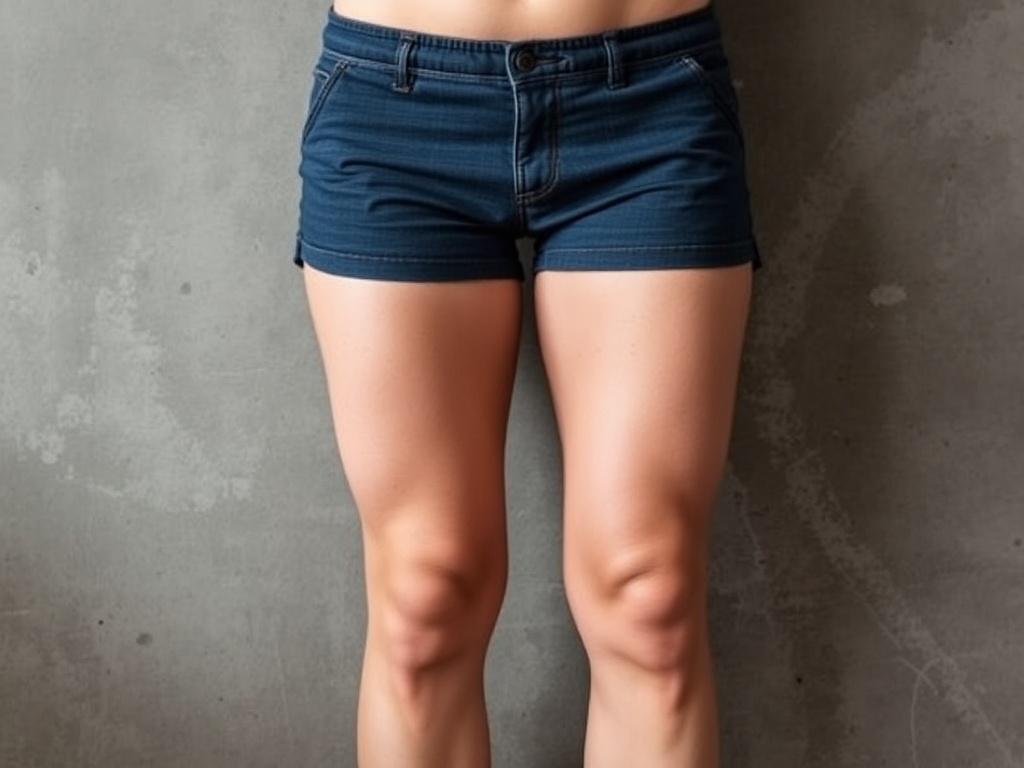
Lower leg fat responds to total body fat reduction, which requires a slight and sustainable caloric deficit. Aim for a modest calorie reduction—usually 250–500 calories per day below maintenance—to lose roughly 0.5–1.0% of body weight per week. A gradual approach preserves muscle mass and supports long-term habit change.
Protein intake is critical when dieting. Target roughly 0.7–1.0 grams of protein per pound of body weight (1.6–2.2 g/kg) depending on activity level and goals. Higher protein helps maintain muscle while you lose fat, and preserving calf muscle is important for both function and the leg’s visual tone.
Simple macro guideline and sample foods
Balance the rest of your calories between fats and carbohydrates according to personal preference and training needs. Aim for whole, minimally processed foods and adequate fiber, which helps satiety. Here’s a compact list of choices that support fat loss and recovery:
- Lean proteins: chicken breast, turkey, fish, tofu, low-fat dairy
- Complex carbs: oats, sweet potato, brown rice, quinoa
- Healthy fats: olive oil, avocado, nuts, seeds
- Fiber-rich produce: leafy greens, berries, cruciferous vegetables
Practical meal example for a day
Breakfast might be Greek yogurt with berries and a sprinkle of oats; lunch could be grilled chicken with quinoa and steamed broccoli; dinner could be salmon with a mixed greens salad and roasted sweet potato. Snacks like cottage cheese, a handful of nuts, or a piece of fruit keep hunger at bay while staying within calorie targets. Small, consistent choices matter more than perfection on any single day.
Training strategies that actually change leg shape
To influence lower-leg appearance, combine full-body resistance training, targeted calf work, and cardiovascular exercise. Full-body workouts create a hormonal and metabolic environment that supports fat loss, while direct calf exercises increase muscle definition. Cardio burns additional energy and improves circulation, helping reduce fluid-related puffiness.
Aim for 3–5 strength sessions per week, with at least two sessions including calf-focused work. Strength training also increases resting metabolic rate slightly because muscle is metabolically active; while calves alone won’t change your basal metabolism much, they contribute to overall lean mass preservation during fat loss.
Effective calf exercises
Calf raises—performed standing and seated—target different parts of the calf complex. Standing calf raises emphasize the gastrocnemius, while seated calf raises emphasize the soleus. Include both to shape the entire lower leg. Perform single-leg variations to correct side-to-side imbalances and strengthen stabilizer muscles.
- Standing calf raise: 3–4 sets of 8–15 reps with controlled tempo
- Seated calf raise: 3–4 sets of 10–20 reps to target soleus
- Single-leg calf raise: 2–3 sets of 8–12 reps per side for balance
- Farmer carries on toes: 2–3 x 30–60 seconds to build functional endurance
Progressive overload still applies: add weight, increase reps, or slow the eccentric phase to keep the muscle adapting. If calves are especially resistant, higher-rep approaches that stimulate local muscular endurance (15–30 reps) can sometimes produce better visible refinement because they reduce subcutaneous fullness through increased local tone.
Sample 8‑week calf-focused training block
Below is a basic plan you can repeat and progress. Adjust loading and rest to your fitness level. Perform full-body strength on two of these days to ensure balanced development.
| Day | Main focus | Calf work |
|---|---|---|
| Monday | Full-body strength | Standing calf raise 3×12 |
| Wednesday | Cardio + mobility | Single-leg calf raises 3×10 each |
| Friday | Lower-body strength | Seated calf raise 4×15 |
| Saturday | HIIT or incline walk | Farmer carries on toes 3x45s |
Cardio choices that help lower-leg appearance
Cardiovascular exercise contributes to total calorie burn and improves circulation, which reduces fluid pooling in the legs. Brisk walking, incline treadmill walking, cycling, and rowing are low-impact options that burn calories without undue joint stress. Adding inclines shifts more work to the calves and hamstrings, increasing local muscle stimulus while staying within a practical fat-loss plan.
High-intensity interval training (HIIT) is time-efficient and effective for fat loss in many people, but it’s not required. If you choose HIIT, keep sessions brief (10–25 minutes) and believably intense; overdoing HIIT can increase inflammation and hamper recovery. Alternate HIIT with steady-state cardio to preserve recovery and consistency.
Stretching, mobility, and gait corrections
Tight calf muscles and poor ankle mobility can change how your lower leg looks and functions. Working on dorsiflexion, Achilles flexibility, and ankle stability improves stride and can make the lower leg sit differently beneath the skin. Mobility work also reduces the risk of compensations that produce swelling or uneven muscle development.
Simple mobility drills include ankle circles, controlled knee-over-toe lunges, and calf eccentric stretches on a step. Spend 5–10 minutes after workouts or during separate mobility sessions to keep joints supple. Improving function often yields visual improvements because tissue tension and posture alter how muscle and fat present.
Massage, lymphatic drainage, and recovery tools
Manual lymphatic drainage, self-massage, and foam rolling can help move excess interstitial fluid and reduce temporary puffiness. These techniques don’t remove fat, but they can improve contour and skin texture while you pursue longer-term fat loss. A licensed massage therapist trained in lymphatic techniques provides the best results if fluid retention feels clinically significant.
Compression sleeves or socks reduce swelling during travel or long periods of standing. They’re especially helpful for people who experience evening puffiness or work in jobs requiring prolonged standing. Use them as a supportive measure rather than a permanent solution—addressing circulation, activity, and diet remains vital.
When fullness is not fat: medical conditions to consider
Some conditions cause disproportionate leg size or persistent swelling independent of weight. Lipedema is an example—an abnormal fat distribution disorder affecting mostly women, characterized by bilateral swelling, pain, and bruising that typically spares the feet. Lymphedema causes fluid accumulation from lymphatic dysfunction, leading to progressive swelling that requires medical management.
If your lower-leg fullness is disproportionate, painful, or resistant to diet and exercise, seek medical evaluation. A clinician can assess for vascular issues, thyroid dysfunction, venous insufficiency, lipedema, and lymphedema. Early diagnosis helps direct appropriate treatment and prevents worsening problems.
Surgical and non-surgical aesthetic options
For those seeking more immediate change, surgical options such as liposuction of the lower leg and contouring procedures are available, but they carry risks. Calf liposuction requires a skilled surgeon because the area is anatomically complex, and skin elasticity determines how well the leg will smooth down after fat removal. Results can be excellent in carefully selected patients, but consultation and realistic expectations are essential.
Non-surgical procedures like cryolipolysis (fat freezing) or radiofrequency treatments may help small deposits of fat, but evidence for consistent calf improvement is mixed. These methods work best on discrete pockets of subcutaneous fat and less well for diffuse tissue or muscle bulk. Always verify provider credentials and ask for before-and-after photos of similar patients.
Lifestyle adjustments that support slimmer calves
Daily habits affect lower-leg appearance. Simple changes—take short walking breaks if you sit all day, elevate legs for 15–20 minutes in the evening to reduce pooling, and avoid excessive sodium that promotes fluid retention—make measurable differences. Consistency in these small habits compounds over weeks and months.
Footwear matters too. High heels chronically shorten the calf complex and can alter muscle shape over time, while very flat, unsupportive shoes may change gait and loading patterns. Choose shoes that provide support for your daily activities and reserve specific footwear for exercise rather than relying on fashion alone.
Realistic timelines and what to expect
Significant changes in body composition take time. With a sustainable calorie deficit, consistent training, and attention to recovery, many people see measurable reductions in calf circumference and improved definition within 8–16 weeks. However, the pace varies widely—some will notice earlier, others later, depending on genetics and starting body fat.
Expect fluctuations: menstrual cycles, hydration, and sodium intake all affect daily measurements. Focus on long-term trends rather than day-to-day numbers. Patience and consistency win more often than frantic short-term measures that are hard to sustain.
Common mistakes and how to avoid them
One common error is overemphasizing high repetitions of calf raises while neglecting overall fat loss and strength work. Local endurance helps, but without a caloric deficit you won’t significantly reduce subcutaneous fat. Another mistake is ignoring medical causes when swelling persists—assuming it will resolve with diet alone can delay needed treatment.
Finally, some people swing between extreme dieting and overeating, which confuses metabolism and hinders consistent progress. Stick to small, sustainable deficits; prioritize protein, sleep, and progressive exercise. Those fundamentals produce the most reliable, maintainable changes to lower-leg appearance.
How to measure progress beyond the tape
Besides circumference and photos, watch functional markers like calf endurance, single-leg balance, and ability to climb stairs. Clothes fit—how a pair of pants or boots sits on your calves—is a practical indicator that often matters more than raw measurements. Celebrate non-scale victories like improved posture and reduced evening swelling.
Keep a simple log or app to record workouts, calories, and measurements. Review it every 2–4 weeks and adjust based on trends. If progress stalls for a month despite adherence, reassess calorie intake, training intensity, and recovery practices before making bigger changes.
Sample eight-week nutrition and training plan
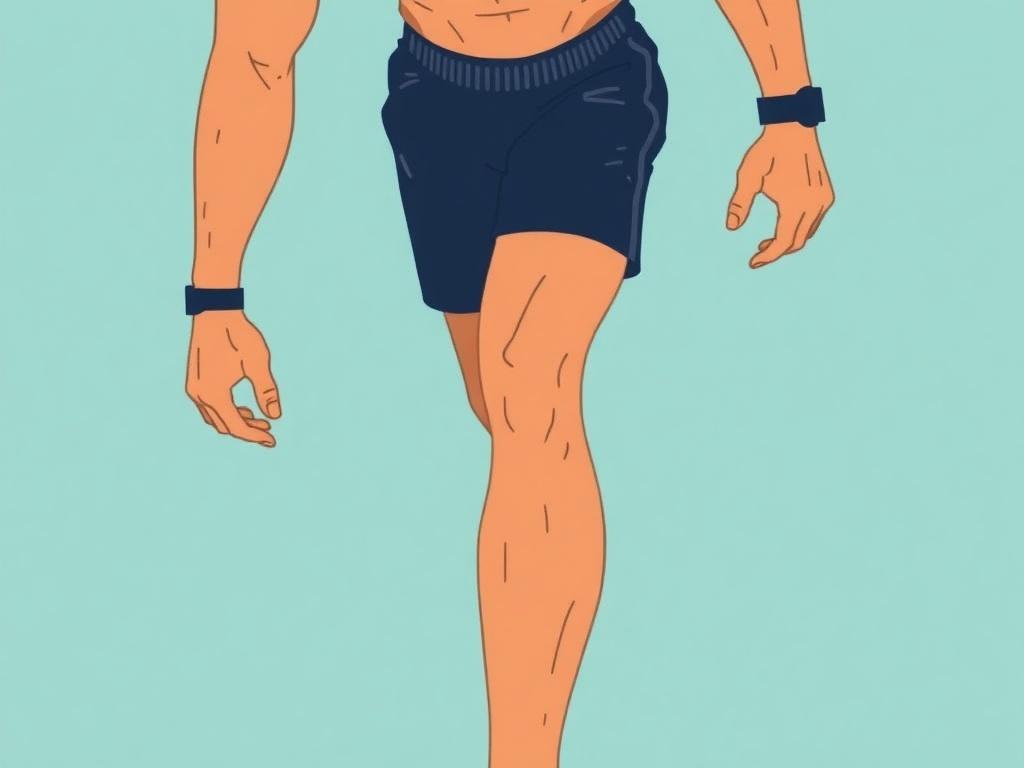
The plan below is a template, not a prescription. Modify calories to suit your needs and consult a healthcare provider if you have health conditions. This example balances resistance training, cardio, and progressive calf work alongside a modest caloric deficit.
| Week | Calories | Training | Focus |
|---|---|---|---|
| 1–2 | -250 kcal/day | 3 strength + 2 cardio sessions | Form and consistency |
| 3–4 | -300 kcal/day | 4 strength + 2 cardio (incline) | Increase calf volume |
| 5–6 | -300 kcal/day | 4 strength (heavier) + 1 HIIT | Progressive overload |
| 7–8 | -250 kcal/day | 3 strength + 3 cardio + mobility | Consolidation and recovery |
When to seek professional help
If you notice asymmetric leg enlargement, persistent pain, skin changes, or rapid worsening in leg size, see a physician promptly. Those signs can indicate vascular problems, infection, or lymphatic issues requiring medical treatment. For aesthetic interventions, consult board-certified plastic surgeons or dermatologists experienced in lower-leg procedures.
If nutrition or exercise planning feels overwhelming, a registered dietitian and a certified strength coach can design tailored, safe programs. Their guidance can accelerate progress by removing guesswork and ensuring you’re training and eating in ways that align with your goals and lifestyle.
Author experience and practical takeaways
I’ve coached clients and experimented personally with strategies to refine lower-leg shape. In my experience, the most consistent results came when someone combined modest calorie reduction with full‑body strength training and specific calf exercises—paired with simple daily habits like short walks and leg elevation. The visual change was gradual, but functional improvements and reduced swelling often appeared sooner.
One client who had long complained about “bulky calves” found that after 12 weeks of consistent training and a small calorie deficit, boots fit more comfortably and photos showed better definition. She also reported less evening tightness in the legs after adding nightly leg elevation and wearing compression socks during long flights. Those pragmatic, low-cost steps made the bigger effort feel achievable.
Final practical checklist
Use this checklist to focus your effort: create a modest calorie deficit, prioritize protein, train strength 3–5 times weekly including calf drills, add cardio with inclines or HIIT as appropriate, work on ankle mobility, address fluid and circulation with elevation and compression when needed, and consult a clinician for disproportionate or painful swelling. Small, consistent actions compound into visible improvements.
Your lower legs are determined by a mix of genetics, muscle, fat, and fluid balance. While you can’t force fat to move from a single location overnight, you can change the composition and shape of your lower legs with a balanced approach. Stay patient, measure progress sensibly, and choose sustainable habits that support both appearance and function.