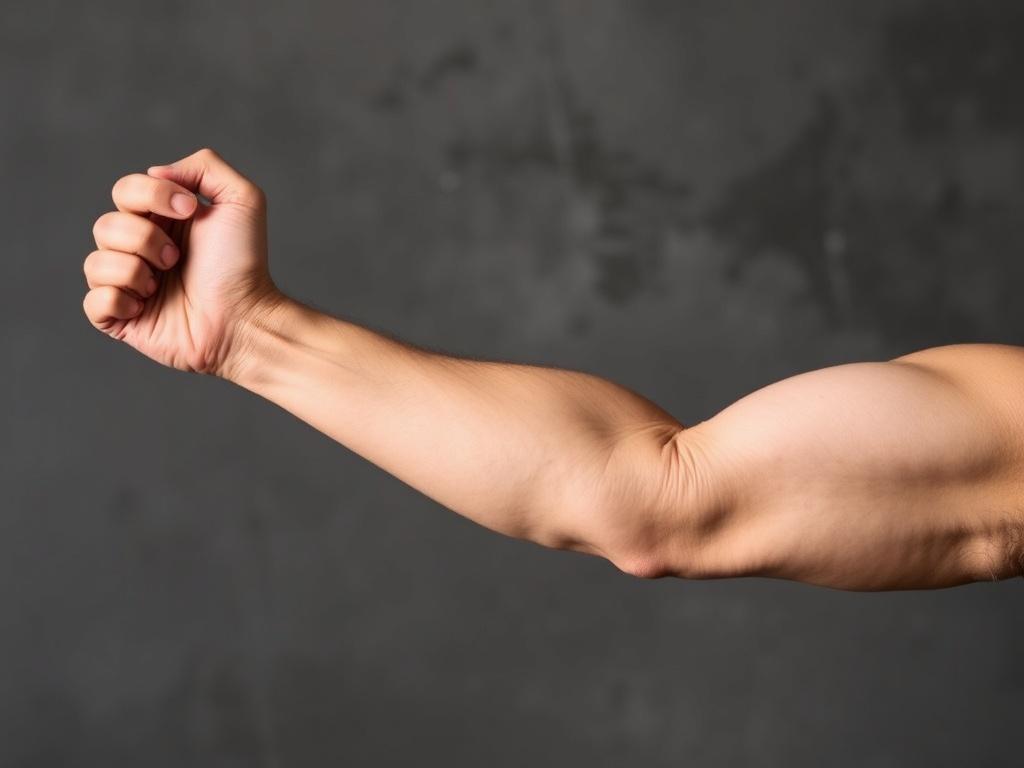
If you’ve ever wondered “Как убрать жир с предплечий” or simply how to reduce fat on your forearms while maintaining strength and function, you’re not alone. Many people notice extra soft tissue around the wrists and lower arms and assume targeted fat loss is a simple exercise away. Reality is more nuanced, but with a clear plan that combines nutrition, full-body training, specific forearm work, and sensible lifestyle changes, you can reshape how your forearms look and feel.
Why forearm fat feels stubborn
Body fat distribution is governed by genetics, hormones, sex, and age. Some people store a little more subcutaneous fat in the distal limbs—hands, lower arms, and calves—while others hold it around the belly or hips. That natural pattern determines how quickly fat disappears from a particular area when you lose weight overall.
Another reason forearm fat seems stubborn is the relatively thin layer of muscle beneath the skin compared to larger muscle groups. When overall body fat drops, smaller areas can appear unchanged until you reach lower body-fat levels, which is often frustrating for people focused on a single trouble spot.
The myth of spot reduction and what actually works
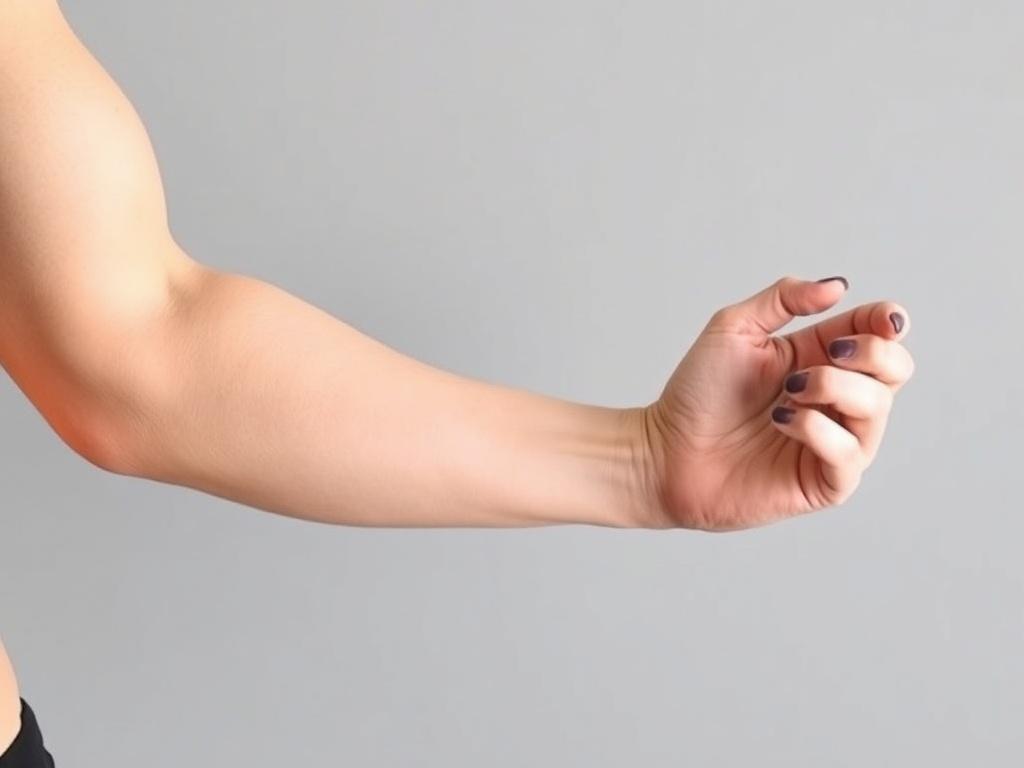
Most readers will have heard that doing thousands of wrist curls will “burn” fat from the forearms. That’s the old spot-reduction myth: you can’t choose the exact place your body uses stored fat. Scientific studies repeatedly show fat loss happens systemically in response to a caloric deficit and hormonal shifts, not because of localized exercise.
That said, building muscle beneath the fat—through targeted strength training—changes the shape and firmness of the forearm. Combine that with overall fat loss and you’ll see improvement. In practice, the most effective approach blends whole-body calorie control with exercises that increase local muscle tone and circulation.
Set realistic goals and timelines
Before changing diet or training, decide what you want and what’s realistic. If you carry moderate body fat, losing 5–15 pounds over several months will make a measurable difference in forearm appearance. If you’re already lean, visible change may come from increasing forearm muscle size rather than fat loss.
Expect slow, steady progress. Rapid drops in weight often aren’t sustainable and can cause muscle loss. Aiming for 0.5–1% body weight per week or 1–2 pounds per week for many people is a workable guideline that preserves muscle and helps the skin adapt.
Nutrition fundamentals that actually reduce fat
Fat loss starts in the kitchen. To lose forearm fat you need a sustained, modest calorie deficit so the body uses stored fat for energy. That deficit should be created primarily by adjusting portions and food choices rather than extreme restriction, which often backfires.
Prioritize protein to protect lean mass while in a deficit. For most active people, 0.7–1.0 grams of protein per pound of body weight per day supports muscle repair and growth. Protein also helps you feel full and stabilizes blood sugar.
Focus on whole foods: vegetables, fruit, lean proteins, whole grains, nuts, and healthy fats. Minimize ultra-processed foods and sugary drinks, which increase total calories without adding much nutrition. Small, simple swaps—like replacing a soda with water and adding a palm-sized portion of protein to each meal—can add up over weeks.
Cardio strategies that help reduce overall fat
Cardiovascular exercise increases calorie burn and supports a calorie deficit, but it’s not magic for forearm fat specifically. Both steady-state cardio and high-intensity interval training (HIIT) can help when paired with diet. Choose modalities you enjoy so you stay consistent—running, cycling, swimming, or brisk walking all work.
HIIT often burns more calories in less time and boosts post-exercise oxygen consumption, but it’s more demanding and harder to recover from. If you’re short on time, two to three HIIT sessions per week combined with moderate steady-state sessions can be effective. If you prefer lower intensity, aim for longer durations at a comfortable effort several times weekly.
Strength training: whole-body first, targeted second
Because spot reduction is a myth, your training plan should prioritize full-body strength work to increase metabolic rate and preserve muscle. Compound lifts—squats, deadlifts, presses, and rows—engage multiple muscle groups and burn more calories than isolation moves alone.
After establishing a baseline of overall strength, add focused forearm and grip work. Strengthening the forearm muscles and improving grip strength will change the visual contour of the lower arm and help with daily tasks and other lifts. Aim for 2–4 specific forearm sessions per week within your broader training program.
Best exercises for shaping forearms
Choose exercises that train both the wrist flexors and extensors, the forearm pronators and supinators, and the hand-grip. Variety matters: heavy holds, rotational movements, and both concentric and eccentric work produce better results than mindless repetition.
Below is a compact table summarizing effective forearm exercises, the equipment you can use, and a suggested rep range. Rotate through these every 4–6 weeks to avoid plateaus.
| Exercise | Equipment | Primary focus | Reps/sets |
|---|---|---|---|
| Wrist curls (palms up) | Dumbbell/barbell | Wrist flexors | 12–20 reps, 3–4 sets |
| Reverse wrist curls (palms down) | Dumbbell/barbell | Wrist extensors | 12–20 reps, 3–4 sets |
| Farmer’s carry | Dumbbells/kettlebells | Grip, static forearm strength | 30–90 sec holds, 3–5 rounds |
| Plate pinches | Weight plates | Pinch grip, intrinsic hand muscles | 15–45 sec, 3–6 sets |
| Hammer curls | Dumbbells | Brachioradialis, forearm bulk | 8–12 reps, 3–4 sets |
| Wrist roller | Wrist roller device | Forearm endurance and thickness | 2–6 reps, varying resistance |
Programming forearm work into your week
Work the forearms 2–4 times per week, mixing heavy, low-rep holds with higher-rep endurance sets. For example, pair farmer’s carries and plate pinches on one day with wrist curls and reverse curls on another. This combination trains strength, size, and muscular endurance.
Keep sessions short and intense. Forearms respond well to repeated small doses rather than long, exhausting workouts. Ten to twenty minutes of concentrated forearm work after a main strength session is usually enough for progress.
Progressive overload and measurable progress
Progressive overload—the gradual increase of stress on muscles—is how tissue adapts. Add weight, increase reps, reduce rest, or increase hold time in carries. Track your lifts and holds in a training log so you can see small, consistent improvements over months.
Changes in circumference, strength, or the way sleeves fit are better indicators than daily photos. Take measurements every 2–4 weeks and use photos taken under consistent lighting only every month or two to judge aesthetic changes fairly.
Grip training: the hidden multiplier
Grip strength is a major component of forearm development. Stronger grip allows heavier training across lifts and directly thickens the forearm. Simple tools—thick-handled bars, fat grips, or a towel wrapped around a dumbbell—add a potent stimulus.
Include direct grip work like farmer’s carries, dead hangs from a bar, and plate pinches. Even carrying grocery bags in one hand for distance or time can be effective when done consistently. Grip training also improves functional performance in sports and daily life.
Cardio and recovery: avoid overtraining
Cardio supports fat loss but don’t let it drive you into exhaustion. Overdoing endurance work while in a calorie deficit can erode muscle, including in the forearms. Balance cardio with enough protein and quality sleep to protect gains.
Recovery matters. Forearm tendons are notorious for overuse injuries when volume ramps up too quickly. Gradually increase load and give 48–72 hours between intense forearm sessions targeting the same movements.
Nutrition specifics: not just calories
Beyond a caloric deficit, pay attention to nutrient timing and composition. A protein-rich meal or snack before or after your forearm session supports repair. Include anti-inflammatory foods like oily fish, leafy greens, and nuts to support tendon health and recovery.
Hydration affects muscle fullness and appearance. Dehydration can make skin look looser and muscles less defined. Aim for consistent daily water intake and add electrolytes if you sweat heavily during workouts.
Stretching, mobility, and injury prevention
Forearm mobility and tendon health get overlooked. Tight wrist flexors or extensors can change movement patterns, increasing injury risk. Include gentle stretches and controlled mobility work before and after sessions to maintain range of motion.
Perform wrist circles, finger extensions, and forearm cross-body stretches. If you feel tendon pain—localized and sharp—scale back intensity and consult a physical therapist rather than pushing through. Early intervention prevents chronic issues.
Non-exercise factors that influence fat loss
Sleep and stress are silent influencers. Chronic stress raises cortisol, which can shift fat storage and slow progress. Aim for 7–9 hours of quality sleep per night and use simple stress-management tools like brief walks or focused breathing.
Alcohol can undermine a calorie deficit and disrupt recovery. If you’re serious about changing forearm appearance, cut back on drinks, particularly the empty-calorie mixed beverages and late-night drinking that offset a day’s careful nutrition.
When to consider medical or cosmetic options
If you’ve optimized diet, training, and lifestyle and still have disproportionate fat localized to the forearms—especially if it’s causing discomfort or psychological distress—consult medical professionals. Liposuction or other cosmetic procedures are options, but they carry risks and require realistic expectations.
A medical specialist can evaluate whether fat distribution is influenced by hormonal or genetic conditions. Sometimes a referral to an endocrinologist or a consultation with a board-certified plastic surgeon clarifies what’s possible and safe.
Real-life example: a client story
One client, a 35-year-old teacher, came to me frustrated: she’d done endless wrist curls without visible results. We redesigned her approach—created a modest calorie deficit, added full-body strength three times weekly, and inserted targeted forearm work twice weekly. She also increased daily protein and cut late-night snacking.
Over four months she lost 18 pounds and doubled her farmer’s carry time. Her forearms became visibly firmer and more defined, not because we attacked the area directly with dozens of reps, but because body fat dropped while the forearm muscles became stronger and thicker. Her confidence improved as much as her appearance.
Sample 8-week plan to reduce forearm fat and build muscle
The program below balances full-body strength, cardio, and focused forearm work. Adjust weights and intensity to your current fitness and progress gradually. Perform a general warm-up before each session and cool-down mobility after.
Week structure: three strength days (A/B/C), two cardio days, and two light active-recovery days. Forearm work follows strength sessions.
- Strength A: Squat pattern, push press, bent-over row. Finish with 3 sets wrist curls (15 reps) and 3 sets reverse wrist curls (15 reps).
- Cardio: 30–45 minutes steady-state or 20 minutes HIIT (sprints 30/60s).
- Strength B: Deadlift pattern, bench press, pull-up or lat pulldown. Finish with farmer’s carries 3 x 60 seconds.
- Active recovery: mobility work, foam rolling, brisk walk 20–30 minutes.
- Strength C: Lunges, overhead press, rows. Finish with plate pinches 4 x 30 seconds and hammer curls 3 x 10.
- Cardio: moderate-intensity, 40–60 minutes.
- Rest or light activity: yoga, stretching.
Equipment alternatives for home training

You don’t need a gym to train forearms effectively. Household items—filled water jugs, grocery bags, towels, and backpacks—work well for holds and carries. A sturdy tree branch or playground bar can serve for hangs.
Investing in a pair of adjustable dumbbells, a kettlebell, or a simple wrist roller is cost-effective and opens more exercise options. Grip tools like pinch plates or a hand gripper provide small but meaningful progressions.
Common mistakes and how to avoid them
Many people make the error of repeating the same light-isolated exercise daily, expecting quick results. Progress is driven by overload and recovery, not by constant low stimulus. Build and vary intensity over time.
Another mistake is ignoring whole-body diet and training. Pursuing endless forearm isolation while eating in a surplus keeps the fat where it is. Finally, skipping measurement and relying on daily looks leads to discouragement—use consistent photos and tape measurements at set intervals.
Adjustments for different ages and conditions
As we age, tendon recovery slows and hormonal changes affect fat distribution. Older trainees should focus on slower progression, more recovery time, and a greater emphasis on protein and joint-friendly movement variations. Controlled eccentric work strengthens tendons without excessive strain.
If you have medical conditions such as lymphedema, lipedema, or circulation problems, work with a healthcare provider before starting an aggressive plan. Those conditions require tailored interventions and sometimes medical management in addition to exercise and diet.
Tracking progress without obsessing
Record workouts, weights, hold times, and weekly body weight. Take wrist and forearm circumference measurements every two weeks and a progress photo every four weeks. These objective measures reduce the anxiety of daily fluctuations and keep you focused on trends.
Celebrate non-scale victories: increased hang time, heavier farmer carries, and better functionality at work or in sport. Strength and capability are valuable outcomes, not just appearance.
How long until you see visible change?
Visible change depends on starting body composition and adherence. Many people notice subtle improvements in 4–8 weeks if they follow a consistent nutrition and training plan. More dramatic changes typically take 3–6 months of disciplined work.
Remember that muscle growth and fat loss operate on different timelines. Expect gradual reshaping rather than overnight transformations. Patience paired with steady effort wins more often than extreme short-term measures.
Motivation and psychology: staying the course
Consistency beats intensity. Small daily habits—bringing lunch from home, walking after dinner, and doing a couple of forearm sets three times per week—compound into meaningful results. Build routines around existing habits to reduce friction and increase adherence.
Find motivating anchors: a training partner, a class, or a record of personal bests. Tracking progress objectively also acts as a motivator; when you see numbers rise—carry time, hold weight, reps—you gain confidence that the program works.
When to seek expert help
If pain appears during forearm exercises, if progress stalls despite disciplined effort, or if you suspect an underlying medical issue, consult professionals. A certified strength coach can refine your program, while a physical therapist can assess tendon health and prescribe rehab if needed.
If you’re considering surgical options for persistent local fat, seek consultations from board-certified specialists and request realistic outcome examples and recovery expectations. Surgery isn’t a substitute for healthy habits and sometimes requires lifestyle adjustments afterward.
Final practical checklist
Use this short checklist to put the plan into action: establish a modest calorie deficit, prioritize protein, train full-body strength 3 times per week, add 10–20 minutes of forearm work 2–4 times per week, include regular grip-specific training, monitor recovery, and stay consistent. Reassess every 4–8 weeks and adjust.
With patience and a balanced approach you’ll lose unnecessary fat, increase forearm muscle, and end up with arms that look and perform better. Keep the focus on overall health and functionality, and the aesthetic results will follow.