

Choosing the right energy gel can feel like navigating a small, sticky wilderness: every packet promises instant power, but few deliver exactly what your body and race plan need. In this guide I’ll walk you through the practical science, plain-language tradeoffs, and hands-on testing strategies so you can pick gels that help—not hinder—your runs.
Some of the language you’ll see in stores is marketing; other bits are useful. I’ll explain what matters (carbohydrate type, osmolality, caffeine, electrolytes, flavor, packaging) and what you can safely ignore. If you’re wondering Как выбрать энергетический гель для бега, read on—this is a field-tested, runner-friendly primer.
Why energy gels matter for running
When you run longer than about 60–90 minutes, your liver and muscle glycogen stores start to drop and performance usually follows. That’s where compact, fast-absorbing carbohydrate sources come in: they top up blood glucose and delay the onset of fatigue so you can maintain pace.
Gels are small, lightweight, and designed to be eaten quickly without breaking stride. They’re more convenient than whole foods during racing and come in formulations that address common issues like stomach upset, flavor fatigue, and caffeine needs.
But they aren’t magic. A gel’s effectiveness depends on timing, dose, and how well your gut tolerates it. Picking the right one is about matching gel properties to your physiology and your event, not about chasing endorsements or bright packaging.
Basic ingredients: what’s actually in a gel
Most energy gels consist of carbohydrate, water, a gelling agent, a little salt, and optional extras like caffeine or amino acids. Carbohydrates provide the immediate fuel; water and electrolytes aid absorption and prevent cramping.
Carbohydrate type and concentration shape how quickly the carbohydrates enter your bloodstream and how easy the gel is on your stomach. Gelling agents create the viscous texture that makes a gel portable and squeezable, but they aren’t metabolically active.
Manufacturers may add flavors, preservatives, or natural extracts for taste and shelf stability. If you have allergies or dietary preferences, ingredient lists are where you’ll find gluten, dairy, or artificial sweeteners to avoid.
Types of carbohydrates and why they matter
Not all carbs are equal when it comes to gut absorption. The most common forms in gels are glucose (or maltodextrin, which is basically glucose chains) and fructose. Your body can absorb only so much glucose at once through a single transport pathway.
Combining glucose-type carbs with fructose uses multiple intestinal transporters, increasing total carbohydrate uptake. That’s why dual-carb blends (glucose + fructose) can enable higher carbohydrate delivery rates and may improve endurance for demanding efforts.
Look for labels that state the carbohydrate sources or show a glucose-to-fructose ratio. Single-source gels can work fine for many runners, but if you need sustained high carbohydrate flow—think ultras or high-intensity marathon efforts—a dual-carb formula is often superior.
Osmolality, texture, and absorption
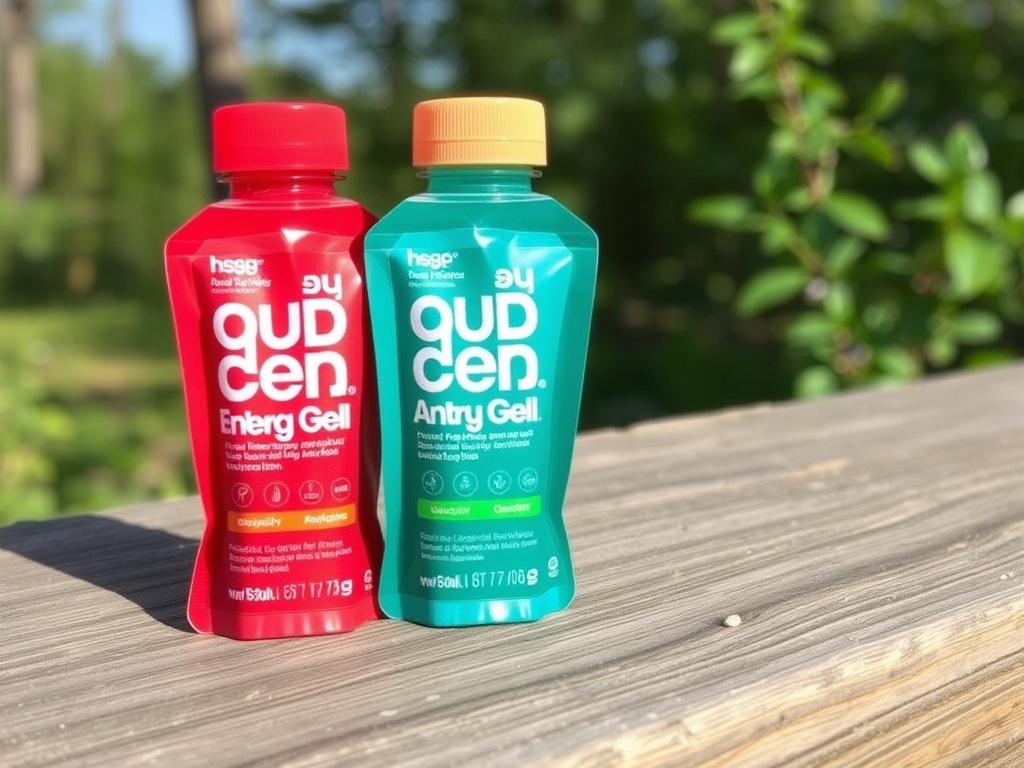
Osmolality is a term you’ll see in sports science papers; in plain terms it’s a measure of how concentrated the gel is compared to your blood. Too concentrated and the gel can pull water into the gut, causing discomfort or nausea. Too dilute and you carry unnecessary weight of water without extra fuel.
Many gels aim for a mid-range osmolality by balancing carbohydrate concentration with water. That results in a texture that’s not too syrupy and not too runny—easy to swallow and generally kind to the stomach.
Texture matters more than many runners expect. A thick, gummy gel can be harder to swallow mid-race and may require extra water; a very thin gel may be easier but can taste overly sweet and lead to sloshing in the stomach. Try textures during training to find what your gut accepts under stress.
Caffeine, electrolytes, and other functional ingredients
Caffeine is a common addition because it boosts alertness, reduces perceived exertion, and can sharpen performance in races. Typical caffeine content ranges from about 50 to 100 milligrams per serving, but always check the label and match intake to your tolerance.
Electrolytes—especially sodium—help with fluid balance and nerve function. Some gels include a modest sodium dose to aid absorption and counter sweat losses. If you use a separate sports drink or salt tabs, account for that overlap so you don’t overdo sodium.
Other additives you’ll see include branched-chain amino acids (BCAAs), taurine, or herbal extracts. The evidence for performance benefits from these extras in gel form is mixed; they rarely hurt, but they also rarely replace the benefit of appropriate carbohydrate dosing and timing.
Calories, serving size, and carbohydrate per gel
Most commercial gels contain between roughly 20 and 30 grams of carbohydrate per serving, delivering about 80–120 calories. These are broad ranges rather than hard rules, so check labels to confirm what each brand provides.
Your carbohydrate needs depend on intensity and duration. For moderate-intensity runs of 1–2 hours, 30–60 grams of carbs per hour is a common guideline. For prolonged or very intense efforts, some athletes target up to 90 grams per hour using multiple transportable carbohydrates.
That means you’ll either eat one gel per hour or stack gels/frankly consume extra carbohydrate from drinks or chews to hit higher targets. Don’t rely on calories alone—track the carbohydrate grams and plan intake before you’re desperate for fuel.
Flavor, sweetness, and flavor fatigue
Flavor matters more in practice than it might in the lab. A gel you loved on a short training run can become nauseating after two hours of effort. Manufacturers often offer both fruity and neutral flavors; pick varieties you enjoy and rotate flavors in long sessions.
Sweetness level and the presence of artificial sweeteners influence palatability and gastrointestinal response. Some runners tolerate intense sweetness fine, others find it causes gagging. If artificial sweeteners upset your stomach, choose gels with real sugar or lower sweetness.
Taste testing during training reduces the risk of race-day surprise. Carry a few flavor options and practice swapping every hour to prevent palate burnout. Small changes in temperature also shift flavor perception—warm gels taste sweeter, for example—so practice in conditions similar to race day.
Dietary restrictions and ingredient transparency
If you follow a vegan, kosher, halal, or allergen-aware diet, pay attention to labels. Many gels are plant-based, but some use gelatin, dairy-derived flavors, or honey as ingredients. Manufacturers sometimes include certification icons—useful shortcuts when shopping quickly.
Gluten is rare in gels, but cross-contamination can occur in facilities. If you are celiac or highly sensitive, choose brands that explicitly label their products gluten-free. The same caution applies to nuts and soy for those with allergies.
When in doubt, contact customer service or check a product’s online FAQ section. Good brands publish clear ingredient lists and manufacturing information; transparency is a positive signal in sports nutrition.
Packaging, portability, and ease of use
Packaging design affects more than aesthetics. Squeeze-consistency, the size of the opening, and the ease of tearing or twisting a cap matter when you’re huffing along at race pace. Some packets are hard to open with cold hands or when you’re wearing gloves.
Consider whether you prefer twist-off caps that you can reseal or single-use tear packets that are lighter and simpler. Resealable gels let you save a portion for later, but they tend to be slightly heavier and sometimes leak.
Environmental impact is another consideration. Most gels come in single-use plastic, but a growing number of brands experiment with recyclable or compostable packaging. If sustainability matters to you, check company claims and local recycling rules.
Temperature and storage considerations
Temperature affects both texture and taste. Very cold gels can be thicker and harder to squeeze, while hot conditions can make them runnier or change flavor profiles. Store gels at a stable room temperature when possible.
For long trail events that involve extreme temperatures, test how gels behave. Some runners carry small insulated pouches in winter or keep gels close to the body to prevent freezing; others find that very hot gels become unpleasant and prefer chews or bars in warm weather.
Expiration dates matter. Old gels may separate or lose potency—use them within the recommended timeframe. If you buy in bulk during sales, rotate stock so you don’t end up racing with aged packets.
How to test gels—step-by-step training plan
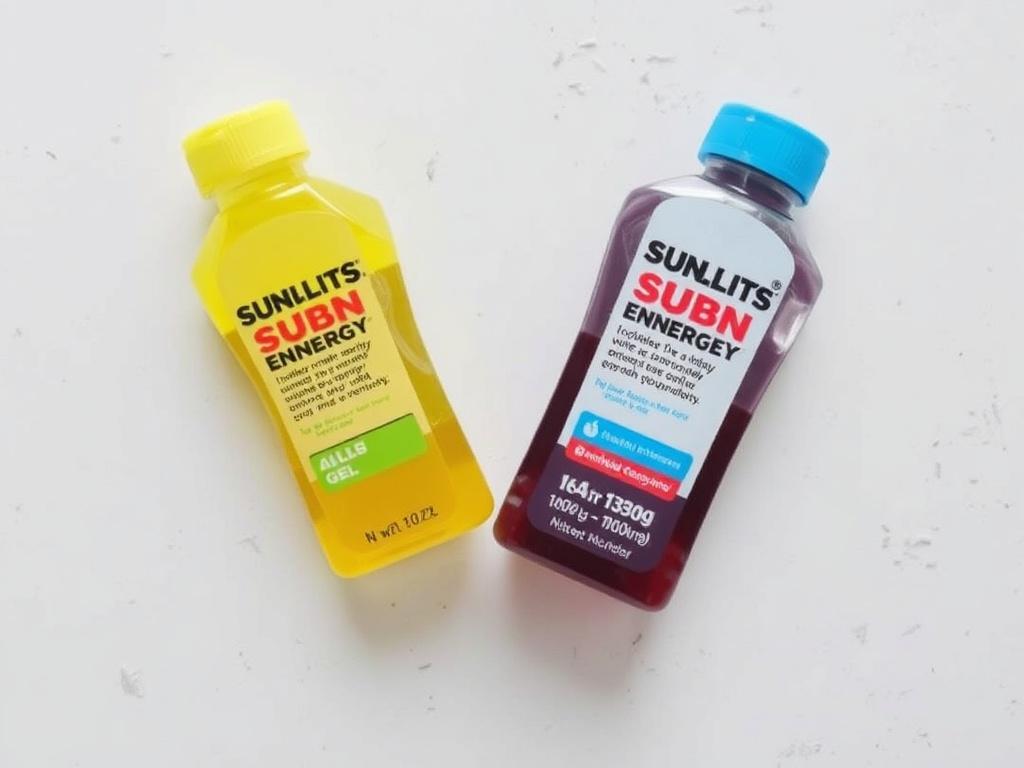
Testing gels requires intentional, progressive exposure so you can evaluate both performance and gastrointestinal tolerance. Start with easy runs and gradually work up to long efforts that simulate race conditions.
Begin by trying a single gel on a moderate 60–90 minute run. Note immediate effects: does the gel sit heavy or feel smooth? Track any stomach upset during the run and for several hours after—you’ll want to avoid surprises near key workouts.
Next, test timing. Try taking a gel 10–15 minutes before a hard interval, mid-run at 30–45 minutes in, and again each hour to see how your energy and gut respond. Use consistent hydration and fueling across trials so you’re comparing apples to apples.
Finally, use a long training day (a long run or back-to-back workouts) to test cumulative effects. See whether flavor fatigue sets in, if your stomach tolerates repeated doses, and how your pace holds. Record what works and what doesn’t—this log becomes your race-day recipe.
Timing and race-day strategy
Simple timing rules help most runners: take your first gel before glycogen dips too low, then top up at regular intervals. For many races, athletes take a gel 10–20 minutes before start and then every 30–45 minutes during effort.
If you plan to race without stopping, rehearse your in-motion consumption technique—practice squeezing the gel and swallowing while maintaining form. If you expect aid stations, decide whether you’ll bring your own or rely on race-provided gels and drinks.
Consider caffeine timing for late-race boosts. A caffeinated gel consumed around the later stages can sharpen alertness and reduce perceived exertion, but only if your stomach tolerates it and your total caffeine intake stays within safe bounds.
Combining gels with drinks and solid foods
Gels work best when combined sensibly with fluids. Taking a gel with water helps dissolve it, moderates osmolality, and reduces the risk of gastrointestinal distress. Avoid taking gels with large volumes of sports drink unless you deliberately want partially dilute mixes, because that can increase sugar concentration in the gut.
On very long efforts where you rely on both gels and solids, distribute calories across types: use gels for quick carbohydrate hits and solids for longer digestion and satiety at lower intensities. Practice the mix in training until your gut and energy levels are predictable.
Some runners experience better absorption when they spread small sips of liquid across a few minutes after a gel rather than drinking a large volume all at once. Find a rhythm that stabilizes your stomach and keeps you moving efficiently.
Common mistakes and troubleshooting
One common mistake is over-relying on novelty. Switching to a new gel on race day because a friend recommended it often leads to stomach problems. Use only gels you’ve validated in training.
Another error is ignoring carbohydrate math. If you need 60–90 grams of carbs per hour and your gel provides 25 grams, you must plan additional sources or increase gel frequency. Don’t assume “one gel equals an hour” without checking the grams.
Finally, don’t neglect the role of hydration. Dehydration alters gut function and carbohydrate absorption; even the best gel will feel terrible in a dehydrated athlete. Pair fueling plans with hydration strategies designed for your sweat rate and the event conditions.
Shopping checklist: what to look for on the label
When you’re in a store or scrolling online, a short checklist speeds decision-making. Look for carbohydrate type and grams per serving, caffeine content if included, electrolyte content (sodium), allergen notes, and serving size. Also note the texture description or customer comments about mouthfeel.
Packaging usability is easy to test in hand but harder online—look for images of the opening and any mention of resealable caps. If sustainability or certifications matter, check the footer of the product page for recycling or ingredient origin details.
To make that practical, here’s a compact table you can print mentally while shopping. It avoids brand names and focuses on attributes rather than claims.
| Attribute | Why it matters | What to prefer |
|---|---|---|
| Carbs per serving | Determines dosing and hourly intake | 20–30 g typical; combine with other sources if you need more |
| Carb types | Affects absorption rate | Glucose + fructose blends for higher uptake |
| Caffeine | Can boost performance; watch tolerance | 50–100 mg typical; use selectively |
| Electrolytes (sodium) | Helps fluid balance and absorption | Useful if sweating heavily or lacking other sources |
| Texture/packaging | Affects ease of use while running | Easy-open, squeezable, and not too viscous |
| Allergens/labels | Critical for restricted diets | Clear “vegan”, “gluten-free”, or explicit ingredient lists |
Brands, variety packs, and your first purchases
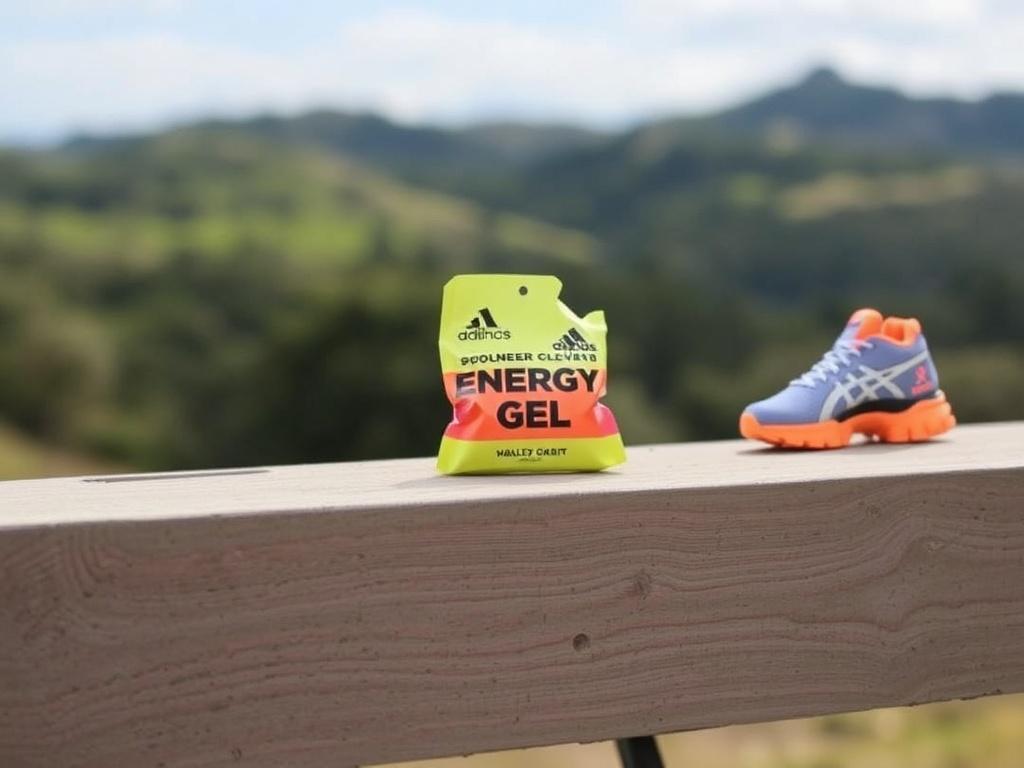
If you’re buying gels for the first time, variety packs are your friend. They let you test flavors, textures, and caffeine vs non-caffeine versions without committing to a single type. Buy a mix and schedule a few long runs to evaluate each option.
When narrowing to a regular brand, prioritize consistency and transparency. A brand that lists full nutritional data and has responsive customer service will save you confusion later. Also consider local availability—race-day replacements are easier if you can source the same gel at many stores.
Don’t equate price with performance. A more expensive gel might taste nicer or come in recyclable packaging, but the basic fuel roles are similar across many products. Choose what your gut tolerates and what your wallet allows.
Real-life examples and lessons from years of testing
I’ve tested dozens of gels over years of marathon and ultramarathon training, and a few practical patterns emerged. When training in heat, I favored gels with slightly higher sodium because they reduced cramp tendencies. In cool weather I preferred lower-sodium, thicker gels that tasted less cloying.
In one memorable marathon buildup, I discovered that rotating flavors every 30–45 minutes prevented gag reflex in the last 10K. I used one fruity gel, then a neutral-flavored gel, then a caffeinated coffee-flavored gel—this mix kept both energy and morale up.
Another lesson came the hard way during a 50K: trying a gel with a new sweetener led to mid-race stomach distress and a loss of 20 minutes from my planned pace. After that, I adopted a strict rule: no new products on race day. That rule has saved many hours of avoidable pain.
Fueling plans for common distances
For 5K and 10K races, most runners don’t need gels unless they are racing hard and want a small caffeine boost. A light pre-race snack and hydration are usually sufficient. If you choose a gel, take it 10–20 minutes before the start to allow absorption.
For half-marathons and marathons, gels become more useful. Many runners take a gel every 30–45 minutes after an initial pre-race gel. Pairing gels with small sips of water at aid stations helps maintain absorption and comfort.
For ultras and multi-hour trail runs, aim for a varied fueling approach: gels for fast-absorbing carbs, solids for variety and satiety, and electrolyte supplements as needed. Test combinations in training to ensure your stomach tolerates back-to-back gels and whole foods.
Special situations: stomach sensitivity and GI issues
If you have a sensitive stomach, pick gels with gentle carbohydrate blends, lower sweetness, and moderate osmolality. Sometimes gels with added fat or fiber can stabilize the gut for slower digestion, but they can also increase the risk of cramping or delayed absorption.
For runners prone to GI distress, try spreading smaller amounts of carbohydrate more frequently rather than large intermittent doses. This maintains blood glucose without overwhelming the gut’s absorptive capacity.
Consider working with a sports dietitian if persistent problems continue. Small tweaks—timing of last meal before a race, hydration strategy, or swapping sweeteners—can resolve issues that feel intractable on your own.
Environmental and ethical considerations
More runners are weighing environmental impact when choosing gels. Most single-use packets are plastic and not easily recyclable in many regions. Some companies offer recyclable films or compostable options, but availability varies and standards are evolving.
If sustainability matters to you, look for brands that disclose packaging materials and end-of-life instructions. You can also minimize waste by buying fewer, larger-format fuels for training (like powdered carbohydrate) and reserving single-use packets for races.
Ethical sourcing is another angle: some brands highlight fair sourcing of flavors like coffee or cocoa. If brand ethics align with your values, that can be a legitimate tie-breaker when other attributes are similar.
Practical race-day checklist
On race morning, follow a concise checklist: confirm how many gels you need and where you’ll carry them, pack preferred flavors and a spare, testability-note any differences in aid station offerings, and account for caffeine if you plan to use it. Keep gels accessible—pockets, belts, or a vest work differently for different runners.
Make a small note in your race plan: “Gel at pre-race T minus 10 minutes; then at 30/60/90 minutes” (or whatever schedule matches your targets). If you plan to rely on aid station gels, find out brand and flavor ahead of time and train with that option if possible.
Finally, pack a tiny garbage bag or plan to stash empty packets responsibly. Leaving wrappers on the trail or road reflects poorly on the sport and can draw penalty or sanction from race officials in some events.
When to see a professional
If you experience recurrent gastrointestinal distress despite conservative changes in gel type, timing, and hydration, consult a physician or sports dietitian. Some underlying conditions—like fructose malabsorption or gastroparesis—require specific management strategies.
A registered sports dietitian can help quantify your carbohydrate needs, craft a pacing-fueling plan, and recommend specific products that match your physiology. This is particularly useful for athletes targeting performance goals in marathons or ultras.
For suspected allergies or severe reactions, seek medical care and avoid products with the suspect ingredient until cleared. Safety comes before marginal performance gains.
Final practical tips before you buy
Start small: buy a variety pack or a few individual packets rather than a bulk box you might later regret. Use them in multiple training sessions under different temperatures and intensities to map their performance and your tolerance.
Keep a simple log—date, workout type, gel brand/flavor, timing, hydration, and any GI notes. Over a few months you’ll accumulate actionable data that beats general advice and lets you build a fueling plan tailored to your races.
Remember that a gel is a tool, not a guarantee. When chosen and used thoughtfully, it’s an elegant way to deliver carbohydrate, caffeine, and electrolytes on the move. When chosen carelessly, it’s an avoidable stomachache that steals time and morale. With careful testing, you’ll find the packets that power your best runs.