
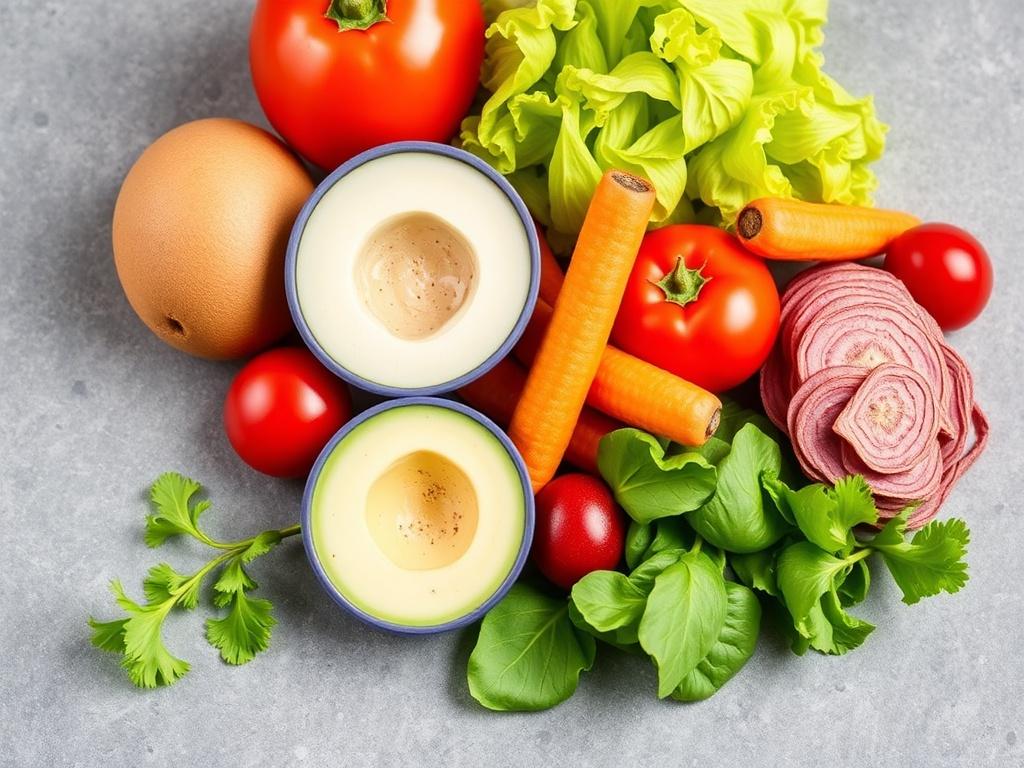
Choosing a vegetarian lifestyle while training seriously doesn’t mean compromising performance. With intentional choices, plant-based athletes can build muscle, recover faster, and sustain high volumes of training just as well as omnivores. This guide walks through the science, practical strategies, and real-world meal plans so you can apply evidence-based tactics without guesswork.
Why nutrition matters for vegetarian athletes
Training triggers adaptation only when paired with the right nutritional environment. Calories, protein, and micronutrients all shape recovery, hormonal balance, and energy levels, and any consistent shortfall will blunt progress. For vegetarian athletes, the core challenge is not that plant foods are inferior, but that certain nutrients are less concentrated or less bioavailable.
Understanding those differences lets you design a diet that supports training demands. Instead of thinking of plant-based eating as a constraint, view it as a set of variables to manage: combinations, timing, and smart supplementation when needed. The resulting diet can be equally—or sometimes more—nutrient-dense and sustainable than a meat-heavy plan.
Fundamentals: calories, macronutrients, and timing
Energy balance is the foundation. If your goal is muscle gain, you need a modest calorie surplus; for fat loss, a controlled deficit that still supports training and recovery. Vegetarians often unintentionally under-eat because plant foods are more voluminous; tracking for a few weeks helps find the right intake.
Macronutrient ratios should be individualized, but most strength-focused athletes benefit from higher protein, moderate carbohydrate, and sufficient fats. Carbs fuel hard sessions and replenish glycogen, protein supplies amino acids for repair, and fats support hormones and long-term satiety. Timing meals around workouts—carbs before and a mix of protein and carbs after—optimizes performance and recovery.
Protein: quantity, quality, and distribution
Protein is the most discussed nutrient for athletes, and for good reason: it drives muscle repair and growth. Current evidence suggests 1.6–2.2 g/kg body weight per day for those doing regular resistance or intense training. Vegetarians should aim toward the higher end of this range when training volume is high.
Quality matters, but so do total daily intake and distribution. Plant proteins tend to be lower in one or more essential amino acids—often leucine—so consuming a variety of sources and spreading protein evenly across meals is important. Aim for 20–40 grams of protein per meal to maximize muscle protein synthesis, depending on body size and training intensity.
Best plant protein sources
Whole-food options like lentils, chickpeas, tempeh, tofu, seitan, and edamame are excellent foundations. Nuts and seeds add healthy fats and protein, while dairy or eggs (for lacto-ovo vegetarians) provide high-quality complete protein. Combining grains with legumes—rice and beans, for example—creates complementary amino acid profiles.
Protein powders are a useful tool when whole foods can’t meet demands. Whey is effective but not suitable for vegans; pea, rice, soy, hemp, and blended plant proteins can reach comparable outcomes when consumed in sufficient amounts. Prioritize products with clear protein content and minimal filler ingredients.
Leucine and muscle signaling
Leucine is the key amino acid that triggers muscle protein synthesis. A per-meal leucine target of roughly 2.5–3 grams is a good guideline for most adults. Because many plant proteins are lower in leucine, focusing on portions and combining sources—or using leucine-rich options like soy or fortified plant powders—helps meet that threshold.
Practical tactics include adding a scoop of pea protein to oatmeal, eating tofu or tempeh at meals, or including dairy where acceptable. These simple adjustments ensure each feeding provides enough of the anabolic signal for strong training adaptations.
Iron, zinc, and other minerals: absorption and strategies
Iron is a frequent concern for vegetarian athletes because the non-heme iron in plants is less well absorbed than heme iron from meat. Female athletes and endurance competitors are especially at risk of deficiency due to menstrual losses and high training volume. Signs include fatigue, impaired performance, and slower recovery.
To improve absorption, pair iron-rich plant foods—such as lentils, beans, spinach, pumpkin seeds, and fortified cereals—with vitamin C sources like citrus, bell peppers, or strawberries. Avoid tea or coffee within an hour of iron-rich meals, as tannins and polyphenols inhibit absorption. Periodic blood testing is the best way to monitor status and guide supplementation if needed.
Zinc, calcium, and iodine
Zinc supports immune function and tissue repair, calcium is essential for bone health, and iodine is required for thyroid function. Vegetarian diets can be adequate in these nutrients but may require attention. Good zinc sources include legumes, whole grains, nuts, and seeds, and soaking or fermenting can increase availability.
Calcium is abundant in fortified plant milks, tofu set with calcium sulfate, leafy greens like kale, and small amounts in almonds and sesame seeds. Iodine can be more variable—using iodized salt or including seaweed a few times per week helps meet needs without excess. If you avoid processed iodized salt, consider a low-dose supplement or test thyroid function periodically.
Vitamin B12 and vitamin D: routine checks and supplementation
Vitamin B12 is arguably the single most important nutrient for strict vegetarians and vegans because plant foods do not reliably provide bioactive B12. Deficiency can lead to anemia, neurological issues, and impaired performance. Regular testing and supplementation are practical and inexpensive insurance.
Vitamin D is another common shortfall for athletes who live in higher latitudes or train indoors. D3 supplementation (often derived from lanolin; vegan D3 is available from lichen) is effective for maintaining optimal serum 25(OH)D levels, which help bone health, immune function, and mood. Aim for testing before and during supplementation to find the right dose.
Omega-3 fats: EPA and DHA considerations
Plant-based diets provide alpha-linolenic acid (ALA) from flaxseed, chia, and walnuts, but conversion to EPA and DHA—the longer-chain omega-3s important for inflammation and recovery—is limited. For athletes, those longer-chain forms can support joint health, recovery, and cognitive function during training stress.
Algal oil supplements provide a direct, vegan source of EPA and DHA. Including a daily algal oil supplement is a reasonable choice for vegetarian athletes, particularly during heavy training phases or in those with inflammatory concerns. Whole-food ALA should still be included for broader nutrient benefits.
Creatine: effective, safe, and often overlooked
Creatine monohydrate is one of the most researched ergogenic aids, consistently showing benefits for strength, power, and high-intensity work capacity. Vegetarians frequently have lower baseline creatine stores, which means supplementation often produces a larger relative gain compared with omnivores.
Taking 3–5 grams per day of creatine monohydrate is safe and effective for most athletes. It supports repeated sprint ability, strength gains, and muscle mass when combined with resistance training. Because creatine is not found in plant foods in meaningful amounts, supplementation is a practical step for vegetarian strength athletes.
Practical supplement checklist
Supplements should complement, not replace, a solid foundation of whole foods. Useful supplements for many vegetarian athletes include B12, vitamin D, omega-3 algal oil, creatine, and a high-quality plant protein powder. Iron supplements may be necessary in some athletes but should be guided by blood tests.
Quality and dosing matter: choose third-party tested products when possible and follow label recommendations. Supplements are tools; they simplify certain nutritional gaps but won’t compensate for poor meal planning or insufficient calories.
Pre-workout and intra-workout fueling
Carbohydrate availability is the primary limiter of performance for most high-intensity and longer-duration sessions. For workouts under an hour, a small carbohydrate snack or none at all may be fine; for sessions lasting longer than 60–90 minutes, pre-workout carbs and intra-workout carbs improve endurance and power maintenance.
Good pre-workout vegetarian options include toast with nut butter and banana, oatmeal with berries, or a rice cake with honey and almond butter. During prolonged sessions, easy-to-digest options—sports drinks, gels, or diluted fruit juices—work well and are compatible with vegetarian eating patterns.
Post-workout recovery: what to eat and when
After exercise, the twin goals are to replenish glycogen and maximize muscle repair. An effective post-workout meal includes a carbohydrate source to refill glycogen and 20–40 grams of protein to stimulate muscle protein synthesis, alongside fluids and electrolytes if sweat losses were significant.
Simple combinations include a smoothie with plant protein, banana, and spinach; rice or quinoa bowl with tofu and vegetables; or Greek yogurt with fruit and granola for lacto-ovo vegetarians. Aim to eat within two hours of a hard training session, and sooner if training again within 24 hours.
Meal planning and sample day
Practical meal planning prevents underfueling and ensures variety. Build each day around a protein source, a carbohydrate base, vegetables, and healthy fats. Using themes—Mexican night with beans and rice, Asian bowls with tofu and soba, Mediterranean meals with chickpeas and whole-grain pita—keeps menus interesting and nutritionally balanced.
Below is a sample day for a moderately active strength athlete who follows a vegetarian diet. Portions should be adjusted for individual calorie needs, body size, and training load.
| Meal | Example | Notes |
|---|---|---|
| Breakfast | Oatmeal with pea protein, ground flaxseed, berries, and almond butter | Provides carbs, ~30 g protein, and omega-3 ALA |
| Snack | Greek yogurt (or soy yogurt) with granola and fruit | Quick protein and carbs pre-workout |
| Lunch | Quinoa salad with roasted chickpeas, spinach, avocado, and citrus dressing | Iron-rich legumes paired with vitamin C for absorption |
| Post-workout | Smoothie: pea protein, banana, almond milk, spinach, creatine | Fast-absorbing carbs and protein to kickstart recovery |
| Dinner | Stir-fried tempeh with brown rice and mixed vegetables | Complete meal with soy protein and complex carbs |
| Evening snack | Cottage cheese or silken tofu with fruit and walnuts | Slow-digesting protein to support overnight repair |
Meal templates for different training goals
Templates make grocery lists and cooking easier. For muscle gain, prioritize calorie-dense plant meals: add nuts, avocado, and full-fat dairy or coconut where acceptable. For fat loss while preserving lean mass, focus on higher protein and fibrous vegetables with controlled portion sizes of starches and fats.
For endurance athletes, increase carbohydrate frequency and volume across the day and consider adding energy-dense snacks like dates, sports bars, and rice dishes. Strength athletes benefit from higher protein per meal and strategic carbohydrate timing around workouts.
Cooking and shopping tips for busy athletes
Batch cooking is a time-saver: make large pots of beans, lentils, grains, and roasted vegetables to mix and match through the week. Tempeh and tofu respond well to marinades and can be frozen in portions to extend shelf life. Preparing simple dressings and sauces adds variety and encourages eating planned meals instead of grabbing convenience items.
When shopping, prioritize whole foods, but don’t be shy about convenience items that help you stick to the plan. Pre-washed greens, canned beans, pre-cut vegetables, and high-quality plant protein powders reduce friction. Read labels for added sugars and sodium, especially in fortified products and meat alternatives.
Training phases and nutritional adjustments
Nutrition should shift to match training phases—off-season, base-building, competition prep, and recovery. During heavy training blocks, increase carbs and overall calories to support volume. In taper phases, maintain protein to preserve muscle while reducing total calories slightly to match lower training load.
Recovery weeks are opportunities to correct any nutrient shortfalls: prioritize micronutrient-rich foods, reorder grocery lists to include more iron and calcium sources, and consider a short course of a multivitamin if dietary variety has been low. Tailoring intake to training minimizes performance dips and supports long-term progression.
Common pitfalls and how to avoid them
One common mistake is assuming a vegetarian diet automatically meets protein needs. Relying heavily on ultra-processed meat alternatives can create gaps in micronutrients and add unwanted sodium. Focus on real foods first and treat processed products as occasional conveniences, not staples.
Another pitfall is ignoring nutrient timing. Skipping post-workout meals or delaying protein for hours reduces the efficiency of recovery. Simple solutions—carry a protein bar or prepare a quick smoothie—eliminate lost opportunities for repair and adaptation.
Monitoring progress: tests and markers to track
Objective measures—training logs, strength metrics, body composition, and lab tests—tell you whether the nutrition strategy is working. Regular blood tests for ferritin, hemoglobin, B12, vitamin D, and thyroid function are especially relevant for vegetarian athletes. Track energy, sleep quality, training performance, and injury frequency as practical indicators too.
Adjust nutrition based on data, not assumptions. If strength plateaus or recovery slows despite consistent training, examine calorie intake and protein distribution first. Use lab results to fine-tune supplementation when necessary.
Real-life example: transitioning to vegetarian strength training
When I shifted to a predominantly vegetarian diet while training for a half-marathon and strength work, the biggest change was intentionality. I started tracking protein and iron, increased meal frequency, and added a daily algal oil supplement. Within two months my recovery felt more consistent and my lifts began to climb again.
That transition also taught me the value of simple habits: batch-cooked legumes, a reliable protein powder, and a routine blood test every six months. Those small changes eliminated guesswork and allowed consistent progress during training cycles.
Recipes and snacks that deliver results
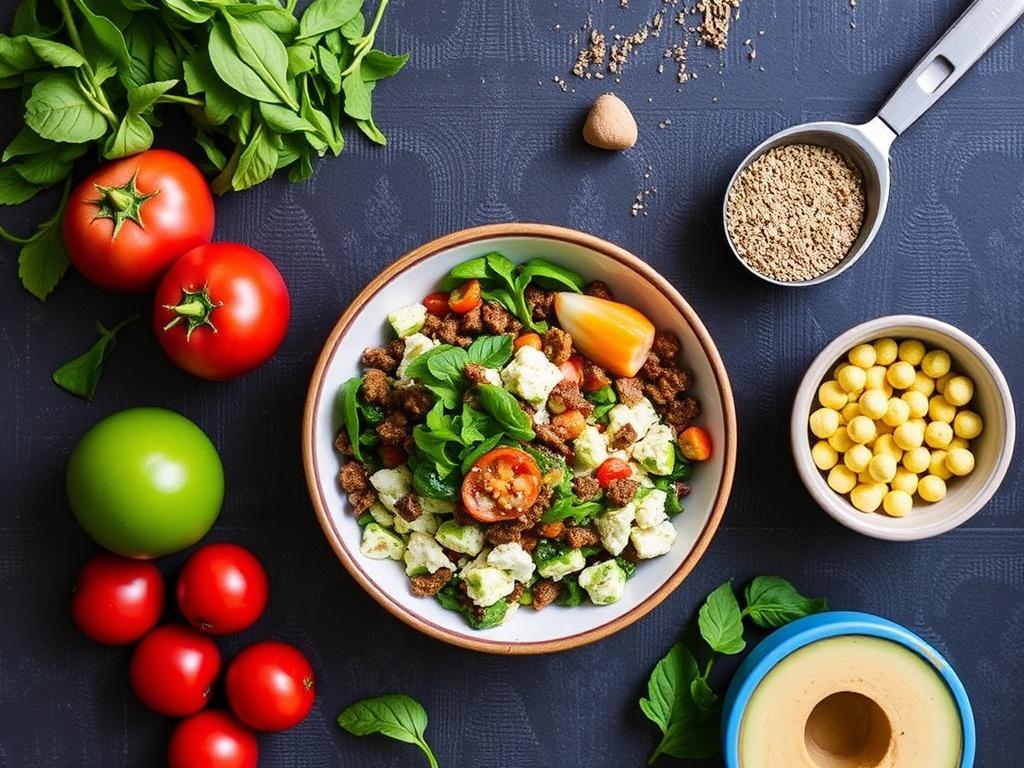
Winning recipes combine protein, carbs, and micronutrients in a single dish. Try a lentil and sweet potato shepherd’s pie made with whole green lentils and mashed sweet potato topping for a recovery-rich dinner. Another fast option is a peanut-sesame soba bowl with tofu, broccoli, and edamame—easy to scale for calories and protein.
Snacks that travel well include homemade energy balls with oats, nut butter, and pea protein; roasted chickpeas seasoned with spices; and cottage cheese or soy yogurt in single-serve containers. Keep a few emergency options in your bag for long days of training.
Adjusting for special cases: vegan athletes and lacto-ovo vegetarians
Vegan athletes should pay particular attention to B12, calcium, iodine, and DHA, since they won’t get dairy or eggs as safety nets. Fortified foods and targeted supplements make these needs straightforward to meet. Vegan protein blends and algal DHA mean performance need not be compromised.
Lacto-ovo vegetarians have more flexibility with dairy and eggs, which supply high-quality protein, B12, and other nutrients. Still, the same principles apply: prioritize whole foods, monitor iron and vitamin D, and ensure adequate calorie and protein intake for training demands.
Competition day fueling and travel tips
On competition day, stick with familiar foods that you know digest well. Avoid high-fiber or novel dishes in the 24 hours before a big event if they have previously caused gastrointestinal issues. Pack travel-friendly vegetarian options like rice rolls, peanut butter sandwiches, or homemade energy bars to avoid limited choices at venues.
Hydration strategies are equally important: begin events well-hydrated and plan for electrolyte replacement during long competitions. Small, frequent sips of a sports drink are often preferable to large volumes consumed infrequently.
When to consult a professional
If you experience persistent fatigue, unexplained performance declines, frequent injuries, or abnormal lab results, consult a registered dietitian with sports nutrition experience and your healthcare provider. They can provide targeted testing and personalized plans that consider medical history, training load, and dietary preferences.
Working with a professional is particularly valuable when preparing for events, managing weight categories, or addressing clinical deficiencies. They streamline the process and reduce the trial-and-error period that many athletes endure alone.
Budget-friendly strategies
Healthy, performance-oriented vegetarian eating doesn’t have to be expensive. Legumes, oats, rice, seasonal vegetables, and frozen fruit are affordable staples that scale well. Canned beans and lentils are both cost-effective and time-saving, while buying grains and seeds in bulk reduces per-serving cost.
Optimize your budget by rotating inexpensive protein sources—beans, eggs, tofu, and dairy where applicable—and using spices and condiments to keep meals flavorful. A small investment in a reliable protein powder and multivitamin can also stretch your resources by making nutrient density easier to achieve.
Addressing myths and misunderstandings
One persistent myth is that vegetarian diets inherently limit strength potential. Research and elite examples disprove this: many high-level athletes thrive on plant-based diets when they prioritize energy and nutrient adequacy. The limiting factor is often planning, not the foods themselves.
Another misconception is that supplements replace food. While some supplements—like creatine and B12—are highly effective, they should augment a complete diet rather than substitute for balanced meals. Whole foods deliver fiber, phytochemicals, and a matrix of nutrients that supplements cannot fully replicate.
How to start: a four-week plan
Begin by tracking your current intake and training for one week to establish a baseline. In week two, aim to meet a daily protein target (1.6–2.0 g/kg) by adding a protein-rich meal or supplement. In week three, incorporate a systematic approach to iron and vitamin C pairing and begin any recommended supplements like B12 or creatine.
In week four, evaluate performance and recovery: adjust calories if energy is low, redistribute protein across meals if needed, and schedule blood tests if any symptoms suggest deficiency. Use these steps to build a sustainable routine rather than chase quick fixes.
Final thoughts and next steps
Vegetarian athletes have every tool necessary to excel: a mix of whole plant foods, targeted supplements, intentional meal timing, and regular monitoring creates a robust nutritional foundation. Small, consistent changes yield measurable improvements in strength, endurance, and recovery over time.
Start with the basics—adequate calories, distributed protein, and attention to iron and B12—then layer in targeted supplements like creatine, vitamin D, and algal omega-3s based on testing and goals. With planning and persistence, a vegetarian approach can be a powerful platform for athletic success.