Strong hands change how you move through the day. Whether you’re typing emails, lifting groceries, playing guitar, or crimping on a climbing route, the muscles of the hand and wrist determine control, endurance, and injury resilience.
In this article I’ll walk you through practical exercises, programming strategies, and small tool choices that make a measurable difference. If you’ve searched for Упражнения для укрепления кистей, you’ll find clear, evidence-informed steps here that apply to athletes, musicians, office workers, and anyone who wants less pain and more performance.
Why hand and wrist strength matters
Hands are the crossroads of many daily and athletic tasks, yet they are often neglected in training plans. Stronger hands improve functional ability, reduce fatigue, and help prevent common conditions like tendonitis and carpal tunnel symptoms.
Grip strength correlates with overall physical capability and even health outcomes; people with better grip tend to have higher levels of independence in later life. Beyond numbers, stronger hands simply make practical tasks easier and often less painful.
Basic anatomy you need to understand
The hand comprises intrinsic muscles (those inside the palm that control fine movements) and extrinsic muscles (forearm muscles that move the wrist and fingers). Tendons, ligaments, and the joint capsule transmit force and provide stabilization.
Wrist flexors and extensors control bending and extension, while the deep finger flexors generate most of the closing force. The thumb has its own set of muscles that create opposition and pinch power, which are crucial for gripping varied objects.
Types of grip and what each trains
Not all grips are the same. Crushing grip refers to closing the hand around an object, pinching grip uses the thumb and fingers to hold thin objects, and support grip involves holding weight for time, like carrying a suitcase. Each type draws on different muscles and energy systems.
Training all three will give balanced strength. Climbers, for example, need strong finger and pinch strength in addition to support endurance, while a pianist needs precise intrinsic control more than raw crushing force.
Warm-up and mobility: don’t skip this
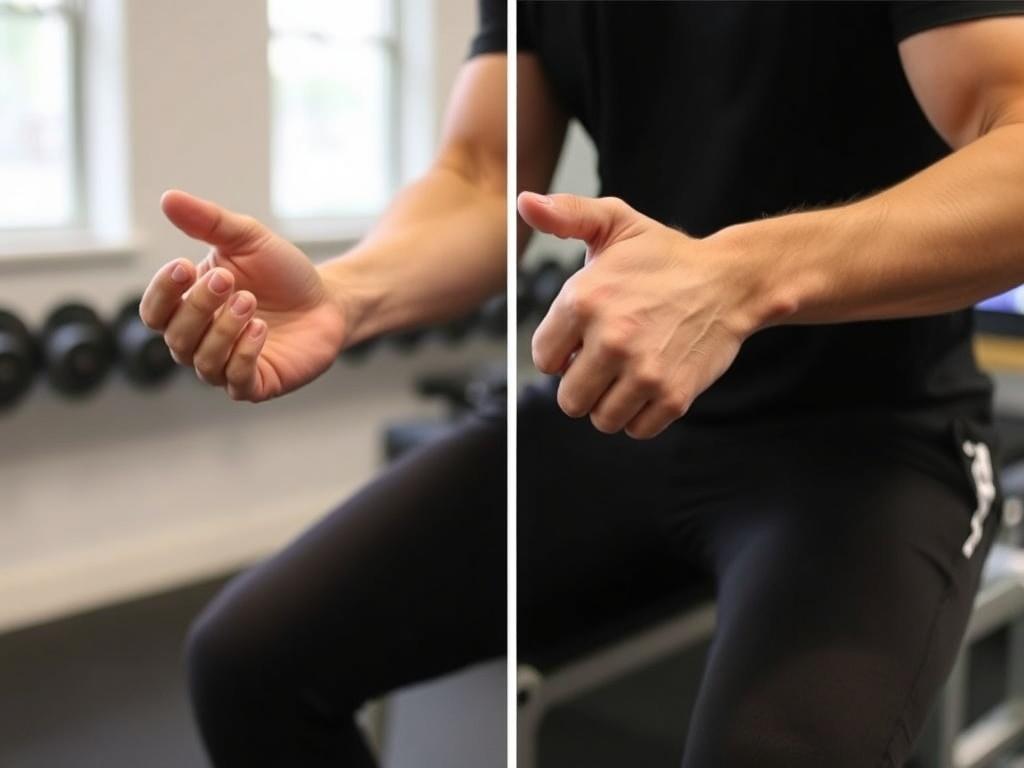
A brief warm-up primes the wrist and finger joints and reduces injury risk. Start with gentle wrist circles, fingertip taps, and light wrist flexion/extension for two to three minutes to increase blood flow without fatiguing the tiny muscles.
Dynamic mobility prepares tendons and nervous tissue. Follow the light movements with open-and-close hand repetitions and some controlled passive stretches—hold each for 10–15 seconds—to improve range before loading.
Simple mobility routine (2–4 minutes)
- Wrist circles: 10 each direction
- Finger spreads and closes: 15 reps
- Wrist flexion/extension with light band: 12–15 controlled reps
- Thumb circles and gentle pinch holds: 10–12 each hand
This short sequence wakes up the neuromuscular system and helps the brain coordinate precise finger movements. You can do it before work, practice, or training sessions.
Foundational exercises for hand and wrist strength
Start with simple, high-quality movements you can perform pain-free. The wrist curl and reverse wrist curl target forearm muscles that drive finger movement, while finger extensions and rubber-band work strengthen the often-neglected extensors opposite the flexors.
Another foundational drill is the farmer’s carry: pick a moderate weight and walk steady for time. This trains support grip, posture, and core stability in one movement, delivering functional strength gains quickly.
Wrist curl and reverse wrist curl
Perform wrist curls seated with forearms supported on your thighs, palms up for flexion and palms down for extension. Use a light dumbbell or a barbell and focus on full, controlled range—no swinging.
Aim for 3 sets of 12–20 reps. The goal is steady tension on the forearm muscles. Increase weight gradually when you can complete the top of the rep range with solid form.
Finger extensions and rubber-band work
Finger extensor strength is crucial to balance out the flexors and prevent overuse injuries. Place a thick rubber band around your fingers and spread the fingers against resistance for 3 sets of 15–25 repetitions.
Do this slowly and let the fingers fully relax between reps. That “opposite” work is inexpensive and effective at restoring joint balance after long hours at a keyboard or repetitive hand tasks.
Pinch and plate holds
Pinch strength comes from the thumb musculature and intrinsic hand muscles. Use weight plates, pinch blocks, or a thick book to pinch and hold for timed intervals. Start with 10–30 seconds and build towards longer holds.
Perform 3–5 sets, resting generously between holds. Small increases in duration or load yield consistent improvements in pinch capability.
Advanced finger and tendon-specific work
If you need targeted finger strength—say, for climbing or playing string instruments—add isolated finger loads. One-arm hangs, fingerboard training, and weighted finger curls increase tendon stiffness and force production when introduced conservatively.
These exercises stress tendons and therefore require careful progression, plenty of recovery, and monitoring for tendon pain that lingers beyond the workout.
Fingerboard or edge hangs (for climbers)
Perform short hangs on a fingerboard with a focus on quality rather than time. Use open-hand grips before progressing to half-crimp or full-crimp positions. Keep hangs brief—7–12 seconds—and rest 2–3 minutes between sets.
Programs typically use low weekly volume and gradual load increases. If you’re new to this, start with assisted hangs using a band or keeping most weight on your feet to reduce tendon load.
Single-finger weighted curls
Using a small dumbbell or cable, curl one finger at a time to strengthen individual finger flexors. Keep weight light and focus on slow, controlled motion across the full joint range.
These carryover benefits for ring and little finger weaknesses and can help musicians regain balanced dexterity after injury.
Grip tools: choosing the right equipment
Tools are not required, but they speed progress and make training varied. A few well-chosen items cover most needs: a pair of adjustable grippers, a stress ball or therapy putty, several resistance bands, and access to a pull-up bar or farmer’s carry handles.
Invest in a small set of pinching implements and a fingerboard if your sport calls for it. Specialty devices have their place, but everyday objects—thick towels, water jugs, or rice buckets—are equally effective and inexpensive.
| Tool | Best for | Notes |
|---|---|---|
| Adjustable grippers | Crushing strength | Use gradually; heavy grippers are advanced work |
| Resistance bands | Extensors, warm-up | Low cost and versatile |
| Fingerboard | Finger-specific strength | High tendon load—progress slowly |
| Therapy putty / stress ball | Fine motor and rehab | Good for rehab and daily maintenance |
Programming: how often and how much
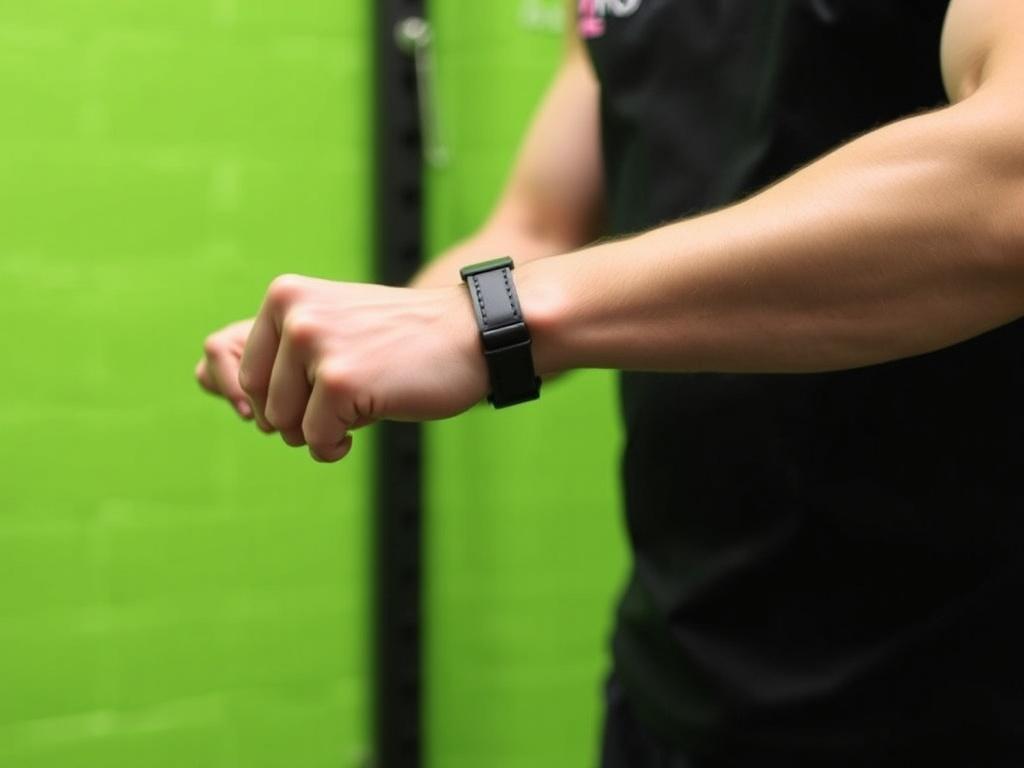
Hands respond well to frequent, short sessions. Because the muscles are small and quick to fatigue, 10–20 minutes of focused work three to five times per week often beats a single long session. Frequency builds neural coordination as much as raw muscle size.
A typical micro-session could include a warm-up, two or three exercises, and a short carry or hold. Total effective volume for hand work is modest—focus on progressive tension and recovery rather than chasing high reps every day.
Beginners: first four weeks
Start with two to three sessions per week. Each session might include wrist curls (3×12), rubber-band extensions (3×15), and a farmer’s carry for 30–60 seconds repeated 3 times. Keep loads light and emphasize control.
After two weeks, add a short pinch hold or add a few seconds to each farmer’s carry. Consistency matters more than intensity during the initial adaptation period.
Intermediate: weeks 5–12
Increase frequency to three to five sessions per week, mixing strength days and endurance days. Add gripper work for crushing strength (3–4 sets of challenging reps) and include timed support holds to build endurance for longer tasks.
Introduce one higher-tendon-load exercise such as short fingerboard hangs or weighted carries but limit tendon-focused volume to avoid irritation.
Advanced strategies
Advanced trainees can periodize hand work, alternating high-intensity crushing days with high-volume support days across the week. Use progressive overload intelligently—add load only when form and recovery are solid.
Deload regularly. Hands recover slower from tendon loads than muscle soreness suggests, so scheduled rest weeks and reduced volume phases help prevent chronic issues.
Sample weekly plans
Below are two compact examples you can adapt. The first suits an office worker seeking general strength and pain prevention. The second targets an athlete—climber or grappler—who needs specific finger and support endurance.
| Office worker (3x/week) | Climber/athlete (4x/week) |
|---|---|
|
– Warm-up (2–3 min) – Rubber-band finger extensions 3×20 – Wrist curls 3×15 – Farmer’s carry 3x45s |
– Warm-up (5 min) – Fingerboard or edge hangs 6x10s – Pinch holds 4x30s – Gripper work 4×8 |
Adapting training for common groups
Different activities demand specific balances of strength, endurance, and coordination. The right mix avoids unnecessary strain and accelerates performance gains when tailored to your daily tasks or sport.
Below I summarize key adjustments for a few common populations so you can pick what fits your life or craft.
Musicians and typists
Precision and endurance beat raw crushing power for musicians and heavy keyboard users. Emphasize intrinsic hand work: finger lifts, controlled pinches, and repeated light-load coordination drills that mimic playing patterns.
Short sessions spread across the day reduce fatigue and keep tendon load manageable. Integrate mobility breaks into long practice or work sessions to prevent stiffness and strain.
Climbers and boulderers
Climbing demands tendon conditioning, finger strength, and support endurance. Focus on progressive fingerboard work, weighted hangs at low volume, and graded edge training. Combine that with full-body pulling strength for balanced development.
Monitor tendon pain carefully. If a finger becomes painfully stiff for several hours after sessions, reduce intensity and consult a coach or physical therapist with climbing experience.
Older adults and rehabilitation
For older adults, hand strength supports independence with daily activities. Start with very light resistance bands, therapy putty, and progressive carrying tasks—think grocery bags or watering cans. Slow progression is key to safety.
If recovering from injury, coordinate with a clinician. Tendon and nerve conditions need tailored approaches; often a blend of isometrics, gentle eccentric work, and neuromuscular re-education yields the best long-term results.
Precautions, red flags, and when to back off
Pain is the body’s signal for attention—distinguish between hard effort and harmful pain. Sharp, shooting pain, numbness, or symptoms that worsen for days after training indicate you should stop and seek evaluation. Tendon pain typically feels like deep soreness around a tendon and can linger; it requires slower loading progressions.
Avoid forcing ranges of motion or crimping positions if they provoke severe discomfort. If you have a diagnosed condition like carpal tunnel or rheumatoid arthritis, follow medical guidance and use exercises that respect your limits while gradually rebuilding strength.
Recovery strategies for small muscles and tendons
Recovery for hands includes more than rest. Light active recovery—gentle finger walks, warm-water soaks, and soft tissue work—promotes circulation and healing. Short sessions of mobility the day after heavy work often reduce morning stiffness.
Manual techniques like self-massage, using a lacrosse ball on the forearm, or rolling the forearm on a stick can relieve trigger points and improve tissue glide. Adequate sleep and nutrition, especially protein for tissue repair, support adaptation after hand-focused training.
Measuring progress: tests that give real feedback
Use objective and functional measures to track improvement. A hand dynamometer provides a simple, repeatable reading of crushing strength. Timed holds for farmer’s carries or pinch durations also reflect meaningful gains in daily function.
Functional progress can be as simple as lifting heavier grocery bags, longer practice sessions without fatigue, or improved consistency in sport-specific tasks. Record baseline numbers and retest every 4–6 weeks to see the trend.
Common mistakes and how to fix them
One frequent error is lifting too heavy too soon, especially with grippers or fingerboard work. Tendons take longer to adapt than muscles; reduce load and increase frequency instead of spiking intensity.
Another mistake is neglecting the extensors. Many people overtrain flexion movements while ignoring the opposing muscles, which creates imbalances and predisposes to tendon issues. Add rubber-band extensions and wrist extensors into every routine.
Real-life examples from my experience
I once worked with a climbing coach who had chronic finger pain from inconsistent training. By shifting to short, frequent hangs, increasing passive recovery, and adding extensor work, the coach regained pain-free training within two months and improved redpointing performance.
In another case, a pianist who reported fatigue after long recitals benefited from simple isometric holds, thumb opposition drills, and scheduled mobility breaks. The player described less post-performance stiffness and more consistent touch quality after six weeks.
Sample 8-week program: a practical roadmap
This eight-week plan balances strength and tendon load for general users. Week 1–4 emphasize neural coordination and basic strength; weeks 5–8 add intensity for sustained improvements. Perform sessions three times per week with at least one rest day between sessions.
- Weeks 1–2: Warm-up; rubber-band extensions 3×20; wrist curls 3×15; farmer’s carry 3x45s.
- Weeks 3–4: Add pinch holds 3×20–30s; increase farmer’s carry weight; continue extensor work.
- Weeks 5–6: Add gripper work 4×6–8 and 2x per week fingerboard-assisted hangs 6x8s if appropriate.
- Weeks 7–8: Increase hold durations and add one session of single-finger curls or short weighted carries; deload in the final week if sore.
Adjust loads based on recovery and keep a log of pain patterns. If anything sharp or numb arises, reduce intensity and consult a professional.
Nutrition and lifestyle factors that support hand health
Hands recover like any other tissue—adequate protein, anti-inflammatory fats, and micronutrients like vitamin D and magnesium help repair and reduce chronic inflammation. Hydration supports tendon glide and joint lubrication as well.
Posture and whole-body strength affect hand function. A poor posture places extra strain on the shoulders and forearms, increasing fatigue in grips. Strengthening the posterior chain and maintaining shoulder health indirectly helps hand endurance and control.
When to consult a professional

If hand pain limits daily function, persists despite rest, or includes numbness and tingling, consult a hand specialist, physical therapist, or occupational therapist. Early assessment prevents chronic issues and provides targeted rehab protocols when necessary.
For athletes, a coach experienced with your sport can help integrate tendon-friendly progression and shape practice so fingers and wrists develop in harmony with the rest of your body.
Quick daily habits that make a difference
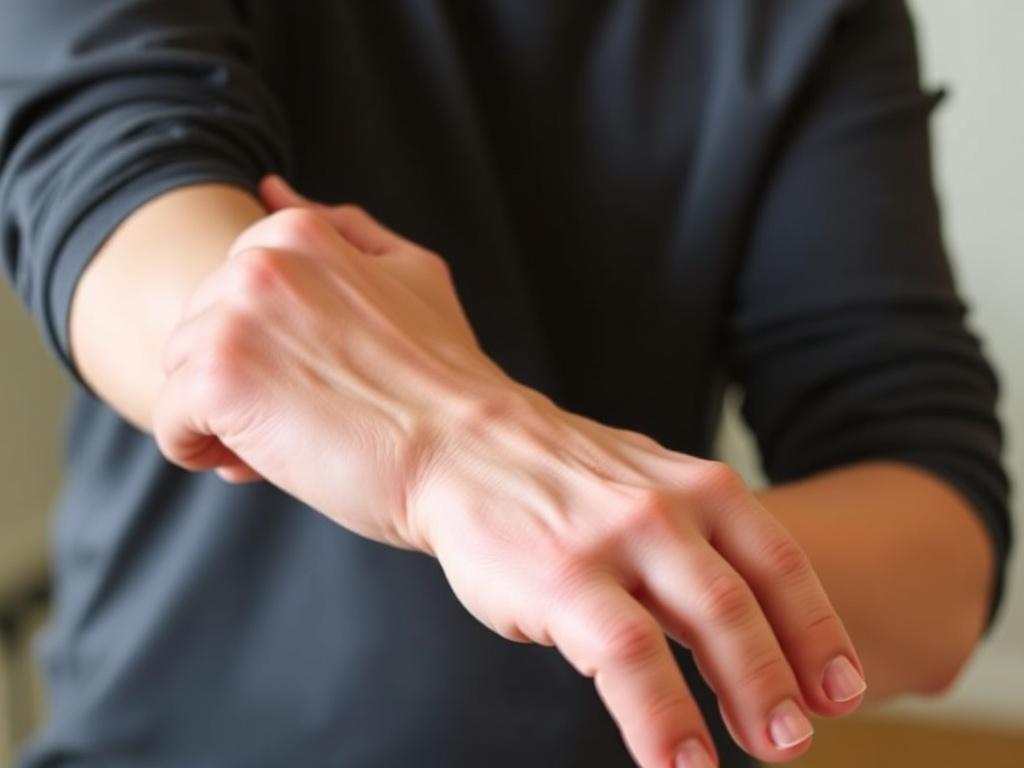
Small, consistent habits beat sporadic intensity. Do five minutes of warm-up and mobility before long sessions, squeeze a stress ball during phone calls, and take brief hand breaks every hour during repetitive work. Over weeks, these tiny investments yield noticeable improvements.
Carry lightweight loads regularly rather than long, infrequent heavy lifts. This builds support endurance with less tendon risk and improves the hand’s capacity for real-world tasks.
Final practical checklist
- Warm up wrists and fingers for a few minutes before loading.
- Balance flexor and extensor work to avoid imbalances.
- Progress slowly on tendon-loaded exercises; prioritize frequency over sudden heavy loads.
- Include pinch, crush, and support grips in your training weekly.
- Track progress with simple measures like timed holds or a dynamometer.
Hands are durable, adaptable structures. With sensible practice, small time investments, and attention to recovery, you can significantly increase strength, durability, and confidence in daily tasks and sports.
Start today with a short warm-up and one focused exercise, and build from there—the hands you want are the sum of consistent, thoughtful practice.