

Winter rearranges everything about your daily life — from the way you dress to how you clean, and especially how your skin behaves. For many people, the arrival of cold air and indoor heat turns a previously balanced complexion into a patchwork of dryness, redness, and sensitivity. If you’re searching for practical, science-backed ways to protect your skin during the cold months, this guide covers routines, ingredients, troubleshooting, and small lifestyle shifts that make a big difference.
Why winter changes your skin
Cold outdoor air contains less moisture than warm air, and indoor heating strips even more humidity from the environment. That combination lowers the moisture available to your skin and weakens the outer barrier that keeps water in and irritants out.
Along with lower humidity, frequent temperature swings — stepping from a freezing street into a heated room — stress skin cells and can cause blood vessel constriction and inflammation. These rapid shifts amplify tightness and flaking and may reveal underlying conditions like rosacea or eczema.
Finally, behavioral changes in winter matter: longer showers, hot baths, and stronger cleansers all remove natural oils your skin depends on. Adjusting habits is often the fastest route to relief, but understanding the mechanisms helps you choose the right products and practices.
Common winter skin problems
Dryness and dehydration are the most common complaints. Dehydrated skin feels tight and may flake or show tiny lines; chronically dry skin can crack and sting. The difference between dehydrated and dry skin lies in water content versus oil production, and both can coexist.
Sensitivity often appears for the first time in cold weather. People who normally tolerate active ingredients like vitamin C or retinoids may notice flushing, burning, or prolonged redness when their skin barrier is compromised. Treating sensitivity starts with reducing irritation and rebuilding the barrier.
Winter can also worsen eczema and psoriasis. The same environmental triggers that dry the skin can provoke flares, sometimes with secondary infection from cracked skin. Preventative moisturizing and targeted anti-inflammatory care are essential to keep flares at bay.
Chapped lips and rough hands are small nuisances that become constant problems if not addressed. Lips lack the same protective oil glands as the rest of your face, and hands are frequently washed and exposed, so both need targeted protection throughout the day.
Daily winter skincare routine
A consistent routine that protects the barrier, replenishes moisture, and prevents irritation is the backbone of winter care. Simplicity helps: fewer steps with better-chosen products beat a complicated regimen that stresses already-compromised skin.
Focus on gentle cleansing, layering hydrating ingredients, and finishing with a protective cream or ointment. If you use actives like retinoids or acids, consider pausing them during acute flares or reducing frequency until your skin regains tolerance.
Below are practical morning and evening steps to follow. Tailor each step to your skin type and concerns, and remember that hydration and protection are the twin priorities in cold weather.
Morning routine
Start with a mild, non-foaming cleanser that removes overnight sweat and oil without stripping lipids. Gel or cream cleansers with glycerin or mild surfactants are good choices for winter mornings.
After cleansing, apply a lightweight humectant layer like hyaluronic acid or glycerin. These ingredients attract and hold water in the outer skin layers; they work best when applied to slightly damp skin to trap moisture effectively.
Follow humectants with a moisturizer rich in emollients and occlusives. Emollients smooth and repair, while occlusives create a barrier that prevents water loss — think creams with ceramides, fatty acids, and petrolatum or dimethicone.
Finish every morning with a broad-spectrum sunscreen. Winter sun still emits UVA and UVB rays that contribute to aging and pigmentation, and snow can increase UV exposure via reflection. Choose a formula that plays well with your moisturizer and makeup.
Evening routine
Evenings are the time to repair and restore. Use the same gentle cleansing approach; if you wear heavy makeup or sunscreen, a double cleanse with an oil-based first step followed by a mild cream cleanser works well without over-drying.
Consider adding a richer moisturizer or a facial oil in the evening to support overnight repair. Ingredients like niacinamide and panthenol boost barrier recovery and reduce redness when used consistently.
If you use active treatments — retinoids, AHAs, or concentrated vitamin C serums — introduce them slowly and monitor skin tolerance. It’s often helpful to limit actives to once or twice a week at the beginning of winter to avoid barrier breakdown.
Key ingredients to look for
Focus on three categories: humectants that draw in moisture, emollients that smooth and fill gaps between skin cells, and occlusives that lock moisture in. Ingredients from each group work synergistically to rebuild and protect the skin barrier.
Other supportive ingredients include ceramides to restore the lipid matrix, niacinamide to reduce inflammation and strengthen the barrier, and antioxidants to defend against free radical damage that still occurs in winter. Peptides can support repair, but save potent actives for stable skin.
The following short table lists commonly useful winter ingredients, their role, and who should consider them. Think of it as a quick shopping companion rather than a prescription.
| Ingredient | Primary benefit | Best for |
|---|---|---|
| Hyaluronic acid | Attracts and holds water in the skin | All skin types; particularly dehydrated skin |
| Ceramides | Restores skin barrier lipids | Dry, sensitive, or eczema-prone skin |
| Glycerin | Humectant that increases moisture | All skin types |
| PANthenol (Provitamin B5) | Soothes and attracts moisture | Sensitive and irritated skin |
| Dimethicone / petrolatum | Occlusives that prevent water loss | Very dry or cracked skin |
| Niacinamide | Reduces inflammation, improves barrier | Acne-prone, sensitive, and aging skin |
Humectants
Humectants like hyaluronic acid, glycerin, and sorbitol pull water into the stratum corneum and are key early steps in a winter routine. Applied to damp skin, they bind moisture and make subsequent creams more effective.
Be mindful that humectants alone won’t help much if there’s no occlusive layer to seal in the water. In low-humidity conditions, they can sometimes draw moisture from deeper skin layers, so always follow with an emollient or occlusive.
Occlusives and emollients
Occlusives — petrolatum, mineral oil, dimethicone — form a physical barrier that prevents transepidermal water loss. They’re especially useful at night or on areas that need heavy protection, like cracked hands or chapped lips.
Emollients such as fatty acids, cholesterol, and plant oils fill spaces between skin cells and make the skin surface feel smooth. They also support barrier lipid recovery when combined with ceramides and gentle humectants.
How to adjust products for sensitive or acne-prone skin

Sensitive skin benefits from minimalism: fewer products, fragrance-free formulas, and stepwise reintroduction of actives. When the barrier is impaired, even benign ingredients can become irritants, so slow down and prioritize repair.
For acne-prone skin, heavy occlusives can feel threatening, but you can still prioritize barrier repair with non-comedogenic options. Look for oil-free lotions that include ceramides, niacinamide, and lightweight humectants rather than thick petrolatum-only creams.
If you use topical acne treatments like benzoyl peroxide or retinoids, coordinate with barrier-supportive products. Applying a bland moisturizer over the active after it absorbs, or using buffered formulations, reduces flaking and discomfort.
Body and hand care in winter
Body skin receives less attention but often shows the season’s effects most clearly: rough elbows, itchy shins, and dry hands. Swap to a creamier body wash and skip long, hot showers when you can, or keep them brief to preserve natural oils.
Use thicker body creams or balms after bathing while skin is still slightly damp. Ingredients like urea (in low concentrations), lactic acid, and ceramides improve texture and hydration, but avoid strong concentrations of acids on actively cracked skin.
For hands, routine matters. Apply a barrier cream after every handwashing and before bed. Keep a small ointment or balm with petrolatum or beeswax handy for immediate repair after exposure to wind or cold.
Lip and eye care
Lips need a dedicated product because they don’t have the same protective lipids as facial skin. Choose balms with occlusives like petrolatum or lanolin and avoid flavored or fragranced products that can irritate. Reapply often when you’re outside.
The eye area is thin and prone to dryness and fine lines. Use a gentle, hydrating eye cream or a light facial oil in the orbital area. If you’re sensitive to heavier formulas, a tiny amount of a humectant serum followed by a light emollient can do the trick without causing milia.
Practical lifestyle adjustments
Small daily habits change the skin’s environment. A humidifier is one of the most tangible upgrades for winter: it raises indoor humidity, reduces static electricity, and helps prevent your skin from drying out as quickly.
Hydration matters, but drinking large amounts of water alone won’t fix dry skin if you’re losing water through heating and inadequate topical protection. Think both internal hydration and topical retention strategies together.
Dress sensibly: windproof outer layers, scarves to protect the lower face, and breathable fabrics next to the skin reduce irritation. Avoid wool directly on inflamed skin; wear a soft layer underneath to prevent chafing and itching.
Makeup and sunscreen considerations
Makeup can be a protective ally in winter if chosen carefully. Cream-based foundations and tinted moisturizers add an extra layer of moisture and can reduce abrasive application compared with heavier powders. Nevertheless, choose non-comedogenic formulas if you’re acne-prone.
Sunscreen is non-negotiable year-round. In winter, pick a sunscreen you’ll actually wear — comfortable texture, no white cast, and compatible with your moisturizer. Mineral and chemical sunscreens both work; layer them over your cream and reapply as needed.
When removing makeup, avoid harsh scrubs. Use gentle oil or balm cleansers that dissolve pigments and sunscreen without stripping protective lipids, then follow with your usual cleanser or simply rinse with lukewarm water if you prefer a single-step routine.
When to see a dermatologist
If dryness is accompanied by persistent cracking, bleeding, severe itching, or signs of infection like increasing redness, warmth, or pus, seek professional advice. These can be signs of secondary bacterial infection or severe eczema that needs prescription treatment.
For long-standing conditions like rosacea, acne, or psoriasis that flare in winter despite reasonable at-home care, a dermatologist can tailor prescription regimens and recommend medical-strength barrier repair strategies. Early intervention prevents scarring and prolonged discomfort.
Dermatologists can also test for contact dermatitis if you suspect an allergic reaction to a new product or fabric. Patch testing narrows down culprits and helps you make safer choices through the rest of winter and beyond.
My winter routine and real-life tips
I live in a climate with cold, dry winters, and over the years I’ve learned that consistency — not constant product switching — produces the best results. My basic framework is gentle cleansing, a humectant serum, a ceramide-rich cream, and a light layer of occlusive at night for extra insurance.
One practical habit I picked up: applying moisturizer within two minutes of stepping out of the shower. That small window traps moisture and reduces the need for heavier products later in the day. I also keep a travel-size balm in every coat pocket and bag for immediate lip and hand rescue.
When I experimented with active ingredients, the rough patches became worse until I reduced frequency and prioritized niacinamide for a few weeks. That pause and repair approach let me reintroduce my retinoid at a lower frequency during the coldest months without losing long-term benefits.
Common myths and mistakes
Myth: “Oily skin doesn’t need moisturizing.” Not true — oily skin can still be dehydrated and requires hydration and barrier support. Using non-comedogenic lightweight moisturizers prevents excess oil without stripping the skin.
Mistake: Over-exfoliating. Many people think removing flakes is the solution, but vigorous scrubs and frequent chemical peels can strip lipids and trigger more flaking. Use gentle exfoliation sparingly and prefer chemical exfoliants at low concentration with caution.
Myth: “All body oils are moisturizing enough.” Some oils sit on the surface and may not repair the lipid matrix. Pairing oils with ceramide-containing creams provides both immediate smoothness and long-term barrier repair.
Quick troubleshooting guide
When you encounter a problem, respond with the simplest targeted change rather than a full overhaul. Below are common winter complaints and immediate actions that often provide relief within days.
| Symptom | Immediate action |
|---|---|
| Tight, flaky skin | Stop exfoliants for a week, add a ceramide-rich moisturizer and an occlusive at night |
| Redness and burning | Pause actives, switch to fragrance-free formulas, and use a soothing cream with panthenol or colloidal oatmeal |
| Chapped lips | Use petrolatum-based balm frequently and avoid licking lips; consider a sleeping lip mask overnight |
| Cracked hands | Apply a barrier cream after each wash and overnight with cotton gloves; reduce exposure to harsh soaps |
How to choose products without getting overwhelmed
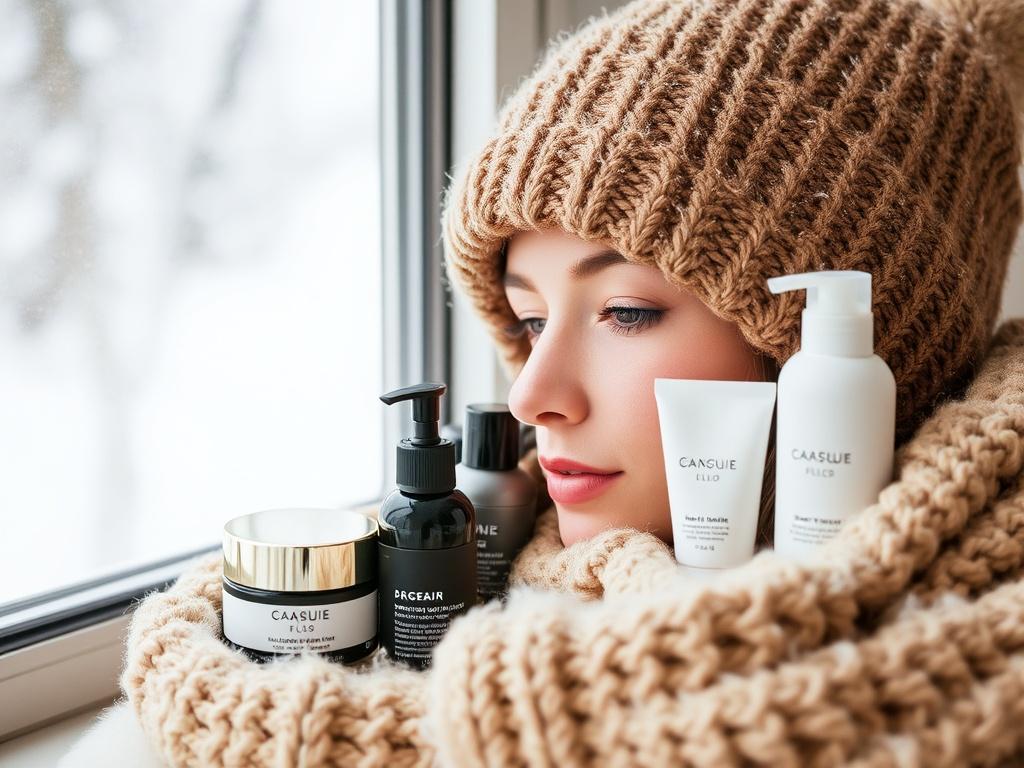
Start with function over marketing. Identify what you want a product to do — hydrate, protect, soothe — and then read ingredient lists for the key components that deliver those results. Packaging and brand claims are secondary to the formula.
Stick to fragrance-free and alcohol-free lines if your skin trends sensitive, and test one new product at a time so you can see its effect. Patch-testing on an inconspicuous area like behind the ear or on the inner forearm helps you spot reactions before full-face use.
Price isn’t the sole indicator of effectiveness. Many well-formulated drugstore moisturizers contain ceramides, glycerin, and petrolatum at affordable price points. Invest more when you need targeted treatments, but basic barrier repair products can be very accessible.
Seasonal transitions: preemptive and reactive strategies
Don’t wait for your skin to flare. As temperatures begin to drop, start introducing richer formulas and increase the frequency of moisturizing. Being proactive reduces the magnitude of winter flares and keeps your routine manageable.
If you start the season too late and notice significant dryness, prioritize repair over cosmetics. Cut back on exfoliation and actives, use nightly occlusives for a week or two, and introduce gentle actives like niacinamide only after the barrier feels stable.
Special considerations for teens and aging skin

Teens often worry about acne but can still suffer from winter exacerbations. Use non-comedogenic moisturizers and avoid drying misuse of benzoyl peroxide. Gentle hydration paired with sensible acne treatments prevents barrier compromise that can worsen breakouts.
Aging skin benefits from richer creams and ingredients that support collagen and hydration, like peptides and antioxidants, while still requiring barrier protection. Thicker textures and targeted serums used sparingly deliver support without irritation during cold months.
Travel and winter care on the go
Traveling in winter often means exposure to multiple drying environments — planes, trains, and outdoors. Pack travel-size hydrating mist, a humectant serum, and a multipurpose balm to maintain routine simplicity while away from home.
On planes, apply a generous layer of moisturizer and reapply lotion to hands and lips frequently. Airplane cabins are very dry, and a small nozzle or travel humidifier can make a noticeable difference on long flights.
Children and infants: gentle measures
Children’s skin responds differently to cold. Use mild, fragrance-free cleansers and apply a simple emollient after baths to prevent eczema flares. Avoid over-bathing; two or three times a week is often sufficient unless the child is particularly active.
For infants prone to cradle cap or dry patches, oil massages followed by a gentle shampoo and moisturizer can soothe symptoms. Consult a pediatrician before using medicated creams or oils in babies under advice of a professional.
Season-long ritual checklist
Make winter care habitual with a simple checklist you can follow each day. Consistency beats complexity; the best routine is the one you’ll actually maintain through snow, holidays, and travel.
- Gentle cleansing morning and night, avoiding hot water
- Apply humectant on damp skin
- Layer with a ceramide-rich moisturizer
- Seal with an occlusive at night or on exposed areas
- Use SPF daily and reapply as needed
- Protect hands, lips, and the body with targeted creams
Avoiding product overload
Adding twenty new products in response to dryness creates confusion and increases the chance of irritation. Stick to a short list with proven ingredients and let them work for a few weeks before changing course.
One way to simplify is to build from a basic core: cleanser, humectant, moisturizer, sunscreen. Add targeted items — a heavier night cream or a soothing serum — only if the core regimen doesn’t meet your needs after two to four weeks.
Environmental considerations and sustainability
Winter care can be effective and eco-conscious. Look for recyclable packaging, concentrated formulas that reduce waste, and refillable options when available. Using fewer, better-chosen products often reduces environmental impact as well.
If you prefer natural oils, be mindful of sourcing and allergen potential. Some plant oils are excellent emollients but can be comedogenic for some people; patch-test and choose sustainably sourced options whenever possible.
Final practical tips you can implement today
Turn down the thermostat a few degrees and add a humidifier in rooms where you spend most of your time. That single change reduces skin dryness, improves sleep comfort, and can cut energy use in certain settings if used wisely.
Shorten showers, avoid abrasive cloths, and prioritize barrier-supportive moisturizers immediately after bathing. Keep a lip balm and hand cream in easy-to-reach places so you’re more likely to use them consistently throughout the day.
Finally, be patient. Skin responds slowly; most visible improvement from consistent barrier repair takes two to four weeks. Stick with the basics, tweak mindfully, and you’ll find winter becomes less of an assault and more of a season your skin can tolerate — even enjoy.