
Most athletes joke about “too much training” after a brutal workout, but real overtraining is no punchline—it steals progress, wrecks motivation, and sometimes sidelines you for months. In this article I’ll walk through exactly what happens in the body and mind when training becomes excessive, how to spot the early signs, and practical steps to prevent the problem before it starts. Along the way I’ll share examples from coaching and personal experience so the advice feels real and actionable.
What overtraining means and why it matters
The term overtraining often gets used casually to describe fatigue after a hard week, but there is a spectrum. At one end sits functional overreaching: a deliberate, short-term increase in training load that produces temporary fatigue and then a rebound in performance. At the other end is full-blown overtraining syndrome (OTS), a maladaptive state where prolonged, excessive training and inadequate recovery produce lasting declines in performance, mood, and health.
Using the Russian phrase once for clarity: Что такое перетренированность и как ее избежать — it boils down to understanding that stress without sufficient recovery becomes destructive, not productive. Appreciating this distinction is critical because the solutions for recovery and prevention differ depending on where you sit on the spectrum.
Physiology: what goes wrong in the body
Training stresses muscles, connective tissue, the nervous system, endocrine pathways, and immune function. Normally, stress triggers repair and adaptation: damaged fibers rebuild stronger, hormones balance out, and performance improves. Over time, however, chronic high stress and inadequate recovery disrupt homeostasis. Hormonal systems like cortisol, testosterone, and thyroid hormones may become dysregulated, and the nervous system stays in a prolonged state of sympathetic activation.
Inflammation becomes chronic rather than acute, sleep quality deteriorates, and immune defenses weaken. These physiological changes translate into reduced power, endurance, and coordination. In severe cases, the body prioritizes survival over performance—energy is diverted away from growth and reproduction, and you may experience persistent fatigue, mood disturbances, or recurring illness.
Common signs and symptoms to watch for
Overtraining presents as a cluster of signs rather than a single defining symptom. Some indicators are physical: unexpected drops in strength, prolonged muscle soreness, decreased sprint or lifting performance, frequent injuries, and more frequent infections. Other signs are psychological: irritability, loss of motivation, trouble concentrating, and increased perception of effort during workouts.
Below is a practical list that helps identify red flags early. If several items appear together and persist for weeks despite reduced training, treat them seriously and consider professional evaluation.
- Persistent fatigue not relieved by sleep or rest
- Decline in performance despite continued training
- Prolonged muscle soreness and slower recovery
- Sleep disturbances: insomnia or non-restorative sleep
- Altered mood: anxiety, depression, or irritability
- Loss of appetite or unexpected weight loss
- Frequent illnesses or slow healing of minor injuries
- Elevated resting heart rate or poor heart rate variability
Overreaching vs. overtraining: an important distinction
Coaches deliberately use short-term overreaching to produce a supercompensation effect: you stress systems for a few days to weeks, then deload and reap performance gains. This approach is controlled, monitored, and reversible. Overtraining, in contrast, is uncontrolled and persistent—adaptation stalls and the athlete slides into a chronic deficit of recovery and function.
A useful rule of thumb: if performance rebounds after a planned recovery of several days to a couple of weeks, it was likely functional overreaching. If recovery takes months and symptoms persist despite rest, you may be facing overtraining syndrome and should seek medical or sports-medicine support. That difference changes how you program training and plan recovery strategies.
Causal factors: why overtraining happens
There is no single cause; overtraining results from a constellation of stressors that accumulate. Excessive training volume or intensity without appropriate recovery sits at the core. But training is only part of the picture: poor sleep, inadequate nutrition, psychological stress, travel, and life changes all amplify the stress load and reduce tolerance to training.
Individual factors matter too. Genetics, training age, age, sex, and underlying health conditions influence how much load a person can handle. Beginners may tolerate less volume because adaptation is still occurring, while experienced athletes can sometimes push harder but are also at risk when volume and intensity both creep up unchecked.
Training-related contributors
Common programming errors that lead to overtraining include sudden spikes in volume, prolonged high-intensity work with insufficient base building, and frequent competitions with little recovery between events. Training without periodization—continuous high load without planned recovery phases—wears down resilience over time.
Monotony is another subtle factor. Constantly doing the same hard sessions without variation can tax specific systems repeatedly, leading to localized overuse and systemic fatigue. Mixing intensities and types of stress helps maintain adaptation pathways and reduces injury risk.
Non-training contributors
Life stress is training’s invisible partner. Work pressures, family responsibilities, commuting, and financial worries are all energetic drains that make the same workout feel harder. Sleep debt and poor nutrition strip away recovery capacity, turning previously tolerable sessions into excessive loads.
Environmental stressors—like heat, altitude, or illness—increase physiological demands. Adding these on top of a heavy training schedule without adjusting volume or intensity invites trouble. Recognizing the broader life context is as important as tracking sets and miles.
How overtraining is diagnosed
Diagnosing overtraining syndrome is largely clinical: it relies on history, symptom patterns, and the exclusion of other medical causes. There is no single definitive laboratory test. However, clinicians may use blood work to rule out anemia, thyroid dysfunction, infection, or other medical contributors. Hormonal markers, inflammatory markers, and immune panels can provide context but are not diagnostic alone.
Objective performance testing—like repeated sprint tests, maximal strength checks, or VO2 measurements—can track declines and recovery over time. Combining subjective measures (mood, sleep, perceived exertion) with objective markers (resting heart rate, heart rate variability, performance metrics) forms the best picture of an athlete’s status.
Practical monitoring tools
For day-to-day monitoring, simple tools often beat expensive gadgets. A training log that records sleep quality, mood, resting heart rate, training perceived exertion, and performance allows trends to emerge. Coaches and athletes can spot gradual declines before they become catastrophic.
Wearable tech—heart rate monitors, sleep trackers, and HRV apps—can help, but they are not magic. Use them to complement self-reporting and performance metrics, not as the sole source of truth. Context matters: a single poor night’s sleep isn’t a diagnosis; a week-long pattern of elevated resting heart rate and poor sleep is a warning sign.
Immediate steps when you suspect overtraining
The first and most effective response is to reduce training load. If symptoms are mild, a structured deload of 3–7 days can restore balance. For more severe or persistent symptoms, longer rest—several weeks to months—may be necessary. During this time, prioritize sleep, reduce stressors, and consult a medical professional if symptoms are pronounced.
Rest doesn’t mean zero activity for everyone. Active recovery—light aerobic work, mobility sessions, and brisk walking—can maintain circulation and mood without provoking further stress. The key is to choose low-intensity activities that support recovery rather than exacerbate fatigue.
When to seek medical help
Seek professional evaluation if symptoms include unexplained weight loss, severe mood disturbances, syncope, persistent fever, or if performance and well-being do not improve after a reasonable rest period. A sports physician or an endocrinologist can help rule out medical causes and design an evidence-based recovery plan.
Psychological symptoms deserve attention too. If anxiety, depression, or disordered eating are present or worsening, involve a mental-health professional experienced with athletes. Recovery from overtraining often requires addressing both physical and psychological contributors.
Preventing overtraining: training principles that work
The most reliable way to avoid overtraining is to combine sensible programming with vigilant recovery practices. Periodization—organizing training into blocks of varying intensity and volume with planned deloads—gives the body predictable cycles of stress and recovery. Periodization can be simple: alternate three weeks of progressive load with one week of reduced volume, or employ more complex macrocycles for competitive athletes.
Progressive overload should be gradual. Use the 10% rule for volume increases as a rough guide, and be cautious when ramping up intensity. Hard sessions should be interspersed with easy days, and key competitions should be preceded by taper phases that reduce volume while maintaining intensity.
Sample weekly structure to minimize risk
A balanced weekly template mixes intensity and recovery: one or two high-intensity sessions, a couple of moderate sessions, and two easy days or active recovery sessions. Avoid stacking multiple maximal efforts within a short period and allow 48–72 hours between very demanding workouts for full nervous system recovery.
For athletes with high training loads, plan a full recovery week every 3–6 weeks depending on training age and competition schedule. These weeks intentionally reduce volume by 30–60% and lower intensity to promote physiological and psychological restoration.
Sleep: the non-negotiable recovery pillar
Sleep is where much of the repair, hormonal regulation, and memory consolidation happen. Chronic sleep restriction reduces growth hormone secretion, raises cortisol, and impairs glycogen restoration. In practice, even one night of poor sleep makes workouts feel harder and recovery slower. Make sleep a training priority with consistent bedtimes and wake times.
Practical habits help: keep the bedroom cool and dark, avoid blue light for an hour before bed, limit stimulants in the afternoon and evening, and wind down with a routine that signals the body it’s time to rest. When training ramps up, aim for 8–9 hours of sleep for most athletes; sleep is training credit, not a time sink.
Nutrition and hydration strategies
Fueling recovery requires adequate calories, sufficient protein, timely carbohydrate intake for glycogen restoration, and micronutrients that support metabolic and immune functions. Undereating is a common, under-recognized contributor to overtraining. When the body lacks energy, adaptation stalls and catabolism increases.
Practical rules: eat enough daily calories to match energy expenditure, consume 20–40 grams of protein at regular intervals across the day to support muscle repair, and prioritize carbohydrates around hard sessions to refill glycogen. Stay hydrated—mild dehydration increases perceived effort and impairs recovery.
Supplement considerations
Supplements are not substitutes for sleep, food, or sensible programming, but some can support recovery when used appropriately. Creatine aids high-intensity work capacity and muscle recovery; vitamin D and iron should be monitored and supplemented if deficient; omega-3 fatty acids have anti-inflammatory benefits. Always check supplements with a healthcare provider, especially if you have medical conditions or are subject to anti-doping rules.
A practical note from coaching: athletes often reach for stimulants like caffeine to mask fatigue, which can create a cycle of increased sympathetic drive and poorer sleep. Use stimulants strategically, and avoid nightly dependence that undermines recovery.
Stress management and mental recovery
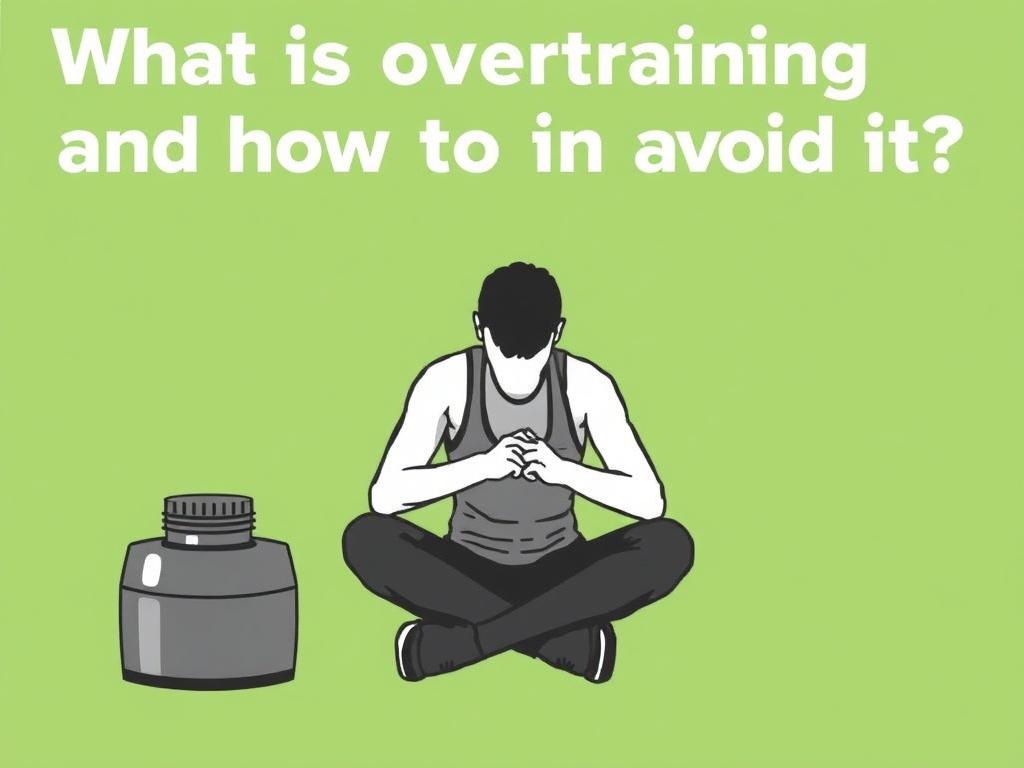
Mental stress compounds physical stress. Techniques that reduce perceived stress can increase resilience to training. Mindfulness, breathing exercises, and short daily relaxation practices reduce sympathetic dominance and help sleep. Some athletes benefit from journaling to externalize worries and track mood trends relative to training load.
Recovery activities that restore joy and purpose—creative hobbies, social time, and nature exposure—offer mental replenishment without taxing the body. In my own training cycles, stepping away from structured workouts for a week to hike or bike casually restored both motivation and performance readiness more than slogging through low-quality sessions ever did.
Practical monitoring and individualized adjustments
Every athlete has unique thresholds. Use data to individualize adjustments: if resting heart rate creeps up 6–10 beats above baseline for several days, reduce intensity or volume. If perceived exertion for a standardized session rises consistently, consider cutting the week short and scheduling a deload. Small adjustments early prevent larger setbacks later.
Communicate openly in coach-athlete relationships. Athletes who under-report fatigue often push through until they break. Coaches who listen and adjust maintain long-term progression better than those who demand constant increases. In team settings, create an environment where rest is respected, not stigmatized.
Programming examples: how to deload effectively
Deloading can take several forms and should be matched to the athlete’s needs. A common approach is to cut volume by 40–60% while keeping intensity moderately high to preserve neuromuscular adaptations. Another method is to maintain volume but reduce intensity to 50–60% of usual training loads. The goal is to reduce cumulative fatigue without losing skill and neuromuscular readiness.
For endurance athletes, a deload might mean reducing total weekly mileage by half, but keeping short, sharp strides to maintain leg turnover. For strength athletes, reduce sets and reps while preserving some heavy singles at lower volume. Experiment with what leaves you refreshed yet capable of performing—this is often individual.
Example 2-week taper for a strength block
| Week | Intensity | Volume | Focus |
|---|---|---|---|
| Week 1 (Deload) | 75–85% of 1RM | 50% of usual sets | Maintain technique, reduce fatigue |
| Week 2 (Taper) | 80–90% of 1RM (short sessions) | 30–40% of usual sets | Neuromuscular readiness, freshening |
This template is illustrative, not prescriptive. Adjust percentages and durations based on individual response and competition timing.
Real-life examples from coaching and personal experience
I once worked with a collegiate rower who logged high mileage and rode out soreness as “part of the sport.” After a month of escalating fatigue, frequent colds, and a six-second drop on a 2k erg test, we instituted a three-week recovery plan. We reduced volume by 60%, improved sleep habits, elevated caloric intake, and scheduled regular massages. After the break, performance rebounded beyond prior levels and the athlete stayed healthy through the season.
On a personal note, I learned a hard lesson in my late twenties. Training five days a week with two high-intensity sessions while juggling a demanding job led to chronic tiredness and poor sleep. A planned two-week break that turned into a full month of reduced training felt like a setback at first, but afterward my lifts returned stronger and my motivation was renewed. That experience changed how I schedule deloads in my own cycles.
Red flags that require decisive action

Not all fatigue signals are equal. Act quickly if you notice persistent performance decline despite rest, recurring infections, mood disturbances that impair daily life, or physiological changes like irregular menstrual cycles in women. These are signals the body is decompensating and needs more than a simple weekend off.
In competitive settings, prioritize long-term health over short-term results. Pulling out of a meet to recover is often the wiser choice than forcing a performance that will lead to months of lost training. Protecting future training capacity is the most important investment an athlete makes.
Building resilience: long-term strategies
Resilience is not built by constant stress alone; it is built by alternating stress with meaningful recovery. Chronic adaptation comes from consistent cycles of load and rest across months and years. Prioritize sustainable practices: gradual progression, adequate nutrition, quality sleep, mental-health care, and periodic medical checks to identify deficits early.
Education is also resilience. Athletes and coaches who understand physiological signals and recovery science can make better decisions under stress. Encourage curiosity and data literacy: knowing when to push and when to rest becomes a skill over time, not a guess.
Common myths about overtraining

One myth is that “no pain, no gain” is always true. Pain has its place in adaptation, but persistent pain or disproportionate fatigue are not productive. Another misconception is that only elite athletes experience overtraining. In reality, recreational athletes with limited recovery resources are often at equal or greater risk because of life stressors and poor sleep.
Finally, many believe that more training automatically equals better results. That ignores the recovery side of the equation. Effective training is as much about smart reduction as it is about hard work—strategic rest amplifies progress rather than hinders it.
Practical checklist: daily and weekly habits to avoid overtraining
Use this short checklist to keep recovery prioritized. Small daily habits compound into meaningful resilience over weeks and months. If any item consistently fails, treat it like a modifiable risk factor and make a plan to improve it.
- Track sleep and aim for consistent bed/wake times.
- Log perceived exertion, mood, and resting heart rate daily.
- Plan one recovery or low-intensity day for every high-intensity day.
- Schedule a deload week every 3–6 weeks, depending on training intensity.
- Ensure caloric intake matches training demands and prioritize protein.
- Communicate openly with coaches about fatigue or life stressors.
When returning from overtraining: a phased approach
Recovery from overtraining should be gradual and measured. Jumping back into previous loads risks relapse. Start with a conservative, progressive plan that emphasizes sleep, nutrition, and low-intensity aerobic work. Reintroduce strength and intensity slowly, tracking objective performance and subjective recovery metrics at each step.
Work with a medical or sports professional if recovery took months, or if hormonal and immune abnormalities were present. They can guide lab monitoring and tailored rehabilitation. Patience is essential: short-term restraint yields long-term returns in health and performance.
Resources and further reading
Reliable resources include sports-medicine textbooks, peer-reviewed reviews on overtraining syndrome, and position statements from professional organizations such as the American College of Sports Medicine. Coaches and athletes benefit from continuing education courses that emphasize periodization, recovery science, and athlete monitoring techniques.
Consider consulting a registered dietitian for fueling strategies and a sports psychologist for mental resilience tools. Multidisciplinary teams help identify the many facets that contribute to training tolerance and long-term success.
Final thoughts
Understanding overtraining means recognizing that training is stress and recovery is the productive response. The balance is dynamic and personal; what stresses one athlete may invigorate another. By integrating sensible programming, sleep and nutrition priorities, stress management, and routine monitoring, you can minimize the risk of drifting from productive overload into destructive overtraining.
Protecting performance means protecting health. Treat rest as a strategic tool, listen to your body, and be willing to adjust the plan—those choices will keep you training longer, feeling better, and achieving more than a stubborn refusal to slow down ever will.