

Reaching your fifties brings changes that are visible, yes, but also fascinating when you look past alarmist headlines. This guide aims to translate the science into everyday steps, offering realistic routines, ingredient know-how, and lifestyle shifts that actually make skin healthier and more comfortable. Read on for practical advice, product pointers, and small experiments you can try without overhauling your life.
What changes in the skin after 50
After fifty, skin becomes thinner, drier, and slower to regenerate because collagen and elastin production decline. Sebaceous gland activity decreases for many people, which reduces natural oils and contributes to flaking, tightness, and more visible lines.
The barrier function weakens too, so moisture escapes more easily and sensitivity can increase. Blood flow to the skin lessens with age, which may dull complexion and slow wound healing, making gentle care even more important.
Hormonal shifts, particularly around menopause, reshape how skin looks and behaves; some people notice more pigmentation while others face sudden textural changes. Understanding these physiological realities helps set realistic expectations and choose effective interventions.
Principles to guide any routine
Think of your regimen as three pillars: protection, repair, and hydration. Protection means daily broad-spectrum sunscreen and avoiding behaviors that stress skin; repair covers active ingredients that stimulate collagen or address pigmentation; hydration focuses on restoring and maintaining the barrier.
Consistency beats complexity—small, repeated steps deliver better results than a sporadic aggressive routine. Patch-test new actives and introduce one ingredient at a time so your skin can adapt without flaring up.
Prioritize gentle, evidence-backed ingredients and avoid mixing strong actives recklessly; for example, alternate retinoids and chemical exfoliants rather than layering them the same night. A well-structured, simple plan is both kinder to mature skin and easier to sustain long-term.
Morning essentials
Start with a mild cleanser that removes impurities without stripping the skin’s natural oils. Cream or milk cleansers often work well for dry, mature skin because they cleanse gently and leave some emollients behind.
After cleansing, apply a hydrating serum with humectants like hyaluronic acid, followed by a moisturizer that contains ceramides or fatty acids to support the lipid barrier. Finish with a broad-spectrum SPF 30 or higher; sunscreen is the single most effective anti-aging step we have.
If you wear makeup, choose hydrating formulas rather than matte powders that can emphasize fine lines and texture. Consider a tinted moisturizer or lightweight foundation with SPF to simplify your routine and add protection.
Evening routine and repair
The evening is when repair-focused ingredients do the heavy lifting, so double-cleanse if you wear makeup or sunscreen to ensure actives penetrate well. A gentle oil-based cleanser followed by a mild water-based one cleans thoroughly without irritation.
Introduce a retinoid gradually—start with a low concentration twice a week and increase as tolerated. Retinoids boost cell turnover, stimulate collagen, and improve texture, but they can be drying; pair them with good moisturization and add hydrating serums on retinoid nights.
On nights without retinoids, use a nourishing cream with peptides, niacinamide, or antioxidants to support collagen synthesis and even tone. Night creams may feel richer, but the texture you choose should match how your skin reacts: heavy for very dry, lighter for combination types.
Key ingredients to look for
Not all actives are equal for mature skin. Target proven ingredients like retinoids, peptides, hyaluronic acid, niacinamide, ceramides, and antioxidants rather than chasing trends. These ingredients address structure, hydration, barrier function, and pigmentation—the major concerns after 50.
Use retinoids for collagen and texture improvement, hyaluronic acid for immediate plumping and hydration, and ceramides to rebuild lipids. Antioxidants such as vitamin C can brighten and protect against environmental damage when formulated stably and combined with sunscreen use.
Patch testing and slow introduction are essential because mature skin can be sensitive to high concentrations or new combinations. If irritation appears, scale back frequency and reinforce the barrier with emollients and occlusives before reintroducing actives.
Quick reference table: ingredients at a glance
| Ingredient | Role | What to look for | Caution |
|---|---|---|---|
| Retinoids (retinol, tretinoin) | Boosts cell turnover, stimulates collagen | Start low, use at night, use sunscreen daily | Can cause dryness and irritation initially |
| Hyaluronic acid | Attracts and holds moisture | Look for low- and high-molecular-weight blends | Needs occlusion or moisturizer to avoid water loss |
| Niacinamide | Supports barrier, reduces redness and pigmentation | Often 2–5% effective concentrations | Generally well tolerated; avoid mixing with very acidic products |
| Ceramides | Replenishes lipids in the barrier | Look for multi-ceramide blends | Safe; great for sensitive, dry skin |
| Vitamin C (ascorbic acid) | Antioxidant, brightens pigmentation | Stable formulations (e.g., with ferulic acid) at 10–20% | May irritate sensitive skin—start lower |
Sunscreen: the non-negotiable
Daily SPF use dramatically reduces photoaging, lowers pigmentation risk, and helps maintain results from active treatments. Choose a broad-spectrum sunscreen of at least SPF 30 and apply about a nickel-sized amount to the face and neck every morning.
Physical (mineral) sunscreens with zinc oxide or titanium dioxide are gentle and less likely to sting sensitive eyes or cause irritation. Chemical sunscreens can be cosmetically elegant but test them if you have reactive or rosacea-prone skin.
Reapply every two hours when outdoors and consider sun-protective clothing or a wide-brimmed hat for extended exposure. Consistent SPF use also preserves the benefits of retinoids and other repair-focused products.
Treatments and in-office options
Professional procedures can accelerate improvements in texture, pigmentation, and volume loss, but they work best when combined with a solid home routine. Consult a board-certified dermatologist or licensed aesthetic provider to match treatments to your skin’s needs and healing capacity.
Microneedling stimulates collagen and is well suited for texture and scar remodeling; chemical peels can resurface and even skin tone; laser therapies target redness, pigment, or collagen remodeling. Each option has specific downtime and risk profiles to weigh carefully.
Injectables—neurotoxins and fillers—address dynamic lines and volume loss effectively. When used judiciously they can create a refreshed look without changing your unique facial expressions, but choose experienced practitioners familiar with mature anatomy.
Dealing with dryness and thinning
Dry, thinning skin is a common complaint after 50 and requires a focus on barrier repair rather than stripping ingredients. Use occlusive moisturizers at night, lipid-rich creams during the day, and gentle exfoliation to keep flaking cells from building up.
Ingredients like ceramides, cholesterol, and fatty acids rebuild the skin’s lipid matrix and lock in moisture. Avoid frequent hot showers and harsh foaming cleansers that wash away those protective oils.
For thinning skin, avoid vigorous scrubbing and abrasive treatments; instead, rely on targeted in-office procedures such as microneedling combined with topical peptides or PRP to stimulate dermal remodeling. Always follow professional guidance for frequency and intensity.
Managing pigmentation and age spots
Hyperpigmentation responds well to a combination approach: sun protection, topical agents, and sometimes in-office treatments for stubborn spots. Ingredients like hydroquinone, azelaic acid, niacinamide, and vitamin C help fade discoloration over months.
Chemical peels, IPL, and certain lasers can remove superficial pigment and stimulate renewal, but they require proper pre- and post-treatment care to avoid rebound hyperpigmentation. If you have darker skin tones, choose providers experienced with pigmentation management to minimize risks.
Sensitivity, rosacea, and redness
Older skin may become prone to redness and flushing; this can be due to barrier breakdown, vascular changes, or rosacea triggered by hormones and environmental factors. Gentle, fragrance-free products and barrier-repairing ingredients are the foundation of care for reactive skin.
Azelaic acid is helpful for both redness and pigmentation and tends to be well tolerated. Laser treatments can reduce visible blood vessels in rosacea, but these procedures should be chosen carefully and paired with ongoing soothing skincare.
Practical layering order
The order in which you apply products matters: thin to thick, water-based to oil-based, and active treatments applied before heavy creams. A consistent layering order improves penetration and reduces pilling or interaction issues between ingredients.
Basic morning order: cleanse, antioxidant serum (e.g., vitamin C), hydrating serum (hyaluronic acid), moisturizer, sunscreen. Basic evening order: cleanse, active (retinoid or chemical exfoliant if using), hydrating serum, moisturizer or facial oil as needed.
When in doubt, give priority to SPF in the morning and to the retinoid at night, and let serums act for a minute before applying the next layer to ensure even absorption. Simplicity fosters consistency and reduces the chance of irritation.
How often to exfoliate
Exfoliation removes dead surface cells that can make mature skin look dull, but aggressive or frequent exfoliation can damage a weakened barrier. Chemical exfoliants like lactic acid or low-concentration glycolic acid are often gentler than physical scrubs for mature skin.
Limit chemical exfoliation to once or twice a week to start, and watch for increased sensitivity, redness, or peeling. If you’re using a topical retinoid, alternate exfoliation nights rather than layering both on the same evening.
When you need deeper resurfacing, allow a professional to perform stronger peels or laser treatments and follow strict aftercare to support healing and reduce pigmentation risk. Moderation and respect for your skin’s tolerance are the best guides.
Makeup and cosmetic strategies for mature skin
Makeup should enhance rather than mask; hydrating primers and lightweight creams work better than heavy powders that settle into lines. Choose liquid foundations with light-reflecting pigments to blur imperfections and create a youthful glow.
Use cream-based concealers sparingly to avoid caking, and set areas prone to creasing with a very light dusting of a finely-milled powder only where necessary. For eyebrows and lashes, subtle filling and conditioning can open the face and give a fresher appearance.
Consider colored moisturizers with SPF for daily wear; they streamline steps and encourage regular sunscreen use. A subtle highlighter on the high points of the face can add perceived volume without looking obvious.
Nutrition and hydration for skin health
Skin health reflects internal health: adequate protein, essential fatty acids, antioxidants, and hydration support structural integrity and barrier function. Include omega-3 rich foods, lean proteins, colorful fruits and vegetables, and whole grains to supply building blocks and protect against oxidative stress.
Drink water throughout the day—not as a cure-all, but as support for cellular processes—and minimize excessive alcohol, which can dehydrate and inflame. Supplements like collagen peptides or vitamin D can help some people, but they work best when combined with a balanced diet.
Consult your primary care provider about supplements and check for nutrient deficiencies that may affect skin, such as iron or vitamin B12. Dietary changes are part of a holistic approach and can amplify the effect of topical treatments.
Sleep, stress, and exercise
Sufficient sleep fosters skin repair and hormone balance, while chronic stress spikes cortisol, which can worsen inflammation and break down collagen. Prioritizing sleep hygiene—consistent bedtime, reduced screen time before bed, and relaxation techniques—supports skin recovery overnight.
Regular moderate exercise improves circulation, delivering oxygen and nutrients that help maintain a healthy complexion. Avoid extreme workouts without adequate recovery if your skin tends toward redness or sensitivity, and always cleanse gently after sweating to prevent irritation.
Mind-body practices like yoga, tai chi, or simple breathing exercises can lower stress and indirectly benefit skin by improving sleep and reducing inflammatory responses. Small lifestyle shifts often yield noticeable improvements in overall skin comfort and appearance.
Customizing a regimen to your needs
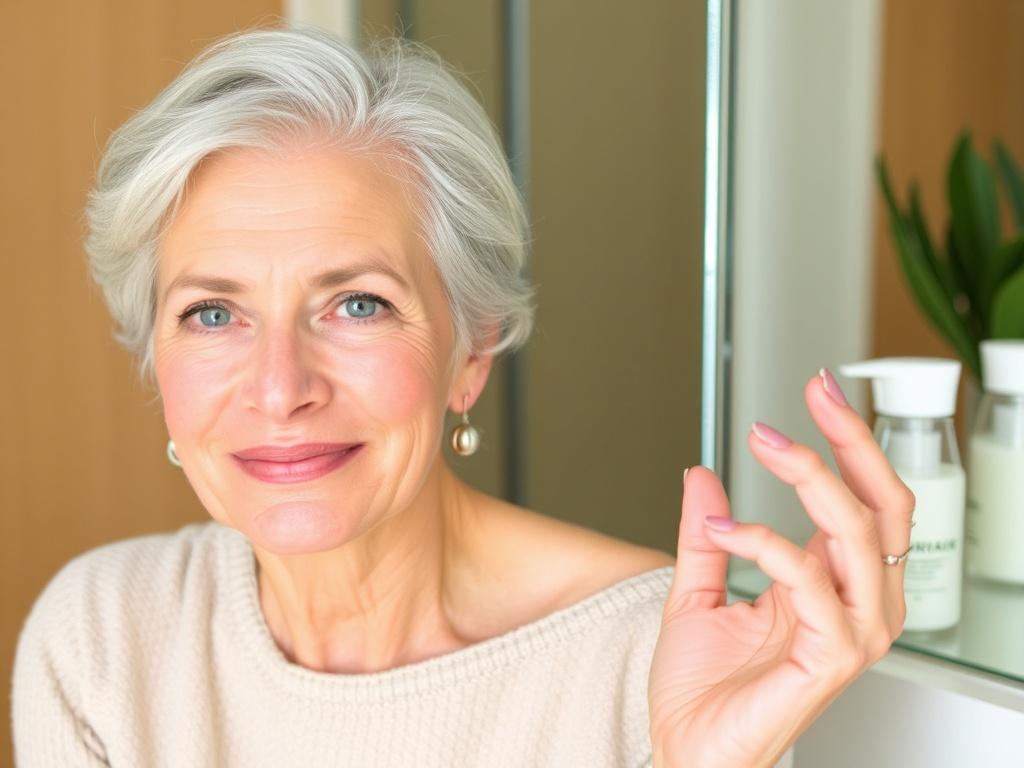
Build your plan around your primary concern—dryness, pigmentation, lines, or sensitivity—and add one or two targeted interventions at a time. If your main issue is pigmentation, prioritize sunscreen, vitamin C, and a pigment-targeting agent like azelaic acid; if dryness dominates, emphasize ceramides and occlusives.
Keep a simple log when you introduce new products so you can track improvements and identify irritants. Adjust frequency based on your skin’s response rather than sticking rigidly to a product’s recommended schedule if it proves too intense.
Real-life example: I once worked with a client who used multiple exfoliants and high-strength retinoids together, which led to chronic redness. We simplified to biweekly exfoliation, nightly low-concentration retinol, and a ceramide-rich moisturizer—within eight weeks her skin barrier was repaired and her texture improved.
Common mistakes and how to avoid them
Over-exfoliation is a frequent error—people assume more sloughing equals faster results, but damaged barriers slow progress and worsen dryness. Follow a conservative schedule and prioritize barrier repair if irritation occurs.
Another mistake is skipping sunscreen on cloudy days or during brief outings; ultraviolet and visible light contribute to pigmentation and collagen breakdown even when it’s not sunny. Make sunscreen a daily habit and reapply when spending time outdoors.
Finally, avoid chasing immediate miracles: many treatments show results over months, not days, and patience combined with consistent care yields the most satisfying outcomes. Expect gradual improvements and celebrate small wins along the way.
Product selection and shopping tips
Read labels for active ingredient concentrations when available and prefer brands that disclose formulation details rather than marketing buzzwords. Look for products formulated for sensitive or mature skin when in doubt, and consider fragrance-free options to reduce irritation risk.
Trial sizes and samples are useful to test tolerability before committing to full-size products; many brands and dermatology offices provide sample packets. When buying online, check return policies and ingredient lists carefully to avoid surprises.
Work with one or two trusted brands rather than amassing dozens of uncoordinated products; consistency makes it easier to see what’s working and to maintain a manageable routine. If budget is a concern, prioritize sunscreen, a good moisturizer, and a retinoid as core investments.
When to see a dermatologist
Consult a dermatologist if you see new, changing, or irregular moles, sudden pigment changes, persistent redness despite gentle care, or skin that doesn’t heal properly. These could be signs of skin cancer or other conditions requiring medical evaluation.
A dermatologist can also prescribe medical-strength agents like tretinoin or hydroquinone when topical over-the-counter options aren’t enough, and can advise on professional procedures tailored to mature skin. Don’t delay seeking care for suspicious lesions or persistent inflammatory conditions.
Cost-effective strategies

Good skincare doesn’t require the most expensive bottle on the shelf; often, mid-priced brands offer stable formulations of key actives. Identify the one or two actives that matter most to your goals and allocate budget there, rather than buying large collections of marginal products.
DIY trends that involve harsh acids, baking soda, or uncontrolled exfoliation are risky for thinning or sensitive skin—save money on products but not on knowledge. Gentle, basic steps plus sun protection and a retinoid typically outperform many expensive novelty creams.
Look for multi-purpose products such as tinted SPF moisturizers or antioxidant serums that cut steps without sacrificing benefits. Value-focused choices make it easier to maintain habits consistently over the long term.
Real-life tweaks and tricks
For tight, dry skin in winter, apply a humectant serum on damp skin and seal it with a richer cream or a few drops of facial oil to lock in moisture. Small adjustments to timing and textures can make vastly different seasonal experiences more comfortable.
If makeup creases on fine lines, lightly prime only where crease settles and use a hydrating setting spray rather than extra powder. Small technique tweaks often yield better cosmetic results than changing products entirely.
Another practical tip: keep a small sunblock in your bag for mid-day touch-ups and choose a formula that layers well over makeup. Maintaining sunscreen use throughout the day protects results and minimizes pigment relapse.
Long-term expectations and maintenance
Sustained improvement is possible, but it requires ongoing care; treatments like lasers or fillers deliver visible results, yet maintenance with daily sunscreen and topical actives preserves those gains. Plan treatments as part of a multi-year strategy rather than one-off fixes.
Be realistic about what topical products can achieve: they can improve texture, tone, and elasticity to a degree, but they won’t recreate the full volume or structure of youth. Injectables and procedures are tools to complement, not replace, consistent home care.
Document progress with periodic photos under consistent lighting to track subtle improvements that might be missed day-to-day. Those visual records can be motivating and help you refine the routine over time.
Final thoughts and encouragement
Skin after fifty is a canvas of experience—lines, spots, and texture tell stories, and care should aim to support health, comfort, and confidence rather than erase every sign of age. Thoughtful, evidence-based routines can yield meaningful improvements without drama.
Start with the essentials—sunscreen, moisturization, and a retinoid—and layer in targeted actives according to your goals and tolerance. Small, consistent choices compound into noticeable change over months and years.
If you’ve been putting off updating your routine, choose one product to add this week and observe the difference over the next month. With patience, reliable ingredients, and occasional professional guidance, mature skin can look and feel its best while staying true to who you are.