If you want an efficient, versatile workout that builds strength, power, and conditioning at the same time, kettlebells are uniquely suited to the task. I’ll walk you through the essential moves, how to put them together into full-body sessions, and the small technical fixes that prevent injuries and produce faster results. Whether you’re training at home with a single bell or in a packed gym, these methods will help you get stronger and move better.
Why kettlebells are so effective for full-body work
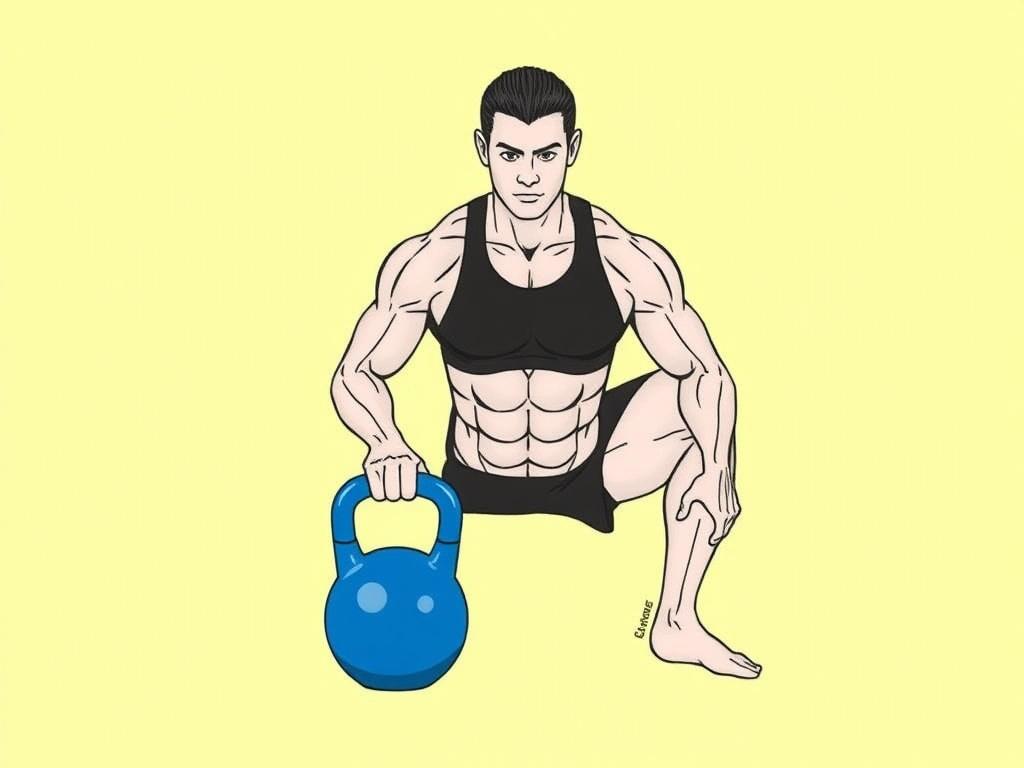
Kettlebells combine load, momentum, and instability in a way that challenges multiple systems at once: muscular strength, cardiovascular capacity, and coordination. Unlike machines or even dumbbells, the offset center of mass forces your nervous system to recruit stabilizers and link joints into efficient movement patterns.
This makes kettlebell sessions time-efficient. A well-constructed set of exercises can fatigue large muscle groups and blast your conditioning in 20–30 minutes, which is why many people use kettlebells for both strength days and metabolic conditioning. The same bell that builds power in a swing will test your grip during farmer carries and your core control during Turkish get-ups.
The core principles of safe, productive kettlebell training
Start every session with movement quality. Kettlebells are forgiving in that they tolerate imperfect strength, but they amplify poor mechanics when you increase load or speed. Prioritize hip hinge mechanics, a neutral spine, and braced breathing before piling on reps or weight.
Load and intensity are independent variables. You can train strength with heavy, low-rep sets or train conditioning with lighter bells and higher reps. Mix both within a week. Balance unilateral work and rotation patterns with straight-ahead pushing and pulling to maintain joint health and athleticism.
Fundamental kettlebell movements to master
These movements form the backbone of any full-body kettlebell program. Learn them in this order: two-handed swing, goblet squat, kettlebell clean, press, single-arm swing, and Turkish get-up. Each builds on the previous one, adding coordination and load gradually.
I recommend drilling technique with light weight until the pattern is automatic. When a move is reliable, increase load or complexity rather than adding sloppy volume.
Two-handed kettlebell swing
The swing is the kettlebell’s signature move because it trains explosive hip extension and posterior chain power while taxing the heart. Set up with feet slightly wider than hip-width, hinge from the hips, and create a powerful hip snap to drive the bell to chest level or overhead depending on your variant.
Key cues: imagine slamming your hips forward into the handle, keep the ribs down, and use a firm but relaxed grip. Avoid squatting the bell up with your quads—this is a hinge-driven pattern. I’ve found that counting “three-second hinge, one-second snap” helps beginners feel the timing.
Goblet squat
The goblet squat teaches upright torso, hip mobility, and loaded lower-body strength while being easy on the shoulders. Hold the bell close to your chest, pack the lats, and sit back into your hips with your knees tracking over your toes. Depth should be controlled and comfortable.
Use goblet squats as both a warm-up and a strength movement. They’re a fantastic way to teach squatting mechanics before progressing to loaded back squats or front-loaded variations.
Kettlebell clean and rack position
The clean is the gateway to single-arm pressing and snatches. Learn the clean to get the bell into the “rack” position smoothly—bell resting on the forearm with the elbow tucked and wrist neutral. A controlled pull and a soft catch protect the wrist and shoulder from banging.
Practice cleans with a light bell and pause in the rack to check posture. Instructors often see people chase speed and let the bell crash into the forearm; slowing down the last few inches makes subsequent presses safer and more powerful.
Single-arm press and push press
Pressing from the rack develops overhead stability and unilateral shoulder strength. For strict presses, lock the ribcage down and drive from the shoulder and triceps. For push presses, add a shallow dip in the hips to use leg drive and train power transfer through the core.
A personal tip: begin pressing with braces breathing—inhale to set the core, exhale as you finish the press. This rhythm stabilizes the spine when the bell is overhead and reduces shoulder strain.
Turkish get-up
The Turkish get-up is a full-body, low-rep movement that builds stability through multiple planes of motion. It demands shoulder control, hip mobility, and sequential strength from lying to standing while the kettlebell remains overhead. Treat it like a skill: practice slowly and deliberately.
Break the get-up into segments (roll to elbow, to hand, hip bridge, leg sweep, etc.) and master each before linking them. In my coaching, athletes who practice portions repeatedly gain more confidence and safer movement than those who rush through full reps.
Kettlebell snatch
The snatch is a high-skill, high-power movement that takes the swing into an overhead finish in one fluid motion. It builds single-arm power, grip endurance, and cardiovascular capacity when performed for reps. Learn the snatch after you own the clean, swing, and single-arm control.
Drill transitions and practice high-rep sets with light weight before increasing load. The snatch can be demanding on the shoulders and lower back if technique is sloppy, so prioritize a smooth hand pass and a controlled finish overhead.
Kettlebell row and single-arm pulls
Rows balance the pressing work and build a strong back to support loaded carries and swings. Perform single-arm rows with a hinge or in a staggered stance to challenge anti-rotation core strength. Maintain a flat back and pull the elbow toward the hip for maximal lat engagement.
Include rowing variations in every program to mitigate anterior shoulder dominance from pressing and snatching. I often pair rows with pressing in supersets so the upper body gets balanced development without long gym sessions.
Lunges, single-leg deadlifts, and carries
Unilateral patterns like static lunges, reverse lunges, single-leg deadlifts, and farmer carries are essential to correct side-to-side imbalances and build functional strength. They also translate well to real-life tasks and sport-specific demands. Focus on stability and control during the descent and ascent.
Farmer carries are deceptively simple but brutally effective. Walk with tall posture and neutral hips; if your gait breaks down, reduce weight and work on posture rather than distance. I use carries as a finisher frequently because they quickly reveal weak links.
How to structure a full-body kettlebell session
A good session has three parts: a focused warm-up, the primary strength or skill block, and a conditioning or metabolic finisher. Warm-ups should be movement-based and short; finishers should test your capacity without destroying technique.
For strength, use heavier bells with lower reps and longer rest. For conditioning, choose lighter bells and higher reps or interval formats. Mix strength-focused sets and conditioning circuits across the week to avoid overtaxing the nervous system while still improving work capacity.
Sample session templates
Here are a few session templates you can swap in depending on your focus. Pick one template per training day and vary intensity across the week to create recovery windows.
- Strength focus: 3 sets of 5–6 heavy swings, 3 sets of 6 goblet squats, 3 sets of 5 single-arm presses per side.
- Skill/strength mix: 5 rounds of 5 cleans + 3 presses per arm, followed by 3 Turkish get-ups per side for time.
- Conditioning finisher: 10–15 minutes AMRAP of 10 kettlebell swings, 8 walking lunges, 6 rows (per side).
Rotate templates so you don’t accumulate excessive fatigue. For example, do two strength-focused days, one skill day, and one conditioning day per week for balanced progress.
Choosing kettlebell weight and equipment basics
Selecting the right bell matters. Beginners typically start with a light bell to learn patterns: women often begin with 8–12 kg (18–26 lb) and men with 12–16 kg (26–35 lb), but choose weight based on current strength and prior experience. If in doubt, err lighter—technique is non-negotiable.
As you progress, keep a range of bells. One that challenges you for 6–8 strict presses, another for 10–15 swings, and a lighter one for high-rep snatches or get-ups. If you train at home with limited space or budget, prioritize one medium-heavy bell and a lighter one if possible.
Warm-up and mobility work specific to kettlebell training
Warming up for kettlebells isn’t about static stretching; it’s about movement prep. Use dynamic banded drills, hip hinges, glute bridges, and thoracic rotations to prime the joints used in swings, cleans, and presses. This raises body temperature and helps you groove the patterns.
Include mobility work for hips, shoulders, and ankles. A simple sequence: 10 bodyweight hip hinges, 8 walking lunges with torso twist, 8 thoracic rotations per side, and 30 seconds of band pull-aparts. That alone covers the essentials before you touch iron.
Programming: rep schemes, cycles, and progression
Progression can be linear, load-based, or complexity-based. If you’re increasing strength, add weight or slightly more load each week while controlling reps. For skill acquisition, keep weight steady and add volume or complexity (for example, progress from two-handed swings to single-arm snatches).
Here is a simple four-week cycle for a single kettlebell per workout that balances strength and conditioning. Week 1 emphasizes technique and moderate load, week 2 adds intensity, week 3 reduces volume but increases load, and week 4 is a deload with skill work and light conditioning.
Example 4-week plan (overview)
| Week | Focus | Example session |
|---|---|---|
| 1 | Technique & volume | 3×10 swings, 3×8 goblet squats, 3×5 presses |
| 2 | Intensity | 5×6 heavy swings, 4×6 single-arm presses, 3×5 get-ups |
| 3 | Load progression | 4×5 heavy cleans + presses, 3×8 lunges, 10-min AMRAP swings |
| 4 | Deload & skill | Light drills, Turkish get-up practice, mobility |
Make adjustments for recovery. If you feel persistent fatigue, reduce session frequency or volume. The best program is one you can perform consistently for months.
Common technical mistakes and simple corrections
One frequent error is squatting the swing instead of hinging. Cue “hips back” and practice hip hinges with a dowel or broomstick to groove hip-dominant movement. Hinge first, then snap your hips to drive the bell.
Another common issue is a collapsed rack position during presses and cleans. Strengthen the rack by pausing in that position and doing half-squats or static holds. This builds tissue tolerance and improves technique under load.
Grip, breathing, and bracing
Grip fatigue often limits kettlebell workouts, particularly with snatches and high-rep swings. Use chalk if your gym allows it, and practice farmer carries to build grip strength. Vary grip positions—handle thickness affects durability more than most lifters expect.
Breathing is equally important. Inhale to prepare the core, brace the midsection, and exhale during the effort or at the finish. For ballistic moves like swings and snatches, a rhythmic inhale between reps and an exhale at the top can stabilize your torso and control fatigue.
Programming examples: beginner, intermediate, advanced
Below are three turnkey workouts you can use today. Each is designed to be efficient and progressive within its difficulty tier. Choose one based on current fitness and experience.
Beginner full-body kettlebell workout
Perform 3 rounds, resting 90 seconds between rounds: 10 two-handed swings, 8 goblet squats, 6 single-arm rows per side, 3 Turkish get-up progressions per side. Focus on clean mechanics and steady tempo.
This session builds foundational strength and movement patterns without overwhelming the nervous system. Track loads and aim to add a rep or two each week before increasing weight.
Intermediate full-body kettlebell workout
Perform 4 rounds, resting 60–90 seconds between rounds: 15 single-arm swings (each arm), 8 cleans + 5 presses per arm, 12 walking lunges with bell, 10 kettlebell rows per side. Finish with a 5-minute AMRAP of light swings and plank ticks.
Here you combine unilateral power with pressing and unilateral leg work to stress both strength and conditioning. Balance pushing and pulling in each round to reduce shoulder fatigue and maintain posture.
Advanced kettlebell metcon
AMRAP 20 minutes: 12 kettlebell snatches (6 per arm), 12 goblet squats, 12 alternating single-leg deadlifts (6 per leg). Pace this like a tempo run—efficient, steady, and technically clean. Adjust reps if the snatches force you to break form early.
Advanced sessions should still prioritize technique. If your snatch or single-leg deadlift degrades, back off the load or reduce reps. Conditioning is useless if it creates compensatory movement patterns that lead to injury.
Progressions and variations to keep improving
Progressions come in three flavors: load progression (heavier bells), volume progression (more reps/sets), and complexity progression (adding unilateral, rotational, or unstable elements). Use all three thoughtfully to avoid plateaus.
Examples: after mastering two-handed swings, move to single-arm swings, then to alternating swings, and finally to high-rep snatches. For squats, go from goblet squat to double rack squat (if you have two bells) to a front-rack split squat for unilateral loading.
How to combine kettlebells with other training
Kettlebells pair well with bodyweight training, short sprint intervals, and traditional barbell work. Use kettlebell sessions on recovery days or as a finisher after barbell lifts to maintain conditioning without compromising heavy lifting volume. Conversely, use barbell strength days to build maximal force and kettlebell days for speed-strength and endurance.
For athletes, incorporate kettlebell swings and carries on the same day as skill work or drills that require agility. Kettlebells provide the posterior chain power needed for sprinting and jumping without the same axial loading stress as heavy squats every single session.
Programming for different goals: fat loss, strength, sport
For fat loss, prioritize higher-intensity circuits with short rest and lighter bells to keep heart rate high. For strength, use heavier bells, fewer reps, and longer rest—think sets of 3–6 for swings and presses. For sport performance, mix explosive swings and snatches with sprint work and plyometrics to train power and resiliency.
Volume and dietary control ultimately drive body composition changes, but kettlebell training offers an effective, time-efficient tool to produce the energy expenditure and muscle stimulus you need.
Tracking progress and avoiding plateaus
Log your loads, reps, and how the session felt. Small, consistent increases in reps, rounds, or weight are better than chasing maximal loads every workout. When progress stalls, vary the stimulus—shift from heavy low reps to higher-rep metabolic circuits, or introduce new unilateral challenges.
Use benchmark workouts every 4–6 weeks to measure improvements in work capacity. Pick a repeatable circuit or a timed get-up test and compare results. This objective feedback keeps training honest and focused.
Practical tips from coaching experience
One consistent observation from years of coaching is that people improve fastest when they focus on a few movements and practice them often. Don’t rotate through a dozen exercises each week; pick five and drill them with intention. Repetition under good technique builds both competence and confidence.
Another tip: film a set every few weeks. A short video reveals hinge depth, rack positioning, and hip-drive in ways coaching cues alone sometimes miss. I’ve used video feedback with clients to accelerate learning and reduce common faults within two to three sessions.
Safety reminders and when to seek professional guidance
If you have a history of shoulder, lower back, or neck problems, consult a qualified coach or physical therapist before starting intensive kettlebell training. These tools are powerful—used improperly, they can aggravate preexisting conditions. A few sessions with a coach to refine technique can prevent months of frustrating setbacks.
Listen to your body. Sharp pains are not normal and should stop the set immediately. Distinguish between muscular fatigue and joint pain. Use scaling options like reducing range of motion, halving the weight, or substituting a less complex movement until comfort returns.
Simple equipment checklist for home training
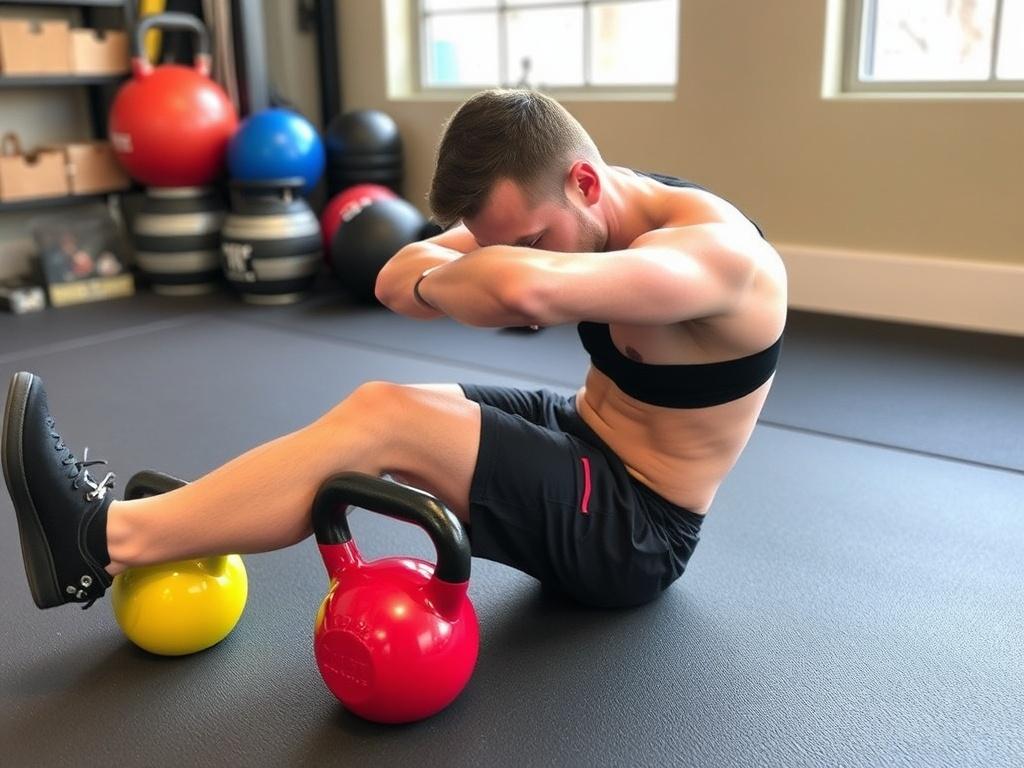
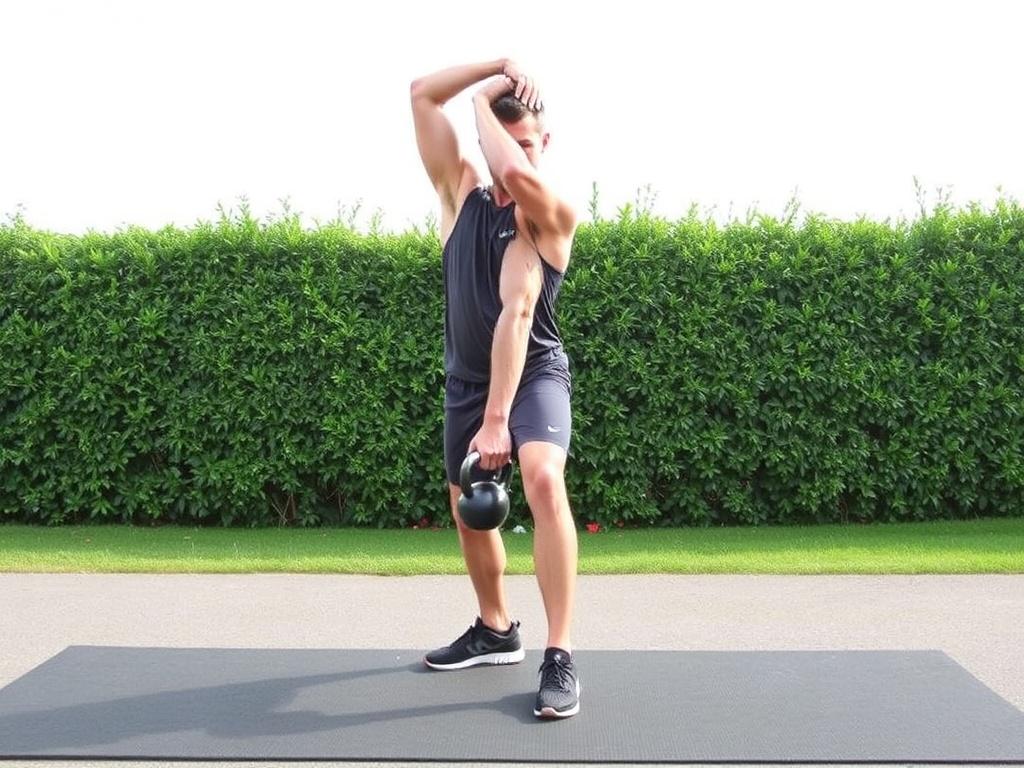
Minimalist setups work well: one medium-heavy kettlebell, a lighter one for endurance, a yoga mat for get-ups, and a small rack or open space for carries. Good shoes with stable soles help maintain a grounded position for presses and carries.
If you train outdoors, consider a bell with a protective coating to prevent noise and wear. A timer or phone app is handy for AMRAPs, EMOMs, and interval work. Small investments in equipment make training safer and more enjoyable.
Final encouragement to get started and stay consistent
Kettlebell training rewards consistency and honest effort more than perfection. Start small, practice the basics, and add complexity as your technique improves. Over months, those deliberate repetitions translate into strength, mobility, and a surprising amount of grit.
If you’re curious, try a two-week focus on three movements—the swing, goblet squat, and Turkish get-up—and notice how your posture, hip power, and confidence change. The kettlebell is a simple tool, but wielded with intention it becomes a powerful ally on your path to better fitness.