

The market for sports supplements is booming, and with good reason: more energy, faster recovery, clearer focus. But every square inch of a label hides a decision that reaches beyond muscles — it reaches the heart. This article untangles how common ergogenic aids interact with cardiovascular physiology and offers practical, evidence-informed guidance for athletes, coaches, and anyone who cares about performance without sacrificing heart health.
Why heart health matters for active people

The heart is both engine and governor. It supplies oxygen and nutrients to working muscles and determines how much effort you can sustain. For athletes, small changes in cardiac function — a faster resting heart rate, altered blood pressure response, or irregular rhythm — translate directly into changes in performance and recovery.
Athletes often push boundaries that non-athletes never do: extreme training volumes, rapid weight changes, and frequent use of stimulants all change cardiac demand. Add supplements into that mix and you must consider not only intended benefits but also side effects and interactions that can stress the cardiovascular system.
Finally, heart problems in athletes are not always obvious. Many conditions present with subtle signs — occasional palpitations, disproportionate breathlessness, or unusual fatigue. That’s why understanding how supplements affect the heart is not academic; it’s practical risk management.
How supplements influence cardiac physiology
Supplements reach the heart through several pathways. Stimulants activate the sympathetic nervous system, raising heart rate and blood pressure. Osmolality and electrolyte shifts from hydration products affect myocardial excitability. And longer-term agents can influence lipid metabolism, inflammation, and endothelial function, altering cardiovascular risk over time.
Some ingredients act directly on cardiac ion channels or adrenergic receptors; others produce systemic changes that secondarily affect the heart, such as increased metabolic rate or fluid redistribution. The same ingredient can be helpful in one dose and harmful in another — context matters.
Because athletes often combine multiple products, additive or synergistic effects deserve attention. Two mildly stimulating supplements taken together can produce a strong cardiovascular response. That stacking behavior is perhaps the most underappreciated risk in sports nutrition.
Common supplements and their cardiac effects
Below I outline major categories of sports supplements with what we know about their cardiac impact. The summaries are practical rather than exhaustive; use them as a framework for deeper conversations with clinicians and coaches.
Protein powders and bars
Protein supplements (whey, casein, plant blends) are staples for recovery and muscle growth. For most people, they are neutral or beneficial from a cardiovascular standpoint when used to meet, not exceed, daily needs. High-quality protein can support lean mass, which improves metabolic health and may indirectly help the heart.
Concerns arise with very high protein diets in individuals with preexisting kidney disease or uncontrolled hypertension, where fluid balance and blood pressure regulation may be affected. Also watch for added stimulants, sodium, or hidden creatine in some commercial bar formulas.
Creatine
Creatine monohydrate is one of the best-studied supplements for strength and power. Its primary cardiac relevance is positive: creatine supports cellular energy metabolism, and some research suggests modest benefits for heart failure patients under medical supervision. For healthy athletes, creatine rarely causes direct cardiac harm.
That said, creatine can increase water retention, which may transiently raise body weight and, in rare cases, affect blood pressure. Proper hydration and realistic dosing (loading phase optional) eliminate most practical concerns. Avoid combining creatine with stimulant-heavy pre-workouts if you notice palpitations.
Caffeine and stimulant-containing pre-workouts
Caffeine is a double-edged sword. It reliably enhances alertness, perceived exertion, and short-duration performance. But caffeine and multi-ingredient pre-workouts frequently elevate heart rate and blood pressure. Sensitive individuals may experience palpitations, anxiety, and even arrhythmias at higher doses.
Risk increases with higher dose, poor sleep, dehydration, or concurrent stimulant use (energy drinks, cold medicines). For most healthy adults, doses of up to 3–6 mg/kg are well tolerated, but many pre-workout blends deliver concentrated stimulants and proprietary blends that obscure actual content. Start with low doses and monitor heart response carefully.
Beta-alanine and nitric oxide boosters
Beta-alanine improves high-intensity endurance by delaying muscle fatigue; its common side effect is paresthesia (tingling), not cardiovascular. Nitric oxide boosters (arginine, citrulline, beetroot/nitrate) can lower systolic and diastolic blood pressure by promoting vasodilation, which in many athletes is beneficial for blood flow and recovery.
However, excessive vasodilation combined with stimulants can create confusing cardiovascular responses — lowered blood pressure with elevated heart rate due to sympathetic compensation. Athletes taking blood pressure medications or those prone to orthostatic intolerance should use caution with strong vasodilators.
Electrolytes and hydration products
Electrolyte supplements are fundamentally cardiac: sodium, potassium, magnesium, and calcium govern myocardial excitability and conduction. Correctly balanced electrolyte replacement prevents cramping and dangerous arrhythmias during prolonged exercise, especially in heat or ultra-endurance events.
Beware of overcorrection. High sodium formulas increase fluid retention and can raise blood pressure in salt-sensitive individuals. Potassium and magnesium dosing requires caution in supplements that supply pharmacologic amounts, particularly if you take ACE inhibitors, ARBs, or potassium-sparing diuretics.
Omega-3 fatty acids
Fish oil and omega-3 supplements are generally cardioprotective, reducing triglycerides and exerting mild antiarrhythmic effects. For athletes, they may help recovery and reduce inflammation. Most benefits are seen at moderate doses (1–3 g/day EPA+DHA) and accrue over months rather than hours.
High doses can increase bleeding risk, especially combined with anticoagulant therapy, so coordinate with a healthcare provider if you take blood thinners. Quality matters: choose purified, third-party-tested products to avoid contaminants like PCBs and heavy metals.
Vitamins and minerals
Essential micronutrients — magnesium, potassium, vitamin D — affect cardiac function. Deficiencies can manifest as arrhythmias, muscle weakness, or impaired performance. Correcting deficiencies is generally beneficial, but megadoses of fat-soluble vitamins or minerals without indication may cause harm or interact with medications.
For example, excess vitamin D can raise calcium and affect vascular calcification; excess iron can increase oxidative stress. Routine testing and targeted supplementation are safer than indiscriminate high-dose regimens.
Thermogenics and fat burners
Thermogenic supplements aim to increase metabolic rate and fat oxidation, frequently via stimulants: caffeine, synephrine, bitter orange, or yohimbine. These products raise heart rate and blood pressure and have been associated with palpitations, chest pain, and in rare cases, acute cardiac events—especially when mixed with alcohol or used by people with undiagnosed heart disease.
Because formulations vary and adulteration is common, thermogenics are among the riskiest categories for cardiovascular events. Avoid them if you have any cardiac history or are taking medications that affect heart rate or blood pressure.
Anabolic steroids, prohormones, and SARMs
Anabolic androgenic steroids (AAS) and selective androgen receptor modulators (SARMs) dramatically affect cardiac risk. They can unfavorably alter lipid profiles (lower HDL, raise LDL), promote hypertension, and cause structural changes in the heart such as left ventricular hypertrophy. Long-term use is linked to premature atherosclerosis and increased risk of myocardial infarction.
These substances are performance-enhancing drugs with clear cardiac risk. They are not supplements in the benign sense and should be avoided outside of prescribed medical therapy for legitimate indications monitored by clinicians.
Herbal stimulants and lesser-known agents
Many herbal ingredients — ephedra historically, yohimbine, and bitter orange — have stimulant properties. Ephedra was removed from many markets after being linked to significant cardiovascular events. Yohimbine can provoke anxiety and tachycardia. These compounds often lack robust safety data and are best avoided or used under strict medical supervision.
Products marketed as “natural” are sometimes perceived as harmless, but plant-derived compounds can be potent pharmacologically and interact with prescription drugs. Treat herbal stimulants with the same caution as synthetic ones.
Quick reference: supplements and heart risk
The table below summarizes common categories, typical benefits, main cardiac effects, and practical recommendations to reduce risk. Use it as a starting point for decisions and conversations with healthcare providers.
| Supplement | Typical benefit | Potential cardiac effects | Practical recommendation |
|---|---|---|---|
| Protein powders | Muscle repair, recovery | Generally neutral; watch added sodium/stimulants | Choose quality product; monitor sodium intake |
| Creatine | Strength and power | Fluid shifts; rare BP effects | Use standard dosing; stay hydrated |
| Caffeine/pre-workouts | Alertness, performance | Increased HR/BP, palpitations, arrhythmia risk | Start low, avoid stacking, monitor heart rate |
| Nitrates (beetroot) | Improved blood flow, endurance | Lower BP; possible interaction with PDE5 inhibitors | Avoid in combination with nitrates/PDE5 drugs |
| Electrolytes | Hydration, prevent cramping | Imbalance can trigger arrhythmias | Match electrolyte intake to sweat losses |
| Omega-3 | Anti-inflammatory, triglyceride lowering | Bleeding risk at high doses | Use moderate doses; inform clinicians if on anticoagulants |
| Thermogenics | Fat loss | Elevated HR/BP, cardiac events in susceptible individuals | Avoid if cardiac history; prefer diet and exercise |
| Anabolic steroids/SARMs | Muscle mass, performance | Adverse lipids, HTN, structural cardiac changes | Avoid recreational use; seek medical supervision if prescribed |
Who is at higher cardiovascular risk?
Risk is not evenly distributed. Certain groups require extra caution when using sports supplements. Understanding where you or your athletes fall helps tailor safer strategies.
People with diagnosed heart disease, prior myocardial infarction, arrhythmias, or uncontrolled hypertension face higher risk with stimulants and certain vasodilators. Even seemingly mild products can provoke adverse effects in these individuals.
Older athletes often have subclinical atherosclerosis and may be taking medications that interact with supplements. Adolescents and young adults who experiment with high-dose stimulants or unregulated products are also at risk because their bodies are less predictable under pharmacologic stress.
Adolescents and young athletes
Young athletes are a special concern because their cardiovascular system is still developing and because supplement use often happens without medical guidance. Energy drinks and stimulant-heavy products can provoke syncope, seizures, and arrhythmias in susceptible youths. Caution and education are particularly important for parents and coaches.
For strength gains, prioritize nutrition and supervised training before considering ergogenic aids. If supplements are used, opt for well-studied, age-appropriate products and avoid high-stimulant blends.
Athletes with preexisting cardiac conditions
If you have a history of arrhythmia, heart failure, or coronary artery disease, any supplement decision should begin with your cardiologist. Some agents may be used safely under monitoring; others should be avoided entirely. Even common substances like caffeine can require dose adjustments or abstinence in these cases.
Clearance often includes an ECG, stress testing, and medication review. These assessments provide the context needed to decide which supplements are acceptable and which pose unacceptable risk.
Interactions with medications
Supplements are not benign when combined with prescription medications. They can change drug metabolism via cytochrome P450 interactions, alter electrolyte balance, or potentiate anticoagulation and blood pressure effects. Always check interactions before starting a new product.
Examples include omega-3s increasing bleeding risk with warfarin, high potassium supplements raising potassium dangerously when combined with ACE inhibitors or ARBs, and nitrate-containing products interacting with phosphodiesterase-5 inhibitors to cause profound hypotension.
Bring a list of all supplements to medical appointments just as you would prescription drugs. Pharmacists are an excellent resource for quickly checking interactions.
Warning signs that require immediate attention
Certain symptoms demand prompt medical evaluation because they can signal cardiac compromise. Never dismiss chest pain, unexplained fainting, or sudden breathlessness as mere training fatigue.
- Chest pain or pressure, especially with exertion
- Syncope or near-syncope (fainting or passing out)
- Repeated, new-onset palpitations associated with dizziness
- Sudden shortness of breath not explained by effort
- Severe, sustained palpitations or a racing heart unrelieved by rest
If these occur after starting a new supplement, stop the product and seek urgent care. Early evaluation can prevent serious outcomes.
Practical rules for safer supplement use
Safety in sports nutrition is about habits as much as products. The following practices reduce risk across the board and are simple to implement for athletes at every level.
- Start with food first. Whole foods provide a complex matrix of nutrients that supplements cannot replicate.
- Use one new product at a time so you can track effects and side effects.
- Begin with the lowest effective dose and only escalate when needed and tolerated.
- Avoid proprietary blends that do not disclose ingredient amounts.
- Choose third-party tested products (NSF Certified for Sport, Informed-Sport, or USP) to reduce the risk of contamination and mislabeling.
- Keep a written log of supplements, dosages, timing, and any symptoms; share this with your clinician.
These habits cut down the chance of surprise reactions and make your supplementation evidence-informed and auditable for testing or medical reviews.
Real-life examples and coaching experience
As someone who coached recreational runners and triathletes for years, I’ve seen both helpful and harmful supplement use. One client, a 42-year-old competitive cyclist, began using a high-stimulant pre-workout to break through a plateau. He developed frequent palpitations that resolved after discontinuing the product and switching to caffeine alone at a moderated dose.
In another case, a younger athlete on a weight-cutting regimen used multiple thermogenics and energy drinks to accelerate loss. He developed severe anxiety, irregular heartbeat, and a spike in blood pressure, requiring emergency evaluation. These incidents underline how dose stacking and combining stimulants can produce outsized cardiovascular effects.
On the positive side, I’ve observed endurance athletes improve recovery and reduce inflammation after consistent omega-3 supplementation and careful nitrate use (beetroot juice) during training blocks. Those changes were gradual and accompanied by objective improvements in training load tolerance rather than sudden, risky performance shifts.
How to choose a supplement responsibly
Choosing a supplement should look like choosing a medicine. Ask: what is the evidence for benefit? What is the dose studied? Who funded the research? Does the product disclose full ingredient amounts? Is it third-party tested?
A useful rule: prioritize single-ingredient products with clear dosing. Avoid exotic blends promising dramatic results overnight. Read labels and check for banned substances if you compete in tested sports.
Finally, involve a clinician if you are over 35, have any cardiovascular symptoms, or take regular medications. A short medical clearance and baseline testing (blood pressure, lipids, ECG if indicated) add safety and confidence.
When to seek testing and professional clearance
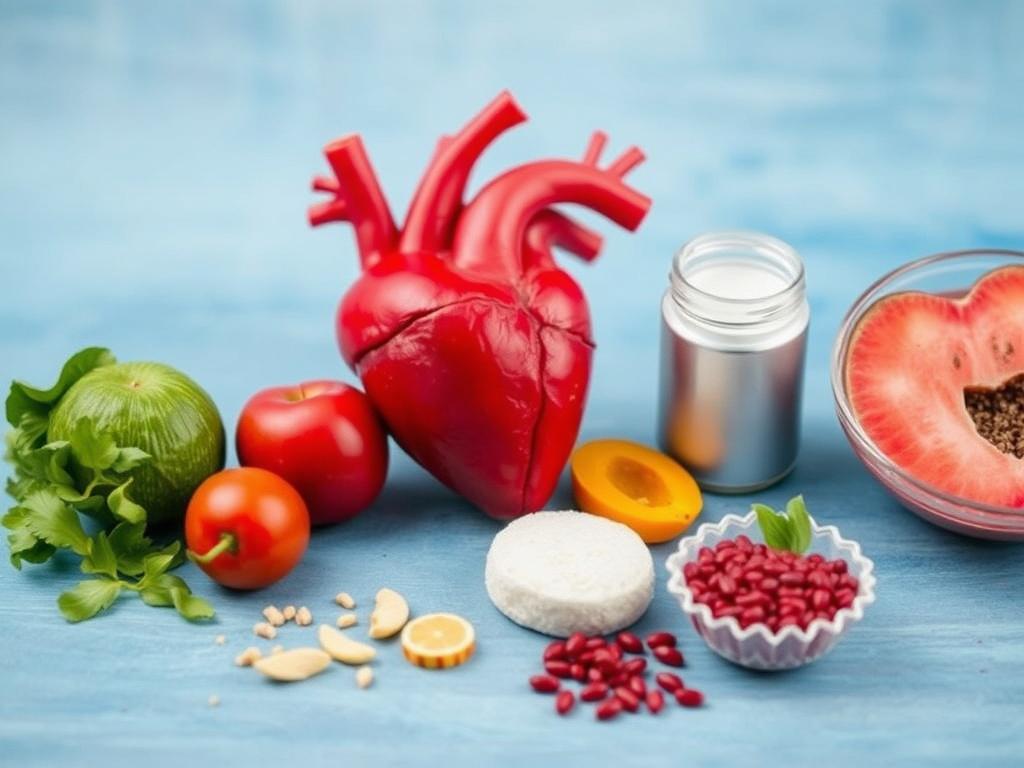
Not every athlete needs an extensive cardiac work-up, but certain situations call for formal evaluation. Seek clinical assessment before starting stimulant-heavy supplements if you have a family history of sudden cardiac death, unexplained fainting, known hypertension, or cardiac diagnosis.
A baseline ECG, echocardiogram, or stress test may be recommended depending on age, symptoms, and competitive level. For high-performance athletes or those with planned high-intensity doping risks, periodic surveillance including Holter monitoring can detect arrhythmias that might otherwise be missed.
Remember that testing is an investment in both safety and performance: finding and correcting a problem early preserves long-term athletic ability.
Special protocols for athletes with cardiac diagnoses

If you train with an identified cardiac condition, you can often continue exercise with appropriate precautions. The cornerstone is collaboration: cardiologist, sports physician, and coaching team working together. Supplements should be reviewed case-by-case.
General precautions include avoiding stimulants, monitoring heart rate and blood pressure closely, and preferring evidence-based adjuncts like omega-3s, protein, and certain electrolyte strategies. Any symptom change requires immediate reassessment and may necessitate temporary discontinuation of supplements.
For heart failure patients under medical care, some supplements (e.g., creatine in research contexts) may even be used therapeutically, but only under specialist supervision. Self-management is not appropriate in these scenarios.
Regulation, contamination, and product quality
The supplement industry is not regulated like prescription drugs. Mislabeling, contamination with banned substances, and variable strength are real problems. That’s why third-party testing matters: it provides independent verification that the label matches the bottle and that the product is free from common contaminants.
Look for certifications such as NSF Certified for Sport, Informed-Sport, or USP. For competitive athletes, these certifications reduce the risk of inadvertent doping violations and protect cardiovascular safety by limiting undisclosed stimulants or adulterants.
Emerging research and gaps in knowledge
Despite the growing literature on supplements and performance, long-term cardiovascular outcomes remain an under-explored area. Most studies focus on short-term effects in healthy young men; fewer address women, older adults, or athletes with chronic disease. This leaves important knowledge gaps about cumulative effects and rare adverse events.
Another evolving area is the pharmacology of multi-ingredient blends — how combinations interact at the molecular level. Research funding and regulatory attention tend to follow high-profile adverse events, so proactive, well-designed studies are still needed to provide clearer long-term safety data.
Until that data arrives, conservative, individualized use guided by medical evaluation remains the most responsible approach to balancing performance goals with heart health.
Practical checklist before starting a new supplement
Before you open a new tub or bottle, run through this quick checklist. It’s short, actionable, and effective at catching common pitfalls.
- Do I need this, or can I get the effect from food and training?
- Is the ingredient dose supported by research?
- Is the product third-party tested for purity and potency?
- Am I on medications that could interact with this supplement?
- Do I have any heart symptoms, history, or family history that require medical clearance?
- Can I try a low dose first and monitor heart rate, blood pressure, and symptoms?
If you answered “no” or “I don’t know” to any of these, pause and get clarification before proceeding.
Final practical tips for coaches and athletes
Coaches play a crucial role. Encourage transparency about supplement use, keep records, and make medical clearance routine for stimulant-heavy programs. Educate athletes about label reading and the difference between evidence and advertising claims.
Athletes should adopt a conservative, staged approach: optimize nutrition and sleep, then consider low-risk supplements, and only progress if benefits outweigh risks. If you are experimenting, do so during training cycles and not immediately before competition.
Trust your body’s feedback. New palpitations, unusual breathlessness, or unexplained fatigue are signals, not inconveniences. Respect them, and pursue medical evaluation rather than soldiering on.
Responsible use of sports nutrition can enhance performance without compromising cardiovascular safety. With careful selection, transparent communication, and an individualized plan informed by medical guidance, athletes can reap benefits while protecting the heart that powers every stride, lift, and sprint.