

If you’ve typed “Как убрать носогубные складки” into a search bar, you already know how persistent those creases can feel—like tiny crevices that deepen with every laugh. Nasolabial folds, commonly called smile lines, are normal facial contours, but when they become prominent they can make you look tired or older than you feel. This article maps out practical, evidence-based options—ranging from skincare and lifestyle changes to office procedures—so you can choose what fits your face, budget, and comfort level.
Understanding nasolabial folds
Nasolabial folds are the grooves that run from the sides of the nose to the corners of the mouth. Everyone has them to some degree; genetics, facial anatomy, and lifetime facial movement shape how deep they become. In youth they tend to be soft and shallow, but age-related changes make them more visible.
Several structural changes under the skin contribute to deeper folds: loss of fat volume in the midface, descent of cheek tissues, thinning skin, and reduced collagen and elastin. These factors combine so that the fold becomes not only a surface crease but a shadowed valley where light falls differently.
Understanding this layered physiology matters because it tells you why a one-size-fits-all fix rarely works. Some treatments plug volume back into the midface, others smooth the skin surface, and some re-suspend sagging tissues. The best results often come from combining complementary approaches.
How aging changes the face
Starting in our late 20s and 30s, collagen production slows and skin becomes thinner and less elastic. Fat pads in the cheeks tend to lose volume and shift downward, reducing midface support. Bones remodel subtly too, changing the skeletal framework that supports soft tissues.
When the cheek support declines, the nasolabial fold becomes a natural crease where migrating tissues settle. Repetitive facial movements—smiling, speaking, chewing—accentuate these lines over decades, making them a permanent feature for many people. External factors like sun exposure accelerate the process by breaking down collagen faster.
Non-surgical approaches: start here
If you prefer to avoid needles or surgery, you can still make measurable improvements. Non-surgical strategies often require patience and consistent effort, but they also carry lower risk and cost. Think of them as either preventative measures or mild-to-moderate correction tools.
I’ll cover skincare, facial exercises, devices, and lifestyle shifts. Use multiple small interventions together for cumulative effect—improvements stack.
Skincare: ingredients that genuinely help
Topical treatments won’t erase deep folds, but they can improve skin quality, texture, and resilience so that lines look softer. Key ingredients to consider include retinoids, vitamin C, peptides, hyaluronic acid, and sunscreen. Each targets a different part of the problem: collagen production, antioxidant protection, hydration, and prevention.
Retinoids are among the most evidence-backed options for stimulating collagen and improving fine lines. Prescription tretinoin works faster and more predictably, but over-the-counter retinol can be effective with consistent use. Start slowly to avoid irritation and apply at night because retinoids make skin sun-sensitive.
Vitamin C serums help protect against free-radical damage and can brighten discoloration around the fold, reducing shadow effects. Peptides offer signaling molecules that can modestly support collagen synthesis, while hyaluronic acid serums and creams plump the skin surface and smooth fine creases temporarily.
Sunscreen—broad spectrum SPF 30 or higher—deserves emphasis. Ultraviolet radiation breaks down collagen and accelerates loss of elasticity. Daily sunscreen use is one of the simplest, most effective long-term steps to slow progression.
Facial exercises and massage
Facial exercises and targeted massage are affordable and accessible, and people report subjective benefits. The idea is to strengthen muscles, increase circulation, and mobilize tissue. Evidence is mixed but growing; a consistent, properly designed routine can yield modest improvements over months.
Simple exercises include cheek lifts, smiling holds, and resisted mouth movements that engage the zygomaticus (cheek) muscles. Massage—especially upward stroking and circular movements along the cheek and fold—can stimulate blood flow and temporarily soften the appearance of the line. Use a facial oil or balm to avoid tugging the skin.
One caveat: incorrect technique or overworking the muscles can deepen movement lines, so follow reputable guides or work with a trained facial therapist. Think of these practices as maintenance and subtle contouring rather than dramatic correction.
At-home devices: what’s worth trying
A number of consumer devices promise to firm skin and boost collagen. Microcurrent devices, LED light therapy, and microneedling rollers are the most common. When used correctly and consistently, they can complement topical treatments and support skin remodeling.
Microcurrent machines send low-level electrical waves to stimulate facial muscles and improve tone. They can give an immediate, subtle tightening effect that can enhance the look of the midface. LED devices—red and near-infrared light—support cellular repair and collagen production over time; they are safe for regular home use.
Dermarollers (microneedling) create tiny punctures to trigger healing responses and collagen formation. At-home versions are less invasive than professional needling but require careful hygiene to avoid infection. For deeper collagen remodeling, in-office microneedling with professional settings is more effective and controlled.
Lifestyle factors with big impact
Small daily habits have outsized effects on skin health. Sleep, hydration, diet, smoking status, and stress management all influence collagen integrity and fat distribution. Addressing these fundamentals will improve not only nasolabial folds but overall facial tone and complexion.
A diet rich in protein, healthy fats, vitamin C, zinc, and antioxidants supports collagen synthesis and cellular repair. Stay adequately hydrated; skin that’s well-hydrated reflects light better and looks smoother. Avoid tobacco—smoking accelerates sagging and causes deep lines through oxidative damage and repetitive lip pursing.
Finally, moderate alcohol, good sleep hygiene, and stress reduction (exercise, meditation, social support) help regulate inflammation and hormonal patterns that influence aging. Consider these lifestyle tweaks your baseline strategy—everything else builds on it.
Minimally invasive office treatments
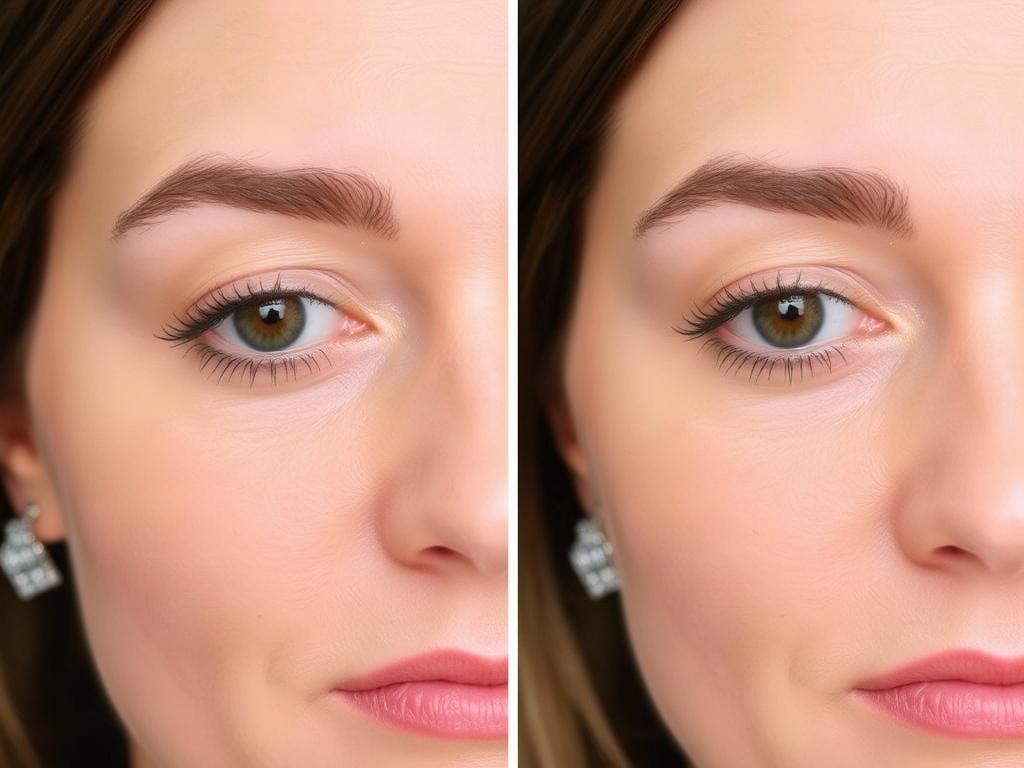
When topical and lifestyle steps aren’t enough, minimally invasive procedures can deliver noticeable and predictable results. These options vary by cost, downtime, and longevity. Understanding mechanisms helps you match a procedure to your goals.
I’ll explain fillers, botulinum toxin, thread lifts, energy-based devices, and platelet-rich plasma (PRP). Each addresses a different structural issue, and combinations are common in modern facial rejuvenation.
Dermal fillers: the most common solution
Hyaluronic acid (HA) fillers are the workhorse for treating nasolabial folds. Injecting filler into the fold or into the cheek to restore midface volume can soften the shadow and lift tissues. Results are immediate and typically last between 6 and 18 months depending on the filler type and placement.
Choosing an experienced injector is critical. Placement too superficially can cause lumps or an unnatural look; placed well, fillers create a smooth transition from cheek to lip without obvious filler bulges. Providers often assess whether cheek augmentation or direct fold filling will produce the most natural improvement.
Risks include bruising, swelling, asymmetry, and in rare cases vascular compromise. A qualified practitioner uses proper technique and has a plan for reversal (hyaluronidase for HA fillers) should complications occur. Expect short downtime—usually a few days for swelling and bruising to subside.
Botulinum toxin: when it helps
Botulinum toxin (e.g., Botox) doesn’t directly fill a fold, but it can reduce activity in nearby muscles that deepen lines. Strategic, subtle use can relax the muscles that pull the corners of the mouth downward or create shadowing, making nasolabial folds appear softer. Results are temporary—about 3 to 4 months.
In many cases, injectors combine small amounts of toxin with fillers to balance volume and muscle pull. Because toxin changes muscle movement, it’s particularly useful when dynamic expression contributes to the crease. Side effects are generally mild but technique-sensitive.
Thread lifts and suture-based lifts
Thread lifts use dissolvable sutures with tiny barbs placed under the skin to lift sagging tissues mechanically and stimulate collagen around the threads. They can offer immediate lifting with moderate longevity—often 12 to 24 months. Thread lifts work best for mild-to-moderate sagging rather than very deep folds.
Recovery is shorter than a surgical lift, but there are trade-offs: threads can produce visible dimpling or discomfort if not placed carefully. They can be a good option for people who want a lift effect with less downtime than surgery and who accept the need for repeat procedures down the line.
Laser and energy-based devices
Radiofrequency, ultrasound (e.g., Ultherapy), and fractional lasers target deeper dermal layers to stimulate collagen remodeling and tighten skin. These devices are advantageous for improving skin quality and firmness, particularly when skin laxity contributes to the appearance of folds.
Treatment protocols vary. Ultrasound energy reaches deeper tissue planes, providing lift over several months as collagen rebuilds. Fractional lasers resurface the skin and improve texture, which helps soften the edge of the fold. Multiple sessions are usually needed for significant results.
PRP and regenerative approaches
Platelet-rich plasma (PRP) uses your own blood’s growth factors to encourage tissue repair and collagen production. It’s often combined with microneedling or fillers to enhance outcomes. PRP can improve skin tone and texture, though its effect on deep structural folds is modest unless combined with volume replacement.
Recovery is minimal and because PRP is autologous (from your own body), allergic reactions are rare. That said, response varies between individuals, and evidence quality is improving but not uniform across all indications.
Surgical solutions for longer-lasting change
When folds are deep and associated with substantial midface descent or excess skin, surgery becomes the most definitive option. Surgical procedures reposition tissues and can produce longer-lasting results than non-surgical approaches. However, they involve more downtime and higher cost.
Options include midface lift, lower facelift, and fat grafting. Surgeons tailor the operation to the pattern of aging: whether the primary issue is lax skin, volume loss, or both.
Facelift and midface lift
Facelift techniques that address the midface lift the cheeks, re-drape tissue, and tighten deeper layers. A properly executed midface lift restores cheek volume and support, which reduces the prominence of nasolabial folds by changing the underlying scaffold rather than just masking it.
Recovery can take several weeks, with swelling and bruising gradually resolving. Results are long-lasting—often many years—but the procedure carries the typical surgical risks and requires a skilled, board-certified facial plastic surgeon or plastic surgeon for optimal outcomes.
Fat grafting and structural augmentation
Autologous fat grafting transfers your own fat from another body area into the midface to restore volume. When volume loss is the main factor behind deep folds, fat grafting can produce natural-feeling results with potential longevity beyond typical fillers. The survivability of transferred fat varies, so touch-ups are sometimes necessary.
Fat grafting works well in combination with lifts: the lift repositions tissues while grafting restores lost fullness. The results age with you more naturally because fat integrates with your tissue, but techniques and surgeon skill matter greatly for consistent outcomes.
How to choose the right approach for your face
Choosing a treatment starts with an honest assessment of how deep the folds are, what tissue layers are involved, your timeline, and your tolerance for risk and downtime. A qualified clinician will examine you, discuss goals, and explain trade-offs. It’s often helpful to prioritize objectives: subtle rejuvenation, a major transformation, or a conservative maintenance plan.
Cost and longevity are practical considerations. Non-surgical methods cost less upfront but need ongoing maintenance; surgical solutions cost more but last longer. Evaluate recovery expectations—how much time can you realistically take for downtime?
Comparing common options
| Treatment | Typical downtime | Longevity | Primary benefit |
|---|---|---|---|
| Topicals (retinoids, vitamin C) | None | Ongoing with use | Skin quality, prevention |
| HA fillers | 1–7 days (bruising/swelling) | 6–18 months | Immediate volume and smoothing |
| Botulinum toxin | None to 48 hours | 3–4 months | Reduces dynamic pull |
| Thread lift | 3–7 days | 12–24 months | Mild-to-moderate lift |
| Energy devices | 0–7 days | Months to years (cumulative) | Tightens and improves texture |
| Surgical lift | 2–6 weeks | Many years | Definitive repositioning |
Use the table as a quick guide, not a prescription. Personal anatomy and age change how each option performs, so the table should inform a discussion rather than replace it.
A practical plan and timeline
Most successful strategies blend prevention, maintenance, and correction. A realistic plan breaks into short-, medium-, and long-term steps so you don’t feel pressured into more invasive choices prematurely.
Short term (0–3 months): start daily sunscreen, incorporate a retinoid at night, add vitamin C in the morning, and try a microcurrent device or LED mask. These changes improve skin quality and may reduce the shadowing effect quickly.
Medium term (3–12 months): assess progress and consider in-office treatments if desired. A course of professional microneedling with PRP or a series of radiofrequency treatments can produce visible remodeling. If volume loss is the main issue, plan a session with a skilled injector for fillers or discuss fat grafting options.
Long term (1–5 years): maintain topical and lifestyle habits, schedule maintenance treatments (fillers, toxin) as needed, and revisit surgical options if deeper structural correction becomes preferable. Track photos every few months to objectively assess changes over time and guide decision-making.
Aftercare and maintaining results

Maintaining results is often more cost-effective than chasing diminishing returns with frequent aggressive treatments. Aftercare varies by procedure, but general principles apply: protect skin from sun, avoid smoking, keep skin hydrated, and follow your provider’s instructions about activity and products.
For fillers expect short-term swelling; avoid strenuous exercise for 24–48 hours and skip blood-thinners like high-dose fish oil or aspirin around the injection day (unless medically necessary). For energy-based treatments, adhere to cooling creams and avoid retinoids for a short period as advised by your provider.
Regular touch-ups for volume treatments and periodic skin rejuvenation sessions maintain the look you like without huge jumps. Keep realistic expectations—maintenance is a marathon, not a sprint.
Common myths and mistakes
Myth: One miracle cream will erase deep folds. Reality: Topicals help texture and prevention but cannot replace volume or reposition tissue. Creams support results but are rarely sufficient alone for pronounced folds.
Myth: All fillers are the same. Reality: Fillers differ in viscosity, cross-linking, and intended use. An injector experienced with facial anatomy selects the product and placement to match the problem—cheek augmentation versus direct fold filling are distinct strategies.
Mistake: Choosing the cheapest option without qualifications. Cost is a factor, but so is the clinician’s skill. Complications from poor technique may require corrective procedures that cost more in the long run. Seek board-certified practitioners with a strong portfolio of before-and-after photos and patient reviews.
Real-life examples and personal observations
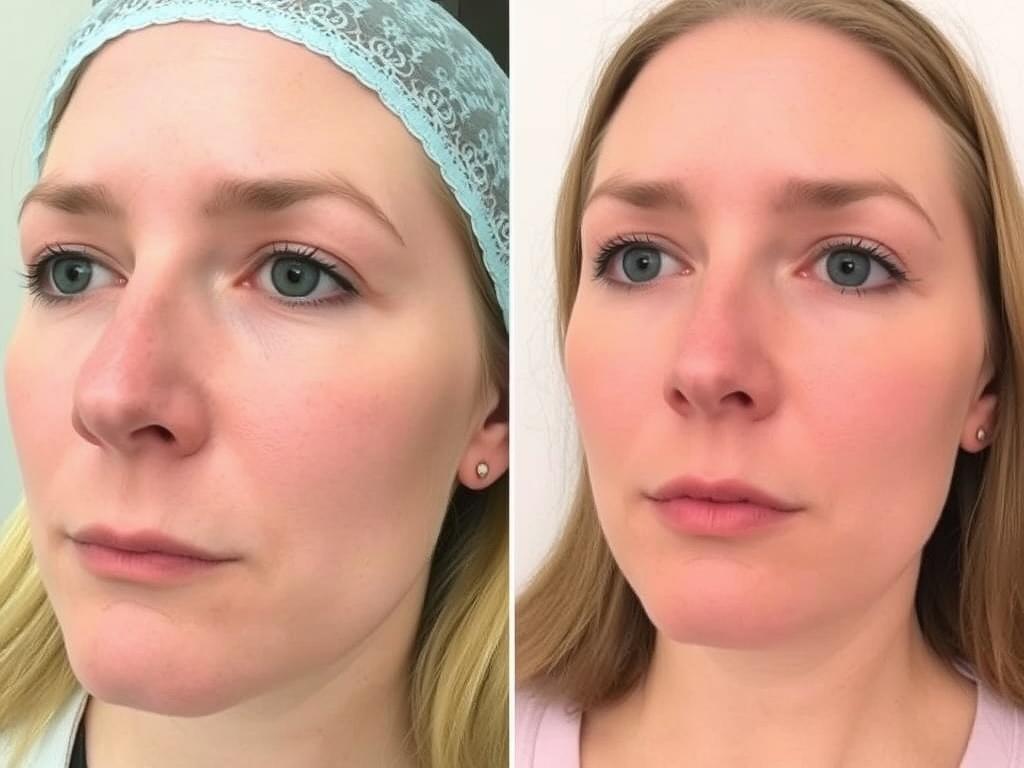
A friend of mine worried about her deepening smile lines and began with a conservative plan: consistent sunscreen, a prescription retinoid, and quarterly LED sessions. After nine months she reported smoother skin and fewer complaints about the fold’s shadow, which gave her the confidence to delay injections. That slower path suited her budget and desire to avoid needles.
Another acquaintance opted for cheek fillers combined with a small amount of direct nasolabial filler; her face looked refreshed without appearing “done.” The key was a provider who prioritized natural proportions and offered a subtle, staged approach rather than a dramatic, single-session overhaul. Both examples show that matching personality and expectations to the treatment plan matters as much as the technique.
Questions to ask your provider
- What specifically about my anatomy is causing these folds—volume loss, skin laxity, or both?
- Which treatments do you recommend first, and why?
- Can you show before-and-after photos of patients with similar concerns?
- What are the risks and signs of complications I should watch for?
- How long will the results likely last, and what does maintenance look like?
Good providers welcome these questions and should explain options in clear, non-technical terms. If you feel rushed or pressured into a single treatment, consider seeking a second opinion.
Budgeting, timing, and realistic expectations
Costs range widely: high-quality skincare and devices can be an entry-level investment, office treatments like fillers or energy sessions are mid-range, and surgery is the most expensive. Consider not only upfront cost but maintenance over years. A modest filler touch every year or two can be less expensive than one surgical procedure depending on your goals and local pricing.
Timing matters if you have events coming up. Fillers give immediate improvement but need a few days to settle; lasers or energy treatments can cause redness for several days; surgical options require weeks of recovery. Plan procedures with your schedule and social commitments in mind.
Final thoughts on choosing your path
Reducing the appearance of nasolabial folds is rarely about a single magic fix. It’s an exercise in layered care—protecting and improving the skin, restoring lost volume where needed, and choosing structural lifts when appropriate. Combining approaches, paced sensibly, produces the most natural outcomes.
Whether you begin with a stronger skincare routine, a non-surgical device, a targeted injection, or surgery, the right plan respects your face’s anatomy and aligns with your comfort around risk and downtime. Small, consistent steps often lead to the most satisfying and sustainable changes.
If you decide to consult a clinician, bring clear photos, honest goals, and the list of questions above. That conversation will help you move from searching “Как убрать носогубные складки” toward an individualized plan that looks like you—only a little more rested and rested with time.