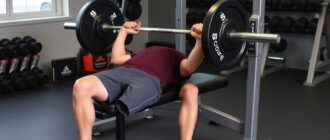

Choosing the right nutrition for training can feel confusing, especially with so many products and loud promises. Спортивное питание для девушек: что нужно is a question I hear from friends, clients, and readers all the time, and it deserves a clear, evidence-based answer that’s easy to use. This article walks through the essentials—what to prioritize, what to skip, and how to build a realistic plan around training, recovery, and daily life.
Why sports nutrition needs to be tailored for women
Women are often lumped into generic sports-nutrition advice based on male-centric research, but physiology and life stages change nutritional needs. Hormonal cycles, menstrual blood loss, pregnancy, breastfeeding, and bone-health considerations all influence energy and micronutrient requirements.
Metabolic responses to training and recovery can also vary by sex and individual. That means the same protein or carbohydrate prescription might need shifting to match performance goals, menstrual phase, or caloric availability without sacrificing recovery or long-term health.
Practical sports nutrition for women blends general athletic science with attention to iron status, calcium and vitamin D, and energy balance. The goal should be steady performance improvement, fewer injuries, and sustainable habits rather than chasing quick fixes.
Core macronutrients: what they do and how much to aim for
Macronutrients—carbohydrates, protein, and fat—are the foundation of any sports-focused diet. Each plays a distinct role: carbs fuel effort, protein repairs and builds tissue, and fats support hormones and long-duration energy.
Instead of one-size-fits-all numbers, recommendations should reflect training volume, intensity, and goals. The table below gives general daily ranges that fit most active women, then we’ll break down how to apply them.
| Goal | Carbohydrates (g/kg/day) | Protein (g/kg/day) | Fat (% of energy) |
|---|---|---|---|
| Light activity / strength focus | 3–5 | 1.4–1.8 | 20–35% |
| Moderate endurance or mixed training | 5–7 | 1.6–2.0 | 20–35% |
| High-volume endurance | 6–10+ | 1.2–1.8 | 20–35% |
Protein: how much and when
Protein is non-negotiable for women aiming to build or preserve muscle, recover faster, and support immune function. Aiming for roughly 1.4–2.0 grams per kilogram of bodyweight per day covers most training goals, with higher needs during intense strength blocks or calorie restriction.
Distribute protein evenly across meals—about 20–40 grams every three to four hours—so muscle-building signals occur multiple times a day. A post-workout dose with some carbs helps recovery when training is intense or frequent.
Carbohydrates: timing and performance
Carbohydrates are the primary fuel for high-intensity and prolonged activity. For strength training and shorter sessions, the lower end of the range often suffices, while endurance athletes need substantially more to maintain glycogen and performance.
Practically, use carb timing: a focused pre-workout snack for energy, carbs during longer sessions (e.g., >60–90 minutes), and a recovery meal with carbs and protein within two hours to refill stores and aid repair.
Fats: the background player with big jobs
Dietary fats support hormone production, nerve health, and absorption of fat-soluble vitamins. Keep fat intake moderate—generally 20–35% of total calories—to avoid displacing needed protein and carbs for athletes.
Prioritize unsaturated fats from nuts, seeds, olive oil, and fatty fish. Include omega-3 sources regularly for their anti-inflammatory benefits and general health support.
Key micronutrients women should watch
Micronutrients often matter far more for women’s performance and long-term health than an extra supplement. Iron, vitamin D, calcium, and B12 are especially important and deserve regular attention.
Addressing deficiencies can transform energy levels, training capacity, and mood. A simple blood test can identify issues and allow targeted correction rather than guesswork.
Iron
Iron deficiency is common among physically active women due to menstrual blood loss and high training turnover. Low iron reduces endurance, causes fatigue, and impairs recovery.
Check ferritin and hemoglobin with a healthcare provider. If ferritin is low, dietary adjustments and possibly oral iron supplementation under medical supervision are appropriate. Pair iron-rich plant foods with vitamin C to improve absorption.
Vitamin D and calcium
Vitamin D supports bone health, immunity, and muscle function, while calcium helps build and maintain bone mass—critical for women at all ages. Many people are low in vitamin D, especially those living in northern climates or training indoors.
Test vitamin D levels when possible. Supplementation and sensible sun exposure can help reach optimal ranges, and adequate dietary calcium—along with resistance training—protects bone through life changes like pregnancy and menopause.
B vitamins and vitamin B12
B vitamins help convert food into usable energy and support red blood cell production. Women on vegetarian or vegan diets should monitor vitamin B12, which is primarily found in animal products.
A daily multivitamin or targeted B12 supplement may be practical for those with restrictive diets or absorption issues, but testing and personalized advice are best for long-term management.
Supplements that are worth considering
Supplements can be useful tools when used sensibly: to fill nutritional gaps, support recovery, or provide convenient protein. They are not magic, and quality matters more than quantity.
Below are supplements with evidence supporting their use for many active women, along with practical dosing and safety considerations.
Protein powders
Protein powders—whey, casein, soy, pea, and other plant blends—are a convenient way to hit daily protein targets, especially on busy days or after workouts. Whey is quickly absorbed and effective for post-workout recovery, while casein digests slower and can help overnight.
Choose a product with minimal added sugar, check for third-party testing if competing, and use powders to supplement real food rather than replace it. A scoop typically provides 20–30 grams of protein.
Creatine monohydrate
Creatine is one of the most studied and effective supplements for strength, power, and some endurance adaptations. It increases cellular stores of phosphocreatine, helping you perform more high-intensity reps and recover faster between efforts.
For most women, 3–5 grams per day is effective and safe. Contrary to some myths, creatine does not require a bulky or harmful steroid-like change; it supports muscle energy. Drink water and monitor response; some women notice small water shifts early on but benefit long-term.
Caffeine and pre-workout aids
Caffeine reliably enhances alertness, focus, and high-intensity performance. A typical effective dose is 3–6 mg/kg bodyweight taken about 30–60 minutes before activity, but start low to assess tolerance.
Pre-workout blends often add nitrate, beta-alanine, or other stimulants. Beta-alanine can help high-intensity efforts when taken consistently (2–5 g/day), though it may cause harmless tingling. Read labels and avoid excessive stimulant combinations.
Beta-alanine and buffering agents
Beta-alanine increases muscle carnosine, which helps buffer acid during intense exercise. It’s most useful for efforts lasting roughly 1–4 minutes, such as intervals or circuit-style training.
Consistent daily dosing over several weeks is necessary for benefits. If your training includes repeated sprints or hard intervals, it’s a tool worth considering alongside creatine and caffeine.
BCAAs and EAAs
Branched-chain amino acids (BCAAs) are popular, but if you’re meeting protein targets, additional BCAAs offer limited extra benefit. Essential amino acid blends can support muscle synthesis, but whole-protein sources are often more practical and cost-effective.
Reserve BCAAs/EAAs for situations where whole-protein intake is impractical—long training days or fasting states—rather than relying on them daily as a primary recovery strategy.
Omega-3s
Omega-3 fatty acids (EPA and DHA) reduce inflammation, support cardiovascular health, and may aid recovery. For active women, 250–500 mg of combined EPA+DHA daily is a reasonable starting point, with higher doses for specific therapeutic needs under medical advice.
Choose a tested fish oil or algae-based supplement for vegetarians, and store oils away from heat and light to prevent rancidity.
Timing and meal patterns that support training
When you eat can be as meaningful as what you eat, especially around workouts. Thoughtful timing helps maximize performance, recovery, and daily energy.
Focus on consistency, manageable meals, and nutrient-rich choices rather than rigid rules that don’t fit your schedule or appetite.
Pre-workout
A small meal or snack 60–90 minutes before exercise with a balance of carbs and protein supports energy and spares muscle. Examples: Greek yogurt with fruit, toast with nut butter and banana, or a small oatmeal bowl.
For early-morning training, a light carbohydrate option can be enough to boost performance without causing gastrointestinal discomfort. Experiment to find what your stomach tolerates before different session types.
During long sessions
For sessions lasting longer than 60–90 minutes, simple carbohydrates taken during exercise—gels, sports drinks, or bananas—help maintain intensity. Electrolyte-containing drinks prevent sodium loss during heavy sweating.
Practice fueling during training so race day or performance events aren’t full of surprises.
Post-workout
After training, aim for a meal with 20–40 grams of protein and some carbohydrates to replenish glycogen and support repair. This can be a shake plus a piece of fruit, a chicken salad with quinoa, or a tofu stir-fry with rice.
Timing matters less than regular, adequate intake over the day, but eating within two hours of intense or frequent sessions is a good habit to support recovery.
Designing a practical, week-long plan

Rather than complicated macro calculations, create a plan that fits your training volume, food preferences, and lifestyle. Below is a simple approach that scales up or down depending on training load.
Start by targeting a daily protein range, then plug carbohydrates on heavy training days and moderate them on rest days. Keep fats consistent for hormonal support and satiety.
Sample day for a strength-focused training day
Breakfast: Overnight oats with protein powder, berries, and chia seeds. Mid-morning snack: Greek yogurt with a drizzle of honey. Lunch: Grilled chicken bowl with brown rice and mixed vegetables. Pre-workout: Banana and a small handful of almonds. Post-workout: Protein shake and an apple. Dinner: Salmon, quinoa, and a large salad.
Adjust portion sizes to match weight goals. This pattern prioritizes distributed protein and enough carbs to fuel lifting sessions while keeping meals simple and repeatable.
Sample day for a high-endurance day
Breakfast: Whole-grain toast with nut butter and a fruit smoothie. Pre-long run: Oatmeal or rice cake with jam. During session: Endurance fuel (gels or sports drink) every 30–45 minutes as needed. Post-workout: Recovery shake with carbs and protein, followed by a hearty lunch like a turkey sandwich with sweet potato. Dinner: Lentil stew with brown rice and leafy greens.
Fueling during long efforts and replenishing carbs afterwards are the key differences from strength days.
Adjusting nutrition for specific goals
Different goals call for specific tweaks rather than wholesale changes. Small, consistent adjustments over weeks produce the best results, and abrupt calorie cuts or overuse of supplements can backfire.
Below are targeted strategies for common aims: fat loss, muscle gain, and improved endurance.
Fat loss for women
Fat loss requires a modest calorie deficit, but aggressive restriction harms performance, hormones, and adherence. Aim for a slow, steady loss—around 0.5–1% of bodyweight per week—while prioritizing protein to preserve lean mass.
Progressive resistance training is critical. Maintain or increase protein (1.6–2.0 g/kg) and keep some structured carbs around workouts to support performance and recovery.
Muscle gain and shaping
Building muscle requires a small calorie surplus and consistent strength training. Focus on progressive overload, adequate protein, and higher training frequency for target muscles.
Protein at the upper end of the recommended range and strategic use of creatine can accelerate strength and size gains. Patience and gradual increases in calories avoid unnecessary fat gain.
Endurance performance
Endurance athletes should emphasize carbohydrate availability for key sessions and use periodized fueling—higher carbs during intense phases and lower during maintenance phases. Hydration, electrolytes, and regular fueling during long sessions are non-negotiable.
Protein needs are similar but may skew slightly lower on a g/kg basis than strength-focused programs; however, total daily intake must still support repair and immune function.
Common myths and pitfalls

The sports-nutrition world is full of catchy claims. Sorting the useful from the useless starts with understanding common myths and the evidence behind them.
Below are practical myth-busting points to keep you from wasting money or jeopardizing progress.
Myth: Women should avoid creatine because it bloats or masculinizes
Creatine can cause minor water retention in some people initially, but long-term benefits include improved strength and power without masculinizing effects. It’s one of the most effective supplements for strength gains in both sexes.
If water retention is a concern, start with a maintenance dose (3 g/day) rather than a loading phase to minimize initial shifts.
Myth: You must eat immediately after every workout
While post-workout nutrition helps recovery, the strict “anabolic window” is broader than once thought. If you’ve eaten a protein-rich meal a few hours before training, an urgent post-exercise meal is less critical.
Prioritize total daily intake and planned recovery meals, especially after long or intense sessions.
Myth: Supplements can replace a good diet
Supplements are supplements—they bridge gaps and add convenience. Whole foods provide complex nutrients, fiber, and satisfaction that powders alone can’t fully match.
Use high-quality supplements to support, not substitute, a nutritious, balanced eating pattern.
Choosing safe and effective products
Quality control varies across the supplement market. Choosing tested products and reading labels prevents contamination, hidden ingredients, or misleading claims.
Look for third-party certifications like NSF Certified for Sport, Informed Sport, or USP, especially if you compete and are subject to drug testing.
Reading labels
Focus on the ingredient list and serving size first, not flashy marketing text. Avoid proprietary blends that hide ingredient amounts, and watch for excessive sugar or stimulants, particularly in pre-workout mixes.
If a product promises dramatic results with one pill, treat it with skepticism. Reliable benefits usually require consistent training and sensible nutrition alongside any supplement use.
Monitoring progress and when to test
Nutrition is an experiment. Track performance, energy, sleep, menstrual regularity, and mood rather than only body weight. These non-scale indicators often reveal whether fueling is adequate.
Blood tests for ferritin, hemoglobin, vitamin D, and sometimes thyroid markers provide objective data to guide changes. Work with a healthcare professional to interpret results and personalize interventions.
Practical shopping and meal-prep tips

Busy schedules make consistency hard, so plan simple meals around a few staples: eggs, lean proteins, canned tuna, beans, whole grains, frozen vegetables, nuts, and Greek yogurt. These ingredients combine fast and flexibly.
Batch-cook grains, roast a tray of vegetables, and prepare protein portions in advance to shorten weekday meal assembly. Pack snacks like trail mix, hard-boiled eggs, or protein bars when time is tight.
- Breakfast ideas: high-protein pancakes, savory oats with eggs, or a smoothie with spinach, banana, and protein powder.
- Lunch ideas: grain bowls with chickpeas or chicken, hearty salads with quinoa and seeds, or whole-wheat wraps with hummus and veggies.
- Snack ideas: cottage cheese with fruit, a small handful of nuts and dried fruit, or rice cakes with almond butter.
Real-life coaching moments and what I’ve learned
In my experience working with recreational athletes and friends, the biggest improvements come from small, sustainable changes. One client boosted energy by adding a simple midday protein meal and addressing low ferritin, which improved her training consistency dramatically.
Another friend found that switching from sporadic high-sugar pre-workout snacks to balanced mini-meals reduced mid-training crashes and improved session quality. Small shifts often move the needle more than anything trendy.
Mindset: nutrition as a tool, not punishment
Nutrition works best when it supports training and life, not when it becomes a source of anxiety. Aim for consistency and kindness to yourself; one imperfect day won’t erase progress, and rigid restriction often backfires.
View food as fuel and pleasure. Incorporate favorite foods without guilt while prioritizing choices that support training and recovery most of the time.
Final practical checklist
Use this short checklist to audit your current approach and identify priorities. Small, measurable changes often provide the most sustainable gains.
- Are you consuming adequate protein spread throughout the day?
- Do you adjust carbohydrate intake based on training intensity and volume?
- Have you been tested for iron and vitamin D when symptoms suggest deficiency?
- Are your supplements third-party tested and aligned with your goals?
- Is your meal plan sustainable and enjoyable enough to stick with for weeks and months?
Sports nutrition for women should feel empowering, practical, and tailored. Whether you want to lift heavier, run longer, or simply feel stronger day to day, prioritize consistent protein, smart carbohydrate timing, necessary micronutrients, and realistic supplementation. With gradual, evidence-based adjustments and attention to how your body responds, you’ll get results that last and habits you can keep.