

Detox has become a buzzy promise on social feeds and glossy labels, but beneath the marketing there are sensible strategies and real pitfalls. In this article I’ll walk you through what detox means biologically, the types of programs people use, the evidence behind popular approaches, and how to design a safe plan that actually supports your health. I’ll also share a personal week-long reset and practical steps to keep benefits after the program ends.
What people mean by detox and why the phrase matters
When someone says “detox,” they can mean anything from a short juice fast to a medically supervised withdrawal from substances. The common thread is the idea of removing unwanted substances and reducing the load on organs like the liver and kidneys. Understanding that difference helps separate reasonable short-term resets from risky extreme regimens.
Many commercial promises use vague language — rid your body of toxins or flush impurities — without specifying which substances or how elimination occurs. Those claims can be misleading because the body already has sophisticated systems for processing and excreting waste. A useful program works with those systems rather than pretending to replace them.
For readers searching for structured plans, the Russian phrase Детокс-программы для очищения организма sometimes pops up online; approaches vary widely and some are valuable while others are unnecessary or dangerous. Use the term as a starting point for research, but focus on programs backed by reasonable evidence and safety precautions. Think of detox as a practiced reset, not a magic cure.
How the body naturally detoxifies
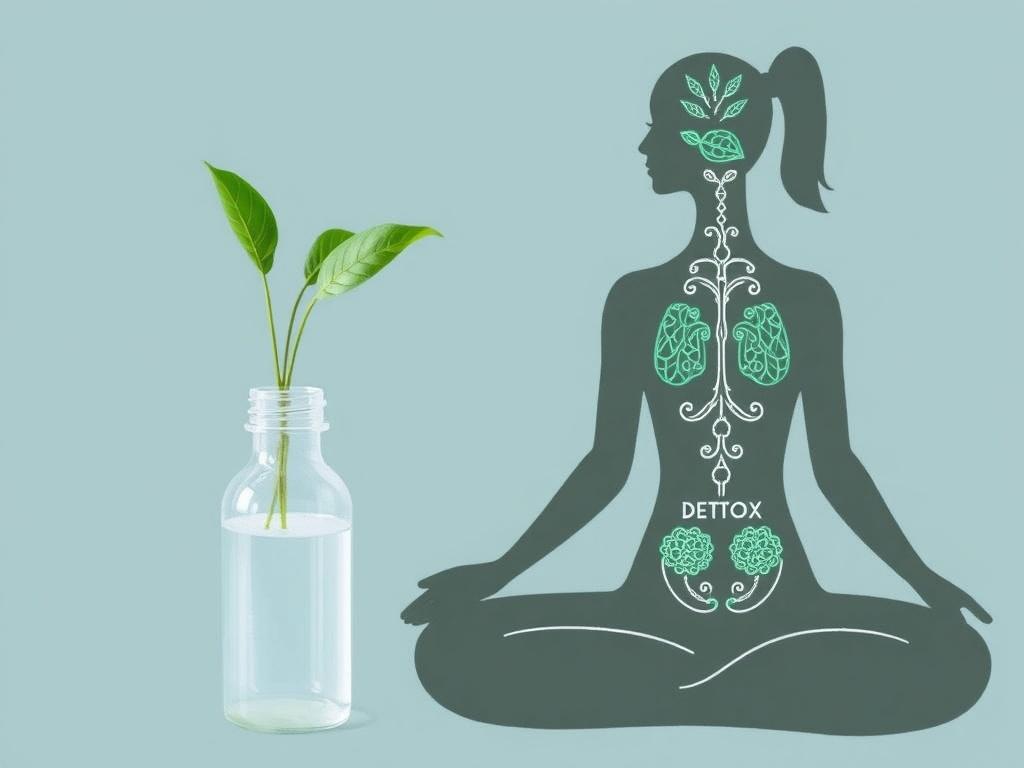
Your liver, kidneys, lungs, digestive tract, skin, and immune system form a coordinated detox network that handles most chemical and metabolic byproducts. The liver chemically transforms compounds to make them water-soluble, the kidneys filter and excrete them in urine, and the gut eliminates waste via stool. Lungs remove volatile compounds, while skin and sweat contribute modestly to excretion.
At the cellular level, enzymes like cytochrome P450 help metabolize drugs and environmental chemicals, and phase I and phase II reactions prepare molecules for removal. Nutrients, hydration, and adequate blood flow influence these pathways; deficiencies or dehydration can impair processing efficiency. That’s why supporting the body’s normal functions tends to be a sensible focus of any detox-style plan.
Understanding this physiology clarifies why some detox practices hold up and others don’t: you can support liver and kidney function or reduce exposure to harmful substances, but you cannot coax organs to perform miracles with temporary tricks. A good program reduces incoming load, supplies necessary nutrients, and avoids approaches that stress the system, like extreme calorie restriction or unproven supplements. Practicality beats ritual every time.
Types of detox programs and what they aim to do
Detox approaches fall into categories based on their methods and targets: dietary cleanses, elimination diets, fasting and time-restricted eating, liver-support protocols, colon cleanses, sweat-based methods, and medically supervised detox for substance withdrawal. Each has different goals — symptom relief, metabolic reset, microbiome changes, or safe management of dependence. Knowing the intent helps you pick an appropriate method.
Below I outline common types and what you can realistically expect from them, including safety considerations. Treat these as templates you can adapt with a clinician’s input if you have health conditions or are taking medication. The aim is to reduce confusion and help you choose a program that aligns with evidence and personal needs.
Juice and liquid cleanses
Juice cleanses involve consuming fruit and vegetable juices for a set period while avoiding solid food. They can increase short-term intake of vitamins and phytonutrients, but they are often low in protein and fiber, which can lead to muscle loss or blood sugar swings when used for more than a few days. Some people report clearer skin and weight loss, but much of the quick weight loss is water and glycogen depletion rather than fat loss.
Longer juice fasts risk nutrient deficiencies and reduced metabolic rate unless carefully planned. If you choose a short juice cleanse, keep it to a day or two, prioritize vegetable-dominant blends with some protein like nut milk or plant protein powder, and stay hydrated. Always consult your clinician if you take medications that require food or if you have diabetes.
Elimination diets
Elimination diets remove potential irritants such as gluten, dairy, soy, eggs, or common allergens for a period, then reintroduce them systematically to identify sensitivities. This approach is targeted and evidence-based when guided by symptom tracking and reintroduction protocols. It’s particularly useful for people with digestive complaints, skin issues, or unexplained fatigue that may be linked to food intolerances.
The key with elimination diets is structure: choose a sensible list of eliminated items, stick to the plan for two to six weeks, then reintroduce one food at a time while monitoring symptoms. Work with a dietitian if you’ll be removing whole food groups to avoid unintended nutrient gaps. This method supports the body’s normal detox pathways by reducing inflammatory triggers rather than claiming to “cleanse” organs directly.
Intermittent fasting and time-restricted eating
Fasting models vary from daily windows of eating (like 16:8) to alternate-day or multi-day fasts. Intermittent fasting can improve metabolic markers, insulin sensitivity, and cellular repair processes like autophagy in some people, according to growing research. However, effects are individual and depend on overall diet quality during eating windows.
Short-term fasting can reduce caloric intake and promote weight loss, but extended fasts should be supervised and aren’t appropriate for everyone. People with a history of disordered eating, pregnant or breastfeeding individuals, and those on certain medications should avoid extended fasting without medical oversight. For many, a gentle time-restricted eating pattern paired with nutrient-dense meals strikes a sustainable balance.
Liver-support protocols
These plans emphasize foods, habits, and supplements believed to support hepatic detoxification pathways — for example, cruciferous vegetables, adequate protein for glutathione production, and hydration for circulation. Some clinicians recommend phased approaches that include gentle calorie reduction, antioxidant-rich foods, and avoidance of alcohol and certain medications during the program. The premise is to minimize liver stress and supply cofactors the organ needs for enzyme function.
Although popular additives like milk thistle are commonly used, evidence for dramatic liver-enhancing effects is mixed and context-dependent. Supporting liver health primarily means moderating alcohol, maintaining healthy weight, and ensuring sufficient nutrients rather than relying on a single “miracle” herb. If you have liver disease, discuss any herbal or supplement use with your hepatologist to avoid interactions and harm.
Colon cleansing and laxatives
Colon cleanses, enemas, and laxative use are marketed as ways to remove waste and toxins from the bowel, but they carry risks when used unnecessarily. Occasional use of gentle stool softeners under guidance can relieve constipation, but aggressive cleanses disrupt the microbiome, electrolyte balance, and normal bowel function. Frequent enemas or laxatives can lead to dependency and serious metabolic disturbances.
Eating fiber-rich foods, staying hydrated, and maintaining regular physical activity are safer and more effective long-term strategies for digestive health. If constipation persists, see a clinician rather than self-prescribing strong cleanses. A targeted approach that addresses underlying causes is preferable to routine colon flushing.
Sweat-based methods: sauna and exercise
Sweating via exercise or sauna sessions is a form of supportive detox that promotes circulation, thermoregulation, and cardiovascular health. While sweat does contain trace amounts of metals and compounds, the kidney and liver remain the primary organs for chemical elimination. Regular sauna use has been linked in some studies to improved cardiovascular markers and relaxation, but it should complement, not replace, other detox strategies.
Avoid prolonged exposure if you have unstable heart conditions, low blood pressure, or are pregnant. Hydrate adequately and allow cool-down periods after intense sessions. Pairing sauna with regular exercise and good sleep forms a sustainable backbone for a lifestyle that supports natural detoxification processes.
Medically supervised detox for substance withdrawal
Medical detox handles the physical withdrawal from alcohol, opioids, benzodiazepines, and other substances and is distinct from lifestyle detox programs. These protocols provide medications, monitoring, and supportive care to safely manage symptoms and reduce the risk of complications like seizures. This kind of detox must occur in licensed facilities or under clinician supervision when dependence is present.
If you or someone you know is facing substance withdrawal, contact a medical professional or addiction specialist immediately rather than attempting at-home detox alone. Timely intervention saves lives and provides a pathway to longer-term recovery support. Treat medical detox as a clinical intervention, not a wellness trend.
Comparing detox approaches: a quick reference
Here’s a concise table to help you compare common program attributes, intended outcomes, and safety notes. Use it as a starting point for deeper research rather than a definitive guide.
| Approach | Typical duration | Main goal | Safety note |
|---|---|---|---|
| Juice/liquid cleanse | 1–7 days | Short-term nutrient boost, reset | Low protein, electrolyte risk if prolonged |
| Elimination diet | 2–6 weeks + reintroduction | Identify food triggers | Requires structure to avoid deficiencies |
| Intermittent fasting | Daily or multi-day | Metabolic health, weight control | Avoid if pregnant or with eating disorders |
| Colon cleanse | Single or repeated sessions | Temporary relief of constipation | Can disrupt microbiome and electrolytes |
| Sauna/sweat protocols | Ongoing | Circulation, relaxation | Hydration and cardiac caution advised |
| Medical detox | Days to weeks | Safe withdrawal from substances | Always supervised by clinicians |
The science: what evidence supports detox practices?
Research supports certain behaviors that improve markers of metabolic and liver health — for example, reducing alcohol intake, losing excess weight, improving insulin sensitivity, and eating a nutrient-dense diet. Studies of whole-body “detox” treatments are mixed because the term is broad and studies vary in quality. Many claims around rapid toxin removal lack rigorous, peer-reviewed evidence and rely on anecdote or industry-funded studies.
Intermittent fasting and time-restricted eating have measurable effects on insulin, blood pressure, and inflammatory markers in multiple trials, though individual responses vary. Dietary elimination strategies can reduce symptoms for people with real food sensitivities, and increased fiber intake consistently supports gut health. Conversely, there is little high-quality evidence that expensive commercial detox products dramatically accelerate the body’s chemical elimination beyond what a balanced diet and reduced exposure accomplish.
When evaluating evidence, prioritize randomized controlled trials and meta-analyses, and be skeptical of before-and-after marketing photos. Consider clinical endpoints — improved blood pressure, better sleep, or fewer digestive symptoms — rather than vague promises about “toxins.” That approach keeps your expectations realistic and your choices safe.
Designing a safe, effective detox program
Start with a clear goal: symptom relief, a gentle metabolic reset, or support for long-term behavior change. Define a realistic duration and the measures you’ll use to judge success, such as improved sleep, less bloating, or more energy. Having measurable endpoints prevents empty promises from clouding your judgment.
Include these practical steps when designing a program: reduce alcohol and ultraprocessed foods, increase whole plants and lean protein, prioritize sleep, and stay hydrated. Build in daily movement and stress management — these behaviors amplify any dietary changes. Create an exit plan for returning to sustainable habits; a detox should be a bridge, not a cul-de-sac.
Consult a healthcare provider if you have chronic conditions, take prescription medications, are pregnant, or have a history of eating disorders. A clinician can help tailor macronutrient ratios, advise on necessary lab monitoring, and recommend safe supplement use. Safety and personalization make a detox useful and responsible rather than risky and incomplete.
Practical day-by-day sample: a balanced 7-day reset
This sample plan is modest and designed for generally healthy adults seeking a reset without extreme measures. It emphasizes whole foods, hydration, supportive habits, and reasonable activity. Modify portions and timing to match your energy needs and schedule, and consult a clinician if you have medical concerns.
Day 1–2: Focus on hydration and gentle reduction of caffeine and alcohol. Eat balanced meals with vegetables, lean protein, whole grains, and healthy fats. Aim for extra sleep and light movement like walking or yoga to jumpstart circulation.
Day 3–4: Continue nutrient-dense meals, add a serving of cruciferous vegetables and fermented foods if tolerated, and introduce a twice-weekly sweating session like a sauna or hot bath. Track symptoms such as sleep quality, bowel regularity, and energy levels. If you feel dizzy or weak, increase caloric intake and stop any fasting elements.
Day 5–6: Reduce refined sugars and processed foods further; prioritize fiber from legumes, vegetables, and whole grains. Practice an evening wind-down routine: no screens 60 minutes before bed and 20–30 minutes of relaxation techniques. Keep protein intake steady to support muscle and liver function.
Day 7: Reflect on changes and reintroduce any previously reduced foods in moderation. Plan a follow-up week with a sustainable pattern, such as time-restricted eating or a permanent increase in vegetables and whole foods. Celebrate non-scale improvements like improved digestion or clearer thinking to reinforce lasting habits.
Diet and nutrition specifics during a detox
Focus on high-fiber vegetables, moderate protein, healthy fats like olive oil and avocado, and complex carbohydrates. Fiber supports gut transit and binds some substances in the digestive tract for elimination, while protein provides amino acids required for liver detox pathways. Balance is key; extreme avoidance of macronutrients often backfires.
Avoid heavy alcohol use, limit high-sugar foods, and minimize ultraprocessed items that can provoke inflammation and metabolic disruption. Drink plain water, herbal teas, or mineral water to support kidney function and circulation. Adding a slice of lemon or a pinch of sea salt can make water more palatable and may help with electrolyte balance during increased sweating.
If you choose to include supplements, prioritize those with safety data and discuss dosages with your clinician. Multivitamins, vitamin D, magnesium, and omega-3s are common supports when dietary intake is insufficient. Avoid high-dose single ingredients without medical supervision, as some can stress the liver or interfere with medications.
Lifestyle practices that enhance detoxification
Sleep and stress management are often overlooked pillars of detox support. During sleep, the brain performs glymphatic clearance and many restorative processes occur that support overall homeostasis. Chronic stress raises cortisol, which affects digestion, inflammation, and metabolic function; techniques like mindfulness, breathwork, and short walks can lower that physiological burden.
Regular physical activity boosts circulation, improves insulin sensitivity, and stimulates bowel motility, all of which support natural elimination. Aim for a mix of moderate aerobic exercise, strength training, and mobility work throughout the week. Movement also helps maintain lean mass, which prevents the metabolic slowdown associated with prolonged calorie restriction.
Environmental exposure reduction makes a measurable difference: choose a high-quality water filter if needed, reduce indoor air pollutants, and use fragrance-free cleaning products when possible. Small changes like improving ventilation or switching to unscented laundry detergent can lower your chemical load without complex interventions. These choices add up over time.
Supplements and herbs: what to consider
Supplements that get attention in detox circles include milk thistle for liver support, N-acetylcysteine (NAC) for glutathione synthesis, probiotics for gut health, and activated charcoal for acute poisoning situations. Some of these have legitimate uses in specific contexts, but routine high-dose use without supervision can cause harm or interactions. Evaluate supplements like any medication — look for evidence, quality manufacturing, and professional guidance.
Herbal formulas can influence liver enzymes and drug metabolism, so disclose any supplement use to your prescribing clinician. For example, St. John’s wort interferes with many medications and can reduce their efficacy, while other botanicals may stress the liver if misused. When in doubt, pause supplements and focus on food-based support and lifestyle changes instead.
Probiotics and fermented foods often support bowel regularity and microbiome diversity, but individual responses vary. If you experience bloating or discomfort after adding probiotic-rich foods, adjust the type and amount rather than persisting blindly. Microbiome support is a valuable part of many sensible detox programs when done gradually and thoughtfully.
Who should avoid or modify detox programs
Certain populations should avoid aggressive detox regimens or modify plans under medical supervision. Pregnant and breastfeeding women, children, older adults, people with chronic diseases like diabetes or kidney disease, and those with eating disorder histories are at higher risk from extreme plans. Safety and continuity of care matter more than trend-driven interventions for these groups.
People taking medications need special caution; fasting and dietary changes can alter drug metabolism and effectiveness. For example, blood thinners, diabetes medications, and psychiatric drugs may require dose adjustment or monitoring during dietary shifts. Always coordinate with your prescribing clinician before making significant changes to diet or supplement use.
If you experience severe symptoms during a program — fainting, severe dizziness, prolonged vomiting, or arrhythmia — stop immediately and contact emergency services or your provider. Mild headaches, temporary fatigue, or sleep changes can occur as your body adapts, but severe or persistent issues signal that the plan is unsuitable. Err on the side of safety.
How to choose a reputable detox program or practitioner

Look for programs that emphasize whole foods, evidence-informed practices, and realistic goals rather than quick-fix language. Credentials matter: registered dietitians, physicians, and licensed clinicians bring different expertise than social media influencers. A reputable program will include clear instructions, safety warnings, and follow-up guidance.
Ask these questions before committing: Is there a defined goal and measurable outcomes? Are medications and medical history considered? What is the evidence base for recommended supplements or interventions? Transparency about potential risks and alternatives indicates a trustworthy provider.
Beware of programs that require expensive long-term supplement subscriptions as a condition of participation or that push invasive procedures without clear justification. Good programs teach sustainable behaviors you can maintain without monthly payments to continue progress after the initial phase. Your health should not be monetized into dependency.
Real-life example: my seven-day reset and what changed
I once tried a seven-day reset after months of travel and erratic eating left me bloated and low on energy. I kept protein moderate, upped vegetables and fiber, paused alcohol and caffeine for the first three days, added daily walks, and went to a sauna twice. I approached the week as an experiment with measurable endpoints: sleep quality, bowel consistency, and subjective energy.
Within two days I noticed softer stools and less bloating; sleep improved by day four and my afternoon slump was less pronounced. I felt mentally clearer, which I attributed to removing processed snacks and stabilizing blood sugar by eating regular meals. There were transient headaches the first 48 hours, likely from reduced caffeine and sugar, but they passed and were manageable with hydration and gentle stretching.
After the week I reintroduced moderate coffee and one glass of wine without returning to previous excesses, and I kept a daily vegetable-rich dinner and a habit of walking after meals. The most durable benefits were not dramatic weight loss but steadier energy and better digestion, which made the reset worth the effort. That experience taught me that modest, realistic changes yield the best long-term results.
Common myths and frequently asked questions
Myth: Detox removes environmental toxins rapidly from fat stores. Reality: While some chemicals stored in fat may mobilize during weight loss, the body’s excretion routes are complex and gradual, and sudden mobilization without excretion support can cause symptoms. Sustainable weight loss and reduced exposure over time are safer and more effective approaches.
Myth: All detox supplements are safe because they’re natural. Reality: Natural does not equal safe; herbs and concentrated extracts can interact with medications and stress the liver. Research quality varies widely, so favor clinically studied products and consult professionals before beginning new supplements.
Myth: You must do a juice cleanse to “reset” your gut. Reality: A brief, well-balanced change to more whole foods and fiber is usually sufficient to improve gut function without extreme fasting. In many cases, a short elimination and reintroduction strategy yields clearer answers about food triggers than extended juice fasting.
Measuring success: how to know if a detox worked
Define success in concrete terms before you start: better sleep, fewer digestive symptoms, improved mood, more consistent energy, or measurable labs ordered by your clinician. Keep a simple daily log of symptoms to compare before-and-after results; objective data beats impressions. This practice clarifies whether changes are temporary or meaningful and guides your next steps.
Lab tests — such as basic metabolic panel, liver enzymes, fasting glucose, or inflammation markers — can help monitor effects for longer programs, especially if you have health concerns. Use labs sensibly and interpret them with a clinician rather than chasing individual values without context. Subtle lab changes often normalize with sustainable lifestyle improvements rather than dramatic short-term fixes.
Listen to your body: improvements in energy, digestion, and sleep are often more valuable than temporary weight loss numbers. If a program leaves you depleted, dizzy, or mentally foggy, it’s not working even if the scale moved. Sustainable benefits matter more than quick wins.
Making detox benefits last: transitioning to sustainable habits

Detox should be a bridge to better daily choices, not an excuse for seasonal extremes. After a reset, build a practical routine: regular vegetables, lean protein, adequate sleep, movement, and reasonable limits on alcohol and ultraprocessed foods. Small, consistent actions are both easier to maintain and better for long-term health than repeated dramatic cleanses.
Set weekly habits: one meatless day, a vegetable with every meal, a 20-minute walk after dinner, and two sessions of strength training per week. These incremental changes compound and create the physiological environment for ongoing detoxification and resilience. Structure beats sporadic zealotry.
Finally, be kind to yourself. Progress is non-linear and relapses happen without moral failure — they are data. Use them to refine habits rather than to punish yourself with another extreme program that disrupts balance.
Resources and next steps
Start with a trusted clinician or registered dietitian if you have chronic conditions or medication concerns. For generally healthy individuals, credible resources include government dietary guidelines, professional nutrition organizations, and peer-reviewed journals. Avoid social media influencers who sell miracle products without transparency about evidence or bias.
Consider keeping a simple health journal for two weeks before any program to establish a baseline for sleep, digestion, mood, and energy. That record will help you pick the right interventions and measure real progress. Treat a detox as an experiment: plan it, conduct it cautiously, observe outcomes, and then apply what worked to daily life.
Whatever path you choose, prioritize safety, evidence, and sustainability. Thoughtful, modest programs that support your body’s natural systems deliver the most meaningful and lasting benefits. Begin gently, listen closely to your body, and use the experience to build healthier habits that stick.