

The elbow is a deceptively simple joint that does a lot of heavy lifting in daily life, from lifting groceries to cradling a child. When it’s strong and mobile, it hums along unnoticed; when it hurts or gives out, even small tasks become frustrating. This article walks through the anatomy, common problems, safe progressions, and a wide range of drills and routines to help you rebuild resilience around the elbow.
Why elbow strength matters
Most people think about biceps and triceps when they imagine arm strength, but the elbow joint relies on a complex interplay of muscles, tendons, ligaments, and bone. Stability at the elbow reduces compensations in the shoulder and wrist, cutting the risk of pain elsewhere in the arm. Strengthening the structures around the joint improves load distribution and helps you stay active and pain-free in work and sport.
Stronger elbow mechanics also translate to better performance. Whether you throw, swing a racket, type for hours, or lift weights, a reliable elbow lets you transfer force efficiently. Rather than masking symptoms with rest alone, targeted exercises build capacity so you can return safely to your activities.
Basic elbow anatomy in plain language
The elbow is made of three bones: the humerus above and the radius and ulna below. These bones meet to form two primary joints: the hinge between humerus and ulna that allows bending and straightening, and the pivot between the radius and ulna that lets your forearm rotate. Muscles attach to these bones via tendons and generate the forces that move your hand and forearm.
Key muscles include the biceps and brachialis for elbow flexion, the triceps for extension, and the supinator and pronator groups that turn the palm up and down. Several smaller muscles control fine movements and stabilize the joint; tendons at the lateral and medial epicondyles are commonly injured when overloaded. Ligaments provide passive stability, and the joint capsule and cartilage enable smooth motion.
Common elbow problems and their causes
Tendon overuse conditions like lateral epicondylitis (tennis elbow) and medial epicondylitis (golfer’s elbow) arise from repetitive loading and micro-tears in tendon tissue. Symptoms usually include localized pain, often provoked by gripping or wrist movements that stress the involved tendon. These conditions are common in office workers, manual laborers, and athletes who repetitively load the forearm muscles.
Other issues include nerve compression (like cubital tunnel syndrome), ligament sprains from trauma, and osteoarthritis in older adults. Many elbow complaints are worsened by poor shoulder or wrist mechanics, abrupt increases in load, or exercises performed with flawed technique. Recognizing the pattern and load history helps target the right interventions early.
Principles of safe elbow strengthening
Start with pain-guided progression: a little discomfort can be normal while stiff tissue adapts, but sharp or worsening pain is a sign to back off. Begin with low-load, controlled movements and focus on quality of motion rather than heavy weight. Consistency matters more than intensity—small, regular doses of loading promote tendon remodeling and muscular endurance.
Progress gradually and vary the type of loading. Tendons respond well to eccentric and isometric loading, while muscles benefit from full-range concentric and eccentric work. Also prioritize mobility and neuromuscular control to ensure the elbow tracks well through movement patterns rather than simply getting stronger in isolation.
Warm-up and mobility: the foundation
Never jump into heavy or repetitive exercises without warming up the joint and surrounding tissues. A 5–10 minute warm-up that raises blood flow and gently moves the shoulder, elbow, wrist, and fingers prepares tissues for heavier loads. Simple dynamic movements reduce stiffness and can lower the risk of overload during the workout.
Include gentle elbow circles, wrist flexion/extension swings, and forearm pronation/supination. Pair these with shoulder mobility drills and scapular activation to ensure the whole upper limb is moving efficiently. Mobility work keeps forces distributed properly and prevents the elbow from being the weak link in an otherwise healthy kinetic chain.
Isometric exercises for early-stage strengthening
Isometrics are excellent when pain is present but you want to start building capacity. Holding a contraction without joint movement reduces oscillating tendon strain and can decrease pain by altering nociceptive signals. Begin with short holds—10 to 30 seconds—at submaximal effort and repeat several times for each muscle group involved.
Example isometrics: press your palm against a wall while keeping the elbow bent at 90 degrees for elbow flexor work; press the back of the hand against the wall for extensors; mid-range holds during forearm rotation help supinators and pronators. Perform 3–5 holds per session, once or twice daily, and gauge symptom response before increasing intensity.
Isotonic exercises: building muscular control
Once isometrics are tolerated, introduce isotonic movements—controlled concentric and eccentric contractions through a range of motion. Start with light resistance such as dumbbells of 1–3 kilograms or a light resistance band and focus on smooth technique. Slow, deliberate reps minimize momentum and ensure muscles do the work rather than compensatory structures.
Basic isotonic choices include biceps curls, triceps extensions, and wrist curls with palms up and down. Aim for sets of 8–15 reps depending on your goals: higher reps for endurance and lower reps with heavier load for strength. Remember to progress load gradually and monitor for delayed pain increase over 24–48 hours.
Eccentric loading for tendon health
Eccentric exercises—lengthening contractions under load—are particularly effective for chronic tendinopathies. They promote tendon remodeling and increase collagen alignment when applied correctly. The key is controlled tempo: slow lowering phases (often 3–5 seconds) with a brisk concentric return or assisted return if needed.
For lateral epicondylitis, a popular protocol is slow eccentric wrist extension using a light dumbbell or band. For medial tendinopathy, eccentric wrist flexion works similarly. Perform 3 sets of 12–15 slow eccentrics once or twice daily in the early phases, then reduce frequency as symptoms improve and load increases.
Progression strategies and programming
Progress by increasing load, volume, or difficulty of the lever rather than making abrupt jumps. A simple framework: increase repetitions first, then add more sets, and finally increase weight or resistance. Another option is to change the range of motion or introduce compound movements that require more stabilization.
Periodize your elbow training alongside overall arm and shoulder work. Alternate heavier, lower-rep strength blocks with higher-rep endurance phases to avoid persistent overload. Track your sessions in a simple log to spot trends in symptoms and performance so you can adjust intensity before setbacks occur.
Sample exercises: beginner level
For someone returning from recent discomfort, the first week should emphasize neuromuscular control and pain-free load. Begin with isometrics, light isotonic work, and mobility. Rest between sessions is important—aim for every-other-day targeted elbow work while keeping general activity daily.
- Isometric biceps hold: elbow at 90 degrees, palm facing up, press against immovable object for 15 seconds, 4 reps.
- Supination/pronation with band: elbow at side, rotate palm up and down against light band, 3 sets of 12 each direction.
- Wrist curls (palms up/down): seated, forearm on thigh, light weight, 3 sets of 15.
Sample exercises: intermediate level
As pain subsides and strength improves, introduce heavier loads and eccentric focus. Add multi-joint movements that challenge coordination and endurance. Frequency can be increased to 3 targeted sessions per week with accessory maintenance between sessions.
- Eccentric wrist extension: slow 4-second lowering, 3 sets of 12 with a moderate weight.
- Triceps bench dips (assisted): feet close to ground to reduce load, 3 sets of 10–15.
- Hammer curls: neutral grip to bias brachioradialis, 3 sets of 8–12.
Sample exercises: advanced level
Advanced training can include heavier compound lifts and plyometric elements once the elbow tolerates progressive loading. Emphasize eccentric control under higher loads and integrate the elbow into athletic movement patterns. Maintain technique and gradual overload to reduce re-injury risk.
- Weighted pull-ups: controlled descent, 3–5 sets of 3–6, depending on strength.
- Overhead throws with medicine ball: low-volume plyometrics focusing on scapular and elbow coordination.
- Heavy reverse wrist curls: for extensor strength, 4 sets of 6–10.
Exercises using bands and light equipment
Resistance bands are ideal for progressive, joint-friendly training and are easy to manipulate for specific movement planes. They allow variable resistance and are especially useful for rotational work and slow eccentrics. Bands reduce stress at end ranges and can be used for high-rep endurance sessions without heavy loading of tendons.
Examples to try: banded supination/pronation, band-assisted triceps pressdowns, and band-resisted wrist extensions. Combine band work with isometric holds to mix stimulus and keep sessions interesting while building capacity steadily.
Bodyweight and functional movements
Bodyweight exercises teach the elbow to stabilize under changing loads and postures. Push-ups, planks with scapular protraction/retraction, and inverted rows develop endurance and kinetic chain coordination. Modify hand positions and leverage to alter intensity and target different muscles around the elbow.
For instance, narrow-grip push-ups increase triceps demand while eccentric-focused push-ups lower elbow stress if done slowly. Work on controlled descents and maintain a neutral wrist to prevent unnecessary tendon strain during these functional drills.
Grip strength and its role
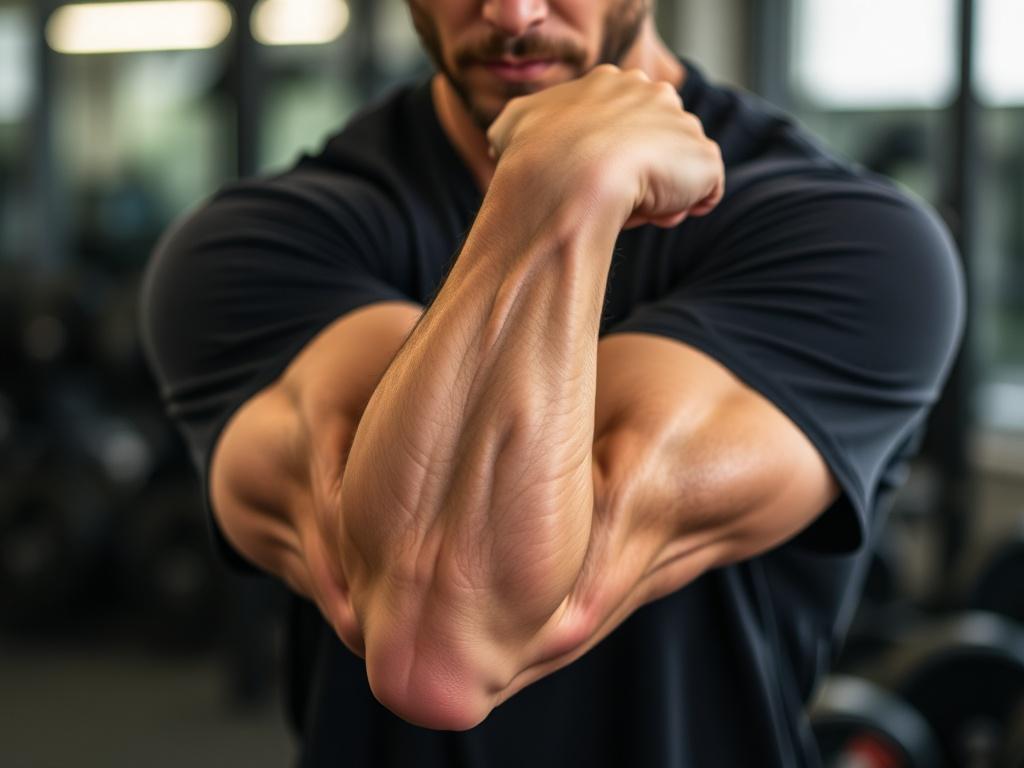
Grip strength plays a pivotal role in elbow health. Many tendon issues at the elbow originate from repetitive gripping and wrist motions. Strengthening the hand and forearm reduces over-reliance on one muscle group and distributes load more evenly across tendons and joints.
Simple grip tools—hand grippers, putty, or farmer carries—build endurance and resilience. Include pinch holds and long-duration carries in your weekly plan; they translate well to daily tasks and sports without stressing the elbow through repetitive wrist flexion or extension.
Stretching and soft-tissue care
Gentle stretching of the wrist flexors and extensors after workouts helps maintain range without overly stressing irritated tissue. Perform stretches pain-free and hold for 20–30 seconds; repeat 2–3 times. Stretching complements strengthening by keeping tendons mobile and reducing strain concentrations.
Self-massage and cross-friction techniques can help with adhesion and localized tightness when performed by someone knowledgeable. Consider low-intensity heat before workouts and ice after higher-volume sessions if swelling or acute pain appears. Use manual therapy sparingly and always as an adjunct to progressive loading.
Modifying daily activities to protect the elbow
Small adjustments in daily tasks can dramatically reduce cumulative load on elbow structures. Use larger grip tools, distribute loads evenly when carrying items, and avoid prolonged static postures that fatigue the forearm muscles. Ergonomic tweaks at the workstation—like adjusting keyboard height and mouse technique—produce meaningful relief.
If a particular hobby or movement flares symptoms, temporarily reduce volume or alter technique rather than stopping all activity. Pain doesn’t always mean damage; controlled exposure with sensible modifications allows tissues to adapt without losing function.
When tendinopathy persists: specific protocols
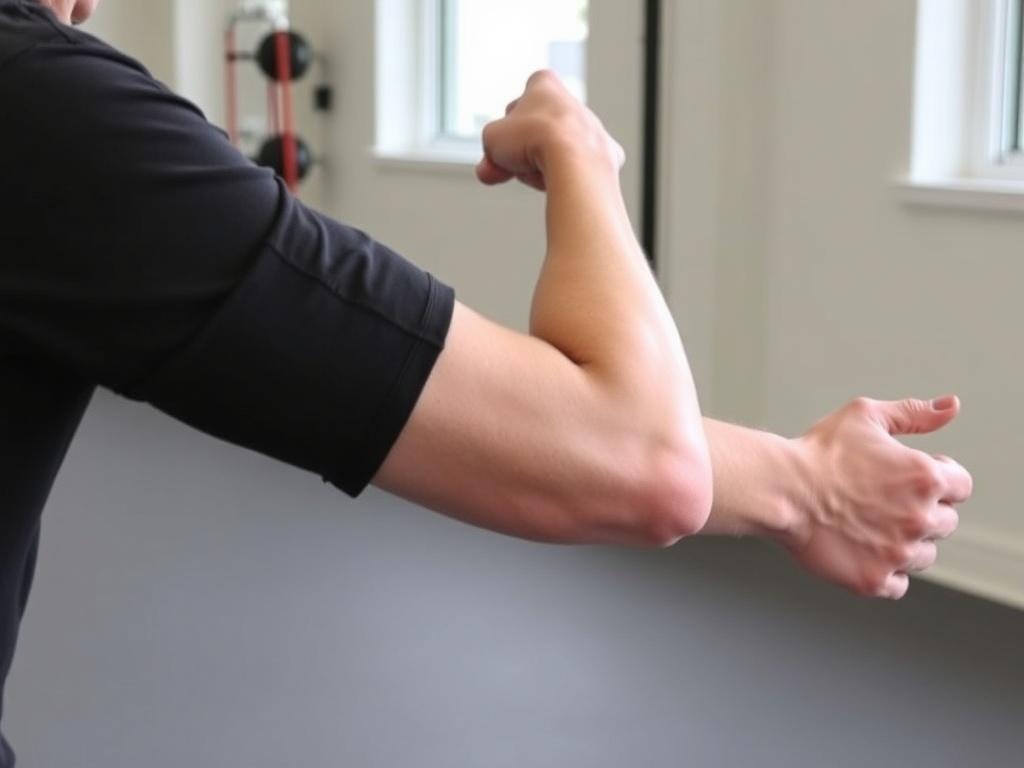
Chronic tendon pain often benefits from structured eccentric loading programs combined with graded return to activity. Protocols usually start with daily eccentric work, then shift to heavier, slower progressions over weeks. Success depends on consistency and not rushing intensity increases.
Pair tendon loading with management of aggravating factors: reduce repetitive exposure, correct biomechanics, and manage overall training load. If symptoms don’t respond after 6–12 weeks of a consistent program, consult a clinician for reassessment and adjunct treatments such as shockwave therapy or guided injections when appropriate.
Red flags and when to see a professional
Seek prompt medical attention if you have sudden severe pain after trauma, visible deformity, numbness or progressive weakness in the hand, or persistent swelling unresponsive to basic care. These signs might indicate fractures, dislocations, nerve entrapment, or serious soft-tissue injury requiring imaging and specialist care. Don’t ignore progressive neurological symptoms like tingling that worsens at night.
For stubborn overuse problems, a physical therapist can prescribe tailored loading programs, manual therapy, and movement retraining. A physician may order imaging or refer to a hand surgeon in rare cases where conservative care fails or structural problems are present.
Designing an 8-week elbow strengthening plan
Here’s a practical, progressive framework to regain elbow resilience over eight weeks. Begin with daily low-load isometrics in week 1, add isotonic work by week 2–3, emphasize eccentric training in weeks 4–6, and reintroduce sport-specific or heavier compound lifts in weeks 7–8. Adjust based on pain response and individual goals.
| Weeks | Focus | Typical session |
|---|---|---|
| 1 | Pain control and activation | Isometrics, mobility, light wrist rotations; daily |
| 2–3 | Endurance and control | Light isotonic sets, higher reps, 3x/week |
| 4–6 | Eccentric remodeling | Eccentric-focused sets, progressive loading, 3–4x/week |
| 7–8 | Return to function | Compound lifts, sport-specific drills, 2–3x/week |
Common mistakes to avoid
Avoid sudden heavy loading after a period of inactivity; tendons and muscles need time to adapt. Don’t rely exclusively on passive treatments without progressive loading—strengthening is the active ingredient for long-term resilience. Finally, neglecting shoulder and wrist mechanics is a frequent oversight; the elbow rarely acts in isolation.
Another frequent error is chasing pain-free status before starting any strengthening. Some discomfort is expected with tissue adaptation; the goal is controlled, monitored progression rather than zero pain at all times. Use objective markers like improved grip endurance and reduced symptom flare-ups to track progress.
Real-life example from my practice
I worked with a recreational tennis player whose lateral elbow pain had lingered for months. We started with daily isometrics and banded rotations, then introduced slow eccentric wrist extensions. Over six weeks she moved from not being able to hold a racquet comfortably to completing full practice sessions with only minor soreness afterward.
The turning point was addressing her serve mechanics and shoulder stability alongside elbow rehab. Once the kinetic chain improved, the elbow tolerated progressive loading and she returned to competing. This reinforced for me that elbow rehab is as much about movement patterns as it is about isolated strength work.
Equipment recommendations
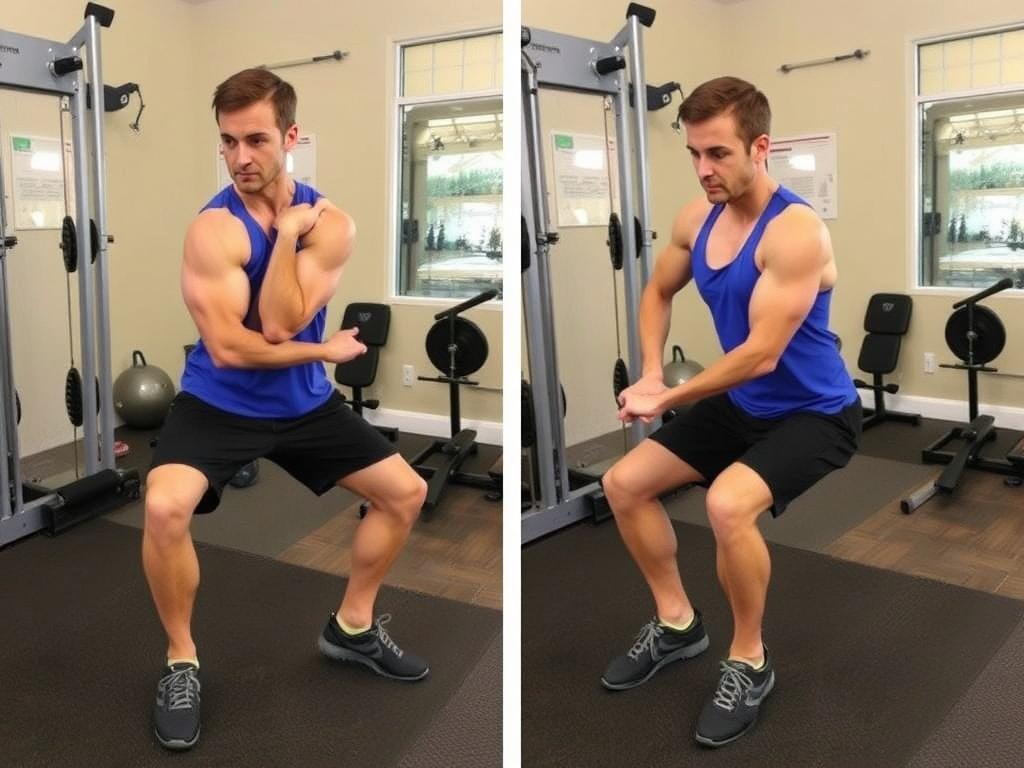
You don’t need fancy gear to get good results. A set of light to moderate dumbbells, a few resistance bands, and a small medicine ball cover most needs for progressive elbow work. For those rehabilitating after injury, hand therapy putty and a simple grip trainer are useful adjuncts for restoring endurance and fine motor control.
Invest in a neutral-grip dumbbell or hammer-style handle for some exercises if wrist comfort is an issue. A stable bench or chair and a doorway anchor for bands round out a basic home setup that supports a wide variety of progressions without high expense.
Integrating elbow work into your weekly routine
Make elbow exercises part of a balanced upper-body plan rather than an isolated add-on. Two to three focused elbow sessions per week combined with general shoulder and back training provides resilience and prevents imbalances. On non-targeted days, include mobility work and light grip maintenance to keep progress steady.
Short daily practices—five to ten minutes of isometrics or band rotations—can be especially effective during early rehab. Keep sessions purposeful and log them to ensure progressive loading while preventing accidental overuse from unstructured repetition.
Adapting exercises for age and fitness level
Older adults or those with comorbidities benefit from lower-load, higher-frequency approaches that prioritize functional gains. Use bands, bodyweight, and isometrics to build confidence and capacity before introducing heavier loads. Pay special attention to recovery and total weekly load because tissue healing slows with age.
For athletes and active workers, emphasize sport-specific load and speed later in the program. Tailor progressions to the demands of the activity—heavy lifters need higher absolute strength, whereas racquet players need endurance and rapid force transfer through the elbow. Individualization is key to safe and effective progress.
How to monitor progress and adjust
Track objective measures like grip strength, number of pain-free reps, and the ability to perform previously aggravating tasks. Use a simple pain diary noting activities that provoke symptoms and the intensity of discomfort the next day. If pain worsens over several sessions, reduce load by 20–30% and reassess technique.
Celebrate small gains: a few more reps, better control during rotation, or a longer pain-free carry are all signs you’re moving in the right direction. If you hit a plateau, vary the stimulus—change tempo, increase range, or add a stability challenge to spur adaptation.
Combining manual therapy and active rehab
Manual therapy can be a helpful adjunct to exercise, especially when soft-tissue restrictions or adhesions limit mobility. Use it as a tool to facilitate better movement and reduce guarding, not as a standalone cure. Long-term improvement stems from consistent, progressive loading rather than passive care alone.
When working with a therapist, ensure they provide a clear exercise plan you can continue independently. The hands-on component should dovetail with a progressive home program that builds tolerance and function over weeks and months.
Pain management strategies during recovery
In the early phase, combine relative rest from aggravating activities with active rehabilitation to control symptoms. Use ice after heavy sessions if swelling or acute pain flares, and consider short-term anti-inflammatory strategies if advised by a healthcare provider. Avoid masking pain with continuous NSAIDs while simultaneously pushing heavy loads without modification.
Tempo, load, and frequency adjustments are your primary tools for dialing in discomfort. If pain consistently increases over 48 hours after sessions, reduce intensity and re-evaluate technique. Patience and gradual progression prevent relapses and give the tissues time to remodel properly.
Frequently asked questions
How long before I see improvement? Minor improvements in pain and control can appear within 2–4 weeks, but meaningful tendon remodeling often takes 8–12 weeks. Stick with the plan and avoid sudden jumps in workload during this period.
Can I do heavy lifting while rehabbing my elbow? Only if your program is explicitly designed for it and you can perform lifts with excellent technique. Generally, delay maximal lifts until you have a solid base of strength and pain is well controlled during and after sessions.
Resources for further learning
Reliable information comes from physical therapy literature, sports medicine texts, and reputable online sources run by clinicians. Look for resources that emphasize progressive loading for tendinopathy and functional integration of the elbow into whole-arm movement. Avoid quick-fix claims or protocols that promise immediate cure without a clear loading plan.
If you want a structured starting point, many physical therapists provide downloadable progressive programs that you can adapt to your schedule. Consider a one-off assessment if you have persistent symptoms or complex movement patterns that need correction.
Final practical checklist before you start
Before beginning any program, check these essentials: warm up thoroughly, start conservatively, monitor pain response, include mobility and shoulder stability work, and progress gradually. Keep a short log of sessions and symptoms to guide adjustments. If in doubt, consult a clinician for a personalized assessment and plan.
With consistent, thoughtful work, the elbow can become more resilient and less limiting. Focus on steady progression, patience, and integrating the joint into whole-arm movement, and you’ll restore both function and confidence in your daily and athletic activities.