
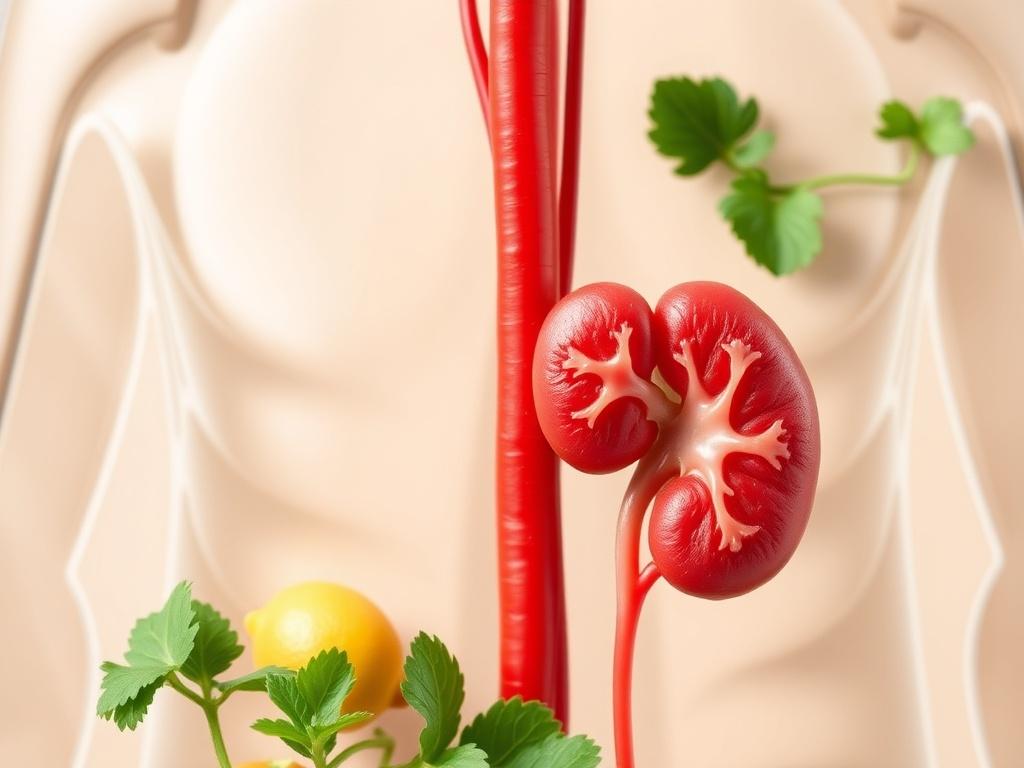
Healthy kidneys quietly keep our blood clean, balance electrolytes, and regulate blood pressure, yet they rarely get applause until something goes wrong. Choosing the right foods and fluids is one of the simplest, most powerful steps you can take to support kidney function over a lifetime. This article lays out the science, the practical choices, and everyday strategies so you can make smart decisions at the grocery store, at restaurants, and in your own kitchen.
How kidneys work and why diet matters
Kidneys filter waste products and excess substances from the bloodstream, returning useful molecules and sending waste to the bladder as urine. They also help regulate fluid balance, blood pressure, and the levels of minerals such as sodium, potassium, and calcium. Because diet directly affects those minerals and the amount of metabolic waste your body produces, what you eat has a measurable impact on kidney workload.
When kidneys must work harder to clear extra protein, salt, or certain minerals, they can become stressed over time. For people with existing kidney disease, dietary adjustments can slow progression; for those with healthy kidneys, sensible eating reduces long-term risk. Food choices also affect blood pressure and blood sugar—two of the leading drivers of kidney damage—so diet helps indirectly as well as directly.
Key nutrients and how they affect the kidneys
Sodium: taste without the burden
Sodium controls fluid balance and blood pressure, and excessive intake raises blood pressure in many people. Most Americans consume far more sodium than the recommended limit, largely from processed and restaurant foods rather than from the salt shaker. Reducing sodium lowers blood pressure and decreases unnecessary fluid retention, which eases pressure on the kidneys.
Simple swaps—fresh herbs instead of seasoning mixes, rinsing canned foods, choosing low-sodium labels—cut sodium significantly without sacrificing flavor. When you read labels, remember that a single serving may be smaller than you expect, and sodium can add up across meals and snacks.
Protein: enough, but not excessive
Protein provides essential amino acids and supports muscle and immune function, but it also generates nitrogenous waste that kidneys must excrete. For healthy adults, current recommendations are about 0.8 grams of protein per kilogram of body weight per day, with higher needs for athletes, pregnant people, or those recovering from illness. Consistently consuming much more protein than required can increase kidney workload, though moderate protein intake is not harmful for people with healthy kidneys.
If you already have chronic kidney disease, your healthcare team may recommend a lower protein intake tailored to your stage of disease. For most people aiming to support kidney health, balance protein sources across meals and include plant-based proteins regularly to diversify nutrient intake and reduce saturated fat.
Potassium: essential but variable
Potassium helps maintain normal heart and muscle function and works closely with sodium to control blood pressure. Most adults have recommended intakes in the range of several thousand milligrams per day, achievable with a diet rich in fruits, vegetables, legumes, and whole grains. However, if kidneys decline, they may not remove potassium efficiently, and levels can rise to dangerous levels—so individualized advice is crucial for people with known kidney impairment.
For those with normal kidney function, high-potassium foods like bananas, potatoes, and spinach should be embraced for their overall benefits. If you have been told to limit potassium, a dietitian can show you how to select and prepare foods to manage intake while maintaining variety and nutrients.
Phosphorus: hidden and abundant
Phosphorus is important for bone health and energy metabolism but becomes problematic when the kidneys can no longer keep blood levels in a safe range. Processed foods, cola beverages, and many packaged meats often contain phosphate additives that are more readily absorbed than naturally occurring phosphorus. Over time, excess phosphorus can contribute to bone and vascular problems, particularly in people with kidney disease.
Choosing whole, minimally processed foods and checking ingredient lists for terms like “phosphate,” “phosphoric acid,” or “pyrophosphate” helps reduce intake of these additives. Dairy, nuts, beans, and whole grains naturally contain phosphorus, but they also provide calcium, fiber, and other nutrients, so balance is key rather than blanket restriction for people with healthy kidneys.
Fluids: neither too little nor too much
Adequate hydration supports kidney filtration and helps prevent the concentration of minerals that can lead to kidney stones. General guidance for many adults is roughly 2 to 3 liters of total fluid per day, but individual needs vary with climate, activity level, and body size. Too little fluid concentrates urine and increases the risk of stones and urinary infection, while certain medical conditions may require fluid restriction.
If you have a medical issue that affects fluid balance—heart failure, advanced kidney disease, or certain endocrine disorders—your doctor will advise a target. Otherwise, drinking to thirst with attention to urine color (pale straw is a useful guide) is a practical approach for most people.
Added sugar and refined carbohydrates
High intake of sugar and refined carbohydrates contributes to weight gain and metabolic problems like insulin resistance and type 2 diabetes, which in turn increase the risk of kidney disease. Sugary beverages are particularly harmful because they deliver calories and fructose rapidly without satiety. Reducing added sugars helps protect kidney health indirectly by preventing or improving metabolic disease.
Opt for whole fruits instead of juice, prioritize fiber-rich carbohydrates like whole grains and legumes, and keep sweet treats occasional. These swaps support steady blood sugar and reduce the strain that chronic hyperglycemia places on the kidneys over time.
Antioxidants and anti-inflammatory foods
Oxidative stress and chronic inflammation play roles in the progression of many chronic diseases, including kidney disease. Diets high in colorful fruits and vegetables, omega-3 fatty acids, and whole grains provide antioxidants and anti-inflammatory compounds that may protect organs and vascular health. While single foods are not cures, a pattern of eating rich in these components supports overall resilience.
Fatty fish, berries, nuts, olive oil, and leafy greens deserve regular spots on your plate. These foods also help control blood pressure and lipid profiles, adding indirect benefits for kidney health.
Foods to include and foods to limit
Everyday foods that favor kidney health
Lean proteins such as poultry, fish, and plant sources like beans and lentils are excellent building blocks for meals. They provide necessary amino acids without the higher saturated fat that can accompany some red meats, and plant proteins add fiber and phytonutrients that support metabolic health.
Vegetables and fruits supply potassium, fiber, and antioxidants, and a varied selection helps ensure a broad nutrient spectrum. Whole grains like brown rice, quinoa, and oats contribute magnesium, phosphorus, and B vitamins in more favorable contexts than refined carbs.
Foods to limit or avoid, particularly in vulnerable people
Highly processed foods—fast food, packaged snacks, cured meats, and many ready-to-eat meals—are typically high in sodium, phosphate additives, and unhealthy fats. Regular consumption of these products increases blood pressure and metabolic stress, both of which are harmful to kidneys. Keeping them occasional is a sensible rule for most people.
Cola drinks and processed foods containing phosphate additives deserve special attention; additives are readily absorbed and can significantly raise phosphorus intake. For those with already compromised kidney function, certain high-potassium fruits and high-phosphorus dairy may need to be limited under professional guidance.
Practical lists: what to buy and what to skip
Below are concise shopping pointers to make healthy choices easier. These lists are designed for people with normal kidney function who want to support long-term kidney health; anyone with existing kidney disease should consult their care team for tailored guidance.
- Buy: fresh vegetables, seasonal fruit, whole grains, legumes, nuts in moderation, fatty fish (salmon, sardines), lean poultry, low-fat dairy or fortified plant milk, olive oil, herbs and spices.
- Limit: processed meats, canned soups and sauces with high sodium, packaged snacks, fast-food meals, sugary beverages, pre-made frozen dinners with long ingredient lists.
Sample meal plans and recipe ideas
A balanced day for kidney-friendly eating
Here is a sample day that balances protein, fiber, and flavor while keeping sodium and added sugar modest. It illustrates how simple swaps and thoughtful seasoning can produce satisfying meals without heavy reliance on salt or processed ingredients.
Breakfast: Oatmeal made with water or low-fat milk, topped with blueberries and a sprinkle of chopped walnuts. Add a pinch of cinnamon for flavor instead of sugar. Lunch: Mixed greens with grilled chicken or chickpeas, quinoa, cherry tomatoes, cucumber, and a dressing of olive oil and lemon. Snack: Sliced apple with a tablespoon of natural peanut butter. Dinner: Baked salmon, roasted Brussels sprouts, and a side of brown rice. Finish the day with herbal tea or plain water.
Three-day sample menu
The following simple menu offers variety while emphasizing whole foods. Portions should be adjusted to individual energy needs, and people with specific medical conditions should consult a registered dietitian for personalized planning.
| Day | Breakfast | Lunch | Dinner |
|---|---|---|---|
| Day 1 | Greek yogurt with sliced pear and chia seeds | Whole-grain wrap with turkey, spinach, avocado, and mustard | Grilled trout, steamed green beans, and quinoa |
| Day 2 | Smoothie: spinach, banana, unsweetened almond milk, protein powder | Lentil salad with roasted vegetables and a lemon vinaigrette | Roasted chicken breast, sweet potato mash, sautéed kale |
| Day 3 | Whole-grain toast with mashed avocado and a poached egg | Brown rice bowl with black beans, corn, salsa, and a dollop of plain yogurt | Stir-fry with tofu, mixed vegetables, and minimal soy sauce, served over barley |
Cooking techniques and seasoning tips
Boost flavor without extra sodium
Layer flavors with acid, heat, and aromatics rather than relying on salt. Fresh herbs, citrus zest, vinegars, garlic, ginger, and toasted spices add complexity that keeps meals interesting. Roasting vegetables brings out natural sweetness and reduces the urge to add heavy sauces.
When using canned or packaged ingredients, rinse them under water to remove some surface sodium and drain before adding to recipes. Choose low-sodium or “no salt added” versions when available to keep control over the final sodium content of dishes.
Preparing high-potassium foods for those who must limit potassium
For people advised to limit potassium, certain preparation methods can reduce potassium content in vegetables and legumes. Soaking cut potatoes and boiling them in large amounts of water, then discarding the water, lowers the potassium content substantially. Similarly, discarding the cooking water from canned beans and rinsing them can help reduce potassium load.
These techniques also remove water-soluble vitamins, so they are best used judiciously and under guidance from a dietitian. For most people with normal kidneys, embracing potassium-rich produce remains beneficial for heart and vascular health.
Supplements, herbs, and over-the-counter medications: proceed with care
Be cautious with supplements
Many supplements contain minerals or herbal components that affect kidney function or interact with medications. High doses of vitamin C can increase the risk of kidney stones in susceptible individuals, and herbal supplements are not always tested for purity or safety. Discuss any supplement plan with your healthcare provider, especially if you have reduced kidney function or take blood pressure medications.
Multivitamins at standard doses are usually safe for people with normal kidneys, but “megadose” supplements should be avoided unless medically indicated. A registered dietitian can assess whether you have gaps that require targeted supplementation.
Over-the-counter pain relievers and kidney risk
Nonsteroidal anti-inflammatory drugs (NSAIDs) like ibuprofen and naproxen reduce inflammation and relieve pain, but chronic use can impair kidney function in some people. For routine aches, acetaminophen is often safer for kidneys when used at recommended doses, although it also carries risks at high doses. If pain requires regular medication, review options with a clinician to minimize kidney risk.
Remember that some cold and flu preparations contain NSAIDs or acetaminophen combined with other agents. Always read labels and consider cumulative dosing when taking multiple products.
Special circumstances: athletes, pregnancy, and older adults
Athletes and higher protein needs
Athletes or people engaging in heavy training may need more protein to repair muscle and recover effectively. Current sports nutrition guidance supports modest increases above the general population recommendation, often in the range of 1.2 to 2.0 grams per kilogram of body weight depending on the sport. For people with healthy kidneys, this increase is generally well tolerated when accompanied by adequate hydration and overall balanced nutrition.
If you have kidney concerns or a family history of kidney disease, it’s wise to discuss training-related dietary targets with both a sports nutrition specialist and your primary care provider to balance performance and long-term organ health.
Pregnancy and kidney-friendly nutrition
Pregnancy increases metabolic demands and the need for certain nutrients like iron, folate, and protein. Kidneys adapt during pregnancy, and most women with healthy kidneys do fine with a nutrient-rich prenatal plan. However, pre-existing kidney disease requires specialized monitoring because pregnancy can stress kidney function and affect blood pressure control.
Work with obstetric and renal care providers to create an individualized nutrition plan that meets maternal and fetal needs while protecting kidney function. Regular monitoring of blood pressure, urine protein, and kidney function is part of standard prenatal care for women with kidney concerns.
Older adults and declining kidney function
Kidney function tends to decline modestly with age, and older adults often have multiple conditions or medications that influence nutrition choices. Protein needs may remain stable or increase slightly to preserve muscle mass, but other risks—like dehydration and drug interactions—become more important. Taste changes and appetite loss can make planning balanced meals harder.
Small, nutrient-dense meals, emphasis on hydration, and periodic review of medications with a clinician help preserve kidney and overall health. If lab tests show reduced kidney function, a renal dietitian can advise on appropriate adjustments to protein, sodium, potassium, and phosphorus.
Monitoring, testing, and working with professionals
Key lab tests to watch
Routine blood and urine tests give a window into kidney health. Estimated glomerular filtration rate (eGFR) and serum creatinine indicate filtering capacity, while urine tests for albumin (protein) detect early leakage that can signal damage. Electrolytes like potassium and phosphorus also help guide dietary advice when abnormalities arise.
If you have risk factors—hypertension, diabetes, family history of kidney disease—periodic screening helps detect issues early when dietary and medical interventions are most effective. Keep records of your results and discuss trends with your care team rather than reacting to single values.
Working with a registered dietitian
A registered dietitian with experience in nephrology can translate lab results into a practical eating plan tailored to your life and preferences. They help balance competing priorities—too much restriction can harm quality of life, while too little control can accelerate disease progression. A personalized plan makes behavior change sustainable and effective.
If you don’t have kidney disease, a generalist dietitian can still be very helpful for weight management, blood pressure control, or crafting a heart-healthy pattern that also benefits kidneys. Ask about telehealth options if local specialists are limited.
Real-life examples and practical habits that work
Small changes that add up
Most long-term improvements come from small, consistent shifts rather than radical overhauls. Swapping flavored instant oatmeal for plain oats and fruit, grilling more often instead of frying, and reducing restaurant meals all lower sodium and added sugars. These adjustments are sustainable and compound into meaningful risk reduction over years.
I remember helping my neighbor—an avid home cook—rework beloved recipes by substituting fresh herbs for salty spice blends and using citrus and toasted seeds for texture. The dishes remained satisfying, and over time she noticed lower blood pressure readings at her annual checkup. Practical flavor strategies keep behavior changes enjoyable and lasting.
Managing eating out and social situations
Restaurants often use more salt and butter for flavor, but you don’t have to sacrifice enjoyment. Ask for sauces on the side, request that chefs use less salt, choose dishes that feature vegetables and lean proteins, and favor whole-grain sides when available. Splitting a rich entrée with a friend is another way to enjoy dining out without overdoing portions or sodium.
At social gatherings, bring a dish you know fits your preferences—like a colorful salad or a whole-grain side—so you always have at least one good option. People tend to appreciate a tasty homemade contribution, and it reduces the stress of limited choices.
When to seek medical advice
Signs that warrant evaluation
Seek medical care if you notice symptoms such as persistent swelling in the legs or around the eyes, sudden changes in urination frequency or color, foamy urine, unexplained fatigue, or shortness of breath. These signs can reflect changes in kidney function or complications like fluid overload and deserve prompt evaluation. Early detection improves the chances of effective treatment and slowing progression if a problem exists.
If you have diabetes or hypertension, follow your provider’s schedule for kidney screening even if you feel well. Proactive monitoring and timely treatment make a real difference in long-term outcomes.
Putting it together: a sustainable pattern of eating

Focus on patterns rather than perfection
The most protective dietary approach is a consistent, balanced pattern that emphasizes whole, minimally processed foods, adequate hydration, and moderation in sodium, added sugars, and unhealthy fats. Patterns such as the DASH diet and Mediterranean-style eating naturally align with kidney-friendly goals because they prioritize vegetables, whole grains, lean proteins, and healthy fats. These patterns also improve blood pressure, glucose control, and vascular health.
Perfection is neither possible nor necessary. Aim for steady improvements and habits you can maintain—your kidneys will thank you over the decades for the compounding effect of sensible choices.
Good kidney health is not a series of prohibitions but a set of thoughtful, flavorful choices. By keeping sodium in check, choosing appropriate protein sources, staying hydrated, and favoring whole foods packed with antioxidants and fiber, you build resilience into your daily life. When uncertainty arises—especially if tests suggest reduced function—partner with clinicians and dietitians to tailor the plan to your needs and keep your kidneys working quietly and well.