
Your thyroid hums quietly at the base of your neck, steering metabolism, energy, mood, and much of your hormonal orchestra. What you eat won’t cure every thyroid condition, but thoughtful nutrition can support function, reduce inflammation, and make medical treatment more effective. This guide explains the nutrients, foods to favor and avoid, meal strategies, and real-world tips you can use today.
How the thyroid works and why nutrition matters
The thyroid produces hormones—primarily thyroxine (T4) and triiodothyronine (T3)—that regulate metabolism, heart rate, and body temperature. The gland needs raw materials and protection: iodine to make hormones, selenium to convert T4 to the active T3, plus antioxidants and micronutrients to protect tissue from damage.
Nutrient gaps don’t always cause thyroid disease, but they can worsen symptoms or make medication less effective. In autoimmune conditions such as Hashimoto’s or Graves’, diet can influence inflammation and gut health, which in turn affects immune balance and symptom burden.
Understanding nutritional impact helps you make practical decisions—what to add to your plate, what to limit, and how to time medications and supplements so they don’t interfere with treatment. Small, consistent changes often produce the best results.
Key nutrients for thyroid health
Certain vitamins and minerals play outsized roles in thyroid function. Below I describe the most important ones, typical food sources, and safe intake considerations so you can prioritize foods rather than random supplements.
Iodine
Iodine is essential for making thyroid hormones. Most adults need roughly 150 micrograms daily, while pregnant and breastfeeding women require more to support fetal and infant development. Iodized salt, dairy, eggs, seafood, and seaweed are common sources.
Too little iodine leads to hypothyroidism and goiter; too much can trigger or worsen autoimmune thyroid disease or hyperthyroidism in susceptible people. Avoid high-dose iodine supplements unless prescribed by a clinician and be cautious with frequent seaweed consumption.
Selenium
Selenium is crucial for converting T4 into the active T3 form and helps protect the gland from oxidative damage. Brazil nuts, seafood, organ meats, and whole grains provide selenium, with two Brazil nuts often supplying a full day’s requirement.
Recommended intakes are around 55 micrograms per day for adults. Avoid megadoses—excessive selenium can be toxic. In some studies, modest selenium supplementation reduced thyroid antibody levels in Hashimoto’s, but supplementation should be individualized and supervised by a clinician.
Zinc and iron
Zinc supports hormone production and receptor sensitivity, while iron is necessary for the enzyme that synthesizes thyroid hormones. Red meat, shellfish, legumes, nuts, seeds, and fortified cereals are good sources of zinc and iron.
Iron deficiency can blunt thyroid function and make it harder to feel well despite medication. If you’re iron-deficient, treating that deficiency can improve energy and thyroid-related symptoms. As with other minerals, avoid unmonitored high-dose supplementation.
Vitamin D and B vitamins
Vitamin D modulates immune function and low levels are commonly seen in people with autoimmune thyroid disease. Sun exposure, fatty fish, fortified dairy or plant milks, and supplements can raise vitamin D when needed. A clinician can check 25(OH)D and suggest an appropriate dose.
B12 deficiency often coexists with hypothyroidism and can cause fatigue and neurological symptoms. Animal products are the main dietary sources; vegans and some older adults may require supplementation. B vitamins also support energy metabolism and a healthy nervous system.
Omega-3 fatty acids and antioxidants
Omega-3s from fatty fish, flaxseed, and walnuts help reduce systemic inflammation and support cell membrane function. Antioxidants—vitamins A, C, E, and phytonutrients from colorful vegetables and fruits—help protect the thyroid from oxidative stress.
Including variety—leafy greens, berries, colorful peppers, and oily fish—provides a broad antioxidant and anti-inflammatory profile that benefits overall endocrine health.
Foods to emphasize
Building meals around nutrient-dense whole foods supplies the vitamins and minerals your thyroid needs without unnecessary additives or inflammatory triggers. Prioritizing variety makes it easier to meet micronutrient needs without pills.
- Seafood and fish: Salmon, sardines, tuna, and shellfish provide iodine, selenium, and omega-3s.
- Eggs and dairy: Sources of iodine, selenium, B12, and protein; choose low-processed options when possible.
- Nuts and seeds: Brazil nuts for selenium, pumpkin seeds for zinc, and flax or chia for omega-3s.
- Lean meats and organ meats: Good for iron and zinc; liver is a concentrated source of B12.
- Colorful vegetables and fruits: Provide antioxidants and fiber for gut health and immune balance.
- Whole grains and legumes: Offer fiber, iron, and B vitamins—beneficial unless you have a specific intolerance.
- Fermented foods: Yogurt, kefir, sauerkraut, and kimchi support gut microbiota, which can influence autoimmune activity.
Sample nutrient-rich plate
A balanced plate might include a palm-sized portion of fish or poultry, a generous helping of cooked greens, a colorful salad or roasted vegetables, a small grain portion or beans, and a handful of nuts. This mix supplies protein, iodine, selenium, and antioxidants in one sitting.
Simple swaps—yogurt instead of a sugary breakfast cereal, roasted Brussels sprouts instead of fries—gradually accumulate into meaningful dietary improvements for thyroid support.
Foods and habits to limit or time carefully
Some foods and behaviors can interfere with thyroid function or with absorption of thyroid medication. You don’t necessarily have to eliminate them forever, but timing and moderation matter.
Goitrogens in cruciferous vegetables
Raw cruciferous vegetables—broccoli, cauliflower, cabbage, kale, and Brussels sprouts—contain compounds that can interfere with iodine uptake in very large amounts. For most people, moderate consumption is safe and offers health benefits.
Cooking reduces goitrogenic activity, so steamed or roasted crucifers are generally fine. If you have significant iodine deficiency or a diagnosed thyroid disorder, discuss portion sizes with your clinician or dietitian.
Soy and soy-based foods
Soy contains isoflavones that can have mild effects on thyroid hormone synthesis, particularly when iodine intake is low or when very high amounts of soy are consumed. Fermented soy foods like tempeh and miso are less likely to cause issues, and moderate consumption is usually safe.
If you take levothyroxine, avoid consuming large soy meals close to medication time since soy can reduce absorption. Spread soy-based foods throughout the day and monitor thyroid labs with your provider if you consume a lot of soy.
High-sugar, highly processed foods
Ultra-processed foods and high added sugar diets worsen inflammation, disrupt gut microbiota, and contribute to weight gain and insulin resistance—factors that complicate thyroid management. Limiting sugary drinks, packaged snacks, and fast food supports overall endocrine balance.
Instead of rigid restriction, focus on satisfying swaps: berries and Greek yogurt for dessert, homemade salads with lean protein, and whole-grain swaps for refined products. Small, sustainable changes beat short-term extremes.
Supplements and medication interactions
Levothyroxine absorption is sensitive to certain minerals and foods. Calcium, iron, magnesium, soy, and high-fiber meals can reduce absorption if taken too close to medication. The general recommendation is to take levothyroxine on an empty stomach with water and wait 30–60 minutes before eating or taking other supplements.
Talk to your clinician about timing and whether you should adjust supplement schedules. Never start a high-dose mineral supplement without blood tests and medical supervision because iron and calcium supplements can change thyroid labs.
Meal patterns and dietary approaches that help
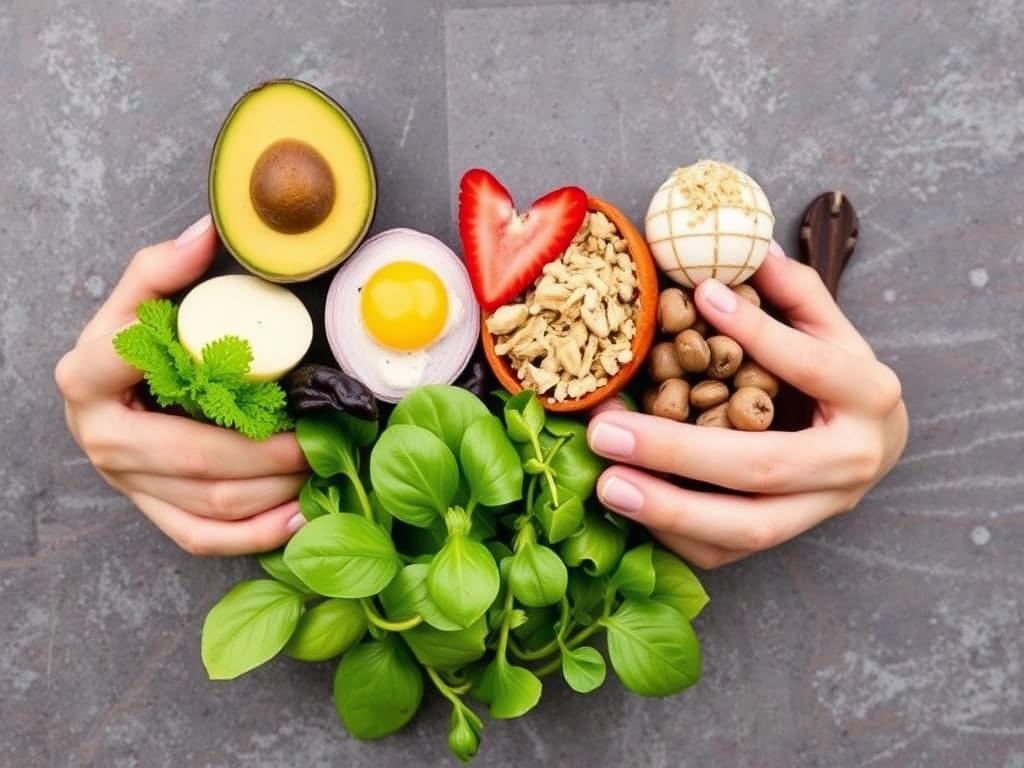
People with thyroid concerns often ask whether a particular diet—Paleo, keto, Mediterranean—works best. The answer is individualized, but patterns that emphasize whole foods, anti-inflammatory fats, and adequate protein tend to perform well.
Mediterranean-style eating
The Mediterranean pattern emphasizes fish, vegetables, legumes, whole grains, nuts, seeds, and olive oil. It’s rich in antioxidants and omega-3s and has a strong evidence base for reducing inflammation and supporting metabolic health.
This approach is flexible and sustainable, making it a practical choice for long-term thyroid support. It also encourages moderate iodine sources like dairy and fish, which helps maintain normal hormone production without extremes.
Gluten and autoimmune thyroid disease
Some people with autoimmune thyroid disease notice symptom improvement when they remove gluten, although large-scale evidence is limited. Celiac disease and autoimmune thyroid conditions sometimes co-occur, so if you have gastrointestinal symptoms, fatigue, or unexplained deficiencies, ask your clinician about testing.
If tests are negative, a brief trial of gluten-free eating under dietitian supervision can help determine individual tolerance. Eliminating gluten without cause can complicate nutrition, so work with a professional to ensure balanced intake.
Practical meal planning: examples and swaps
Practical meal planning makes it easier to eat consistently well. Here are concrete ideas you can apply immediately, plus a simple one-day example to get started.
- Breakfast: Greek yogurt with berries, ground flaxseed, and a sprinkle of pumpkin seeds for omega-3s and zinc.
- Lunch: Mixed greens with grilled salmon, quinoa, roasted peppers, and a lemon-olive oil dressing.
- Snack: A small handful of Brazil nuts (one or two) and an apple.
- Dinner: Baked cod with steamed spinach, roasted sweet potato, and a side of fermented vegetables.
| Meal | Foods to include | Why it helps |
|---|---|---|
| Breakfast | Omelet with spinach, tomato, and feta; whole-grain toast | Protein and iodine from eggs; iron and antioxidants from greens; balanced carbs |
| Lunch | Tuna or salmon salad with mixed greens and beans | Omega-3s and selenium from fish; fiber and iron from beans |
| Dinner | Roasted chicken, quinoa, steamed broccoli (cooked) | Lean protein, zinc, and cooked cruciferous vegetable to minimize goitrogens |
| Snack | Yogurt, berries, 1 Brazil nut | Probiotics for gut health, antioxidants, small selenium boost |
Supplements: when they make sense and when they don’t
Food-first is the best starting point, but supplements can be helpful when blood tests show deficiency or when dietary restrictions make it hard to meet needs. Always coordinate with your clinician to choose dose and form.
When to consider supplements
If blood tests show iron deficiency, low vitamin D, or low B12, targeted supplementation can meaningfully improve symptoms. Selenium supplementation has been studied in autoimmune thyroiditis and may reduce antibody levels in some people, but results vary and doses should be conservative.
A multivitamin that provides near-RDA levels of key nutrients can be useful if your diet is inconsistent, but avoid high-dose combination supplements that exceed safe upper limits without medical oversight.
Supplements to avoid without supervision
Avoid iodine supplements unless you have documented deficiency and a clinician’s recommendation, as excess iodine can harm the thyroid. High-dose selenium and unmonitored iron supplements can cause toxicity or interact with other medications.
Herbal remedies marketed for “thyroid support” are unregulated and may contain ingredients that affect thyroid function or interact with meds. Share all supplements with your healthcare team to check for interactions and safety.
Managing medications and timing
Many people take levothyroxine or other thyroid medications long-term. Small timing adjustments can improve symptom control and lab stability.
Best practices for levothyroxine
Take levothyroxine first thing in the morning on an empty stomach with a full glass of water, and wait 30–60 minutes before eating. If morning dosing is impractical, consistent evening dosing at least two hours after the last meal can also work—stick to the same routine each day.
Avoid taking calcium, iron, antacids, or large-fiber meals close to your thyroid medication. If you need to take these supplements, space them at least four hours apart from levothyroxine to prevent absorption issues.
Monitoring and lab tests
Regular monitoring of TSH, free T4, and sometimes free T3 and antibody levels is essential to guide treatment. If you make major diet or supplement changes, recheck labs after an appropriate interval so your clinician can adjust medication if needed.
Keep a log of symptoms, energy levels, and any dietary changes to help your care team identify patterns and fine-tune treatment. Small dietary tweaks can alter how you feel and how meds absorb—tracking helps separate cause and effect.
Special situations: pregnancy, breastfeeding, and autoimmune disease

The thyroid’s role becomes even more critical during pregnancy and early childhood development, and autoimmune conditions call for extra attention to immune and gut health.
Pregnancy and breastfeeding
During pregnancy, iodine and thyroid hormone demands increase. Pregnant women generally require 220–250 micrograms of iodine daily, and many prenatal vitamins include appropriate iodine and folic acid. Working with an obstetrician and endocrinologist ensures optimal dosing and monitoring.
Untreated hypothyroidism in pregnancy raises risks for miscarriage, preterm delivery, and developmental issues, so early detection and management are crucial. Breastfeeding also requires adequate iodine in the mother’s diet to support the infant.
Autoimmune thyroid disease
Hashimoto’s and Graves’ are immune-driven and often benefit from strategies that support immune regulation: balanced nutrition, adequate vitamin D, stress management, and attention to gut health. Some people find symptom relief with tailored dietary approaches that reduce inflammatory triggers.
Work with an endocrinologist and a registered dietitian experienced in autoimmune care to create a plan that addresses labs, symptoms, and lifestyle. Personalized strategies typically outperform one-size-fits-all diets.
Gut health, inflammation, and the thyroid
Gut microbiota influence immune function and nutrient absorption, which in turn affect thyroid health. Improving gut diversity and reducing chronic inflammation can support better symptom control and overall resilience.
Include fermented foods like yogurt, kefir, kimchi, or sauerkraut if you tolerate them, and eat a variety of fiber-rich plants to feed beneficial gut bacteria. Avoid long-term, unnecessary antibiotics when possible and discuss probiotics with your clinician if you have ongoing gut issues.
Practical lifestyle supports that amplify nutrition
Nutrition is a powerful lever, but it works best alongside sleep, exercise, and stress management. These factors influence hormone balance and immune function just as directly as food choices.
Poor sleep raises cortisol and can worsen fatigue and weight issues associated with thyroid disease. Aim for consistent sleep timing and habits to support hormone regulation.
Moderate physical activity—walking, resistance training, and gentle cardio—helps maintain lean mass, supports metabolism, and boosts mood. Tailor activity to your energy levels; even short, regular movement is beneficial.
Stress reduction techniques—mindfulness, breathing exercises, counseling, or gentle yoga—reduce inflammatory signaling and improve coping with chronic illness. Combine these with nutrition for measurable improvements over time.
Common myths and what the evidence actually says
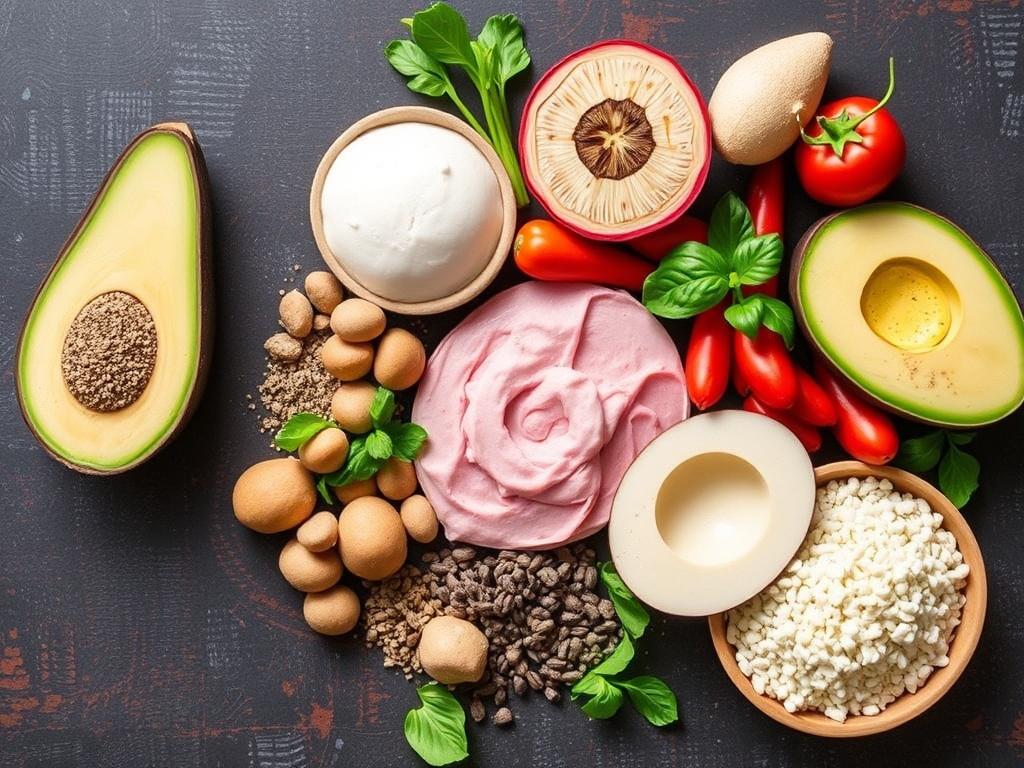
There is a lot of misinformation about diet and the thyroid. Clearing up myths helps you focus on interventions that matter and avoid unnecessary restrictions.
Myth: Avoid all cruciferous vegetables because they’ll wreck your thyroid
Reality: For most people eating reasonable amounts, crucifers are safe, nutritious, and often more beneficial cooked than raw. The goitrogenic risk is mainly with very large raw intakes combined with iodine deficiency.
Myth: I need high-dose iodine to fix my thyroid
Reality: Unless tests show deficiency, high-dose iodine can be harmful. Balance and testing guide safe intake; iodized salt and a varied diet meet most people’s needs without excess.
Myth: Supplements are a quick fix
Reality: Supplements can correct deficiencies but are not a cure-all. They should be targeted, evidence-based, and supervised by a clinician to avoid interactions and toxicity.
Real-life example: a patient story
I once worked with a friend, a busy teacher in her 40s, who struggled with fatigue and weight gain despite normal thyroid labs. We focused on nutrient-dense meals, corrected low vitamin D and iron after testing, improved sleep hygiene, and carefully timed her levothyroxine away from a daily calcium supplement.
Within months she reported better energy, steadier mood, and gradual weight stabilization. Her story shows how modest, targeted changes—guided by labs and consistent routines—can yield big improvements even when lab values initially look acceptable.
When to seek medical advice
If you have persistent symptoms like extreme fatigue, unexplained weight change, hair loss, cold intolerance, palpitations, or significant mood shifts, seek medical evaluation. Thyroid dysfunction is common and treatable, and early diagnosis improves outcomes.
Ask for a full thyroid panel (TSH, free T4, free T3) and antibody testing if autoimmune disease is suspected. Bring a list of supplements and medications to your appointment so your clinician can check for interactions that might skew lab results or treatment plans.
Practical checklist: simple actions you can take now
- Prioritize whole foods—fish, eggs, dairy, nuts, colorful vegetables, and legumes—to meet iodine, selenium, zinc, and antioxidant needs.
- Take thyroid medication on an empty stomach and space calcium and iron supplements at least four hours away.
- Get blood tests for vitamin D, iron, B12, and thyroid antibodies if you have symptoms or an autoimmune condition.
- Limit highly processed foods and added sugars to reduce inflammation and support weight management.
- Consult before starting high-dose supplements, especially iodine or selenium.
Putting it all together: a realistic approach
Your thyroid is influenced by diet, but also by sleep, stress, and medical care. Aim for sustainable changes: focus on nutrient-dense meals, correct measurable deficiencies, time medication properly, and work with clinicians for testing and tailored treatment. These steps create a foundation for better symptoms and long-term health.
Start small—add one extra serving of vegetables a day, swap in fatty fish twice weekly, or switch to iodized salt if your diet lacks iodine sources. Track your symptoms and labs, and adjust with professional guidance. Over months, these consistent choices add up to meaningful support for your thyroid and whole-body wellbeing.