Your nails reflect more than your manicure choices; they mirror what you eat, how you live, and how well your body absorbs nutrients. A thoughtful approach to nutrition can change brittle, slow-growing nails into resilient, glossy ones without relying on gels or gimmicks. This article walks through the science, the nutrients that matter, practical meals, and realistic lifestyle changes you can start today.
Why nutrition matters for nail health
Nails are made primarily of keratin, a protein that requires building blocks from your diet. Unlike skin, nails grow slowly and show the cumulative effect of dietary habits over weeks to months, so changes in nutrition take time to show up at the tips.
When nails become thin, peel, or develop lines and discoloration, nutrition is often involved—either through deficiency or because the body prioritizes more vital tissues over nail formation. A targeted diet supports cell division, collagen production, and the moisture balance within the nail matrix and plate.
Nail anatomy and growth basics
The visible nail plate sits on the nail bed and is produced by cells in the nail matrix under the cuticle. Growth results from cell proliferation and keratinization, processes that demand amino acids, minerals, vitamins, and adequate blood flow.
Fingernails typically grow about 3 mm per month, while toenails grow slower. Any sustained shortfall in crucial nutrients will show as slower growth, ridging, splitting, or white spots at the nail surface months after the deficiency begins.
How diet affects nail strength and appearance
Protein supplies the amino acids for keratin formation. Micronutrients like iron and zinc assist with cell division and wound healing, while vitamins like biotin and vitamin C aid in keratin cross-linking and collagen support. Fatty acids help maintain the nail’s flexibility by supporting surrounding skin and cuticle health.
Hydration and calorie sufficiency also matter; if the body is calorie-restricted, it may divert nutrients away from nails. Chronic inflammatory states or digestive issues that impair absorption will further compromise nail quality even with a seemingly adequate diet.
Key nutrients for healthy nails
Not every vitamin or mineral has the same impact on nail health, but several nutrients consistently appear in clinical observations and controlled studies. Prioritizing these key nutrients creates a foundation for strong nails and fewer cosmetic complaints.
Below are the most important nutrients, what they do for nails, and where to find them in food.
Protein: the structural foundation
Nails are made of keratin, a tough protein. Eating enough protein provides the amino acids—especially cysteine, methionine, and proline—needed to build robust nail plates. Adults generally need at least 0.8 grams of protein per kilogram of body weight, but for nail repair and overall tissue health, a slightly higher intake close to 1.0–1.2 g/kg can be helpful.
Good protein sources include lean meats, poultry, fish, eggs, dairy, legumes, tofu, and tempeh. If you follow a plant-based diet, combine different protein sources across the day to ensure a full complement of essential amino acids.
Biotin (vitamin B7): popular but nuanced
Biotin is often recommended for brittle nails because it supports keratin infrastructure and cell growth. Adequate intake for adults is around 30 micrograms per day, usually met by a balanced diet. Some clinical trials show improvements in nail thickness and decreased splitting with supplemental biotin, especially in people who already have brittle nails.
Foods high in biotin include eggs (especially yolks), organ meats, nuts, seeds, and certain vegetables. Remember that raw egg whites contain avidin, a protein that binds biotin and can reduce its absorption when consumed frequently and uncooked.
Iron: for growth and oxygen delivery
Iron deficiency and anemia frequently correlate with brittle, concave “spoon” nails and slow growth. Iron carries oxygen in the blood, which is crucial for cell division in the nail matrix. Adult men need about 8 mg per day, while menstruating women generally need about 18 mg.
Animal-based iron (heme iron) found in red meat, poultry, and fish is absorbed more efficiently than plant-based (non-heme) iron found in legumes, spinach, and fortified grains. Pairing plant-based iron with vitamin C-rich foods boosts absorption.
Zinc: for cell division and repair
Zinc plays a role in DNA synthesis, cell division, and protein synthesis—all central to new nail formation. Mild zinc deficiency can present as white spots or slow growth. Adult recommendations are roughly 11 mg per day for men and 8 mg for women.
Good zinc sources include oysters (exceptionally high), beef, pumpkin seeds, chickpeas, and dairy. Vegetarians may need to pay extra attention because phytates in whole grains and legumes can reduce zinc absorption.
Vitamin C and collagen support
Vitamin C is essential for collagen synthesis, which supports the connective tissues around the nail bed. It’s also an antioxidant that protects cells from oxidative stress that can impair healthy nail growth. The recommended daily intake is 90 mg for men and 75 mg for women.
Citrus fruits, strawberries, bell peppers, kiwi, and leafy greens are excellent sources. Including vitamin C alongside iron-rich meals enhances iron absorption, offering a double benefit for nail-building processes.
Vitamin A and keratin regulation
Vitamin A helps regulate cell growth and differentiation in epithelial tissues, including the nail matrix. However, excess vitamin A can be harmful and has been linked to hair and nail loss in severe overdoses, so balance is key. The RDA is about 900 micrograms (mcg) of retinol activity equivalents for men and 700 mcg for women.
Sources include liver (very high), dairy, eggs, and provitamin A carotenoids from carrots, sweet potatoes, and dark leafy greens. Rely on a varied diet rather than high-dose supplements to avoid toxicity.
Vitamin E and moisture balance
Vitamin E supports skin and nail hydration by protecting cell membranes from oxidative damage. While evidence directly linking vitamin E intake to faster nail growth is limited, it can improve the condition of surrounding skin and cuticles, which makes nails look healthier.
Nuts, seeds, leafy greens, and vegetable oils supply vitamin E. Topical vitamin E treatments can also help with dry, peeling cuticles when used appropriately.
B12 and folate: for healthy cell division
Vitamin B12 and folate are essential for DNA synthesis and proper cell division. Deficiencies can lead to discoloration, slow growth, or brittle nails. The recommended B12 intake is 2.4 micrograms per day, and folate is 400 micrograms for most adults.
Animal products—meat, fish, dairy, and eggs—are primary B12 sources. Folate is plentiful in legumes, asparagus, spinach, and fortified grains. Older adults and people with absorption issues should monitor B12 status and consider supplements if needed.
Omega-3 fatty acids: flexibility and shine
Omega-3s help keep the nail plate and surrounding skin supple, reducing brittleness and peeling. They also have anti-inflammatory properties that support overall nail bed health. There is no formal RDA for EPA and DHA, but general advice suggests aiming for 250–500 mg combined EPA and DHA per day for most adults.
Eat fatty fish like salmon, mackerel, and sardines, or use flaxseed, chia seeds, and walnuts for plant-based ALA that converts partially to EPA/DHA. Supplements can help if dietary intake is low, but talk to a provider if you take blood-thinning medications.
Silicon and trace minerals
Silicon (in the form of orthosilicic acid) supports connective tissue and may contribute to stronger nails. While research is less robust than for other nutrients, observational data suggest benefits for hair and nails. There’s no established RDA for silicon, but dietary sources are safe and include whole grains and certain vegetables.
Other trace elements like selenium and manganese play supporting roles in antioxidant systems and collagen formation, respectively. Balanced intake through varied food choices is preferable to high-dose supplementation.
Calcium and vitamin D: indirect support
While calcium and vitamin D are better known for bone health, they indirectly affect nail health by supporting the overall mineral balance and cellular signaling. Severe deficiencies can contribute to poor tissue maintenance, though their direct impact on nail growth is less pronounced than protein or iron.
Aim for around 1000 mg of calcium and 600 IU (15 mcg) of vitamin D daily for most adults, adjusting for age and medical needs. Dairy, fortified plant milks, leafy greens, and safe sun exposure are practical ways to maintain levels.
Nutrient quick-reference table
The table below summarizes key nutrients, primary roles for nail health, and food sources to help you plan meals more effectively.
| Nutrient | Role for nails | Food sources | Typical adult guideline |
|---|---|---|---|
| Protein | Keratin building blocks | Eggs, fish, poultry, legumes, dairy, tofu | ~0.8–1.2 g/kg body weight |
| Biotin | Keratin support, cell growth | Egg yolk, nuts, seeds, liver | ~30 mcg/day (adequate intake) |
| Iron | Oxygen delivery, nail matrix health | Red meat, poultry, lentils, spinach | 8 mg men; 18 mg women (premenopausal) |
| Zinc | Cell division, repair | Oysters, beef, chickpeas, pumpkin seeds | 11 mg men; 8 mg women |
| Vitamin C | Collagen synthesis, iron absorption | Citrus, strawberries, bell peppers | 90 mg men; 75 mg women |
| Omega-3 (EPA/DHA) | Flexibility, anti-inflammatory | Salmon, mackerel, chia, flaxseed | 250–500 mg EPA+DHA |
Practical meal ideas and a sample day for stronger nails
Eating for nail health doesn’t require elaborate cooking. A few simple, nutrient-dense choices across the day will give the building blocks nails need. The key is variety and consistent intake rather than occasional superfoods.
Here’s a sample day that hits the major nutrients without feeling restrictive.
Sample day: balanced for nails
Breakfast: Greek yogurt parfait with mixed berries, a tablespoon of ground flaxseed, and crushed almonds. This supplies protein, vitamin C, omega-3 ALA, and vitamin E.
Lunch: Mixed green salad with grilled salmon, roasted sweet potato cubes, chickpeas, and a lemon-tahini dressing. This adds EPA/DHA, vitamin A precursors, iron, and vitamin C to enhance iron absorption.
Snack: Sliced apple with peanut or almond butter and a small handful of pumpkin seeds for zinc and healthy fats.
Dinner: Stir-fried tofu with broccoli, bell peppers, and brown rice, finished with toasted sesame seeds. This delivers plant protein, vitamin C, silicon from whole grains, and magnesium.
Snacks and smoothies that boost nails
Smoothie idea: Spinach, frozen mango, Greek yogurt, ground flaxseed, and a scoop of protein powder. This drink balances vitamin C, protein, omega-3s, and iron-boosting vitamin C in one glass.
Snack idea: Hard-boiled eggs with whole-grain crackers and a small salad of cherry tomatoes. Eggs are a concentrated source of biotin and high-quality protein, making them a simple, affordable nail-building snack.
Supplements: when they help and when to be cautious
Supplements can fill nutritional gaps but aren’t a substitute for a varied diet. Before starting supplements, especially high-dose single nutrients, consider testing for deficiencies and consult a healthcare provider, because more is not always better.
For example, biotin supplements may improve brittle nails in some people, but extremely high doses can interfere with certain lab tests, including cardiac troponin assays. Zinc excess can inhibit copper absorption, and too much vitamin A can be toxic.
Common supplements and sensible dosing
- Multivitamin: A daily, balanced multivitamin can cover baseline needs without high-dose spikes that risk harm.
- Biotin: 2,500–5,000 mcg daily is commonly used in nail studies, but benefits are more likely if deficiency or brittle nails exist; check interactions with blood tests.
- Iron: Supplement if diagnosed with iron deficiency; typical therapeutic doses are higher and must be guided by a clinician because excess iron is harmful.
- Omega-3 fish oil: 250–1,000 mg EPA+DHA daily can be helpful for inflammation and nail flexibility; choose a purified product if concerned about heavy metals.
Supplements should be tailored to individual needs. Routine, indiscriminate use of single nutrients at very high doses is unnecessary and risky.
Lifestyle factors that support nutrition and nail health
Nutrients do the heavy lifting, but lifestyle choices shape how well your body uses them. Small everyday habits complement dietary changes and accelerate visible improvement.
Good habits include maintaining hydration, protecting nails from harsh chemicals, getting enough sleep, and managing stress—each influences cellular repair and growth.
Hydration and circulation
Keeping well-hydrated supports tissue turgor and helps maintain a moist nail environment. Adequate water intake also supports circulation, which ensures nutrients reach the nail matrix efficiently.
Regular movement and avoiding prolonged cold exposure improve blood flow to the extremities, which is especially important for people with poor peripheral circulation or Raynaud’s phenomenon.
Protecting nails from damage
Wear gloves when washing dishes or using household cleaners to avoid dehydration and chemical damage. Limit the use of harsh nail polish removers like acetone, and give nails time to breathe between manicures.
Adopt gentle filing techniques and avoid aggressive cuticle cutting. The cuticle protects the matrix; damaging it can impair new growth and invite infection.
Address underlying medical issues
Thyroid disorders, psoriasis, eczema, and chronic kidney or liver disease can all affect nail appearance and growth. If changes are sudden, severe, or accompanied by other symptoms, seek medical evaluation to rule out systemic causes.
Medications can also change nail texture or color. If a new drug correlates with nail changes, discuss alternatives or management strategies with your prescriber.
Troubleshooting common nail problems and dietary responses
Nail problems can have multiple causes; dietary adjustments often help but may not be the sole solution. The list below pairs common issues with likely nutritional contributors and practical steps to take.
Brittle, splitting nails
Likely contributors: protein deficiency, inadequate essential fatty acids, dehydration, or repeated wet-dry cycles. Start by increasing dietary protein and omega-3 intake, using gloves for wet tasks, and applying cuticle oil to restore moisture.
Consider a short trial of biotin or a balanced multivitamin if dietary intake is inconsistent, but consult a clinician if there’s no improvement after a few months.
Slow growth
Slow nail growth might indicate caloric restriction, iron deficiency, or poor overall nutrition. Ensure adequate protein and caloric intake, screen for anemia, and address underlying absorption issues like celiac disease if signs suggest malabsorption.
Small, consistent improvements in diet usually translate into faster nail growth after a lag time of several weeks to months.
White spots and discoloration
White spots are often minor trauma but can also reflect zinc deficiency. Yellowing may indicate fungal infection, smoking, or chronic nail polish use. Addressing hygiene, treating fungal infections, and improving zinc status when deficient can help.
If discoloration persists or worsens, get a professional evaluation to exclude infection or systemic issues.
Spoon nails (koilonychia)
Spoon-shaped nails can be a sign of iron deficiency. If you notice nails that curve upward at the edges, check iron status with a healthcare provider. Dietary counseling to increase heme iron and vitamin C, or prescribed iron therapy, often resolves the problem over time.
Do not self-treat with iron supplements unless deficiency is confirmed, because excess iron has serious risks.
Real-life examples and author experience
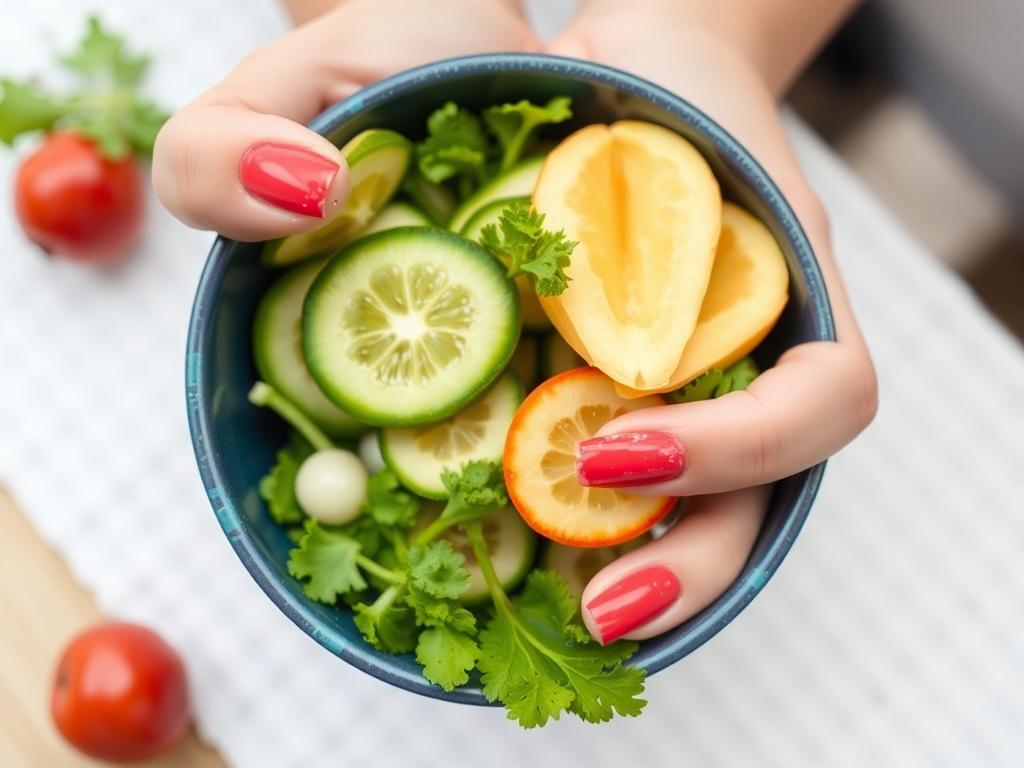
In my own practice as a writer with an eye for wellness, I experienced a period of brittle nails during a stressful winter when my meals were irregular and I relied heavily on takeout. Once I prioritized balanced breakfasts with eggs, Greek yogurt, and fruit, and added grilled fish twice weekly, I noticed fewer splits and faster growth within two months.
Another person I know—a vegetarian friend—used to have slow-growing, thin nails. After increasing combined plant protein sources, adding pumpkin seeds and lentils, and supplementing with a B12 tablet, her nails thickened and grew more evenly over three months. These examples highlight that modest, consistent changes produce the most reliable results.
Putting it all together: a 30-day plan
This practical month-long plan focuses on consistency, variety, and small, achievable steps. The goal is to build habits that continue beyond 30 days and produce cumulative benefits for nail health.
Week 1: baseline and small changes
Start by tracking your typical meals for three days to identify gaps. Add one high-protein breakfast daily—eggs, Greek yogurt, or a plant-based smoothie with protein powder. Drink an extra glass of water each day and begin wearing gloves for washing dishes.
Introduce one serving of fatty fish or a plant omega-3 source (flax/chia) to your meals every other day. This week is about establishing simple, sustainable switches rather than sweeping reforms.
Week 2: focus on micronutrients
This week, add two servings of vitamin C-rich fruits or vegetables daily to enhance iron absorption and support collagen. Include zinc-rich snacks like pumpkin seeds or hummus with whole-grain crackers. If you suspect deficiencies, schedule a checkup or request baseline blood tests from your provider.
Consider a daily multivitamin if your dietary tracking shows consistent shortfalls. Continue hydration and protective nail care habits.
Week 3: build variety and strength
Introduce new protein sources—lentil soups, tofu stir-fries, or grilled lean meats—and aim for at least one legume-based meal nightly. Add a small serving of nuts or avocado daily for vitamin E and healthy fats. Try a topical oil for cuticles if dryness persists.
Reflect on progress: are nails less brittle or showing small changes at the base? Keep a photo log to see gradual improvements that might not be obvious day-to-day.
Week 4: consolidate and plan long-term
By now you should feel more comfortable with the routine. Make a two-week meal rotation that includes the core nutrients discussed: protein, iron sources, vitamin C, zinc, omega-3s, and biotin-rich foods. If blood work showed deficiencies, follow up with your clinician about supplements or targeted treatment.
Set realistic ongoing goals like maintaining two fish meals per week, daily protein-rich breakfasts, and protective habits that prevent mechanical damage to nails.
When to seek professional help
If nail changes are sudden, painful, accompanied by other systemic symptoms (like fatigue, unexplained weight changes, or new rashes), or if simple dietary changes produce no improvement after several months, seek medical evaluation. Nail abnormalities can signal thyroid disease, autoimmune conditions, infections, or nutritional deficiencies that require specific treatment.
A dermatologist, primary care physician, or registered dietitian can help interpret symptoms, order appropriate labs, and create targeted nutrition plans that consider absorption issues and interactions with medications.
Practical shopping list for a nail-healthy pantry
Stocking your kitchen with a few key ingredients reduces decision fatigue and makes healthy eating more likely. Below are easy-to-find items that support nail health and can be used in multiple meals.
- Eggs and Greek yogurt for protein and biotin.
- Salmon or canned sardines for omega-3s and vitamin D.
- Legumes (lentils, chickpeas) for plant-based protein and iron.
- Pumpkin seeds, almonds, and walnuts for zinc, vitamin E, and healthy fats.
- Leafy greens and bell peppers for vitamin C, folate, and vitamin A precursors.
- Fortified whole grains and brown rice for silicon and sustained energy.
With these staples you can quickly compose balanced meals that address most nutrient needs relevant to nail health.
Final practical tips and long-term perspective
Expect patience when changing nail quality through diet. Nails grow slowly, and visible improvement can take six to twelve weeks for fingernails and longer for toenails. Track progress with photos and realistic goals instead of searching for overnight fixes.
Adopt a food-first mindset—one that leans on whole foods, varied protein sources, plenty of fruits and vegetables, and sensible supplementation when clinically indicated. Combine that with protective nail care and attention to underlying health issues, and you’ll give your nails the best chance to become strong, flexible, and naturally attractive.
When you think about Питание для здоровых ногтей, imagine a steady, nourishing routine rather than quick fixes. Over time, the small daily choices add up into durable change that shows at your fingertips.