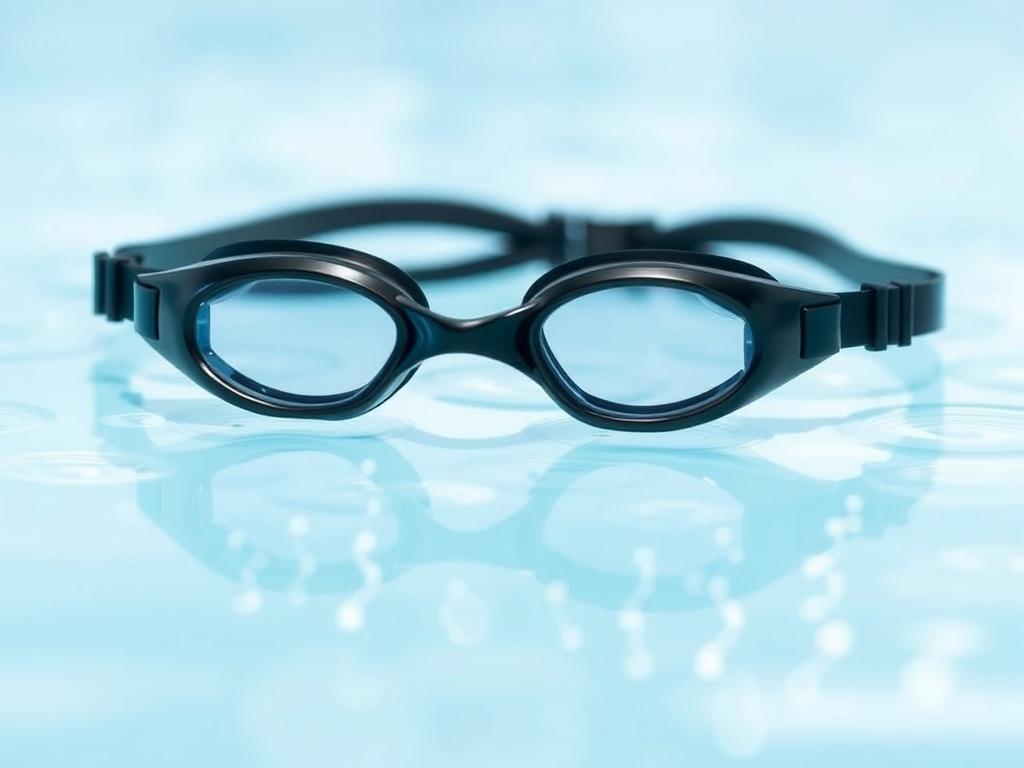
Choosing the right pair of swimming goggles can turn every swim into a focused, comfortable session rather than a fight against leaks, fog, or bright reflected glare. This guide walks through fit, lens types, materials, and practical checks so you can pick goggles that match your pool, open-water conditions, skill level, and face shape. Read on for clear, tested advice that skips marketing fluff and helps you make a confident choice.
Why the right goggles matter
Goggles are more than an accessory; they protect your eyes from chlorine, salt, and UV, and they let you see clearly while you swim. Poorly fitting or fogged goggles interrupt technique, cause frustration, and can even affect safety in open water where visibility matters most. Investing time to choose the correct pair pays off in better training, fewer interruptions, and more enjoyable swims.
Many swimmers underestimate how much fit influences performance: a bad seal means constant adjustments and wasted energy, while too-tight goggles cause pain and red marks. Competitive swimmers may prioritize low-profile hydrodynamics and minimal leakage, while recreational swimmers often value comfort and a wider field of view. Understanding your priorities—comfort, competition, casual laps, or triathlon—will narrow choices quickly.
I once switched from a generic drugstore brand to a properly fitting pair and suddenly stopped losing time to adjustments mid-set; the change was small and immediate, and it underscored how much difference the right gear makes. That experience taught me to test fit before committing and to treat goggles as a component of training rather than a disposable item. With a few simple checks you can save money and avoid repeated purchases.
Understanding fit and seal
Fit comes down to two things: the seal between the goggle eyecups and your skin, and how the strap system balances pressure. Proper goggle seals should create a gentle suction against the eye socket area without causing pain or leaving long-lasting marks, and straps should hold the goggles snugly without overtightening. The best seals adapt to your facial contours and distribute pressure evenly around the orbital bone.
To test the seal, place the goggle eyecups on your dry face and press gently to create suction; if they stay in place for a few seconds without the strap, the shape matches your face. This suction test is a quick predictor of leak resistance, but you should still swim a few strokes to confirm performance under movement. Remember that hair, sunscreen, and facial oils can affect seal, so a clean, dry fit trial gives the most reliable result.
Face shape matters: swimmers with flatter nose bridges often need smaller, softer eyecups or adjustable nose pieces, while those with prominent cheekbones may prefer larger cupped designs for comfort and a broader field of vision. Women and children frequently require smaller frames and softer seals; unisex models aren’t universally comfortable. Brands vary widely in the geometry of their eyecups, so trying several makes a big difference.
Types of frames and eyecups
Frame styles influence both comfort and hydrodynamics. Full-frame goggles wrap rigid support around the lenses for durability and consistent seal, while rimless or frameless designs are lighter and sit closer to the face for reduced drag. Low-profile competition goggles prioritize a tight, sleek fit and minimal internal volume, which can improve speed but reduce comfort for longer sessions.
Soft, padded frames add comfort for long training sets but can be bulkier and create more resistance in the water, which most casual swimmers won’t notice. Rigid frames hold shape and often last longer, but they can press on sensitive areas and require precise fitting. Choosing between comfort and performance depends on how you use the goggles and whether you prioritize long sessions over race-day marginal gains.
Many modern goggles combine features: a low-profile lens with a flexible silicone skirt for comfort, or a durable frame with interchangeable nose bridges for a custom fit. Look for modular designs if you plan to adapt goggles for different users or want to replace parts instead of buying new goggles. Interchangeable components also make it easier to replace worn straps or nose pieces and extend the useful life of the goggles.
Lens types, tints, and coatings
Lens tint affects visibility, contrast, and glare. Clear lenses work best for indoor, low-light pools and night swimming because they let in the most light and keep colors accurate. Tinted lenses—such as smoke or gray—reduce brightness for sunny outdoor conditions, while mirrored or polarized lenses cut glare and are popular for open-water swimmers and triathletes.
Yellow or amber tints enhance contrast in low-light or cloudy conditions and can make pool lines and walls pop, which helps during early morning or late evening swims. Polarized lenses reduce surface glare on calm open water but are less common in small goggle lenses because polarization can slightly narrow the field of view. Mirrored coatings reflect sunlight and offer privacy, but they reduce visible light and may be too dark for dim conditions.
Anti-fog coatings and UV protection are standard on many mid- to high-end models, but coatings wear off with time and abrasive cleaning. Look for polycarbonate lenses for impact resistance and optical clarity, and consider prescription inserts if you need vision correction for training or competition. Table: quick lens guide below summarizes typical uses so you can match tint to typical conditions.
| Lens type | Best use | Notes |
|---|---|---|
| Clear | Indoor pools, low light | Maximizes visibility, not for bright sun |
| Smoke/Gray | Bright outdoor pools, sunny days | Reduces brightness without color shift |
| Mirrored | Open water, strong sun | Minimizes glare, reduces light transmission |
| Yellow/Amber | Low light, cloudy conditions | Increases contrast and depth perception |
Anti-fog: what really works
Anti-fog is critical because fogged lenses ruin a set faster than leaks or discomfort. Many goggles ship with a factory-applied anti-fog layer, but that layer evaporates as you swim, scratch, or clean the lenses the wrong way. Rather than constantly buying new goggles, apply a trusted anti-fog solution, use a small dab of baby shampoo, or try the gentle saliva trick when you swim casually; all three can restore clarity quickly.
Never rub the inside of the lens with a towel or a fingernail; abrasives destroy the coating. Rinse goggles with fresh water after each swim and air dry them face-down in a cool place rather than in direct sun, which can warp silicone and accelerate lens degradation. Keep a protective case to prevent scratches and maintain the lifespan of coatings and lenses.
For competitive or frequent swimmers, specialty anti-fog sprays and wipes give longer protection and cleaner optics; apply according to manufacturer instructions. If fogging persists despite proper care, the issue may be fit: excess water exchange or a gap lets warm breath into the lenses and causes condensation. Solving fit problems often reduces fogging as much as topical treatments do.
Straps and nose bridges explained
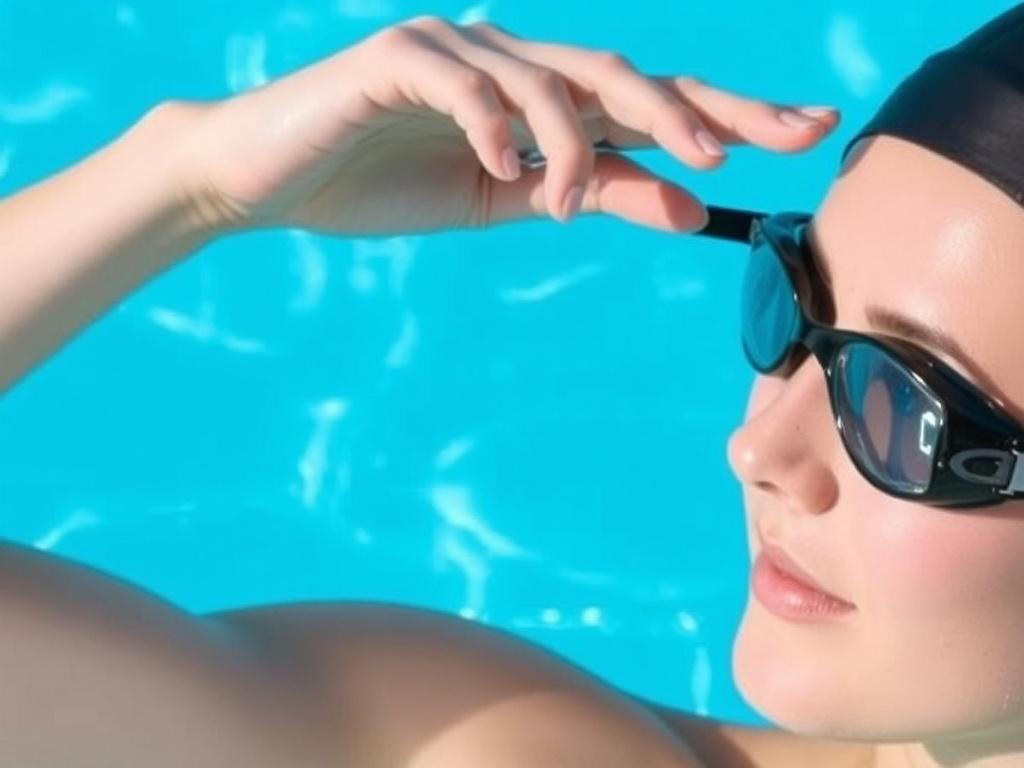
Strap design affects stability, ease of adjustment, and comfort. Single-loop straps are simple and effective for casual use, while split straps distribute pressure and hold goggles more securely during starts and turns. Silicone straps last longer than latex, resist UV degradation, and are generally more comfortable against the back of the head.
Adjustable nose bridges allow you to customize the distance between eyecups for the best seal and comfort; some models offer multiple sizes or a tool-free snap system for quick swaps. Fixed nose bridges are often more streamlined but less adjustable, so they suit swimmers whose face geometry matches the model. For kids, adjustable or interchangeable bridges are especially valuable because children’s faces grow and change quickly.
When adjusting straps, aim for even pressure: too tight and you risk headache and red marks, too loose and you’ll get leaks. Place the strap high across the crown of the head, not low on the neck, for better hold and less jaw pressure. Quick-release buckles are handy for triathletes who need a fast transition, but they can add bulk or breakage points on cheap models.
Specialty goggles: competition, training, and open water
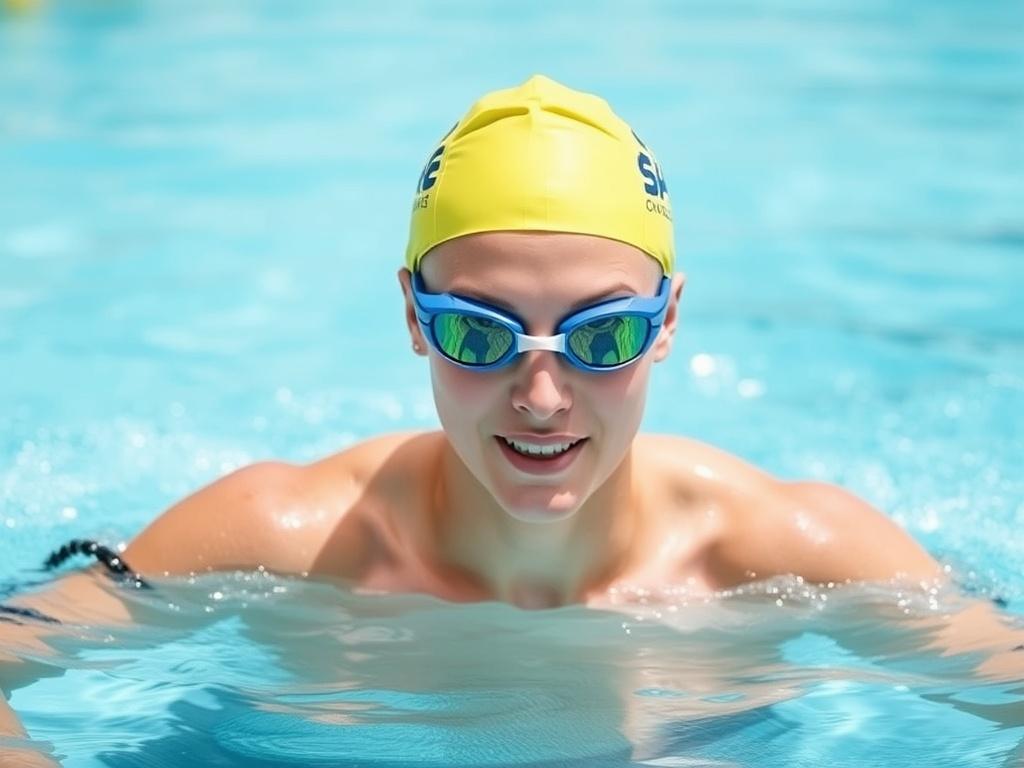
Competition goggles are compact and low-volume to reduce drag and internal lens distortion; they sit close to the eye and are often less comfortable for long practices. Training goggles prioritize comfort and durability—thicker silicone skirts, more robust frames, and sometimes mirrored lenses for outdoor pool practices. If you race, consider having a dedicated race pair and a separate training pair to prevent wear on your race optics.
Open-water goggles emphasize field of view, glare reduction, and sometimes polarized lenses for calm conditions; they often have wider, panoramic lenses and stronger straps to withstand choppy water and long swims. Triathlon goggles commonly combine features: a comfortable seal for long swims, tinted or mirrored lenses for bright conditions, and quick-adjust release systems for transitions. Test open-water goggles in a calm lake or on a test swim before using them in a race.
Prescription and corrective goggles let swimmers with refractive errors see clearly without contact lenses—handy for those who dislike contacts or who train in rough water where contacts can be lost. Some swim centers and optical retailers offer custom prescription options or insert systems that sit behind standard lenses. Prescription inserts are practical: you can pop them into compatible frames and swap them between pairs for different conditions.
Goggles for children and beginners
Kids need appropriately sized eyecups and very soft seals; what fits an adult will likely leak or pinch on a child. Look for models with easy-to-adjust straps and a flexible nose bridge so parents can fine-tune the fit as the child grows. Many children’s goggles are brightly colored or feature themed prints, but don’t buy on looks alone—fit is the top priority for young swimmers.
When introducing a child to goggles, show them how to put them on and take them off gently and discourage pulling on straps aggressively, which shortens the strap life. If a child resists wearing goggles during lessons, choose a soft, comfortable model and keep practice short until they adapt. A properly fitting pair makes lessons less stressful and protects sensitive eyes from chlorine exposure and irritation.
For beginners of any age, comfort and ease of use trump race-oriented design; a snug but soft silicone skirt and a simple strap system reduce the barrier to equipment use. As technique improves and sessions lengthen, consider shifting to a model that balances comfort with performance. Comfort fosters consistency, and consistent practice is the real performance enhancer.
Materials and build quality
Common materials include silicone for skirts and straps and polycarbonate for lenses, each chosen for durability and performance. Silicone is flexible, hypoallergenic for most people, and resistant to UV and chlorine, while polycarbonate lenses offer excellent impact resistance and optical clarity. Cheaper goggles may use PVC or latex, which degrade faster and can cause allergic reactions in sensitive swimmers.
Watch for construction quality: neat seams, smooth skirt edges, and secure strap attachments reduce the risk of premature failure. Metal clips or fragile plastic buckles on inexpensive models are common failure points, especially with repeated adjustments. Mid-range and premium brands often justify their price through better materials, thoughtful engineering, and warranty support.
Eco-conscious swimmers can look for brands using recycled materials or packaging with minimal plastic, though the options are less common. Some manufacturers now offer repair parts or replacement straps to reduce waste. A durable pair that you maintain well often ends up being the most cost-effective and environmentally friendly choice.
Step-by-step fit and test checklist
Use this simple routine to evaluate goggles before purchase or during a fitting session. Perform the suction test on a dry face, adjust straps so they rest comfortably on the crown, and take a few practice strokes in water to check for leaks and fog. If possible, swim a short interval and turn your head to mimic sighting in open water or breathing patterns in lap swimming.
- Place eyecups on dry face and check suction for 3–5 seconds.
- Adjust straps so tension is even and comfortable across the crown.
- Swim a few strokes, breathe normally, and look around to test seal and visibility.
- Inspect for leaks at nose bridge and inner corners after turns.
- Evaluate comfort after 10 minutes—if you feel pinching, try a different model.
When testing in a store, rinse with water to simulate wet conditions and re-check fit; many leaks only appear under motion. For online purchases, buy from retailers with generous return policies and measure your face against manufacturer size charts where available. Keep receipts and test goggles early—most stores will allow exchanges if the fit proves wrong after a short trial.
Buying online vs in-store
In-store shopping lets you try multiple models, perform the suction test, and get an immediate sense of comfort and fit. This is especially valuable for children, unusual face shapes, or if you want to touch materials and check build quality. Knowledgeable staff at specialty swim shops can also offer fitting tips and recommend models based on your swimming style.
Online shopping offers greater selection, often better prices, and access to specialty or prescription models that local shops don’t stock. The downside is the inability to try on; to reduce risk, measure your interocular distance and face width and consult manufacturer fit guides and user reviews. Choose sellers with straightforward return policies so you can exchange or return goggles that fail the real-world test.
If buying online, consider ordering two similar models in different sizes or nose-bridge options and returning the one that fits worse. Some competitive swimmers do this routinely: buy multiple race pairs, test them briefly, and keep the best-fitting pairs wrapped and stored for events. Although this costs more up front, it guarantees the exact fit and features you need for peak performance.
Common mistakes swimmers make
Relying on price as the sole quality indicator leads many to buy repeatedly cheap goggles that leak or fail quickly; a modestly priced mid-range model usually lasts longer and fits better. Over-tightening straps is another common error: it doesn’t improve seal but does cause headaches, skin marks, and pressure on the temples. Sloppy cleaning—rubbing anti-fog coatings or leaving goggles in the sun—shortens their lifespan and reduces clarity.
Using goggles beyond their useful life is also an issue; old silicone skirts stiffen and lose their sealing ability, so don’t cling to a pair that constantly leaks. Ignoring face shape differences leads to repeated purchases: different models fit different faces, and what works for a training partner may fail you. Finally, not storing goggles in a case invites scratches and degrades coatings, so a small protective case is worth the few dollars it costs.
Another mistake is overlooking strap placement: a strap placed too low slips and pulls the goggles down, while a strap too high can pull upward and break the seal under the eyes. Adjust straps for the crown of the head and recheck fit after several minutes of swimming. Simple changes in strap height and tension often resolve issues without replacing the goggles.
Maintenance and storage routines
Rinse goggles with fresh water immediately after each swim to remove chlorine, salt, and sunscreen, then let them air dry in a cool, shaded place; this preserves seals and coatings. Avoid touching the inner lenses, and never use abrasive cloths or household cleaners that contain alcohol, which will strip anti-fog layers. Use the included protective case to prevent scratches and store goggles away from extreme heat.
Do a brief inspection monthly: check the elastics for cracking, examine the silicone skirt for stiffness, and ensure buckles work smoothly. Replace straps if they show signs of tearing or the plastic begins to discolor; replacement straps are inexpensive and make a worn pair useful again. Keep a small anti-fog solution or wipes in your swim bag for quick touch-ups before practice or races.
Avoid leaving goggles in direct sunlight on a pool deck or dashboard, as UV and heat accelerate material breakdown and lens warping. If you swim daily, plan to replace goggles every 6–12 months depending on usage and care; less frequent swimmers may get two seasons from a well-cared-for pair. Treat goggles like any technical gear: small, regular maintenance extends their useful life considerably.
When to replace your goggles
Replace goggles when seals crack or stiffen, straps snap or continually loosen, eyecups scratch to the point of obscuring vision, or anti-fog coatings permanently fail despite treatments. Persistent leaks that you can’t fix by adjusting or replacing straps are a clear sign to buy a new pair. For frequent swimmers, keep a backup pair so you’re never without usable goggles when one inevitably fails.
Also replace if your visual needs change—if you start racing and need a lower-profile goggle, or if you require prescription inserts for clearer sight. Kids will outgrow smaller models, so plan to re-evaluate fit periodically rather than forcing a tight or uncomfortable pair. Finally, if a previously good pair suddenly develops fogging or leaks after rough handling, don’t assume it’s fixable; sometimes replacement is the most practical option.
Budget guidance and brand notes
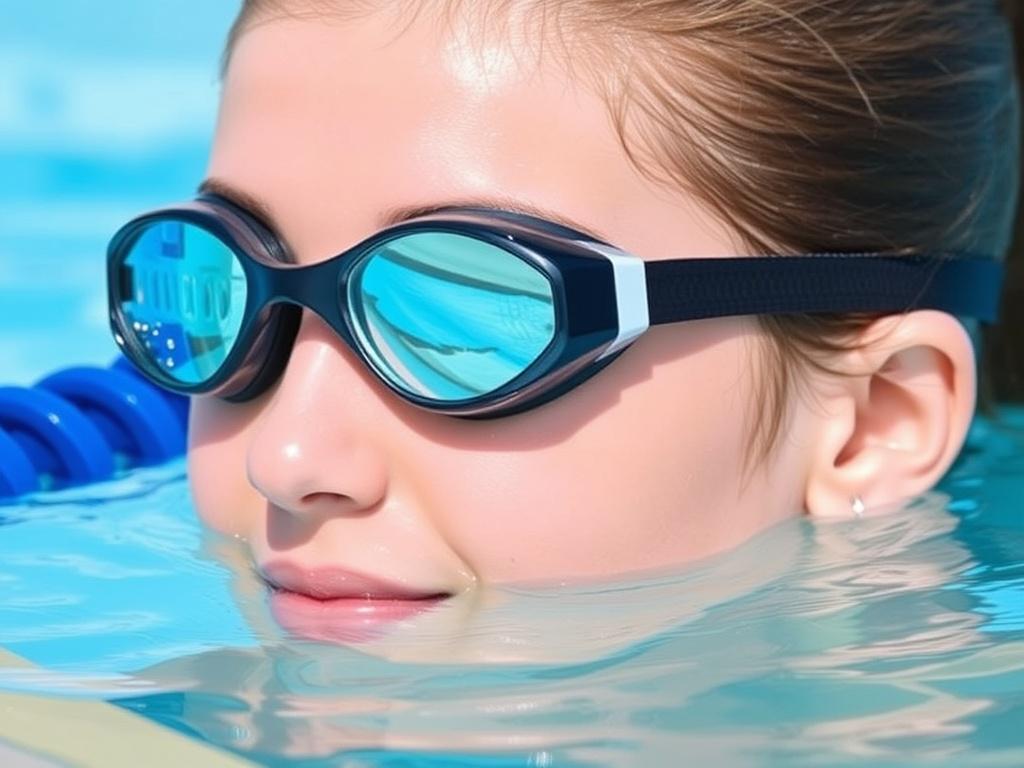
You don’t need the most expensive brand to get good performance, but extremely cheap goggles often skimp on materials and comfort. A sensible approach is to identify the features you value—mirrored lenses, adjustable nose bridges, silicone skirts—and spend enough to get those features reliably. Mid-range models from established brands typically offer the best balance of cost, durability, and performance for most swimmers.
Brand reputation matters for warranty support and availability of replacement parts; established swim brands tend to stand behind their products and provide straps, nose pieces, or lens options. For competitive swimmers, specialty brands focused on racing goggles often deliver the lowest-profile designs and optic quality. For recreational swimmers, look for comfort, ease of use, and good anti-fog performance rather than race-specific geometry.
Sales and outlet channels are great for finding high-quality goggles at reduced prices—just verify return policies and inspect for visible damage on arrival. If you buy a top-line model on sale, you often end up with a superior pair at a fraction of the usual cost. Keep an eye on seasonal sales when many retailers clear out older models for the new season.
Personal tips and real-life examples
I learned to pay attention to fit after tearing a seam on a low-quality pair mid-race, which forced a stop and cost me a dozen places; since then I’ve kept a race-only pair wrapped and unused until events. Another time I found a mirrored open-water pair that fit my face perfectly but fogged in cooler water, so I swapped them for a slightly larger pair with more internal volume to balance anti-fog performance and field of view. Small adjustments—strap position, nose-bridge swap—have repeatedly solved problems that initially seemed like reasons to toss a pair.
For triathlon, I use two pairs: a training pair that’s rugged and comfortable and a dedicated race pair that sits close to the face and cuts drag. The training pair gets thrown in the bag, hit with sunscreen, and left in a case with a spare strap; the race pair is stored carefully and used only on event day. That routine prevents accidental damage to the race pair and ensures I always have a backup ready.
My consistent advice: try before you commit, keep a backup, and don’t assume a pricey label equals perfect fit. Regular maintenance and sensible storage will extend any pair’s life, and small investments in anti-fog solutions and replacement straps yield big comfort dividends. Swim testing is the ultimate proof; if a pair can’t survive a short session without fog or leaks, it’s not the right pair for you.
Now that you know how to evaluate shape, lenses, materials, and maintenance, you should feel equipped to choose goggles that match your swimming style and environment. Test multiple models when possible, keep realistic expectations about anti-fog durability, and prioritize comfort for long sessions or a low-profile design for racing. With the right pair, each swim becomes simpler and more focused—one small change that makes a consistent difference in the water.