
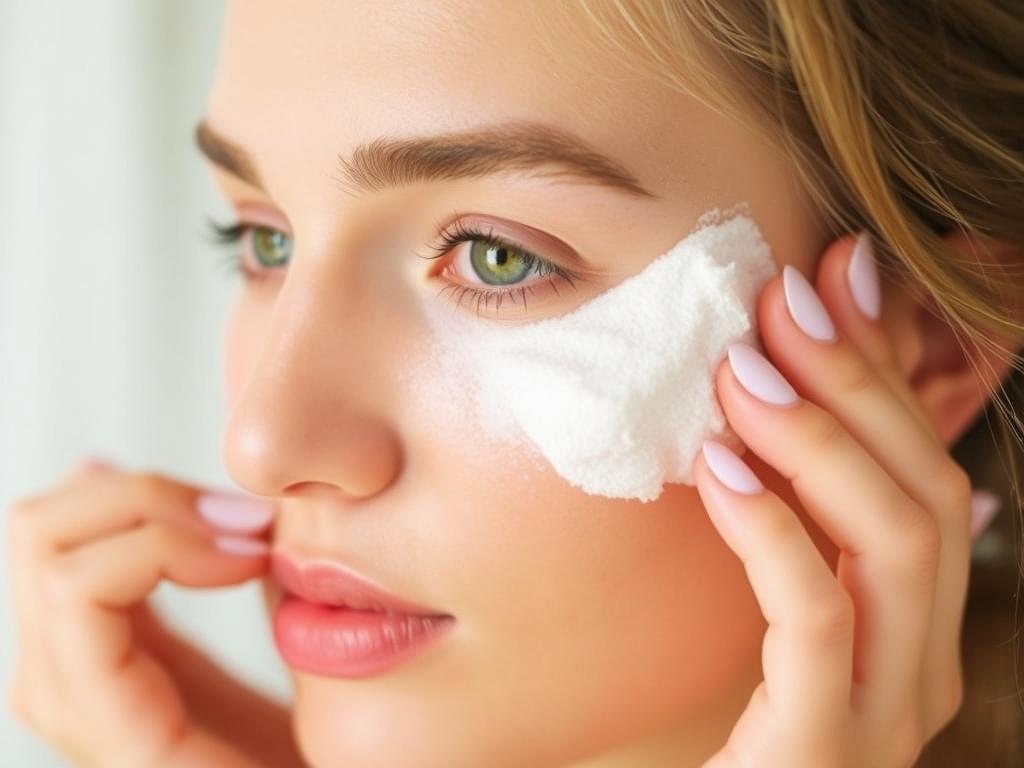
Under-eye puffiness is one of those small, stubborn problems that makes you look tired even when you feel fine. This article walks through why it happens, what actually works right away, and how to prevent it over time without wasting money on gimmicks.
Why the area under the eyes is so prone to puffiness
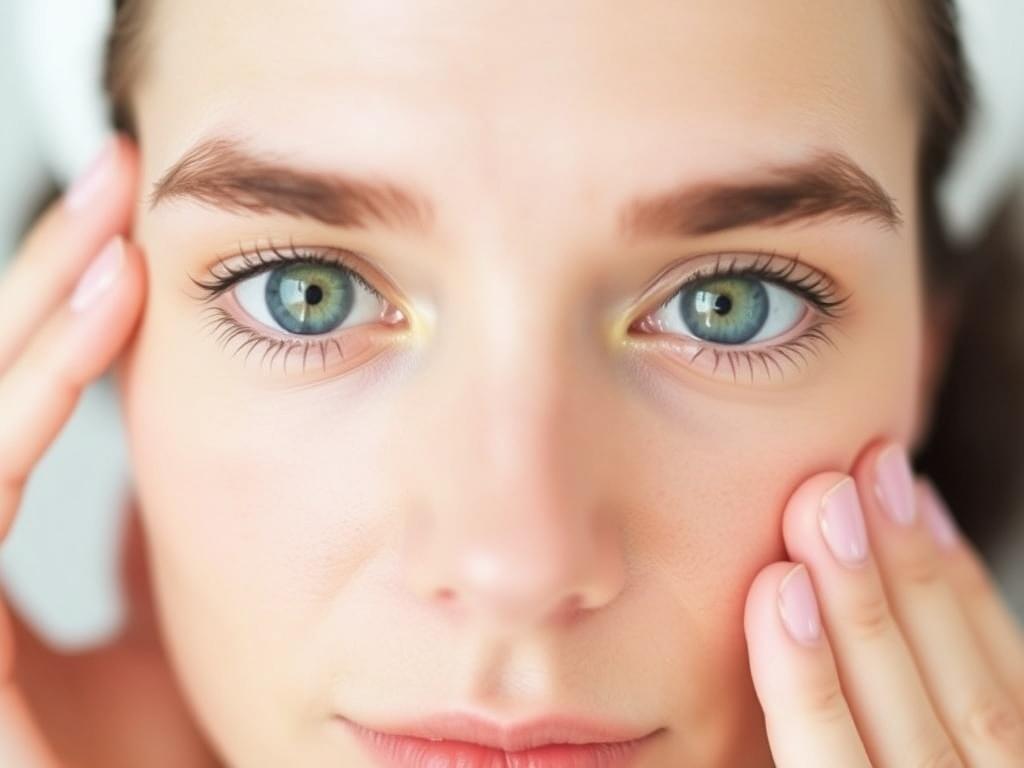
The skin beneath the eyes is thinner and more delicate than most of the face. Because it has less subcutaneous fat and a looser connective tissue structure, any mild fluid accumulation or fat pad shift becomes much more visible here than elsewhere.
Circulation and lymphatic drainage around the eyes are also relatively sluggish. When fluids accumulate or when blood vessels dilate, the result is the familiar soft swelling or discoloration we call puffiness or bags.
Hormones, salt intake, allergies, and sleep habits all influence how much fluid the body holds, and the periorbital tissues respond quickly. That’s why puffiness can vary day to day depending on what you ate, how you slept, and whether you’ve been crying or drinking alcohol.
Common causes of under-eye swelling
Fluid retention is the simplest explanation: high salt intake, alcohol, and sometimes hormones prompt your body to hold water, and the loose tissue under the eyes is an easy place for it to collect. Short-term puffiness often falls into this category.
Allergic reactions — seasonal allergies, pet dander, or contact dermatitis from skincare — produce inflammation and increased blood flow, which looks and feels like swelling. Antihistamines or avoiding the trigger can rapidly improve this type.
Aging and heredity are structural causes. Over time the orbicularis oculi muscle loosens, skin thins, and the orbital fat that normally cushions the eye can herniate forward, forming persistent bags that don’t respond well to cold compresses or creams.
Other contributors: sleep, medical conditions, and lifestyle
Lack of sleep and disrupted circadian rhythms can worsen blood vessel dilation and fluid accumulation, which is why late nights often show in the mirror the next morning. Conversely, consistent, restful sleep helps tissue recover.
Certain medical conditions — thyroid disease, kidney problems, and some forms of sinusitis — may cause or exacerbate swelling. If puffiness is sudden, severe, or accompanied by other symptoms, see a healthcare provider.
Medications that cause fluid retention or allergic swelling are also a possibility. Always review new prescriptions with your doctor if you notice unexpected facial swelling.
Quick fixes you can do right now
When you need a faster, visible improvement for a morning meeting or photo, several simple techniques reliably reduce puffiness temporarily. These are inexpensive and easy to try at home.
Cold constricts blood vessels and slows fluid movement into tissue. That’s the principle behind ice, chilled spoons, and cold compresses. Use them gently and briefly — prolonged ice application can damage delicate skin.
Cold compress and chilled tools: how to use them safely
Wrap a few ice cubes in a thin cloth or use a gel eye mask straight from the refrigerator. Apply for 5–10 minutes, checking every couple of minutes so the skin never feels painfully cold.
Chilled metal spoons or a cold roller also work well because their shape fits the orbital curve and they help smooth tissue while cooling it. Move the tool outward along the cheekbone to encourage drainage.
Avoid applying ice directly to the skin and skip aggressive rubbing. Short, gentle sessions are effective and safe; treat the skin with a soothing eye cream afterwards if it feels dry.
Tea bags, cucumber, and other quick remedies
Used, cooled black or green tea bags can reduce puffiness because caffeine constricts local blood vessels and tannins have mild astringent effects. Steep, chill, then rest them over closed eyes for 10–15 minutes.
Slices of cold cucumber are a classic: they cool the skin and have mild anti-inflammatory properties. They’re pleasant but usually less effective than cold tea bags or a chilled roller with caffeine-infused serum.
Caffeine-containing serums offer a makeup-friendly option: apply a thin layer, then gently massage to stimulate lymphatic drainage. Expect temporary tightening rather than a permanent fix.
Daily habits that actually reduce puffiness
Short-term tricks are useful, but long-term reduction depends on daily habits. Adjustments in sleep, diet, and skincare yield the most consistent improvements over weeks to months.
Small changes add up. Prioritize the basics: hydrate, eat less salt, sleep with your head slightly elevated, and treat allergies proactively.
Sleep, position, and circadian health
Sleeping on your back with your head elevated by one pillow helps prevent fluids from pooling under the eyes overnight. It’s a tiny habit with a reliable effect, especially for morning puffiness.
A regular sleep schedule strengthens your circadian rhythm and improves skin repair overnight. Aim for consistent bed and wake times, plus 7–9 hours of sleep for most adults.
Reduce late-night alcohol and heavy, salty meals before bed. They both drive fluid retention and worsen morning puffiness.
Diet, hydration, and sodium
High sodium intake makes the body retain fluid. Cutting back on processed foods and adding potassium-rich foods (bananas, leafy greens) helps balance fluids and reduce puffiness.
Ironically, dehydration can increase the body’s tendency to hold onto water. Drink consistently through the day instead of gulping large amounts at once.
Alcohol and high-sugar diets also contribute to inflammation and poor sleep quality. Moderate consumption helps both your skin and your overall energy.
Skincare and topical treatments that make a difference
Topical products won’t remove structural fat pads, but they can reduce fluid, tighten skin temporarily, and improve tone and pigmentation over time. Ingredients matter; choose those with evidence behind them.
Layer application matters too: apply a hydrating serum first, then a targeted eye product, and pat gently. Don’t tug or pull at the fragile skin around the eyes.
Active ingredients to look for
Caffeine helps constrict blood vessels and can reduce morning puffiness. It’s common in affordable eye gels and quickly provides a firmer look.
Retinoids (retinol, tretinoin) support collagen production and skin thickness over months, improving sagging and fine lines that accentuate bags. Use low concentrations around the eye and introduce gradually to avoid irritation.
Peptides and growth-factor–like compounds may strengthen skin over time, while hyaluronic acid provides immediate hydration and a subtle plumping effect that masks hollows next to bags.
Vitamin C and niacinamide improve discoloration and skin tone, making shadows under the eyes less noticeable. Apply in the morning (vitamin C) or night (retinol) according to product instructions.
How to apply eye products correctly
Use your ring finger to apply products because it delivers the lightest pressure. Dot a small amount around the orbital bone — not on the eyelid crease or too close to the lashes — and gently tap until absorbed.
Overusing product can irritate thin skin and cause rebound swelling. Less is often more, and consistency matters more than heavy, occasional treatments.
If you experience itching, burning, or persistent redness, stop the product and consult a dermatologist to rule out allergy or contact dermatitis.
Massage, gua sha, and tools for lymphatic drainage
Manual techniques that encourage lymphatic flow help move trapped fluid away from the eye area. They’re simple, noninvasive, and can be done daily in a few minutes.
Gently performed massage also relaxes tension in the surrounding muscles and can reduce the appearance of puffiness caused by strain or poor posture.
Step-by-step lymphatic drainage for the eyes
1. Start with clean hands and face. Use a light facial oil or moisturizer to prevent tugging.
2. Place your index and middle fingers near the inner corner of one eye. Apply very light pressure and sweep outward along the orbital bone to the temple. Repeat 5–8 times.
3. Move to under the cheekbone and sweep toward the ear to encourage drainage into the larger lymph nodes. Finish with gentle circles at the base of the skull to stimulate the deeper lymphatic channels.
4. Perform this routine for 2–5 minutes daily. Keep pressure gentle; the lymph system sits just under the skin and responds to soft strokes rather than deep kneading.
Gua sha, rollers, and microcurrent devices
Gua sha tools and jade rollers can add gentle cooling and smoothing effects. Use them with light strokes outward and downward to assist natural drainage. Don’t overwork the skin; a few passes are enough.
Low-level microcurrent devices can stimulate circulation and muscle tone with consistent use. These devices vary in quality and require a short learning curve, but many users report less puffiness and improved firmness after several weeks.
Avoid aggressive suction tools or strong suction cups near the eye. They can bruise fragile capillaries and worsen discoloration.
When creams and massage aren’t enough: medical options
Persistent under-eye bags that reflect fat bulging or significant skin laxity may need professional treatment. Several medical and cosmetic procedures can address structural causes effectively.
Consultation with a board-certified dermatologist or oculoplastic surgeon is essential to choose the right approach and avoid disappointing results.
Surgical and procedural solutions
Blepharoplasty (lower eyelid surgery) removes or repositions orbital fat and tightens excess skin. It’s the most definitive solution for fat-pad–related bags and can last many years when performed skillfully.
Hyaluronic acid fillers can help in cases of tear trough hollows adjacent to under-eye bags, smoothing the transition from cheek to lower eyelid. Fillers require an experienced injector because improper placement can worsen a bulge or lead to prolonged swelling.
Laser resurfacing, radiofrequency (RF), and microneedling tighten skin and stimulate collagen. These procedures are best for skin laxity and texture issues rather than fat bulging.
Risks, downtime, and realistic expectations
Every procedure carries risk: bruising, infection, asymmetry, or undesired aesthetic results. Recovery times vary from a few days for noninvasive treatments to weeks for surgery.
Discuss realistic outcomes with your provider and ask to see before-and-after photos of patients with a similar anatomy to yours. A thoughtful plan often combines skin tightening plus volume adjustment rather than a single treatment.
Comparing options: quick fixes, daily care, and medical treatments
To weigh choices efficiently, it helps to see how options differ in speed, cost, expected duration, and appropriate candidates. The table below summarizes typical results and considerations.
| Method | Typical time to effect | Cost range (USD) | Best for |
|---|---|---|---|
| Cold compress / tea bags | Immediate, lasts hours | $0–$10 | Temporary puffiness from fluid retention or allergies |
| Topical caffeine/eye cream | Minutes to weeks | $10–$150 | Mild daily puffiness, discoloration, and skin tone |
| Massage / gua sha | Minutes to weeks | $0–$50 | Fluid retention and sluggish lymphatic drainage |
| Fillers | Immediate, stabilizes in 1–2 weeks | $600–$2,000 per area | Tear trough hollows and volume correction |
| Laser / RF / microneedling | Weeks to months | $300–$2,500 per session | Skin laxity, texture, and pigmentation |
| Blepharoplasty | Permanent (with aging) | $2,000–$8,000 | Fat pad bulging and excess skin |
Allergy-related puffiness and sinus issues

If your eyes are itchy, red, or accompanied by sneezing and nasal congestion, allergies are a likely culprit and require a targeted approach. Treating the allergic process reduces inflammation and puffiness more effectively than topical cosmetics.
Oral antihistamines, intranasal corticosteroids, and avoiding triggers can produce rapid improvement. In persistent cases, an allergist can recommend immunotherapy (allergy shots) that modifies the immune response.
Chronic sinus congestion, especially in the maxillary or ethmoid sinuses, can also create pressure and fluid accumulation near the eyes. Treating the underlying sinus condition often reduces periorbital swelling.
Signs you should see a doctor
Most cosmetic puffiness is harmless, but some signs mean medical evaluation is necessary. Seek urgent care for pain, redness, fever, rapid-onset swelling, or any vision changes accompanying the swelling.
Persistent, unilateral swelling (one eye only) or swelling that’s getting progressively worse over days also warrants a professional assessment. These patterns can reflect infection, blocked tear ducts, or vascular problems.
If puffiness doesn’t respond to basic measures over several weeks and is a major cosmetic concern, consult an oculoplastic surgeon or dermatologist to review structural causes and treatment options.
Special considerations: genetics, aging, and dark circles
Family history plays a big role. Some people naturally have deeper tear troughs or more prominent fat pads, and no amount of creams will erase that anatomy. Understanding your baseline helps set reasonable expectations.
Aging combines skin thinning, decreased elasticity, and fat redistribution. At some point, professional treatments often produce the most satisfying, long-lasting results for people bothered by their under-eye appearance.
Dark circles are not always puffiness. They can result from hyperpigmentation, thin skin showing the vascular bed, or shadowing from hollows. Treating dark circles may require different strategies, such as pigment-targeting ingredients or filler to correct contour.
Common myths and mistakes to avoid
Myth: “You can permanently shrink fat pads with creams.” Topicals can improve skin quality and swelling but can’t remove fat. When fat is the problem, consider medical options.
Mistake: Rubbing or aggressively massaging tired eyes. That friction breaks capillaries, worsens discoloration, and can lead to loose skin. Gentle techniques are effective; force is not.
Myth: “All natural remedies are harmless.” Even natural products can irritate or cause allergic contact dermatitis. Always patch-test new topical ingredients before applying near your eyes.
Practical 7-day plan to reduce puffiness

Here’s a short, actionable week plan you can implement to see visible improvement while building long-term habits.
- Day 1: Begin by cutting back on salt and alcohol. Start a nightly cold compress routine for the morning after effects.
- Day 2: Introduce a caffeine-containing eye gel in the morning and practice a 3-minute lymphatic massage each night.
- Day 3: Optimize sleep — same bedtime, head elevated, and eliminate late heavy meals. Track how you feel and look each morning.
- Day 4: Add a vitamin C serum in the morning and a retinol eye product at night if your skin tolerates it, using minimal amounts.
- Day 5: Try a short gua sha session after moisturizer to encourage drainage and firm the cheek area.
- Day 6: If allergies are present, start or adjust antihistamine therapy and use a saline nasal rinse to reduce sinus pressure.
- Day 7: Evaluate. If problems persist and are bothersome, book a consultation with a dermatologist or oculoplastic surgeon to discuss options.
Real-life experience from my routine
I used to wake up with puffiness after weekend evenings of salty snacks and late wine. A simple change — sleeping with my head elevated and avoiding salt after 6 p.m. — made the most dramatic difference for me.
Adding a quick lymphatic massage with a chilled roller became my favorite morning ritual. It takes two minutes and makes my face look fresher without makeup. Over months, consistent retinol around the periorbital area also helped thicken the skin and soften shadows.
When I consulted a specialist about subtle, persistent bags, we decided filler for the adjacent hollow and a course of nonablative laser for skin tightening would balance my anatomy. The result looked natural and lasted years, but I only pursued it after exhausting easier measures.
How to choose a professional when you need one
Look for board-certified providers with specific experience in periocular treatments. Oculoplastic surgeons specialize in eyelid anatomy, while dermatologists offer a range of noninvasive options. Ask about complication rates and recovery expectations.
Request to see before-and-after photos of patients with similar concerns and anatomy. A good practitioner will explain alternatives and refuse to perform unnecessary treatments that won’t address the problem.
Second opinions are reasonable. If a recommended treatment feels too aggressive or expensive, take time to compare providers and approaches.
A few final practical tips you can use immediately
1) Keep a cold roller or chilled metal spoons in your fridge for quick morning touch-ups. 2) Use a tiny amount of product and massage gently. 3) Avoid sleeping on your stomach and cut late salty snacks.
When you need a fast camera-ready fix, combine a cold compress with a caffeine-infused eye gel and a gentle outward roller sweep. That sequence minimizes morning fluid and temporarily tightens skin.
For longer-term improvement, prioritize consistent sleep, allergy control, and a targeted skincare routine. If structure is the issue, consult a specialist to explore medical options.
Under-eye puffiness is rarely a single-factor problem. A combined approach — quick daily rituals, sensible lifestyle changes, and targeted professional treatments when necessary — gives the best chance of sustained improvement and a more rested, natural look.