
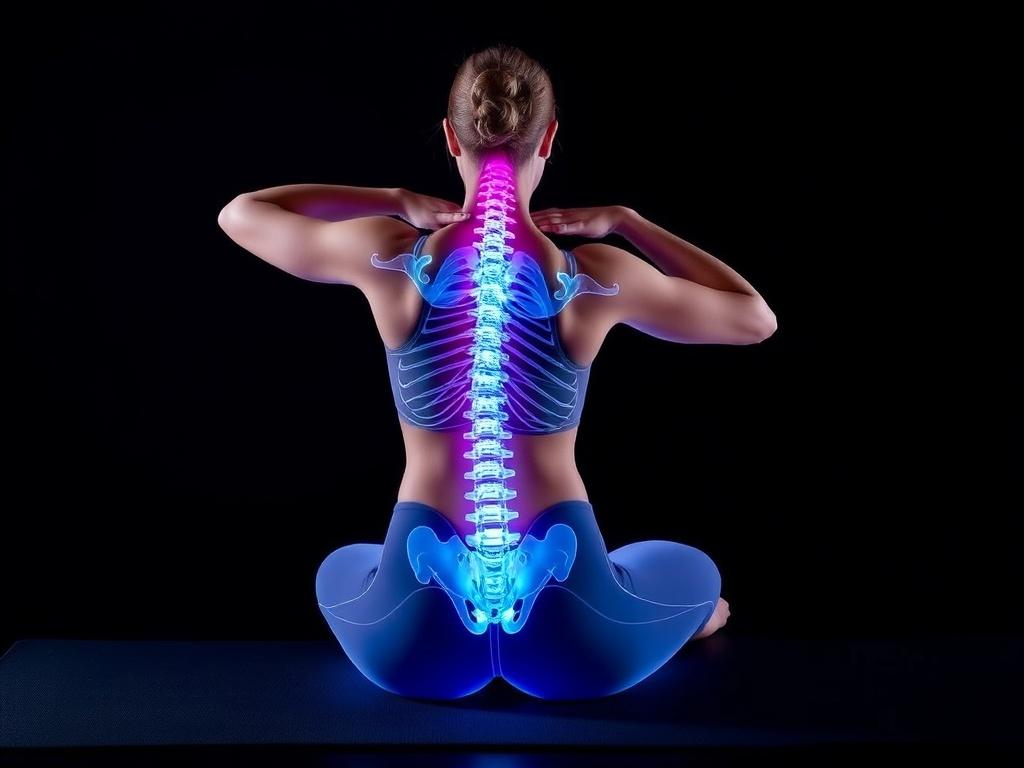
Facing a herniated disc can feel like getting sidelined from the life you know. The pain, the uncertainty, and the flood of conflicting advice make it hard to know what to do next. This article walks through the what, why, and how of exercise for people living with a spinal disc herniation, offering practical steps, clear progressions, and real-world tips you can use right away.
Understanding the problem: what a herniated disc actually means
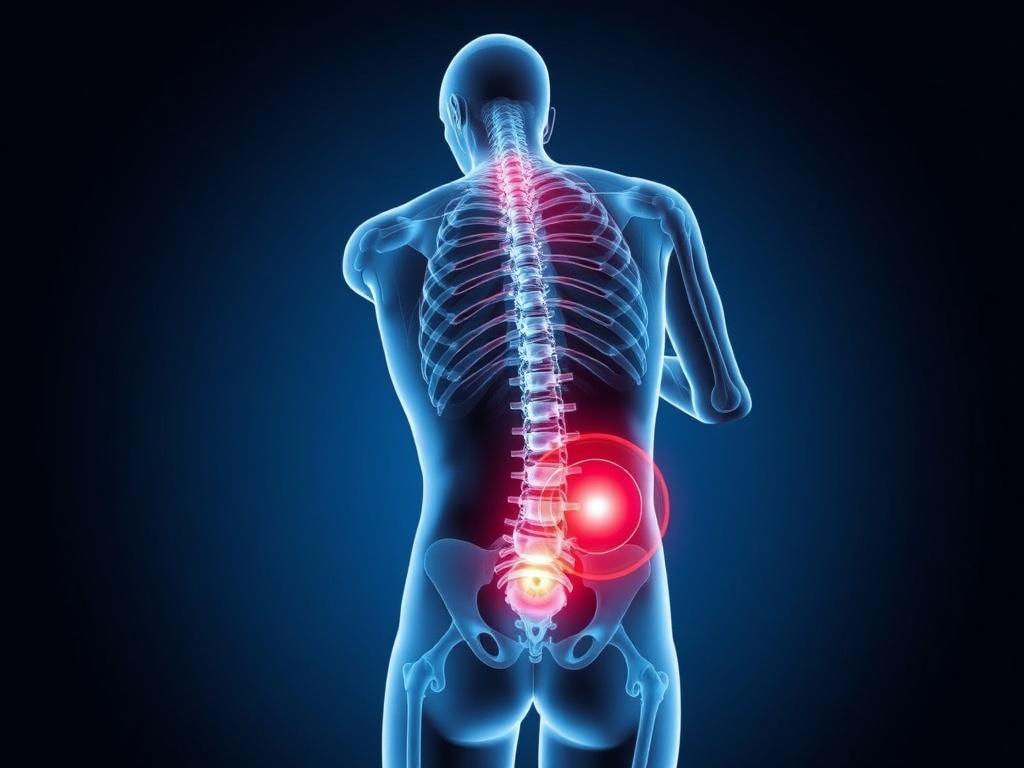
A spinal disc herniation happens when the soft nucleus inside a disc pushes through a tear or weakness in the outer layer, sometimes irritating nearby nerves. Symptoms vary widely: some people have severe radiating pain, numbness, or weakness, while others have mild localized discomfort or even no pain at all. The location of the herniation—cervical, thoracic, or lumbar—changes the symptom pattern and the kinds of exercises that are appropriate.
It’s important to remember that imaging findings alone don’t dictate treatment. MRI reports often show disc bulges in people who have no symptoms, and conversely, people with significant pain might have only subtle changes on scans. That’s why a clinical assessment—listening to your history, doing physical tests, and noting how movements affect symptoms—matters more than any single image.
Exercise isn’t a cure-all, but it is a powerful tool when used correctly. Movement helps restore function, reduces fear and avoidance, improves circulation to healing tissues, and often lessens pain by retraining the nervous system. The goal of training when a disc is involved is not to “tough it out,” but to build control, reduce aggravation, and safely increase tolerance for activity.
Why exercise matters and what it can realistically achieve
Active rehabilitation is backed by substantial clinical experience and research for many spinal conditions. Exercise can speed recovery, decrease the need for long-term pain medication, reduce disability, and lower the chance of chronic pain development. It also restores confidence—an often underestimated but crucial outcome.
Realistic expectations are essential. Not every program eliminates pain overnight, and some people need a mix of manual therapy, medications, injections, or, in rare cases, surgery. Exercise aims to improve function and reduce flare-ups, not to force anatomy back into perfect shape. Success is measured in what you can do: walking farther, sleeping better, or returning to hobbies with less fear.
Another benefit of a structured program is targeting the factors that commonly contribute to back problems: poor movement patterns, weak or underactive stabilizers, deconditioning, and prolonged static positions. When you address those with targeted training, you change the mechanical and neural environment around the injured disc.
Safety first: red flags, precautions, and when to stop
Before starting any training, check for urgent signs that require immediate medical attention. Worsening leg weakness, progressive loss of bowel or bladder control, saddle numbness, or rapidly increasing neurological deficits should trigger an emergency evaluation. These are rare but serious complications.
During exercise, use pain as a guide but not an absolute rule. Mild to moderate discomfort that improves with movement or settles quickly can be acceptable, while sharp, shooting pain down a leg, new or worsening numbness, or sustained symptom increases are signals to stop. Keep records of what flares symptoms and what improves them—this helps you and your clinician refine the program.
Work closely with clinicians when symptoms are severe, when you have other medical issues, or if you’re unsure how to interpret what’s happening. A physical therapist or physician can identify nerve tension, strength deficits, or movement patterns that need modification and can progress your plan safely.
Core principles for structuring a training program
Your program should be built around several core principles: protect, restore, progress. Start by avoiding movements and loads that clearly aggravate symptoms. Restore mobility and basic control through gentle exercises. Then progressively load the spine in controlled ways to build strength and tolerance.
Consistency beats intensity in the early stages. Short, frequent sessions are more effective and safer than long, infrequent workouts that provoke flares. Aim for multiple small practice sessions during the day—5 to 15 minutes of targeted exercises can add up and reduce pain more reliably than a single long session.
Movement variety matters. Combine mobility, stabilization, aerobic conditioning, and functional training. This reduces repetitive stress on any one structure, helps the nervous system adapt, and improves overall resilience for everyday tasks.
Types of exercises and when to use them
Not all exercises are equal for a herniated disc. Some are used primarily for pain relief, some for restoring movement, and others for strengthening and endurance. Understanding purpose helps you choose the right tool at the right time.
Directional preference exercises, often associated with the McKenzie approach, are valuable when a patient has a clear directional response—symptoms centralize (move toward the spine) or reduce with certain repeated movements. These exercises can rapidly reduce leg pain for many people with lumbar disc herniations.
Stabilization and motor control exercises target the deep muscles that support the spine: transverse abdominis, multifidus, pelvic floor, and rotators. These are the foundation of safe load transfer and should be introduced early, focusing on precise, low-load activation before moving to heavier tasks.
Strengthening exercises for larger global muscles—glutes, hamstrings, quadriceps, and back extensors—improve functional capacity and decrease load on injured segments when progressed carefully. Mobility exercises for hips and thoracic spine reduce compensations that can strain the lumbar or cervical discs.
Low-impact aerobic activity—walking, stationary cycling, water walking—supports tissue healing, reduces pain sensitivity, and improves mood. Aerobic conditioning is particularly helpful when deconditioning contributes to back pain and serves as a safe backbone to an exercise program.
Sample safe exercises with step-by-step cues
Below are a few commonly used exercises that are generally safe when introduced gradually and monitored for symptoms. These are examples, not a prescription; modify based on how your body responds and the guidance of your clinician.
Pelvic tilt: Lie on your back with knees bent and feet flat. Gently flatten your lower back to the floor by engaging your lower abs and tilting the pelvis up; hold 3–5 seconds, relax, and repeat 10–15 times. This exercise teaches basic lumbar control and reduces stiffness after long sitting.
Bird dog (quadruped opposite arm/leg reach): Start on hands and knees, neutral spine. Brace lightly through the core, extend one arm forward and the opposite leg back while keeping hips level. Hold 2–5 seconds, return to neutral, and alternate for 8–12 reps each side. Progress slowly to longer holds or added repetitions.
Glute bridge: Lie on your back with knees bent, feet hip-width apart. Press through the heels and lift your hips into a straight line from shoulders to knees while squeezing the glutes. Hold 2–3 seconds, lower, and repeat 10–15 times. This builds hip extension strength and reduces lumbar overuse.
Prone press-ups (for directional preference): Lie on your stomach with hands near your shoulders. Gently press up on your hands, allowing the lower back to extend while keeping hips on the floor. Only do this if extension improves or centralizes your symptoms; perform 8–12 repetitions, monitoring how symptoms respond.
Seated sciatic nerve and hamstring mobility: Sit on a chair and extend one leg with heel on the floor, toes up. Gently lean forward from the hips while keeping your back neutral until you feel a stretch in the back of the thigh. Hold 20–30 seconds and repeat 3 times each side. If this produces shooting leg pain, stop and seek guidance.
How to structure sets, reps, and frequency
In the early phase prioritize control and frequency rather than heavy loading. For motor control work, use low repetitions and focus on quality—8–15 repetitions or holds of 5–10 seconds with several short sessions throughout the day often work well. For strengthening, 2–3 sets of 8–15 reps per exercise is a practical starting point.
Listen to symptom response to decide whether to increase load, volume, or complexity. If symptoms stay stable or improve for 24 to 48 hours after a progression, it’s usually safe to continue. If symptoms flare for several days, reduce intensity and reassess the movements that caused the change.
As endurance improves, increase total weekly volume before jumping to maximal strength work. For example, raise the number of sessions per week or add low-resistance sets. Load progression should be slow and deliberate to build durable tolerance.
Progressions for acute, subacute, and chronic stages
Acute stage (first days to weeks): Focus on symptom control and gentle movement. Short walking bouts, directional preference movements if appropriate, and gentle activation of deep stabilizers are priorities. Rest periods are fine, but avoid prolonged immobility unless symptoms require it.
Subacute stage (weeks to a few months): Begin structured strengthening and mobility work. Introduce controlled hip and thoracic mobility drills, increase endurance of stabilizers, and add low-impact cardio sessions. The goal is to restore function for daily tasks and reduce fear-avoidance behaviors.
Chronic stage (months and beyond): Emphasize progressive loading and functional training. Return to higher-intensity activities, sport-specific drills, and lifting mechanics. Address contributing lifestyle factors such as prolonged sitting, poor sleep, and stress management to reduce recurrence risk.
Sample weekly plan (beginner/moderate)
The table below is a general example for someone in the subacute phase. Adjust intensity and exercise selection to your situation and advice from your clinician. This is a template to illustrate progression and balance across mobility, strength, and aerobic work.
| Day | Focus | Session example |
|---|---|---|
| Monday | Mobility + core | Pelvic tilts, bird dogs, gentle thoracic rotations (3×10 each) |
| Tuesday | Aerobic | 20–30 minutes brisk walking or stationary bike |
| Wednesday | Strength | Glute bridges, split-stance squats, wall slides (2–3 sets) |
| Thursday | Rest/light mobility | Short walk, gentle stretches, nerve glides as needed |
| Friday | Core endurance | Side planks (modified), dead bug, farmer carry light (progress) |
| Saturday | Functional/aerobic | 45 minutes mixed walking and light hills or swimming |
| Sunday | Recovery | Mobility foam rolling, breathing practice, light stroll |
Exercise examples to avoid or modify early on
Certain movements commonly provoke symptoms and are best avoided or carefully modified early in recovery. Heavy forward bending under load, deep loaded twisting, ballistic movements, and prolonged flexed postures can aggravate some disc conditions. That said, not everyone reacts the same way; directional preference testing helps determine what’s safe for you.
High-impact activities—running, jumping, and contact sports—should be reintroduced gradually after pain settles and control is restored. Even squatting and deadlifting can be part of rehabilitation but require careful progression, perfect technique, and often coaching to ensure safe spine mechanics.
Use regressions: replace heavy deadlifts with hip-hinge drills using light kettlebells, or swap full squats for split-stance variations until hip mobility and core control are reliable. The goal is to rebuild capacity without provoking setbacks.
Breathing, posture, and everyday movement strategies
Breathing patterns and posture are often overlooked but have a big influence on pain and function. Diaphragmatic breathing reduces unnecessary tension in the chest and neck and supports core stability during movement. Practice breathing gently into the lower ribs while keeping the belly soft during stabilization exercises.
Postural adjustments reduce cumulative load on affected segments. Simple changes—frequent standing breaks at work, adjusting chair height so hips are slightly higher than knees, and using lumbar support only when it reduces pain—can make a meaningful difference. Ergonomics should support movement rather than immobilize the spine.
Learn safe ways to lift and bend: hinge at the hips, keep the load close to your body, avoid twisting under load, and use your legs for power. Practice these mechanics with light loads until they feel automatic before returning to heavier activities.
Working with professionals: who to see and what to expect
A coordinated approach gives the best results. Physical therapists offer tailored exercise programs, manual therapy, and education on pain neuroscience. Spine-focused physicians can rule out red flags, advise on imaging and interventions, and coordinate referrals when needed.
When you meet a therapist, expect a movement-based assessment, a discussion of symptoms and goals, and a plan with clear short-term objectives. Good clinicians teach you how to self-manage and progressively challenge your body so you become less dependent on passive treatments.
Consider interdisciplinary care for persistent or complex cases. Pain psychologists, exercise physiologists, and occupational therapists can address fear-avoidance, fitness conditioning, and work-related adaptations to speed recovery and reduce relapse risk.
Real-life examples and lessons learned
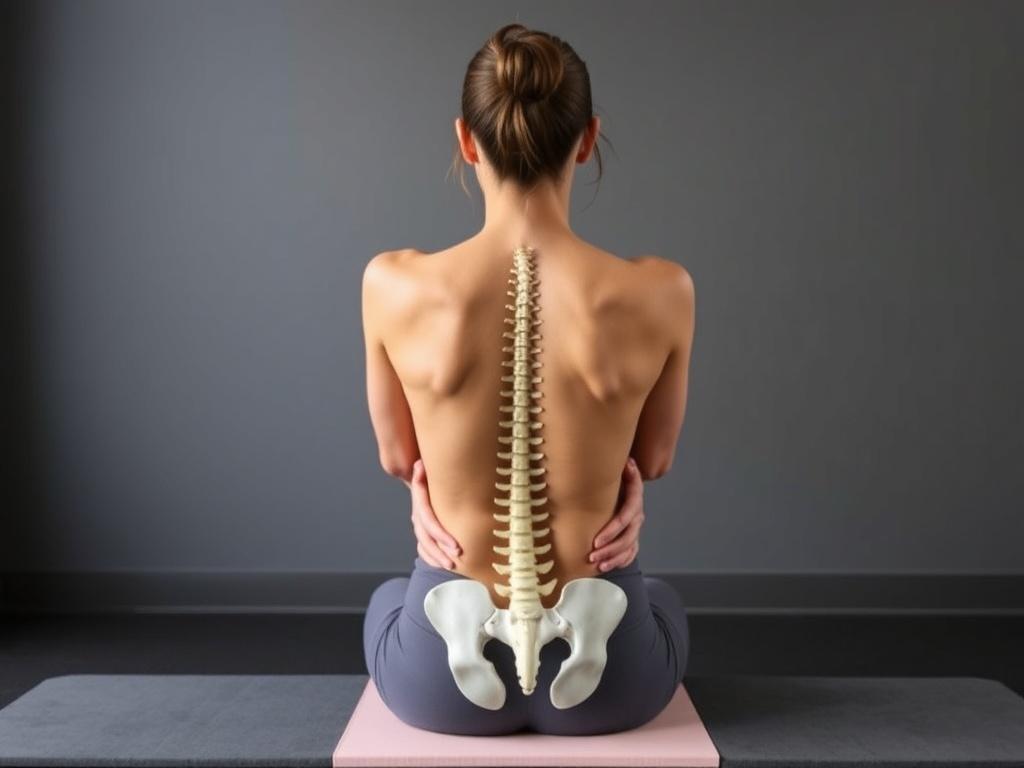
One person I worked with had a lumbar herniation that made walking painful for longer than a block. We started with five-minute walks, daily motor control exercises, and gentle hip mobility. Within three weeks she was walking 20 minutes without radiating leg pain and gradually returned to light hiking over two months. The turning point was consistent, conservative progress and patient tracking of symptom patterns.
Another acquaintance, a recreational weightlifter, thought rest was the only solution and avoided all training after a cervical herniation. That prolonged inactivity worsened neck stiffness and anxiety. With guided neck stabilization, graded return to pressing movements, and posture coaching, he regained confidence and strength without recurrence of severe symptoms. The key was small, measurable progressions and realistic expectations.
These examples emphasize two things: slow, consistent progress often works better than aggressive treatment, and tailored programs that respect individual responses to movement produce the best long-term outcomes. There’s no one-size-fits-all protocol, but there is a logical process anyone can follow.
Equipment, props, and helpful tools
You don’t need fancy gear to recover, but a few basic items make exercises safer and more effective. A firm mat, a stable chair, a light kettlebell or dumbbell, resistance bands, and a foam roller cover most needs. A Swiss ball can be useful for gentle core activation and mobility work, but use it under supervision at first if you’re unstable.
Lumbar supports, belts, or neck braces are sometimes helpful for short-term symptom relief but can promote dependency and weaken stabilizers if overused. Reserve them for acute flare-ups or when temporarily needed to return to a specific activity, and wean off as control returns.
Use a simple pain-and-activity diary or an app to log what you do and how you feel. This data-driven approach helps identify which movements are therapeutic and which provoke symptoms, enabling smarter progression and fewer setbacks.
Common myths and misunderstandings
Myth: “Bed rest cures herniated discs.” Reality: Short rest during severe pain can help, but prolonged inactivity hinders recovery. Movement promotes healing and reduces the risk of chronicity. The trick is finding safe, tolerable movement, not immobilization.
Myth: “If imaging shows a herniation, you must have surgery.” Reality: Many people with disc herniations improve without surgery. Surgery has a role in specific cases—progressive neurological deficits or intractable pain despite conservative care—but conservative rehabilitation is effective for many.
Myth: “All back pain means you have a serious structural problem.” Reality: Back pain is multifactorial. Stress, sleep, fitness, and biomechanics all play roles. Treating the person, not just the scan, leads to better outcomes.
Tips for staying motivated during recovery
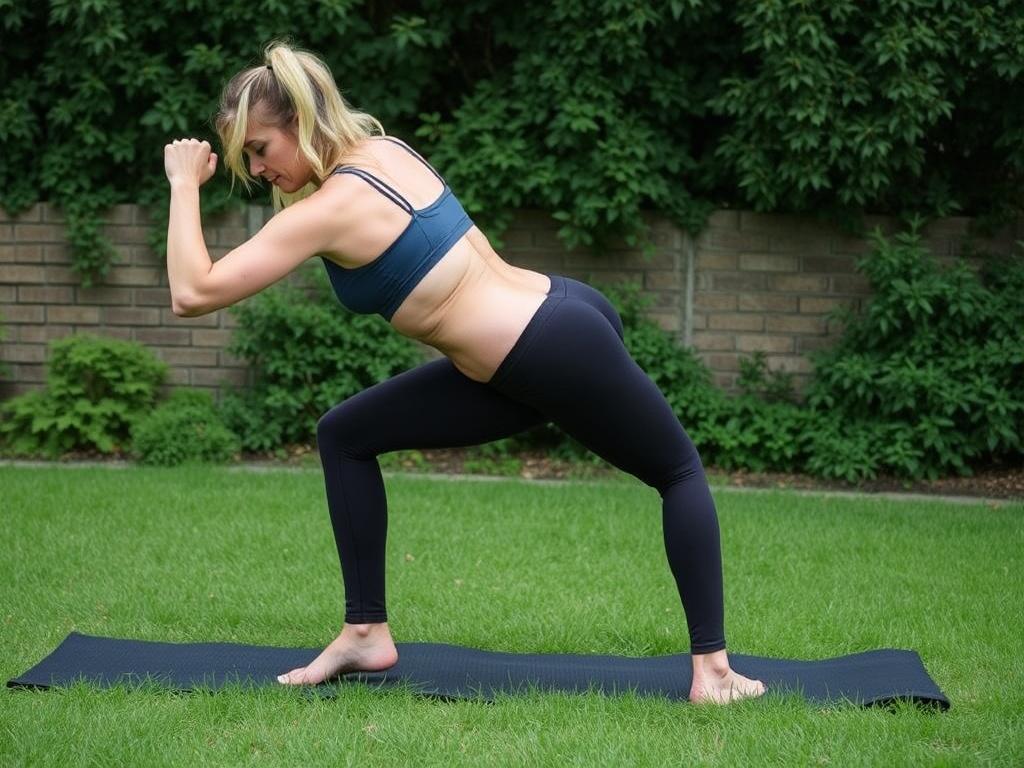
Set small, measurable goals: add five minutes more walking every week, hold a bird dog for a second longer, or complete three extra reps. Celebrate these micro-wins—the cumulative effect is what returns you to full activity. Tracking progress is a powerful motivator.
Find enjoyable low-impact activities you can sustain, like swimming, cycling, or brisk walking with friends. Social and enjoyable movement helps adherence and reduces the mental load of rehabilitation. Boredom is a fast route to skipping sessions, so keep variety in your plan.
Educate yourself moderately and avoid drowning in conflicting online advice. Reliable information from a clinician, reputable medical organizations, and trusted rehabilitation sources will save time and confusion. Use your clinician to filter the noise and tailor recommendations to your situation.
When surgery becomes a reasonable option
Surgery is not a failure of rehabilitation; it’s a strategic choice when conservative care has been exhausted or when neurological deficits require urgent action. Common indications include progressive leg weakness, loss of bowel or bladder control, or persistent intolerable pain after adequate conservative care. Discuss realistic surgical goals with your surgeon—often the aim is to relieve nerve compression and improve function rather than perfect imaging.
Pre- and post-operative rehabilitation improves outcomes. Prehab focuses on maximizing fitness and movement patterns to speed recovery, while post-op rehab gradually restores range of motion, strength, and return-to-activity. Close communication between your surgical and rehabilitation teams ensures a smooth transition.
Many people recover well after surgery, but the same principles apply: gradual loading, motor control, and functional progression. Surgery can change anatomy but not the movement habits that contributed to the problem.
Living with a herniated disc is a setback, but not a sentence. With careful assessment, a sensible training plan, and steady progress, you can rebuild strength, reduce pain, and reclaim daily activities. Small, consistent actions often make the biggest difference over time.