

Forehead lines are one of the first signs many of us notice when we look in the mirror, and wondering how to respond is normal. This article walks through why those lines form, which habits make them worse, and the realistic mix of skincare, in-office treatments, and lifestyle fixes that actually move the needle.
I’ll share what dermatologists told me, what clinical research supports, and practical routines I’ve tested on friends and clients so you can choose a plan that fits your goals and comfort level. Expect clear comparisons, safety notes, and a simple maintenance plan you can follow today.
Understanding forehead wrinkles
Forehead wrinkles are not all the same. Some lines show up when you raise your brows and disappear at rest; others sit there even when your face is relaxed.
Recognizing the difference matters because different treatments target different causes. Dynamic lines respond best to muscle-relaxing treatments, while static lines require collagen-building approaches.
Dynamic vs. static lines: what to look for
Dynamic lines appear with facial movement — think of that horizontal band when you raise your eyebrows. These are largely caused by repeated muscle contractions over time and are often reversible to a degree.
Static lines are visible at rest and indicate structural changes in skin, fat, and collagen. Once a line becomes static it usually needs regenerative or filler-type treatments to soften it sustainably.
What causes forehead lines
Multiple forces shape forehead creases: genetics, repeated expressions, sun damage, and lifestyle choices like smoking and sleep habits. Each factor contributes differently for every person.
Understanding which factors dominate in your case helps prioritize treatments and the timeline for seeing improvement.
Sun exposure and photoaging
Ultraviolet radiation breaks down collagen and elastin fibers in the skin, accelerating wrinkle formation and creating a texture that sags and creases more easily. This process, called photoaging, is a major contributor to forehead lines.
Sunscreen and sun avoidance are therefore foundational; you can’t out-procedure the damage from ongoing UV exposure. Preventing further loss of skin structure helps maintain whatever improvements you achieve with treatments.
Facial muscle activity and anatomy
The frontalis muscle lifts the eyebrows and creates horizontal lines with repeated contraction, while the glabellar complex produces vertical frown lines between the brows. Over decades, those repeated movements etch lines into the skin.
Reducing muscle activity temporarily changes how the skin rests and can allow other skin-repair strategies to work more effectively. That’s why combining approaches often yields the best results.
Lifestyle and internal factors
Smoking constricts blood vessels and accelerates collagen breakdown, while poor sleep, dehydration, and high-sugar diets compound inflammation and glycation, which stiffen and damage collagen. Hormonal changes with age also slow skin turnover and repair.
Addressing these internal contributors supports both prevention and repair. Think of lifestyle shifts as the long-term climate change fix for your skin rather than a quick renovation.
Daily skincare that actually helps
A reliable daily routine is the single most practical step you can take at home. It won’t erase deep grooves overnight, but it slows progression, softens surface lines, and enhances in-office results.
Focus on three pillars: sun protection, active ingredients that boost collagen, and consistent hydration to improve skin elasticity.
Sunscreen: the non-negotiable step
Use a broad-spectrum SPF 30 or higher every day, even when it’s cloudy. Apply it as the final step of your morning routine and reapply if you’re outdoors for extended periods.
Physical blockers containing zinc oxide or titanium dioxide are gentle and effective for sensitive skin. Sunscreen prevents future structural damage, making other interventions last longer.
Retinoids and peptides: rebuilding collagen
Topical retinoids (retinol, tretinoin, retinal) increase cell turnover and stimulate collagen production, improving fine lines and skin texture over months. Start with a low concentration and build tolerance to avoid irritation.
Peptides are smaller molecules that can signal fibroblasts to produce collagen. They don’t act as fast as retinoids but are better tolerated and pair well with vitamin C and sunscreen in a daytime routine.
Antioxidants and moisturizers
Vitamin C serums protect against free radical damage and support collagen synthesis when used in the morning under sunscreen. Moisturizers with humectants like hyaluronic acid plump the skin temporarily and smooth surface lines.
For dry or mature skin, incorporate a richer night cream or an occlusive layer to prevent water loss and support overnight repair cycles.
Topical ingredient quick reference
| Ingredient | Main benefit | Notes |
|---|---|---|
| Retinoids | Stimulate collagen, improve texture | Start low, use at night, can irritate initially |
| Vitamin C | Antioxidant, brightens, supports collagen | Use in morning under sunscreen; stable formulations preferred |
| Peptides | Signal collagen production, gentle | Best combined with hydrators; gradual results |
| Hyaluronic acid | Hydration and temporary plumping | Works well with moisturizers to lock in moisture |
| Sunscreen | Prevents photoaging | Daily use essential; reapply outdoors |
In-office treatments: what they do and when to choose them
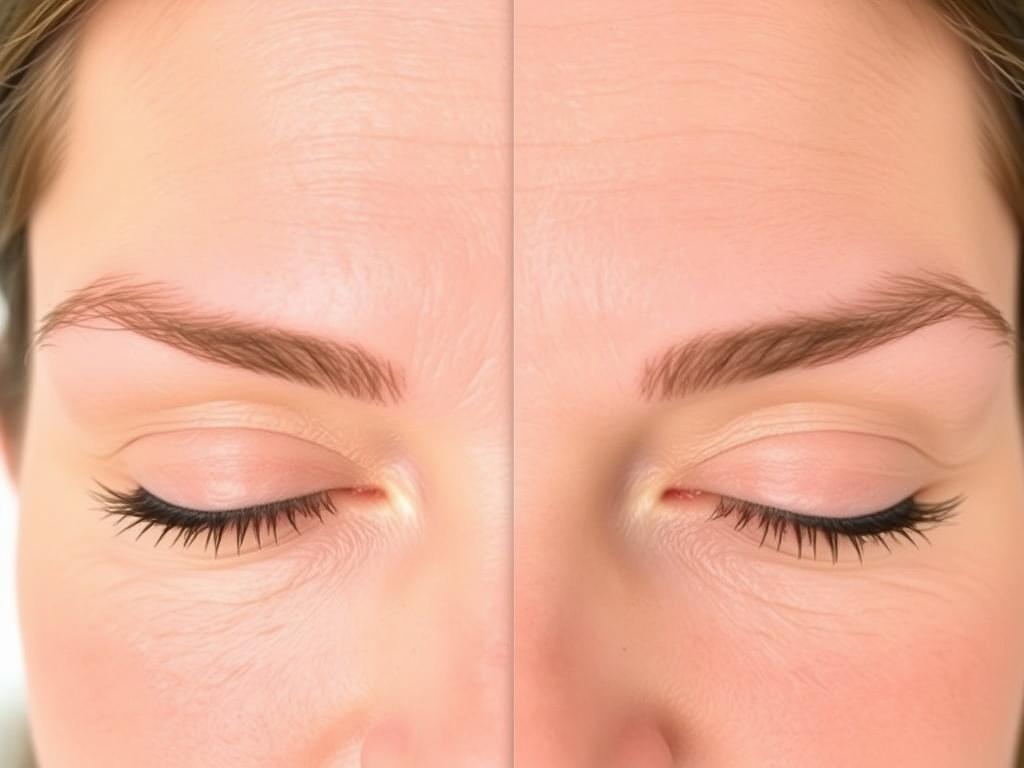
When home care plateaus, clinical procedures offer predictable, faster results. They range from injectable neuromodulators to lasers and microneedling, each with different downtime and risk profiles.
Choosing a treatment depends on whether lines are dynamic or static, your skin type, and your tolerance for downtime and cost.
Neuromodulators: Botox, Dysport, Xeomin
Neuromodulators temporarily reduce muscle activity by blocking nerve signals, softening dynamic horizontal and vertical forehead lines. Results typically appear within days and last three to six months.
The procedure is quick, often performed during a lunch break, with minimal downtime. Side effects can include temporary bruising, headache, or drooping if injections are misplaced, so credentialed injectors matter.
Many people see marked improvement in the wrinkle pattern and notice that lines remain shallower long term if treatments are repeated consistently because the skin has more time to recover between muscle contractions.
Dermal fillers for static lines
Hyaluronic acid fillers can replace lost volume and smooth deep static grooves by physically supporting the skin. They are more commonly used for lower face and nasal folds but can be effective on forehead depressions when placed by experienced injectors.
Fillers give immediate results that usually last from six months to two years, depending on product and placement. Risks include lumpiness, asymmetry, and — rarely — vascular occlusion, which is why experience and anatomical knowledge are essential.
Laser resurfacing and IPL
Ablative lasers (like CO2) remove layers of skin and stimulate intense collagen remodeling, producing dramatic improvements but requiring significant downtime and careful aftercare. Non-ablative lasers and IPL are gentler, with less downtime but more gradual results.
Lasers address texture, pigmentation, and superficial lines by prompting controlled injury and subsequent repair. They are powerful tools but require sun avoidance before and after treatment to minimize complications.
Microneedling and PRP
Microneedling creates tiny punctures that trigger the skin’s repair mechanisms and stimulate collagen. When combined with platelet-rich plasma (PRP), which supplies growth factors, the results can be amplified for improved texture and shallow lines.
Microneedling has moderate downtime — redness and mild swelling for a few days — but is generally safe across skin types when performed properly. Multiple sessions spaced weeks apart produce the best outcome.
Chemical peels
Chemical peels use acids to remove damaged surface skin, promoting regeneration and smoother texture. Superficial peels are low-risk and helpful for fine lines, while medium-depth peels require downtime and careful post-care.
A peel’s strength should match the severity of the lines and the patient’s skin type to avoid pigmentation problems, particularly in darker skin tones.
At-home devices and DIY options
Consumer devices have improved; home microneedling pens, LED arrays, and microcurrent tools can complement in-office care. They offer small gains but are not true substitutes for clinical treatments when deep lines are present.
Safety and realistic expectations are key. Improper at-home microneedling, for example, can introduce infection or scarring if hygiene and technique are poor.
What to consider before buying a device
Look for clinical evidence, FDA clearance for the intended use, and clear instructions. Devices that deliver light therapy or very shallow microneedling depths are typically safer for unsupervised home use.
Consistency matters more than intensity for home devices. Using a safe tool regularly and combining it with effective topicals can produce noticeable but modest improvements over months.
Facial exercises and massage: helpful or hype?
Facial exercises are controversial. Some studies suggest that targeted exercises may increase muscle tone and improve facial fullness, potentially smoothing shallow lines, while others warn that repetitive movements could deepen expression lines.
If you try exercises, focus on gentle techniques and pair them with relaxation practices to avoid overworking the muscles that produce the wrinkles you want to reduce.
Techniques to try
Facial massage to increase circulation and lymphatic drainage is low-risk and can improve skin appearance temporarily. Gentle upward strokes and tapping with clean hands or a tool like a gua sha stone can help with product absorption and relaxation.
For exercises, target areas of volume loss rather than repetitive eyebrow-raising. Stop any movement that causes discomfort or seems to accentuate the very lines you’re trying to reduce.
Lifestyle changes that support smoother skin
Plastic changes in your daily habits often have the biggest long-term payoff. Sun protection, quitting smoking, and improving sleep quality slow further damage and improve the resilience of treated skin.
Diet and hydration also matter; nutrients like vitamin C, protein, and omega-3 fatty acids support collagen synthesis and skin health from the inside out.
Simple daily switches
- Wear sunscreen daily and a hat in strong sun.
- Stop smoking and limit alcohol, which dehydrates and contributes to aging.
- Sleep on your back or use a silk pillowcase to reduce friction and creasing during sleep.
These actions are inexpensive and directly support the results of topical and in-office treatments. They also improve overall health, which shows up on the skin.
Makeup and camouflage tricks
If you want immediate visual softening without procedures, makeup techniques can minimize the appearance of forehead lines for hours. The right primer and application approach make a meaningful difference in photos and daily life.
Focus on smoothing and light-reflecting products rather than heavy concealers that can settle into lines and make them look worse.
Primer and finish tips
Silicone-based primers fill in shallow crevices and create a smoother surface for foundation. Apply sparingly and pat rather than rub to avoid accentuating grooves.
Use a lightweight, dewy foundation and avoid matte powders in the center of the forehead. A subtle highlight above the line can also distract the eye and create the illusion of smoother skin.
Combining treatments and setting realistic expectations
Most effective plans combine approaches: daily sunscreen and retinoid care plus occasional neuromodulator treatments and periodic resurfacing or microneedling. Each method addresses a different layer of the problem.
Expect incremental improvements rather than instant perfection. A reasonable timetable is weeks to months for topical treatments and a few weeks to a few months for combined in-office procedures to show their full effects.
Typical timelines and maintenance
Topicals like retinoids take three to six months to show significant change. Neuromodulators demonstrate full effect in two weeks and last three to six months, requiring regular touch-ups to maintain muscle relaxation.
Collagen-stimulating procedures may produce changes that continue to improve for six to twelve months after treatment. Maintenance sessions, sun care, and a consistent at-home routine preserve those gains.
Choosing a provider and safety considerations
When electing procedures, select a board-certified dermatologist or plastic surgeon with experience in facial anatomy. Proper technique reduces the chance of complications and produces more natural, balanced results.
Ask to see before-and-after photos of patients with similar concerns and request a clear explanation of risks, recovery time, and costs. Trust your instincts about the provider’s communication style and transparency.
Questions to ask during your consultation
What is the specific cause of my forehead lines? What are the recommended treatment options and their timelines? What risks should I expect, and how will side effects be managed?
Also ask about contingency plans, such as hyaluronidase for filler issues, or how complications from neuromodulators are handled. A responsible provider will welcome these questions and explain them plainly.
Cost considerations and budgeting for results
Costs vary widely depending on geography, provider, and the specific treatments chosen. Neuromodulator injections in the United States commonly range from a few hundred to over a thousand dollars per session, while lasers and deeper resurfacing run higher and may require multiple visits.
Budgeting for maintenance is important; many effective treatments are not one-time fixes. Plan for ongoing sunscreen, topicals, and periodic professional work to maintain improvements.
Typical cost ranges (approximate)
| Treatment | Typical cost range | Notes |
|---|---|---|
| Neuromodulator (Botox/Dysport) | $200–$800 per session | Depends on units used and provider |
| Hyaluronic filler | $600–$1,500+ per syringe | Depending on product and amount |
| Microneedling | $200–$700 per session | Often requires 3 sessions |
| Laser resurfacing | $1,000–$5,000+ | Ablative lasers cost more, with longer downtime |
| Chemical peel | $150–$1,500 | Depth determines price and downtime |
Common myths and mistakes

There are plenty of myths: that one cream can erase deep lines, or that very aggressive at-home treatments are as effective as clinical procedures. These misunderstandings lead to wasted money and, sometimes, harm.
Avoid routine over-exfoliation, mixing active ingredients without guidance, and picking aggressive treatments based on a single Instagram post. Incremental, evidence-based steps are safer and usually more effective.
Personal experience and real-life examples
In conversations with dermatologists and people I know who’ve addressed forehead lines, the most common successful approach was combination care: consistent sunscreen and retinoid use paired with targeted neuromodulator injections and occasional microneedling or laser work.
One friend reduced prominent horizontal bands by committing to daily SPF and retinol for six months, then adding Botox to relax the frontal muscle. Over a year she needed fewer toxin units as the lines softened and the skin recovered.
I’ve also seen rapid improvements from ablative lasers in people willing to accept downtime, but those cases required excellent pre- and post-care and strict sun avoidance to prevent uneven pigmentation afterward. Each story highlights that matching procedure intensity to lifestyle and risk tolerance yields the best satisfaction.
Practical routine: a simple plan to start today
Below is a straightforward routine that balances prevention and repair. It’s built to be realistic and sustainable while delivering measurable results over time.
- Morning: gentle cleanser, vitamin C serum, moisturizer with hyaluronic acid, broad-spectrum sunscreen SPF 30+.
- Evening: gentle cleanser, retinoid (start 2–3 times per week and increase), peptide serum, richer moisturizer as needed.
- Weekly: gentle exfoliation or a superficial peel (only if your skin tolerates it) and a hydrating mask.
- Monthly or quarterly: consult your provider about neuromodulator maintenance, microneedling sessions, or targeted peels/lasers based on progress.
Track your routine with photos in consistent lighting every four to six weeks. Small, steady improvements are easier to see that way and help you weigh the value of adding clinical treatments.
When to consult a professional

If your lines are deep, asymmetrical, or accompanied by skin changes like sudden texture shifts or discoloration, make an appointment with a dermatologist. Early assessment catches treatable conditions and helps you set appropriate expectations.
Also consult a pro before starting injectables or lasers. A qualified clinician will explain options, tailor procedures to your anatomy, and give you a realistic timeline for results and recovery.
Addressing forehead lines is a combination of prevention, targeted treatment, and realistic maintenance. There is no single magic product that will erase deep wrinkles overnight, but with the right mix of sun care, evidence-based topicals, and selective in-office procedures you can significantly soften lines and maintain that improvement over time.
Choose approaches that fit your goals, ask questions, and prioritize safety. With patience and a thoughtful plan, smoothing forehead lines is an achievable, lasting outcome.