
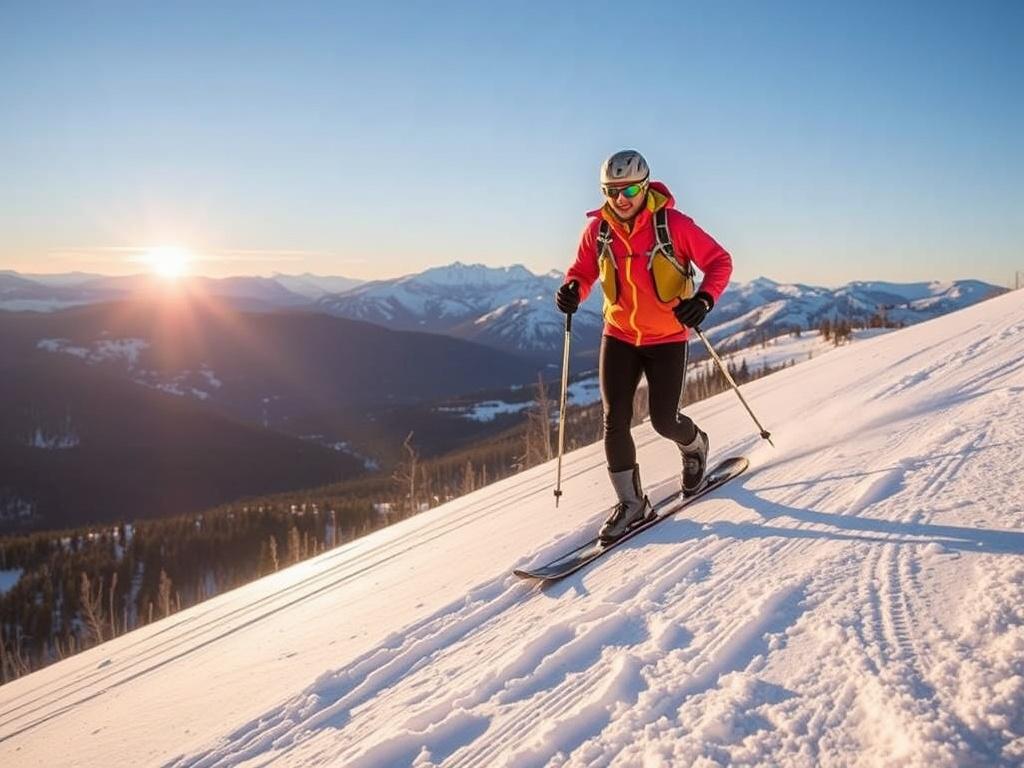
Choosing skis feels like a small, technical chore until you stand on the snow and realize the gear has the power to make the sport joyful or frustrating. In this guide I’ll walk you through the practical decisions—length, flex, bindings, and purpose—so you can stop guessing and start gliding. If you searched for Как подобрать лыжи для бега, this article translates that question into clear, actionable steps for buying the right skis.
Why the right skis change everything
A ski that matches your weight, technique, and the terrain will improve balance, reduce fatigue, and make learning smoother. The wrong ski feels heavy, drags through the kick phase, or throws you off rhythm; these are the subtle differences that turn a fun outing into an uphill battle. Investing time to match skis to your needs pays off in faster progress and more satisfying sessions on the trail.
Think of skis as an extension of your body. The right one responds predictably when you shift weight, kick, or lean; the wrong one hides your effort or responds inconsistently. Learning on appropriate equipment also reduces the risk of developing bad habits that are harder to correct later.
Classic or skate: start with your technique
Cross-country skiing splits into two primary techniques: classic and skate. Classic skiing uses a straight-tracked stride and an alternating kick-and-glide motion; skate skiing looks more like ice skating with a side-to-side push. Each technique demands different ski characteristics, so the first decision is which style you’ll use most often.
Classic skis are longer and designed for a good kick zone, while skate skis are shorter, stiffer, and built for lateral power and smooth gliding. If you plan to alternate between styles, most skiers eventually purchase one pair optimized for their primary technique and rent or borrow the other. Choosing correctly saves money and prevents frustration when you hit the groomed track.
Basic ski anatomy you need to understand
Before you buy, get familiar with a few terms: camber, flex, base, and sidecut. Camber refers to the ski’s arch when unweighted; it determines how the ski distributes your weight between the tip, middle, and tail. Flex is how easily the ski compresses under your weight, crucial for generating kick and maintaining glide.
The base material affects glide speed and waxability—sintered bases skate faster but cost more and require more care, while extruded bases are durable and easier for casual skiers. Sidecut describes the ski’s hourglass shape and influences turning behavior; it’s more critical in downhill skis than cross-country ones, but still worth noting for stability at speed.
How camber and kick zones work
Ski camber creates a contact pattern where the middle section lifts slightly when the ski is unweighted. When you stand and flex the ski, the camber flattens and distributes pressure to the kick zone for classic skis, or keeps the contact point optimized for skating motion. Proper camber ensures the grip zone only contacts snow under your body weight and releases cleanly during glide.
If camber is too low for your weight, the kick zone may touch the snow constantly and resist glide. If camber is too high, you won’t get sufficient grip during the kick phase, and you may slip on uphills. Testing camber with boots or by compressing the ski profile gives you a practical feel for compatibility.
Length guidelines: why numbers matter
Ski length influences glide, stability, and control. Longer skis offer better glide and tracking but can be harder to maneuver for beginners; shorter skis are more responsive and easier to control but sacrifice some glide. For classic skiing, length is typically around 20–30 centimeters taller than your height, while skate skis run shorter—about 5–10 centimeters taller than your height.
Those are starting rules. Your weight, skill level, and ski stiffness alter the ideal length. A heavier or more powerful skier needs a longer ski to achieve proper camber and contact; a lighter or beginner skier often benefits from a slightly shorter ski for easier balance and quicker control.
Length recommendation table (starting point)
Below is a practical table to get you in the right ballpark. These are general suggestions for recreational skiers and should be adjusted based on binding position, boot weight, and personal feel.
| Technique | Skier weight (lb) | Recommended length (cm) |
|---|---|---|
| Classic (beginner) | Under 132 | 175–185 |
| Classic (beginner) | 132–165 | 185–195 |
| Classic (intermediate/advanced) | 132–165 | 190–200 |
| Classic | Over 165 | 195–210 |
| Skate | Under 132 | 165–175 |
| Skate | 132–165 | 170–180 |
| Skate | Over 165 | 175–185 |
Use this table as a practical starting point, not a hard rule. Different brands and models vary, and demoing skis remains the best way to fine-tune length choices. Store staff or a coach can help adjust recommended lengths within a few centimeters based on your posture and skiing goals.
Weight and flex: the interplay that defines performance
Flex patterns are tuned to skier weight and skill. Manufacturers provide flex charts for each ski model—these show which skier weight will compress the camber properly for a clean kick and reliable glide. A ski too stiff for your weight won’t compress enough; one too soft will collapse prematurely and slow you down.
When possible, test the kick with a binding and boot or ask the retailer to simulate your weight. Stand in boots over the ski and flex your knee as if pushing off; you want the kick zone to engage smoothly without feeling stuck or overly soft. This tactile check complements the numbers on the label.
Waxable versus waxless (skin) skis
Classic skis come in two main options for grip: waxable bases or waxless systems. Waxable skis use a textured kick zone and specific klister or grip wax formulas to match snow temperature and humidity. They require skill and waxing tools but deliver the best performance when tuned correctly.
Waxless skis, often called fish-scale or skin skis, have patterned bases or embedded mohair/synthetic strips that provide grip without wax. They’re low-maintenance, reliable in mixed conditions, and excellent for recreational skiers and variable spring snow. For beginners, waxless skis remove a significant barrier to entry.
Skate skis: stiffness and base matter most
Skate skis prioritize lateral stiffness and fast bases. A correctly sized skate ski needs to be stiff enough to handle vigorous side pushes without bending under load, preserving energy transfer into forward motion. Glide performance is largely determined by base material and the wax applied for temperature-specific conditions.
If you skate frequently, choose sintered bases and higher-grade materials; they pay off with speed and durability. For occasional skaters, a good mid-range skate ski offers a reasonable compromise: adequate stiffness, decent glide, and less demanding maintenance.
Bindings: compatibility and how to choose
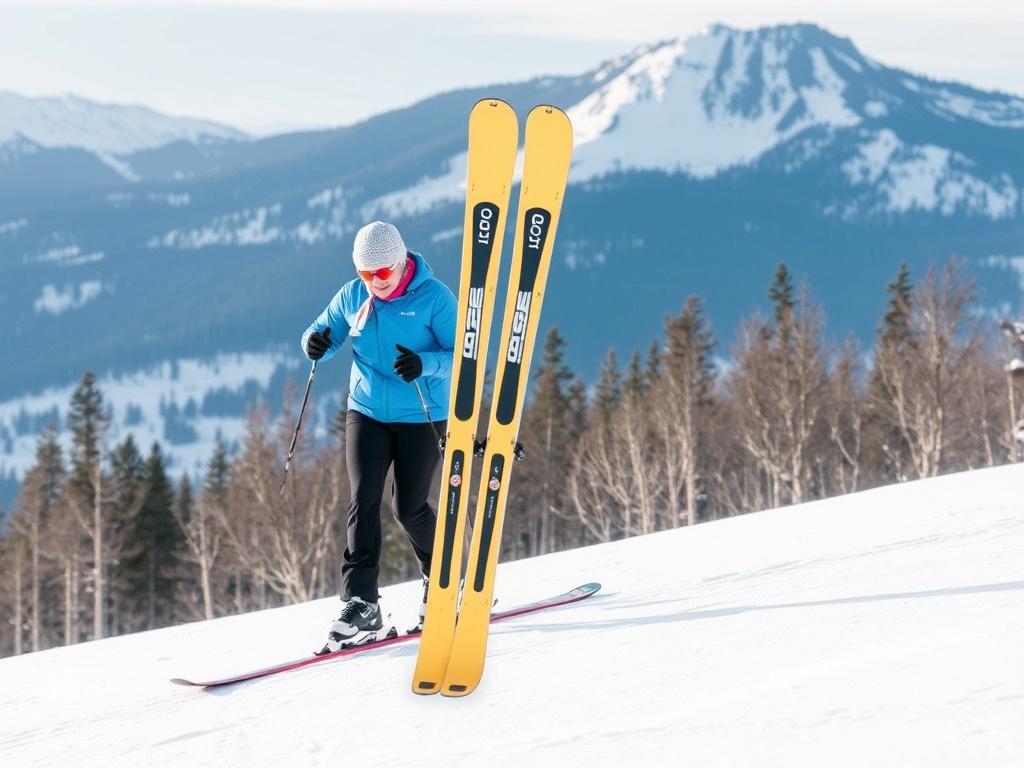
Bindings connect skis to boots and come in several systems—NNN (New Nordic Norm), SNS (Salomon Nordic System), and classic 75mm three-pin among others. Binding choice is dictated by boot compatibility, so check the boot-binding system before buying. Most modern recreational setups use NNN or SNS profiles and are easy to find.
Pay attention to the mounting plate and whether bindings are adjustable. Some touring or rental bindings offer adjustable tracks to accommodate a range of boot sizes; race bindings are lightweight but fixed. Correct binding placement affects balance and kick performance, so have bindings mounted professionally if possible.
Boots: the overlooked partner
Boots influence comfort, control, and the ability to transmit power. For classic skiing, look for a flexible sole and secure heel that allows for natural ankle flexing during the kick. Skate boots are stiffer with higher ankle support to transfer lateral forces effectively during powerful strides.
Fit is paramount: tight at the heel, snug around the midfoot, and comfortable in the toes. Try boots with the socks you’ll wear skiing and spend time flexing and walking. If you get blisters or numbness during short fit trials, they will worsen on the trail.
Choosing by use: racing, fitness, backcountry, or classic touring
Decide how you will use the skis most often. Race skis prioritize low weight and maximum glide, requiring skilled waxing and precise tuning. Fitness or recreational skis aim for stability and durability for longer outings and mixed snow. Touring skis are wider with features for off-track snow and are often used with more rugged bindings.
If you split your time between groomed tracks and light off-trail work, a versatile touring-classic ski might be the best compromise. Prioritizing one use lets you choose a model that will excel in the conditions you encounter most often, making your outings more satisfying.
Testing skis: what to look for on the snow
Demoing or renting different skis before buying is the single most effective step you can take. Pay attention to balance, how the ski initiates turns, and whether the kick zone grips without sticky friction. Test on a trail similar to what you plan to ski most—soft spring snow behaves differently than hard, cold snow.
Ask yourself: does the ski hold an edge on icy patches; is the glide even and predictable; does the ski return energy smoothly on the kick? If something feels off, try a different length or flex rating. Small differences can feel dramatic once you’re moving.
Step-by-step process to choose the right skis
Follow a clear sequence so you don’t overlook important factors. Start by deciding your primary technique and terrain, measure weight accurately, test a range of lengths, confirm boot-binding compatibility, and demo skis if possible. This method reduces reliance on guesswork and helps you compare options objectively.
- Decide primary technique: classic or skate.
- Weigh yourself in ski clothes and note your typical gear weight.
- Use manufacturer flex charts to narrow lengths by weight and skill.
- Try boots and bindings together to ensure fit and compatibility.
- Demo target skis on real snow, noting kick, glide, and stability.
Each step builds on the previous one. Skipping measurement or demoing increases the chance of ending up with a less-suitable pair, which is why many seasoned skiers insist on trying before buying, especially for higher-end models.
Budgeting: where to save and where to invest
Decide which components deserve your budget based on frequency and goals. If you ski several times a week or compete, investing in higher-quality skis and boots yields measurable performance. Casual skiers can save by buying solid mid-range skis and a reliable waxless classic pair for low-maintenance outings.
Bindings and boots are worth prioritizing—poor boots ruin a good ski faster than the other way around. Consider buying skis used to save money but buy new boots to ensure fit and hygiene. Professional mounting is a modest extra cost that prevents poor binding placement and early disappointment.
Buying used: tips to avoid pitfalls
Used skis can be a great value, but inspect them carefully. Look for deep gouges, exposed core, or delamination; those are signs of heavy damage that are expensive or impossible to fully repair. Shallow scratches and base wear are normal and usually fixable with a hot wax and stone grind.
Check the camber and feel for consistent flex across both skis; mismatched pairs happen. Ask the seller about typical conditions they used the skis in and why they’re selling—this context helps you judge remaining life and suitability. When in doubt, compare the used pair to a similar new model to evaluate wear.
Common mistakes people make
One frequent error is choosing length solely by height without considering weight or skill. Another is buying an inexpensive waxable classic ski without planning to learn waxing; performance will disappoint if the kick wax is wrong for the conditions. Lastly, buying boots that look good but don’t fit leads to immediate discomfort on the first longer outing.
Avoid impulse purchases after a single demo if you felt okay but not great—small differences in flex, length, or binding position can change everything. If you’re buying for a child, remember they grow quickly; adjustable binding systems or a slightly longer ski with a softer flex can extend life without sacrificing safety.
Ski maintenance basics everyone should know
Regular waxing keeps bases fast and protected; sintered bases especially benefit from frequent hot waxing. For classic skis, maintain the kick zone according to the base type—waxable skis need appropriate grip wax, while waxless skis need base cleaning and occasional stone grinding to refresh the pattern. Simple maintenance extends ski life and improves daily performance.
Store skis in a cool, dry place away from direct sunlight and heat sources. After a season, apply a storage wax layer to protect the base and edges, and remove this wax before your first outing of the next season. Periodically inspect edges for rust and treat them with a light abrasive or an edge tool if necessary.
Waxing basics for improved glide and grip
Waxing is both art and science: temperature-specific glide waxes and grip waxes exist for precise conditions, and labs publish temperature ranges to guide selection. For recreational skiers, a few general-purpose waxes cover most conditions, while racers maintain a diverse wax kit and often adjust between laps. Learning simple waxing routines will dramatically improve your experience on the trail.
For classic waxable skis, mastering the kick wax application and testing in short intervals helps you dial in correct grip. For skate skis, frequent cleaning and hot waxing of the glide zones maintain speed and prevent base drying. Many resorts or local clubs offer waxing clinics if you prefer hands-on guidance rather than trial and error.
Bindings mounting: professional vs DIY
Proper binding placement changes ski balance and performance. Many ski shops mount bindings for a small fee and can place them to manufacturer recommendations or adjust them based on your skiing style. Professionals also use jigs and precision drills that avoid damaging the ski core; unless you have experience, professional mounting is the safer route.
If you do mount bindings yourself, follow the boot sole length and marking precisely and use a depth stop to avoid drilling too deep. Seal the holes with epoxy or manufacturer-recommended filler to prevent moisture ingress. Still, remember that a poor mount can ruin a pair of nice skis in short order, so weigh the cost versus the risk carefully.
When to go to a specialty shop or coach
If you plan to enter races, pursue fast times, or ski a lot on variable groomed tracks, a specialty shop or coach can steer you to models that fit your power and technique. They offer tuned demos, waxing advice, and the nuanced fit adjustments that matter at higher levels. Even for recreational skiers, a short session with an experienced fitter saves time and ensures your first pair encourages progress.
Coaches and clubs often provide group demos and seasonal swap fairs where you can trial several models under guided observation. Coaches can also help refine your technique so you choose equipment that complements your movement rather than compensates for limitations.
Personal example: how I found my ideal skis
When I first took up classic skiing, I bought a mid-range waxable pair based only on my height and a helpful salesperson’s suggestion. On my first uphill turns I slipped repeatedly because I hadn’t considered my lower-than-average body weight, and the camber was too high. That season taught me to weigh myself realistically, test camber under boots, and try a waxless option for mixed conditions.
After switching to a slightly shorter ski with a softer flex and a waxless kick zone, my confidence on climbs improved overnight. I also invested in a pair of skate skis later and noticed how different the footwork felt—choosing by technique mattered more than any single brand or color. Those experiences shaped my approach: measure, test, and prioritize fit over looks.
Accessories that matter: poles, skins, and traction aids
Pole length and stiffness affect your propulsion and posture. For classic skiing, poles should reach roughly to your armpit when standing in boots; for skate, about chin to nose level. Correct pole length helps timing and reduces strain on the shoulders and back during longer efforts.
Skins (for backcountry touring) and traction aids like mini crampons or skin inserts become essential if you ski in ungroomed or icy conditions. If you travel to variable climates, a small waxing kit, spare screws, and a multi-tool are practical additions that keep a day on the trails uninterrupted.
Choosing skis for children and beginners
Kids benefit from shorter, softer skis that prioritize control over glide; they also outgrow gear quickly, so adjustable bindings or lower-cost options make sense. For beginners of any age, waxless classic skis minimize frustration and allow focus on balance and technique. Group lessons at the outset significantly flatten the learning curve and help determine what equipment will support progress.
When fitting children’s boots, leave a thumb’s width of room beyond the longest toe for seasonal growth, but ensure the heel stays secure. For teens moving into competitive skiing, stepping up to more performance-oriented skis should happen when technique is consistent and the skier knows which events or styles they prefer.
Environmental and ethical considerations
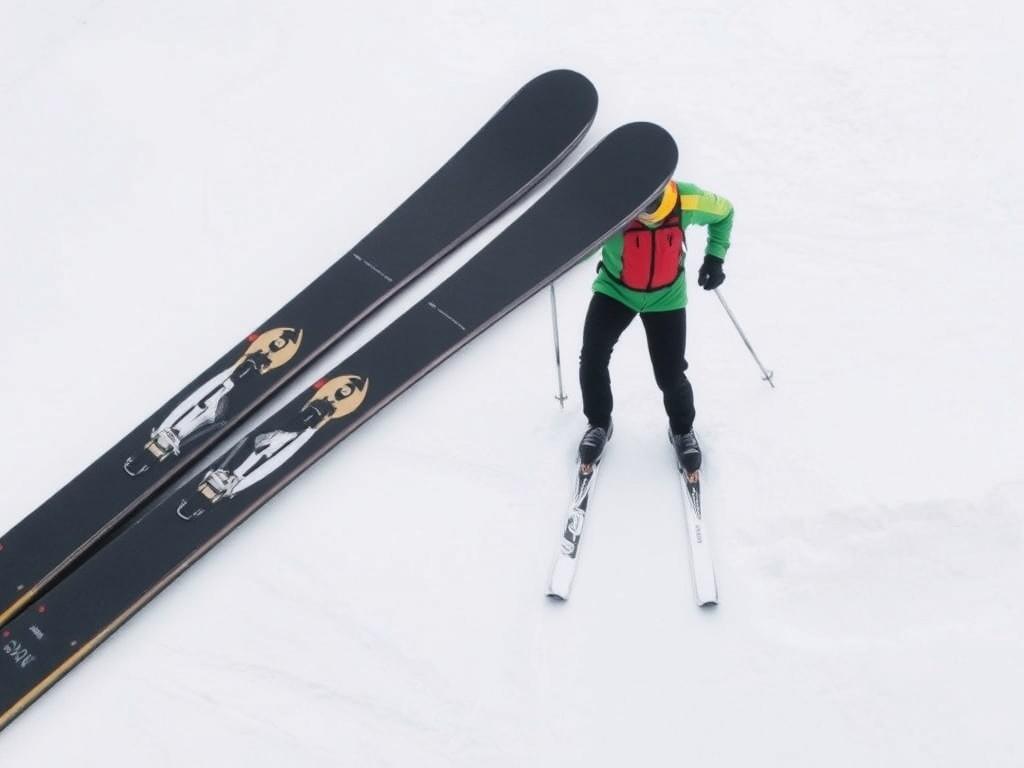
Manufacturers are increasingly using recycled materials and more environmentally friendly bases and glues. If sustainability matters to you, ask about the materials, the company’s recycling programs, and repairability when choosing a brand. Choosing longer-lasting gear and getting used skis repaired or traded in reduces environmental impact compared with frequent replacement.
Wax choices also carry environmental weight—some solvent-based waxes are more harmful than others. Look for fluorine-free options and follow local disposal rules for any leftover solvents or rags. Small changes in how you maintain gear add up over seasons.
Final practical checklist before you buy
Before committing, run through a quick checklist: confirm technique and terrain, weigh yourself with gear, test camber and boot fit, demo skis if possible, verify binding compatibility, and set a realistic budget. If buying used, inspect bases and camber carefully. This systematic approach prevents impulse purchases and ensures you end up with skis that reward your time on the snow.
Remember that the best ski is the one you will use. Performance matters, but so does comfort, ease of maintenance, and alignment with the time you plan to spend on trails. With careful choices, your skis will be a partner that encourages regular outings, steady improvement, and more days where the trail feels effortless.