
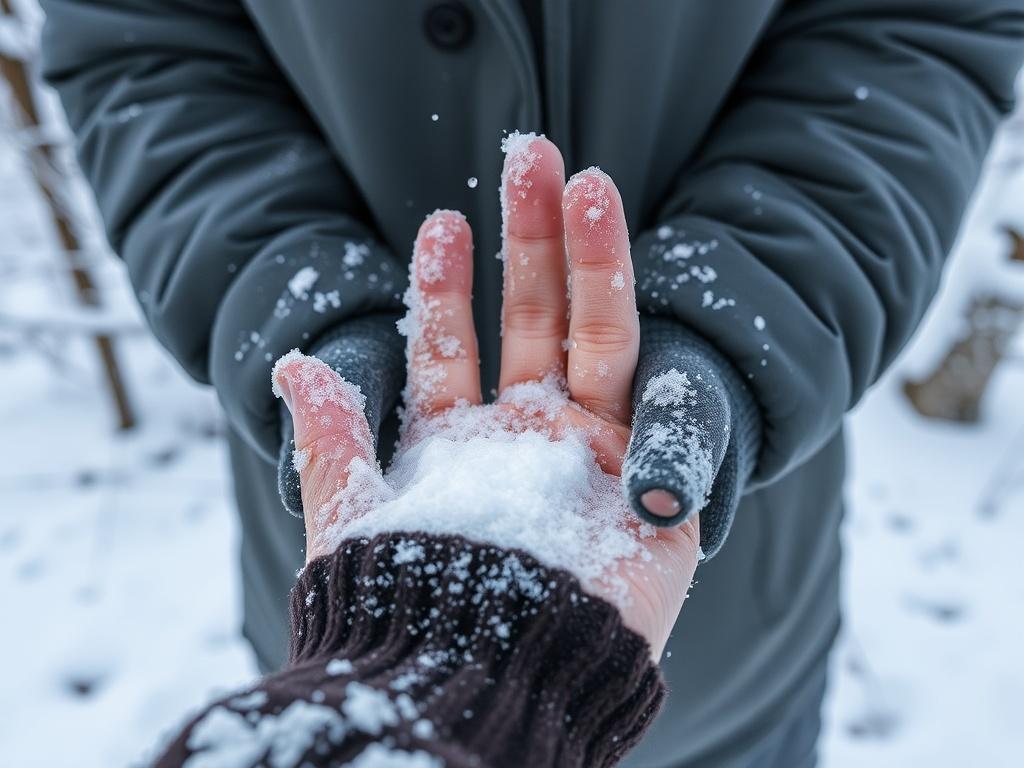
Winter asks a lot of our hands: cold air, hot indoor heaters, frequent handwashing and abrasive fabrics all work together to strip moisture and leave skin tight, cracked, and sore.
This article explores practical, research-backed ways to protect and repair skin during the cold months, mixing simple daily habits with targeted treatments that make a noticeable difference.
Why hands change in winter
Hands are exposed, thin-skinned, and used constantly, which makes them especially vulnerable to seasonal shifts in humidity and temperature.
Low outdoor humidity and heated indoor air both draw water from the skin, while repeated washing and hand sanitizers can remove the protective lipids that keep moisture locked in.
Combine that with friction from clothing and cold-induced blood vessel constriction, and you get dry, inflamed skin that’s more likely to crack or develop eczema.
Understanding the skin barrier on your hands
The outermost layer of skin, the stratum corneum, acts as a barrier to water loss and environmental irritants; when it’s damaged, symptoms appear quickly on hands because they’re so active.
Lipids, natural moisturizing factors, and corneocytes create a flexible seal; frequent washing and harsh soaps remove lipids and dissolve natural moisturizing factors, weakening that seal.
Knowing this helps explain why simply applying water-based lotions isn’t always enough—what you need are products and routines that restore lipids and seal moisture.
Common places for damage and why they matter
Knuckles, fingertips, and the backs of the hands are common trouble spots because they bend and stretch repeatedly, breaking the barrier more easily.
Cuticles and the skin around nails also suffer; when the barrier there is compromised, infections and painful hangnails become more likely.
Targeting these high-stress areas with occlusive treatments and protective routines gives faster relief than treating the whole hand uniformly.
Daily routine for winter hand care
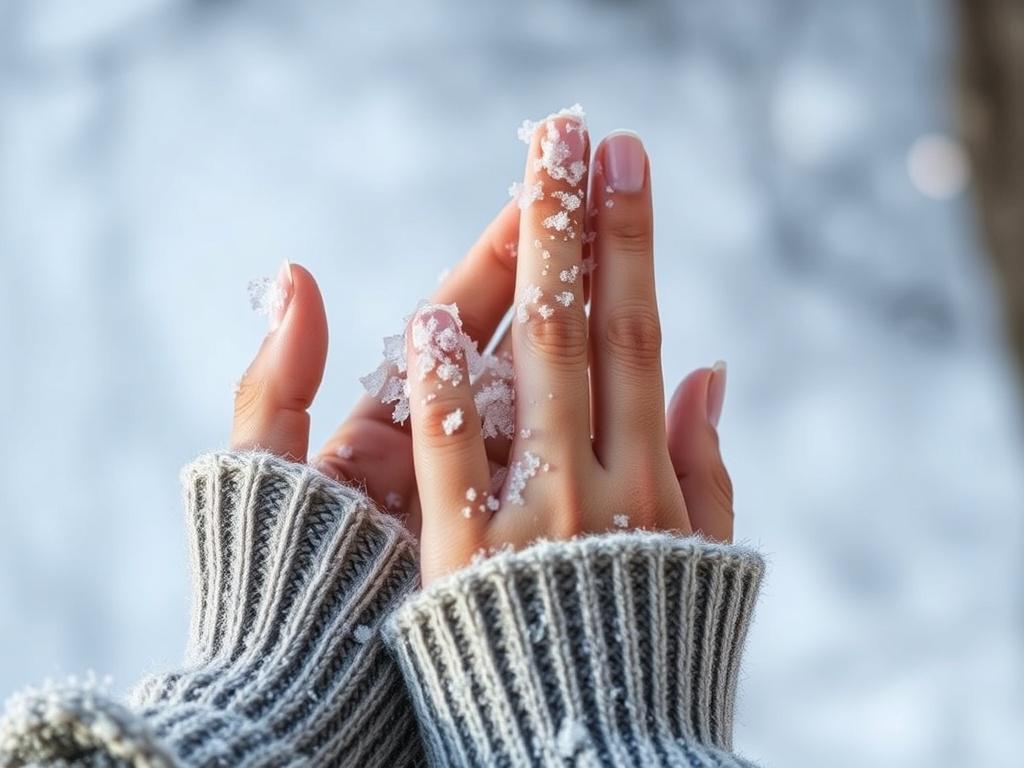
A short, repeatable routine done consistently will prevent most winter problems. Think gentle cleansing, targeted moisturization, and protection before going outside.
Start by switching your hand soap to a mild, fragrance-free formula and avoid water that’s too hot; hot water feels good but strips oils rapidly.
After washing, pat hands dry gently and apply a cream that contains both humectants (like glycerin) and occlusives (like petrolatum or dimethicone) to attract moisture and lock it in.
Step-by-step morning and daytime routine
Begin the day by applying a light, fast-absorbing moisturizer after showering or washing your hands; this keeps your dexterity while adding a baseline of protection.
Keep a small tube of richer cream with you for reapplication after handwashing or when you’re heading outdoors, and choose gloves whenever temperatures or wind make your skin sting.
When using hand sanitizer, follow with a cream once possible—alcohol-based products are necessary at times but dry the skin significantly.
Evening and overnight repair ritual
Nighttime is the best chance to restore the skin barrier. Use a thicker emollient or ointment an hour before bed, then reapply right before sleep for maximum occlusion.
Wearing cotton gloves after applying a rich balm traps heat and moisture, enhancing absorption and speeding repair of cracked areas.
If your hands are very chapped, consider a nightly treatment with a product that contains ceramides, hyaluronic acid, and an occlusive like petrolatum for combined restoration.
Choosing the right products
Not all moisturizers are created equal. Look for formulations that combine humectants, emollients, and occlusives rather than relying on a single type of ingredient.
Fragrance-free products reduce the risk of irritation, and creams tend to be better than lotions for winter because they have higher oil content and stay on the skin longer.
If you have sensitive skin or a history of eczema, consult a dermatologist before trying active ingredients like urea or retinoids, which can irritate compromised skin.
Key ingredients and what they do
Glycerin and hyaluronic acid draw water into the skin, helping with immediate hydration; when used with occlusives they provide longer-lasting moisture.
Ceramides and cholesterol replenish the skin’s natural lipids and help rebuild the barrier, reducing transepidermal water loss over time.
Occlusives like petrolatum, mineral oil, or dimethicone form a seal on the skin surface; when used correctly they protect repairs and prevent new moisture loss.
Ingredients to use cautiously
Alpha hydroxy acids, benzoyl peroxide, and certain essential oils can sting on cracked skin and may exacerbate sensitivity; avoid them in active-repair stages.
Urea and lactic acid are excellent exfoliants and humectants at low concentrations, but higher concentrations can irritate raw or inflamed hands.
If you’re unsure about a product, test it on a small area for a few days before applying it extensively to hands that are already compromised.
Hand creams vs ointments vs lotions: when to choose each
Lotions are lightweight and suitable for mild daytime dryness when you need quick absorption and minimal residue.
Creams strike a balance between hydration and protection and work well for normal to dry hands that need regular maintenance during the day.
Ointments or balms are best for overnight repair or acute chapping because they provide the strongest occlusion and longest-lasting protection.
Practical glove strategy
Gloves are the simplest protective measure, but the type and timing matter: thin cotton liners, wool outer layers, and waterproof shells each serve different purposes.
When running errands, a thin liner under a waterproof glove keeps moisture from escaping while preventing direct contact with salty, wet surfaces that dry skin.
Avoid tight synthetic gloves that trap sweat next to the skin for long periods; moisture build-up can macerate skin and make it more fragile.
Working outdoors and gloves for specific tasks
If your job requires manual labor, invest in insulated work gloves designed to breathe while offering abrasion resistance.
For chores like washing dishes, use rubber gloves with cotton liners to avoid prolonged water exposure and soapy irritation.
When using detergents or solvents, chemical-resistant gloves are essential; no moisturizer will protect you adequately against aggressive chemicals.
Nail and cuticle care
Neglected cuticles split and tear more easily in winter. Regularly applying a dedicated cuticle oil keeps the nail fold supple and reduces hangnails.
Trim hangnails cleanly with sanitized clippers rather than tearing them; tearing leads to microtears and potential infection.
Biotin supplementation can help some people with slow nail growth, but topical care remains the most effective way to prevent winter-related nail problems.
Quick manicure tips for winter months
Keep nails short to reduce breakage, and buff gently rather than filing aggressively; aggressive filing weakens the nail plate over time.
A simple, neutral-strength nail oil applied nightly can prevent peeling, while occasional professional manicures with gentle cuticle work reduce habit-driven picking.
Avoid acetone-based nail polish removers if your nails are already dry; non-acetone removers are gentler and less dehydrating.
Dealing with cracked skin and painful fissures
When fissures appear, the priorities are pain control, infection prevention, and barrier repair. Start with a sterile cleaning and an antibiotic ointment if infection is suspected.
Apply an occlusive dressing overnight—petrolatum plus a sterile bandage—and wear cotton gloves to keep the dressing in place and support healing.
If fissures are recurrent or fail to heal within a week, see a healthcare provider; persistent cracks can indicate an underlying dermatitis or systemic issue.
Home first aid for deep cracks
Cleanse gently with lukewarm water and a mild cleanser, pat dry, and apply a thin layer of petrolatum. Cover with a breathable adhesive strip if the crack is severe.
Avoid topical antiseptics that sting, such as hydrogen peroxide or alcohol, on open fissures—they can delay healing by damaging healthy tissue.
Oral pain relievers can help with severe soreness, and a prescription topical steroid might be needed if inflammation is significant and eczema-related.
When to see a dermatologist
Not every winter rash needs a specialist, but seek dermatologic care if you have persistent redness, swelling, severe cracking, bleeding, pus, or spreading rash.
A dermatologist can diagnose conditions like allergic contact dermatitis, psoriasis, or hand eczema and prescribe targeted treatments such as topical steroids or calcineurin inhibitors.
They can also recommend patch testing if you suspect an allergy to a glove material, soap, or personal care product causing repeated flares.
Natural remedies and at-home treatments
Simple kitchen staples can help in a pinch: honey is mildly antibacterial and emollient, while plain oatmeal baths soothe inflamed skin.
Be cautious with natural oils—almond, olive, and coconut oils can provide occlusion, but they may cause reactions in some people and don’t replace medical-grade occlusives in severe cases.
Packs made from mashed avocado and honey add lipids and moisture, but rinse thoroughly and follow with a protective ointment to seal benefits in.
DIY overnight mask for dry hands
- Wash hands gently and pat dry.
- Massage a thick layer of cream or ointment into the skin and cuticles.
- Wear cotton gloves and sleep with them on for several nights to see consistent improvement.
This simple ritual improves hydration and speeds barrier repair without expensive products or salon treatments.
Products I’ve used and tested
As a writer who spends long hours typing and traveling across climates, I’ve cycled through many hand treatments to find what actually works.
I’ve found that combining a humectant-rich cream during the day with a petrolatum-based night balm heals sore knuckles in a matter of days rather than weeks.
Simple habits—like swapping to lukewarm water and wearing cotton gloves after applying treatment—made the biggest difference, more so than any single branded product.
Protecting hands during travel and cold snaps
Airplanes and heated cars are notorious for drying skin. Carry a thick cream in your bag and use it after every handwash in transit.
When stepping out into sudden cold, put gloves on as soon as possible; delaying even a few minutes increases the chance of windburn and moisture loss.
For long winter hikes, pack quick-drying liners and a small jar of ointment for emergency use if you feel tightness or visual dryness developing.
Special considerations: children and older adults
Children’s skin is thinner and can lose moisture more rapidly; choose fragrance-free, pediatrician-recommended products and avoid harsh cleansers.
Older adults often have naturally drier skin due to changes in lipid production, so richer creams and more frequent application are usually required.
For both groups, involve caregivers and family so treatments are consistent—prevention matters more than reactive care when skin is fragile.
Common mistakes and how to avoid them
One frequent error is over-washing with hot water. It feels satisfying but accelerates lipid loss; lukewarm water works well for both hygiene and skin health.
Another mistake is relying solely on scented lotions for the illusion of care; fragrance often irritates compromised skin and adds little protective function.
Finally, not addressing lifestyle factors—like dehydration, diet, and indoor humidity—limits the effectiveness of topical treatments and slows progress.
How indoor humidity helps
Using a humidifier in living and sleeping areas keeps ambient moisture at healthier levels and reduces trans-epidermal water loss from exposed hands.
Aim for indoor relative humidity between 40 and 50 percent during winter; higher levels risk condensation and mold, while lower levels dry skin faster.
Small, portable humidifiers can make big differences in bedrooms and home offices without major expense or disruption.
Diet, hydration, and lifestyle factors
Drinking enough water supports overall physiology but isn’t a direct fix for dry hands; combine hydration with topical care for best results.
Fats from foods like fatty fish, walnuts, and avocados provide building blocks for skin lipids, and a consistent intake of vitamins A, C, and E supports skin repair.
Avoid excessive caffeine and alcohol during intense cold snaps, as they can transiently affect circulation and contribute to dehydration in susceptible individuals.
Treating hand eczema and allergic reactions
Hand eczema often requires a more aggressive approach than simple dryness: regular emollients, topical steroids for flares, and identification of triggers are key.
Allergic contact dermatitis to glove materials, fragrances, or preservatives is surprisingly common and often overlooked; patch testing can clarify the cause.
When steroids are used, follow medical guidance to avoid overuse; steroid-sparing agents may be recommended for chronic cases to prevent thinning of the skin.
When occupational exposure is the problem
People in healthcare, cleaning, food service, and construction face repeated wet work and chemical exposure that defeats ordinary creams.
Employers can help by providing barrier creams, suitable gloves, and training on safe glove use to balance protection with the need for hands-on tasks.
If occupational dermatitis develops, documentation and a visit to occupational health or dermatology may be necessary to manage exposure and obtain appropriate accommodations.
Hand sanitizers: how to use them wisely
Alcohol-based sanitizers are effective and often necessary, but they strip oils. Choose formulations that include emollients like glycerin or fatty alcohols.
After using sanitizer, apply a cream as soon as practical. Keep a travel-size cream in the same pocket or bag as your sanitizer to make this habit automatic.
If you must use sanitizers frequently, shift to more occlusive overnight care and consider a protective barrier cream before prolonged shifts of sanitizing.
Professional treatments and in-office options
For persistent or severe hand issues, dermatologists can offer in-office procedures like prescription-strength topical formulations, phototherapy, or supervised patch testing.
Some clinics provide paraffin wax treatments that deeply moisturize and soothe cracked hands; they’re particularly helpful before special events or after intense flares.
Discuss risks and benefits with a professional—what works for cosmetic hydration is not always appropriate for inflamed or infected hands.
Simple checklist for a winter-ready hand kit
- Mild, fragrance-free hand soap
- Daytime cream with humectants and emollients
- Thick ointment or balm for night use
- Small tube of cuticle oil
- Pair of cotton gloves for overnight use and liners for cold days
Carrying these basics in a bag or keeping them at multiple stations at home and work makes consistent care manageable and effective.
How long until you see results?
When you adopt a solid routine, improvements are usually visible in a few days for mild dryness and within one to three weeks for more significant repair.
Chronic hand issues take longer to resolve; consistency matters more than intensity—steady application and protection lead to better long-term restoration.
If you don’t see progress within a reasonable timeframe, or if symptoms worsen, consult a healthcare provider for further evaluation and treatment.
Seasonal planning and maintaining gains
Treat winter as a planned maintenance cycle: invest in richer products before the cold hits and schedule more attentive nightly care through the season.
When spring arrives, gradually reduce occlusive use while keeping humectant-rich maintenance cream to prevent relapse during dry indoor periods.
Maintaining small, daily habits year-round—regular moisturizing, gentle cleansing, and sensible glove use—prevents the worst winter flares from recurring.
Summary of practical takeaways
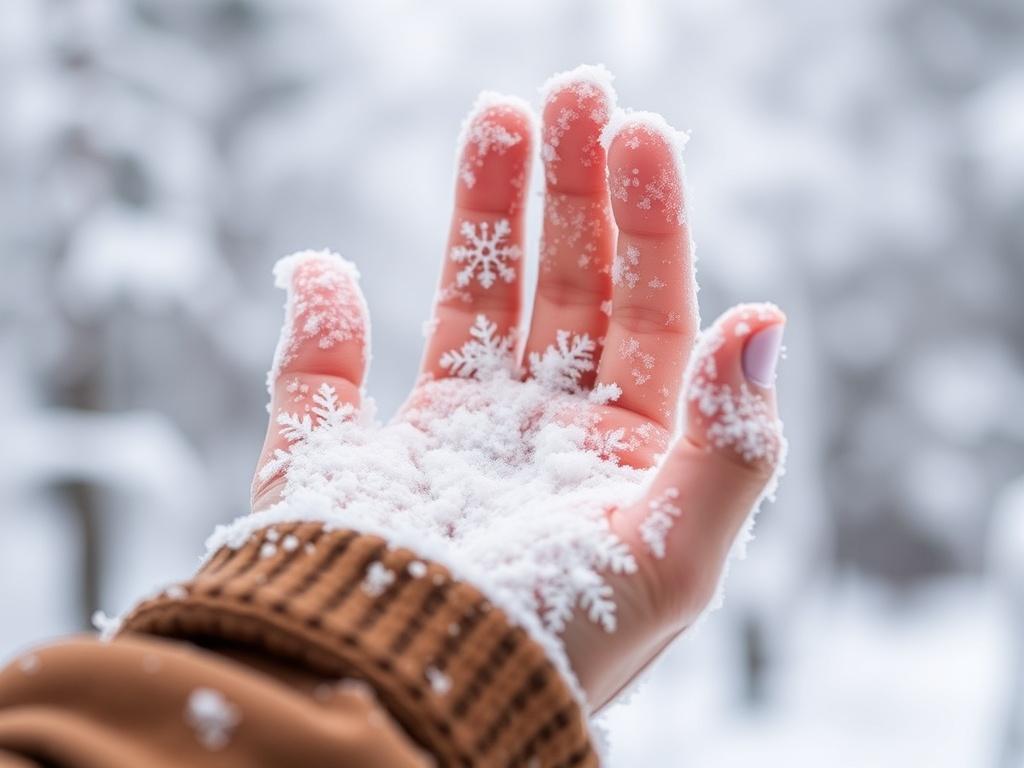
Protective behavior is more powerful than any single product: wash gently, moisturize often, and keep hands covered in wind and cold.
Use layered treatments—humectants, emollients, and occlusives—strategically throughout the day and night for both prevention and repair.
Seek medical advice for persistent, painful, or infected hands, and remember that routine consistency is the key to keeping skin comfortable through winter.
Final thoughts
Winter hand care is less about dramatic interventions and more about steady, thoughtful choices. A small ritual repeated daily can preserve comfort and function even in the coldest months.
If you adopt a few targeted habits—gentle cleansing, paired moisturizers, appropriate gloves, and occasional overnight repair—you’ll likely notice a real difference in how your hands feel and look.
Practical protection today avoids painful repairs tomorrow, and that simple equation turns winter from a season of compromise into one of quiet confidence.