
Choosing a protein supplement can feel like navigating a crowded market with slogans, flavors, and tiny print on the labels. If you’re searching for guidance on Как выбрать протеин для похудения or just want a sensible plan without hype, this article walks through the science, the shopping, and the real-life decisions that matter.
Why protein matters when you’re trying to lose fat
Protein plays a central role in weight loss because it supports muscle mass, which in turn helps maintain resting metabolism. When calories are reduced, adequate protein helps preserve lean tissue so more weight lost comes from fat rather than muscle.
Protein is also the most satiating macronutrient for most people, which makes meals feel more filling and reduces snacking or overeating. That fullness effect alone often makes a noticeable difference in day-to-day calorie intake.
Basic protein science: quality, digestibility, and amino acids
Not all proteins are created equal. They differ by amino acid profile — especially essential amino acids like leucine, which triggers muscle protein synthesis — and by how quickly the body digests them.
Whey protein, for example, is fast-digesting and rich in branched-chain amino acids, while casein digests slowly and provides a steady supply of amino acids overnight. Plant proteins can vary widely and sometimes require combining sources to achieve a balanced amino acid profile.
Protein types and how they fit a weight-loss plan
Picking a protein source depends on your dietary preferences, digestion, and training schedule. Below is a concise comparison table to help you see differences at a glance.
| Protein type | Key traits | Best for |
|---|---|---|
| Whey concentrate | Fast absorption, contains some lactose, cost-effective | Post-workout recovery and general supplementation |
| Whey isolate | Higher purity, lower carbs/fat, less lactose | Sensitive stomachs, lower-calorie targets |
| Hydrolyzed whey | Pre-digested, very fast absorption, often pricier | Rapid recovery, people with digestive issues |
| Casein | Slow digestion, anti-catabolic overnight effects | Bedtime snack to prevent muscle breakdown |
| Soy protein | Complete plant protein, moderate absorption | Vegetarians/vegans seeking complete protein |
| Pea/rice/soy blends | Combined to improve amino profile, hypoallergenic | Plant-based athletes and those with allergies |
| Egg white protein | High-quality animal protein, low fat, lactose-free | Milk-intolerant people wanting complete proteins |
Whey vs plant protein: choosing by goals and tolerance
Whey dominates the research for muscle retention and post-workout recovery because of its amino acid mix and rapid digestion. If you tolerate dairy and want the most efficient stimulus for muscle protein synthesis, whey isolate or concentrate is a practical pick.
Plant proteins have come a long way. Blends of pea, rice, and other sources can approach the amino completeness of whey. For vegans, those with dairy intolerance, or anyone avoiding animal products, a high-quality plant blend paired with thoughtful meal planning works well for fat loss.
Reading labels: what actually matters
First, look at protein per serving and serving size. A 25–30 gram protein serving is a useful baseline for a meal replacement or post-workout shake. Beware of small serving-size tricks that inflate protein content per scoop.
Second, check the ingredient list for fillers, added sugars, and artificial additives. A short ingredient list with named protein sources (whey concentrate, pea protein isolate, etc.) and minimal sweeteners is a sign of transparency and quality.
Understand protein purity and percentage
Some brands advertise “high protein” but hide that a serving is tiny or diluted with carbs and oils. Calculate grams of protein per 100 grams to compare purity across products. Isolates typically show higher percentages than concentrates or blends.
Also note the presence of added fiber or fats. Those can be useful for satiety — and sometimes marketed as benefits — but they change calorie density. If your goal is strict calorie control, make these additions part of your macro calculations.
Sugar, sweeteners, and flavorings: what to accept
Added sugar can sneak calories into shakes, which is counterproductive when weight loss is the priority. Many powders use non-nutritive sweeteners like sucralose, stevia, or erythritol to keep taste without calories.
Individual tolerance varies: some people experience digestive upset with sugar alcohols, while others find the aftertaste of stevia unpleasant. Pick a flavor and sweetener type you can tolerate consistently; you’ll be more likely to stick with the plan.
How much protein do you actually need for fat loss?
Protein needs vary by body weight, activity level, and goals. A common and evidence-backed range for someone aiming to lose fat while preserving muscle is 1.6–2.4 grams per kilogram of body weight daily (about 0.7–1.1 g per pound).
If you’re lifting weights or in a high-activity phase, aim for the higher end. For sedentary people, the lower end may suffice, though adding resistance training can make higher protein intakes more beneficial for preserving muscle during a calorie deficit.
Distributing protein throughout the day
Splitting protein across 3–4 meals helps maintain muscle protein synthesis and keeps hunger in check. Try to include 20–40 grams of protein per meal depending on your total target and body size.
A post-workout shake is convenient but shouldn’t be the only protein source. Whole foods deliver other nutrients and tend to be more satisfying, so use supplements to fill gaps rather than substitute all meals.
Timing and types: when to use whey, casein, or plant proteins
Use fast-digesting whey after training to quickly supply amino acids to muscle tissue. This can be especially helpful in sessions spaced far from your next full meal or when your goal is to optimize recovery between workouts.
Casein or a mixed meal with protein and fat makes sense before bed, as slow digestion provides a longer amino acid release and may reduce overnight muscle breakdown. For daytime meals, pick what fits your schedule and appetite.
Using protein for appetite control and meal replacement
A protein shake can be an effective meal replacement if it contains sufficient protein, fiber, and a modest number of calories to keep you satisfied. Adding a small amount of healthy fat and fiber—like half an avocado or a tablespoon of ground flaxseed—improves satiety.
However, relying exclusively on shakes risks missing micronutrients and the variety that whole foods provide. Use protein supplements strategically: as a post-workout tool, a convenient breakfast, or a controlled snack—rather than a daily meal-only strategy.
Real-life example: how I used protein to lose fat without losing strength
When I dropped 15 pounds for a cycling season, I focused on a consistent protein target: roughly 1.8 g/kg per day, split across three meals and a post-ride shake. That approach kept my legs strong while my body fat dropped steadily.
I used whey isolate post-ride because it digested quickly, then a mix of eggs, cottage cheese, or legumes at meals. The practical takeaway: setting a daily protein goal and having a plan for where those grams come from made adherence simple.
Vegetarian and vegan considerations
Vegetarians and vegans can meet protein goals with careful food choices and powdered blends. Combine legumes, whole grains, nuts, and seeds across the day to form a complete amino acid profile, or use a fortified plant protein blend for convenience.
Look for pea-rice blends with added B12 or other fortified nutrients if your diet lacks animal products. Consistency matters more than perfection: regular protein-rich meals and one or two scoops of a plant blend can be enough when paired with resistance training.
Common pitfalls and misleading marketing claims
Watch out for claims like “burns fat” or “melts pounds” on protein tubs. No supplement on its own causes weight loss; calories in versus calories out plus quality training and diet decisions do. Protein helps by supporting muscle and satiety, not by magically burning fat.
Also be skeptical of labels that highlight exotic ingredients without disclosing amounts. If a product lists green tea extract or L-carnitine as a selling point, check whether the active dose is meaningful. Many products include tiny, ineffective quantities of extras to justify premium pricing.
Allergies, intolerances, and digestive issues
If you have lactose intolerance, choose whey isolate, hydrolyzed whey, or non-dairy proteins, which tend to contain minimal lactose. People with milk protein allergies should avoid dairy proteins altogether and use plant or egg white proteins.
Digestive upset to certain sweeteners or sugar alcohols is common. If a product gives you bloating or gas, try an unflavored, simpler protein without sugar alcohols and test a small serving to assess tolerance.
Evaluating quality and third-party testing
Third-party testing by organizations like NSF Certified for Sport, Informed-Sport, or USP adds confidence that what’s on the label is in the tub. These seals are especially important for competitive athletes who must avoid banned substances.
For non-competitive users, third-party testing still ensures accurate protein content and fewer contaminants. Look for transparent companies that publish batch tests or provide certificates of analysis on request.
How price relates to value
High cost does not always equal high quality, but very cheap powders can be full of fillers and lower-protein percentages. Calculate protein cost per gram to compare value across brands rather than being seduced by a low price per tub.
Sometimes spending a little more on a reputable brand with clean ingredients, reliable taste, and fewer digestive issues is worth it. You’ll use the product consistently if it tastes good and sits well with your stomach, which is a form of value too.
Flavors, blends, and mixability: practical shopping tips
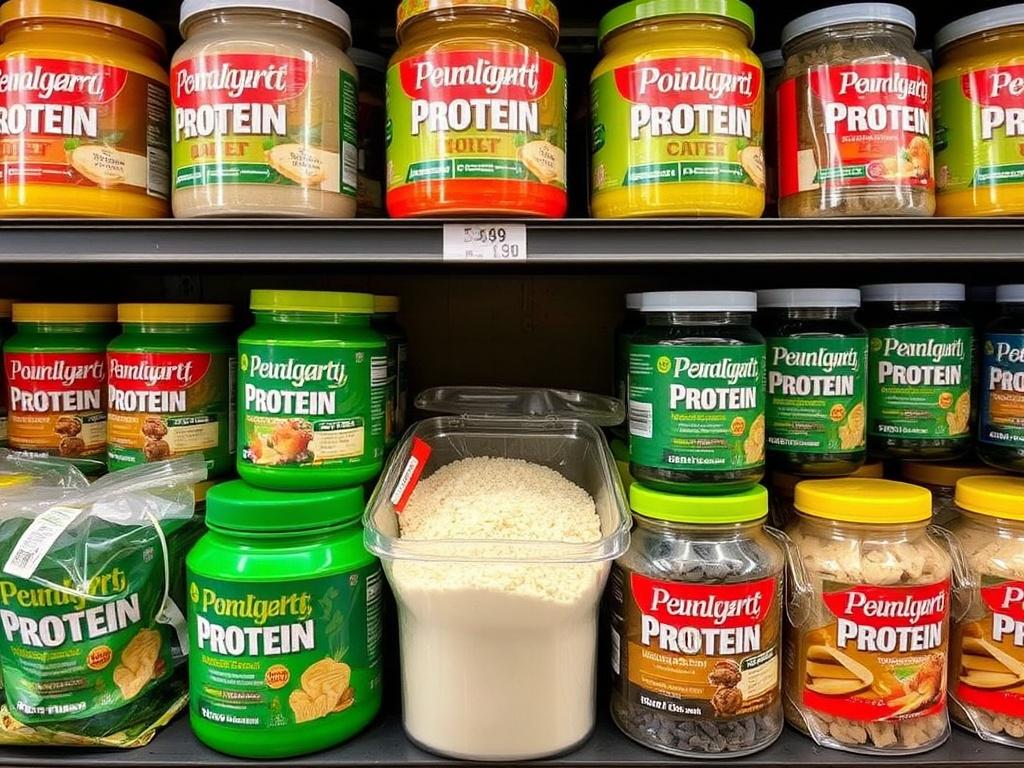
Flavor preference is personal, and a product that tastes great to one person may seem sickly to another. When possible, buy single-serving samples or small tubs before committing to a large container.
Mixability matters for convenience. Powders that clump or foam can be a daily headache. Look for reviews that mention texture and how the powder handles in water, milk, or a blender.
Taste hacks and recipes
If a plain protein powder is unappealing, combine it with water, ice, frozen fruit, and a tablespoon of nut butter for a smoothie that feels like a treat. For lower-calorie options, blend with unsweetened almond milk and a handful of spinach—taste is mild and nutrients add up.
Using protein powders in recipes (pancakes, yogurt bowls, or baked oatmeal) creates variety. Be mindful of added caloric ingredients when using powders for weight loss; aim to replace, not double, calories when swapping a meal with a shake-based recipe.
Protein timing around exercise and rest days
On training days, prioritize a post-workout protein meal or shake within two hours of exercise for optimal recovery. That window is flexible; total daily intake takes precedence over perfect timing for most people.
On rest days, keep your daily protein consistent. Preserving muscle requires steady supply of amino acids regardless of whether you trained that day, so plan meals with protein distribution in mind even on lighter days.
Using a protein checklist to guide your purchase
- Protein grams per serving (aim 20–30g for a meal replacement)
- Ingredient list length and transparency
- Presence of added sugars or sugar alcohols
- Third-party testing or certificates of analysis
- Allergen and intolerance information
- Cost per gram of protein
- Taste and mixability, via samples if possible
This checklist simplifies decision-making at the store or online. Use it as a quick filter before reading detailed reviews or testing a sample.
How to integrate protein into a sustainable diet plan
Sustainability comes from consistency—pick a protein plan you can repeat daily for weeks and months. That may mean a modest daily shake, real-food meals rich in protein, and a few strategic supplements for training days.
Balance is also key: prioritize vegetables, whole grains or starchy vegetables when needed for energy, and healthy fats to support hormones and satiety. Protein should fit into a complete meal plan, not function as the only focus.
Case studies: how different people choose proteins
Case 1: A 35-year-old new mother who wants to lose postpartum weight used a pea-soy blend due to breastfeeding concerns and mild lactose intolerance. She kept protein around 1.6 g/kg, had a mid-morning shake for convenience, and lost weight without affecting milk supply.
Case 2: A 50-year-old man with strength training goals used whey isolate post-workout and casein at night. By preserving muscle through higher protein and regular lifting, he dropped body fat while keeping strength numbers steady.
When to consult a professional
If you have kidney disease, severe metabolic disorders, or other medical conditions, discuss protein targets with a physician or registered dietitian. For most healthy people, the protein ranges discussed here are safe and effective, but individual factors matter.
A registered dietitian can also help construct a meal plan that incorporates protein in ways that match your preferences, budget, and cultural food practices. Professional guidance can speed progress and reduce guesswork.
Label red flags and safe alternatives
Red flags include ambiguous terms like “proprietary blend” without amounts, implausible claims, and a lack of ingredient transparency. If a product hides what’s inside, choose a brand that lists specific protein sources and amounts.
Safe alternatives are simple, single-ingredient products or well-reviewed multi-ingredient blends with clear labeling. If you feel unsure, pick an unflavored protein that lists whey isolate or a named plant protein as the first ingredient.
Combining protein with other supplements
Protein pairs well with creatine for strength and muscle retention during a cut. Creatine can help maintain performance in the gym while calories are reduced, supporting better body composition outcomes.
Other supplements like omega-3s, vitamin D, or a multivitamin can support overall health during weight loss but are not substitutes for dietary protein. Use them intentionally and based on need rather than hoping they’ll improve fat-loss directly.
Practical supplement stack example
For someone who trains regularly and aims to lose fat: whey isolate (post-workout), casein (before bed), creatine monohydrate (daily), and a basic multivitamin if diet lacks variety. This stack is functional, evidence-based, and relatively affordable.
Adjust the stack for vegetarian or vegan athletes: use a plant protein blend in place of whey and ensure vitamin B12 and iron are monitored if dietary intake is limited.
Storing and using protein powder safely
Keep protein powder in a cool, dry place away from direct sunlight. Moisture can cause clumping and bacterial growth, so reseal containers promptly and use clean scoops to avoid contamination.
Observe the best-by date and smell the powder before use. Off odors or discoloration indicate spoilage. For most people, powders last well for months when stored correctly and used regularly.
How to test a new product without wasting money
Start with single-serving packets or sample sizes when available. Many brands sell small trial packs so you can evaluate taste, mixability, and digestion before buying a large tub.
Another option is to buy a smaller container from a reputable retailer that accepts returns if the product doesn’t meet expectations. Testing in small steps reduces waste and helps you find the right fit for long-term use.
Practical shopping list for week one
- Small tub or sample packets of your chosen protein (whey isolate or plant blend)
- A blender bottle or simple blender
- Ingredients for two shake recipes (frozen berries, unsweetened almond milk, nut butter)
- High-protein meal staples (eggs, Greek yogurt, legumes, lean poultry)
This shopping list sets you up to test the supplement, maintain whole-food protein intake, and create a few satisfying meals that support fat loss.
Final practical steps to choose the right product
Decide your priority first: fastest muscle preservation, dairy-free options, or lowest calories per serving. Use the checklist and compare products on protein per scoop, ingredient transparency, and third-party testing status.
Sample the top two choices before buying a large container, track your daily protein, and adjust based on how you feel and how your body composes. Small, consistent changes beat dramatic, unsustainable strategies.
Choosing a protein supplement for weight loss is not about finding a miracle product; it’s about matching quality to your needs and building habits that support a calorie-controlled, protein-rich diet. When you treat protein as a toolbox item—used strategically around workouts, meals, and daily routines—it becomes a simple, reliable way to protect muscle and improve satiety as you lose fat.