
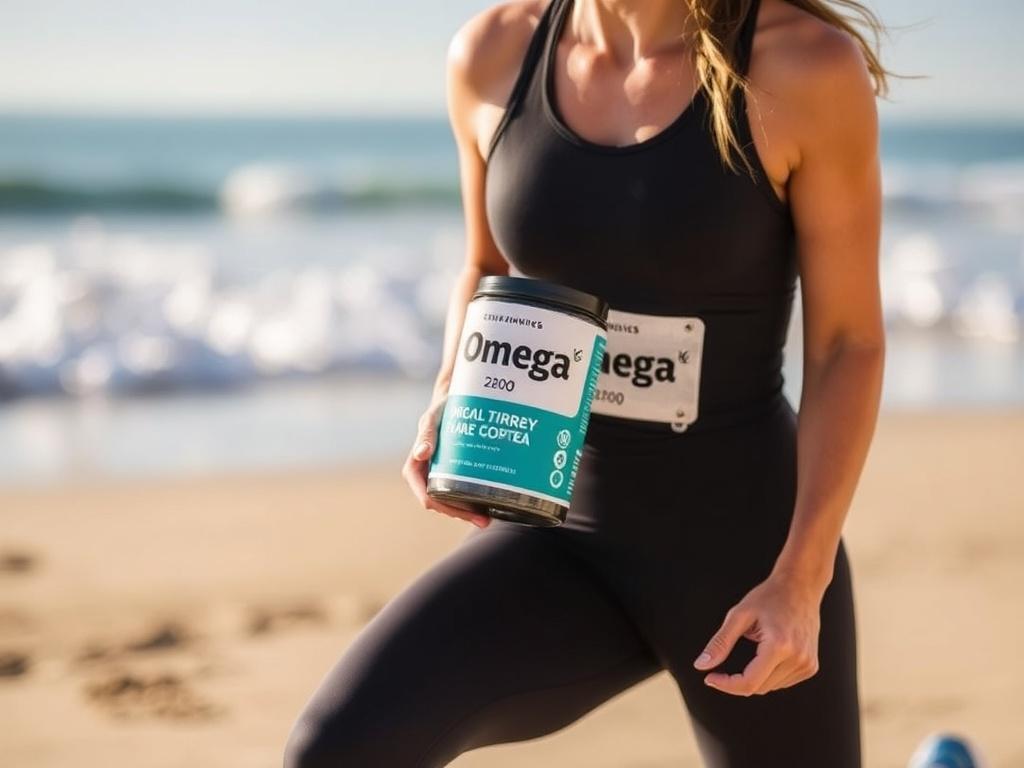
Choosing the right omega-3 supplement can feel like decoding a new sport: lots of jargon, conflicting advice, and products that promise more than they deliver. Athletes need omega-3s for recovery, inflammation control, and cognition, but not every bottle on the shelf will support those goals. This guide breaks the science down into practical steps so you can pick an omega-3 that fits your training, budget, and health needs.
Why omega-3 matters for athletes
Omega-3 fatty acids—especially EPA and DHA—play distinct roles in the body that matter for training and competition. They modulate inflammation, help preserve muscle after intense sessions, and support cardiovascular and brain function, which are important during heavy training cycles and travel. Athletes often underestimate how much subtle improvements in recovery and focus can add up over a season.
Research shows that omega-3s can reduce markers of exercise-induced inflammation and muscle soreness, which may speed return-to-training after hard workouts. The effects aren’t a magic bullet; they’re one piece of a recovery strategy that also includes sleep, nutrition, and periodization. Still, when used correctly, omega-3s can tip marginal gains in your favor.
Understanding the different types of omega-3

There are three primary omega-3s you’ll encounter: ALA (alpha-linolenic acid), EPA (eicosapentaenoic acid), and DHA (docosahexaenoic acid). ALA is found in plant sources like flax and chia, but the body converts it to EPA and DHA inefficiently. For athletes seeking performance and recovery benefits, EPA and DHA are the biologically active forms that matter most.
EPA tends to be more anti-inflammatory, while DHA supports cell membranes, brain function, and visual acuity. Most athletic protocols favor a combination of both, with some leaning towards higher EPA for inflammatory control. When reading labels, prioritize products that list EPA and DHA amounts rather than just total omega-3s.
Form matters: triglyceride vs ethyl ester vs phospholipid
Not all fish oil is absorbed equally. Fish oil is commonly processed into different chemical forms: natural triglyceride (TG), concentrated ethyl ester (EE), re-esterified triglyceride (rTG), and phospholipid forms such as krill oil. Triglyceride and rTG forms generally show better absorption than ethyl ester, especially when taken with a fat-containing meal.
Krill oil’s phospholipid form may offer better uptake into cell membranes and contains astaxanthin, an antioxidant, but krill oil typically delivers less EPA/DHA per serving and costs more. Manufacturers often convert fish oil into ethyl esters for concentration, then back to rTG to improve absorption. Look for transparent labeling on the oil form if bioavailability is a priority.
Purity, testing, and safety
Contaminants are a real concern when sourcing marine oils. Heavy metals, PCBs, dioxins, and oxidation products can accumulate in poorly processed oils, undermining their benefits and potentially harming health. Reputable brands use molecular distillation or other purification methods and provide third-party testing results for contaminants.
Two key freshness metrics are peroxide value (PV) and TOTOX (total oxidation), which combines primary and secondary oxidation products. High oxidation reduces efficacy and causes off-flavors and gastrointestinal issues. When possible, choose products with low PV and TOTOX values and a clear freshness date or batch testing reports.
Quick lab checks and third-party seals
Independent testing by organizations like NSF, Informed-Sport, USP, or IFOS can be a strong trust signal, especially for competitive athletes subject to anti-doping rules. These programs test for purity, potency, and banned substances, and they often publish certificates that list EPA/DHA amounts and contaminant screening. If you’re competing, prefer tested products to reduce risk.
Certificates of analysis (COAs) should be available on the manufacturer’s site or by request. A COA shows actual measured values for EPA, DHA, total omega-3, and contaminants. Don’t accept vague claims like “molecularly distilled” without data—ask for the COA or choose a brand that publishes it openly.
Dosage recommendations for athletes

There’s no single perfect dose for every athlete, but common recommendations range from 1 to 3 grams of combined EPA+DHA per day for general health, with many athletes taking higher amounts—up to 3–4 grams—during heavy training or when targeting inflammation. The right dose depends on training volume, body size, and dietary intake of fish.
Some protocols emphasize a higher EPA-to-DHA ratio for anti-inflammatory aims, for example, 2:1 EPA:DHA or similar. Others suggest balanced ratios because DHA remains important for neural health and recovery. A practical approach is to track how you feel and recover, then adjust intake within safe limits, consulting a clinician if you plan to exceed 3 grams daily.
Dosage examples by athletic goal
If your primary goal is improved recovery and reduced soreness, aim for 1.5–3 grams of EPA+DHA daily, leaning slightly towards EPA. For athletes focused on cognition, sleep, or travel fatigue, ensure at least 1 gram of DHA per day. Endurance athletes who face chronic inflammation might temporarily increase intake during heavy blocks, but should taper when inflammation signs subside.
Remember that these are general guidelines. Individual responses vary, and excessive doses can thin the blood and interact with medications like anticoagulants. Always check with a sports dietitian or physician if you have medical conditions or take prescription drugs.
Timing, stacking, and interactions
Timing matters less than consistent daily intake, but there are smart practices that boost effectiveness. Take omega-3s with a fat-containing meal to improve absorption. Some athletes split doses—morning and evening—to reduce gastrointestinal discomfort and maintain steady blood levels. Consistency over weeks is where effects on inflammation and recovery become noticeable.
Pairs well with other recovery strategies: combine omega-3s with adequate protein, vitamin D, antioxidants, and a carbohydrate intake that supports glycogen resynthesis. Be cautious with supplements that thin the blood—fish oil has mild blood-thinning properties. If you use aspirin, NSAIDs, or anticoagulants, consult your healthcare provider about safe dosing.
Forms of supplements: capsules, liquids, emulsions, krill, algae
Capsules are the most common, convenient, and shelf-stable format, but they vary widely in concentration and freshness. Liquid fish oil can offer higher concentrations and lower cost per gram, but it’s more prone to oxidation and may require refrigeration. Emulsified or microencapsulated forms aim to improve absorption and reduce fishy aftertaste.
Krill oil supplies omega-3s in phospholipid form and contains astaxanthin, which can offer antioxidant protection, but it often yields less EPA+DHA per serving and costs more. Algae-based oils are the primary vegan source of DHA and increasingly of EPA; they’re great for plant-based athletes but are typically pricier than fish oil. Choose the form that fits your values, digestive tolerance, and budget.
Pros and cons list for common formats
- Capsules: Convenient, stable, variable potency; watch for oxidation and serving size.
- Liquid: Cost-effective per gram, customizable dosing, needs careful storage.
- Emulsions: Better absorption, usually higher cost, may improve tolerability.
- Krill oil: Good phospholipid uptake and antioxidant content, lower EPA/DHA per dose.
- Algae oil: Vegan-friendly, sustainable, often higher price per mg of EPA/DHA.
Reading labels: what to look for
Start by reading the Supplement Facts panel for the exact milligrams of EPA and DHA per serving. Some brands list “total omega-3” which can be misleading; prioritize EPA and DHA numbers. Also note the serving size and how many capsules or milliliters constitute that serving.
Check for manufacturing and expiration dates, storage recommendations, and any third-party certification seals. If the label claims to be “concentrated” or “high potency,” verify the EPA+DHA amounts and whether the oil is in EE, TG, or phospholipid form. If the label lacks clarity, move to a brand that provides transparent details.
How to spot low-quality products and marketing traps
Marketing can blur the line between useful information and noise. Beware of vague terms like “100% pure” or “pharmaceutical grade” without evidence. Proprietary blends can hide low active ingredient amounts—if EPA and DHA are not listed separately, the product may not deliver the dose you expect. Percentages can be deceiving; a capsule might be 60% omega-3 but still provide only 300 mg of EPA+DHA if the serving is small.
Also watch for products that emphasize exotic sourcing without explaining testing or potency. Sustainable fishing claims are valuable, but they don’t guarantee purification or freshness. Prioritize science-backed claims, published COAs, and transparent dosing over glossy packaging and celebrity endorsements.
Budgeting and long-term use
Cost per gram of EPA+DHA is a practical metric. Calculate the price divided by the total milligrams of EPA+DHA to compare products on an apples-to-apples basis. Cheaper oils may save money short term but could under-deliver in potency or freshness, forcing you to buy more or switch brands frequently. Spending a bit more for a consistently tested product often makes sense for athletes seeking reliable outcomes.
Store oils in a cool, dark place or refrigerated if the label recommends it, and check the expiration date regularly. Oxidized oil not only smells off but loses benefit. When buying liquid oil, consider smaller bottles to ensure freshness after opening. For capsules, keep them sealed and avoid heat exposure during shipment or storage.
Sample cost comparison table
| Product type | Typical EPA+DHA per serving (mg) | Approximate cost per 1 g EPA+DHA |
|---|---|---|
| Generic fish oil capsules | 300–600 mg | $1.00–$2.50 |
| Concentrated re-esterified TG | 700–1200 mg | $0.60–$1.50 |
| Krill oil | 150–400 mg | $1.50–$4.00 |
| Algae oil | 200–1000 mg (DHA-focused) | $1.20–$3.50 |
Real-world example: choosing omega-3 for a strength athlete
I remember when I coached a collegiate powerlifter who struggled with chronic shoulder inflammation after heavy bench sessions. We reviewed his diet and found minimal fatty fish and inconsistent recovery strategies. After discussing goals and medications, we trialed a concentrated rTG fish oil providing 2 grams of combined EPA+DHA daily, split morning and night with meals.
Within four weeks his soreness improved and he reported more consistent training sessions. We kept a training log and tracked recovery markers like perceived soreness and sleep quality. This anecdotal improvement matched his subjective experience and mirrored what some clinical studies suggest about reduced markers of muscle damage with omega-3 supplementation.
The choice wasn’t glamorous; it involved checking lab certificates, choosing rTG form for absorption, and ensuring he wasn’t taking anticoagulants. The cost per training block was reasonable, and after three months we tapered to a maintenance dose while monitoring symptoms. Small, sustainable changes often yield the most reliable athletic outcomes.
Special considerations for female athletes and body composition
Female athletes may have unique considerations around menstrual cycle, iron status, and inflammatory markers. Some research suggests omega-3s can help with mood and pain across the menstrual cycle, but dosing shouldn’t be assumed identical to male athletes. Women who are pregnant or trying to conceive should consult a healthcare provider about DHA requirements, since DHA supports fetal brain development.
When body composition is the goal, omega-3s aren’t a direct fat-loss agent, but they can help preserve lean mass during caloric deficits by modulating inflammation and supporting muscle protein synthesis signaling. Combine omega-3 supplementation with adequate protein intake, resistance training, and a carefully planned calorie strategy for sustainable results.
Vegan and vegetarian athlete options
Plant-based athletes can obtain DHA—and increasingly EPA—from algae-derived oils, which bypass the inefficient ALA conversion that occurs with flax or chia. Algae oil supplements can be matched in EPA+DHA content to fish oil, though they often carry a higher price tag. The environmental and ethical benefits can justify the cost for many athletes.
If you rely on ALA sources alone, consider testing blood omega-3 status or working with a nutritionist to assess whether supplementation is necessary. Many elite plant-based athletes still choose algae oil to ensure consistent EPA and DHA levels, especially during heavy training or competition cycles.
How long before you notice benefits?
Omega-3s accumulate in cell membranes over weeks to months. Some athletes report subtle improvements in soreness, joint stiffness, or mental clarity within two to four weeks, but more consistent physiological changes often require eight to twelve weeks. Expect gradual benefits rather than immediate shifts, and pair supplementation with recovery practices for the best chance of positive change.
Tracking is useful: log sleep, perceived recovery, and soreness ratings so you can make an informed judgment about whether the product and dose are working. If you don’t see any improvement after a reasonable trial period—say three months—revisit dosage, product quality, or other aspects of your recovery plan.
When omega-3 isn’t the answer
Omega-3s support recovery but won’t fix poor sleep, insufficient calories, inadequate protein, or systematic overtraining. If you’re consistently under-recovered, first examine training load, sleep hygiene, and nutrition. Omega-3s are an adjunct, not a replacement for fundamental recovery strategies. Use them to complement a disciplined, holistic plan.
Additionally, some athletes don’t tolerate fish oil due to reflux, fishy burps, or gastrointestinal upset. Emulsified oils, enteric-coated capsules, or switching to algae oil can mitigate these issues. If side effects persist, discontinue use and consult a clinician for alternatives.
Sports nutrition regulation and anti-doping

Omega-3 supplements are not banned substances and are generally safe from an anti-doping perspective. However, contamination during manufacturing can lead to trace amounts of prohibited substances in any supplement. Competitive athletes should choose products certified by organizations like Informed-Sport or NSF Certified for Sport to minimize the risk of inadvertent doping violations.
Maintain documentation of products you use, including batch numbers and COAs, especially if you compete at high levels. This record-keeping is practical insurance and can help resolve questions quickly if a testing issue arises.
Practical checklist for choosing a supplement
Use a straightforward checklist when shopping to avoid being swayed by marketing. Confirm EPA+DHA mg per serving, check the oil form (rTG, TG, EE, phospholipid), verify third-party testing or COA availability, assess freshness metrics, and calculate cost per gram of active ingredients. Also consider your dietary preferences and any medication interactions.
Buy from reputable retailers to reduce the chance of counterfeit or mishandled products, and prefer transparent brands that provide lab documentation. If you’re unsure, a sports dietitian can recommend specific products that match your training goals and medical history.
Practical dosing strategies and everyday routines
One practical routine is to take a concentrated omega-3 dose with breakfast and another with dinner, ensuring the oils are consumed with meals containing fat. For example, two servings of a concentrated rTG supplement providing a total of 2 grams EPA+DHA spread across meals often works well for recovery-focused athletes. Adjust according to how you feel and any guidance from a healthcare provider.
If you travel frequently, pack smaller bottles or capsules and choose brands with longer shelf life. Keep a simple training log to correlate changes in performance, soreness, and sleep with your supplementation. Over time, you’ll learn whether certain timing or dosing tweaks improve your results.
My final practical advice
When asked “Как выбрать Омега-3 для спортсменов” in conversation with colleagues, I sum it up this way: pick a product with clear EPA/DHA numbers, third-party testing, and a form that you’ll actually take consistently. Consistent, high-quality supplementation paired with good sleep, nutrition, and training discipline is where benefits show up in the real world.
Invest a little time in label reading and favor transparency over flashy marketing. Small, steady improvements in recovery and focus accumulate into meaningful competitive advantages when you respect the basics and make informed choices about supplements. Choose wisely, monitor results, and let consistent habits do the rest.