
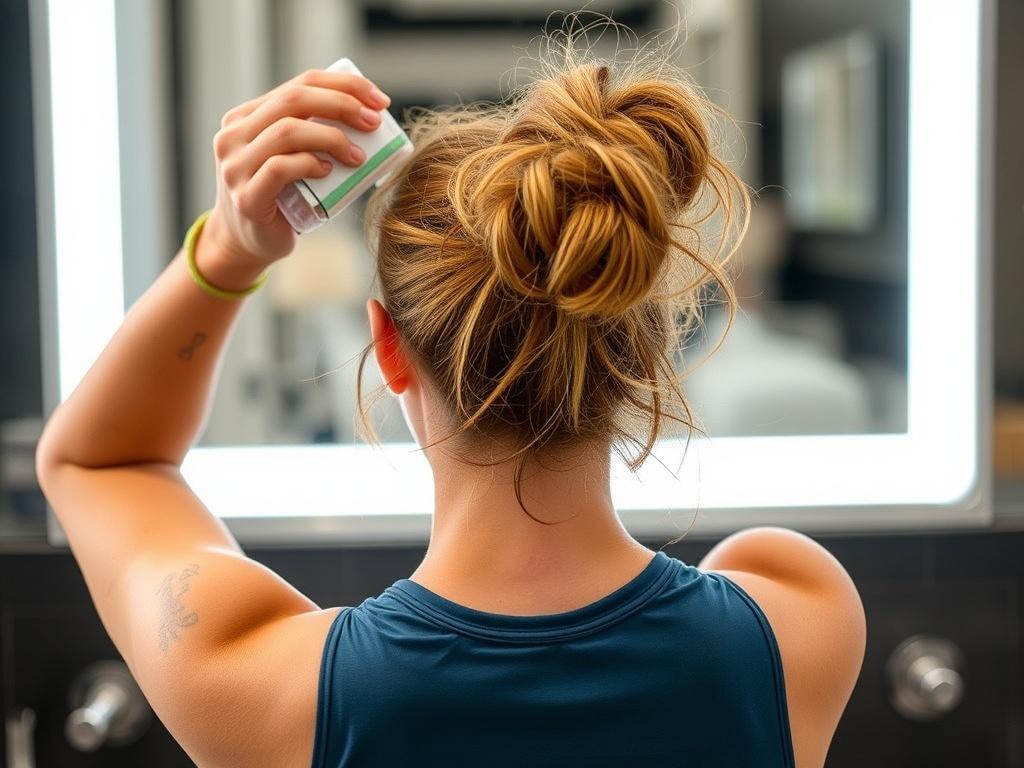
Working out is one of the few things that reliably clears the head, but the trade-off can be a sweaty, tangled mess on top. This article walks through practical, realistic steps to keep your hair healthy, fresh, and styled after exercise without turning your gym bag into a pharmacy. Read on for quick fixes, product suggestions, and a no-nonsense plan you can actually follow between sets and meetings.
Why post-workout hair care matters
Sweat is more than a sign of effort; it alters the scalp environment. Salt and minerals from perspiration can dry strands, change texture, and lead to buildup that makes hair look limp or greasy. Taking a few thoughtful steps after exercising prevents small problems from becoming chronic issues like excessive dryness, breakage, or dull color.
Healthy hair starts at the scalp. A neglected scalp can become inflamed, flaky, or clogged with sebum and product residue, and that affects hair growth and appearance. Post-exercise habits that target both scalp and strands keep hair resilient and reduce the need for aggressive, potentially damaging fixes later.
Common problems after exercising
The typical post-workout hair complaints are predictable: a greasy scalp, crunchy or sticky residue where sweat dried, flattened roots, and tangles from movement. For people with textured or color-treated hair, sweat can lift color or change curl pattern temporarily, which is frustrating if you just styled your hair earlier in the day.
Beyond aesthetics, there are practical concerns. Repeated sweat exposure without adequate cleansing encourages yeast and bacteria that can worsen dandruff or irritation. Also, rough post-workout handling—rubbing vigorously with a towel or detangling hair aggressively—accelerates breakage, particularly at the ends.
Quick fixes at the gym
Not every workout allows time for a full wash. That’s why a few quick strategies are worth memorizing: blot sweat away, refresh the roots, and protect the ends. A short five-minute routine can restore appearance and reduce damage until you can give hair more attention at home.
First, use a soft microfiber towel or an old T-shirt to gently blot the scalp and hair. Avoid vigorous rubbing, which roughens the cuticle and creates frizz. Then, use a dry shampoo or a light mist to absorb excess oil at the roots and restore lift—spritz from a distance and brush lightly to distribute.
If you sweat heavily, consider carrying a small spray bottle of diluted conditioner or a leave-in detangler to mist the ends before brushing. This prevents pulling and reduces the chance of snapped strands. Finally, re-secure hair with a soft accessory—preferably one designed to minimize creases and breakage.
Daily routine: wash or not to wash
Whether you should wash after every workout depends on your hair type, scalp, and schedule. People with oily scalps or those who exercise intensely and sweat a lot will likely need more frequent cleansing. Dry or curly hair types often benefit from less frequent full washes and more targeted scalp care.
A useful compromise is to alternate full shampoos with scalp-focused cleanses or refreshes. For example, shampoo thoroughly two to three times a week, and on other days use a dry shampoo, a gentle scalp rinse, or just a quick cool-water rinse to remove surface sweat and salt. This reduces strip-dry damage while keeping the scalp clean.
Pay attention to how your hair responds. If your roots feel heavy and your scalp itchy within a day of working out, you may need to increase washing frequency. If your curls become brittle or your color fades quickly with daily shampooing, scale back and rely on alternative techniques to manage sweat between washes.
How to choose a shampoo for post-workout washing
Select a shampoo that balances cleansing power with gentleness. Clarifying shampoos remove buildup and are great once a week if you use a lot of styling products or sweat heavily; however, daily use can strip natural oils and weaken hair. For regular post-workout washes, look for a sulfate-free formula with mild surfactants.
Ingredients matter. Tea tree oil and salicylic acid can help with oily or flaky scalps, while amino acids and light proteins support fine hair without weighing it down. If your hair is colored, pick a color-safe shampoo with UV filters or antioxidants to defend against fading and environmental stressors.
Conditioner and treatments: when and how
Conditioner is not optional if you shampoo—it’s essential to restore moisture and smooth the cuticle. Apply conditioner from the mid-lengths to the ends rather than the roots, which helps prevent rapid re-greasing. For fine hair, use lightweight, silicone-free conditioners to avoid buildup; for textured or chemically treated hair, richer creams and leave-ins provide needed slip and protection.
Deep treatments, like masks or protein treatments, should be used on a schedule based on hair condition. A weekly mask helps restore moisture to dry, brittle hair, while protein treatments are useful when hair feels weak or shows signs of breakage. Rotate moisture and protein treatments to maintain balance and avoid stiffness.
Styling and protective techniques during workouts
How you wear your hair while you exercise affects its post-workout condition. Tight ponytails and elastics with metal parts cause tension and breakage, especially when hair is wet or sweaty. Protective styling aims to reduce friction, maintain the natural pattern of the hair, and limit mechanical stress.
For most workouts, a loose bun, a high pony secured with a spiral hair tie, or a soft scrunchie will keep hair out of the face and avoid concentrated stress points. Braids are an excellent option: they minimize tangling and can preserve shape for a quick, low-effort look afterward. If you braid wet hair, though, allow it to dry thoroughly before unbraiding to avoid breakage.
Ideal hair ties and accessories
Choose accessories that distribute pressure evenly. Spiral elastics, fabric scrunchies, and wide non-slip headbands are gentler than thin rubber bands. Avoid knots and metal clasps that pinch sections of hair, and swap out accessories when they become stretched or frayed.
For high-impact activities, a double-layer approach works well: use a soft scrunchie to hold the bulk of the hair, and add a fabric-covered elastic closer to the scalp for extra control if necessary. Replace accessories regularly to keep them clean—oils and sweat accumulate on ties and can transfer back to your hair.
Scalp care: sweat, salt, and oil
The scalp is often overlooked, but it’s where healthy hair begins. Sweat contains salt and urea that, when allowed to dry, can irritate the scalp and make it feel tight or itchy. Regular gentle cleansing keeps pores clear and reduces the chance of inflammation or dandruff flares.
Massaging the scalp while shampooing increases circulation and helps remove debris, but be gentle—vigorous scratching or harsh brushes can damage the skin and hair follicles. After sweat, a cool-water rinse can soothe the scalp and close the cuticle, reducing frizz and sealing moisture.
If you experience persistent itching or flaking after workouts, consider switching to a medicated shampoo for sensitive scalps on an occasional basis. Ingredients like ketoconazole, zinc pyrithione, or coal tar should be used according to directions and rotated with gentler cleansers to avoid overuse.
Products worth keeping in your gym bag
A minimal, well-chosen kit makes post-workout hair care manageable. Pack items that address immediate needs—oil control, detangling, and protection—without weighing you down. Here’s a compact list of essentials that serve most hair types and scenarios.
| Product | Purpose | When to use |
|---|---|---|
| Microfiber towel or cotton T-shirt | Blotting sweat, reducing friction | Immediately after workout |
| Dry shampoo (travel size) | Absorb oil and add volume | Between washes |
| Leave-in detangler or light conditioner spray | Protect ends and ease combing | Before brushing/tangling |
| Spiral hair ties or fabric scrunchies | Gentle securing without creases | During and after exercise |
| Wide-tooth comb or compact detangling brush | Reduce breakage while combing | Post-mist or rinse |
DIY treatments and natural remedies
Simple at-home remedies can be effective, inexpensive, and gentle when used correctly. An apple cider vinegar rinse diluted one part vinegar to three parts water helps remove buildup and adds shine, but it should be used sparingly—about once a week for most hair types. Always follow with a conditioner to prevent dryness.
Aloe vera gel can soothe a stressed scalp and provide mild conditioning for strands. Use a small amount applied to the scalp and distributed through the lengths, then rinse after a few minutes. Coconut oil is excellent for sealing moisture in the ends for dry hair, but it’s heavy and can attract dirt if you exercise frequently, so apply it mainly on non-workout wash days.
Special considerations: colored, curly, and thinning hair
Different hair goals mean different strategies. Color-treated hair needs protection from chlorine, heat, and harsh surfactants. Curly and textured hair requires moisture and minimal manipulation to preserve pattern. Fine or thinning hair benefits from root-friendly techniques that add lift without weighing strands down.
Tailor your post-workout routine to the most vulnerable part of your hair. If your main concern is color, prioritize UV protection and sulfate-free products. If curls are your priority, limit shampoos and rely on co-washes or conditioning cleanses that preserve natural oils while removing sweat and odor.
Colored or chemically treated hair
Rinse hair as soon as possible after swimming and avoid hot water, which can open the cuticle and speed color loss. Use shampoos labeled for color-treated hair and follow with a nourishing conditioner. If you must exercise frequently, consider a pre-workout protective spray that forms a light barrier against sweat and pollution.
For bleached or chemically relaxed hair, deep conditioning routines are essential. Incorporate a protein treatment every few weeks if hair feels limp or overly stretchy, and always pair protein treatments with moisturizing masks to keep elasticity balanced.
Curly and textured hair
Curls thrive on moisture retention and minimal friction. When you exercise, try to keep hair in a loose pineapple (high, loose ponytail) or several loose braids to preserve curl structure. Skip harsh towels and instead blot gently with a microfiber cloth to avoid frizz and breakage.
On non-wash days, refresh curls with a water-and-leave-in spray or a curl refresher to dissolve salt and reactivate products. If you sweat a lot, consider co-washing—using a conditioner with gentle cleansing agents—to refresh the scalp while maintaining curl integrity.
Fine or thinning hair
Volume is the main goal for fine hair. Avoid heavy oils and rich conditioners near the scalp, and use lightweight, volumizing formulas instead. Dry shampoo can be a helpful tool in between washes, but use it strategically—overuse can create dullness and residue that weighs hair down further.
Choose styling methods that lift at the root: blow-drying with a round brush on low heat or using a short, cool blast to set volume. If thinning is a concern, consult a dermatologist; hormonal or nutritional factors may require professional assessment rather than only topical fixes.
Timing: what to do immediately versus later
Immediate care after a workout should be minimal and focused. Blot sweat, detangle gently if needed, and apply a root refresh or leave-in product to prevent matting. This reduces the risk of damage from hurried or forceful handling, and keeps hair manageable until you can perform a deeper cleanse.
Later the same day or evening, consider a fuller routine: shampoo and condition if needed, apply targeted treatments, and style while hair is slightly damp to lock in moisture. If you can’t wash that day, plan a comprehensive cleanse within 24–48 hours to remove accumulated salts and oils that can compromise scalp health.
My personal routine and experiments
Over the years I’ve tested dozens of post-workout approaches, from full daily washing to strategic dry-shampooing and everything in between. I found that washing after every intense session worked well when my schedule allowed, but it quickly made my ends dry and color fade. The most practical balance for me became a mix of dry shampoo, targeted scalp rinses, and weekly clarifying followed by deep conditioning.
I also experimented with accessories, moving from tight elastics to spiral ties and scrunchies. The difference was immediate: fewer breakage points and less creasing. For travel days when a shower isn’t an option, a quick braid, a spray of leave-in conditioner, and a gentle brush through after a cool rinse kept hair intact until I could do a full wash.
Common myths and mistakes to avoid
One persistent myth is that sweating out toxins will damage hair if you don’t wash immediately. Sweat itself is not toxic to hair; the real issue is salt and residue buildup. Immediate, gentle attention prevents problems, but an alarmist stance on instant washing often leads to overwashing and dryness.
Another mistake is scrubbing the scalp with nails or abrasive brushes. That can cause micro-tears and inflammation. Instead, use fingertips and circular motions to lift buildup gently. Also avoid piling wet hair on your head in a tight bun—wet hair is more fragile, and tight styles increase breakage risk.
Finally, don’t rely solely on styling products to hide problems. Heavy mousses and gels can trap sweat and oil, accelerating buildup. Use styling products strategically and clean them out regularly with appropriate shampoos or clarifying treatments.
Practical plan: a week of post-workout hair care
Having a predictable routine makes healthy hair the path of least resistance. Below is a simple, adaptable weeklong plan that balances cleansing, conditioning, and protection for most people who exercise regularly.
- Monday: Intense workout. Quick blot at gym, dry shampoo midday, full wash and conditioner that evening.
- Tuesday: Light cardio. Co-wash or scalp rinse; leave-in conditioner on ends and protective braid.
- Wednesday: Strength training. Dry shampoo if needed, deep-conditioning mask in the evening if hair feels dry.
- Thursday: Rest or light stretch. No wash; style with a refresh spray and loose bun.
- Friday: Cardio + outdoor activity. Rinse chlorine or sweat after swimming; color-safe shampoo if dyed, then conditioner.
- Saturday: High-intensity interval training. Pre-workout protective spray, quick blot and detangle, full wash that night if heavy sweat.
- Sunday: Recovery. Gentle scalp massage, protein or moisture treatment depending on hair needs, air-dry or soft styling.
When to see a professional
If you notice sudden, significant changes—intense scalp itching, persistent flaking that over-the-counter products don’t relieve, or rapid hair loss—book an appointment with a dermatologist or a trichologist. These symptoms can indicate underlying conditions that simple post-workout tweaks can’t fix.
A stylist is helpful when you need a regimen tailored to color, texture, or specific damage concerns. They can suggest professional treatments—like in-salon bond builders, glossing treatments, or corrective conditioning—that complement your at-home routine and make your hair more resilient to frequent exercise.
Putting it all together: a realistic checklist
Turn hair care into small habits that fit your life. Carry essentials, choose gentle products, protect hair during workouts, and build a predictable schedule for deeper treatments. Consistency, not perfection, creates lasting improvement.
- Blot—don’t rub—after sweating.
- Use gentle, scalp-friendly shampoos and condition the ends.
- Choose soft, non-damaging hair ties and protective styles.
- Rotate clarifying and moisturizing treatments weekly.
- Keep a compact gym kit for on-the-go refreshing.
Taking a few minutes after your workout to care for your scalp and strands pays off in the long run. You’ll avoid avoidable damage, preserve color and texture, and make styling easier on busy days. With a small set of tools and a sensible routine, post-exercise hair care becomes second nature and keeps your hair looking as good as your workout feels.