
Nothing ruins the post-workout glow like a stubborn sour smell clinging to your leggings or favorite gym tee. Whether you live in a humid climate or you simply train hard, managing odor in fitness clothes is more about habits and technique than about throwing everything in with regular laundry. This guide walks through why that smell happens, how to treat it at home, and long-term routines that keep your activewear fresh.
Why workout clothes get smelly so quickly
Sweat by itself is mostly water and doesn’t smell. The odor problem starts when sweat mixes with the bacteria that live on our skin. Those microbes break down sweat into acids and other compounds that produce the sour, vinegary, or cheesy scents we notice on clothing.
Performance fabrics—polyester, nylon, spandex—are lightweight and wick moisture away from the skin, but their structure can trap oils and bacteria deep in the fibers. That’s why synthetic activewear often holds odor more persistently than cotton.
Heat and dampness accelerate bacterial growth. Leaving sweaty clothes balled up in a gym bag or washing them poorly creates the perfect environment for odors to develop and set into fabric.
Understanding fabrics: which ones hold odor and which don’t
Natural fibers like cotton and merino wool breathe well and are less prone to trapping odor, though they absorb moisture and can feel heavy when wet. Merino wool, in particular, resists odor surprisingly well thanks to its natural antimicrobial properties.
Synthetics dominate modern activewear for a reason: they dry fast and stretch. But polyester and blends can trap oils and bacteria in tiny fibers, making smells harder to remove. Knowing what your gear is made of helps you choose the right cleaning method.
Compression fabrics, elastane, and blends with high synthetic content need gentler handling—harsh chemicals or hot water can break down stretch fibers and reduce lifespan. Treat those pieces with methods that remove odor without damaging performance properties.
Immediate actions after a workout: damage control
The best time to prevent odor is right after you finish training. Get out of sweaty clothes as soon as you can and let them air out. Hanging a top or pair of shorts spread open helps sweat evaporate and reduces bacterial growth.
If you won’t be able to wash items that day, keep them separate from clean items and avoid stuffing them inside a closed gym bag. A ventilated, breathable plastic or mesh bag is better for transport than a sealed sack.
For on-the-go emergencies, rinse problematic areas with cold water or use a sports-specific disinfecting spray or antimicrobial wipes. Those quick steps won’t replace a full wash but will slow the development of deep-set odor.
How to wash workout clothes effectively: a step-by-step routine
One wash can solve many odor problems if done correctly. Start by sorting workout clothes separately from regular laundry; mixing them dilutes the cleaners and spreads oils around. Wash activewear in small loads to avoid overcrowding and to allow agitation and rinsing to reach every garment.
Use a detergent formulated for activewear or one with enzymes. Enzyme detergents break down sweat proteins and body oils that cause smell. Avoid heavy, perfumed detergents that can leave residues and trap odors instead of removing them.
Choose the gentlest temperature the care label allows. Warm water helps dissolve oils better than cold, but high heat can set odors and damage technical fabrics. When in doubt, use cool to warm water with an activewear-specific detergent and a full rinse cycle.
Step-by-step wash method
1) Turn garments inside out to expose the areas that touch your skin directly to detergent and agitation.
2) Pre-treat heavily scented or stained areas (see pre-treatment section below).
3) Wash in a gentle cycle with an appropriate detergent. Add a cup of white vinegar during the rinse cycle for an extra odor-fighting boost if the fabric permits.
4) Avoid fabric softeners and dryer sheets; they leave a coating on fibers that reduces moisture-wicking and traps smells.
5) Air-dry whenever possible. Heat from a dryer can set odors permanently and wear down elastic fibers over time.
Pre-treating odor and sweat stains
Pre-treating lets you attack the source before the wash. For protein-based residues (sweat, body oils), enzyme-based pretreaters or a diluted dish soap applied directly to problem zones work well. Gently rub the solution into the fabric and let it sit for 10–20 minutes.
For persistent odor, a soak can be highly effective. Mix cold or warm water with half a cup of white vinegar or one tablespoon of enzyme detergent per gallon of water and soak for 30–60 minutes. Rinse well before machine washing.
Avoid using chlorine bleach on colored or synthetic items; it can weaken fibers and create odd odors when mixed with body oils. Oxygen-based bleach is a safer brightening option for colors and synthetics when used as directed.
Natural and DIY solutions that actually work
Many household products pull double duty as gym-laundry helpers. White vinegar, baking soda, and hydrogen peroxide are inexpensive, widely available, and effective when used correctly. They’re gentler than harsh chemicals and less likely to damage technical fabrics when used in appropriate concentrations.
White vinegar neutralizes odor-causing bacteria and helps break down detergent residue. Add half to one cup to the rinse cycle or use a vinegar soak before washing. The vinegar smell dissipates during rinse and drying, leaving garments neutral.
Baking soda deodorizes and helps lift oils. Make a paste with water for localized treatment or add half a cup to a wash cycle as a boosting agent. For stronger problems, combine baking soda and vinegar in a soak, but don’t mix them in the same wash load without rinsing between steps because the chemical reaction can neutralize their effectiveness.
Three DIY recipes to try
1) Quick vinegar soak: 1 part white vinegar to 4 parts cool water. Soak for 30 minutes, then machine wash with regular detergent.
2) Baking soda booster: Add 1/2 cup baking soda to the wash along with your usual detergent. Use warm water if the fabric allows.
3) Enzyme pre-soak: Dissolve an enzyme cleaner (follow label concentration) in cool water and soak for 30–60 minutes before washing. This method is especially useful for protein-based smells and stains.
Commercial products: sports detergents and sprays
Several brands make detergents and sprays specifically designed for athletic wear. These products often contain stronger enzymes tailored to break down sweat proteins and are formulated not to leave residue that traps odor. Investing in one good bottle can make a big difference for a heavy-training routine.
Odor-eliminating sprays and fabric refreshers are useful for between-wash refreshes, especially when traveling or when you need an immediate solution. Look for antimicrobial claims and avoid heavily scented options that simply mask smells rather than remove them.
Remember that no spray or refresher replaces a full wash. These products are for maintenance or emergency use, not for resetting deeply embedded odors.
Drying techniques that protect fabric and reduce odor
Air-drying is the safest method for activewear. Hang garments spread out in a well-ventilated area away from direct sunlight if colors are a concern. Good airflow prevents bacteria from proliferating and helps evaporate trapped moisture that causes odor.
If you must use a dryer, choose a low-heat or air-dry setting. High heat can degrade spandex and similar fibers, reduce elasticity, and sometimes “bake” odors into fabric, making them harder to remove later.
For delicate items like padded sports bras or compression shorts, reshape while damp and dry flat on a towel. Avoid hanging heavy wet items by straps, which can stretch and deform them.
Storage and post-wash care to keep gear fresh
Store clean activewear in a dry, well-ventilated drawer or closet. Avoid sealing items tightly in plastic for long periods; airflow reduces stale smells and prevents moisture buildup. If your wardrobe area is humid, small dehumidifier packs or silica gel sachets help.
Between uses, let clothes breathe. Hanging a top for a few hours after a wash, even if it’s dry, will let any faint lingering scent dissipate before you put it away. Rotate garments to prevent overwearing the same items, which can accumulate oils more quickly.
Cedar blocks or natural charcoal bags in drawers or gym bags absorb minor odors without chemicals. Replace or recharge charcoal bags as directed to keep them effective.
Special care for sports bras, compression gear, and shoes
Sports bras and compression garments require gentle handling to preserve elasticity and support. Always follow care labels; most recommend washing on a gentle cycle and air-drying flat. For bras, use mesh laundry bags to protect hooks and straps from tangling.
For shoes—notoriously difficult to fully deodorize—remove insoles and dry thoroughly. Insoles can be washed separately if permitted, or replaced periodically. Sprinkle baking soda inside footwear overnight and shake out before wearing to absorb smells.
For reusable insoles or shoe inserts, consider washing them by hand with mild detergent and letting them air-dry completely. Antimicrobial sprays formulated for footwear can help between washes but are not a permanent fix for soaked or very smelly shoes.
When odor persists: deep-cleaning strategies
Sometimes a regular wash isn’t enough. For persistent smells that survive multiple cycles, try a targeted deep-clean method. Start with an enzyme soak to break down organic residues, then launder with an activewear detergent and an added wash booster like oxygen-based bleach if the fabric allows.
Another effective tactic is a two-stage cleaning: pre-soak in white vinegar, rinse, then wash with baking soda added to the detergent. This sequence neutralizes odors and lifts out oils that gases like vinegar alone might not remove.
If home methods fail, professional textile cleaning may revive expensive pieces. Dry cleaners that specialize in technical fabrics or sports gear have access to tools and chemicals that are safe for synthetics and can restore performance properties.
Washing machine care: don’t forget the appliance
A smelly washer makes clothing care much harder. Run an empty hot-water cycle with two cups of white vinegar every month to dissolve detergent residue and kill bacteria. Follow with a half-cup of baking soda in a second hot cycle to neutralize any lingering odors.
Clean rubber door seals, detergent drawers, and filters regularly—these spots trap moisture, grime, and bacteria. Wipe seals dry after each use and leave the door propped open between washes to promote airflow.
Front-loading machines are especially prone to musty smells if neglected. Regular maintenance and occasional high-heat cleaning cycles keep the machine from transferring unpleasant odors to your workout clothes.
Gym bag hygiene and travel solutions
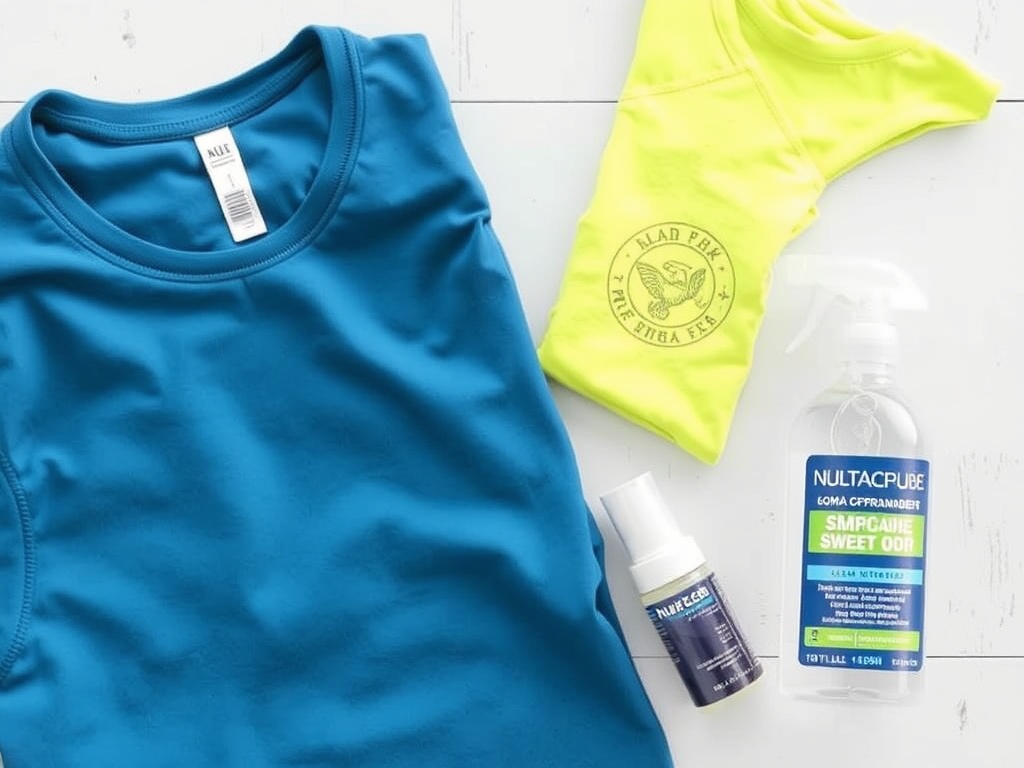
An unventilated gym bag is a major culprit in spreading smell. Empty and air out the bag daily. Use washable inserts or liners and clean the bag itself monthly according to its care label.
Carry a small stash of essentials: a resealable plastic bag for sweaty clothes, disposable or washable gym towel, a travel-sized fabric refresher, and a spare pair of clothes when possible. These small steps prevent odor from settling and spreading to other items in your bag.
For travel, pack activewear in breathable compression sacks or small mesh bags. If you need a quick refresh, hang items in the bathroom while you shower—the steam and ventilation can loosen surface oils and reduce mild odors until you can do a full wash.
Prevention is the best long-term strategy
Rotate clothing frequently and let worn items breathe before storing. Relying on a single favorite tank top for every workout guarantees faster buildup of oils and bacteria. A simple rotation routine extends garment life and keeps smells manageable.
Choose base layers wisely. Moisture-wicking undershirts and liners reduce sweat contact with outer layers, cutting down on odor transfer. Merino or treated synthetic base layers can be a great first line of defense.
Personal hygiene matters too. Showering when possible, using antiperspirant or clinical-grade products as needed, and keeping underarm areas clean reduces the amount of sweat and bacteria that get into fabrics.
Common mistakes that make odor worse
Using fabric softener is tempting because clothes feel nice, but softeners coat fibers and trap oils and bacteria. Skip them for activewear. You’ll preserve moisture-wicking properties and reduce odors.
Overloaded machines don’t clean well. Crowding prevents water and detergent from circulating properly, leaving residues behind. Wash activewear in smaller loads to ensure full rinsing.
Relying only on scented detergents to mask smells is another pitfall. Scents can mix with body odors to create worse smells, and they don’t remove the biochemical residues that cause the problem in the first place.
How to handle delicate or technical fabrics
Always check care labels before using soaking or cleaning agents. Some fabrics are treated with water-repellent or anti-odor finishes that can be damaged by vigorous scrubbing or chlorine-based products. Follow manufacturer instructions when available.
For delicate items, hand-wash in cool water with a mild, pH-neutral detergent. Gently squeeze out water—don’t wring—and dry flat or hang according to the label. Avoid long soaks if the manufacturer advises against them.
If you’re unsure, treat a small hidden area with your chosen cleaner first. Testing preserves the look and performance of expensive gear and prevents surprises like color loss or fabric weakening.
Table: quick reference for cleaning methods
| Problem | Recommended method | Best for |
|---|---|---|
| Light odor | Regular wash with activewear detergent, air-dry | Most synthetic tops and shorts |
| Moderate odor | Vinegar or enzyme pre-soak, then wash | Polyester leggings, repeated use items |
| Strong/persistent odor | Two-stage deep clean: enzyme soak + oxygen bleach wash | Stubborn smells, sports bras, compression wear |
| Shoe odor | Baking soda overnight, removable insole wash | Training shoes and sneakers |
Personal experience: how I rescued a pair of beloved leggings
I once had a pair of high-compression leggings that developed a sour odor no wash seemed to remove. They were expensive and fit perfectly, so discarding wasn’t an option. I tried enzyme detergents and several wash cycles with little change.
What worked was a deliberate two-stage approach: a 45-minute soak in a diluted white vinegar solution, followed by a hot wash with an enzyme detergent and half a cup of baking soda. I then air-dried them on a drying rack in indirect sunlight. The smell was gone and the fabric felt like new.
That experience taught me that persistence and the right order of treatments matter. Vinegar seemed to break down the residue, enzymes digested the remaining proteins, and baking soda neutralized lingering odors.
When it’s time to say goodbye to a garment
Not all odors are salvageable. If a garment has lost elasticity, has pilling, thinning fabric, or stubborn yellowing in sweat zones, cleaning may no longer restore it to acceptable condition. Smell combined with structural degradation is a sign to replace the item.
Replacing gear more often might sound wasteful, but worn-out clothes can trap more bacteria and contribute to persistent odor problems. Investing in quality replacements and maintaining them properly is more economical and hygienic in the long run.
Recycle or repurpose old workout clothes when possible—cut them into rags for cleaning, use them as workout floor towels, or donate items that are still functional but no longer your favorites.
Eco-conscious options and sustainability tips
Choose detergents with biodegradable formulas and avoid overusing chemical odor eliminators. Line-drying in the sun uses no energy and can help naturally deodorize items, though be cautious with direct sunlight and colored garments to avoid fading.
Buy fewer but better-quality pieces that stand up to repeated washes. Durable fabrics and well-constructed seams last longer and resist odor buildup better than flimsy fast-fashion items.
When discarding gear, consider textile recycling programs or donation centers that accept gently used workout clothes. Small choices in care and disposal reduce the environmental footprint of your fitness wardrobe.
Quick checklist to beat gym-clothes odor
- Change out of sweaty clothes immediately after working out.
- Sort activewear separately and wash in small loads.
- Use enzyme detergents or sport-specific cleaners.
- Pre-soak heavily soiled items with vinegar or enzymes.
- Avoid fabric softeners and high dryer heat.
- Air-dry when possible and store in a ventilated space.
Final practical tips you can apply today
Start small: after your next workout, hang your clothes up immediately instead of tossing them in a bag. That single habit prevents a cascade of problems. Combine that with a monthly washing-machine cleaning routine, and most odor issues disappear.
Experiment to find the detergent and method that works best for your wardrobe. A single enzyme detergent or an occasional vinegar soak can keep even the sweatiest routines smelling fresh without harsh chemicals or complex steps.
With consistent care, a few smart products, and the right habits, you can keep your fitness clothes smelling clean and feeling ready for every session. If you’re searching for guidance like Как убрать запах пота с одежды для фитнеса, these practical steps will get you there—without sacrificing performance or fabric life.