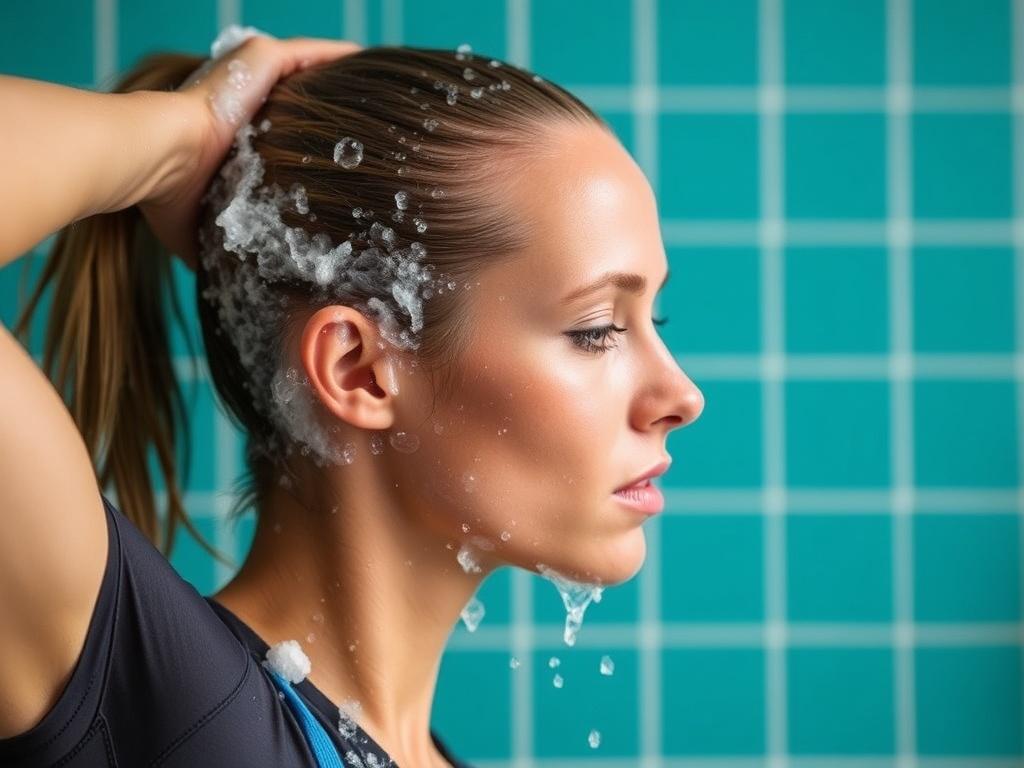
Training changes more than your lungs and legs; it changes your scalp, your routine, and sometimes your sense of what “clean” really means. Athletes face a tangle of sweat, salt, outdoor grime, pools, and frequent headgear—each factor nudging hair-care choices in different directions. This article walks through the science, real-world scenarios, and easy routines so you can keep hair healthy without spending extra time or money.
Why athletes’ hair-care needs differ from the average person
When you train for hours, your scalp becomes an active environment: sweat increases sebum production, salt and debris accumulate, and friction from helmets or headbands changes the mechanical stress on hair. That combination can provoke irritation, flakiness, or a flat, greasy look much faster than a mostly sedentary routine.
Beyond appearance, scalp conditions matter to performance and comfort. Itchy or sore skin distracts during practice, and a bacterial or fungal overgrowth—encouraged by damp, warm conditions—can force you out of training temporarily.
Finally, athletes often juggle travel, frequent washing facilities, and time constraints. So recommendations need to be practical: effective but straightforward, adaptable to different sports and hair types, and mindful of recovery windows where skin barrier function matters most.
How sweat, salt, and training environments affect the scalp
Sweat itself is mostly water with salts and trace minerals; on the skin, it mixes with natural oils, dead skin, and environmental dust. For someone who trains once a week, that residue washes away easily. For daily training, it stacks up and becomes a micro-environment that favors odor-causing bacteria and irritation.
If you swim, chlorine—or if you swim in the ocean, salt—alters hair cuticle structure and strips oils. Climatic exposure like sun and wind also dehydrates hair, making it brittle and susceptible to breakage after repeated sessions. These elements combine to create higher maintenance needs than for non-athletes.
Heat and humidity matter too. A humid locker room keeps scalps damp for extended periods, feeding fungal organisms like Malassezia that contribute to dandruff. Conversely, cold, dry air can reduce scalp oil production but increase skin flakiness. Athletes need to consider both the immediate post-workout state and cumulative seasonal effects.
The role of hair type and scalp condition in washing frequency
Not everyone’s hair reacts the same way to sweat and water. Fine, straight hair tends to look greasy more quickly because sebum moves down the shaft faster. Curly and coily hair usually appears drier since natural oils travel less readily, so athletes with textured hair often can go longer between washes without discomfort.
Scalp health also changes recommendations. People with oily scalps benefit from more frequent cleansing to prevent follicle blockage, while those with sensitive or dry scalps may need gentler approaches and less frequent shampooing to protect the skin barrier. Recognizing your baseline—oily, normal, dry, or sensitive—lets you tailor the routine to actual needs.
Hair length and styling choices play into this as well. Short hair dries faster and tolerates daily rinses better, while long or heavily styled hair may suffer from daily mechanical damage if washed and brushed intensely each day. Consider both scalp condition and hair mechanics when planning a washing schedule.
General frequency guidelines by sport intensity and environment
There’s no one-size-fits-all prescription for athletes, but we can map sensible ranges by training intensity and exposure. Light, low-sweat activities like yoga or walking often allow 2–3 washes per week, while daily high-intensity work usually warrants more frequent cleansing. Swimming, contact sports, and endurance training have their own special considerations.
Below is a compact table illustrating recommended frequency ranges—use it as a starting point and modify based on how your scalp actually feels.
| Sport/intensity | Typical frequency | Notes |
|---|---|---|
| Low-intensity (yoga, walking) | 2–3 times/week | Shampoo less often; rinse if sweaty |
| Moderate everyday (team practice 3–4x/week) | 3–5 times/week | Shampoo after heavy sessions; co-wash between |
| High-intensity daily training | Daily to every other day | Use gentle or athlete-specific shampoos |
| Swimming (chlorine exposure) | Rinse every day; shampoo 2–4x/week | Pre-wet and use swimmer-specific care |
| Contact or helmeted sports | Daily to every other day | Watch for scalp irritation from gear |
These ranges reflect common scenarios but listen to your scalp. Signs that you need to increase washing include persistent itch, flaking with oil, or offensive odor. Signs you might be over-washing include chronic dryness, breakage, or excessive tangling.
Choosing the right shampoo for an athlete’s life
Not every shampoo suits repeated post-workout use. Harsh detergents strip oils aggressively, leaving the scalp dry and triggering compensatory oil production, which paradoxically makes hair look greasier faster. Look for low-to-moderate cleansing power and formulas that emphasize scalp health rather than heavy conditioning in the wash phase.
Shampoos labeled for athletes often advertise clarifying power, anti-chlorine effects, or balanced pH. Those can be helpful when you train daily or swim often, but they shouldn’t be your only tool—rotating between gentle daily cleansers and an occasional clarifying wash is typically smarter than using strong detergents every day.
Practical tests matter more than marketing. If a shampoo leaves your scalp tight and flaking within a day or two, it’s too harsh. If your hair still smells or feels coated after washing, the product may be too mild or your technique may need adjustment—see rinsing and lathering tips below.
Clarifying shampoos versus gentle daily formulas
Clarifying shampoos remove heavy buildup: silicone-based styling products, minerals from water, and sunscreen residues. They have a clear role for athletes who use styling products or who swim frequently, but they can be drying if used more than once a week for most people.
Gentle daily formulas contain milder surfactants that clean sweat and light oil without stripping the scalp entirely. These are appropriate for athletes who shower daily and want to maintain a balanced scalp environment. They work best when paired with a weekly clarifying session to reset buildup.
A practical pattern is: gentle shampoo after most workouts; clarifying shampoo once a week or after heavy product exposure or intensive swimming. That combo minimizes damage while keeping skin and hair clean.
Ingredients to avoid and ingredients that help
Certain surfactants and additives can be overly aggressive—sulfates like sodium lauryl sulfate are effective cleansers but can dry fragile hair with frequent use. Heavy silicones (often ending in -cone) can smooth hair but accumulate, requiring clarifying shampoos and making hair feel weighed down between washes.
Beneficial ingredients include humectants like glycerin for hydration, mild surfactants such as sodium cocoyl isethionate or decyl glucoside, and soothing agents like aloe or panthenol for scalp comfort. For swimmers, chelating agents or anti-chlorine formulas help neutralize mineral damage.
Also look for pH-balanced products; scalp skin tends to prefer slightly acidic conditions, so neutral-to-slightly acidic shampoos support barrier function. If you have a medically diagnosed scalp condition, follow dermatologist advice on active ingredients like ketoconazole or zinc pyrithione.
Conditioners, masks, and targeted treatments
Conditioning after shampooing restores slip, reduces tangling, and helps cuticle alignment, decreasing breakage during workouts. For athletes who wash daily, leave-in conditioners or lighter rinse-out conditioners that focus on mid-lengths and ends work better than heavy masks at the scalp.
Deep masks are useful once a week for swimmers or athletes exposed to sun and wind, but applying rich treatments to the scalp regularly can clog follicles. Use masks selectively—post-race, during recovery weeks, or when hair feels particularly dry.
Topical treatments for dandruff, seborrheic dermatitis, or hair loss must be used under guidance. Over-the-counter anti-dandruff shampoos with zinc pyrithione or coal tar can reduce flaking, while medicated antifungals are reserved for persistent issues. Monitor how treatments interact with training, especially if you’re sweating heavily afterwards.
Effective post-workout hair-care routine
Start with a quick rinse immediately after training if you won’t be able to shower right away. Running water removes sweat and salt that would otherwise sit on the scalp, reducing irritation and odor while you move on with your day. This is especially important on hot days or after prolonged sessions.
When you can shower, prioritize the scalp: massage shampoo into the roots with fingertips for 30–60 seconds to dislodge oils and sweat. Rinse thoroughly—residue from shampoo or conditioner can feel like dirt and lead you to over-wash later, so clear rinsing is crucial for a balanced scalp.
Condition mid-lengths to ends only, avoiding heavy product at the scalp if you’re prone to oiliness. Gently towel-dry or use a microfiber towel to reduce friction. If you must style, keep products light and avoid layering heavy creams that attract dirt and trap sweat.
Drying and styling for athletes who sweat a lot
Wet hair under a helmet or headband creates a humid microclimate that encourages bacterial growth and increases scalp irritation. Whenever possible, dry hair before putting on gear. If immediate drying isn’t feasible, loosen headgear or use breathable liners to reduce moisture buildup.
Heat styling is often unnecessary for athletes and can add cumulative damage. When you do use heat, choose low-to-medium settings and apply a heat protectant. For textured hair, air drying with a gentle detangling routine reduces breakage compared to rough towel rubbing or aggressive combing when wet.
For athletes who braid or tie hair tightly, rotate styles and use soft ties to minimize traction alopecia. Regularly loosen tight styles and give the hairline rest days to prevent hair loss from chronic mechanical stress.
When washing too often does more harm than good
Daily washing with harsh products can strip lipids and proteins from the hair and scalp, weakening the barrier that protects against irritation and infection. A damaged barrier often responds by producing more oil, leading to a frustrating cycle of over-washing and rebound greasiness.
If your hair is dry, frizzy, or breaks easily, reassess washing frequency and product choice. Try spacing shampoos slightly further apart while using gentle rinses, co-washes, or dry shampoo strategically to control oil without stripping the scalp.
Also watch for dermatitis-like symptoms after more frequent washes: redness, stinging, or painful flaking indicates your routine needs to slow down and include more restorative, barrier-supporting products.
Special considerations for swimmers
Chlorine and salt both damage hair by opening the cuticle and leaching color and natural oils. Pre-wetting hair before entering a pool reduces the amount of chlorinated water absorbed, and applying a small amount of leave-in conditioner or oil creates a temporary barrier.
Rinse immediately after swimming and use a swimmer-specific shampoo or a gentle clarifying shampoo within 24 hours. Swimmers often find that frequent clarifying washes help prevent stiffness and discoloration, but follow them with targeted conditioning to restore softness.
For competitive swimmers, head caps and regular hair treatments help, but be cautious with frequent chemical treatments like bleaching, which accelerate damage. Work with a stylist to plan color or straightening services around competition to avoid weakened hair during peak periods.
Strength training, contact sports, and helmeted activities
Weightlifting and sprint training produce heavy sweat in short bursts, often requiring a quick cleanse after each session. Contact sports and helmet use add friction, pressure, and trapped sweat, which increase risk for folliculitis and irritations. Regular, gentle cleansing helps manage these risks.
Helmet liners, headband rotation, and regular cleaning of gear help reduce transfer of bacteria and oils back to the scalp. Wiping down gear after use and airing helmets can make a big difference in scalp comfort and reduce the need for daily harsh shampoos.
Be mindful of scalp abrasions from contact sports; open cuts need medical attention and should not be medicated with cosmetic products until healed. Keep any topical medicaments prescribed by providers clear of heavy styling products that could trap bacteria.
Youth athletes and adolescent hair-care routines
Teenagers often produce more sebum due to hormonal changes, so adolescent athletes may need more frequent washing than younger children. However, their skin can also be sensitive, so choose mild shampoos that clean without stripping and allow space to adjust frequency over a few weeks.
Teach simple habits: rinse after practice, dry hair before heading to the classroom, and keep headgear clean. These habits build lifelong hair-care literacy and prevent unnecessary irritation that can sideline enthusiasm for sport.
Parents and coaches should avoid pressuring teens to use strong or perfumed products that can cause allergies or scalp problems. When in doubt, a pediatrician or dermatologist can recommend age-appropriate, gentle care that fits training schedules.
Hair loss concerns, medical causes, and when to see a professional
Increased hair shedding is normal after prolonged stress, including heavy training blocks or illness; this telogen effluvium usually resolves in months. But persistent, localized thinning, scaly patches, or sudden hair loss deserves prompt evaluation by a dermatologist or sports medicine provider.
Scalp infections like tinea capitis (fungal ringworm) require prescription antifungals; over-the-counter measures won’t clear them. Folliculitis and bacterial infections sometimes need topical or oral antibiotics, especially if training environments repeatedly re-expose the scalp.
If you suspect a medication, hormonal imbalance, nutritional deficiency, or autoimmune pattern, professional testing and management are the right step. Athletic trainers and team physicians routinely coordinate with dermatologists to keep athletes on the field while addressing hair and scalp health.
Putting it into practice: example weekly schedules
Below are practical schedules tailored to common athlete profiles. Use these as templates and tweak based on your scalp response. Remember that the key is consistency and simple feedback—itch, odor, or dryness indicate you need to change something.
- Recreational runner (3 sessions/week): Shampoo after long or sweaty runs; otherwise rinse and condition as needed. Clarify once weekly.
- Daily gym-goer (weightlifting/cardio): Gentle shampoo every other day, daily rinses when necessary, leave-in conditioner mid-lengths on wash days.
- Competitive swimmer: Pre-wet and protective conditioner before pool, rinse after each session, clarifying shampoo twice weekly, deep condition once weekly.
- Team-sport athlete with helmets: Daily gentle cleanses or every-other-day shampooing; clean helmet liners after every practice and alternate headbands.
Track how your hair looks and feels across two to four weeks after any change; hair-cycle responses are not instantaneous. Adjust in small increments rather than large swings to find the sweet spot for performance and scalp health.
Travel, training camps, and competition weeks
When you travel, routines break down: different water, limited products, and tight schedules can derail even careful plans. Pack a travel-size gentle shampoo, a clarifying option, and a small leave-in conditioner to recreate your base routine on the road.
During competition weeks, athletes often prefer minimal changes to hair and scalp routines to avoid surprises. If you must alter products, do so at least a week before competition to observe any reactions. Keep gear and towels clean and avoid heavy treatments right before key events.
Training camps with communal showers need extra vigilance: keep your own towel, shampoo, and a comb separate, and consider flip-flops in showers to reduce infection risk. Simple hygiene in shared environments prevents trouble that takes weeks to fix.
Seasonal and environmental adjustments
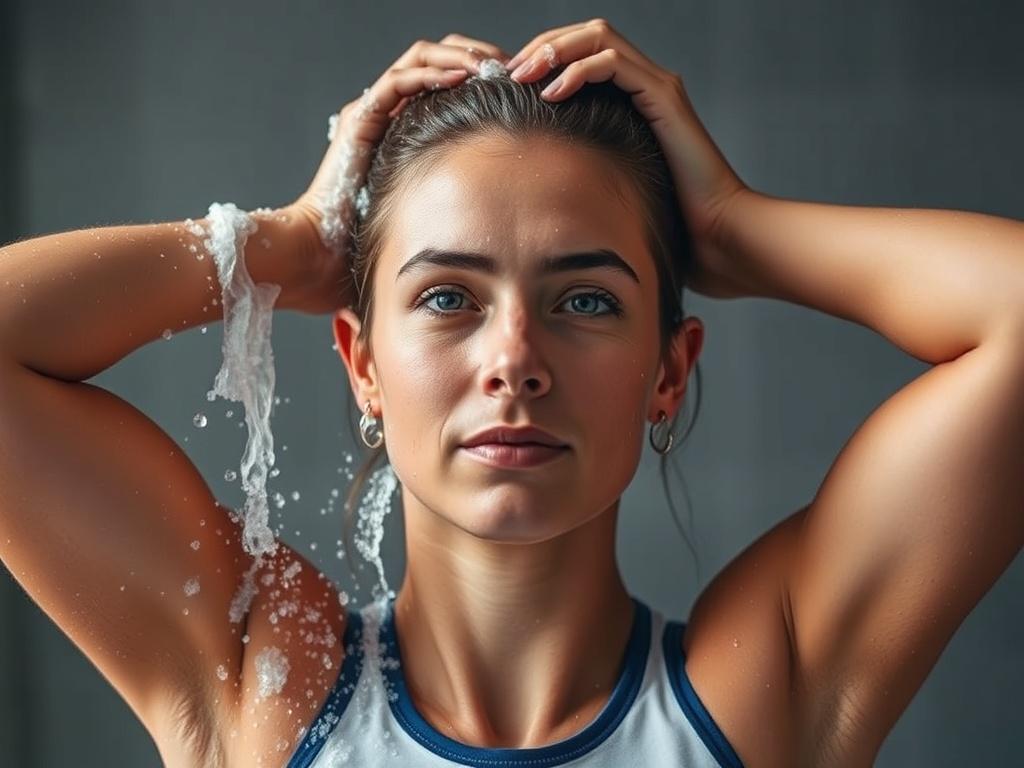
Hot seasons increase sweat and may push you toward more frequent washing; cold seasons dry out hair, signaling a shift toward richer conditioners and fewer clarifying sessions. Salt air and urban pollution add another layer of buildup that may require clarifying once every one to two weeks.
Altitude and dry climates increase moisture loss from hair, so prioritize protein and hydrating treatments intermittently. Conversely, humid environments may favor lighter, water-based products to avoid limp, weighed-down hair between washes.
Listen to how hair behaves across seasons and adjust product concentration rather than overhauling the whole routine. Small tweaks often achieve balance without complicating your regimen.
Real-life examples and author observations
Coaching a community soccer team taught me that the simplest interventions often have the biggest payoff: clean headbands, rotating helmet liners, and a clear wash-and-rinse routine eliminated most complaints about itch and odor. Players who used harsh clarifying products daily developed flaky scalps and more split ends.
As a weekend triathlete, I experimented with pre-swim wetting plus a lightweight silicone-free leave-in for several seasons. That modest habit minimized chlorine stiffness and reduced the need for weekly deep masks, saving time and money while keeping hair manageable through training blocks.
These experiences underscore a practical truth: routine adjustments based on sport, hair type, and environment beat marketing claims. Start simple, observe honestly, and adjust incrementally.
Minimalist and eco-friendly approaches for athletes
Less can be more, especially when environmental impact and time matter. Syndicated routines like co-washing (using conditioner to cleanse) work for many athletes with textured hair or lower sweat loads. They reduce water use and avoid frequent detergent exposure.
Solid shampoos, concentrated formulas, and lightweight eco-packaging reduce waste and often last longer than bulky bottles. Look for biodegradable surfactants and low-irritant ingredient lists if you’re training outdoors or in sensitive environments.
Remember that sustainable choices should still suit your scalp. If a natural or minimalist product leaves residue or doesn’t clean effectively after intense sessions, balance eco-ideals with practical hygiene needs to avoid skin problems.
Common myths and mistakes to avoid
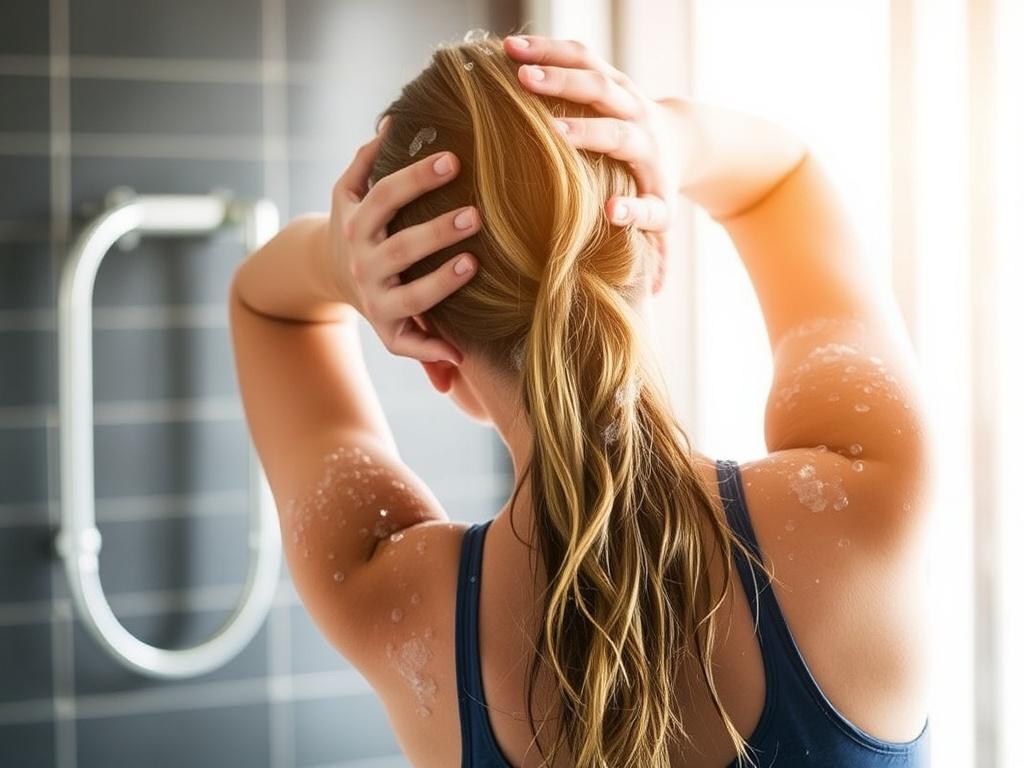
A common myth is that daily washing automatically causes hair loss. In reality, hair loss is driven by genetics, hormones, medical issues, or mechanical damage—not the act of washing. Harm can come from harsh products and aggressive handling, not from reasonable cleansing.
Another mistake is overusing dry shampoo as a replacement for water-based cleaning. Dry shampoos are a useful stopgap but can build up and irritate the scalp if relied on exclusively. Use them strategically between true washes rather than as a daily crutch.
Finally, don’t assume that expensive products are better. Many affordable, pharmacy shampoos offer balanced surfactants and scalp-supporting ingredients that suit athletes. Prioritize function and tolerance over price or hype.
Quick checklist: what to do after a workout
- Rinse or shower as soon as feasible to remove sweat and salt.
- Use a gentle shampoo targeted to your sweat level; massage the scalp for at least 30–60 seconds.
- Rinse thoroughly and condition mid-lengths and ends only.
- Dry hair enough to avoid putting on tight, non-breathable headgear while damp.
- Clean and air-dry gear and towels to avoid re-exposure to bacteria.
Keeping this short list near your training bag makes healthy hair habits easier to follow consistently.
When to consult a dermatologist or sports medicine professional
Seek professional help if you see persistent redness, painful lesions, severe flaking that doesn’t respond to over-the-counter products, or rapid hair thinning. These signs suggest an underlying medical condition or infection that needs targeted treatment.
Also consult if you notice scalp sensitivity after changing products or if you have a chronic skin condition like psoriasis that interferes with training. Coordinated care between your sports clinician and a dermatologist ensures treatments don’t interfere with performance or recovery.
For team athletes, ask whether the team has dermatology or sports medicine resources; many organizations provide access to specialists who understand the intersections of training and skin health.
Athletic life complicates hair care, but it doesn’t have to be a daily struggle. With a few simple principles—match frequency to sweat load and hair type, choose mild but effective products, rinse thoroughly, and protect hair from excessive mechanical or chemical damage—you can keep both scalp and mane in working order. Tweak routines slowly, pay attention to feedback from your scalp and hair, and don’t hesitate to involve a clinician for stubborn or unusual issues. In the end, practical, consistent habits win: healthy scalp, less distraction, and one less thing to worry about between workouts.