Whether you lift, run, swim, climb, or practice yoga, your hands and nails take a beating. That small strip of skin at the base of each nail—the cuticle—acts like a weatherproof seal, and when it’s neglected during training, things that start small can disrupt workouts and even lead to infection. This article walks through practical, athlete-friendly approaches to keeping cuticles intact without adding a long beauty routine to your day.
Why cuticle care matters for athletes
Cuticles are more than cosmetic detail; they form a protective barrier between the nail plate and the surrounding skin. When that barrier is compromised through tears, dryness, or repeated friction, bacteria and fungi find an easy entry. A simple hangnail or split cuticle can turn into a painful paronychia that sidelines a grip, makes climbing uncomfortable, or complicates daily training.
Athletes often expose their hands to repetitive stress, moisture changes, and harsh cleaners, all of which accelerate cuticle damage. Caring for cuticles is a small investment in prevention: a few minutes each day can avoid lost training time, painful infections, and the slow process of healing a damaged nail bed.
Basic anatomy: what you’re protecting
Understanding the key parts helps you care for them wisely. The proximal nail fold is the skin at the base of the nail; the cuticle is the thin layer of dead skin adhering to the nail plate, sealing out pathogens. Just beyond that is the eponychium, a live tissue zone that supports nail growth and requires gentle handling.
Underneath, the matrix produces the nail and is vulnerable to trauma. If you repeatedly shear or tear the cuticle and push into the matrix, you risk deforming the nail for months. Reasonable care prevents permanent cosmetic and functional damage that interferes with performance.
Common cuticle problems athletes face
Dryness and cracking are the most frequent complaints. Repeated contact with chalk, sweat, and cleaning products strips natural oils, leaving cuticles brittle and prone to splitting. For runners, friction from gloves or extended exposure to cold air causes similar problems.
Hangnails and small tears often follow dryness. These tiny injuries are painful and risk infection because athletes keep using their hands immediately, exposing wounds to bacteria. More severe is paronychia, an infection of the nail fold that can require oral antibiotics or drainage if neglected.
Nail trauma is another widespread issue for those who lift heavy weights, practice gymnastics, or climb. Impact and pressure can lift the nail from its base, separate the cuticle, and disrupt future nail growth. Prompt care minimizes long-term consequences.
Simple daily routine for athletes
A realistic routine must be short and repeatable. Start with a twenty-to-sixty-second micro-habit: after washing hands, apply a thin layer of cuticle oil or a lightweight moisturizer to each nail base. This keeps the skin supple and reduces the chance of hangnails forming during workouts.
Before training, avoid aggressive pushing or trimming; instead, ensure there’s no loose skin that can catch on equipment. After training, gently wash hands with mild soap, pat dry, and reapply oil. That sequence—cleanse, dry, protect—takes less than two minutes but pays dividends.
Pre-workout prep
Preparing the skin before activity reduces damage. If you lift, apply a thin coat of barrier balm to palms and cuticles to reduce friction from bars. Climbers should use a less greasy option that won’t interfere with grips; a silicone-based or waxy balm provides protection without tackiness.
Gloves are helpful for cycling, weightlifting, or winter running, but they must fit properly. Ill-fitting gloves increase friction and can create hotspots that lead to split cuticles. Choose materials that wick moisture and remove them for brief skin checks during long sessions.
Post-workout care
Post-training attention focuses on cleaning and restoring moisture. Sweat alters the skin’s pH and depletes oils, so rinse hands with lukewarm water and a mild soap designed for sensitive skin. Avoid hot water, which dries skin faster.
Follow washing with a targeted emollient: a light oil or cream massaged into the cuticle and surrounding skin. Massage increases circulation and speeds repair. If you’ll be outdoors or in cold weather afterward, apply a thicker protective cream to lock in moisture.
Tools and products that actually work
Not every product is suitable for athletes; look for fast-absorbing, non-greasy formulas that won’t disrupt grip. Cuticle oils with jojoba, almond, or vitamin E are excellent because they mimic the skin’s natural lipids. For heavier protection, beeswax-based balms form a water-resistant barrier during training.
Avoid aggressive chemical cuticle removers and metal pushers when you’re active frequently. If you do use tools, sanitize them before and after every use and keep a clean, blunt-ended cuticle stick for gentle pushes. Disposable emery boards and buffers are fine for quick edge smoothing, but save thorough manicuring for rest days.
Product comparison
| Product type | Best for | Downside |
|---|---|---|
| Light cuticle oil | Daily maintenance, quick absorption | Needs frequent reapplication |
| Beeswax balm | Barrier during heavy work or cold | Can be greasy on contact surfaces |
| Silicone-based balm | Grip-friendly protection | Not ideal for deep hydration |
| Mild antiseptic | Treating small tears or hangnails | Can sting; use sparingly |
How to trim and push cuticles safely
Resist the urge to cut aggressively. Cutting living tissue increases infection risk and can create permanent scarring. If a hangnail is painful and must be removed, sanitize small nail scissors, trim the loose piece flush with the skin, and immediately apply an antiseptic followed by an emollient.
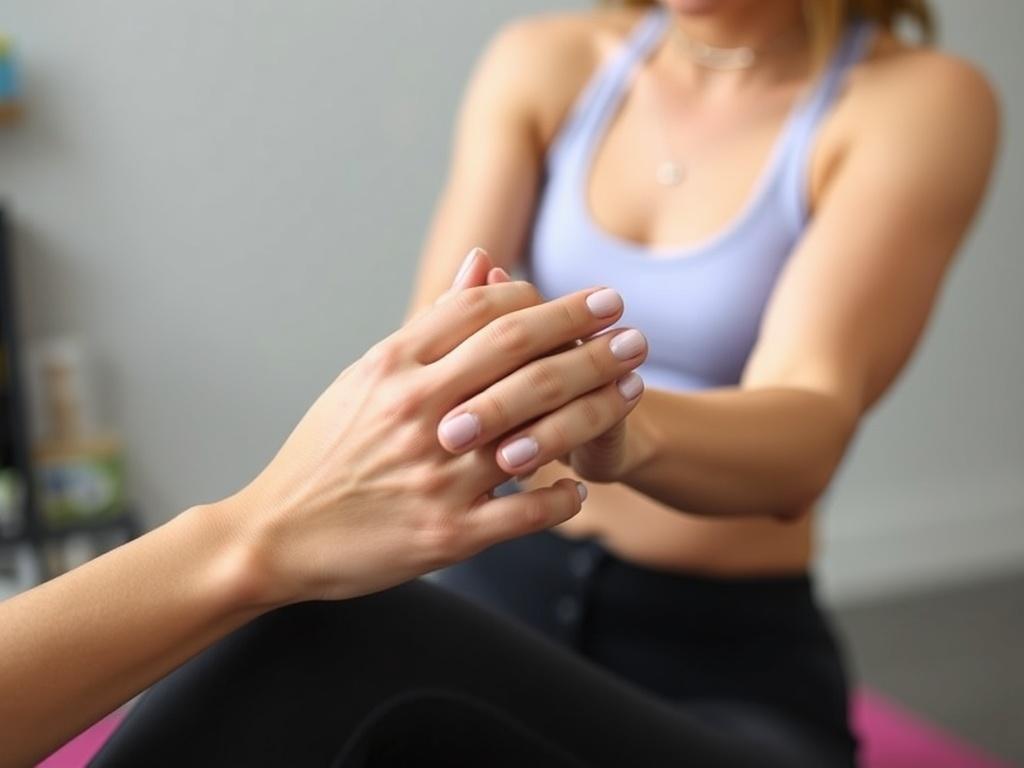
Gentle pushing of the cuticle with a soft, rounded wooden stick after a warm soak can tidy the nail edge without damage. Limit pushing to once a week at most, and always follow with oil or cream. When in doubt, leave it alone—most cuticle changes correct themselves with regular hydration.
When to see a professional
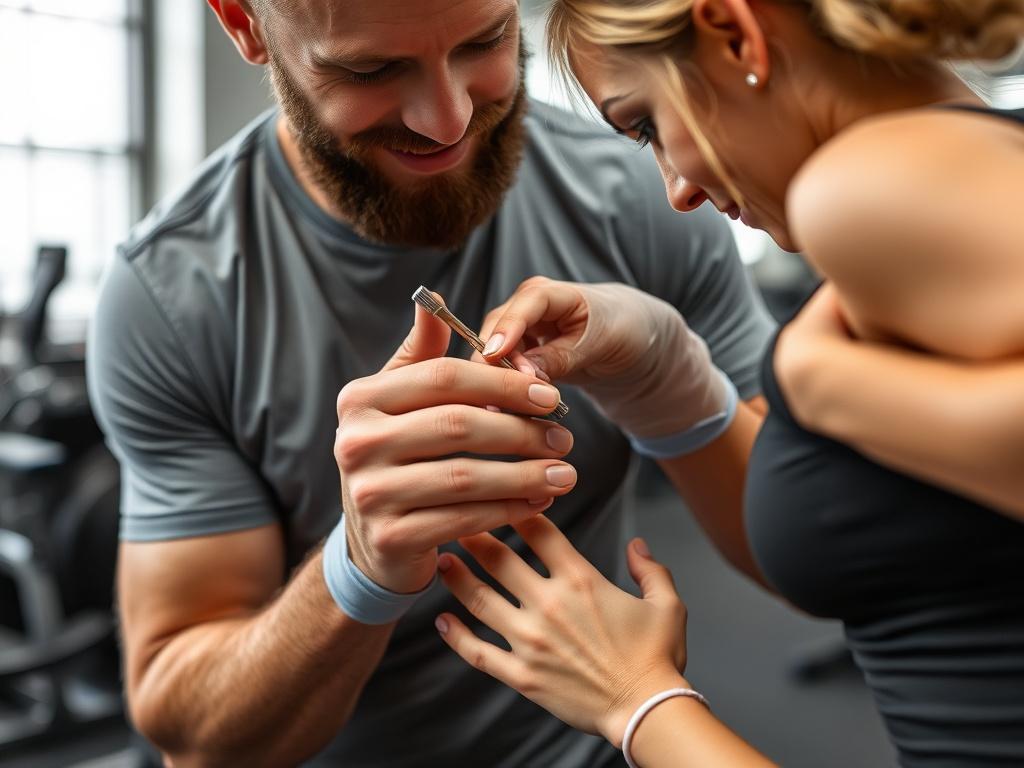
Seek medical or professional help if you notice intense redness, swelling, spreading warmth, or pus near the nail. Those are signs of an active infection that needs treatment rather than home care. Delay risks deeper infection and can require stronger interventions such as antibiotics or drainage.
A professional manicurist or dermatologic clinician can also advise on chronic issues like recurrent paronychia or nail-plate deformity. If you’re an athlete with repeated nail injuries through a season, a short consult can produce a prevention plan tailored to your sport.
Sports-specific considerations
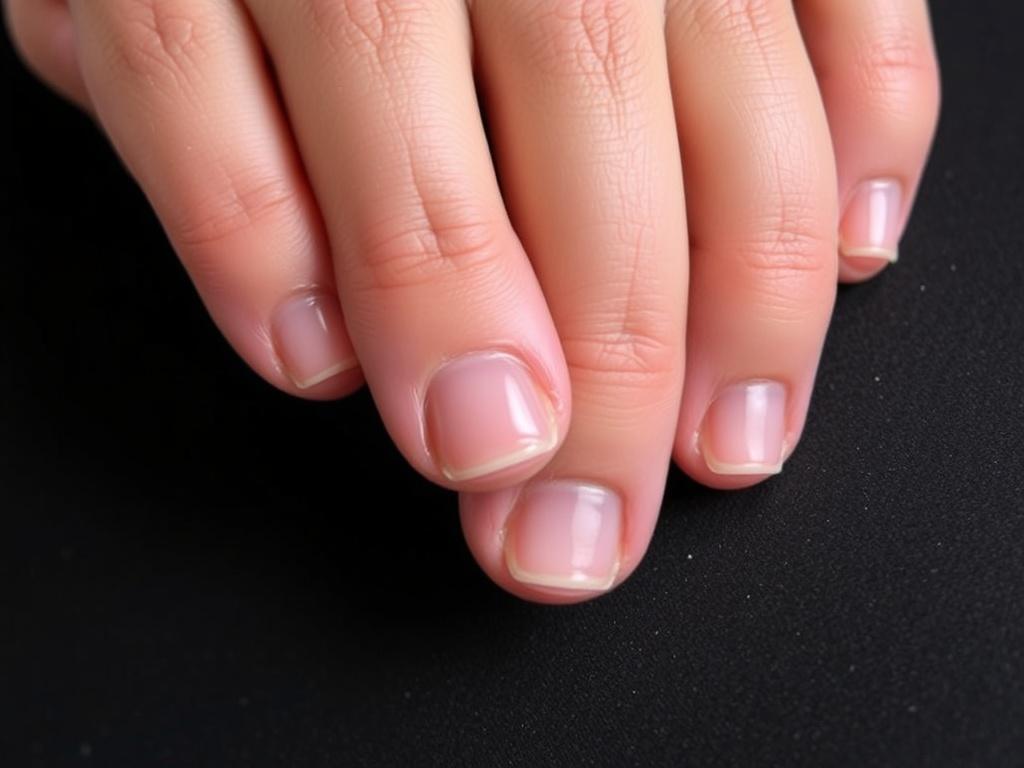
Each sport presents unique challenges. Swimmers face chlorine exposure, which strips oils and dries cuticles. Runners often experience cold, wind-driven dryness, while climbers expose hands to repeated mechanical abrasion. Understanding your sport’s typical damage pattern helps you choose targeted prevention steps.
Climbers should prioritize fast-absorbing oils that won’t compromise grip, and schedule deep moisturization on rest days. Swimmers benefit from barrier creams applied immediately after practice, and rinsing off chlorine promptly reduces long-term drying. Weightlifters can use protective balms on palms and apply regular moisturizers between sets when possible.
Rock climbing and bouldering
Climbing places severe shearing forces on the fingertips and nail folds. Chalk and friction both dry skin and create micro-tears that can become hangnails. Short, clean nails reduce snagging, and regular oiling during rest days helps skin remodel.
Some climbers adopt weekly tape routines for problem routes, protecting vulnerable nail folds from repeated tearing. If you tape, make sure the adhesive doesn’t pull at the cuticle; remove tape slowly and rehydrate the skin afterward with oil or balm.
Swimming and water sports
Chlorine and saltwater dehydrate skin and accelerate cuticle splitting. Swimmers should rinse immediately with fresh water and use a gentle surfactant to remove pool chemicals. Applying moisturizer within a few minutes of showering seals in hydration and mitigates cumulative damage.
Swim caps, gloves, and avoiding excessive exposure during peak chlorination can reduce the problem. On long competition days, keep a small bottle of cuticle oil in your bag and apply between warm-ups and races.
Weightlifting and CrossFit
Repeated pressure and gripping heavy bars can lift nails and damage cuticle seals. Calluses and thickened skin develop as protective responses but don’t ignore the cuticles beneath. Periodic careful filing of calluses and moisturizing around the nail fold keeps mobility and reduces cracking.
Consider using chalk moderately and pairing it with a nightly hydration routine. If you use grips or tape for heavy lifts, check for accumulated moisture that could promote skin maceration and infections, and dry thoroughly between sets.
Nutrition and whole-body approaches
Healthy nails and cuticles reflect internal health. Sufficient protein intake supports keratin production, while deficiencies in biotin, zinc, and iron can lead to brittle nails and weak cuticle zones. A balanced diet rich in leafy greens, lean protein, and healthy fats promotes stronger skin and faster recovery.
Stay hydrated—low fluid levels make skin less elastic and more prone to tearing. Supplements can help when dietary intake is inadequate, but testing for deficiencies with a clinician is a sensible step before starting high-dose vitamins.
Seasonal and environmental factors
Weather dramatically affects cuticle health. Winter air holds less moisture, so cold-weather athletes must increase emollient use and choose thicker barrier creams. Dry indoor heating compounds the problem, so humidifiers in training spaces or at home help maintain skin moisture.
Hot, humid climates bring different challenges: prolonged sweat exposure makes skin softer and more likely to tear under friction. Change gloves or socks frequently, towel dry hands during long sessions, and alternate between lighter lotions and barrier balms based on humidity levels.
How to handle minor injuries quickly
For small tears or hangnails, act quickly to prevent infection. Clean thoroughly with mild soap and water, apply a brief antiseptic, and cover with a breathable adhesive bandage if the injury is likely to be exposed to dirt. Reapply oil under the bandage at the edge of the dressing to keep the surrounding skin soft.
If the area becomes red or painful, elevate the hand and limit activity that stresses the injured cuticle until symptoms ease. Topical antibiotics can be helpful in the short term, but persistent worsening requires professional assessment and possibly oral antibiotics.
Practical tips for competition and travel
Travel and competition days introduce logistical difficulties: less access to preferred products, different climates, and frequent handwashing. Pack a compact kit with a small bottle of cuticle oil, an antiseptic wipe, and a travel-sized balm. Store items in an easily accessible pocket of your gym bag for quick use between events.
On competition days, perform your usual pre-event hydration routine but avoid trying new products that might alter grip. Keep adhesive bandages and a small pair of sanitized nail clippers on hand for emergency hangnail removal only—save detailed trimming for calmer times.
Training schedules and nail care timing
Plan more intensive nail and cuticle care on rest days. Deep moisturization, overnight treatments, and gentle trimming are safer when you’re not stressing hands immediately afterward. Use rest days to let the skin recover without repeated mechanical insult.
In-season athletes might shift to maintenance-only care, keeping hands moisturized and dealing with acute issues promptly. Off-season is the time for restorative treatments like professional manicures, thicker overnight balms, or cuticle work with trained technicians who follow sterile practices.
Common myths and mistakes
One common myth is that pushing back the cuticle aggressively makes nails healthier. In reality, overzealous pushing damages the barrier and invites infection. Another mistake is using household solvents or harsh soaps to remove dirt; these agents strip oils and worsen dryness over time.
Believing that visible calluses mean you don’t need moisturizers is also faulty. Calluses may protect certain surfaces, but they sit alongside vulnerable cuticles that still need hydration. Treat the surrounding skin—don’t assume calluses replace proper care.
Choosing a manicurist or clinician
Select professionals who understand athletic needs: they should use sterile tools, avoid aggressive chemical removers, and recommend sport-appropriate products. Ask about their sanitation protocol and whether they have experience with clients who train frequently. A skilled technician can suggest safe routines that fit your schedule and sport.
If you have recurrent infections or unusual nail deformities, consult a dermatologist rather than relying solely on cosmetic services. Dermatologists can diagnose underlying conditions, prescribe treatments, and recommend protective strategies tailored to athletic demands.
Products to keep in your training bag
A concise kit minimizes fuss and maximizes readiness. Include a small bottle of cuticle oil, a travel balm, antiseptic wipes, sterile nail clippers for emergencies, and a couple of breathable adhesive bandages. Keep them in a separate zipped pouch so you can access them immediately after a session.
- Cuticle oil (jojoba or vitamin E)
- Beeswax or silicone balm
- Antiseptic wipes
- Small sterile clippers and bandages
My routine and real-life examples
As a recreational climber and occasional road cyclist, I learned to simplify care through trial and error. I apply a light jojoba oil after every training day and reserve a thicker beeswax balm for weekends or travel. That combination reduced hangnails and kept my nails growing without frequent professional manicures.
Once during a multi-day climbing trip, a tiny tear turned painful because I ignored it on day one. A quick saline rinse, an antiseptic wipe, and daily oiling stopped it from getting worse. That small course-correction taught me to act early—waiting allows infections to set in, and that’s when training time is lost.
How to motivate yourself to keep up with care
Make routines achievable: set a reminder at the same point in your day—after showering, before bed, or right after training. Linking cuticle care to an existing habit creates consistency without extra planning. Athletes tolerate short, focused habits far better than long beauty rituals.
Think of cuticle care as equipment maintenance. You wouldn’t lift with frayed straps or run in shoes with holes; treating your skin with the same respect preserves performance. Small daily investments prevent painful interruptions to training and competition.
Final practical checklist
Use this quick checklist to keep things simple: clean gently, dry thoroughly, apply oil or balm, avoid cutting living skin, and seek help for signs of infection. Revisit your routine weekly and after travel or changes in training load. These small steps make a big difference over a season.
For most athletes, the goal is resilience—skin that withstands repeated stress without chronic breakdown. With a compact kit, a two-minute daily habit, and care tailored to your sport, you can protect the cuticles that protect your nails and keep your hands ready for whatever your training demands.