
Breathing is the one bodily function that both grounds us and betrays us when stress takes over, and subtle shifts in how we inhale and exhale can change appetite, energy, and mood. This article explores how specific breathing methods can support fat loss efforts, calm the nervous system, and help you make healthier decisions without promising miracles. I’ll share science, practical instructions, sample routines, and real-life experience so you can try a few techniques and find what fits your life.
Why breathwork can matter for weight control
Weight change is fundamentally about energy balance, but hormones and behavior determine how easily we stick to that balance. Breathwork affects hormones like cortisol and insulin indirectly by changing autonomic nervous system tone, improving sleep, and reducing stress-driven eating. Those downstream effects make breathing practices a useful tool alongside diet and exercise rather than a replacement for them.
Beyond hormones, breathing influences heart rate variability (HRV) and vagal tone, which correlate with better self-regulation and resilience. When your nervous system is calmer, cravings often feel less urgent and decision-making becomes clearer. In other words, breathing techniques can change the inner climate that makes weight-related habits easier or harder to maintain.
The science: what research says and what it doesn’t
Several small studies link slow, diaphragmatic breathing with reduced cortisol and improved HRV, both markers of reduced stress. Other research shows that practices like pranayama and paced breathing can alter neural activity in regions involved in emotion regulation and appetite. These physiological changes provide plausible pathways by which breathing could influence weight-related behaviors.
That said, direct high-quality trials showing breathwork alone produces meaningful long-term weight loss are limited. Most evidence supports breathwork as an adjunct: it helps with sleep, stress, and exercise recovery, which then supports more consistent calorie control and activity. Expect benefit when breathing practices are part of a broader, sustainable lifestyle plan.
Mechanistically, improved oxygenation, reductions in sympathetic (fight-or-flight) drive, and enhanced parasympathetic (rest-and-digest) activation explain many reported effects. Still, individual responses vary: some people notice immediate appetite reduction, while others experience subtler shifts in mood and sleep that pay off over months.
How breathing techniques help: the practical pathways
There are three practical pathways by which breathing can support weight management: lowering stress and cortisol, improving sleep quality, and enhancing exercise performance and recovery. Lower cortisol can reduce stress-eating and fat storage tendencies, especially in the abdominal area. Better sleep improves hunger hormone balance, reducing ghrelin and increasing leptin for better appetite control.
On the exercise side, efficient breathing can improve endurance and recovery, allowing for more consistent training and better preservation of lean mass during calorie deficit. Finally, mindful breathing enhances present-moment awareness, which translates into more mindful eating—slower meals, fuller recognition of satiety, and fewer impulsive snacks.
Practical breathing techniques that support weight loss
Below are specific, easy-to-learn breathing techniques that address stress, sleep, appetite, and performance. Each method includes what it does, how to practice it, and common cautions. Try one or two consistently for a few weeks and observe how your sleep, cravings, or workout capacity changes.
Diaphragmatic breathing (belly breathing)
Diaphragmatic breathing activates the vagus nerve and increases parasympathetic tone, which calms the nervous system and can reduce stress-driven eating. It’s simple, discreet, and usable anywhere: while seated at a desk, before meals, or lying in bed to relax. Practicing this regularly builds a baseline of lower tension and better HRV, which supports healthier decision-making over time.
How to: sit or lie comfortably, place one hand on your chest and the other on your belly, inhale slowly through the nose so the belly rises while the chest remains relatively still, then exhale slowly through pursed lips. Start with five minutes twice daily, then extend to 10–15 minutes if it feels helpful. Over time, aim to cue this pattern when you feel stress or cravings.
Box breathing (4-4-4-4)
Box breathing is a rhythmic, equalized pattern used by athletes and first responders to regain composure quickly. The equal inhale-hold-exhale-hold pattern reduces sympathetic arousal and creates an accessible tool for stressful moments that might otherwise trigger overeating. It’s portable and useful before meals, workouts, or challenging meetings.
How to: inhale through the nose for a count of four, hold for four, exhale through the mouth or nose for four, and hold again for four before the next inhale. Repeat for 4–8 cycles, or longer if comfortable. Adjust counts to match your lung capacity—some prefer 3–3–3–3 or 5–5–5–5—but maintain the equal timing to get the calming effect.
4-7-8 breathing for sleep and appetite control
The 4-7-8 technique, popularized for sleep, lengthens the exhale relative to the inhale, which enhances parasympathetic activity and helps downregulate evening arousal. Practicing this before bed or after evening stressors can improve sleep onset and quality, indirectly supporting better appetite hormones and reduced night-time snacking. Many people find it especially useful when cravings appear late at night.
How to: inhale quietly through the nose for a count of four, hold the breath for a count of seven, then exhale completely and audibly through the mouth for a count of eight. Repeat for four cycles initially, gradually increasing to eight as you become more comfortable. Do this sitting up until you’re used to the pattern, then use it in bed if it helps you fall asleep more easily.
Kapalabhati (skull-shining breath): energetic and metabolic effect
Kapalabhati is a rapid, forceful exhalation technique from yoga that can invigorate the body and increase circulation. Practitioners report increased alertness and a temporary metabolic boost, which may make a morning practice useful for jumpstarting activity. This technique is more advanced and should be approached with caution, especially if you have high blood pressure or cardiovascular issues.
How to: sit upright, inhale naturally, then exhale sharply through the nose with a forceful abdominal contraction, allowing the inhale to follow passively. Start with 20–30 brisk repetitions, resting between sets. Avoid long sessions initially and skip it if you feel dizzy, lightheaded, or uncomfortable.
Alternate nostril breathing (nadi shodhana)
Alternate nostril breathing balances left and right autonomic activity and can be calming without putting you to sleep. It’s gentle and accessible, making it a good choice before meals to create a mindful pause or before exercise to center focus. This technique also nurtures breath awareness and reduces reactive impulses that lead to overeating.
How to: use your right thumb to close the right nostril and inhale through the left, then close the left nostril with the ring finger and exhale through the right. Continue by inhaling through the right, closing it, and exhaling through the left. Repeat for 5–10 cycles, keeping the breath smooth and comfortable.
Wim Hof–style breathing (energetic sessions with caution)
Wim Hof–style breathing involves repeated deep inhalations and forceful exhalations followed by breath retention. Some people experience energized mood, reduced perceived exertion during exercise, and temporary changes in metabolic markers after sessions. This method can help some people feel invigorated and more active, but it may provoke lightheadedness and should be done sitting or lying down, not while driving or in water.
How to: perform 20–40 cycles of deep full inhales followed by relaxed exhales, then exhale fully and hold the breath for as long as comfortable before a recovery inhale. Repeat for 2–3 rounds, paying close attention to safety and avoiding extended holds if you have cardiovascular or pulmonary conditions. If you try it, start slowly and consider guidance from an experienced instructor.
Comparing techniques at a glance
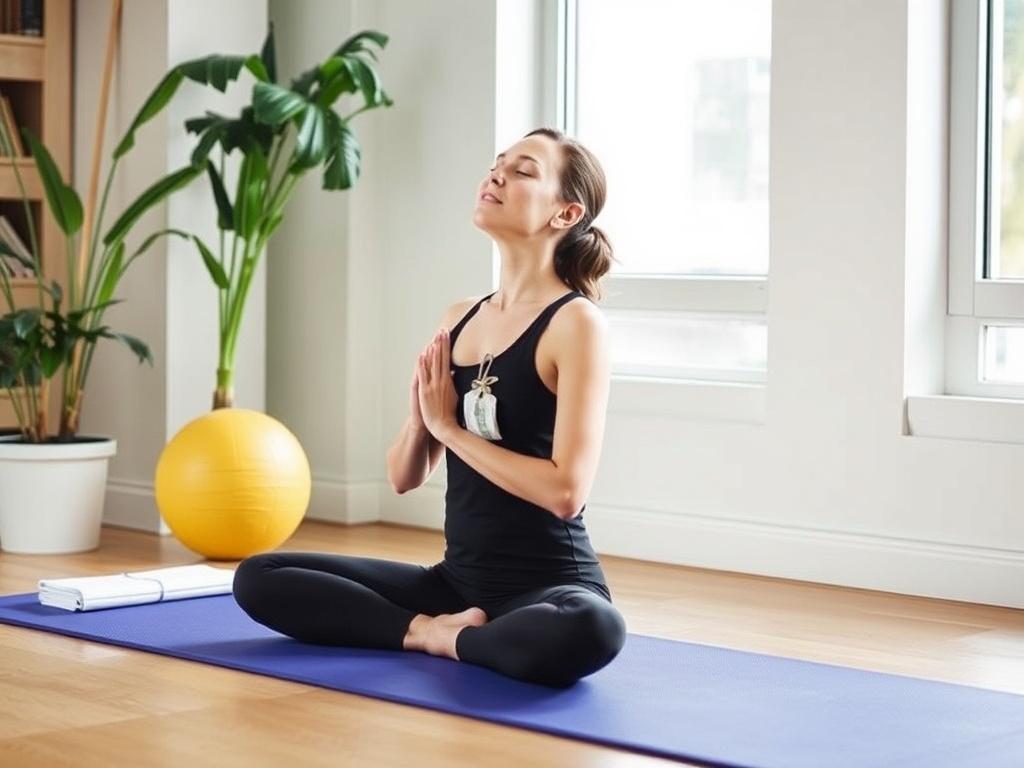
Here’s a compact comparison to help match a technique to your goals: stress relief, sleep, energy, or appetite control. Use it as a quick reference when choosing which practice to start with.
| Technique | Primary effect | Suggested time | Cautions |
|---|---|---|---|
| Diaphragmatic breathing | Stress reduction, sleep aid | 5–15 min daily | None for most people |
| Box breathing | Acute stress control | 2–10 min as needed | Adjust timing for lung capacity |
| 4-7-8 | Sleep onset, evening calm | 4–8 cycles nightly | May cause lightheadedness if overdone |
| Kapalabhati | Invigoration, circulation | 20–60 rapid exhales | Not for hypertension or pregnancy |
| Alternate nostril | Balancing, mindfulness | 5–10 cycles | Gentle; safe for most |
| Wim Hof–style | Energy, potential metabolic spike | 2–3 rounds, 10–20 min | Do seated; avoid with heart/lung disease |
Building a realistic daily routine
Start with modest, repeatable practices rather than long sessions that are hard to maintain. A simple daily framework might include morning energizing breathwork, a mid-day stress reset, and an evening sleep routine. Consistency matters more than intensity: five minutes of regular practice will typically beat an occasional long session.
Sample daily routine: upon waking, do diaphragmatic breathing for five minutes to anchor your day; mid-morning or before lunch use box breathing for two to five minutes to reduce stress-related hunger; before bed practice 4-7-8 breathing for sleep onset. If you exercise, consider a short breathing routine as part of your warm-up and a calming breath sequence for recovery.
For those who prefer structure, here is a simple seven-day plan to establish habit. Each day includes short sessions you can realistically fit into a busy schedule.
- Day 1: 5 min diaphragmatic breathing morning; 2 min box breathing midday; 4 cycles 4-7-8 at night.
- Day 2: 10 min diaphragmatic morning; alternate nostril 5 cycles midday; 5 min progressive relaxation at night.
- Day 3: 5 min kapalabhati in morning (if experienced) or extra diaphragmatic; box breathing before lunch; 4-7-8 at night.
- Day 4: Repeat Day 1 with an added 2-min breath pause before a workout.
- Day 5: Longer morning session (10–15 min) combining diaphragmatic and alternate nostril breathing.
- Day 6: Short energetic breathing before exercise, followed by diaphragmatic cooldown.
- Day 7: Active rest: gentle breathing throughout the day and an extended evening 4-7-8 session.
Using breathwork with exercise and nutrition
Breathwork complements physical training by improving breathing economy and recovery. Practicing controlled breathing during low-intensity cardio can teach efficient patterns that carry over to harder workouts. After strength training, calming breaths support parasympathetic recovery, reduce perceived stress, and help maintain appetite control.
On the nutrition side, a brief breathing pause before meals is highly practical. Taking one minute to do two to three deep diaphragmatic breaths can shift you from autopilot to mindful eating, often reducing portion size and speeding recognition of fullness. That simple habit—used consistently—can lower daily calorie intake without rigid rules.
Remember that breathwork does not change calorie math: to lose weight you need a sustainable calorie deficit. Where breathing helps is in creating the mental and physiological conditions that make sticking to that deficit easier: less stress, better sleep, clearer choices, and improved training capacity.
Measuring progress and setting realistic expectations
Track both direct and indirect outcomes. Direct measures include changes in body weight or body composition, but those move slowly. Indirect markers—sleep quality, frequency of late-night snacking, energy during workouts, and mood—often change sooner and predict long-term results. Keep a simple log for two to three months to notice meaningful trends.
Set realistic expectations: breathwork is rarely a rapid weight-loss tool by itself. Expect subtle but cumulatively meaningful changes: fewer stress-driven snacks, improved sleep, and slightly better exercise adherence. These shifts, repeated over months, contribute to sustainable weight loss and improved health markers.
Use subjective measures alongside objective ones: if you feel more in control around food, less anxious, and more recovered from workouts, that’s real progress, even if the scale lags. Celebrate behavioral wins as strongly as numerical ones.
Safety, contraindications, and practical cautions
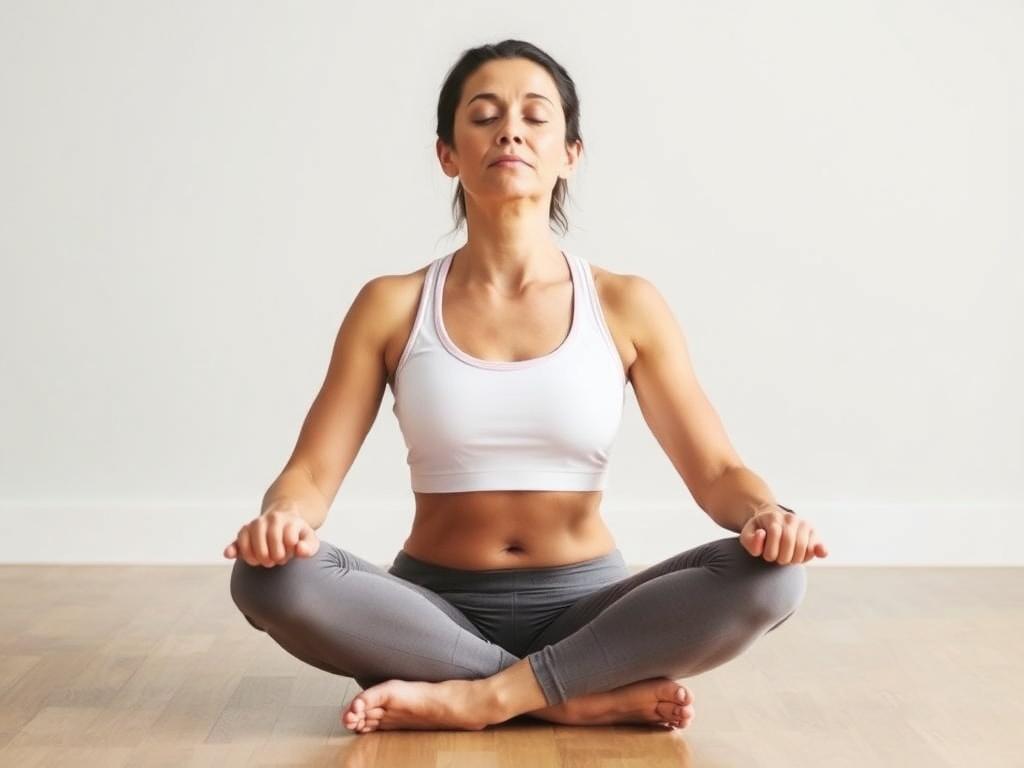
Most gentle breathing exercises are safe for the general population, but some techniques (rapid forceful breaths, breath retention) carry risks for people with hypertension, cardiovascular disease, pregnancy, glaucoma, or a history of fainting. If you have any medical conditions, consult your healthcare provider before starting vigorous breathwork like kapalabhati or prolonged breath holds.
Common side effects include lightheadedness, tingling, or short-term emotional release—these are usually transient and resolve with slower, gentler breathing. If you experience chest pain, severe dizziness, fainting, or other alarming symptoms, stop immediately and seek medical attention. When in doubt, choose calming, slow techniques such as diaphragmatic breathing or alternate nostril breathing.
Finally, be mindful of context: do not practice intense breath-hold techniques while driving, swimming, or operating heavy machinery. Practice seated or lying down until you know how your body responds.
Real-life examples and author experience
From personal experience, a five-minute diaphragmatic routine each morning altered my stress baseline within three weeks. I noticed fewer impulsive snack breaks at my desk and deeper sleep, which together nudged a half-pound-per-week improvement when combined with modest dietary changes and regular exercise. The effect wasn’t dramatic overnight, but it was reliable and sustainable.
I’ve also coached clients who used box breathing before meals and reported reduced grazing throughout the day, especially during high-stress work periods. One client described the practice as a “pause button” that stopped the chain reaction from stress to snack to guilt. Over months, that created calorie savings and improved confidence around food choices.
Tips for staying consistent and turning practice into habit
Anchor breathing practice to existing routines: after brushing your teeth, during your morning coffee, or right before meals. Habit formation is easier when you piggyback on a well-established cue. Short, frequent sessions win over occasional long ones because they’re easier to schedule and reinforce neural patterns more reliably.
Use reminders and accountability: set phone alerts, put sticky notes on the fridge, or practice with a partner. Track small wins in a journal: note mood shifts, cravings avoided, or sleep that felt better. Those micro-rewards help maintain momentum when the scale doesn’t move quickly.
Vary techniques to prevent boredom: mix morning energizing breaths with mid-day balancing patterns and an evening sleep routine. Keep sessions brief and intentional; quality of focus matters more than duration. If you miss a day, start again—consistency over perfection wins.
Putting it all together
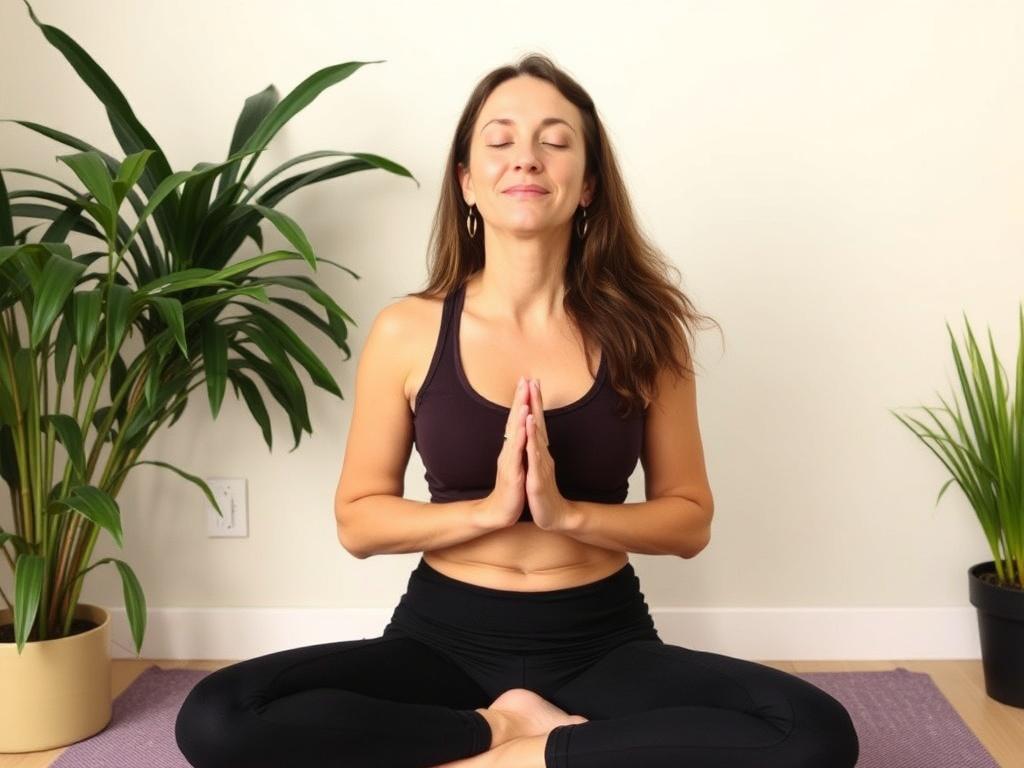
Breathwork offers accessible, low-cost tools that support the behaviors needed for sustainable weight loss: better sleep, reduced stress, improved exercise performance, and more mindful eating. For most people, the most effective approach is a modest, consistent breathing habit tailored to individual needs and medical considerations. Try a few techniques for several weeks and notice which ones produce tangible changes in mood, cravings, and energy.
If you want to experiment right away, try this short starter sequence: five minutes of diaphragmatic breathing in the morning, three minutes of box breathing before lunch, and four cycles of 4-7-8 breathing at night. Use that as a foundation and adapt based on how your body and habits respond. Over months, these small practices can create a quieter inner environment that makes healthy choices more automatic and weight management more sustainable.