
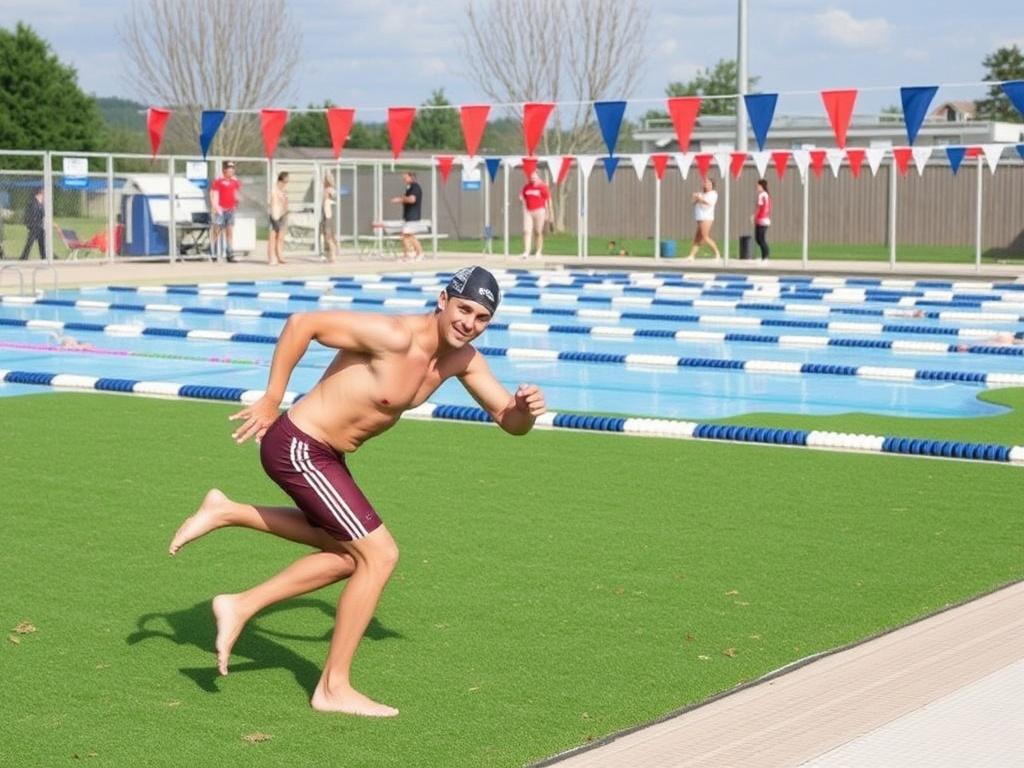
Swimming is a conversation between water and the body, and the workouts you do on land shape how fluently that conversation flows. Dryland sessions sharpen power, correct imbalances, boost endurance, and glue technical gains made in the pool into consistent speed. This article walks through the why, the how, and the practical what—so you can build land sessions that directly improve starts, strokes, and turns.
Why land work matters for aquatic performance
Water resists and supports in ways dryland training cannot replicate, but land work gives you direct control over force production, joint stability, and movement patterns. Improving raw strength on land translates into stronger, more explosive strokes when you return to the pool, because the muscles produce higher impulse and better timing for each phase of the swim.
Beyond pure strength, dryland work addresses muscle imbalances that develop from repetitive stroke patterns. Swimmers often favor one side or recruit the same muscles repeatedly; targeted land exercises restore symmetry, reduce injury risk, and allow the athlete to express more of their potential in the water.
Principles to guide effective sessions
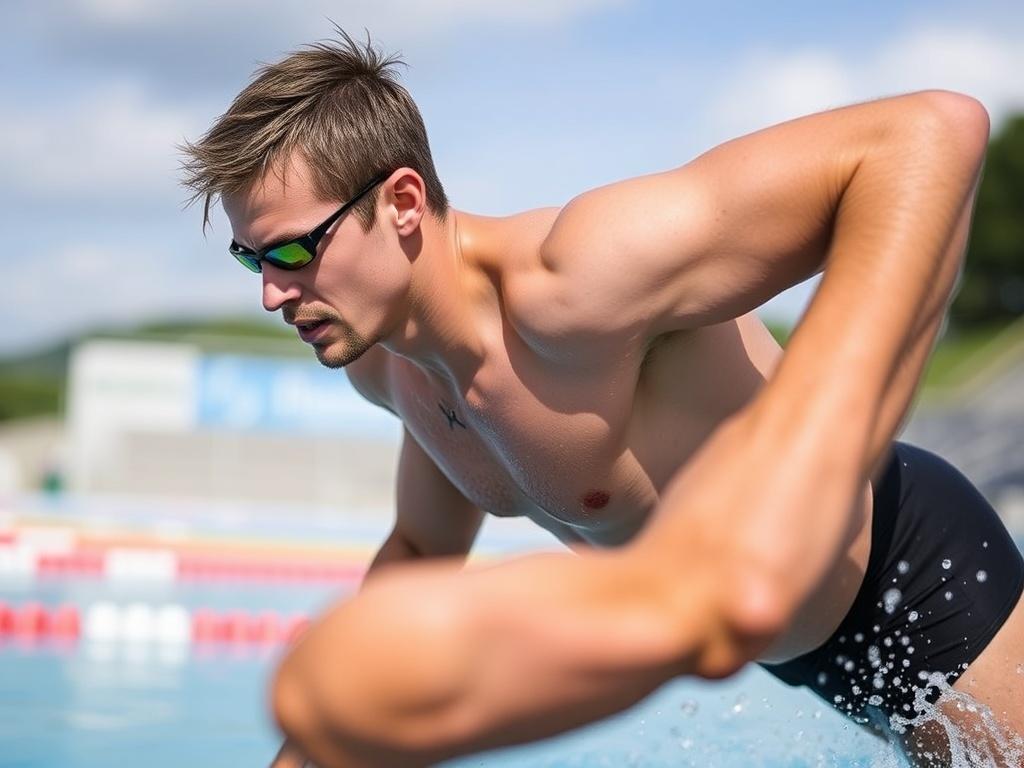
Design every dryland session with a clear intent: strength, power, mobility, or conditioning. Trying to chase all qualities in one training block dilutes adaptation and increases fatigue. Instead, concentrate on a primary objective and select exercises and volume that match that aim.
Progression matters. Use load, speed, complexity, and volume to challenge the athlete gradually. Trackable progress—adding weight, faster concentric speeds, fewer compensations—keeps sessions purposeful and measurable rather than repetitive and inert.
Physiology: what land training changes for swimmers
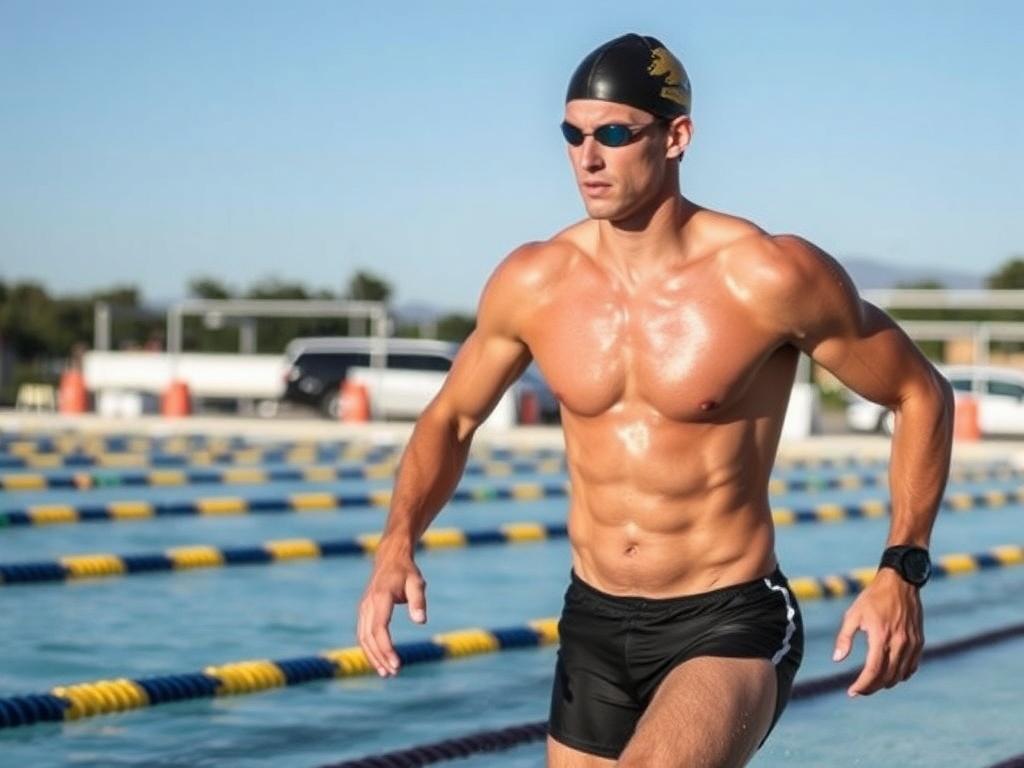
Land training stimulates neural drive, hypertrophy of key muscle groups, tendon stiffness, and metabolic conditioning. For sprinters, improving rate of force development and tendon stiffness increases start and sprint capacity. For middle-distance or distance swimmers, land work enhances muscular endurance and movement economy.
Adaptations occur in the nervous system as well as the muscle itself. Better motor unit recruitment improves coordination between limbs and core—translating to cleaner stroke mechanics and more efficient energy transfer through the kinetic chain.
Key movement patterns to prioritize
Rather than chasing isolated muscles, prioritize movement quality: hip hinge, squat, lunge, horizontal and vertical push, horizontal and vertical pull, and anti-rotational core control. These patterns mimic the gross demands of swimming—hip extension, shoulder drive, and resisting rotational forces from flutter and dolphin kicks.
When exercises are selected and progressed around these patterns, transfer to the pool becomes more direct. For example, a strong hip hinge improves the power of the underwater dolphin and the push off the wall; anti-rotation training stabilizes the torso during single-arm catch phases.
Strength training for swimmers
Strength establishes a foundation. For most competitive swimmers, the aim is maximal strength and well-developed prime movers rather than extreme bodybuilding-style hypertrophy. Sessions should focus on compound lifts, adding load conservatively and prioritizing technique under load.
Start with twice-weekly strength sessions during the general preparation phase, shifting to once or twice weekly with lower volume and higher intensity nearer competition. Keep rep ranges between 3–6 for main lifts and 6–12 for accessory work depending on phase and athlete level.
Lower-body strength
Powerful hips and legs improve starts, underwater kicks, and the finish. Primary exercises include Romanian deadlifts, trap-bar deadlifts, single-leg Romanian deadlifts, and weighted hip thrusts. These build hip extension strength while keeping technical demands low.
Include unilateral work—reverse lunges, split squats, and step-ups—to correct asymmetries and strengthen the stabilizers used in kick cycles. Unilateral lifts also reduce spinal loading and encourage balanced development across the hips.
Upper-body strength
The pull phase in every stroke demands scapular control and lat-dominant strength. Bench presses, incline presses, pull-ups, and bent-over rows form the backbone of upper-body strength work. Emphasize full range of motion and scapular retraction to promote a strong catch and pull-through.
Rotate pressing and pulling volume across microcycles to avoid overuse. Swimmers often perform high-volume swimming; balancing land pulling with pool volume is critical to prevent shoulder overload. Use lighter, higher-quality reps when pool work is intense.
Core and anti-rotation
A stable, powerful core connects legs and arms and maintains body line. Anti-rotation exercises such as Pallof presses, single-arm carries, and staggered-loaded farmer carries create resistance to unwanted twist during strokes. Dynamic core work—hanging leg raises, Russian twists with light load—builds coordination and endurance for long sets.
Integrate core training into warm-ups and finishers; it doesn’t need to be long to be effective. Five to ten focused minutes of progressive anti-rotational work three times a week produces measurable gains without overwhelming the program.
Power and plyometrics: translating strength to speed
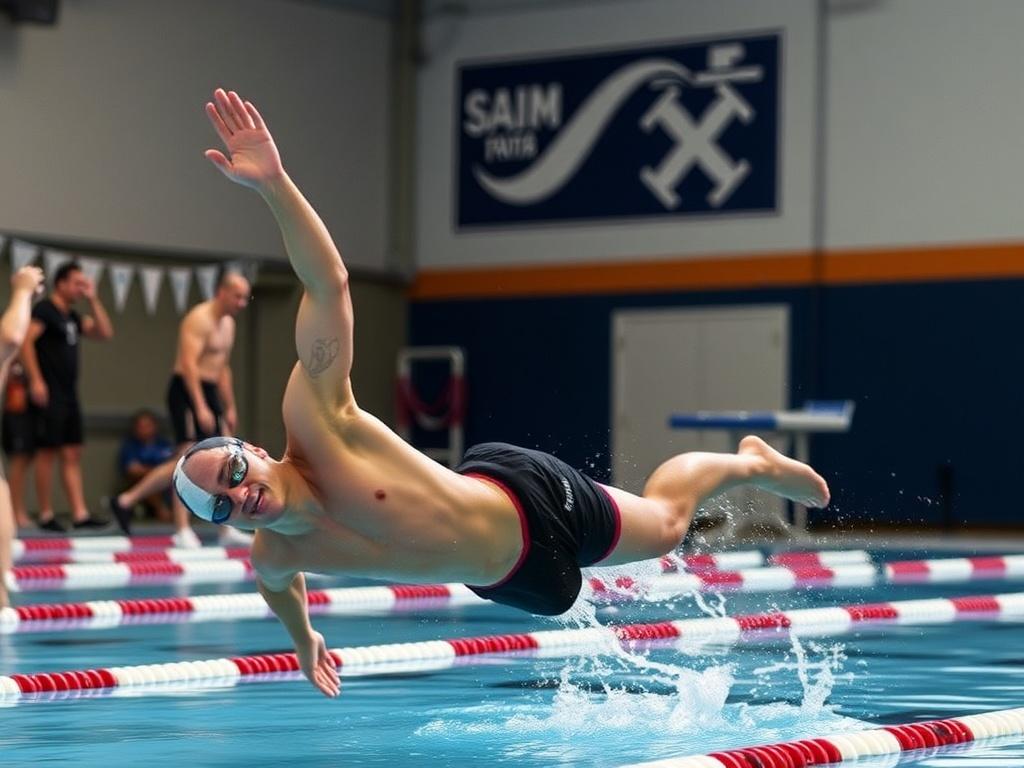
Plyometrics bridge the gap between raw strength and explosive movement. For swimmers, this means faster starts, more dynamic push-offs, and more forceful underwater kicks. Emphasize horizontal and vertical explosive actions that mimic swimming transitions and sprint demands.
Examples include broad jumps, depth jumps limited to one step, medicine-ball rotational throws, and bounding. Keep ground contact brief and prioritize maximal intent over excessive volume to reduce joint stress while maximizing neural adaptations.
Plyometric progressions
Begin with low-impact, high-intent moves: squat jumps, medicine-ball chest passes, and short box jumps. Advance to depth jumps and rotational medicine-ball throws as technique and landing mechanics improve. Always address landing quality—soft, balanced, and with quick reactivation.
Volume is low compared to other sports: 60–100 contacts per session for trained athletes, fewer for novices. Because swimmers also take volume in the pool, monitor overall fatigue and schedule plyometrics when pool intensity is light or moderate.
Mobility, flexibility, and joint health
Swimming requires both joint mobility (shoulder external rotation, hip extension, ankle plantarflexion for starts) and muscular flexibility (latissimus, pec minor, hip flexors). Mobility work should be specific and functional, not just static stretching.
Incorporate dynamic mobility at the beginning of sessions and targeted static or PNF stretching during cool downs. A flexible thoracic spine and scapular mobility improve reach and reduce compensatory shoulder elevation, which is a common source of pain in swimmers.
Daily mobility routines
Short, daily routines win. Spend 10–15 minutes after swim practice on thoracic rotations, banded shoulder distractions, hip flexor release, and ankle mobility drills. Small, consistent gains in range of motion produce larger improvements in stroke efficiency over weeks and months.
Tools like lacrosse balls, resistance bands, and foam rollers are inexpensive and effective. Use them deliberately: spend time on quality movement and breathing rather than chasing immediate sensation alone.
Stability and injury prevention
Overuse injuries in swimmers often begin with poor movement patterns and inadequate control under load. Prioritize exercises that improve scapular upward rotation and posterior shoulder strength for rotator cuff health. Balance this with thoracic mobility to avoid compensatory motion that overloads the shoulder joint.
Include eccentric-focused exercises for tendons—slow lowering pull-aparts, eccentric rows, and controlled negatives on pull-ups. Eccentric loading stimulates tendon remodeling and resilience without the need for heavy concentric demands.
Conditioning and energy systems
Dryland conditioning complements in-water aerobic and anaerobic work by providing variety and reducing pool wear-and-tear. Use bike intervals, sled pushes, high-intensity circuits, and hill sprints to target the energy systems swimmers need—depending on event distance.
For sprinters, short, high-intensity efforts with long recoveries mimic race demands and build alactic power. Middle- and long-distance swimmers benefit from threshold efforts and longer intervals on the bike or rower to increase muscular endurance without additional shoulder stress.
Designing a training block: periodization for swimmers
Structure blocks around the competitive calendar. A typical macrocycle includes an off-season general preparation phase focused on strength and hypertrophy, a pre-competition phase emphasizing power and specificity, a competition phase with reduced land volume and higher pool specificity, and a transition phase prioritizing recovery.
Microcycles (weekly plans) should balance pool and land stress. On heavy pool weeks, shift land sessions toward mobility, maintenance strength, and low-volume power. In lighter pool phases, increase land intensity for strength and hypertrophy gains.
Sample weekly template
Below is a simple template that balances land and pool work for a swimmer in the preparatory phase. Adjust volume and intensity for age, experience, and season stage.
| Day | Pool | Land |
|---|---|---|
| Monday | Technique + endurance | Strength lower body (heavy) |
| Tuesday | Speed sets | Mobility + power (light plyometrics) |
| Wednesday | Long aerobic | Active recovery (mobility, core) |
| Thursday | Stroke work + sprints | Strength upper body (moderate) |
| Friday | Turn and start practice | Plyometrics + conditioning (short) |
| Saturday | Race-pace sets | Maintenance mobility or off |
| Sunday | Active recovery or off | Off |
Session structure: warm-up, main set, finishers
A well-structured land session mirrors good pool practice: dynamic warm-up, primary work, and a short finisher or cool down. Skipping the warm-up on land increases injury risk and reduces power output during main lifts or plyometrics.
Keep warm-ups specific and progressive: light cardio, dynamic mobility, and activation drills lasting 8–15 minutes. Finish with 5–10 minutes of targeted breathing, static mobility, or low-load accessory work to assist recovery and retention.
Exercises: practical library for swimmers
Below are grouped exercises with brief cues. Use them based on the targeted movement pattern and the athlete’s phase in the season. Progress by adding load, changing leverage, or increasing speed.
- Hip hinge: Romanian deadlift, trap-bar deadlift, single-leg RDL.
- Squat pattern: goblet squat, back squat, box squat.
- Unilateral: split squat, Bulgarian split squat, step-up.
- Horizontal push/pull: bench press, inverted row, cable row.
- Vertical push/pull: single-arm dumbbell press, pull-up variations.
- Core: Pallof press, hanging leg raise, anti-rotation chops.
- Plyo: broad jump, medicine-ball rotational throw, short-depth jump.
Tailoring land work to each stroke
Different strokes emphasize unique demands. Land training should reflect those demands while maintaining a solid general foundation. Small, targeted variations in exercise selection enhance stroke-specific transfer.
Below are practical focuses and sample exercises for each stroke to reinforce technical and physiological needs.
Freestyle
Freestyle benefits from rotational power, breathing-side stability, and unilateral pulling strength. Include single-arm pulls with resistance bands, rotational medicine-ball throws, and loaded carries to build the cross-body connection used in the stroke.
Additionally, strengthen the posterior chain and scapular stabilizers to support a long, powerful catch and reduce shoulder compression during high-volume training.
Backstroke
Backstroke requires strong hip extension and shoulder external rotation. Emphasize prone hybrid lifts like torso rotations and banded face-pulls to balance posterior shoulder strength with scapular upward rotation. Single-leg hinge patterns help maintain body-line during the flutter kick.
Rotational core work helps maintain steady alignment and prevents over-arching that disrupts streamlining at the finish.
Breaststroke
Breaststroke relies on hip flexor and adductor flexibility plus explosive hip extension during the kick. Land work should include weighted hip thrusts, Nordic hamstring progressions, and resisted lateral band walks to strengthen muscle patterns unique to the whip kick.
Also add mobility work for the knees and ankles to preserve the range required for an efficient kick and reduce compensations through the lower back.
Butterfly
Butterfly demands strong, synchronous hip extension, spinal stiffness, and high power output. Deadlifts, medicine-ball chest passes, and focused plyometrics (broad jumps, explosive hip thrusts) build simultaneous power through the posterior chain and core needed for efficient undulation.
Work on scapular and thoracic mobility to allow a full, pain-free arm recovery and a high-quality catch at the surface.
Starts and turns: short-duration power and technique
Starts and turns are short windows where races are often won or lost. Train for explosive triple extension and reactive strength with short, sharp sets. Practice weighted jumps, box jumps, and sled pushes, followed immediately by pool practice that focuses on carryover into the block and underwater phase.
Use contrast training—heavy hip hinge or loaded jump followed by an unweighted explosive jump—to increase rate of force development. Pair land sessions with specific block and turn work in the pool for maximum transfer.
Sample workouts by level
Below are brief, practical sessions you can adapt to athletes’ age and experience. Warm up thoroughly before each session and scale loads for individual strength and technical proficiency.
Beginner (ages 12–15)
Workout: 45 minutes. Start with dynamic mobility and activation (10 minutes). Main: 3 sets of 6 goblet squats, 3×8 single-arm rows, 3×8 hip thrusts, 3×10 Pallof presses. Finish with 3 rounds of 20-second plank and 5 broad jumps. Keep load moderate and focus on technique.
This level prioritizes movement literacy, balancing unilateral and bilateral work while building base strength without overloading the growing athlete.
Intermediate (competitive club swimmer)
Workout: 60–75 minutes. Warm-up mobility and 5 minutes light bike. Strength: 4×5 trap-bar deadlift, 3×6 incline dumbbell press, 3×8 single-leg RDL, 3×8 pull-ups. Power: 3×6 depth jump to broad jump. Finish with 8 minutes of core circuit—Pallof presses, hanging knee raises, farmer carries.
Workouts at this level increase intensity and introduce more complex plyometrics. Recovery between heavy sets should be sufficient to maintain high-quality effort.
Advanced (senior/elite)
Workout: 75+ minutes. Warm-up, activation, and mobility (15 minutes). Heavy day: 5×3 squat variation or deadlift variation, 4×4 single-arm dumbbell press, 4×6 bent-over rows. Power and speed: 6×2 depth jumps, 6x med-ball rotational throws. Conditioning: 6 rounds of 20s sled sprints with 2 minutes rest between. End with targeted mobility and breath work.
Advanced swimmers need carefully timed land intensity relative to pool sessions. Reduce land volume before taper phases, and use data (RPE, PRs, soreness) to adjust loads day to day.
Equipment: what’s useful and why
You don’t need a fully equipped gym to get meaningful results. Essential tools include a barbell and plates, dumbbells, kettlebells, resistance bands, a medicine ball, and a plyo box. A sled, rower, or bike expands conditioning options but isn’t mandatory.
Prioritize quality over variety: a few reliable tools used intelligently produce much better outcomes than many toys used without purpose. Learn to progress with bodyweight and bands before adding heavy loads to minimize injury risk.
Testing and monitoring progress
Measure outcomes that matter: start distance, underwater velocity, 15m sprint time, and stroke rate consistency in specific intervals. On land, track 3RM or 5RM for key lifts, vertical jump height, and sprint time on a sled or bike. Combine these metrics to assess transfer and guide adjustments.
Subjective measures—sleep, soreness, mood—are equally important. If a swimmer shows persistent fatigue, reduce land volume or change the emphasis from strength to mobility and recovery for several microcycles.
Common mistakes and how to avoid them
One frequent error is overloading the shoulder with heavy pressing while the pool workload is already high. Balance land pushing and pulling with attention to scapular mechanics and rotation. Another mistake is poor exercise selection—choosing fancy movements that don’t relate to swimming mechanics.
Finally, ignoring progression and recovery invites plateau and injury. Use deliberate, measurable increases in load or speed, and schedule deloads or active recovery weeks to consolidate gains.
Real-life examples and coaching notes
As a coach working with club and master swimmers, I’ve seen dramatic gains when athletes adopt targeted land plans. One sprinter improved her 50 free by 0.8 seconds over a season after a focused block of heavy hip-extension work and contrast plyometrics paired with weekly start practice.
A masters swimmer with chronic shoulder discomfort found relief after an eight-week protocol emphasizing posterior shoulder resilience, eccentric rotator work, and thoracic mobility, which allowed her to increase training without pain. These examples underline that smart, phased land work combined with technical pool practice produces results.
Putting dryland training into weekly life
Make land work sustainable: shorter, higher-quality sessions are better than sporadic, long efforts. If time is limited, choose two focused 45–60 minute land sessions per week that target the athlete’s weakest priorities and leave room for adequate pool practice.
Plan around the season: push for strength in the off-season, emphasize power and specificity leading into racing, and prioritize maintenance and recovery during competition windows. Communicate with swim coaches to coordinate loads and avoid contradictory programming.
Final thoughts on land work for swimmers
Land training is not an add-on; it’s a deliberately chosen tool that, when used intelligently, multiplies pool gains. Focus on movement quality, progressive overload, and aligning sessions with the swimmer’s event and season phase. That alignment is where dryland work stops being optional and starts becoming decisive.
Start small, be consistent, and track the outcomes that matter in the pool. With clear priorities and steady progress, the time spent on land will be visible in faster times, cleaner technique, and fewer injuries.