
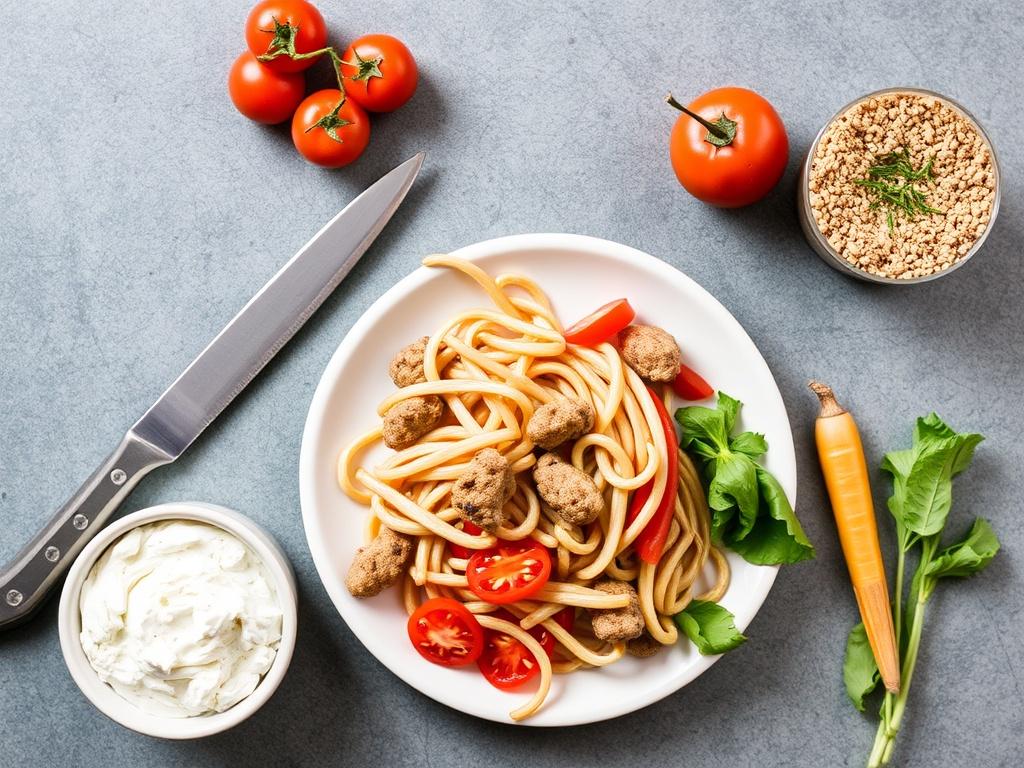
Embarking on a drying phase—reducing body fat while preserving lean mass—requires more than willpower and heavy cardio. Food choices, macronutrient balance, meal timing, and a handful of practical recipes make the difference between a productive phase and one that leaves you drained and flat.
What drying means and who benefits
In weight training circles, “drying” refers to a deliberate reduction of body fat while maintaining muscle fullness and strength. The goal is to lower subcutaneous fat so muscular details appear more defined, not to chase an unhealthy low weight or extreme leanness.
People who typically pursue a drying phase include bodybuilders prepping for a show, athletes looking to optimize power-to-weight ratio, and recreational lifters aiming for a more athletic look. The approach and aggressiveness of the diet should match the timeline and the individual’s starting point.
A successful drying phase is sustainable and strategic: modest calorie reductions, higher protein intake, resistance training that preserves muscle, and sensible cardio. Extreme calorie cuts or excessive activity will sabotage muscle retention and energy levels.
Core principles of a successful drying diet
Start with a small calorie deficit of about 10–20 percent below maintenance for gradual fat loss. That range reduces the risk of muscle catabolism and helps maintain hormones and performance in the gym.
Prioritize protein. Aim for roughly 1.6–2.6 grams per kilogram of body weight per day depending on training intensity and body composition. Higher protein supports muscle repair, satiety, and metabolic rate.
Moderate carbohydrates around workouts to fuel performance and replenish glycogen, while shifting fats toward the remainder of your energy needs. Balance is key: extremely low-carb approaches can work for some, but often at the cost of training quality.
Hydration, micronutrients, and sleep are not optional. Sodium and water manipulation are short-term cosmetic tools for stage-ready athletes; for most people, consistent hydration and adequate sleep produce far better long-term appearance and health outcomes.
Macronutrient distribution and calorie strategy
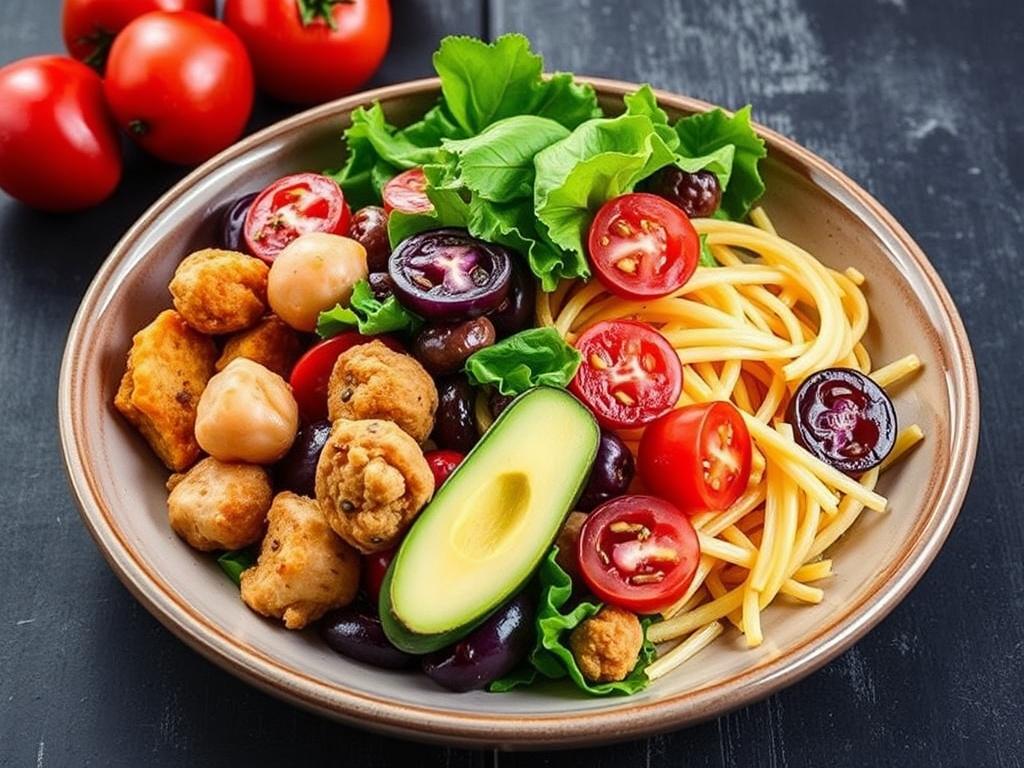
Caloric targets depend on body size, activity level, and how aggressively you want to lose fat. A practical first step is to calculate maintenance calories using a simple formula or tracking a baseline week, then subtract 10–20 percent.
Once calories are set, distribute macros with a rough template: protein 30–40 percent of calories, fat 20–30 percent, and carbohydrates filling the remainder. Adjust those ratios based on personal tolerance and training demands.
Use carbohydrate timing to your advantage: concentrate most carbs around your main training session—before and after—to optimize performance and recovery. On lower-activity days, scale carbs back and increase fibrous vegetables or healthy fats to maintain calorie balance.
Track progress weekly and adjust. If fat loss stalls for two to three weeks, reduce calories slightly or add more conditioning; if strength or mood falters, consider increasing carbs or overall calories modestly to protect lean mass.
Meal timing, frequency, and satiety strategies
Meal frequency should match your lifestyle. Whether you eat three larger meals or six smaller ones, the total daily intake matters most for fat loss. Choose a pattern that sustains energy and adherence over weeks.
Place protein evenly across the day—30–40 grams per meal is a useful target for many people—to maximize muscle protein synthesis. This regular distribution supports recovery and helps prevent overeating later in the day.
Include fiber-rich vegetables and volume foods to increase satiety without a lot of calories. Foods like leafy greens, cruciferous vegetables, and low-carb fruits make meals feel larger and reduce the temptation to snack on calorie-dense items.
Sample daily meal plans
Below are two practical sample days—one higher in carbs for heavy training days and one lower-carb for rest or light-cardio days. Portion sizes should be adjusted for your calorie target and bodyweight.
| Higher-carb training day | Lower-carb rest day |
|---|---|
|
Breakfast: Egg white omelet, oatmeal with berries Snack: Greek yogurt, banana Lunch: Grilled chicken, sweet potato, mixed salad Snack: Protein shake, rice cakes Dinner: Salmon, quinoa, steamed broccoli |
Breakfast: Cottage cheese with cinnamon and nuts Snack: Hard-boiled eggs and cucumber Lunch: Turkey salad with olive oil dressing Snack: Celery with almond butter Dinner: Cod, cauliflower mash, sautéed spinach |
Use the higher-carb template on days with intense lifting or sprint work, and use the lower-carb template on recovery or low-intensity days. The swaps keep training performance high while controlling weekly calorie intake.
Portion control is easier when meals use whole, minimally processed foods. If you enjoy tracking, log a week to fine-tune calories and see which meals keep you satisfied and energized.
Recipes that work during drying
Simple recipes that emphasize lean protein, low-starch vegetables, and modest healthy fats will be your best allies. Below are practical recipes you can rotate through to avoid diet fatigue and stay consistent.
Herb-grilled chicken with lemon and asparagus
This dish is fast to prepare, high in protein, and keeps carbs low. It pairs well with a small portion of roasted sweet potato when you need extra carbs for training.
- Ingredients: chicken breast, lemon, rosemary or thyme, garlic, olive oil, asparagus, salt and pepper.
- Instructions: Marinate chicken in lemon, crushed garlic, herbs, salt, pepper, and a teaspoon of olive oil for 20–30 minutes. Grill or pan-sear until internal temperature hits 165°F, then roast asparagus with a squeeze of lemon for 8–10 minutes.
Egg-white omelet with spinach and smoked salmon
Fast to cook and excellent as a breakfast or post-morning workout meal, this recipe delivers lean protein and omega-3 fats from the salmon.
- Ingredients: 4–6 egg whites, handful of baby spinach, 2–3 slices smoked salmon, pepper, optional small avocado slice.
- Instructions: Whisk egg whites with a pinch of pepper, pour into a nonstick pan, add spinach and salmon, cook until set. Serve with 1/4 avocado for healthy fat if desired.
Lean turkey meatballs with cauliflower rice
Meatballs are versatile and portable; pair them with cauliflower rice for a low-carb meal that still feels satisfying.
- Ingredients: ground turkey, minced onion, egg white, parsley, salt, pepper, grated zucchini (optional), riced cauliflower.
- Instructions: Mix turkey with onion, egg white, parsley, and seasoning; form balls and bake at 400°F for 15–20 minutes. Sauté cauliflower rice with a little garlic and lemon juice, and serve with meatballs.
Protein pancakes (oat and cottage cheese)
For a higher-carb breakfast that stays protein-forward, these pancakes are a crowd-pleaser and keep you full for hours.
- Ingredients: 1/2 cup rolled oats, 1/2 cup low-fat cottage cheese, 2 egg whites, 1/2 tsp baking powder, cinnamon.
- Instructions: Blend ingredients until smooth, pour batter into a nonstick skillet over medium heat, cook 2–3 minutes per side. Top with fresh berries or a drizzle of sugar-free syrup.
Simple tuna and white bean salad
This salad is quick, nutrient-dense, and useful when you need a portable lunch. Beans add fiber and modest carbs while tuna provides lean protein.
- Ingredients: canned tuna in water, rinsed white beans, cherry tomatoes, chopped parsley, lemon juice, 1 tsp olive oil, black pepper.
- Instructions: Combine ingredients in a bowl, toss with lemon and olive oil, and season to taste. Serve on a bed of mixed greens.
Cooking tips to save time and calories
Batch cook proteins and vegetables on weekends to avoid last-minute poor choices. Grilled chicken, baked fish, roasted vegetables, and boiled eggs keep well and reheat quickly.
Use herbs, spices, vinegars, and citrus to add flavor without adding many calories. Small changes—smoked paprika, fresh lemon, chopped cilantro—bring variety to repetitive meals.
Invest in a nonstick pan and a good set of food containers. The right tools make healthy choices less friction-filled and more likely to stick over longer phases.
Supplements and smart additions

Supplements can support a drying phase, but they don’t replace a solid diet and training program. A high-quality protein powder helps meet daily targets on busy days or after workouts.
Caffeine can boost performance and temporarily increase calorie expenditure; use it strategically around training sessions. Creatine monohydrate remains one of the best-supported supplements for preserving strength and muscle during calorie deficits.
Omega-3s, a multivitamin if your diet lacks variety, and vitamin D in cases of low sun exposure are sensible additions. Avoid relying on fat-burner blends or stimulant stacks as a primary strategy—results are inconsistent and side effects common.
Training, recovery, and hydration during drying
Resistance training is your non-negotiable tool to preserve muscle. Maintain weekly volume and prioritize compound movements while accepting slight reductions in load or reps as calories fall.
Include two to four sessions of moderate-intensity cardio per week for additional calorie expenditure and cardiovascular health. High-volume steady-state or short HIIT sessions both work; choose what you can recover from without losing training quality.
Sleep matters more than most dieters think. Aim for seven to nine hours per night to support hormones, recovery, and appetite regulation. When sleep suffers, hunger increases and motivation to train drops.
Common mistakes and how to avoid them
Too large a calorie deficit is the most common error; cutting calories dramatically leads to rapid strength loss and muscle catabolism. Slow and steady wins the race in most cases.
Neglecting protein or skimping on resistance training are fast ways to lose hard-earned muscle. If you must reduce calories further, increase protein proportionally and maintain training intensity as much as possible.
Obsessing over daily fluctuations and failing to track weekly trends creates anxiety and poor decisions. Weigh yourself and assess measurements weekly, not daily, and make small adjustments based on multi-week trends.
Monitoring progress and making adjustments
Set short-term measurable goals: bodyweight ranges, strength targets for key lifts, and visual checks with progress photos taken under consistent lighting. These markers help you assess whether the plan preserves muscle while shedding fat.
If you lose more than 1 percent of bodyweight per week or strength drops sharply, increase calories modestly and review training load. Conversely, if no measurable fat loss occurs for three weeks and you have adhered to calories and training, reduce calories by another 5–10 percent or add more activity.
Use simple metrics like waist measurement, how clothes fit, and energy during workouts in addition to the scale. These indicators often tell a clearer story than weight alone when body composition is changing.
Common food swaps and practical replacements
Replace high-calorie sauces with mustard, vinegar, or salsa to save calories without sacrificing flavor. Swap one tablespoon of mayonnaise for Greek yogurt in dressings to cut calories and add protein.
Choose whole grains in measured portions rather than large, untracked servings of refined carbs. A measured cup of brown rice or quinoa serves your glycogen needs without overshooting calories.
Switch from full-fat dairy to lower-fat options only if it helps you meet calorie targets without feeling deprived. Fat is not the enemy; portion control and meal composition are what matter most.
Real-life experience: what worked for me

In my own drying phases I learned that flexibility and simple rules beat rigid twenty-step plans. I kept protein high, scheduled most carbs for the two meals around my workout, and prepared batch meals that tasted good even after reheating.
One practical habit that helped was carrying a compact food scale and small containers for pre-portioned snacks. Avoiding last-minute decisions saved me from fast-food pitfalls when I was tired after work.
Finally, I treated the phase like a long project rather than a sprint. When I had an occasional social meal, I compensated the next day with slightly smaller portions and resumed my plan without guilt. That mindset made the whole process sustainable and less stressful.
Competition prep versus everyday drying
Competitive stage prep demands more aggressive dietary and water manipulations and is usually supervised by coaches. If you are not competing, avoid extreme protocols that prioritize short-term aesthetics over health and performance.
For day-to-day goals—improving definition and body composition for general fitness—aim for steady progress and a flexible approach. You’ll maintain muscle and avoid the mental toll that comes with extreme dietary restraint.
If you plan to undergo a very low-body-fat transformation, consult a qualified coach or sports dietitian who can individualize caloric cuts, peak week strategies, and recovery phases to minimize risks.
Practical checklist for a successful drying phase
Keep the following simple checklist as your working guide: calculate a modest calorie deficit, set a high protein target, schedule carbs around training, maintain resistance training, get adequate sleep, and monitor progress weekly.
- Determine maintenance and set a 10–20% deficit.
- Set protein to 1.6–2.6 g/kg bodyweight.
- Time carbs around workouts and adjust on rest days.
- Keep lifting heavy and include moderate cardio as needed.
- Prioritize sleep, hydration, and micronutrients.
Use this checklist as a minimalist framework rather than a rigid rulebook. The most important factor is consistent adherence to a plan that matches your life and energy demands.
Drying down successfully is more about steady decisions than heroic sacrifices. With well-balanced meals, deliberate macros, a few practical recipes, and steady training, you can lose fat while keeping muscle and performance intact.