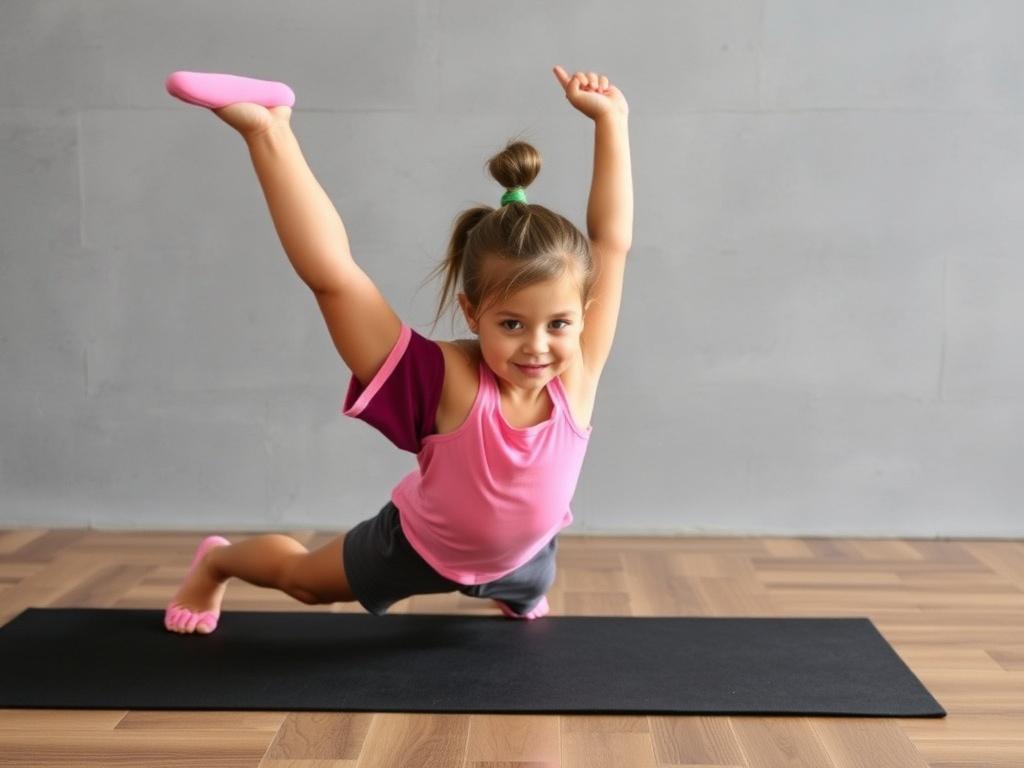
Introducing children to movement that builds strength, coordination, and confidence can be one of the best gifts a parent or teacher gives. Bodyweight exercises are a natural, low-cost way to do that—movements that use a child’s own body as resistance and scale easily with age and ability. This article explores how to design playful, effective, and safe programs so kids want to move every day.
Why bodyweight training works well for children
Children are built to move in many directions, not just to lift heavy things. Using their own body weight engages motor skills, balance, and muscular endurance in ways machines or heavy weights cannot replicate. When done right, these exercises support bone health, posture, and the coordination needed for running, jumping, and sport-specific skills.
Another advantage is accessibility: no gym membership or special equipment required. Games, short circuits, and partner challenges turn repetitive patterns into social activities, so kids learn to enjoy effort and see fitness as play rather than punishment. I’ve seen shy children transform into leaders during a simple team plank relay because it suddenly felt like a game.
How children’s bodies differ from adults’ and why that matters
Children are not miniature adults biologically. Their bones, growth plates, and neuromuscular systems are still developing, which changes how stress should be applied. Movements should prioritize technique, range of motion, and gradual progression rather than maximum load or volume.
Young kids often benefit from short, frequent sessions with variety, while older children can tolerate slightly longer sessions and more repetition. Listening to a child’s fatigue, movement quality, and interest is more important than following a rigid program; their bodies and attention spans dictate effective training more than a schedule.
Safety first: supervision, technique, and progressions
Supervision is the single biggest safety measure you can provide. An attentive adult can correct form, keep exercises age-appropriate, and quickly adjust when a child looks tired or frustrated. Safety also means designing the environment: a flat, non-slip surface, open space, and removal of hazards are essential.
Technique should come before intensity. Teach a child how to brace their core, hinge at the hips, and align their knees over their toes before increasing repetitions. Progressions should be logical and gradual: regress an exercise if form deteriorates, and only introduce new challenges when a child performs the current level with consistency and confidence.
Red flags and when to stop
Sharp or sudden pain, dizziness, or complaints of joint pain beyond routine soreness warrant immediate rest and assessment. Persistent pain should prompt consultation with a pediatrician or physical therapist. Also watch for extreme fatigue, mood changes, or loss of coordination—these are signs a child needs recovery, hydration, or medical evaluation.
Finally, avoid pushing kids into adult-style training that emphasizes heavy loading, extreme repetition, or an unhealthy focus on body image. Fitness for children should support growth, not compromise it.
Age-appropriate progressions: a practical roadmap
Different ages demand different emphases. Early childhood (4–6) benefits from play-based movement and basic body awareness, middle childhood (7–10) from structured skill work and simple circuits, and adolescents (11+) from progressive load and conditioning tailored to their maturation. Use the child’s capability and emotional readiness as the primary guide for progression.
The chart below summarizes typical milestones and examples of suitable exercises for each age range. These are general guidelines; individual differences are normal and expected.
| Age | Training emphasis | Example progressions |
|---|---|---|
| 4–6 years | Play, balance, basic coordination | Animal walks → single-leg hops → playful obstacle courses |
| 7–10 years | Motor patterns, strength endurance | Bodyweight squats → assisted push-ups → short circuits |
| 11–14 years | Technique refinement, light progressive overload | Full push-ups → bodyweight rows → core circuits |
| 15+ years | Structured programs, sport-specific strength | Advanced calisthenics → plyometrics → supervised resistance training |
Sample session templates by age group
Below are simple session templates you can use or adapt. Each template keeps sessions short and varied so children remain engaged. Frequency and duration are flexible; a few minutes of focused quality movement can be more valuable than longer, unfocused activity.
Ages 4–6: movement play (10–20 minutes)
Begin with an energetic warm-up that feels like a game—for example, a “freeze dance” with movement cues that require kids to jump, balance on one foot, or crawl. Keep activities changeable every 30–60 seconds to match short attention spans. The goal is to develop fundamental movement patterns while making exercise feel like play.
Typical sequence: 3 rounds of 4 activities (20–30 seconds each) with 30–60 seconds between rounds. Activities might include bear crawls, frog hops, balance beam walks, and light animal imitation races. Finish with a calming stretch and a brief breathing game to signal cool-down.
Ages 7–10: skill circuits (20–30 minutes)
This age group can handle slightly longer circuits and more repetitions while still responding well to games and variety. Introduce basic strength patterns—squats, lunges, push variations—and mix them with coordination drills. Short, timed circuits keep intensity manageable and fun.
Example session: 3 circuits of 5 stations, 30–40 seconds per station with 30 seconds rest. Stations: bodyweight squats, incline push-ups, plank holds, single-leg hops, and shuttle runs. Add a playful challenge like a “team time” to encourage cooperation and light competition.
Ages 11–14: structured progressions (30–40 minutes)
Pre-adolescents can follow more deliberate progressions that emphasize technique and consistency. Introduce regression and progression options for each exercise so kids can self-select an appropriate level. Plyometrics and agility work can be included, but volume and intensity should be monitored closely.
Example session: dynamic warm-up, strength circuit (3 rounds of 6–10 reps per exercise), short plyometric set, and focused core work. Exercises: full squats, bodyweight rows, push-ups, lunges, and side planks. Finish with mobility and breathing to aid recovery.
Ages 15+: advanced bodyweight and integration (30–50 minutes)
Older teens, particularly those involved in sport, can integrate more complex calisthenics and periodized work. Introduce tempo changes, unilateral loading, and longer conditioning sets while still prioritizing recovery and school-life balance. If seeking maximal strength, supervised resistance training can be added when appropriate.
Example session: strength-focused block (3–4 sets of 8–12 reps), skill practice (handstand or pull-up progressions), and conditioning finisher (EMOM or interval circuits). Monitor sleep, nutrition, and stress because these factors influence adaptation strongly at this stage.
A practical exercise library with teaching cues
Below are core exercises that form the backbone of most child-friendly programs. For each exercise, I include simple teaching cues and progressions so you can scale up or down. Clear, concise cues help kids learn faster and reduce risk of injury.
Bodyweight squat
Teaching cues: feet shoulder-width apart, chest lifted, sit back into the hips, knees track over toes, and stand with control. Regress to a box or chair sit-to-stand for beginners; progress by adding tempo changes, single-leg variations, or elevated surfaces to challenge balance. Squats build hip, knee, and ankle stability central to most athletic movements.
I often use a pretend “sit on a cookie jar” cue with young kids; they drop lower and keep their chest upright because it sounds like play. After a few sessions most kids find it funny and effective, and their movement quality improves quickly.
Push-up variations
Teaching cues: hands under shoulders, core braced, body in a straight line, and lower with control until elbows reach about 90 degrees. Start with wall push-ups for very young kids, then move to incline push-ups, knee push-ups, and finally full push-ups. To progress further, add tempo or decline variations for older teens.
Emphasize quality over quantity—fifteen sloppy push-ups teach poor mechanics; five controlled reps are far more valuable. Encourage breathing out on the effort and keeping a neutral neck to avoid strain.
Plank and core games
Teaching cues: maintain a straight line from head to heels, avoid sagging hips, and breathe steadily. Use short holds with partner games—like holding a plank while a teammate gently taps shoulders—to make core training social and fun. Progress by increasing hold time, introducing side planks, or adding movement such as shoulder taps.
Core strength in kids supports posture and reduces the chance of back pain as they grow. I’ve used “plank races” where kids maintain form for short bursts; competitive elements help them push while coaches monitor technique closely.
Bodyweight rows and pulling alternatives
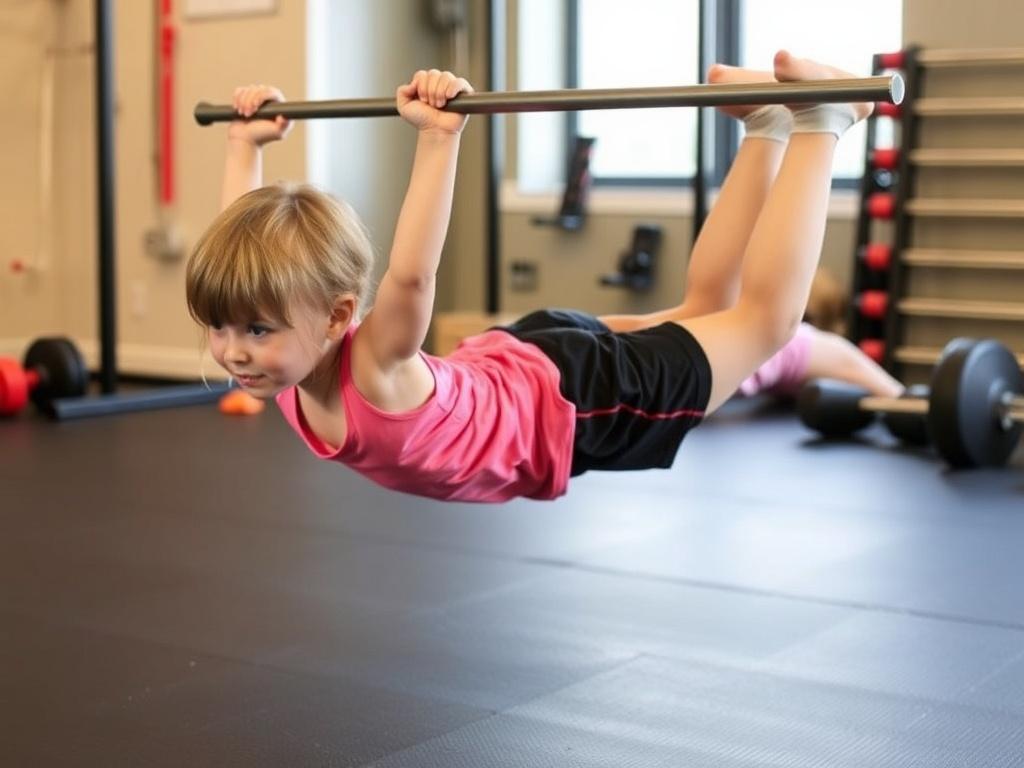
Teaching cues for rows: hinge slightly at the hips, keep a straight line, pull the chest toward the handles or bar, and squeeze the shoulder blades. Use TRX or a low bar for inverted rows which are excellent for developing pulling strength safely. If equipment is unavailable, towel rows under a sturdy table or partner-resisted pulls can substitute.
Developing pull strength balances pushing movements and supports shoulder health. Encourage scapular control before full-range pulling to establish a strong foundation.
Hops, bounds, and plyometrics
Teaching cues: land softly with knees slightly bent, aim for minimal ground contact time, and use arms for balance. Begin with low-impact hops and progress to single-leg hops, broad jumps, and quick ladder drills. Volume should be limited and scaled to age to reduce risk of overuse injuries.
Plyometrics develop power and neuromuscular coordination. I prefer plyo sessions to be short and technically focused—quality each rep matters more than quantity, especially with growing bodies.
Warm-ups, mobility, and cool-downs that actually work
A useful warm-up prepares the nervous system and raises body temperature without draining energy. Dynamic movements, joint circles, and brief movement rehearsals of the session’s main patterns are ideal. Keep warm-ups creative for younger kids—turn them into short obstacle courses or animal-themed circuits.
Mobility work should focus on the hips, ankles, shoulders, and thoracic spine. Use short, playful mobility drills during the session or at the end as part of a cool-down. A calm cool-down with gentle stretching and breathing helps signal the body and mind that the session is over and supports recovery.
Frequency, volume, and how to program progressions
Short, frequent sessions usually trump long, infrequent ones for children. Aim for three to four focused sessions a week, with additional active play on other days. The intensity and duration should gradually increase with age and demonstrated ability, not by arbitrary targets.
Progress by manipulating variables like repetitions, sets, tempo, and complexity. For example, move a child from knee push-ups to incline push-ups, then to full push-ups, and finally to slower tempos or unilateral variations. Keep changes small and measurable so kids and coaches can see progress and stay motivated.
Keeping kids motivated: games, variety, and rewards that mean something
Motivation is the core difference between a child who keeps moving and one who quits. Games, partner work, and challenges that emphasize personal bests rather than rankings foster long-term engagement. Use storylines, small awards, or progress charts to celebrate effort and skill development rather than appearance or weight.
Variety matters: rotate exercises, incorporate seasonal activities, and allow kids to give input about the session. A child who helps plan a circuit is more likely to show ownership and enthusiasm. I’ve found kids respond best to short-term, achievable goals—something they can see improving week to week.
Integrating bodyweight work into sports and school PE
Bodyweight training complements most youth sports because it builds general physical preparedness: strength, balance, and coordination. Short circuits or mobility breaks before practice can enhance performance and reduce injury risk. Coordinate with coaches to ensure exercises support sport-specific skills without overloading the child.
In school settings, short stations or classroom activity breaks can boost attention and energy while teaching movement fundamentals. Even five minutes of simple drills between lessons can improve focus and contribute to cumulative fitness over the school year.
Equipment, space, and low-cost modifications
Most programs need only open floor space and minimal equipment. A sturdy chair, a small step, or a resistance band expands exercise variety dramatically without major expense. Mats and cones help define stations and add safety for floor-based movements.
When equipment is unavailable, creativity fills the gap: use stairs for step-ups, towels for sliders, and playground bars for rows. Safety remains the priority—always inspect homemade setups for stability before use.
Common mistakes and how to avoid them
One common mistake is prioritizing quantity over quality; lots of sloppy reps teach poor movement patterns. Another is pushing too hard too soon—children need gradual progression to protect growth plates and soft tissues. Lastly, neglecting play and enjoyment turns fitness into a chore rather than a lifelong habit.
Avoid these pitfalls by emphasizing technique, using age-appropriate progressions, and keeping sessions playful. Regular check-ins about how the child feels and what they enjoy help you adjust programming before small problems become big ones.
Measuring progress without numbers becoming everything
Progress can be tracked with simple, non-invasive measures: improved movement quality, increased repetitions with good form, faster recovery between sets, and greater confidence in new movements. Keep records of baseline skills and re-test every four to eight weeks to show children their gains tangibly.
Avoid excessive weighing or body composition focus in young children. Instead, celebrate functional milestones like a clean push-up, a stable single-leg hop, or the ability to hold a plank longer than last month. Those wins reinforce effort and build intrinsic motivation.
When to consult professionals
Seek professional input if a child has a medical condition, growth-related pain, or a history of orthopedic problems. Pediatricians, pediatric physical therapists, and certified youth strength-and-conditioning professionals can provide tailored guidance and progressions. Their involvement is especially important when introducing higher-intensity plyometrics or external loads.
Also consult professionals if you notice persistent performance plateaus, recurring injuries, or concerning behavioral changes related to exercise. Early assessment prevents small issues from becoming chronic problems and ensures training aligns with developmental needs.
Real-life examples and author experience
As a coach and parent, I’ve worked with children who started with minimal coordination and, within months, developed stronger posture, better running mechanics, and more confidence. One seventh grader who struggled with balance became a key player on his soccer team after progressing through single-leg exercises and core drills. The transformation came from consistent, playful practice rather than dramatic or punitive measures.
In another case, a group of elementary students adopted a simple morning movement routine at school—five minutes of dynamic mobility and basic calisthenics. Teachers reported better focus and fewer behavior interruptions, and the kids began requesting the routine spontaneously during recess. These small, incremental wins add up faster than many people expect.
Practical checklist for a successful session
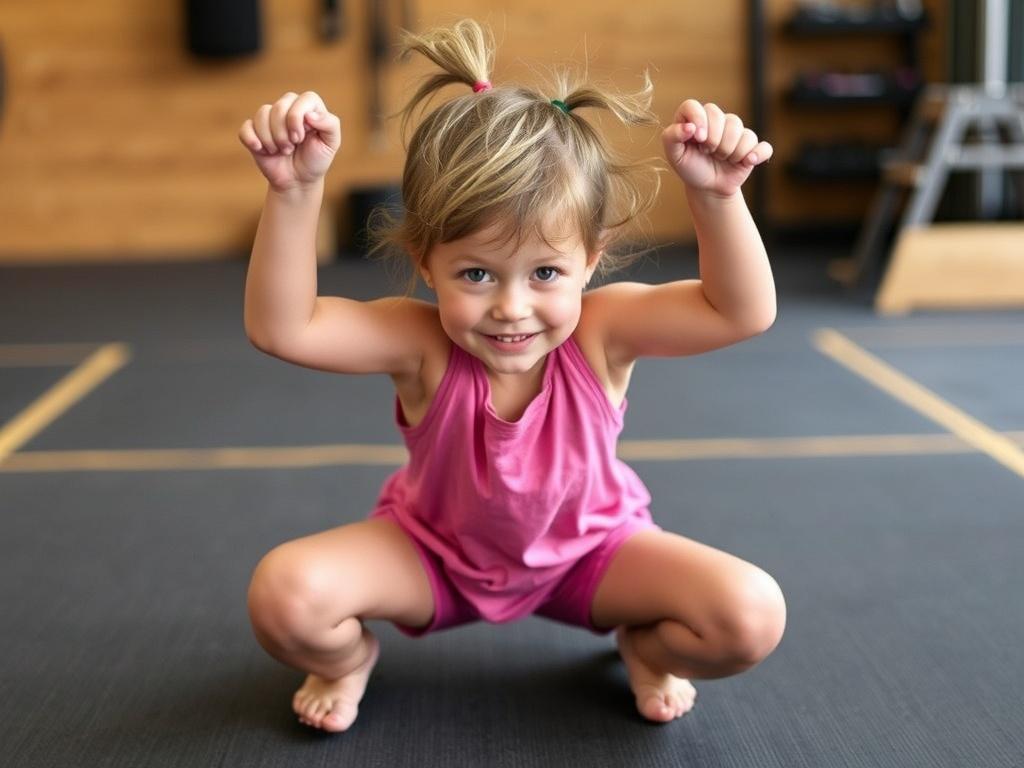
- Clear space and safe surface for movement.
- Short, dynamic warm-up that matches the session’s movements.
- Age-appropriate exercise selection with regressions and progressions available.
- Supervision and technique coaching throughout.
- Playful elements, variety, and a short cool-down to finish.
Use this checklist before each session to ensure safety, effectiveness, and fun. It’s simple, but following these steps consistently prevents many common problems.
Sample weekly plan (simple and balanced)
This sample week blends structured work with play and recovery. Adjust volume to fit the child’s age, sport involvement, and energy levels. Remember: active recovery and unstructured play are as important as organized sessions.
| Day | Activity | Duration |
|---|---|---|
| Monday | Strength circuit (squats, rows, push-ups, core) | 20–30 minutes |
| Tuesday | Play and skill (agility ladder, hopping, games) | 20 minutes |
| Wednesday | Active recovery (light play, mobility) | 15–25 minutes |
| Thursday | Plyometrics and coordination | 15–25 minutes |
| Friday | Mixed circuit and fun challenge | 20–30 minutes |
| Saturday | Sport practice or family activity | Variable |
| Sunday | Rest and active play | Variable |
Adapting to individual needs and special considerations
Not every child will fit neatly into age-based templates—some mature earlier, others later, and some have unique needs. Tailor workouts to the child’s interests, physical baseline, and any medical advice you’ve received. Flexibility in programming is a strength, not a weakness.
Children with developmental delays, learning differences, or chronic health conditions can benefit tremendously from adapted bodyweight training, but should do so with professional guidance. Small victories and consistent positive reinforcement work wonders across all ability levels.
Final thoughts on building lifelong movement habits
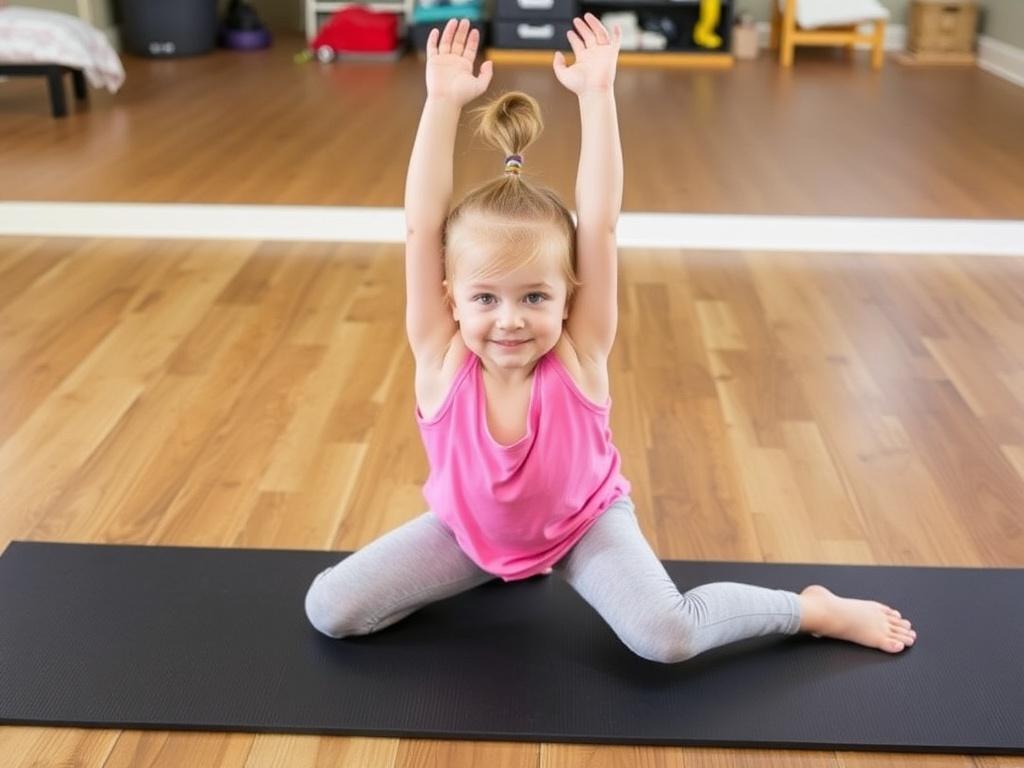
Teaching children to move well using their own bodies sets a foundation that supports health, sport, and mental resilience for life. The most successful programs balance safety, technique, and play—fostering both physical capacity and a positive relationship with exercise. Small, steady progress matters far more than dramatic transformations.
Start simple, keep sessions enjoyable, and let the child lead when appropriate. Over time, those playful repetitions become reliable skills, confident athletes, and adults who still enjoy moving. The real win is not a perfect push-up; it’s a child who feels capable, curious, and eager to try the next challenge.