

Starting a healthier way of living feels like stepping into a new room with all the lights on: everything is visible, exciting, and full of promise. The problem is not starting; it’s staying, especially when life gets messy, work piles up, or that midnight pizza suddenly seems like a very good plan. This article is written for people who want durable change rather than dramatic short-term wins, and it focuses on practical tactics you can use today to make healthy habits stick without turning your life into a list of prohibitions.
Why extreme approaches to wellness usually fail

Radical plans deliver quick results and loud emotions: you lose weight fast, you feel pure and disciplined, and people applaud your willpower. Those same plans are brittle because they demand constant high effort and deny normal human needs, and when stress or social pressure arrives, the system cracks.
What looks like willpower is often avoidance of normal life. Restrictive eating, all-day workouts, or rigid sleep rules can become fragile identities: when one slip happens, people think they’ve failed their entire persona and react by abandoning the whole system. That reaction turns a single lapse into a collapse.
Understanding what “without fanaticism” really means
Living well without fanaticism means building habits that survive real life—work deadlines, travel, family dinners, sickness. It’s not about lowering standards; it’s about designing choices that are sustainable, flexible, and respectful of your mental energy.
Flexibility is not an excuse for laziness. It’s a strategy: you prepare acceptable alternatives, define core non-negotiables, and allow small deviations that don’t undermine your overall progress. That approach keeps you in the game for the long haul.
Core principles of sustainable healthy living
First principle: preserve momentum, not purity. Small, consistent steps beat sporadic heroics because they compound. Second: simplify decisions—create defaults that reduce daily willpower drain and make healthy choices easy.
Third: plan for failure. Expect it, normalize it, and script recovery. Finally: choose joy. If healthy actions feel like punishment, you won’t keep them. Make movement enjoyable, meals tasty, and sleep restorative.
The psychology of slips: why we “screw up”
People who fall off their plans rarely do so because of a lack of knowledge. Most have the know-how; what they lack are practical systems that account for emotion, stress, and social contexts. A slip is often the result of one or two weakened support mechanisms rather than a moral failing.
All-or-nothing thinking is a typical trap. After one indulgence, someone declares the day ruined and abandons efforts, because they’ve tied their future to a moment. Reframing a slip as data—information about what situations are risky—changes the response from shame to strategy.
Common triggers to watch
Stress and fatigue are the usual culprits. When energy is low, the brain favors immediate reward. Social situations also matter: peer pressure, cultural rituals, and family habits can override plans you set in a quiet moment. Recognize which contexts weaken your resolve and prepare small escape routes.
Another trigger is unrealistic expectations. If you expect dramatic, immediate results and don’t see them, motivation fades. Anchoring progress to measurable, modest gains preserves optimism and reduces the urge to throw in the towel.
Setting realistic, flexible goals
Goals should be precise, measurable, and kind to human variability. Instead of “eat healthy,” try “have two portions of vegetables at dinner five days a week.” Replace grand sweeping promises with measurable mini-contracts you can keep even when life goes sideways.
Use time-based milestones combined with process goals. “Lose 10 pounds” is an outcome goal; “walk 30 minutes, five days a week” is a process goal. Process goals keep you active and anchored to behaviors you control, which reduces feelings of helplessness.
Smart goal examples
Here are simple swaps to make goals realistic and sustainable: swap “no sugar ever” for “no sugary drinks on weekdays”; change “workout every morning” to “do two 20-minute sessions per week, one of which is morning.” These shifts lower the friction of adherence and increase long-term success.
Reward progress in meaningful, non-food ways—like new workout gear after a month of consistent activity or a weekend outing for hitting a six-week streak. Rewards rewire motivation from punishment to positive reinforcement.
Designing a routine that fits your life
Routine is not a prison; it’s scaffolding. The goal is to create a predictable skeleton of healthy behaviors that still leave room for spontaneity. A good routine solves early decision fatigue and frees energy for important tasks later in the day.
Begin with anchor habits—one in the morning and one in the evening. These anchors increase the chance that other habits will slot into place. For example, a morning glass of water plus 10 minutes of movement sets the tone and reduces resistance for healthy meals later.
Weekly planning: the 90/10 rule
Plan your week with a 90/10 mindset: aim to follow your healthy plan 90 percent of the time and accept 10 percent as flexibility. That allowance is not a license to overindulge; it’s a buffer for social events and burnout prevention. The rule keeps the system forgiving and realistic.
Each Sunday, sketch a simple plan for meals, workouts, and sleep targets. Make contingency options for busy days—shorter workouts, prepped meals, and sleep hygiene steps. Planning reduces friction when your schedule shifts.
Eating well without counting every calorie
Food is social, emotional, and pleasurable. When diet becomes a ledger of sins, people either rebel or burn out. Instead of total restriction, focus on patterns: more whole foods, fewer ultra-processed items, and reasonable portion control.
Start with plate composition. Aim for half the plate to be vegetables or fruit, one quarter lean protein, and one quarter carbohydrates. This visual rule is easier to apply during meals than counting calories and supports nutrient balance.
Practical kitchen rules
Keep the kitchen stocked with ready-to-eat healthy options: cut vegetables, boiled eggs, plain yogurt, and whole-grain bread. Having healthy defaults reduces the temptation to order convenience food when you’re tired. Batch-cooking once or twice a week is an investment that saves mental energy.
Allow yourself a weekly treat and designate it. Eating a favorite dessert without guilt keeps cravings tempered and prevents binge behavior. The designated treat works best when it’s scheduled and savored, not hidden and devoured in secret.
Movement you enjoy and will actually keep doing
Exercise adherence is driven more by enjoyment than by intensity. If you hate running, running won’t become a lifelong habit for you. Find modes of movement that feel less like punishment and more like play or purposeful movement.
Mix modalities to prevent boredom and overuse injuries. Strength training, mobility work, and cardiovascular activity each serve different goals. Even modest strength gains deliver big functional benefits for daily life and long-term health.
Micro-workouts and habit stacking
If a single long workout feels like a mountain, adopt micro-workouts: five to ten minutes of deliberate movement several times a day. Short sessions are surprisingly effective when done consistently and are easier to fit into busy schedules.
Stack movement onto existing routines—do calf raises while brushing your teeth, take a 10-minute walk after lunch, or use a standing desk for part of the day. These small accumulations compound into meaningful weekly totals.
Sleep and recovery without obsessive tracking
Sleep quality influences appetite, mood, immune function, and exercise performance. Instead of obsessively tracking every metric, prioritize consistent schedules and bedtime routines that signal the body it’s time to wind down.
Create a simple pre-sleep ritual: dim lights, put devices away, and perform calming activities like reading or light stretching. A predictable routine improves sleep latency and depth more reliably than sophisticated gadgets for most people.
Handling bad nights
One poor night’s sleep is not a trend; treat it as a single data point. Avoid compensatory oversleeping or excessive caffeine the next day. Instead, aim for a slightly earlier bedtime the following night and prioritize hydration and light movement to reset rhythm.
When sleep problems persist, consult a professional rather than self-treating with stimulants. Chronic sleep issues often have underlying causes that benefit from expert intervention.
Managing cravings and social situations
Social dinners, work parties, and holidays are predictable challenges. The strategy isn’t to avoid them but to prepare: decide in advance what you’ll eat, where you’ll be flexible, and how you’ll steer portions without removing pleasure.
Practice courteous refusal scripts that don’t turn every event into a moral battleground. Short phrases like “I’m good, thanks—just a small portion for me” are effective and reduce awkwardness, preserving relationships while protecting your goals.
When temptation wins
If you indulge more than planned, avoid denigrating yourself. Acknowledge what happened, note the triggers, and apply one corrective action—like a brisk walk or a slightly smaller dinner the next day. That focused recovery prevents a single event from becoming a pattern.
Recovery actions work best when they’re kind and practical, not punitive. Shame narrows options; strategy widens them.
Tools and trackers: how to use them without becoming a slave
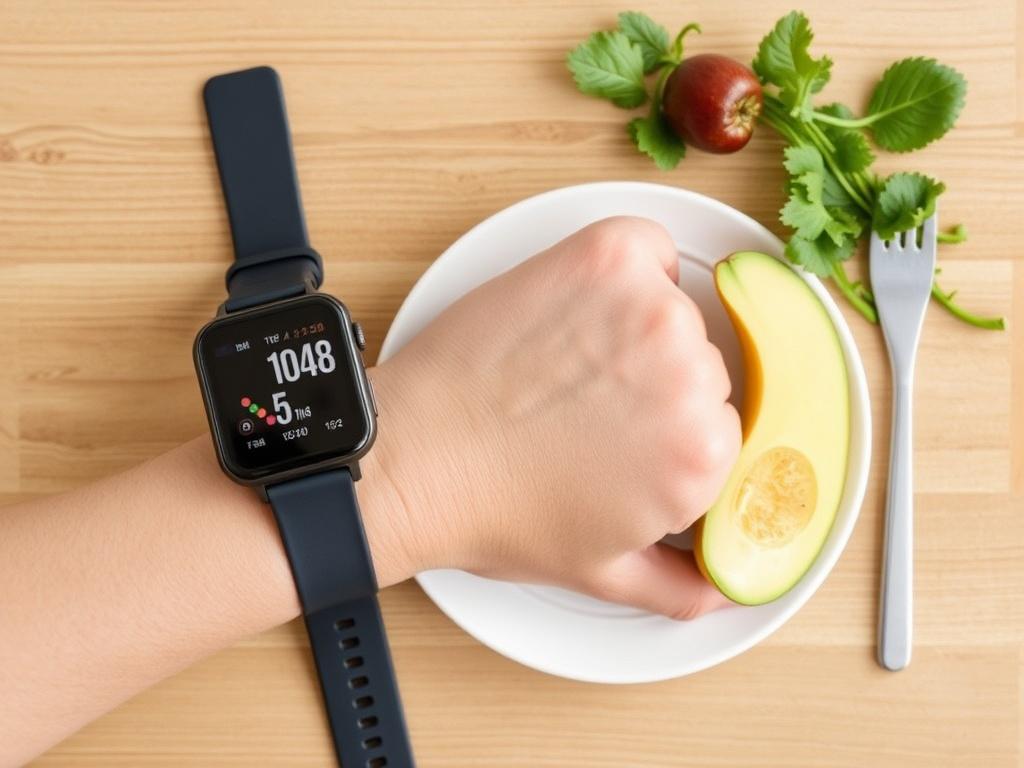
Apps, wearables, and journals are helpful because they externalize memory and provide feedback. But they become harmful when they create dependency or when a missed data point is interpreted as total failure. Use tools for insight, not identity.
Choose one primary metric to track and limit how deeply you analyze every fluctuation. For many people, consistent steps, sleep hours, or adherence to planned workouts is a better focal point than daily calorie swings or obsessive macronutrient tracking.
Sample tracking approach
| Focus | Why it helps | How to use |
|---|---|---|
| Steps | Encourages daily movement | Set a weekly average rather than rigid daily targets |
| Sleep hours | Improves recovery and appetite control | Track trends, not isolated nights |
| Workout frequency | Builds habit consistency | Aim for a minimum weekly number and celebrate hits |
Using a single table like this helps you avoid overcomplicating the process while maintaining focus on meaningful behaviors. Periodically review trends and adjust goals every two to four weeks.
Strategies for when motivation fades
Motivation is fickle; habits are reliable. When motivation dips, fall back on systems: pre-made meals, a buddy for workouts, or automatic reminders that require minimal decision-making. Reduce friction and the chance of giving up.
Another strategy is to change the metric you care about. If weight loss stalls, focus temporarily on strength or energy levels. Shifting the frame keeps you engaged and demonstrates progress in other domains.
Ten practical tactics to prevent relapse
- Schedule non-negotiable anchor activities like morning hydration and a short walk.
- Plan small, attainable daily wins to build confidence.
- Use environmental design: put fruit on the counter, hide treats out of sight.
- Pair unpleasant tasks with enjoyable ones (walk and listen to a favorite podcast).
- Make access easy: prep meals, pack gym bag the night before.
- Celebrate process milestones rather than only outcomes.
- Allow a structured weekly treat to reduce bingeing.
- Find a non-judgmental accountability partner for check-ins.
- Use recovery scripts for slip days: analyze, adjust, and move on.
- Rotate activities to keep interest and reduce injury risk.
Social context: how friends and family influence your habits

Your environment includes the people around you. If your immediate social circle celebrates extremes or sabotages healthy choices, the path is steeper but not impossible. Communicate your intentions clearly and ask for specific support rather than vague encouragement.
Sometimes support means compromise: you’ll join family meals and control portions, or you’ll host activities that center on movement rather than food. Changing social scripts takes practice, but it’s one of the most powerful levers for long-term change.
Handling unsupportive people
When loved ones mock or push back, set boundaries with calm, firm statements. You don’t need to justify every choice. A simple line like “I’m focusing on my health, but I still enjoy time with you” reduces conflict and preserves relationships.
If the pressure continues, seek other communities—online groups, a running club, or a weekend class—where your goals are understood and celebrated. Community reduces isolation and increases accountability.
When to get professional help
Some situations warrant expert guidance. If you’re dealing with disordered eating patterns, chronic sleep problems, persistent anxiety around food and exercise, or medical conditions that affect weight and energy, a qualified clinician can offer specialized support. Professional help is pragmatic, not shameful.
Trainers, dietitians, therapists, and sleep specialists each bring targeted tools. When you’re stuck in a repeating pattern—like extreme dieting followed by bingeing—working with a professional can break the cycle faster and more safely than attempting to self-correct alone.
Real-life examples: small adjustments that made a big difference
I once coached a friend who kept cycling between two extremes: intense gym weeks followed by long stretches of inactivity and overeating. We switched focus from performance to routine and eliminated the “all or nothing” mantra. Within two months, she went from sporadic bursts to a realistic three-times-per-week habit and reported more energy and fewer binges.
In my own life, a focus on “one tiny win” helped after I returned from a period of travel and irregular sleep. Instead of forcing a heavy training block, I promised myself one 15-minute morning stretch and a salad at lunch for a week. The tiny successes restored confidence and naturally led to more disciplined choices without drama.
Stories that illustrate recovery after slips
Another acquaintance found stability by redefining success. Rather than measuring him by the number on the scale, he tracked whether he could climb one flight of stairs without breathlessness. Over months, that simple, functional goal led to healthier eating and a consistent walking habit. Identity shifted from “on a diet” to “someone who moves and feels good.”
These examples show that modest, measurable, meaningful goals are more sustainable than ambitious but brittle plans. They also highlight how quick, kind recoveries from lapses prevent small setbacks from becoming defeats.
A 30-day sustainable kickstart plan
The plan below is built to be realistic and flexible; treat it as a template to personalize. The point is not perfection but momentum—establish a pattern that fits your life and can be maintained beyond thirty days.
| Week | Action focus | Example targets |
|---|---|---|
| 1 | Foundations | Drink water each morning, add one vegetable to two meals, walk 20 minutes 4x/week |
| 2 | Build consistency | Prep two meals, add 10 minutes strength twice a week, go to bed 15 minutes earlier |
| 3 | Increase joy | Try a new class or outdoor activity, schedule a social walk, allow a planned treat |
| 4 | Reflect and adapt | Review wins and slips, set three process goals for the next 30 days, plan one reward |
After the first month, assess what stuck and what felt like a chore. Keep the habits that added value and swap out the ones that created resistance. Incremental refinement beats radical overhaul.
Practical habit templates you can copy
Here are three simple routines you can adopt and adapt. The key is to choose one and commit for a month rather than trying multiple at once.
- Morning starter: 12 oz water, 5 minutes of mobility, a healthy breakfast that includes protein.
- Workday reset: 20-minute mid-afternoon walk or stretching session, a colorful salad for lunch, designated coffee break without screens.
- Sleep prep: power down screens 60 minutes before bed, dim lights, an easy 10-minute wind-down routine.
These templates are intentionally modest. They’re meant to be sustainable and to serve as building blocks for more ambitious goals later.
Language matters: talk to yourself like a teammate
The way you describe setbacks shapes your next move. Replace judgmental self-talk with curiosity and guidance. Ask, “What led to this?” rather than “Why am I so weak?” Compassionate inquiry opens up problem-solving; self-flagellation closes it down.
Use action-oriented language like “I’ll try X tomorrow” instead of global labels such as “I’m undisciplined.” Small wording shifts change how the brain interprets events and influence behavior in surprisingly large ways.
Wrap-up thoughts and encouragement
Adopting a healthy lifestyle without fanaticism is less about bravery and more about engineering. You shift the burden from rare displays of willpower to reliable systems that work amid the unpredictability of life. Design choices to reduce friction, celebrate small wins, and expect—then plan for—slips.
Keep curiosity and kindness at the center of your approach. When setbacks occur, treat them as feedback and a chance to redesign rather than a verdict. With modest, consistent effort and a few practical systems, you can enjoy meaningful health improvements without turning your life into an endurance test.
If you take one thing away, let it be this: durability beats intensity. Choose the habits that you can live with, not the ones that make you feel like you’re constantly trying to survive them. That’s how real change happens—one sensible choice at a time.