

When people hear the word жиросжигатели, images appear: pills promising overnight transformations, powders that claim to melt fat, and flashy before-and-after photos. These products sit at the intersection of desire and science, and that makes them both popular and controversial. This article peels back marketing claims, explains the physiology behind fat loss, and gives practical advice for anyone curious about using these supplements responsibly.
what we mean by “fat burners”
The term “fat burner” is a marketing umbrella rather than a specific pharmacological category. Manufacturers use it to describe a wide range of products that claim to increase fat loss through different mechanisms like boosting metabolism, suppressing appetite, or altering nutrient absorption.
Some of these products are single-ingredient supplements (for example, caffeine), while others are complex blends containing stimulants, herbal extracts, vitamins, and proprietary compounds. Understanding which mechanism a product targets is the first step toward making an informed choice.
how fat loss actually works
Fat loss is fundamentally about energy balance: you lose body fat when you expend more energy than you consume over time. No pill can override physics and biology to produce sustained weight loss if caloric intake remains higher than expenditure.
At the cellular level, stored fat (triglycerides) must be broken down into free fatty acids and glycerol, transported out of fat cells, and oxidized by tissues for energy. Hormones and enzymes regulate each of these steps, and many supplements aim to influence one or more of these regulatory points.
common mechanisms claimed by fat-burning products
Manufacturers tend to emphasize a few mechanisms: thermogenesis (raising heat production), lipolysis (mobilizing stored fat), appetite suppression, and blocking fat or carbohydrate absorption. Each mechanism has different physiological plausibility and clinical evidence.
Thermogenic ingredients slightly increase energy expenditure, usually through stimulatory effects on the nervous system. Appetite suppressants attempt to reduce total caloric intake. Absorption blockers aim to reduce the calories absorbed from macronutrients. The magnitude of effect varies widely across ingredients and individuals.
common ingredients and what the evidence shows
Below is a concise table summarizing common ingredients in fat-burning products, typical doses found in supplements, the strength of evidence for modest weight-loss effects, and important safety notes. This is a high-level overview and not an exhaustive list.
| Ingredient | Typical dose | Evidence strength | Safety notes |
|---|---|---|---|
| Caffeine | 100–400 mg/day | Moderate — increases energy expenditure and can suppress appetite short term | Can raise heart rate and blood pressure; causes jitteriness, insomnia |
| Green tea extract (EGCG) | 250–500 mg EGCG/day | Low-to-moderate — small additive effect with caffeine | Liver toxicity reported with high doses in rare cases |
| Capsaicin/capsaicinoids | 2–10 mg/day | Low — modest increase in energy expenditure and satiety | GI irritation in sensitive people |
| Yohimbine | 5–20 mg/day | Low to mixed — may help in fasted, lean individuals | Anxiety, hypertension, unsafe with stimulants |
| Synephrine (bitter orange) | 10–50 mg/day | Low — stimulant-like effects | Cardiovascular risks similar to ephedrine in some cases |
| Garcinia cambogia (HCA) | 500–1500 mg/day | Low — mixed results, effects small or negligible | GI discomfort; limited high-quality evidence |
| Fiber/protein blends | variable | Moderate — increase satiety and reduce calorie intake | Generally safe; GI tolerance varies |
myths and the reality behind them

One pervasive myth is that fat burners can produce dramatic, sustained weight loss without dietary change or exercise. Reality: most supplements deliver small, short-term effects at best, and none of them replace a calorie deficit and physical activity for meaningful fat loss.
Another common idea is spot reduction — the belief that topical creams or certain supplements will melt fat from a specific body area. Biology doesn’t work that way; where you lose fat depends on individual genetics and overall body fat percentage, not on local application of compounds.
Some marketers claim “natural” automatically equals “safe.” Natural compounds can be potent and even dangerous at high doses or in combination with other drugs. The interaction profile and purity of a supplement matter more than whether its origin sounds wholesome.
how much benefit can you realistically expect?
High-quality studies typically show small weight-loss advantages for some ingredients when added to diet and exercise programs — often a few pounds more over several months. These effects are usually additive and modest, not transformative.
Expectations should be proportional: if a supplement promises double-digit body fat reductions or overnight transformations, it’s a red flag. Real outcomes come from consistent caloric control, resistance training to preserve muscle, and time.
safety, side effects, and who should avoid fat burners
Side effects vary by ingredient but commonly include increased heart rate, elevated blood pressure, jitteriness, sleep disturbances, nausea, and gastrointestinal upset. Serious adverse events are rare but have occurred, especially with products containing undisclosed stimulants or adulterants.
Certain groups should avoid fat-burning supplements entirely: people with cardiovascular disease, uncontrolled hypertension, anxiety disorders, thyroid disease, pregnant or breastfeeding women, and adolescents. Medications that interact with stimulants or metabolic pathways also create contraindications.
regulation, quality control, and hidden risks
In many countries, dietary supplements are regulated as food, not drugs, which means manufacturers don’t need FDA approval before marketing products. That regulatory gap allows for variability in ingredient quality, dose accuracy, and potential contamination.
Past investigations have found supplements adulterated with prescription drugs, synthetic stimulants, or mislabeled dosages. Third-party testing and certifications like NSF, USP, or Informed-Sport are useful markers, but they are not guarantees of absolute safety.
how to evaluate a fat-burning product
Start by reading the label: clear ingredient names and doses are good signs. Proprietary blends that hide individual dosages should make you skeptical because you can’t judge whether active ingredients are present in meaningful amounts.
Check for third-party testing seals and search for the product or brand name along with terms like “adverse event,” “recall,” or “lawsuit.” Reliable companies publish certificates of analysis or provide batch testing reports on request.
red flags to watch for when buying supplements
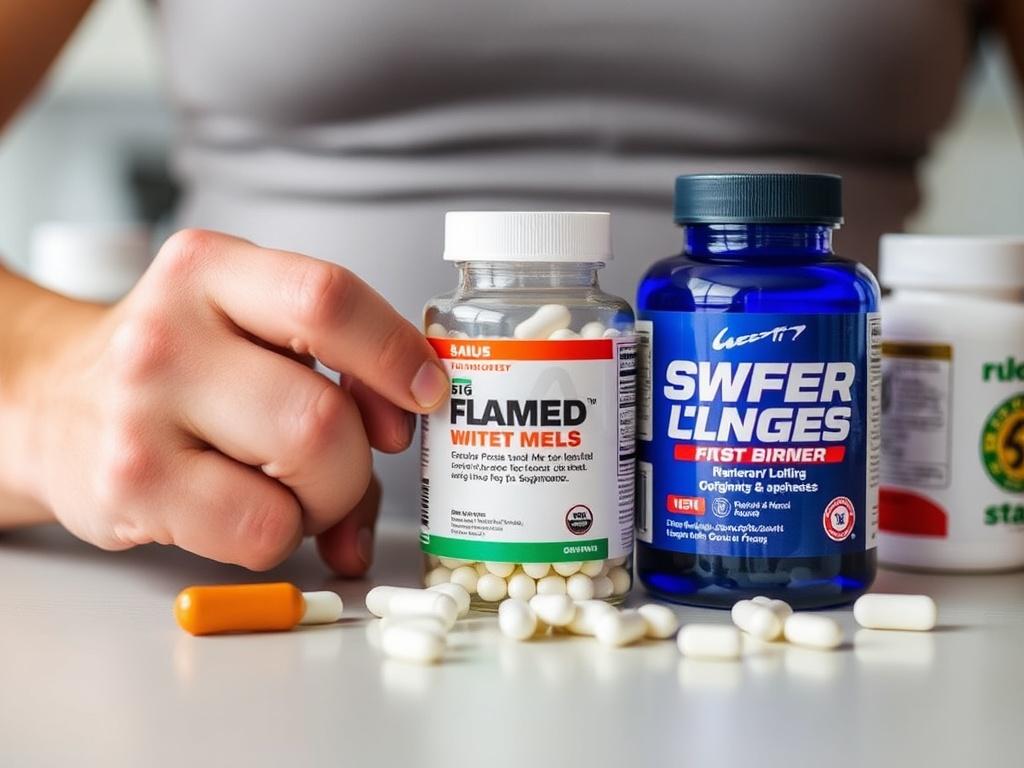
- Over-the-top claims like “lose 20 pounds in 2 weeks” or “no diet required.”
- Proprietary blends with undisclosed dosages.
- Ingredients with little scientific backing or those recently linked to adverse events (e.g., DMAA, ephedra analogs).
- Too-good-to-be-true testimonials and before-and-after pictures without verifiable context.
evidence-based ways to use supplements responsibly
If you decide to try a supplement, treat it as an adjunct, not the strategy. Make sure your diet is in order, prioritize resistance training, and use the supplement to address a specific gap—like reducing caffeine dependence by replacing multiple coffee shots with a controlled, measured dose.
Start with the lowest suggested dose and test tolerance for a week or two before increasing. Keep a log of blood pressure, sleep quality, mood, and any side effects. If you take prescription medications, consult your physician or pharmacist to check for interactions.
cycling and timing
Cycling stimulants can reduce tolerance and minimize sleep disruption. A common practical approach is to use them only on workout days or for limited periods (for example, 8–12 weeks) rather than continuously year-round.
Timing matters: stimulants are best taken earlier in the day to limit insomnia, and several ingredients are more effective when consumed around exercise. Again, individual response varies, so adjust according to how your body reacts.
alternatives to commercial fat burners
Small dietary and lifestyle changes can function as safe, effective “fat burners.” Increasing daily protein intake, optimizing meal timing to prevent large calorie swings, prioritizing resistance training, and doing regular high-intensity interval training all improve the body’s capacity to lose fat.
Simple nutritional tweaks like replacing sugary drinks with coffee or green tea, and adding capsaicin-containing foods such as chili peppers, can modestly boost daily energy expenditure without the risks of concentrated supplements.
the role of sleep, stress, and hormones
Poor sleep and chronic stress derail fat loss more reliably than most supplements ever will. Sleep restriction increases hunger hormones, reduces insulin sensitivity, and favors fat storage, while stress elevates cortisol in ways that can alter appetite and fat distribution.
Addressing sleep hygiene, practicing stress-management techniques, and treating sleep disorders often produce larger, longer-lasting benefits than adding a new pill to your regimen.
case studies and real-life examples
In my experience working with fitness clients, the most consistent success stories involve straightforward, sustainable changes. One client swapped sugary sodas for water and green tea, added two weekly resistance sessions, and lost 15 pounds in three months without ever taking a commercial fat burner.
I’ve also seen people who rely on stim-heavy products see short-term weight dips followed by rebound weight gain when usage stopped. That pattern often comes with disrupted sleep and increased anxiety, which undermines long-term progress.
special considerations for athletes
Athletes need to be cautious because some fat-burning supplements contain substances banned by sports organizations. Even if an ingredient is legal, contamination or cross-labeling can cause positive doping tests. Always check with team physicians and prefer supplements that are batch-tested for sport.
For athletes trying to make weight or improve performance composition, evidence supports measured approaches: maintain muscle through resistance training and protein intake, and use modest caloric deficits rather than crash diets or risky stimulants.
stimulant-free options and their role
Not everyone tolerates stimulants. For people sensitive to caffeine or with cardiovascular concerns, stimulant-free options like high-fiber supplements, protein blends, and some plant extracts can aid satiety and reduce caloric intake.
These products generally have a gentler side-effect profile, but their impact on energy expenditure is limited. They can still be a useful part of a broader plan centered on eating behavior and exercise.
what research still needs to be done
The supplement industry moves faster than research. Long-term trials comparing realistic doses of multi-ingredient formulas in diverse populations are scarce. We need better data on long-term safety, interactions with common medications, and effects in older adults and people with chronic conditions.
More mechanistic research will also help clarify who might benefit from specific agents—whether genetics, baseline metabolic rate, or body composition moderate the response to certain ingredients.
practical checklist before trying a product
- Confirm the ingredient list and doses; avoid proprietary blends when possible.
- Look for third-party testing and transparent company practices.
- Start at a low dose and monitor blood pressure, sleep, and mood.
- Discuss with your healthcare provider if you have chronic conditions or take medications.
- Use supplements only alongside proven lifestyle measures like diet and strength training.
how to read scientific claims and marketing

Ask whether a claim is based on human trials or just animal and cell studies. Many hopeful mechanisms shown in a lab do not produce meaningful effects in real people. Pay attention to the size and duration of the trials cited—small, short studies are easy to spin into exaggerated claims.
Also notice population specifics: a study on lean, male athletes may not apply to sedentary women with obesity. Context matters, and good marketing often hides that nuance.
cost, access, and long-term planning
Supplements can be expensive, and even when they produce a small boost, the cost per pound of fat lost can be high compared to investing in a gym membership, a nutritionist, or higher-quality food. Consider opportunity cost when deciding how to allocate resources.
Long-term weight maintenance depends on sustainable habits. If a supplement can help kickstart motivation and is used temporarily while building those habits, it may have a place. But reliance on perpetual supplementation typically substitutes for solving the underlying behavioral factors.
my personal final thought on supplements
I’ve tried controlled caffeine and green tea extract cycles in my own training and found modest benefits for workout energy and short-term appetite control, but nothing that replaced consistent dietary effort. Anecdotally, the side effects—reduced sleep and increased anxiety—outweighed the small gains when I overused them.
That experience reinforced a simple rule I share with clients: supplements are tools, not shortcuts. They can me be useful in narrow windows, but lasting change comes from habits you can sustain without a pill in hand.
summary of practical takeaways
Fat burners are a mixed bag. Some ingredients have modest, evidence-based effects that may slightly enhance fat loss when combined with diet and exercise, while others are unsupported or potentially dangerous. The biggest determinants of success remain calorie balance, resistance training, and sleep.
If you choose to use a product, prioritize transparent labels, third-party testing, and medical clearance when appropriate. Use supplements strategically and temporarily, and measure outcomes honestly rather than chasing marketing promises.
next steps for someone curious about trying a fat burner
Begin by auditing your diet, activity, and sleep. Fix basic, high-impact behaviors before experimenting with supplements. If you still want to try one, pick a product with simple ingredients, known doses, and reputable testing, and ask your healthcare provider if it’s safe for you.
Track progress over a defined period, like 8–12 weeks, and be prepared to stop if side effects appear or if the product fails to deliver measurable benefit. A disciplined, evidence-aware approach will keep you safer and more likely to achieve the results you want.
At the end of the day, the phrase жиросжигатели: мифы и реальность captures an essential truth—there is both hype and utility in these products, and navigating between the two requires science, skepticism, and sensible behavior. If you approach the topic with that mindset, you’ll make choices that actually help you, rather than chasing promises that sound good in an advertisement.