
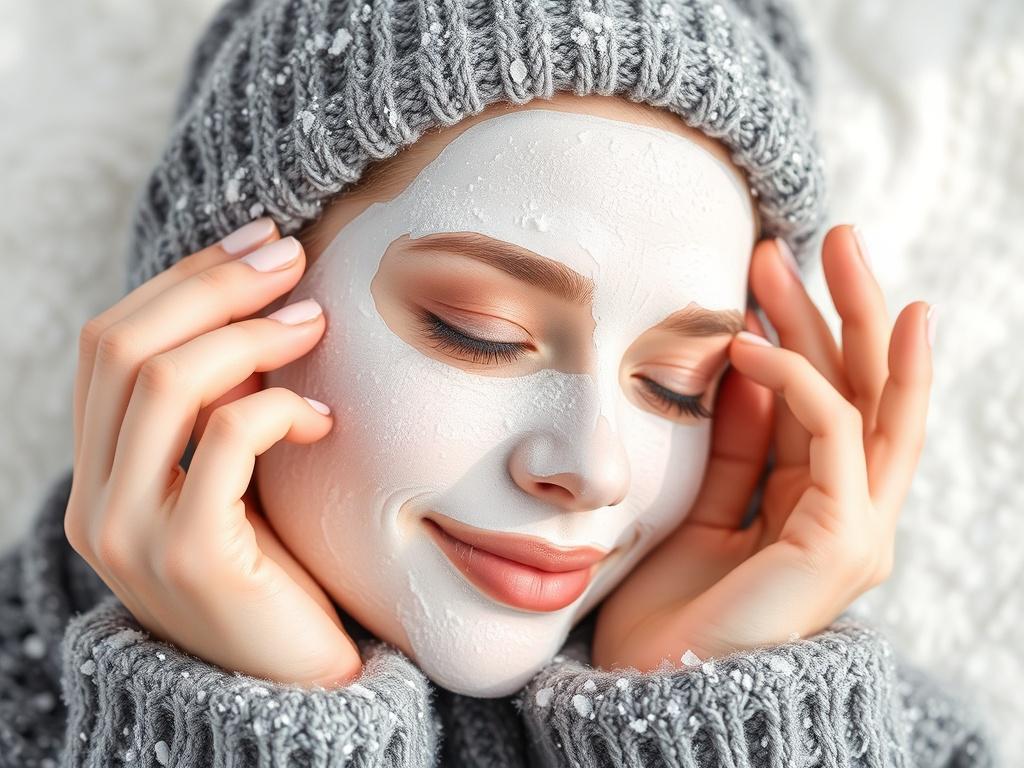
Cold air, biting wind, and indoor heaters create a perfect storm for skin irritation, tightness, and dehydration. Caring for your face in winter asks for a gentle shift from summer habits—simpler routines, richer textures, and a little more planning. This article walks through practical, science-backed steps and personal tips so your skin stays resilient through the season.
Why winter changes the rules for facial skin

Winter brings lower humidity both outdoors and indoors, which increases water loss from the skin’s outer layer and leads to tightness and flaking. Blood vessels constrict in cold temperatures, reducing nutrient delivery and causing a dull, uneven complexion if protective measures aren’t taken. Wind and temperature swings also damage the skin barrier, making it more reactive to products and environmental triggers.
Indoor heating compounds the problem by sucking moisture from the air and accelerating transepidermal water loss. Many people respond by stripping the skin with harsh cleansers or over-exfoliating, which only worsens barrier damage. Understanding these mechanisms makes it easier to choose kinder, more effective products and habits.
Basic principles for a winter face care routine
Start with the skin barrier: prioritize products that reinforce lipids and hold water in the skin. Cut back on irritating actives temporarily if you notice persistent redness, stinging, or dryness. Layering is your friend—lightweight serums under richer creams help hydrate without feeling greasy.
Consistency matters more than frequent changes in winter. Adopt a gentle, manageable routine you can follow daily, and reserve stronger treatments for times when your skin is calm. Think of winter care as protection first, correction second.
Key actions to focus on
Cleanse gently, hydrate purposefully, and moisturize with barrier-restoring ingredients like ceramides, fatty acids, and occlusives. Protect from UV exposure with daily sunscreen even on cloudy days, because snow and winter light still reflect and damage skin. When going outdoors, add a physical barrier—scarf, hat, and a non-irritating protective balm—especially on windy days.
Adjusting routines by skin type
Different skin types need different winter adjustments, but all benefit from reduced irritation and extra moisture. Oily skin may still produce excess sebum in winter, yet it can be dehydrated; lightweight hydrating serums combined with non-comedogenic creams often work best. Dry and combination skin generally do better with thicker creams and occlusives at night to stop moisture loss while you sleep.
Sensitive or rosacea-prone skin needs extra caution: simplify your routine and concentrate on calming, fragrance-free products. If acne-prone, prioritize hydration and non-comedogenic protective formulas rather than aggressive drying treatments that trigger rebound oiliness and flare-ups.
Morning rituals for cold mornings
Begin with a mild, non-foaming cleanser to remove overnight oils without stripping moisture. Apply a hydrating serum containing humectants like glycerin or hyaluronic acid while skin is still slightly damp to maximize water absorption. Lock that hydration in with a moisturizer containing lipids and a sunscreen with at least SPF 30 to prevent UV damage.
For makeup wearers, choose cream or liquid formulas rather than powders, which can accentuate flakiness. If you have dry patches, blend a facial oil into foundation to avoid cakiness while keeping skin supple. Don’t forget lip protection—dry, cracked lips can develop into painful fissures if neglected.
Evening routine to repair and replenish
Evening is the ideal time to repair the barrier. Double-cleanse if you wear heavy makeup or sunscreen: start with an oil-based cleanser to dissolve makeup, then follow with a gentle cream or gel cleanser. Apply targeted treatments such as ceramide-rich creams, antioxidant serums, or retinoids only after assessing your skin’s tolerance.
Finish with a thicker night cream or sleeping mask that contains occlusives like petrolatum, dimethicone, or plant-derived alternatives to seal in moisture. Consider layering a nourishing facial oil over cream for an extra protective film on very cold nights, especially if you’ll be outdoors.
Cleansers: what to use and what to avoid
Strip-free cleansers are essential in winter. Look for syndet bars, cream cleansers, or low-foam gels that clean without removing natural lipids. Avoid high-foaming cleansers with harsh sulfates and excessive scrubs that damage the skin barrier.
If your skin is flaking or very tight, switch from daily exfoliating cleansers to ultra-gentle formulas and space mechanical exfoliation to once a week. Micellar water is handy for quick, non-rinse cleansing, but don’t rely on it as the only cleansing step if you wear sunscreen or makeup regularly.
Moisturizers and ingredients that matter
Choose moisturizers that combine humectants, emollients, and occlusives for balanced care. Humectants attract water, emollients soften and smooth the surface, and occlusives lock in hydration. Together they restore comfort and strengthen the protective barrier.
Key ingredients to look for include ceramides, cholesterol, fatty acids, glycerin, hyaluronic acid, shea butter, squalane, and dimethicone. Avoid heavy fragrances, high concentrations of alcohol, and unnecessary essential oils that can trigger irritation in winter’s compromised skin environment.
| Ingredient | Function | Why it helps in winter |
|---|---|---|
| Ceramides | Rebuild barrier lipids | Restore barrier to reduce water loss and sensitivity |
| Hyaluronic acid | Humectant; draws water into skin | Provides immediate plumping and hydration |
| Squalane | Emollient; mimics skin oils | Softens skin without greasiness, suitable for many types |
| Dimethicone | Occlusive; forms protective film | Locks moisture in and protects from wind and cold |
How to layer moisturizers effectively
Apply products from thinnest to thickest: hydrating serums first, then treatment serums, followed by creams, and finally oils or balms. This order ensures active ingredients penetrate and occlusives seal them in. When temperatures dip, you can switch to a heavier night cream but keep daytime textures comfortable under makeup.
Don’t assume thicker always equals better; some heavy creams can clog pores or irritate sensitive skin. Patch-test a richer formula on your jawline before committing to face-wide use for several days.
Sunscreen: a winter must
Sunscreen protects from UVA and UVB rays year-round, and winter light reflects off snow, increasing exposure. Choose a broad-spectrum SPF 30 or higher and make it part of your morning routine even on overcast days. For dry skin, mineral sunscreens with zinc oxide or titanium dioxide are often gentler and pair well with moisturizing primers.
Reapply if you’re outdoors for extended periods, and pair sunscreen with physical barriers like hats and scarves. If you use makeup with SPF claims, still apply a dedicated sunscreen underneath to ensure adequate protection.
Exfoliation: less is more in colder months
Exfoliation removes dead skin cells and improves product absorption, but overdoing it in winter can leave skin raw and vulnerable. Favor gentle chemical exfoliants like low-concentration AHAs or PHAs once a week, and avoid frequent mechanical scrubs. Sensitive or compromised skin may be better off skipping exfoliation until it recovers.
When you do exfoliate, follow with calming serums and a rich moisturizer to restore the barrier. If you’re using retinoids, reduce frequency or lower concentration to avoid cumulative irritation from seasonal dryness.
Treatments to pause or adjust
Professional in-office procedures such as peels or laser resurfacing may need to be rescheduled to avoid prolonged downtime and additional sensitivity. Home acid peels and high-strength retinol can also sensitize skin; reduce their frequency and concentrate on barrier repair instead. If you’re on prescription topical treatments, consult your dermatologist before making major changes.
Targeted care for lips, eyes, and cheeks
The thin skin around the eyes and lips dries quickly in winter and requires targeted products. Use a rich eye cream with ceramides or squalane to prevent fine lines from dehydration. For lips, a balm with occlusive agents like petrolatum or lanolin provides reliable protection against chapping.
Cheeks often show the first signs of winter damage because they are more exposed; consider a protective facial balm or cream on windy days. If you develop persistent redness, switch to a fragrance-free, soothing formula containing niacinamide or madecassoside to calm irritation.
Makeup strategies for dry winter skin

Replace matte foundations and powders with hydrating, luminous formulas to avoid emphasizing dry patches. Use cream blushes and highlighters to impart healthy-looking moisture and blend them well to avoid patchiness. Primer can help create a smoother canvas, but choose a hydrating primer rather than a mattifying one.
Remove makeup gently with an oil or balm cleanser, then follow with your usual cleanser to avoid residue. Keep lip colors nourishing—matte, drying lipsticks will worsen chapping unless paired with a protective balm underneath.
Protective measures for outdoor exposure
Layer clothing as if dressing a sandwich: breathable base layers under insulated outerwear to regulate temperature and reduce sweating that can irritate the face. Use scarves and balaclavas to shield exposed skin when wind chill is significant. Apply a protective balm to cheeks and nose before heading out, and reapply sunscreen on long outdoor outings.
When exercising outdoors, wear moisture-wicking layers and wait for your skin to cool down before removing excess sweat, which can dry and irritate. Consider exercising indoors on days with severe wind or extremely low temperatures to reduce skin stress.
Indoor environment adjustments
Combat dry indoor air with a humidifier set to a comfortable 40–50 percent relative humidity to reduce transepidermal water loss. Avoid placing heaters directly near your face and sleep with a humidifier nearby if your bedroom gets very dry. Shorten hot showers and prefer lukewarm water to prevent stripping natural oils.
Choose gentle, fragrance-free laundry detergents and avoid fabric softeners or dryer sheets that can leave residues irritating to facial skin. Keep indoor plants or a small bowl of water on radiators as inexpensive supplemental humidity sources, supplementing with a proper humidifier for consistent control.
Diet, hydration, and supplements that support winter skin
Hydrating from the inside matters: drink water consistently throughout the day rather than a large amount at once. Include foods rich in omega-3 fatty acids, vitamins A, C, and E, and antioxidants to support barrier function and inflammatory balance. Avoid excessive alcohol and caffeine, which can be dehydrating if not balanced with adequate water.
Consider supplements like fish oil or algal omega-3s and vitamin D during low-sunlight months, but consult your healthcare provider before starting anything new. Eating a balanced diet with colorful vegetables, lean proteins, and healthy fats offers the best foundation for resilient skin.
Addressing specific issues: rosacea, eczema, and acne
Rosacea and eczema often flare in winter due to cold, dry air and hot indoor heating. Use soothing, barrier-repair products and avoid triggers like extreme temperature shifts and strong topical actives. Work with a dermatologist to adjust prescription treatments seasonally rather than stopping them abruptly.
Acne-prone skin can look worse if you strip oils aggressively; instead, use non-comedogenic hydration and spot-treat blemishes with focused treatments. Consider finetuning benzoyl peroxide or salicylic acid use, and add calming ingredients like niacinamide to reduce inflammation while preventing dryness.
Real-life example: adapting prescriptions for winter
I once had a client on a daily topical retinoid who developed severe flaking each winter. We reduced retinoid application to twice weekly, introduced a nightly ceramide cream on other nights, and added a bland occlusive balm for outdoor use. The skin healed and stayed clear without sacrificing long-term benefits.
DIY remedies: useful ideas and precautions
Natural remedies like honey, oat baths, and aloe vera can soothe mild irritation and add gentle hydration. Oat-based masks are especially good for calming inflamed skin and can be mixed with water or yogurt for a simple at-home treatment. Honey’s humectant and antimicrobial properties make it a gentle short-term mask for dry, irritated areas.
Proceed cautiously with DIY oils and butters; nut oils can cause allergies and heavy natural oils may clog pores. When in doubt, do a small patch test and avoid lemon, cinnamon, or concentrated essential oils on facial skin, as they can cause burns or severe irritation, especially in cold-compromised skin.
Products to avoid in winter
Steer clear of frequent use of high-percentage AHA peels, dense alcohol-based toners, and abrasive mechanical scrubs that strip lipids and increase sensitivity. Avoid long, scalding showers and exfoliating with a washcloth or brush daily. Also reconsider any product that consistently causes stinging or redness—mild discomfort is not an acceptable trade-off for “results.”
When to see a dermatologist
If dryness leads to cracks, bleeding, persistent redness, or painful inflammation, consult a dermatologist rather than experimenting endlessly. Professional treatments can include prescription barrier creams, topical steroids for inflammatory flares, or adjustments to acne medications. Early intervention prevents complications and often shortens recovery time.
Seasonal checklist: a practical routine
Use this short checklist to keep essentials at the forefront as temperatures drop: gentle cleanser, hydrating serum, ceramide-rich moisturizer, broad-spectrum sunscreen, lip balm, and a protective face balm for windy days. Add a room humidifier and swap to fragrance-free laundry products for skin-friendly indoor conditions. Keep a small travel-sized moisturizer and lip balm in your bag to reapply during the day when needed.
- Morning: gentle cleanse → hydrating serum → moisturizer with SPF
- Evening: oil or balm cleanse (if needed) → gentle cleanser → treatment serums → richer night cream or oil
- Weekly: gentle exfoliation (if tolerated) and a hydrating mask
- Daily: drink water, humidify your space, cover exposed skin outdoors
Common winter face care mistakes to avoid
Over-cleansing and over-exfoliating are the most common errors—both tear down the barrier and prolong recovery. Another mistake is skipping sunscreen on cold, cloudy days and thinking makeup alone provides protection. Finally, switching too many products at once during flare-ups makes it hard to identify what helps and what harms.
Take a minimal approach: fewer products, gentler actives, and a consistent schedule. When you add something new, introduce it slowly and monitor how your skin responds over a week or two.
Financially smart winter skincare

You don’t need the most expensive products to protect your skin effectively in winter. Core ingredients—ceramides, glycerin, hyaluronic acid, squalane, and zinc oxide—are available in budget-friendly formulations. Spend more selectively on products that address unique concerns, and save on extras like multiple specialty serums if your basic barrier care is strong.
Repurpose multi-use products where safe—face oils can work overnight and mixed into cream for daytime, and a broad-spectrum sunscreen doubles as climate protection. A well-chosen starter kit of three solid products often serves better than an overflowing shelf of single-purpose items.
Author’s experience: what changed my skin one winter
One particularly dry winter I learned the value of a true occlusive—simple petrolatum over a ceramide cream at night. The first morning I noticed less flakiness and fewer reactive breakouts; my skin actually tolerated actives again. That small change made me realize that protecting the barrier had been the missing piece all along.
I also learned to carry a small, fragrance-free balm in my pocket when running errands. The convenience prevented me from rubbing my face raw with gloves or tissues and saved me several uncomfortable weeks of healing. Little, consistent actions have a cumulative impact that big, dramatic treatments can’t match.
Wrapping up winter habits for long-term skin health
Winter face care is about protection, patience, and thoughtful product choices. Prioritize barrier repair, hydrate consistently, and simplify aggressive treatments until your skin is stable. With a few small adjustments, you can keep your complexion comfortable, clear, and healthy until spring arrives.
If you’re looking for a single takeaway: treat your skin as you would a winter coat—layered, weather-appropriate, and cared for only when it needs more than basic protection. Your face will thank you with fewer flare-ups and a more even, resilient appearance through the season.
Helpful quick reference
Keep this short list on hand: gentle cleanser, humectant serum, ceramide moisturizer, SPF 30+, occlusive balm for outdoors, and a room humidifier. Adjust based on your skin type and consult a professional for persistent problems. Small, consistent steps deliver the best results for cold-weather facial care, even if the phrase Уход за лицом зимой is something you only whisper to yourself as a seasonal reminder.