
Few ingredients feel as timeless and simple as coconut oil when it comes to skin care. Its scent evokes summers and sandy beaches, but beneath that pleasant aroma lies a surprisingly versatile oil that many people use for moisturizing, soothing, and protecting the skin. This article explores the benefits of coconut oil for the body, practical ways to use it, and precautions to keep your routine both effective and safe.
What exactly is coconut oil?
Coconut oil is extracted from the meat of mature coconuts and contains a mix of fatty acids that give it a solid texture at room temperature in many climates. The composition is different from many plant oils because it includes a high proportion of medium-chain fatty acids, which influence how it behaves on the skin and how it is absorbed.
In skin-care use, coconut oil acts primarily as an emollient and occlusive. That means it helps soften the skin and forms a thin film that can lock in moisture, reducing trans-epidermal water loss and making dry or rough patches feel smoother and more comfortable.
Types of coconut oil and how they differ
Not all coconut oils are created equal. The most common types you’ll see are virgin (also called extra virgin), refined, and fractionated coconut oil, and each one has different characteristics that affect scent, color, and how they perform on the skin.
Virgin coconut oil is made from fresh coconut meat and retains more of the natural scent, flavor, and some minor nutrients. Refined coconut oil is typically made from dried coconut meat and is processed to remove impurities and scent, resulting in a neutral-smelling oil. Fractionated coconut oil has had long-chain fatty acids removed, leaving a liquid oil that stays liquid at cooler temperatures and is often favored in massage and aromatherapy blends.
| Type | Texture | Scent | Best uses |
|---|---|---|---|
| Virgin | Solid in cool temps, melts on skin | Distinct coconut aroma | Everyday body moisturizing, hair masks, natural scent |
| Refined | Solid in cool temps, melts on skin | Neutral | Unscented products, cooking, sensitive scent preferences |
| Fractionated | Liquid at room temperature | Neutral | Massage oil, carrier oil for essential oils, lightweight application |
Choosing between these comes down to personal preference for scent and texture, as well as how you plan to use the oil on your skin.
How coconut oil benefits body skin
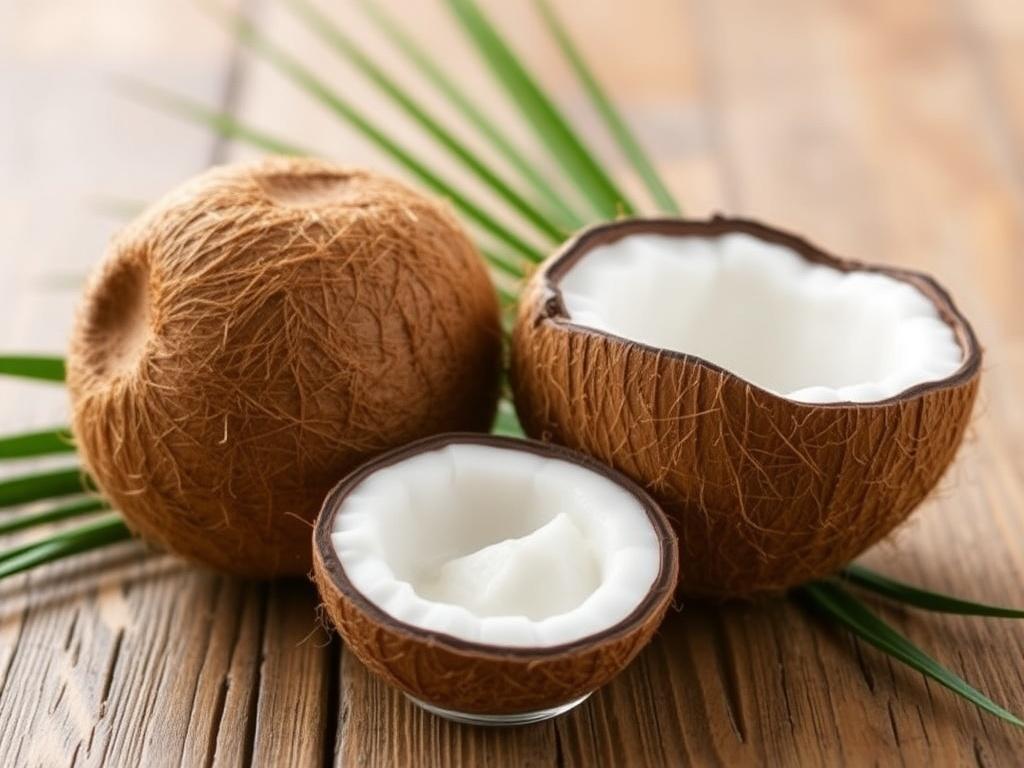
Coconut oil offers several skin benefits that are supported by both traditional use and modern research. Its primary value as a body oil comes from its moisturizing and protective actions, but it also brings antimicrobial and potential anti-inflammatory effects to the table.
Because it acts as an occlusive, coconut oil helps seal moisture into the skin. Applying it to damp skin after bathing can significantly improve comfort in dry climates or during winter months when heating strips the air of humidity.
Deep moisturizing and skin barrier support
One of the clearest advantages is its ability to soften and smooth rough or dry areas such as elbows, knees, and heels. Coconut oil fills tiny gaps in the skin’s surface lipids, which helps restore the skin’s barrier function and reduces flaking and tightness.
Regular use can make a tangible difference in how skin looks and feels. People who switch to coconut oil often report less itching and fewer visible dry patches, especially when they apply it consistently after cleansing or bathing.
Antimicrobial properties
Coconut oil contains fatty acids that have been shown to exhibit antimicrobial activity against certain bacteria and fungi. This makes it a useful adjunct in situations where minor surface microbes contribute to irritation, such as small cuts or chapped skin areas.
While this property doesn’t replace proper medical treatment for infections, using coconut oil on clean skin can help reduce the microbial load on the surface and may support healing when combined with good hygiene practices.
Anti-inflammatory and soothing effects
Some people notice that coconut oil calms irritated skin and reduces redness, likely because the oil helps restore the lipid barrier and minimizes mechanical irritation from dryness. The ritual of gentle massage with warm oil also enhances blood flow and can relieve tension in tight skin and muscles.
These soothing effects make coconut oil a pleasant option for evening body care routines, helping the skin feel cared for while also providing a sensory moment of calm.
Antioxidants and skin aging
Virgin coconut oil contains small amounts of antioxidant compounds, which may help protect the skin from oxidative stress. Antioxidants can slow the visible signs of aging by countering free radical damage to structural skin components over time.
Although coconut oil is not a replacement for sunscreen or more targeted anti-aging treatments, its antioxidant content contributes to overall skin resilience and complements other protective measures.
Practical ways to use coconut oil on your body
Coconut oil is remarkably adaptable. You can use it as a straightforward moisturizer, incorporate it into massage routines, or mix it with other natural ingredients to build scrubs and balms. The method you choose depends on whether you want a quick application or a richer treatment.
Below is a short list of popular ways people apply coconut oil to their bodies, each offering a slightly different benefit.
- Post-shower moisturizer applied to damp skin to trap moisture.
- Massage oil—especially fractionated coconut oil—for a smooth glide and easy absorption.
- Body scrub base mixed with sugar or salt for exfoliation.
- Hand and foot balm applied overnight under cotton gloves or socks for intense repair.
- Cuticle oil to soften rough nail beds and prevent hangnails.
These uses show how coconut oil can be both the primary product in a care routine and the supporting ingredient in homemade preparations.
How to apply coconut oil for best results
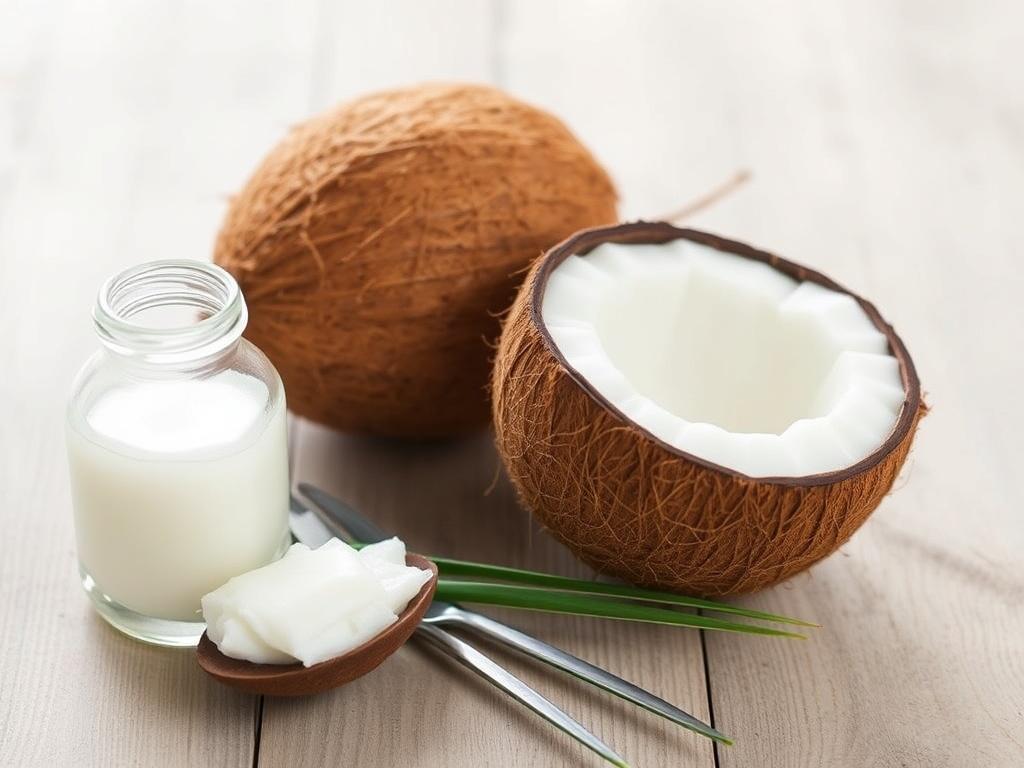
Technique matters with coconut oil because it can feel greasy if you use too much or apply it at the wrong time. The simplest rule is to apply small amounts and warm the oil between your palms before spreading it across the skin.
For everyday moisturizing, apply a pea-sized amount per limb while your skin is still slightly damp from the shower. Pat it in rather than rubbing vigorously to encourage absorption and avoid leaving a heavy residue on clothing.
- Warm a small amount between palms.
- Press gently into damp skin, starting at limbs and moving toward the torso.
- Use concentrated dots on very dry spots like heels and elbows and massage in small circular motions.
- Allow a few minutes before dressing to minimize transfer to clothing.
For a luxurious treat, try applying coconut oil before bed and sleeping with lightweight cotton garments. You can also mix a small scoop with your favorite body lotion to enhance its protective qualities without dramatically increasing greasiness.
DIY coconut oil recipes for body care
Making your own body products can be rewarding and economical. Coconut oil mixes well with other natural ingredients, allowing you to tailor textures and scents to your liking. Below are a few straightforward recipes to get started.
Each recipe uses simple measurements and common ingredients. Start with small batches to test how your skin reacts before scaling up.
- Simple body balm: 1/2 cup coconut oil melted with 2 tablespoons beeswax. Pour into a jar and cool. Use on dry patches.
- Exfoliating sugar scrub: 1/2 cup coconut oil blended with 1 cup fine sugar and a few drops of essential oil. Use in the shower, then rinse.
- Overnight foot treatment: Mix equal parts coconut oil and shea butter, apply to heels, and wear socks overnight for soft skin by morning.
Adjust textures by changing the oil-to-solid ratios; more beeswax will produce a firmer balm, while fractionated coconut oil will keep a mixture liquid at room temperature.
Choosing quality coconut oil products
Picking the right coconut oil comes down to your intended use and your preferences for processing and scent. Labels like “virgin,” “cold-pressed,” and “organic” can be helpful indicators but don’t tell the whole story.
Virgin or extra virgin coconut oil tends to retain more of the coconut’s natural characteristics and minor nutrients, while refined oils are processed for a neutral scent. If you plan to use the oil primarily on the body and want the coconut aroma, virgin oil is a good choice.
| Label | What it indicates |
|---|---|
| Virgin/extra virgin | Minimal processing, retains natural scent and some nutrients |
| Refined | Processed to remove odors and impurities, milder scent |
| Fractionated | Liquid at room temp, long-chain fats removed, used as carrier oil |
| Organic | Grown without synthetic pesticides or fertilizers; certification varies |
Also consider packaging: glass jars protect oil from plastic leaching and are more sustainable, though heavier. Look for reputable brands with clear sourcing information if traceability matters to you.
Safety and cautions: when coconut oil might not be the best choice
Coconut oil is not universally ideal for every skin type. It’s moderately comedogenic, which means it can clog pores for people who are acne-prone, especially when used on facial skin. On the body, this is less often a problem but still worth noting if you have folliculitis or frequent body breakouts.
Allergic reactions to coconut oil are uncommon but possible. If you have a known tree-nut allergy, speak with an allergist before widespread use, as cross-reactivity can occur in some individuals. A small patch test on the inner forearm can reveal immediate sensitivity before you commit to full-body application.
Using coconut oil with chronic skin conditions
If you have eczema, psoriasis, or other inflammatory skin conditions, coconut oil can be helpful for moisturizing and reducing flakiness in many cases. However, it is not a substitute for prescribed medicated treatments when a condition is active or severe.
Discuss topical choices with a dermatologist when managing chronic conditions. In some cases, your clinician may recommend coconut oil as part of a broader regimen; in other cases, they may advise alternative emollients with less comedogenic potential.
Rancidity and storage
Coconut oil is relatively stable due to its saturated fat structure, but it will oxidize and develop off-odors over time, especially if exposed to heat, light, or repeated contamination from wet hands. Store jars in a cool, dark place and use clean, dry utensils to scoop oil to prolong shelf life.
If the oil smells sour, sharp, or otherwise off, discard it. Fresh coconut oil features a mild, pleasant, coconut scent when virgin, and refined oils should smell neutral.
Comparing coconut oil to other body moisturizers
It helps to understand where coconut oil sits among other common moisturizers like shea butter, jojoba oil, mineral oil, and commercial lotions. Coconut oil is an effective occlusive that also provides a light emollient feel, but each option has trade-offs.
For example, mineral oil is an excellent occlusive that does not carry a scent and is less likely to cause allergic reactions, but it lacks the natural fatty acids that impart antimicrobial actions. Shea butter offers a thicker, longer-lasting barrier for very dry skin, while oils like jojoba are closer to skin’s natural sebum and may be less pore-clogging for some people.
- Coconut oil: moisturizing, antimicrobial potential, can be comedogenic for some.
- Shea butter: rich, repairing, good for severe dryness and chapping.
- Jojoba oil: lightweight, similar to skin sebum, good for those prone to breakouts.
- Mineral oil: odorless, inexpensive, effective barrier with low allergy risk.
Your choice depends on skin type, climate, and whether you value natural aroma or specific therapeutic properties.
Special situations: pregnancy, children, and sensitive skin
Many people use coconut oil safely during pregnancy to soothe stretching, dry skin, and itching. Its natural composition and mild scent are attractive for expectant mothers looking for simple care routines. Still, if you have a history of sensitivity or are using prescription topical treatments, check with your healthcare provider first.
For babies and young children, coconut oil can be a gentle moisturizer when used sparingly and carefully. Avoid heavy application on infants’ faces if they are acne-prone or have baby acne, and always perform a patch test to rule out sensitivity.
How often should you use coconut oil?
Frequency of application depends on individual skin needs. In dry climates or during winter, daily post-shower application helps maintain comfort and reduce flaking. In humid environments, you may prefer using it less often or mixing it with lighter carrier oils to avoid a heavy feel.
Pay attention to how your skin responds: if it stays soft and non-irritated, your routine is likely appropriate; if you notice increased body breakouts, scale back application frequency or switch to a less comedogenic option in problem areas.
Real-life examples and personal experience
I started using a small amount of virgin coconut oil on my hands and elbows during the first frost of winter a few years ago, mainly out of curiosity. The immediate difference in texture was noticeable—the rough edges smoothed within a week, and the habitual itch from dryness subsided.
On another occasion, I mixed coconut oil with fine sugar to make a quick hand scrub when traveling. The resulting mixture cleaned and softened my hands without stripping natural oils, and the portable jar became a go-to for quick maintenance between hotel sinks.
When coconut oil doesn’t work: troubleshooting
There are times when coconut oil might not deliver the results you expect, and it’s helpful to diagnose the issue. If your skin feels greasy hours after application, you may be using too much or applying it to already oily skin. Try reducing the amount and focus on dry patches rather than a blanket application.
If you notice breakouts along the torso or back after starting coconut oil, stop using it on those areas for a week to see if the condition improves. Sometimes a switch to a lighter carrier oil or a different emollient can resolve the problem quickly.
Shopping tips: what to look for on the label
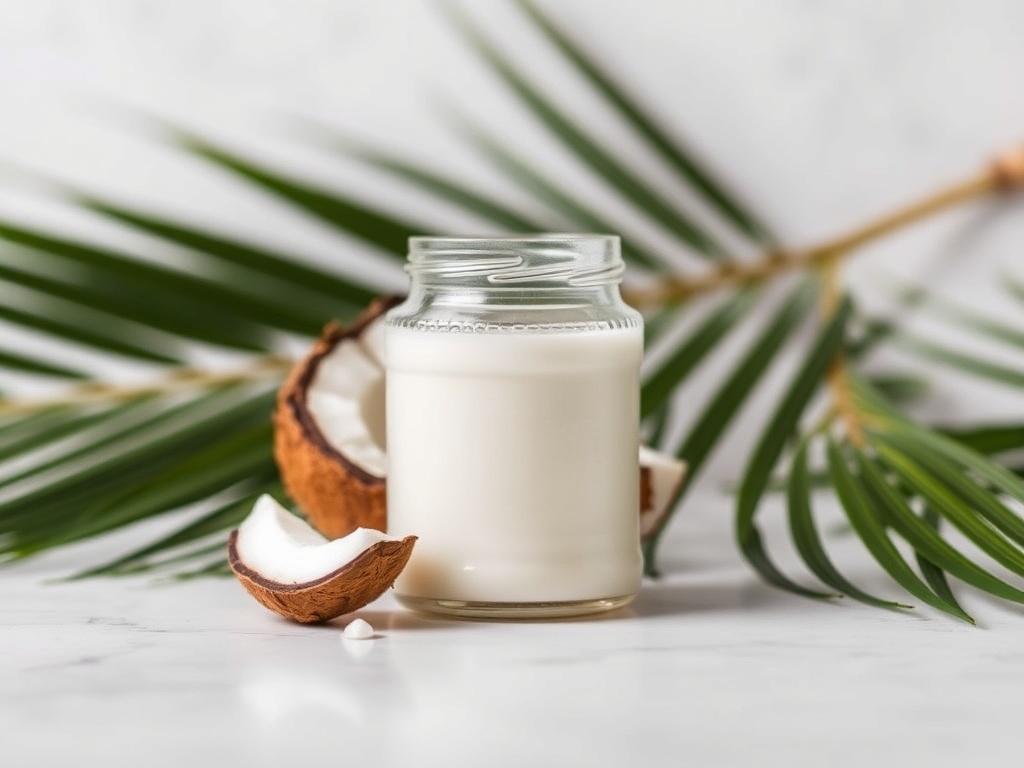
When shopping for coconut oil for body use, read labels carefully. Keywords like “virgin” and “cold-pressed” suggest minimal processing, while “refined” indicates a deodorized, often neutral product. Certifications like organic or fair trade add another layer of transparency about sourcing and agricultural practices.
Avoid products with added fragrances or unnecessary additives if you prefer a minimalist and skin-friendly approach. Pure coconut oil has a simple ingredient list—ideally, just Cocos nucifera oil—so anything beyond that warrants scrutiny if you want an unadulterated product.
Applying coconut oil with other skin-care products
Coconut oil can play nicely with many creams and serums, but order of application matters. Because coconut oil is occlusive, apply water-based serums first so active ingredients can penetrate, then seal them in with coconut oil if desired. This approach maximizes the benefits of both types of products.
If you’re using medicated topical treatments, consult a clinician or pharmacist about interactions. Some prescription products are designed to penetrate the skin and may be less effective if blocked by a strong occlusive layer applied afterward.
Sustainability and ethical considerations
Coconut oil has become a commercial staple, and with popularity comes the responsibility to consider sourcing. Look for brands that disclose their supply chains and support fair labor practices. Organic certifications can reduce exposure to synthetic pesticides, and smaller producers may encourage sustainable farming methods.
Packaging choices also matter—glass jars reduce plastic waste and preserve product integrity better than some plastics. If environmental impact is important to you, seek brands that align with those values and offer transparent reporting.
Summary of pros and cons
Weighing the benefits and drawbacks helps you decide whether coconut oil is right for your body-care routine. It provides effective moisturizing, has antimicrobial potential, and enhances skin texture when used appropriately. However, it may clog pores for some people and is not a one-size-fits-all solution.
| Pros | Cons |
|---|---|
| Effective moisturizer and skin barrier support | Can be comedogenic for acne-prone skin |
| Natural antimicrobial and mild antioxidant content | Possible sensitivity or allergic reactions in rare cases |
| Versatile: can be used alone or in DIY products | May feel greasy if over-applied or used in humid weather |
Consider your skin type and lifestyle when deciding how and where to incorporate coconut oil into your regimen.
Where to start: a simple plan for trying coconut oil
Begin with a conservative approach: choose a small jar of virgin coconut oil, apply a small amount to a dry patch or your hands for a week, and observe changes. If your skin responds well, you can gradually increase the areas of application and experiment with DIY blends.
Keep a small notebook or note on your phone to record when you applied the oil, how your skin felt afterward, and any reactions. This straightforward tracking helps identify whether coconut oil is a beneficial long-term choice for your body care.
Final thoughts and practical encouragement
Coconut oil is an accessible, multi-purpose option for body care that many people find both effective and enjoyable to use. Its moisturizing properties, pleasant texture, and natural profile make it appealing for simple daily routines and homemade products alike. Use it wisely—start small, observe your skin, and adapt your approach based on what works best.
If you choose to include coconut oil in your routine, you may find it becomes a dependable part of your self-care practice, offering comfort and visible improvement to dry, tired skin without complicated steps or expensive products.