
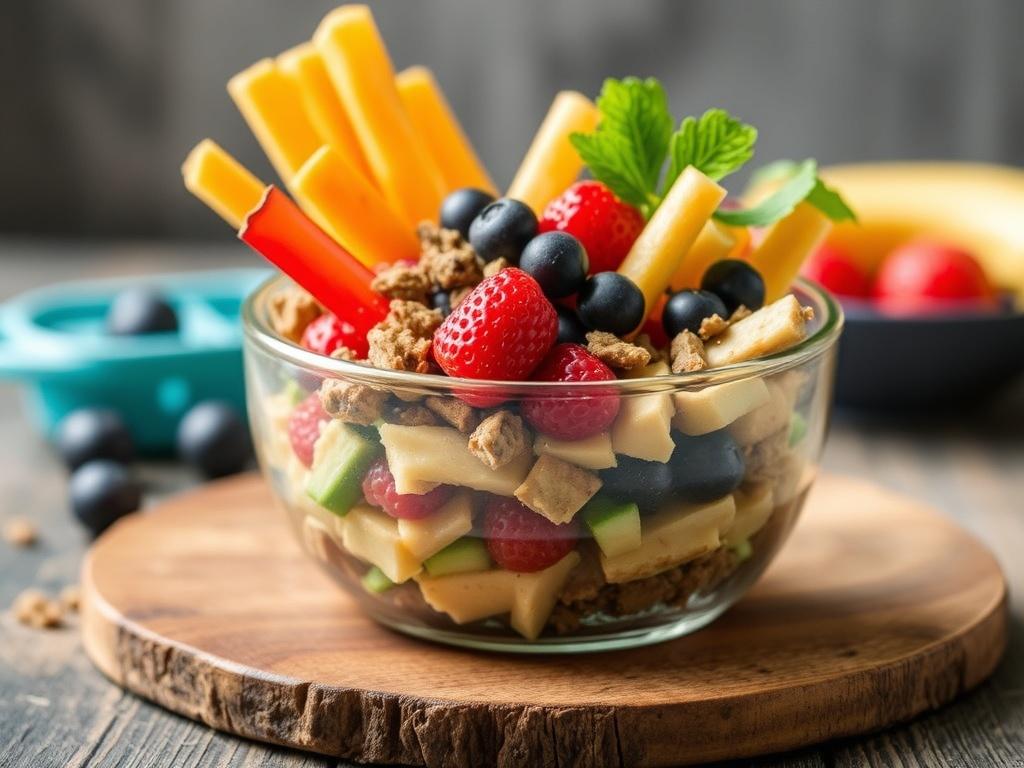
Deciding what to eat before a workout can feel like navigating a crowded market of opinions: carbs or no carbs, caffeine or water, heavy or light. This article unpacks practical choices and timing so you can walk into any session feeling fueled, focused, and ready to perform. I’ll explain the science in plain terms, offer meal templates for different goals and time windows, and share real-life strategies I’ve used with clients and in my own training.
Why pre-workout nutrition matters
Your body doesn’t need a perfect meal before every workout, but what you eat (and when) shapes energy levels, strength, endurance, and recovery. Eating the right mix of nutrients helps maintain blood sugar, delays fatigue, supports mental focus, and spares muscle tissue during longer or intense sessions.
Skimping or choosing the wrong foods can cause stomach discomfort, dizziness, or a mid-session crash. On the flip side, the right pre-workout plan can improve performance by a meaningful margin—sometimes the difference between a good workout and a great one.
Understand your goal: fat loss, strength, or endurance?
Start by identifying the goal of your session. A short, heavy strength session prioritizes muscle glycogen and nervous system readiness. A long run demands steady energy release and hydration. A HIIT class needs quick, accessible fuel. The same snack won’t serve all goals equally.
When your aim is fat loss, people often believe skipping food before exercise helps burn more fat. In reality, performance drops without fuel, which can reduce total calorie burn and intensity. For most people, a modest pre-workout meal supports both adherence and results.
Macronutrients: what to include and why
Carbohydrates are the primary fuel for moderate-to-high intensity exercise. They supply glucose to working muscles and the brain. Simple carbs digest quickly and are useful close to a session; complex carbs give longer-lasting fuel when eaten further in advance.
Protein pre-workout isn’t about immediate energy so much as preserving muscle and beginning the recovery process. A small amount of protein beforehand can reduce muscle breakdown and support synthesis afterward. Fats slow digestion and provide sustained energy for low-to-moderate intensity work, but too much fat before fast or intense sessions can cause gastrointestinal discomfort.
How much of each macronutrient?
There’s no one-size-fits-all ratio, but a practical starting point for most workouts is 20–40 grams of carbohydrates and 10–20 grams of protein for sessions 30–90 minutes long. Adjust up or down depending on workout length and intensity. For endurance sessions over 90 minutes, increase carbs and consider in-session fueling.
For early-morning workouts after an overnight fast, 15–30 grams of carbs plus 10–20 grams of protein is often enough to prevent dizziness and boost output. If you train later in the day and have eaten a balanced meal two to three hours earlier, a small snack might suffice.
Timing matters: pick the right window
Timing is as important as what you eat. Think of three practical windows: 3–4 hours before, 1–2 hours before, and 0–30 minutes before. Each window supports different food choices based on digestion speed and energy needs.
If you have the luxury of time, a larger, balanced meal 3–4 hours before training lets your body digest and top up glycogen stores. If you’re short on time, small, easily digestible snacks can supply quick energy without weighing you down.
3–4 hours before
This window is ideal for a full meal that contains carbs, protein, and moderate fat. Think of a balanced plate that’s roughly 60% carbs, 20–25% protein, and the rest from healthy fats and vegetables. This kind of meal supports longer or more intense workouts and leaves you comfortable while training.
Examples include rice or pasta with lean protein and vegetables, a chicken and sweet potato bowl, or oats with fruit and Greek yogurt. Portion size should match your body size and the intensity of the workout—heavier lifters and endurance athletes will need more.
1–2 hours before
In this window choose something lighter and lower in fiber to avoid stomach issues. A moderate carbohydrate portion with some protein is ideal. Simple examples are a banana with nut butter, a slice of toast with turkey, or a yogurt and fruit bowl.
Avoid large servings of fatty or very fibrous foods like a big salad or heavy beans, as they can cause bloating or sluggishness. Also, watch for foods that personally trigger digestive trouble—everyone’s gut is different.
0–30 minutes before
If you have less than half an hour, keep it small and simple: 15–30 grams of fast-digesting carbohydrates and a little protein if tolerated. Sports drinks, a ripe banana, rice cakes with honey, or a small energy bar work well. Liquids often digest faster, so smoothies are a convenient option.
For truly fast sessions under 20 minutes or light mobility work, you may not need anything; water and proper sleep often suffice. But for high-intensity or competition settings, a small carb top-up can make a measurable difference.
Foods to favor and to avoid
Favor foods that provide predictable energy without upsetting your stomach. Generally, that means low-fiber carbohydrates, moderate protein, and small amounts of fat depending on timing. Here are practical choices that typically work well.
- Favorable: bananas, white rice, oats, rice cakes, toast with jam, plain yogurt, low-fiber fruit, smoothies, honey, sweet potatoes (when eaten earlier), lean poultry or fish, eggs, cottage cheese.
- To avoid right before training: beans, cruciferous vegetables (broccoli, cauliflower), heavy creams, greasy fried foods, very high-fiber cereals, and new or unconventional foods your stomach isn’t used to.
Pay attention to sweetness and acidity—some people find citrus or very tangy foods irritate their stomach before hard efforts. If you train indoors in the heat, salty snacks or a sports drink with electrolytes might feel better.
Pre-workout meal templates by workout type
Switch your choices based on whether the session is short and explosive, long and steady, or interval-driven. Below are adaptable templates that fit most athletes and gym-goers.
Strength and power (weights, sprints)
Goal: high-intensity output for 30–90 minutes. Prioritize quick-access carbs and a small protein dose to support power and muscle maintenance. Avoid heavy fats close to the session to prevent sluggishness.
Meal example 2–3 hours before: grilled chicken, white rice, steamed carrots, and a small avocado. Closer to the workout: plain Greek yogurt with honey or a banana and a scoop of whey protein.
Endurance (runs, long rides)
Goal: sustained energy for over 60 minutes. Carbohydrate stores and hydration matter most. For sessions beyond 90 minutes, plan to ingest carbs during exercise (gels, sports drink, chews) to maintain intensity.
Meal example 3–4 hours before: oatmeal with banana and a tablespoon of nut butter. One hour before: rice cake with jam or a small smoothie with fruit and a scoop of protein. During long rides: 30–60 grams of carbs per hour depending on intensity.
Interval and HIIT
Goal: repeated high-power efforts with short recovery. Quick carbs and some caffeine can sharpen performance. Keep the stomach light—timing matters more than calorie volume.
Meal example 60–90 minutes prior: toast with peanut butter and honey, plus black coffee if you tolerate it. If you have 15–30 minutes: a sports gel or banana and a splash of water will do the job.
Hydration and electrolytes
Hydration begins long before you lace up. Dehydration impairs performance and perception of effort, so make water intake part of your pre-workout routine. Aim for consistent fluids throughout the day rather than trying to “catch up” immediately before training.
For workouts under an hour in moderate conditions, plain water is usually sufficient. In longer sessions or hot environments, you’ll benefit from electrolytes and carbohydrates in a sports drink. Salt can also help those who sweat heavily or cramp frequently.
Simple hydration strategy
Two hours before exercise: drink about 16 ounces (500 mL) of water to top off fluid stores. Twenty minutes before: sip another 6–8 ounces if needed. Adjust up for heat or for people who sweat a lot. A practical habit is to weigh yourself before and after long sessions to estimate fluid loss and plan replacement.
If you’re training early after waking, a glass of water and a salty snack or sports drink can be a good way to restore morning dehydration and sodium lost overnight.
Caffeine, supplements, and ergogenic aids
Caffeine is one of the most reliable performance enhancers for many people. A dose of 3–6 mg/kg taken 30–60 minutes before exercise can improve power, endurance, and perceived exertion. Start on the lower end to assess tolerance and avoid sleep disruption if you train later in the day.
Other supplements like beta-alanine and creatine support performance but don’t need to be taken right before exercise; consistent daily dosing matters more. Branched-chain amino acids (BCAAs) have limited benefits if you already eat enough protein, while beetroot juice (nitrate) can help endurance athletes through improved blood flow.
Practical supplement tips
If you use caffeine, test it in training before competition—combining it with new foods can cause stomach surprises. Creatine is best loaded or supplemented consistently over weeks, not used as an acute pre-workout boost. Keep supplements simple and evidence-based rather than chasing every trendy product.
Always check interactions with medications and consult a healthcare professional if you have medical conditions. Supplements can help, but they don’t replace a sensible meal and proper sleep.
Common GI issues and how to avoid them
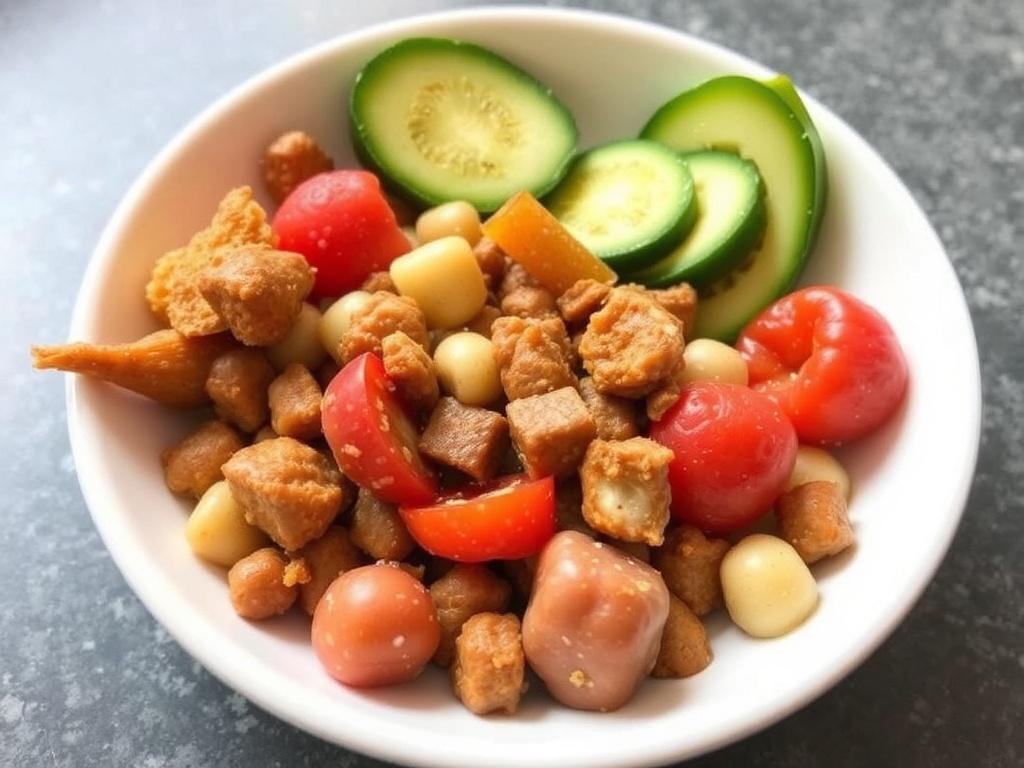
Many athletes experience gastrointestinal upset when they try new pre-workout foods or when timing is wrong. The typical causes are too much fiber, too much fat, or eating too close to high-intensity work. Stress and dehydration amplify the problem.
Test foods in training—not on race day. Keep a simple log of what you ate, timing, and how you felt to spot patterns. Over time you’ll learn tolerable meals and personalized rules for timing and portion size.
Practical fixes
If you get bloated or gassy before training, reduce high-fiber foods and cruciferous vegetables in the 24 hours prior. If you get heartburn, avoid very acidic or spicy foods. For diarrhea or urgent bathroom needs, reduce fat and lactose and consider low-FODMAP options if symptoms persist.
Some athletes benefit from enzyme supplements or probiotics, but results vary. When in doubt, prioritize tried-and-true options that your body has processed well before.
Sample meal plans and snacks
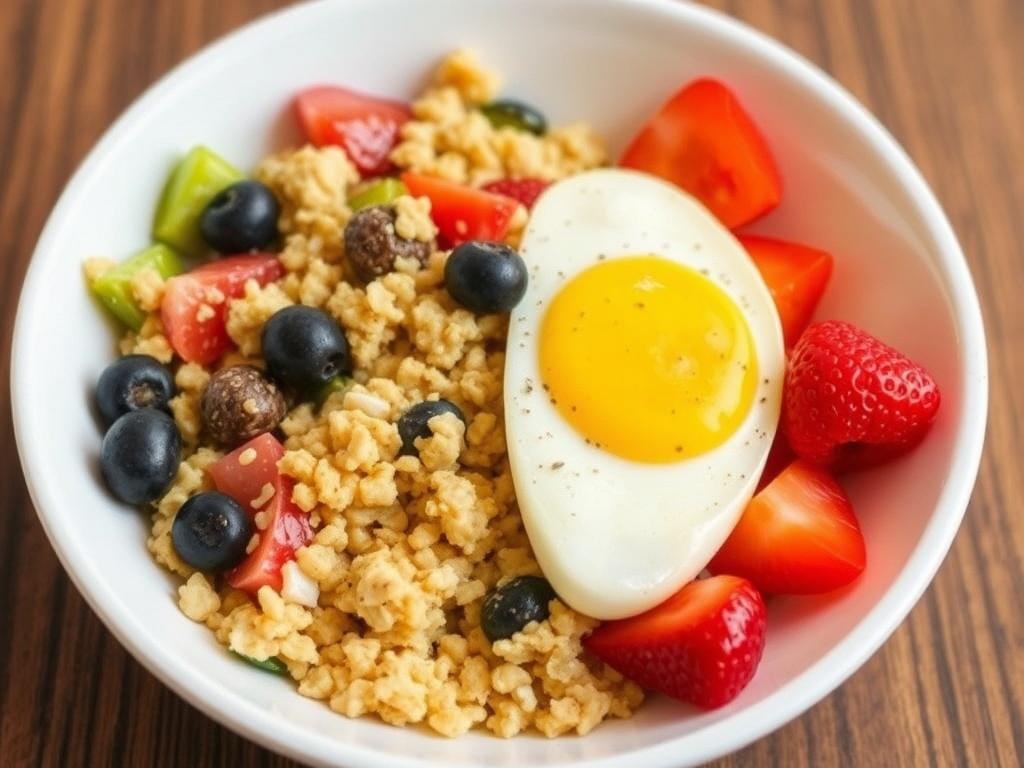
Below are practical combinations for different time windows and workout types. These suggestions are flexible—adjust portions to your body size, hunger, and goals.
| Time before workout | Example meal/snack | Why it works |
|---|---|---|
| 3–4 hours | Grilled chicken, white rice, roasted carrots, olive oil | Complex carbs, lean protein, moderate fat for sustained fuel |
| 1–2 hours | Oatmeal with banana and a scoop of protein powder | Balanced carbs and protein with moderate digestion time |
| 30 minutes | Rice cake with honey and a small coffee | Fast carbs for immediate energy and caffeine for alertness |
| Early morning | Greek yogurt with jam and toast | Gentle carbs and protein to counter overnight fast |
| Endurance >90 min | Oatmeal 3 hours pre + sports drink + gels during | Glycogen replenishment and in-exercise fueling for long efforts |
Quick recipes you can prep
Simple recipes make consistency easier. A basic pre-workout smoothie blends into a bottle and travels well. Use ingredients you tolerate and rotate flavors to avoid boredom.
Banana oat smoothie
Blend 1 banana, 1/3 cup oats, 1 scoop protein powder, 1 cup milk or plant milk, and a handful of ice. This delivers carbs, protein, and fluid in a gentle package. Drink it 45–90 minutes before training.
If you prefer it closer to the workout, reduce the oats and increase the banana for faster digestion. I often take a smaller version 20 minutes before a sprint session and a larger one an hour before a long run.
Rice cake stack
Top two rice cakes with honey and a smear of almond butter, or jam and cottage cheese for more protein. This is portable, fast-digesting, and easy to customize based on how hungry you are. It’s my go-to before short high-intensity sessions when I need a quick lift.
I once experimented with a savory version—rice cake, hummus, and turkey—before a midday lifting session and found it kept me stable without heaviness. Test small variations to find your favorite.
Personal experience and coaching tips
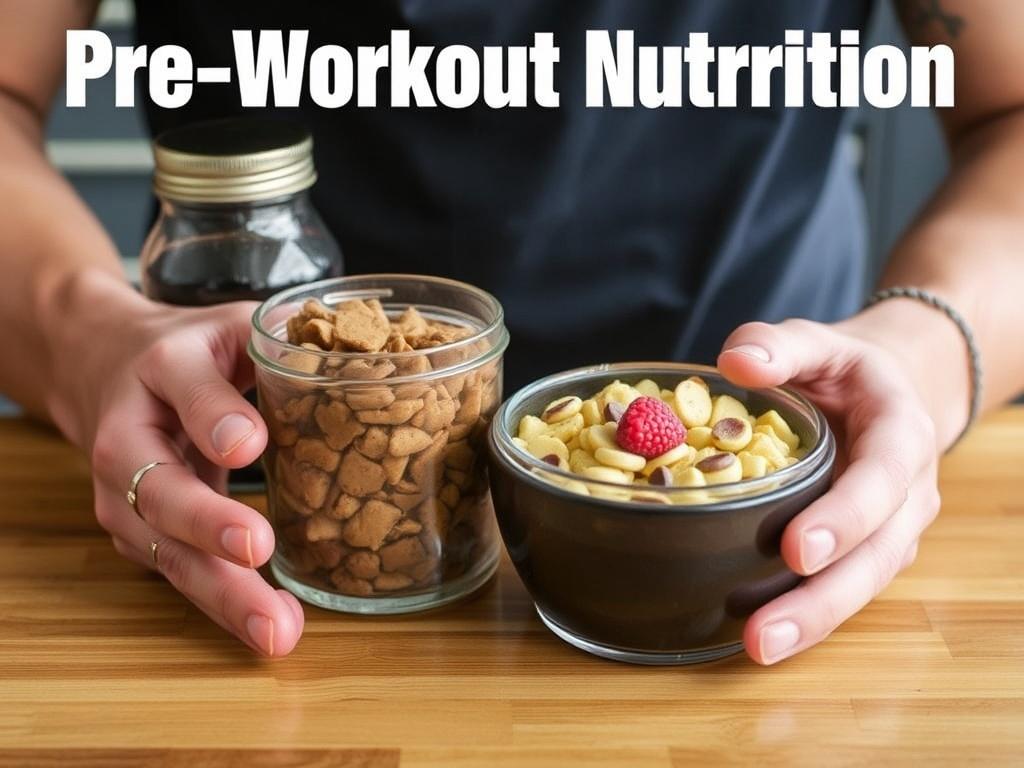
In my experience coaching weekend warriors and competitive athletes, the fastest gains come from small, sustainable changes. One client improved squat numbers simply by adding 25–30 grams of carbs an hour before sessions; his perceived energy and bar speed changed noticeably within weeks.
Another common pattern: people who skip breakfast and hit intense morning workouts often underperform. A modest snack—half a bagel with peanut butter—raised intensity and mood without making them feel bloated. These real-world wins underscore that practical tweaks beat perfect theories.
Special populations: women, older adults, and people with medical conditions
Women may notice different needs based on menstrual cycle phases, which can affect appetite and energy. Adjust portions and timing around how you feel. Older adults often digest more slowly and may prefer smaller, more frequent pre-workout snacks with easily assimilated protein.
People with diabetes or other metabolic conditions need personalized plans. Pre-workout meals must be coordinated with medication and blood glucose monitoring to avoid hypoglycemia or excessive glucose spikes. Consult a healthcare provider for tailored guidance.
Practical planning: build a weekly pre-workout routine
Create predictable habits to reduce decision fatigue. Pick a handful of go-to meals and snacks for each time window and rotate them across the week. Prep components in bulk—cooked rice, hard-boiled eggs, and smoothies that can be frozen and blitzed quickly.
On busy days, keep shelf-stable options in your bag: rice cakes, electrolyte sachets, a small jar of nut butter, or a banana. Consistency in timing and composition makes it easier to judge what works and to adjust when training stress increases.
Sample weekly plan
- Monday (AM strength): small smoothie 60 minutes prior + water
- Tuesday (PM run): balanced lunch 3 hours prior + banana 30 minutes before
- Wednesday (HIIT): toast with honey 45 minutes prior + coffee
- Thursday (rest): normal meals; hydrate
- Friday (long ride): oatmeal 3 hours prior + sports drink during
I recommend tracking how each plan feels for two weeks before making changes. Adapt based on sleep, stress, and how your workouts progress.
What not to do: common mistakes
Avoid radically changing your pre-workout food on race day or before an important session. This is where many athletes make a simple choice that costs them performance. Stick to what you’ve tested in training.
Also, don’t assume one snack will fix everything. If you’re consistently tired across sessions, look at sleep, total daily calories, and recovery rather than chasing a perfect pre-workout meal. Nutrition is cumulative; the pre-workout piece is only part of the puzzle.
When to seek professional help
If you experience persistent gastrointestinal problems, unexplained fatigue, or trouble managing blood sugar around exercise, consult a registered dietitian or healthcare provider. They can run tests, rule out conditions, and design a tailored plan that supports both health and performance.
For athletes seeking marginal gains at the elite level, working with a sports nutritionist can fine-tune carbohydrate loading, electrolyte strategies, and supplement timing in a way that general guidance cannot.
Summary of practical rules you can use today
Keep these rules handy: match carbs to workout intensity and duration, include modest protein, limit heavy fats close to exercise, hydrate consistently, and test foods in training. Time your main meal 3–4 hours out, a light meal 1–2 hours out, and a small carb snack within 30 minutes if needed.
Personalize based on how your stomach reacts and what your goals require. Small, repeatable habits will outpace dramatic one-off changes when it comes to performance and consistency.
Final thoughts
Choosing what to eat before a workout is a practical skill you can refine with a few experiments and a little planning. Focus on simple, familiar foods, respect timing, and track how different combinations affect your performance and recovery. Over time you’ll build a short list of reliable pre-workout options that support your training without fuss.
Try one new pre-workout approach this week—change only one variable, like timing or a single food—and note the effect. Those small experiments are how most lasting improvements are discovered and maintained.