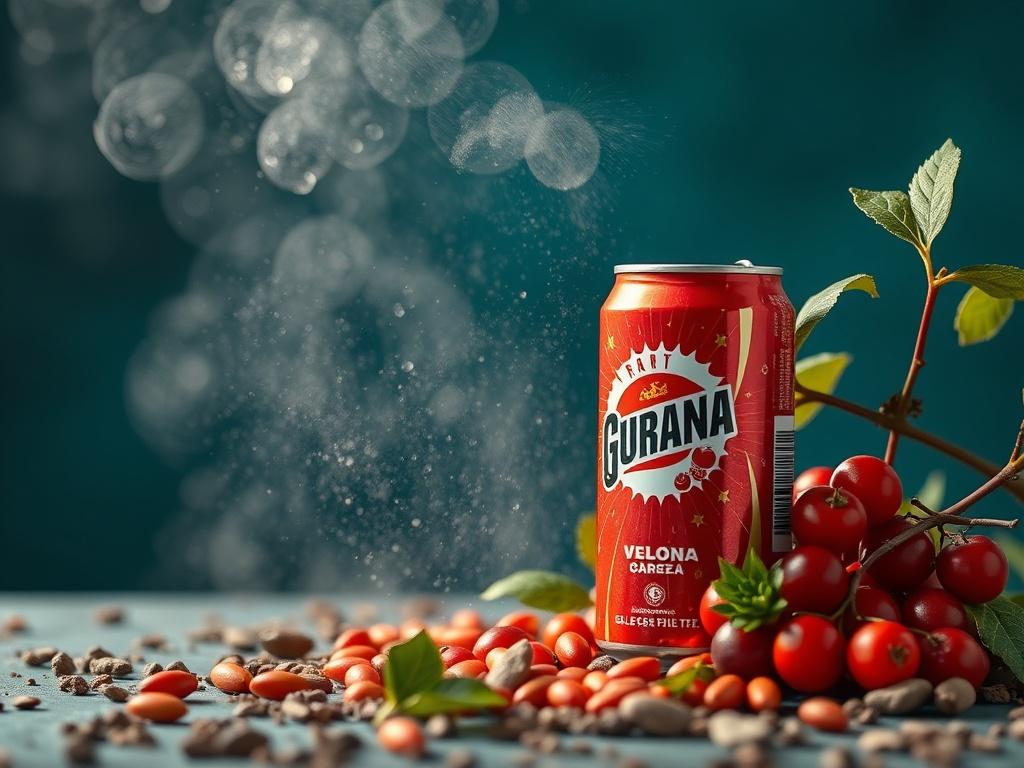
Guarana has been cropping up in energy drinks, pre-workouts, and athlete chat for decades, and the conversation often narrows down to one familiar molecule: caffeine. The phrase Гуарана и кофеин в спорте captures that pairing neatly — an herbal source plus a well-studied stimulant — but the reality is messier and more interesting than a single headline. This article walks through the botany, chemistry, physiology, research evidence, practical dosing, safety considerations, and real-world strategies athletes can use to decide whether guarana belongs in their toolbox.
A brief history and botanical profile of guarana
Guarana (Paullinia cupana) is a climbing plant native to the Amazon basin with a long history of use among indigenous peoples of Brazil. Tribes valued its seeds for energy and alertness; the bright red fruit arils are distinctive and the roasted seeds are still used in regional beverages and traditional remedies. Commercially, guarana is sold as whole seeds, powders, extracts standardized for caffeine, and as an ingredient in countless energy products.
Chemically, guarana’s notable attribute is its high concentration of stimulants, primarily caffeine (sometimes called guaranine in older literature), along with smaller amounts of theophylline and theobromine. The seeds also contain tannins and polyphenols, which affect flavor and can influence how quickly the stimulant compounds are absorbed. Those additional constituents mean guarana is not simply “coffee in a seed,” and the broader chemical profile can produce subtly different effects.
How caffeine works: the physiological mechanisms behind the boost
Caffeine’s principal mechanism is antagonism of adenosine receptors in the brain, which reduces feelings of fatigue and increases neuronal firing. That neural disinhibition translates into higher alertness, faster reaction times, and often a subjective sense of greater effort tolerance during exercise. Secondary effects include increased catecholamine release, which can raise heart rate and mobilize energy stores in the short term.
At the muscular level, caffeine appears to enhance calcium mobilization and sensitivity within muscle cells, which can improve contractile force and power output in some settings. There’s also evidence caffeine slightly increases the use of circulating free fatty acids during submaximal exercise, potentially sparing muscle glycogen, although the practical impact of that effect on performance varies with intensity and duration.
Guarana versus coffee: chemistry, absorption, and subjective effects
Both guarana and coffee deliver caffeine, but their chemical packaging differs. Guarana seeds often contain higher percentages of caffeine by dry weight than roasted coffee beans, but serving sizes and extract concentrations vary widely. Importantly, the tannins and other polyphenols in guarana can slow gastric emptying and caffeine absorption, sometimes producing a more gradual onset and longer tail compared with the sharper peak many people get from brewed coffee.
Those differences matter to athletes who want predictable timing. A quick espresso shot typically elevates caffeine levels faster than a guarana pastille designed to release slowly. Conversely, a slow-release profile can be an advantage for ultra-endurance events or for athletes who dislike jittery spikes. The takeaway: match the form to the goal rather than assuming one is universally better.
Below is a rough comparison of typical caffeine content per serving. These numbers are approximate; products vary and labels aren’t always precise.
| Source | Typical caffeine per serving (approx.) |
|---|---|
| 8 oz brewed coffee | 80–120 mg |
| Shot of espresso (1 oz) | 60–90 mg |
| 8 oz black tea | 30–60 mg |
| 1 g guarana seed (raw, approximate) | 30–60 mg depending on seed |
| Typical energy drink (8–16 oz) | 80–200 mg |
What the research says about performance benefits
Scientific studies have repeatedly shown that caffeine improves various aspects of athletic performance, with the strongest and most consistent evidence for endurance events. Athletes often report longer time to exhaustion, improved time trial results, and a lower perceived exertion at a given intensity. Meta-analyses suggest these benefits occur at doses commonly between 3 and 6 mg of caffeine per kilogram of body weight.
For high-intensity, short-duration efforts — sprints, power lifts, and explosive movements — the picture is mixed but usually favorable. Caffeine can increase peak power and repeated sprint ability in some studies, though the magnitude tends to be smaller than in endurance contexts. Cognitive and reaction-time improvements are particularly valuable in team and combat sports, where decision-making and alertness can influence outcomes as much as raw physical capacity.
Research specifically comparing guarana to isolated caffeine shows that when the caffeine dose is matched, effects on alertness and performance are broadly similar. However, guarana’s additional compounds may influence subjective feelings and side effect profiles. The literature also indicates substantial individual variability: genetics, habitual caffeine intake, and tolerance all shape how large an effect an athlete will experience.
Dosing and timing: practical strategies for training and competition
For most athletes, evidence-based dosing falls in the 3–6 mg/kg range taken about 30–90 minutes before exercise. A 70 kg (154 lb) athlete, for example, would aim for roughly 210–420 mg of caffeine in that pre-event window. Beginning on the lower end and testing in training reduces the risk of unwanted GI distress or over-stimulation in competition.
Guarana complicates dosing because its caffeine concentration varies by product and preparation. Many commercial guarana extracts provide standardized caffeine amounts on the label — use that number rather than a raw powder estimate when possible. If you’re using whole guarana powder, work from conservative assumptions and test in training to find a personal sweet spot.
Timing can be adjusted based on form. Rapid-onset sources like espresso and capsules are typically taken 30–60 minutes pre-event, while guarana products with higher tannin content or those labeled as sustained-release might be taken 60–90 minutes before effort. For long events, consider a smaller maintenance dose mid-race rather than a single large initial bolus.
Practical tips and a short checklist for athletes
- Test any caffeine or guarana strategy in training at least several times before competition.
- Start low (around 3 mg/kg) and only increase if needed and well tolerated.
- Pay attention to timing and product form; sustained-release products behave differently than instant sources.
- Avoid combining with other stimulants or large amounts of sugar close to events unless that combination is also practiced in training.
- Monitor sleep — caffeine late in the day can disrupt recovery and blunt training adaptations over time.
Risks, side effects, and drug interactions
Caffeine is generally safe at moderate levels for healthy adults, but side effects are common when doses are too high or sensitivity is elevated. Jitteriness, tremor, heart palpitations, increased anxiety, nausea, and sleep disturbance are the usual complaints. Athletes with underlying cardiac conditions should discuss stimulant use with a physician because stimulants can raise heart rate and blood pressure.
Because guarana may include other xanthines and polyphenols, it can interact with medications metabolized by similar liver enzymes. Combining stimulants — for example guarana plus synthetic pre-workout ingredients or high doses of ephedrine — elevates risk and should be avoided. Mixing caffeine with alcohol is another hazard because the stimulant masks intoxication; in sport-settings this can impair judgment and increase risky behavior.
Pregnant athletes should limit caffeine — medical guidance typically suggests staying under roughly 200 mg per day — and youth athletes should approach stimulant use with caution and parental/medical oversight. Always check with a healthcare provider if you take prescription drugs or have chronic health conditions.
Regulatory and sports-governing perspectives
Caffeine used to be on the World Anti-Doping Agency’s monitoring list and was prohibited at very high urinary concentrations, but it is no longer a banned substance. That changes the landscape: athletes are generally free to use caffeine-containing products, but vigilance is still required because product contamination can introduce prohibited substances. Some sports organizations or teams maintain their own guidelines or limits on stimulant use to safeguard athlete health and maintain fairness.
Third-party testing and certification (for example, organizations that certify products as free from certain banned substances) provide an additional layer of safety. If you compete under strict anti-doping rules, choose supplements that are batch-tested, retain receipts, and follow your federation’s recommendations.
Quality control: labels, adulteration, and how to choose a product
Supplement quality varies widely. Labels might list guarana powder without specifying caffeine content, or they might under- or over-state active ingredient amounts. Some products add guarana as a flavoring with negligible stimulant effect, while others concentrate the seed into strong extracts. Look for transparent labeling that specifies caffeine per serving and prefer manufacturers that provide third-party testing results.
Certifications such as NSF Certified for Sport or Informed-Sport (when available) reduce the risk of contamination with banned substances. Buying from reputable brands and stores with quality assurance practices is a simple, effective step. When in doubt, ask the brand for a certificate of analysis for the specific lot you purchased.
Sport-specific considerations: what type of athlete benefits most
Endurance athletes — cyclists, long-distance runners, triathletes — tend to derive the clearest and largest benefits from caffeine, particularly in events longer than about 45 minutes. The ability to reduce perceived exertion and sustain pace makes caffeine a frequent tool for time-trial and road events. Team-sport athletes also gain from improved alertness, sprint repeatability, and decision-making under fatigue.
In power sports, modest improvements in peak force and sprint performance have been recorded, though results are less uniform. Combat sports and weight classes create additional considerations: because caffeine can influence body weight via diuresis and appetite suppression, athletes in weight-restricted sports should monitor hydration and timing carefully. Always trial strategies in non-critical settings to avoid unintended consequences on weight or recovery.
Individual variability: why two athletes get different results
Genetics play a role. Variants of the CYP1A2 gene affect how rapidly an individual metabolizes caffeine, and differences in adenosine receptor genes can change sensitivity to its effects. Habitual caffeine intake also matters: regular consumers often need higher acute doses to achieve the same ergogenic effect, although tolerance patterns are complex and can vary across physiological and cognitive outcomes.
Other modifiers include sleep status, stress, recent diet, and training load. Sleep-deprived athletes may experience more subjective benefit from caffeine but also greater vulnerability to anxiety and performance decrements at high doses. That interaction underscores a practical axiom: caffeine is a tool to manage acute states, not a substitute for consistent sleep, nutrition, and training planning.
Guarana in combination strategies: stacking with carbs, nitrates, and creatine
Combining caffeine or guarana with carbohydrate intake during long events is a common, evidence-backed approach; the stimulatory effects complement fuel provision and can sustain pace late in races. There is also interest in stacking caffeine with dietary nitrates (beetroot) or creatine, but interactions are nuanced: creatine does not negate caffeine’s benefits and may still be useful for strength/power athletes, while nitrates appear compatible with caffeine for endurance, though timing and individual response vary.
Avoid combining multiple stimulants without testing, and be cautious about pre-workout blends that add proprietary compounds with unknown interactions. Simple, well-controlled combinations practiced in training are preferable to experimental stacks on race day.
How to interpret labels: translating guarana grams into milligrams of caffeine
Manufacturers sometimes list guarana powder or extract amounts but not caffeine content. If a product provides a caffeine percentage for the extract, you can calculate an approximate caffeine dose: multiply the grams by the percentage (for example, 1 g × 0.05 = 0.05 g = 50 mg caffeine at 5% concentration). Many raw guarana seeds contain caffeine in the range of about 3%–8% by weight; extracts may be concentrated or standardized to higher levels, so always use the product’s stated caffeine amount when available.
When uncertainty remains, assume a conservative caffeine content to avoid accidental overdosing. If you need precision for competition-level dosing, favor products that provide explicit caffeine per serving or have a batch certificate of analysis.
Sample dosing table: approximate caffeine doses and guarana equivalents
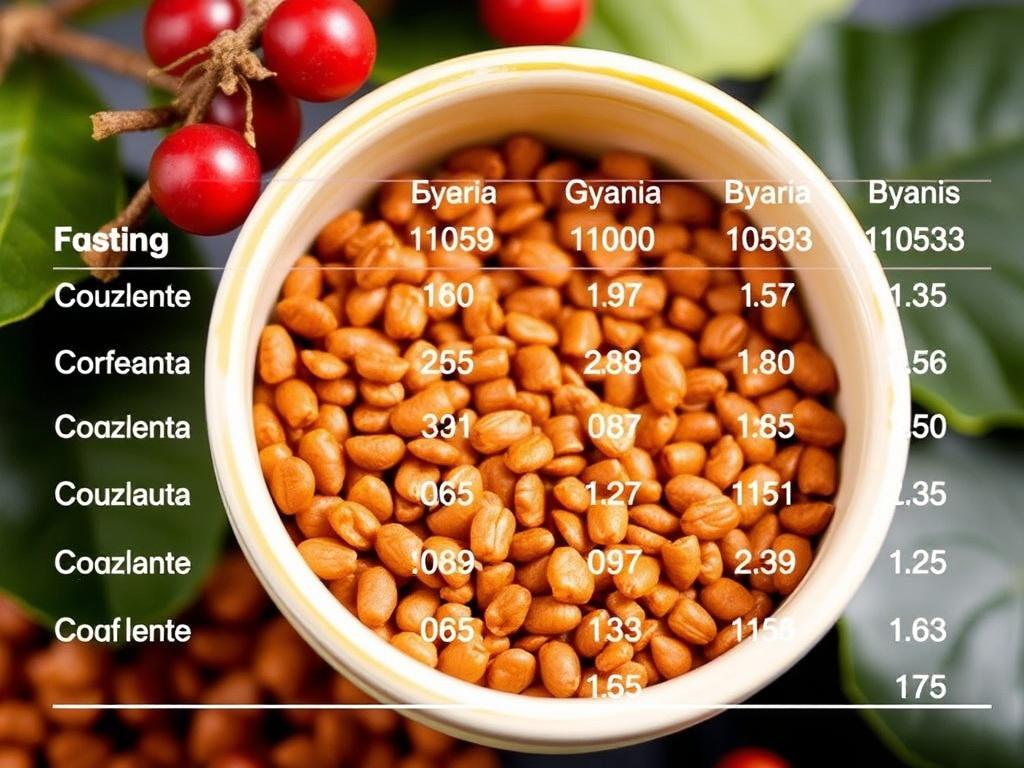
The table below gives simple examples to help athletes translate body weight to caffeine dosage and to guarana powder equivalents using a conservative 4% caffeine assumption. These values are illustrative only; verify product labels and work with a sports nutritionist when exact dosing matters.
| Athlete weight | Low dose (3 mg/kg) | High dose (6 mg/kg) | Guarana powder (approx., 4% caffeine) |
|---|---|---|---|
| 60 kg (132 lb) | 180 mg | 360 mg | 4.5 g (180 mg) — 9 g (360 mg) |
| 75 kg (165 lb) | 225 mg | 450 mg | 5.6 g (225 mg) — 11.25 g (450 mg) |
| 90 kg (198 lb) | 270 mg | 540 mg | 6.75 g (270 mg) — 13.5 g (540 mg) |
Personal account: a real-world trial with guarana
As someone who runs and coaches weekend athletes, I tested a guarana-based pre-race product during a fall training season. I began with a conservative dose equivalent to roughly 3 mg/kg in a 10K time-trial, practicing it twice in training before trying it in a race. The first noticeable effect was a calm alertness rather than a jittery spike; lap times felt slightly more consistent and my perceived exertion was lower in the final kilometers.
A subsequent longer run at marathon pace used a small follow-up dose mid-run and helped maintain mental focus through an otherwise dreary stretch. That said, on one trial where I misjudged timing and took the guarana too close to bedtime, sleep quality suffered the next night, reminding me that stimulant strategies require holistic planning. Those experiences reinforced my habit of trialing strategies early and documenting subjective and objective outcomes.
Common myths and misunderstandings
A few persistent myths crop up in athlete communities. One is that guarana is inherently safer than caffeine; in truth, guarana’s primary active component is caffeine, and safety depends on total stimulant exposure. Another myth is that more caffeine always equals better performance. Beyond a certain point there are diminishing returns and increased side effects that can negate any potential advantage.
Some athletes believe caffeine will mask poor nutrition or inadequate tapering. It can temporarily blunt fatigue signals, but it won’t replace proper glycogen stores, hydration, or training specificity. Use stimulants as a tactical tool, not a crutch for avoidable deficits.
Implementing a safe, effective protocol in your training program
Start with a baseline: quantify your habitual daily caffeine intake from coffee, tea, and soda. Reduce intake for a few days if you want to heighten sensitivity before a target event, but be mindful that abrupt withdrawal can bring headaches and reduced training quality. Next, pick a starting dose (3 mg/kg) and test it 2–3 times under competition-like conditions, monitoring heart rate, perceived exertion, gastrointestinal comfort, and sleep.
Document everything. Keep a simple log of product, dose, timing, environmental conditions, and performance metrics. Over several trials you’ll learn whether guarana or another caffeine source delivers a reproducible benefit for your sport and body. If you find consistent advantages, embed that protocol into race routines while maintaining flexibility for changes in travel, time zones, or health status.
When to seek professional guidance
If you have cardiovascular disease, anxiety disorders, sleep disorders, or take prescribed medication, consult a physician before experimenting with stimulants. Sports dietitians and team physicians can help quantify doses, interpret lab-certified product information, and align stimulant strategies with broader training and recovery plans. For athletes subject to anti-doping regulations, team medical staff can advise on compliant product choices and testing strategies.
Professional oversight is also useful for younger athletes and those in weight-sensitive sports where small changes in appetite, hydration, or body composition can have outsized effects. A measured, evidence-informed approach minimizes risk and preserves the ethical integrity of competition.
Putting it together: building a guarana or caffeine plan you can trust
To design a plan that works, combine science with simple experimentation. Identify the performance goal (endurance, power, alertness), choose a caffeine source that matches your timing needs, and set a conservative starting dose based on body weight. Practice the protocol in training, record outcomes, and adjust incrementally. For many athletes, guarana is a useful alternative to coffee and synthetic caffeine blends, particularly when a gentler onset or longer effect is desired.
Remember that any stimulant strategy interacts with sleep, nutrition, hydration, and recovery. The most reliable gains come from optimizing those fundamentals first and using guarana or caffeine as a targeted enhancement rather than a primary performance plan. With careful testing, straightforward dosing, and attention to safety, many athletes can safely harness the benefits of these stimulants in sport.
Whether you refer to the topic as Гуарана и кофеин в спорте or simply “caffeine strategies,” the core message is the same: knowledge, restraint, and rehearsal beat bravado. Try things early, measure honestly, and let results—not hype—decide what stays in your pre-race bag.