
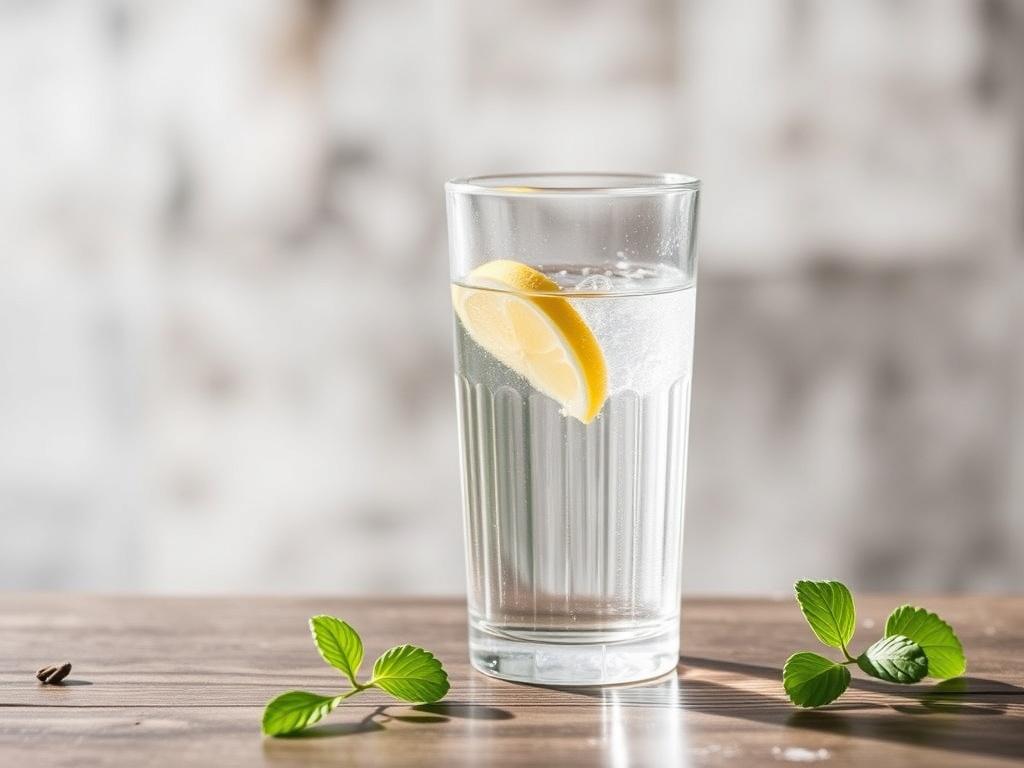
Water is the simplest diet tool most people overlook. It costs nothing, is widely available, and interacts with appetite, digestion, energy expenditure, and even food choices. In this article I’ll walk through the science, practical rules of thumb, safety caveats, and daily routines that make hydration an effective and sustainable part of a weight-loss plan.
Why water matters beyond thirst
Hydration does more than quench thirst. Every metabolic reaction in the body depends on water: enzymes need an aqueous environment, blood volume and circulation are shaped by fluid status, and the kidneys rely on adequate intake to remove waste products efficiently.
When you’re slightly dehydrated, your body shifts priorities away from “optional” processes like efficient digestion or energy-consuming activities. That subtle slowdown can make activity feel harder and reduce your spontaneous movement—both of which chip away at daily calorie burn.
Water also influences how you eat. A glass of water can occupy stomach volume, stretch receptors send fullness signals, and in many cases thirst is misinterpreted as hunger. Addressing hydration first is a small behavioral hack that often lowers calorie intake without conscious dieting.
Evidence that water helps with weight loss
Clinical studies show water can play a supportive role in losing weight, particularly when it replaces higher-calorie beverages or is consumed before meals. Research comparing people who drank water before meals versus those who didn’t found modest reductions in calorie intake and greater weight loss over weeks to months.
There’s also an effect called water-induced thermogenesis: drinking water temporarily raises metabolic rate. The increase is modest—enough to help but not to replace exercise or dietary changes. Think of it as a useful nudge rather than a magic bullet.
Replacing sugary drinks with plain water is where the biggest impact often appears. A single daily soda or juice can add hundreds of calories across a week; substituting water trims those calories without adding hunger or discomfort.
Recommended daily amounts: practical guidelines
Official recommendations vary. The U.S. Institute of Medicine suggests total daily fluid intake (from beverages and food) of roughly 3.7 liters for men and 2.7 liters for women. Many people find those numbers intimidating or unclear, so simpler rules of thumb help in everyday life.
A common, practical guideline is to aim for about 30–35 milliliters of fluid per kilogram of body weight, adjusting up for exercise, heat, and pregnancy. For a 70 kg person, that works out to roughly 2.1–2.45 liters of fluids per day. This includes water in foods like soups, fruits, and vegetables.
Another widely used heuristic is the “8×8” rule: eight 8-ounce glasses per day (about 1.9 liters). It’s not perfect, but it’s memorable and safe for most people. Use it as a baseline and adjust for your own activity level, environment, and medical conditions.
Table: sample fluid targets by body weight
Below are approximate daily fluid targets based on the 30–35 mL/kg rule. These numbers represent beverage and food fluids combined.
| Body weight (kg) | 30 mL/kg (L/day) | 35 mL/kg (L/day) |
|---|---|---|
| 50 | 1.5 | 1.75 |
| 60 | 1.8 | 2.1 |
| 70 | 2.1 | 2.45 |
| 80 | 2.4 | 2.8 |
| 90 | 2.7 | 3.15 |
Timing matters: when to drink for appetite and digestion
The timing of water intake can change its immediate effects. Drinking 20–30 minutes before a meal gives the stomach time to register volume and send fullness signals to the brain, often lowering the amount eaten at that meal.
Drinking while you eat can be fine, but very large gulps during a meal may dilute gastric juices and, for some people, slow digestion. Keep sips consistent rather than downing large amounts mid-meal.
After a workout, hydrate to replace lost fluid and support recovery. If you sweat heavily, include electrolyte-containing drinks or salty food to restore balance—in plain water alone can dilute sodium if you drink excessive volumes quickly.
Water, appetite, and calorie control
One of the most practical mechanisms by which water supports weight loss is appetite control. A pre-meal glass of water increases satiety for many people, reducing subsequent calorie intake without leaving them unsatisfied.
When people replace caloric beverages with water, they typically consume fewer daily calories. The effect is often gradual: fewer extra calories each day add up to meaningful weight change over months. It’s one of the easiest low-effort ways to cut calories.
However, water isn’t a substitute for nutrient-dense food. If you use water to curb hunger, ensure you’re still getting adequate protein, fiber, and healthy fats so that meals remain satisfying and nutritious.
How cold water affects metabolism
Cold water produces a small increase in energy expenditure because the body uses calories to warm the water to core temperature. The thermogenic effect is real but small—insufficient on its own to create major weight loss.
That said, choosing water over sweet or caloric beverages has a far larger and more consistent impact than the minor metabolic boost from temperature. If you enjoy chilled water, drink it; the extra heat production is a bonus, not the main reason to hydrate.
For endurance athletes, very cold fluids can improve comfort and perceived exertion during prolonged exercise in heat. For everyday weight management, focus on total intake and beverage substitution first.
Types of fluids: plain water versus alternatives
Plain water is the ideal baseline. Unsweetened tea, black coffee, and sparkling water count toward fluid goals and can be useful variety without adding calories. Be cautious with flavored waters and sports drinks; some contain sugar and can negate the calorie-saving benefits.
Milk, smoothies, and broth are nutritious fluids that supply calories and nutrients; include them when they fit your goals. If you rely on caloric beverages for satiety or nutrient intake, account for those calories in your daily plan rather than assuming they’re negligible.
Diet sodas provide fluid but come with mixed evidence regarding appetite and weight. Some people find artificial sweeteners increase cravings, while others use them successfully to avoid sugar. Experiment and monitor real-world effects on your appetite and weight over time.
Electrolytes, salt, and when to worry about balance
Electrolytes like sodium, potassium, and magnesium are crucial when sweat losses are high. For moderate daily sweating, a normal diet typically restores sodium without special drinks. During long, intense exercise or work in extreme heat, electrolyte-containing beverages are sensible.
Drinking extreme volumes of plain water without electrolytes can, in rare cases, lead to hyponatremia—low blood sodium. This is most common in endurance events when athletes overconsume fluids. For typical dieting and daily life, hyponatremia risk is very low.
If you have a medical condition affecting electrolyte or fluid balance (congestive heart failure, advanced kidney disease, or certain endocrine disorders), follow your clinician’s guidance on fluid and salt intake rather than generic rules of thumb.
Special populations: pregnancy, older adults, athletes
Pregnant and breastfeeding women need more fluids. Pregnancy increases blood volume and milk production requires extra water, so aim above baseline recommendations and discuss specific targets with your obstetrician or midwife.
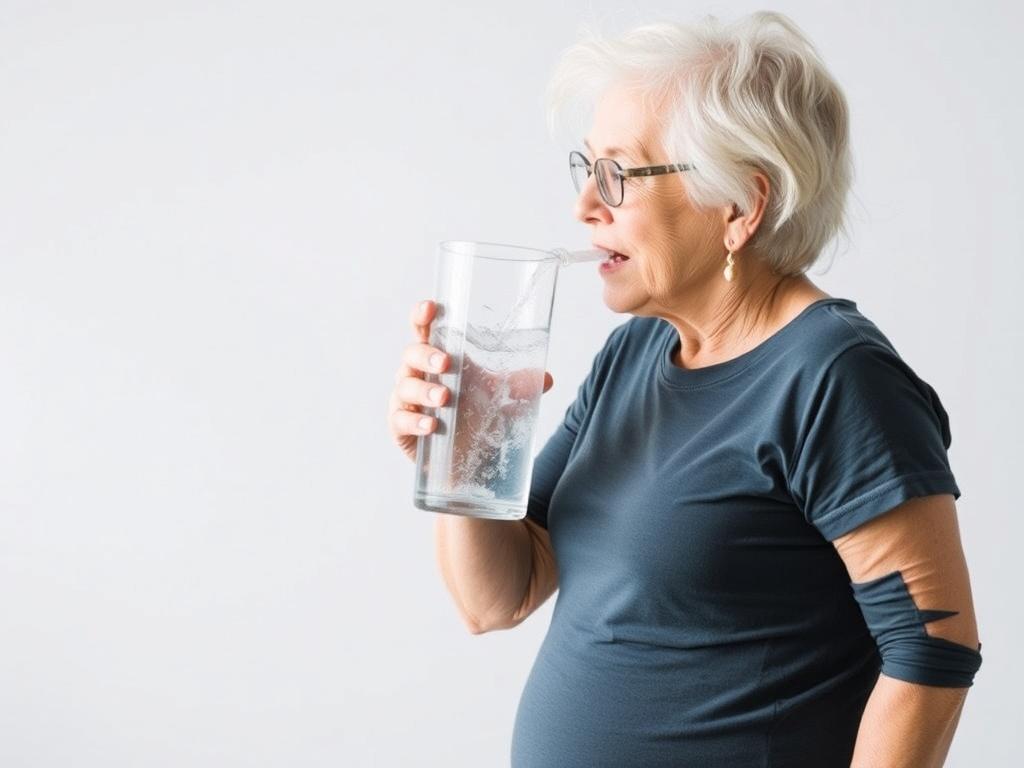
Older adults often experience blunted thirst perception and are at higher risk of dehydration. Encouraging regular drinking and monitoring urine color helps maintain hydration; subtle dehydration can impair cognition and mobility in seniors.
Athletes and people with labor-intensive jobs should plan fluids around activity. Replace sweat losses by measuring pre- and post-activity weight, and include electrolytes for long sessions. Hydration strategies should be individualized to training intensity, climate, and sweat rate.
How to monitor hydration without an app
Simple, practical markers are often better than obsessing over exact milliliters. Aim for light-yellow urine color as a practical sign of adequate hydration; very pale or clear urine may mean overhydration for some people, while dark urine suggests you need more fluids.
Other signals include the frequency of urination (roughly every 3–4 hours for many people), skin turgor (tug test in older adults), and how you feel during activity. Thirst is useful for most healthy individuals but can lag in elderly people and in athletes exercising heavily.
Weighing yourself before and after exercise gives direct feedback on sweat losses: roughly 1 kg lost corresponds to about 1 liter of fluid. Replacing 100–150% of that weight loss in the hours after exercise helps with full recovery.
Common mistakes people make with hydration and weight loss
Many dieters overemphasize water volume and underemphasize behavior change. Drinking more water won’t counteract a calorie surplus from consistent overeating. Use water as a tool to support portion control and beverage substitution, not as a replacement for sound dietary choices.
Another error is ignoring electrolytes during heavy sweating or endurance events. Plain water alone in those settings can leave you feeling sluggish or lead to cramping; sodium-containing snacks or drinks are useful then.
Finally, some people punish themselves with extreme fluid restriction when trying to lose weight quickly for events; this is dangerous. Steady, sustainable hydration supports metabolism and performance, whereas dehydration impairs both.
Practical strategies to increase water intake
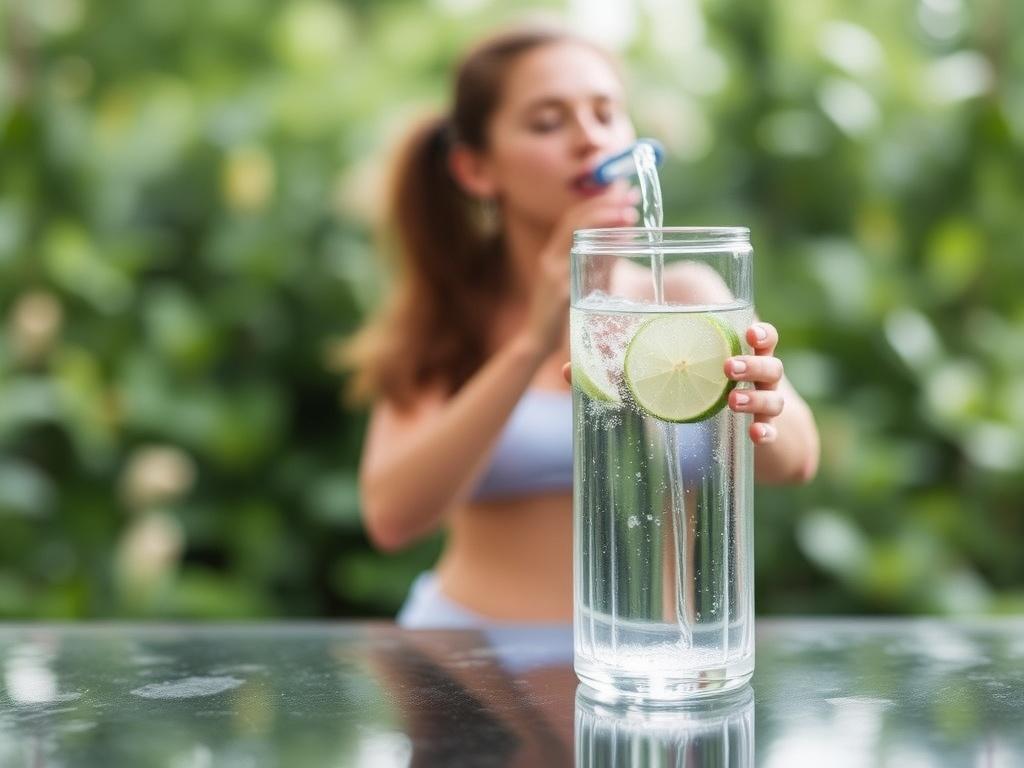
Start with small, repeatable habits. Keep a filled water bottle within arm’s reach at your desk, set a simple hourly goal (one 200–250 mL glass), and drink a full glass when you get out of bed. These micro-habits add up more reliably than giant, infrequent gulps.
Replace at least one caloric beverage per day with water. If you normally have a sweetened coffee, try plain black coffee or a smaller portion. If you like flavor, infuse water with lemon, cucumber, or mint rather than buying flavored drinks that contain sugar.
Time water strategically. Drink a glass before each meal, one after exercise, and a modest amount in the hour before bed if you find it helps your routine. Use reminders at first until it becomes automatic.
Sample daily hydration schedule for a 70 kg person
This sample schedule uses the 30–35 mL/kg guideline and practical timing. Adjust volumes to fit your personal target and activity level.
- Wake-up: 300 mL (start the day rehydrated)
- Before breakfast: 200–300 mL
- Mid-morning: 300 mL
- Before lunch: 300–400 mL
- Afternoon: 300 mL
- Pre-workout: 200–300 mL
- Post-workout: replace sweat losses (approx. 500 mL–1 L depending on exercise)
- Evening: 200–300 mL
These numbers are flexible. The purpose is regular intake across the day rather than a single, large volume that leaves you uncomfortable.
Real-life example: swapping soda for water
I once coached a colleague who drank two sweetened drinks per day—roughly 400–500 extra calories daily. We agreed to replace one with water for the first two weeks and then both. Within a month he reported feeling less bloated, had fewer mid-afternoon energy crashes, and lost two pounds without changing meals.
That change worked because it targeted an easy, habitual source of excess calories. It didn’t require willpower at every meal—just a simple substitution that compounded over time. The hydration component also improved his workout recovery, making him more consistent with exercise.
Hydration and the gut: does water dilute digestive juices?
The notion that water dilutes stomach acid and hinders digestion is largely a myth. The stomach is designed to handle variable volumes; drinking moderate amounts with meals rarely disrupts digestion for healthy individuals.
For people with specific digestive disorders like severe gastroesophageal reflux disease (GERD), timing and type of fluids can matter. Avoiding large volumes with heavy meals might reduce symptoms in sensitive individuals, but most people can drink normally without impairing nutrient uptake.
When in doubt, observe your personal response. If drinking a lot during meals makes you feel bloated, reduce volume then and drink more before or after eating instead.
When to see a professional
If you have chronic swelling, persistent lightheadedness, kidney disease, heart failure, liver disease, or concerns about electrolyte balance, consult a clinician before making large changes to fluid intake. These conditions change how your body handles water and salt, and medical supervision is important.
Also consult a registered dietitian or physician if you’re not losing weight despite reasonable fluid and dietary strategies. Hydration is one piece of the puzzle; underlying hormonal, metabolic, or medication-related factors can require specialist input.
Tracking progress without obsessing
Simple metrics work best: track beverage substitutions (e.g., how many sugary drinks you replaced with water), monitor body weight and waist measurements weekly, and note how your clothes fit and how your energy and exercise performance feel. These indicators are usually more informative than daily weight swings affected by fluid shifts.
A short log for two weeks—recording total cups of water, calories from beverages, and pre/post-meal water—can reveal patterns and easy wins. After that, maintain habits that feel effortless rather than rigidly counting every milliliter.
Remember that sustainable change is slower than dramatic diets. Hydration improves your odds and quality of life, but it’s most powerful when combined with nutrient-dense eating and regular movement.
How much is too much: understanding overhydration
Overhydration is rare in everyday life but possible under extreme conditions. Symptoms include persistent clear urine, swelling, nausea, headache, and in severe cases confusion or seizures due to low blood sodium. Athletes training for long durations are the group most at risk if they drink excessively without replacing electrolytes.
To avoid overhydration, sip according to thirst during long, low-intensity activities and monitor scale changes and urine color. During intense endurance events, consider sodium supplementation guided by sports nutrition recommendations rather than indiscriminately forcing huge fluid volumes.
If you experience unusual symptoms after drinking a lot of water, seek medical advice promptly. In clinical settings, hyponatremia is treated carefully because rapid correction can be dangerous.
Flavor without calories: tips for variety
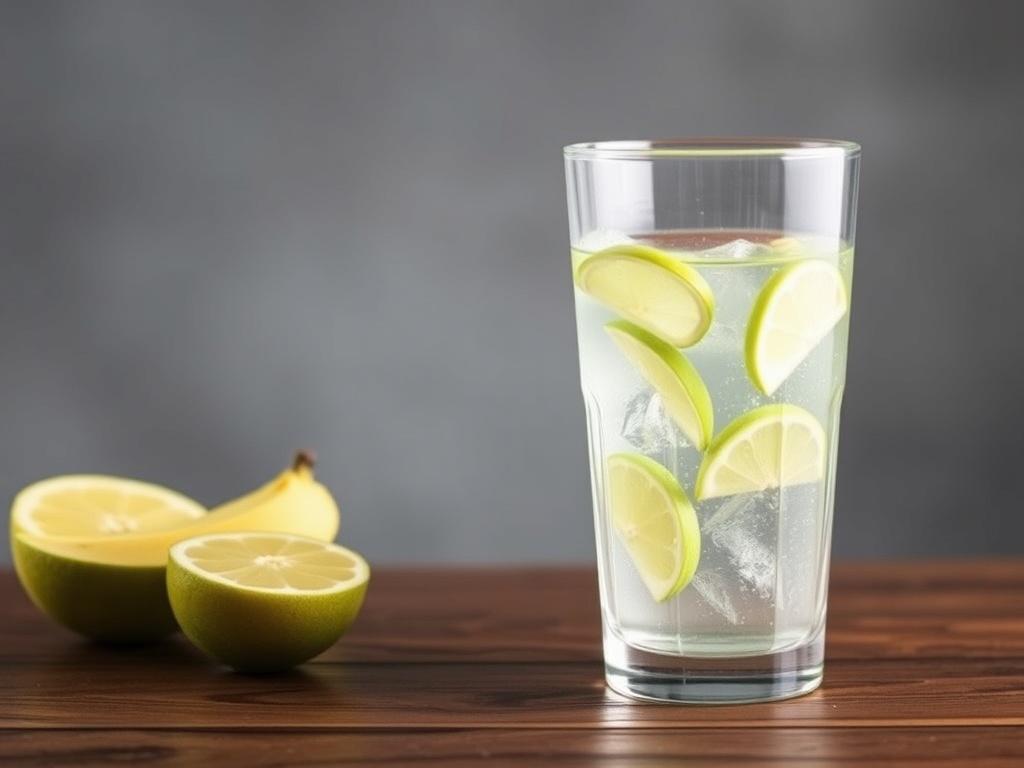
If plain water feels boring, add natural flavor with citrus slices, cucumber, berries, or fresh herbs like mint and basil. Sparkling water offers fizz without calories—just check that it’s unsweetened. These small pleasures make it easier to choose water over caloric alternatives.
Cold-brewed tea, herbal infusions, and diluted 100% fruit juice (a splash for flavor) can increase variety while keeping calories controlled. Use these tools to create patterns you enjoy, which makes the habit sustainable.
Be cautious with pre-made flavored waters or “enhanced” drinks—they can contain hidden sugars or sweeteners. Read labels if you’re buying rather than making your own flavored beverages.
Behavioral nudges that work
Environmental cues shape behavior. Keep a visible, attractive water bottle at work and at home. Out of sight is out of mind for many people; placing water where you spend most time increases the chances you’ll sip without thinking.
Pair drinking with existing routines: a glass after bathroom breaks, before brushing teeth, or while waiting for the kettle to boil. Habit stacking like this reduces friction and turns hydration into a near-automatic part of the day.
Social accountability can help. Drinking water with friends during meals or joining workplace challenges to hit hydration goals adds a light social nudge that boosts adherence.
Myth-busting: common misconceptions
Myth: You must drink exactly eight glasses every day. Reality: Eight glasses is a decent starting point for many, but individual needs vary based on weight, activity, climate, and health conditions.
Myth: Drinking before bed always causes poor sleep. Reality: A modest amount before bed is fine for many people; if nighttime urination is a problem, shift more fluid earlier in the day rather than cutting fluids overall.
Myth: More water equals faster weight loss. Reality: Adequate hydration supports weight loss, but beyond a certain point extra water won’t speed results and can be harmful in extreme amounts.
Putting it all together: a plan you can live with
Create a simple, personalized plan: choose a fluid target using a rule of thumb (like 30–35 mL/kg), replace at least one caloric beverage with water, drink a glass before meals, and increase intake around exercise and heat. Track for a week and adjust based on urine color, performance, and comfort.
Make the plan flexible. Some days you’ll drink less, some more. The goal is consistent habits and gradual improvement, not perfection. Small sustainable wins—replacing drinks, regular pre-meal water, carrying a bottle—compound into lasting change.
Over time hydration becomes part of the rhythm of your day rather than a chore. That’s when it stops being a “strategy” and becomes simply how you live—quietly supporting better appetite control, clearer thinking, and steadier energy.
When you reassess in a month, the scale, your energy, and how clothes feel will tell you whether the hydration changes are helping. If you want tailored targets or have health conditions, consult a clinician or dietitian who can personalize advice and safe goals. Take small steps, measure what matters, and let water be the underestimated ally in your weight-loss journey.