Taking care of your nails might not be the first thing that comes to mind when you lace up sneakers or chalk your hands for a pull-up, but it deserves attention. Healthy nails support your grip, prevent painful breaks, and keep infections at bay — all of which matter when you train regularly. This article walks through practical, evidence-based steps to keep fingernails and toenails strong through every workout, from warm-up to recovery.
Why nails matter for athletes and regular exercisers
Nails are more than cosmetic extras; they contribute to hand function and protection. A well-maintained nail provides counterpressure for fingertips, helping with fine manipulation and grip stability in activities like weightlifting or rock climbing. Ignoring nail health can lead to splits, ingrown nails, or infections that interrupt training plans and sometimes require medical care.
For runners and cyclists, toenails endure repeated pressure and trauma; problematic nails can make shoes intolerable and slow recovery. Even in low-impact workouts, sweaty, neglected nails create a breeding ground for fungus and bacteria. Preventative care reduces downtime and keeps workouts consistent.
Common nail problems caused by training
Several predictable issues show up when nails meet frequent, intense activity: cracks, splits, subungual hematomas (blood under the nail), and fungal infections. Contact and repetitive microtrauma from bars, ropes, shoes, and gear are often the culprits behind these conditions. Recognizing the signs early helps you address them before they become long-term problems.
Another frequent annoyance is onycholysis — when the nail lifts from its bed — commonly seen after repeated impacts or chemical exposure like chlorine. Painful ingrown toenails can develop from tight footwear or improper trimming habits and may require intervention. Each problem has a practical prevention and treatment pathway that you can incorporate into a fitness routine.
Daily nail care routine that fits an active life
A simple daily routine prevents many issues and takes only a few minutes. Keep nails clean and dry, trim them regularly to a safe length, and apply a moisturizer to the nail fold and cuticles to maintain flexibility. Small habits, repeated consistently, cut down on broken nails and painful setbacks during training cycles.
After workouts, make it a habit to wash hands and feet thoroughly, dry between toes, and inspect nails for any unusual changes. If you wear gloves or tight footwear, allow time for air circulation afterward. The combination of cleaning, drying, and moisturizing is a low-effort, high-return routine for active people.
Before you train: prepping nails to reduce risk
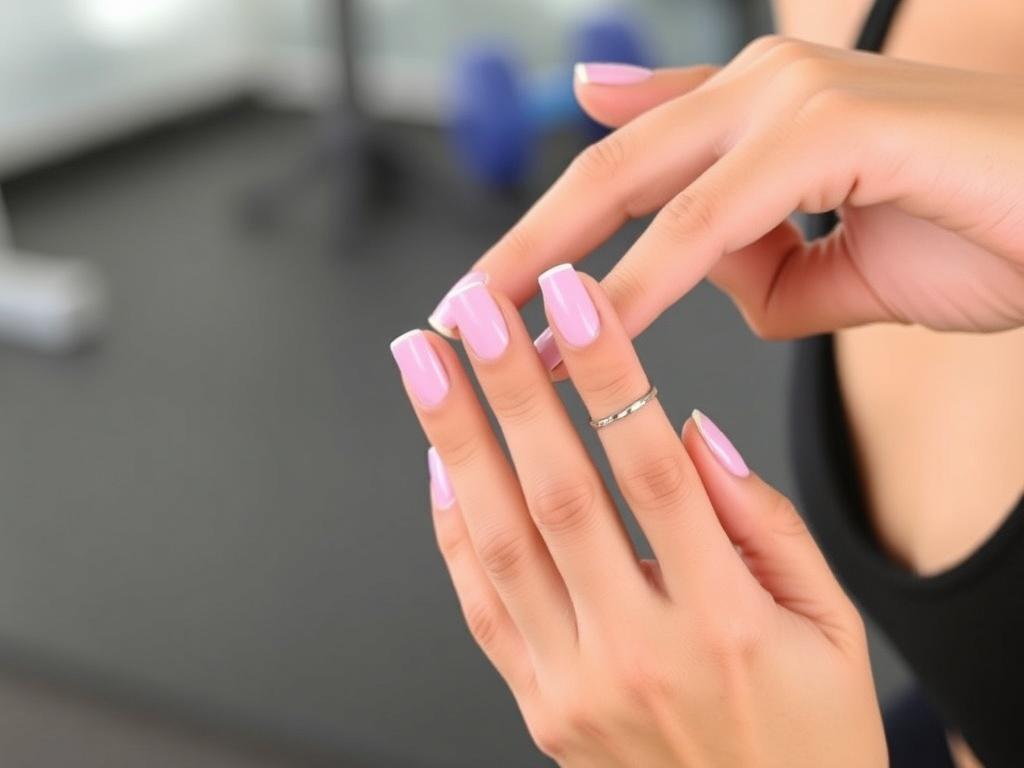
Start your session by checking nail length and removing loose edges that could catch on equipment. Short, smooth nails reduce the risk of tearing and snagging, which is especially important in climbing, CrossFit, and gymnastics. Filing sharp corners helps avoid painful tears and prevents nails from catching on fabric or tape during lifts.
If you use gloves, ensure they fit well and aren’t creating pressure points on nails or cuticles. For toe protection, choose socks and shoes with enough room in the toe box to prevent repeated jamming. These small pre-training steps lower your chances of a nail-related interruption mid-workout.
During workouts: smart habits to protect nails
Monitor your grip and technique to avoid undue nail stress; poor form often shifts load onto fingertips and nails rather than muscles. Use chalk to reduce slippage in activities that stress the fingertip area, but don’t over-chalk and dehydrate your skin. If you notice a nail starting to lift or split mid-session, stop and tape or cover it to prevent widening the damage.
For endurance athletes, occasional breaks to air out feet during long runs or bike rides help prevent moisture accumulation and fungal growth. When trying new shoes, break them in with short sessions instead of long runs to avoid toenail trauma. Wearing protective toe caps or moisture-wicking socks can be a quick, effective fix in the field.
After-workout nail care and recovery
Post-workout is prime time for nail maintenance: clean, dry, and moisturize. Soaking hands or feet briefly in warm water and then gently pushing back cuticles with a soft implement relieves pressure and prevents overgrowth. Finish with a light oil or cream to restore skin and nail plate flexibility, which helps prevent future cracking.
If you had an incident like a crushed nail or a bleeding cuticle, clean the area with antiseptic and apply a sterile bandage. For subungual hematomas that are small and painless, monitoring at home is fine, but large, painful hematomas may need a medical professional to relieve pressure. Timely attention prevents complications and saves training days.
Trimming and shaping: techniques that reduce injury
Trim nails straight across and avoid rounding the corners too much on toenails to reduce ingrown nail risk. Fingernails can be slightly rounded at the edges, but keep them short enough not to interfere with grip. Use a quality clipper and finish with a fine file to smooth any burrs; rough edges are the main cause of snags and tears.
Remove hangnails by cutting them close to the base with sanitized clippers rather than pulling, which creates tears. For brittle nails, a gentle file rather than aggressive clipping preserves nail strength. Regular, thoughtful shaping maintains function and lowers the chance of painful breaks during training.
When polish and enhancements are okay — and when they’re not
Polish can look great, but some products and procedures weaken nails or trap moisture. If you use acrylics or gels, make sure your technician takes steps to minimize nail bed damage and leaves a small gap at the cuticle for breathability. For athletes who train daily, give nails occasional breaks from enhancements to recover and breathe.
When swimming regularly, colored polish and wraps can hide early signs of fungal infection, delaying treatment. Opt for breathable or peelable base options if you must use polish frequently, and inspect nails whenever polish is removed. Moderation and proper application are key to balancing aesthetics and health.
Protective gear: gloves, tape, and caps
Gloves for lifting, cycling, or rowing protect both skin and nails from repeated abrasion and impacts. Choose gloves that fit well; ill-fitting gloves can create pressure points that damage nails instead of protecting them. For climbers, consider finger tape to protect the nail bed during long sessions on rough rock or holds.
Toe caps or silicone protectors are helpful for runners and dancers who routinely experience toe pressure. They cushion the nail and distribute impact forces across soft tissue rather than focusing them on the nail plate. Keep an extra pair of protective items in your gym bag for sudden needs and during long competition days.
Tools and supplies every active person should have
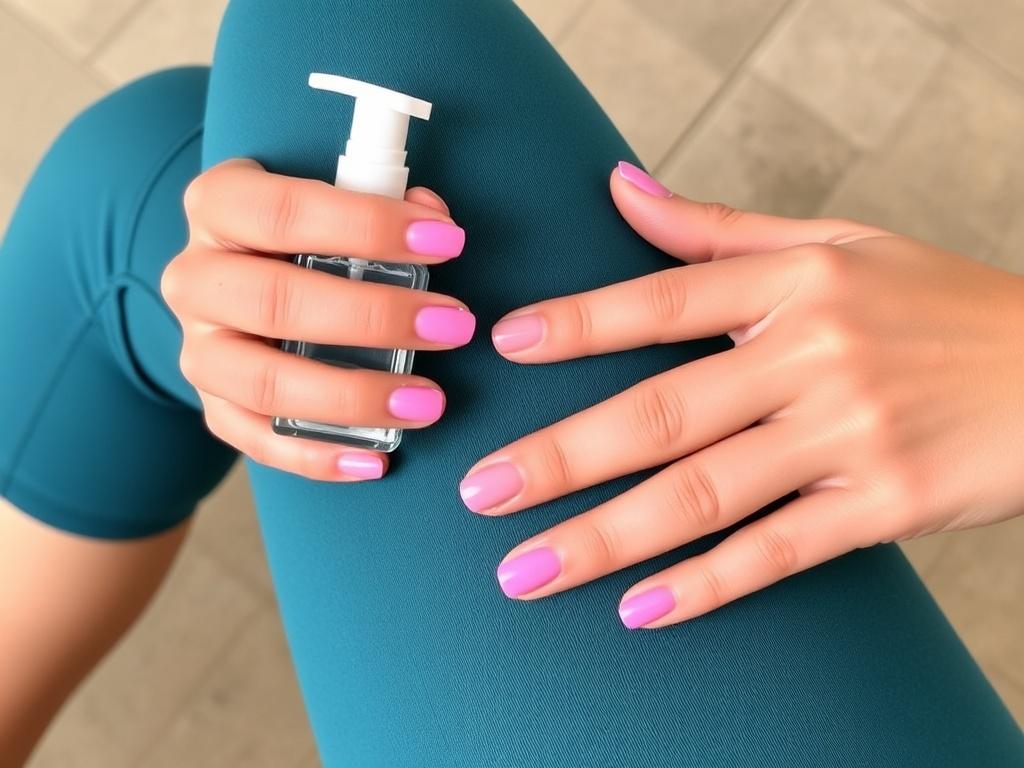
A compact nail kit is worth carrying: clippers, a fine file, a cuticle pusher, antiseptic wipes, and a small tube of cuticle oil. Store tools in a clean pouch and sanitize them regularly to avoid transferring bacteria or fungus. A few minutes of maintenance after a session can prevent larger problems later.
Below is a simple table showing recommended items and how often to use or replace them.
| Item | Purpose | Replacement/Use frequency |
|---|---|---|
| Nail clippers | Trim nails cleanly | Replace if dull; sanitize after heavy use |
| Fine nail file | Smooth edges and shape | Replace when worn |
| Cuticle oil/cream | Hydration and flexibility | Daily or after workouts |
| Antiseptic wipes | Clean small injuries | Use as needed, replace packet |
| Toe protectors | Cushioning for toe trauma | Replace when stretched/damaged |
Nutrition and supplements for stronger nails
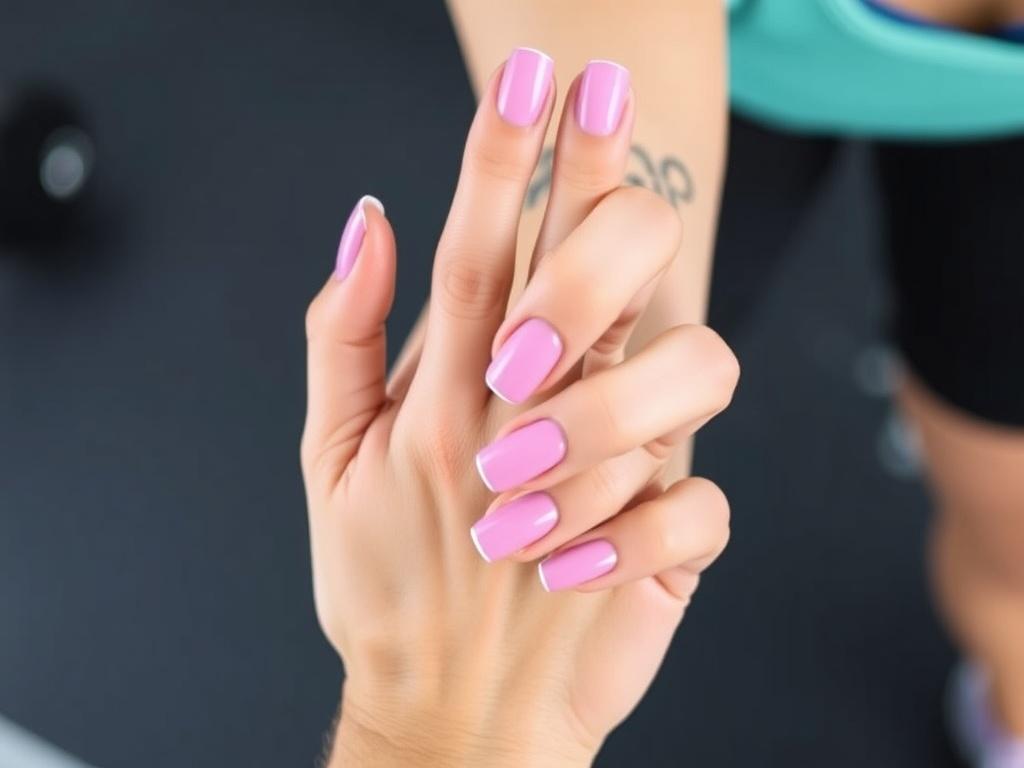
Nails reflect internal health; a balanced diet supports their growth and resilience. Protein supplies the building blocks for keratin, the main nail protein, while vitamins like biotin, zinc, and iron contribute to strength and growth. Hydration also matters — dehydrated nails are more brittle and prone to splitting.
Supplementation can help if you have documented deficiencies, but routine use of high-dose supplements without testing isn’t necessary for everyone. Consider a basic multivitamin and a biotin supplement if you’ve experienced chronic nail brittleness, and consult a healthcare provider for persistent or severe issues. Practical dietary examples include eggs, legumes, nuts, leafy greens, and lean meats for protein and minerals.
Specific sport considerations: weightlifting and CrossFit
Weightlifting and CrossFit put repeated force on fingertips and nails during gripping of bars, kettlebells, and ropes. Keep fingernails short and smooth to minimize tearing and use chalk strategically to maintain grip without over-drying the skin. For heavy lifts, consider taping fingers if you notice a particular nail is vulnerable to trauma.
Rope climbs and muscle-ups are notorious for causing nail tears; climbers often file nails very short and protect late-night training with thin gloves. When a nail is injured, scale back intensity to avoid worsening the condition, and use sterile bandages during workouts until the area stabilizes. Adjusting technique can also shift load away from stressed nails.
Specific sport considerations: climbing and bouldering
Climbers expose nails to sharp holds and repeated friction; many adopt a routine of very short nails and frequent filing. Tape can be a climber’s best friend, used around the nail bed to prevent flappers and to support an injured nail during continued training. Chalk and aggressive grip can dry nails and skin, so follow a moisturizing routine after sessions.
Some climbers alternate training days between bouldering and technique-focused sessions to give the hands time to recover. If you develop chronic splits or nail bed pain, consult a podiatrist or dermatologist experienced with climbing injuries. Preventive measures in climbing are highly individualized but generally focus on minimizing abrasive contact and keeping skin supple.
Specific sport considerations: running and hiking
Toenails take a beating during long runs and downhill hikes because of repetitive pressure and forward motion in shoes. To reduce black toenails and loss, trim toenails straight across and keep them slightly shorter than the tip of the toe. Proper shoe fit — roomy toe box and secure heel — is essential to prevent nails from colliding with the shoe interior.
For long-distance events, use moisture-wicking socks and consider anti-blister balms to reduce friction-related problems that eventually affect nails. If you notice repeated trauma to the same toe, try orthotic inserts or different lacing patterns to alter foot movement inside the shoe. Regular inspection after long efforts catches problems early.
Specific sport considerations: swimming and water sports
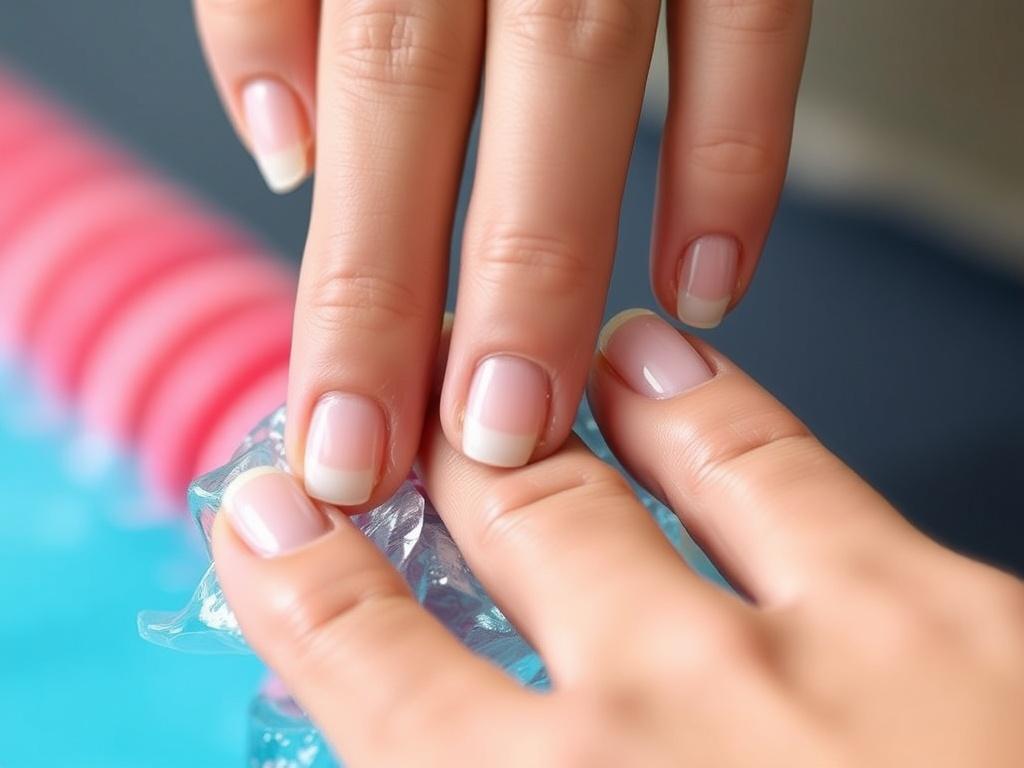
Chlorine and saltwater can strip oils from nails and skin, making them brittle over time. Rinse and dry thoroughly after swimming and apply a moisturizing oil or cream to restore protective lipids. Avoid prolonged wear of wet gloves or shoes, and change out of damp gear as soon as possible to prevent fungal growth around the nail folds.
For competitive swimmers who keep nails polished, be vigilant: polish can mask early fungal signs. Periodic breaks from polish and regular inspection help spot problems sooner. If you suspect infection, seek treatment rather than masking symptoms with color.
First aid for common nail injuries
Minor splits or hangnails usually respond to cleaning, trimming of the damaged portion, and protection with a sterile bandage. If a nail is partially torn but still attached, stabilize it and avoid ripping; bandage it to the fingertip and see a professional if it’s painful or looks infected. For severe crush injuries with intense pain and swelling, seek prompt medical evaluation; sometimes a physician needs to relieve pressure under the nail.
For suspected infections, antiseptic measures are first-line: clean, dry, and apply topical antibiotic if advised. Persistent redness, swelling, or pus requires medical attention; untreated infections can worsen quickly for athletes who continue training. When in doubt, a quick visit to urgent care or a primary doctor saves time and prevents complications.
Treating fungal infections and when to see a doctor
Toenail fungus is common among athletes due to moisture and shared facilities. Over-the-counter topical antifungals may work for mild surface infections, but deeper or persistent fungal infections often need prescription medication from a healthcare provider. Oral antifungals are effective but can have side effects, so medical supervision and confirmation of the diagnosis are important.
Avoid home remedies that delay effective treatment and consider seeing a dermatologist when the nail thickens, discolors, or separates from the nail bed. Early treatment shortens downtime and restores nail function faster. Preventive strategies — dry environments, breathable footwear, and regular inspections — reduce recurrence risk.
Managing ingrown toenails for active feet
Ingrown toenails can become a recurring problem for runners and hikers due to repeated pressure and improper trimming. To prevent it, cut toenails straight across and avoid cutting corners into the nail bed. If an ingrown nail causes redness, swelling, or persistent pain, a podiatrist can remove the offending portion and offer long-term solutions like partial nail avulsion when necessary.
Home care for early ingrown nails includes warm soaks, gentle lifting of the nail edge after soaking, and applying a small piece of cotton under the nail to relieve pressure. Persistent or infected ingrown nails should not be ignored; continued training on a painful toe can exacerbate the injury and lead to complications. Proper cutting technique and footwear choices are the best prevention.
Footwear choices that protect nails
Shoes that are too tight compress toes and increase the risk of black toenails and ingrown nails, while shoes that allow the foot to slide forward cause repetitive trauma at the tips. Look for a snug heel, adequate toe box volume, and proper arch support to minimize excessive toe movement. For sports with impact or downhill motion, consider a shoe with extra toe room or a stronger toe cap construction for protection.
Break new shoes in with short sessions and use thicker or double-layer socks for long events to reduce friction. Custom orthotics or insoles can correct biomechanical issues that concentrate pressure on particular toes. Proper footwear strategy often resolves recurring nail problems without medical intervention.
Hygiene at the gym and public facilities
Shared equipment, wet floors, and communal showers are common sources of fungal and bacterial exposure. Wipe down equipment before and after use, wear flip-flops in locker rooms and showers, and change out of sweaty socks and shoes quickly. Keeping nails trimmed and clean reduces the surface area where pathogens can establish themselves.
If you use nail salons, choose a reputable studio that sterilizes tools between clients or brings your own kit. Avoid walking barefoot in public spaces and inspect nails regularly, especially if you train in team facilities. Hygiene habits are small investments that prevent long-term problems and missed training days.
How to handle nail paint or gel removal safely
Improper removal of gel or acrylic nails can strip layers from your natural nail, leaving it thin and fragile. Use professional removal when possible or follow safe at-home methods that involve soaking and gentle pushing rather than forceful scraping. After removal, give nails a recovery routine with oils and short trimming to restore strength.
When transitioning back to training after a long salon treatment, watch for any discoloration or separation that might indicate fungal infection. If you notice changes, pause heavy training that exposes nails to repetitive trauma and consult a dermatologist. A short recovery period after intense cosmetic treatments reduces injury risk.
Building a weekly maintenance schedule
A simple weekly plan keeps nails in top shape without requiring daily attention. Designate one day for trimming and careful filing, two or three short sessions for moisturizing the cuticles, and a post-workout inspection routine after intense sessions. A weekly check lets you spot developing problems and address them before they worsen.
For those who compete or have heavy training loads, add a midweek quick inspection and extra oiling after the most grueling sessions. Keep a small emergency kit in your training bag for quick fixes like glue for minor split nails or tape for stabilization. Consistency beats intensity when it comes to long-term nail health.
When a professional nail technician or podiatrist should be involved
If you experience recurring infections, severe pain, chronic ingrown nails, or nails that separate repeatedly from the nail bed, seek professional help. A qualified nail technician can manage cosmetic issues safely, while a podiatrist or dermatologist handles medical problems requiring prescription treatment. Early professional intervention often shortens recovery and improves outcomes for athletes.
Communicate your training needs with any provider; treatment plans can be adapted to return you to activity safely. For example, a podiatrist may perform a minor procedure to prevent future ingrown nails and provide guidance on footwear and activity modification. Getting help early keeps you moving and reduces the chance of long-term damage.
Real-life examples and practical adjustments
When I started bouldering, I learned the hard way: several weeks of long tips and sharp holds gave me split nails that took months to recover. Switching to shorter nails, filing aggressively after sessions, and using a lightweight tape protocol around vulnerable fingers cut my downtime dramatically. The cumulative effect of those small changes was a consistent training schedule and fewer painful interruptions.
A friend of mine, a marathoner, solved chronic black toenails by experimenting with sock thickness and switching to shoes with a wider toe box on long runs. The color and thickness of the toenails improved within two race cycles, and the painful nail losses stopped. These practical, sport-specific tweaks often make the biggest difference.
Common myths about nails and training
Myth: Longer nails improve grip. Reality: Longer nails increase the risk of tearing and reduce reliable contact with rock or bars, impairing true grip strength. Keep nails short for function rather than fashion when training frequently.
Myth: Nail polish causes infections. Reality: Polish can hide infections and trap moisture, but proper application and periodic breaks make polish safe for many athletes. Inspect nails when you remove polish and prioritize nail health over continuous cosmetic coverage.
Tips for athletes who travel or compete often
Traveling athletes should carry a compact nail kit and keep an emergency supply of bandages, antiseptic wipes, and a small file in their luggage. When changing time zones, keep routines simple: clean and dry nails after events and moisturize nightly. For competitions, pre-tape vulnerable nails and wear break-in footwear at least for short runs before long events.
At multi-day events, schedule short maintenance sessions in the evening to inspect nails and apply oil. This small nightly ritual prevents overnight problems from becoming show-stopping issues. Planning ahead for travel keeps your nails as resilient as your training plan.
Final practical checklist to follow before and after workouts
Before training, check nail length, file rough edges, apply tape if a nail is vulnerable, and ensure gloves or shoes fit properly. During training, monitor for signs of trauma and respond quickly to small tears by stabilizing them. After training, clean and dry thoroughly, moisturize cuticles, and inspect for discoloration or separation.
Keep a compact kit in your bag, listen to pain signals from your nails, and adjust training or gear when problems recur. Small rituals done consistently protect your training rhythm and keep you focused on progress rather than preventable setbacks.
Resources and further reading
Trustworthy resources include sports medicine clinics, board-certified dermatologists, and experienced podiatrists who understand the demands of athletic nails. Professional climbing forums and running communities also share practical tips, but prioritize clinical advice for infections or severe injuries. Continuing education through reputable sources helps you refine a personalized approach that fits your sport and schedule.
Use targeted searches for topics like “treating subungual hematoma,” “preventing runner’s black toenail,” or “athlete-friendly nail salon practices” to find detailed guidance. Professional input paired with good daily habits is the most reliable path to resilient nails through any training program.
Nail care during training is an often-overlooked aspect of athletic preparation, but the payoff is real: fewer interruptions, less pain, and more consistent progress. By implementing straightforward habits, using the right tools, and seeking professional help when needed, you can keep both fingernails and toenails in fighting shape for whatever sport you love.