
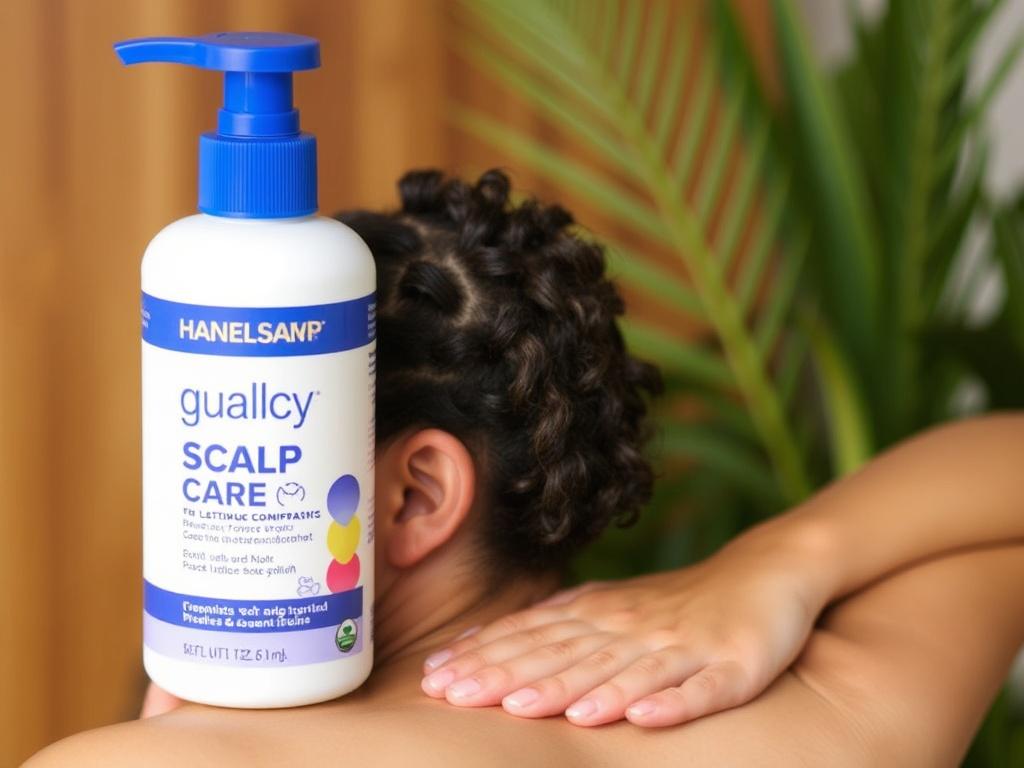
Healthy hair begins at the surface that often gets overlooked: the scalp. This guide walks through the biology, everyday habits, targeted treatments, and sensible product choices that support a balanced, comfortable scalp and stronger hair over time. You’ll find practical routines, evidence-based ingredients, and real-life tips that I use and recommend, with attention to different hair types and common problems.
Why scalp health matters more than you think
The scalp is skin, not just a platform for hair. When its barrier is disrupted—by dryness, excess oil, inflammation, or microbes—hair can become brittle, fall out, or stop growing optimally. Treating hair without addressing the scalp is like watering only the top leaves of a plant while the roots remain dry.
Beyond hair aesthetics, scalp conditions affect comfort and social confidence. Persistent itching, flaking, or visible redness can interfere with daily life and hint at underlying medical issues that deserve attention.
Scalp anatomy in plain language
The scalp contains hair follicles, sebaceous (oil) glands, sweat glands, nerves, and a rich blood vessel network. Each hair follicle cycles through growth, rest, and shedding phases influenced by hormones, nutrition, and local scalp conditions. Understanding those parts helps make sense of why specific problems appear where and when they do.
For example, sebaceous glands produce sebum that keeps skin supple, but in excess it creates an oily environment where dandruff or folliculitis can thrive. Conversely, inadequate sebum causes dryness and flaking. The balance between production and removal is the central theme of scalp care.
Common scalp conditions and how they feel
Dandruff is familiar: white or yellow flakes and occasional itching. It’s often caused by a yeast-like organism (Malassezia) and reacts well to antifungal shampoos. Another frequent condition, seborrheic dermatitis, looks similar but includes redness and heavier scaling, and it can be more persistent.
Psoriasis shows up as thick, silvery plaques and can be painful or crack, while contact dermatitis results from an irritant or allergen creating redness and soreness. Folliculitis appears as pimples around hair roots and may signal bacterial infection. Recognizing the pattern—location, scale type, associated pain—guides treatment choices.
How to assess your scalp
Start with a careful look and feel. Use a bright mirror or the camera on your phone to inspect sections of your scalp under good light. Note oiliness, redness, flaking, bumps, sores, or areas of thinning hair. Photographing the scalp every few weeks helps track progress or worsening.
Pay attention to symptoms like burning, persistent itch, sudden hair loss, or spreading inflammation. These signs suggest you should consult a dermatologist rather than rely solely on home remedies. I recommend professional evaluation when symptoms affect your sleep, work, or emotional well-being.
When to see a professional
Make an appointment if you notice sudden, patchy hair loss, painful sores, pus-filled bumps, or scalp changes that don’t improve after several weeks of targeted treatment. Also seek medical advice if you have a skin condition elsewhere on your body or systemic symptoms like fever. Early diagnosis can prevent complications and direct you to the right medicated therapy.
Dermatologists can perform tests—skin scrapings, biopsies, or cultures—that identify fungal, bacterial, or inflammatory causes. These tests often allow for shorter, more effective courses of treatment than guessing at remedies.
Basic daily and weekly scalp routine
Routine is the backbone of effective scalp care. That begins with the right washing schedule, compatible products, and gentle techniques that preserve the skin barrier. Frequency varies per person: some scalps need daily cleansing, others every few days.
General rules: cleanse enough to remove product buildup and excess sebum without stripping the skin; use warm rather than hot water; and rinse thoroughly. Follow with a conditioner applied mainly to hair lengths rather than the scalp, unless you use a scalp-specific conditioner formulated to be light and non-comedogenic.
How often should you wash?
People with oily scalps or heavy product use often benefit from washing every other day or daily, while dry or curly hair types do better with less frequent shampooing to avoid dryness. Adjust frequency based on how your scalp feels—tightness and flaking suggest over-washing, while visible oil and itch suggest under-washing.
When changing routines, introduce adjustments gradually. Sudden reductions or increases in washing can temporarily worsen oil balance as the scalp adapts.
Choosing the right shampoos and actives
Selecting the right shampoo means matching active ingredients to the problem, not a flashy bottle label. Anti-dandruff actives include zinc pyrithione, ketoconazole, selenium sulfide, and coal tar. Each has a different mechanism and level of potency, and rotating products can prevent resistance or diminishing returns.
Gentle, sulfate-free cleansers are excellent for most daily use, especially for color-treated and curly hair. For stubborn conditions, medicated shampoos should be used according to instructions—often several times per week—then tapered once symptoms improve.
Key active ingredients and when to use them
Zinc pyrithione is a broad antifungal and antibacterial agent that reduces Malassezia populations and is suitable for mild to moderate flaking. Ketoconazole is a stronger antifungal often used for moderate to severe dandruff and seborrheic dermatitis. Selenium sulfide helps reduce flaking and slows down excessive cell turnover.
Coal tar slows skin cell proliferation and can help with scalp psoriasis and severe seborrheic dermatitis, though it has a strong odor and can stain. Salicylic acid is useful for breaking down scale and improving the penetration of other actives, but it can dry the skin if overused.
Medicated treatments: how to use them safely
Read labels and follow directions when using medicated shampoos: many require leaving the product on the scalp for several minutes to work effectively. Overuse can create irritation, so start with recommended frequency and reduce once symptoms ease. If irritation occurs, stop and consult a professional.
Some medicated products interact poorly with hair dyes or chemical treatments. If you dye your hair or undergo chemical processes, ask your stylist or dermatologist about timing and compatibility to avoid discoloration or damage.
Combining products and rotating treatments
Rotation can be effective: use a zinc pyrithione shampoo for two weeks, then switch to ketoconazole for another period, and include a salicylic acid-based product when scaling is thick. Rotating prevents reliance on a single mechanism and helps control stubborn conditions. Keep a diary of what you use and the scalp response.
Avoid mixing medicated products at the same time unless directed by a clinician. Simultaneous use may increase irritation without improving results. Stagger applications across the week for safety and clarity about what actually helps.
Gentle exfoliation for the scalp
Like facial skin, the scalp benefits from mild exfoliation to remove buildup and dead cells that trap sebum and impede healthy hair growth. Mechanical scrubs and chemical exfoliants are both options, but choose them wisely based on skin sensitivity.
Mechanical scrubs—using a soft brush or a scrub with fine particles—should be used no more than once weekly and applied with gentle pressure. Harsh scrubbing can inflame follicles and worsen conditions. Chemical exfoliants such as salicylic acid are effective for breaking down scale and are often included in medicated products.
How to exfoliate safely
Start with a test patch behind the ear to check for sensitivity. Use light strokes with a soft-bristled brush and avoid aggressive circular motions. If your scalp is inflamed or broken, avoid mechanical exfoliation until healing occurs, and prioritize chemical options guided by a professional.
After exfoliation, follow with a hydrating, non-comedogenic scalp serum or light oil to restore moisture and soothe any transient irritation. Keep exfoliation frequency moderate and observe how your scalp responds.
Hydration and moisturization strategies
Hydration isn’t just about adding water; it’s about preserving the scalp’s barrier and preventing transepidermal water loss. Ingredients like glycerin, hyaluronic acid, and ceramides support hydration. Lightweight oils such as jojoba or squalane can mimic natural sebum and help dry scalps without clogging pores.
For very dry scalps, occlusive treatments like coconut oil can provide deep hydration when used as a pre-wash treatment. However, avoid leaving heavy oils overnight on oily scalps as they can lead to buildup. Balance is the keyword: enough moisture to soothe, not so much as to create congestion.
Using oils and serums appropriately
Apply oils sparingly to the scalp and focus on areas of dryness or flaking. Massage in gently to distribute and stimulate circulation, then leave on for 20–60 minutes before shampooing. Scalp serums with niacinamide, panthenol, or peptides can be used regularly to support barrier function and reduce sensitivity.
Keep product layers light; many problems arise from combining too many heavy leave-ons. If you use a leave-in oil or serum daily, skip heavy conditioners and deep masks on the scalp to prevent clogging of follicles.
Scalp massage: more than relaxation
Scalp massage increases blood flow to hair follicles and can help reduce tension that contributes to hair shedding. A few minutes daily using fingertips or a soft massaging tool improves circulation and distributes natural oils. It’s a simple step that complements other treatments.
I’ve practiced a short nightly massage routine for years—three to five minutes of gentle, circular movements—and noticed that my scalp feels less tense and my hair looks fuller over time. Consistency matters more than force; light, frequent sessions beat aggressive scrubbing.
Technique and tools
Use your fingertips—never nails—to make small, circular motions across the scalp. Start at the temples and work backward, covering the entire scalp. Alternatively, a silicone scalp brush can provide a pleasant vibration and help dislodge debris during shampooing.
If you use a tool, clean it regularly to avoid transferring oil or bacteria. Avoid electric contraptions that vibrate too intensely; overstimulation can irritate sensitive scalps.
Diet, lifestyle, and internal contributors
Your scalp reflects your overall health. Nutrient deficiencies—especially iron, zinc, vitamin D, and certain B vitamins—can impair hair growth and scalp resilience. A balanced diet with adequate protein, healthy fats, and micronutrients supports both skin and hair.
Stress is a potent trigger for scalp issues, including telogen effluvium (sudden hair shedding) and flares of inflammatory conditions. Prioritizing sleep, stress management, and regular exercise benefits the scalp as much as it does the rest of the body.
Supplements: when they help and when they don’t
Supplements can be useful when testing shows a deficiency or when dietary intake is inadequate. Biotin often gets attention, but it only helps in cases of genuine deficiency. Iron, vitamin D, and zinc are more commonly implicated in hair and scalp problems. Check levels with a healthcare provider before starting high-dose supplements.
Quality matters: choose reputable brands and avoid megadoses without medical supervision. Supplements should complement, not replace, a diverse diet rich in whole foods.
Adapting scalp care to hair type
Scalp needs differ with hair texture and styling. Fine, straight hair tends to show oil quickly and benefits from frequent light cleansing. Curly and coily hair often has a drier scalp and length that benefits from less frequent washing and heavier leave-in moisturizers on the hair rather than the scalp.
Color-treated or chemically processed hair needs gentle cleansers and protein-balanced conditioners. Those using frequent heat or chemical straightening should pay extra attention to barrier-supporting ingredients and avoid harsh medicated products without professional guidance.
Practical routines for specific hair types
For oily, fine hair: use a gentle balancing shampoo daily or every other day, avoid heavy oils on the scalp, and use a dry shampoo between washes when needed. For curly or coily hair: co-wash occasionally with a moisturizing cleanser, limit shampoo to one to two times per week, and use light oils like jojoba to condition the scalp.
For thick or textured hair: section the hair when applying treatments to ensure even distribution, and consider pre-shampoo oiling for dry scalps. Tailor the frequency of exfoliation to how your scalp responds rather than a fixed schedule.
Styling habits that protect the scalp
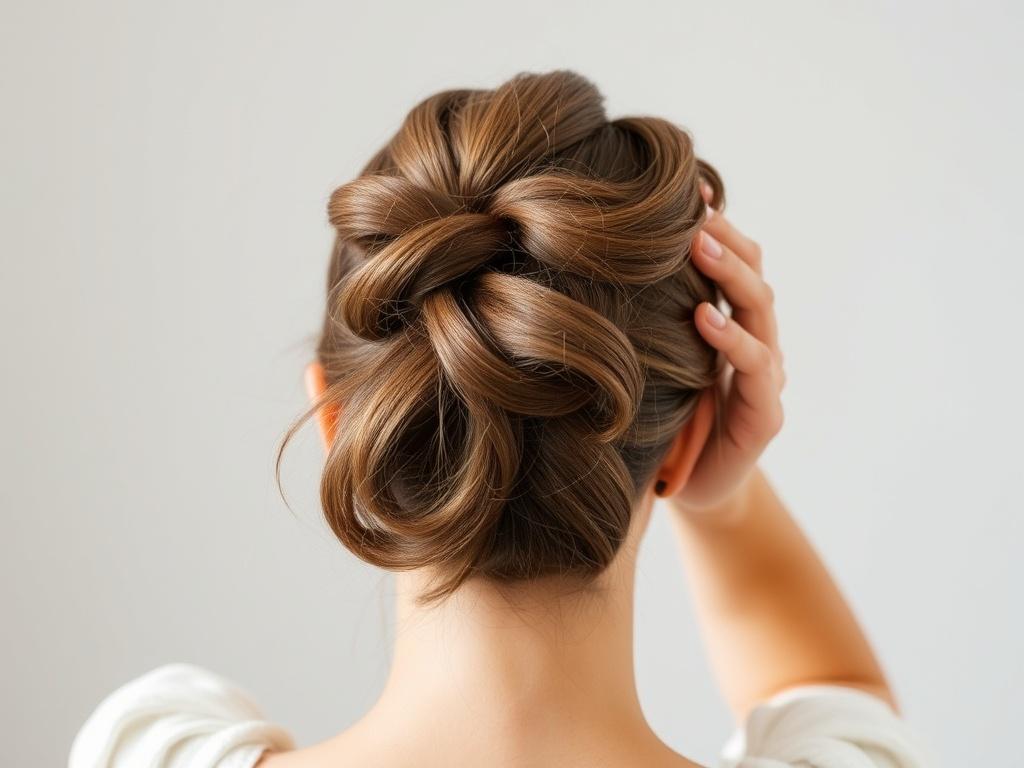
Tight hairstyles—like braids, ponytails, buns, or extensions—can cause traction alopecia, a gradual loss of hair from constant tension. Alternate styles, loosen ties, and give the scalp regular breaks to prevent permanent damage. Use soft hair ties and avoid metal clips that pinch the skin.
Heat tools and chemical treatments can injure the scalp if applied too close to skin. Keep dryers and straighteners a safe distance away and avoid overlapping chemical processes. When in doubt, prioritize scalp-friendly techniques and consult a professional stylist.
Children, pregnancy, and aging scalp care
Children’s scalps are delicate and often respond well to mild, fragrance-free cleansers. Cradle cap in infants is common and usually resolves with gentle washing and soft brushing, occasionally aided by light mineral oil if recommended by a pediatrician. Avoid harsh medicated products in young children without professional advice.
Pregnancy can change hormone levels and temporarily alter sebum production. Many women experience shinier hair or reduced shedding, but some may develop scalp sensitivity. Choose gentle, pregnancy-approved products and check with your obstetrician before using strong medicated shampoos.
Aging scalps tend to thin and dry. Lower sebum production and slower cell turnover make gentle hydration and barrier repair priorities. Ingredients like ceramides, glycerin, and lightweight oils can restore suppleness without weighing hair down.
Natural remedies: what helps and what to avoid
Natural ingredients can soothe and support the scalp when used intelligently. Tea tree oil has demonstrable antifungal and antibacterial properties and can reduce dandruff when used in diluted formulations. Apple cider vinegar rinses can help clarify and balance pH, often minimizing itch and mild buildup.
However, “natural” doesn’t equal safe. Undiluted essential oils can cause burns and allergic reactions, and acidic rinses used too frequently can strip protective oils. Use evidence-backed natural treatments sparingly and stop if irritation appears.
Simple, safe DIY options
For a gentle clarifying rinse: mix one to two tablespoons of apple cider vinegar with a cup of water and use after shampooing to rinse the scalp; follow with a light conditioner on hair lengths. For a soothing pre-wash treatment: dilute 2–3 drops of tea tree oil in a tablespoon of carrier oil and massage lightly into dry areas, leaving for 20–30 minutes before shampooing.
Always patch-test DIY mixes behind the ear and avoid products with multiple strong actives combined, which increases the risk of irritation. Treat DIY methods as adjuncts, not replacements for medicated treatments when those are needed.
Products to avoid or use cautiously
Be wary of heavy petroleum-based products, waxy pomades, and overly occlusive balms that can block follicles on oily scalps. High-alcohol sprays and harsh sulfates can strip lipids and exacerbate dryness. Also, avoid combining multiple aggressive agents—like coal tar and strong acids—without professional guidance.
When trying a new product, introduce it one at a time. This makes it easier to identify the cause if irritation or improvement occurs, and reduces the chance of harmful interactions between ingredients.
Tracking progress and adjusting routines
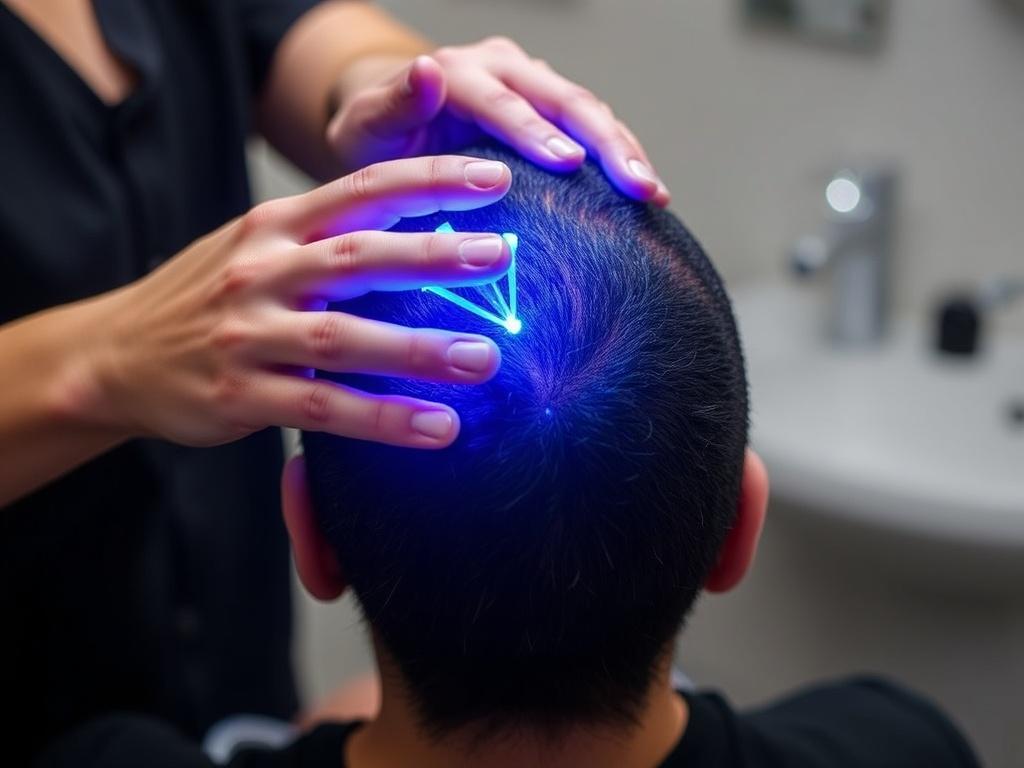
Patience and observation are essential. Many scalp treatments require several weeks to show meaningful improvement. Keep a short journal noting product use, frequency, and visible changes such as reduced flaking, less redness, or hair density. Photos every two to four weeks provide objective comparison points.
If a treatment produces no improvement after six to eight weeks, consider changing approach or seeking professional input. Chronic conditions often need maintenance strategies to prevent recurrence rather than one-time fixes.
Sample weekly scalp care schedule
Here is a simple, adaptable weekly plan that balances cleansing, treatment, and rest. Adjust timing based on your hair type and condition severity.
| Day | Focus | Notes |
|---|---|---|
| Monday | Medicated shampoo (if needed) | Apply, leave 3–5 minutes, rinse thoroughly |
| Wednesday | Gentle shampoo + scalp massage | Light conditioner on lengths only |
| Friday | Exfoliation or clarifying rinse | Use soft brush or salicylic-based product |
| Weekend | Extra hydration | Light scalp serum or pre-wash oil for dry scalps |
Common myths and practical truths
Myth: You must wash your hair every day to be clean. Truth: Washing frequency depends on scalp type and activity level; over-washing can harm the barrier, under-washing can cause buildup. Use your scalp’s condition as the guide.
Myth: Natural equals harmless. Truth: Many plant extracts and essential oils are potent and can cause irritation or allergic reactions. Test and dilute when using natural agents.
Special situations: scalp after hair transplant or medical treatments
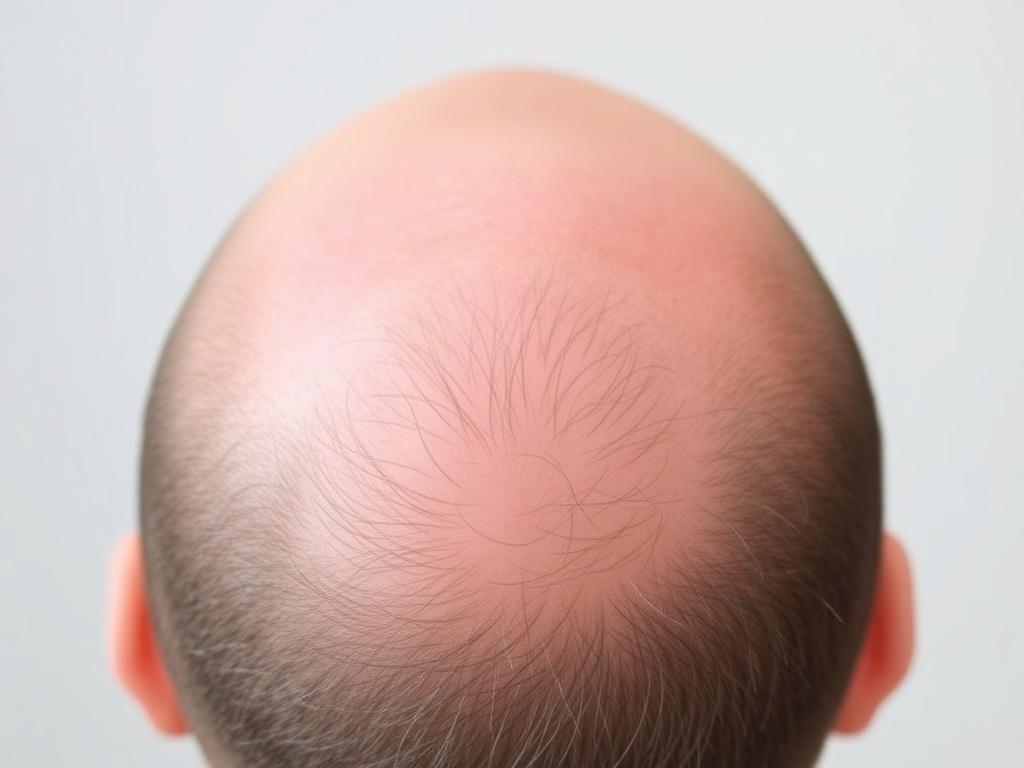
After hair transplant or medical scalp procedures, follow your surgeon’s instructions precisely. Newly grafted skin is fragile, and premature washing or massage can dislodge grafts. Most clinics provide a clear timeline for when to start gentle washing and when to resume normal scalp care.
For patients undergoing chemotherapy or radiation, scalp sensitivity and hair changes require highly gentle, fragrance-free products and close coordination with oncology teams. Supportive treatments and wigs or head coverings can help with comfort and self-image during recovery.
Real-life example from my practice
One client I worked with struggled for years with persistent flaking despite trying every over-the-counter remedy. A careful history revealed alternating use of harsh clarifying shampoos and heavy oils, which created a roller coaster of dryness and rebound oiliness. We simplified her routine: a gentle antifungal shampoo twice weekly, weekly light exfoliation, and a lightweight niacinamide serum for barrier repair.
Within two months she reported less flaking, reduced itch, and more manageable hair. The change wasn’t dramatic overnight, but consistent, measured adjustments led to lasting improvement. That experience reinforced how often less aggressive, well-targeted care beats frequent drastic measures.
Checklist: building your personalized scalp plan
Use this checklist to create a routine that fits your needs. Start with the basics and add actives only as indicated by symptoms.
- Inspect scalp under good light and document condition with photos
- Choose a gentle base shampoo; add medicated actives if necessary
- Limit hot water and harsh scrubbing; use fingertips for massage
- Balance cleansing frequency to avoid over- or under-washing
- Use light hydration products and avoid heavy scalp occlusives if oily
- Rotate medicated shampoos when treating persistent conditions
- Address diet, sleep, and stress as part of an overall plan
- Seek professional care for sudden, painful, or spreading symptoms
Final thoughts and practical encouragement
Caring for your scalp is a small investment that pays off in comfort, confidence, and healthier hair. Start with clear observation, choose products with purposeful ingredients, and be patient—scalp biology moves at its own pace. Small, consistent changes usually outperform dramatic overhauls.
If you’re uncertain, a dermatologist or trichologist can provide tailored guidance and tests to direct treatment. With a sensible plan and measured adjustments, most people can significantly reduce itching, flaking, and discomfort and enjoy fuller-looking hair.
Take a moment today to check your scalp, simplify your routine where it’s overcomplicated, and pick one change to try for the next six weeks. Your scalp will likely thank you with less irritation and healthier hair growth.