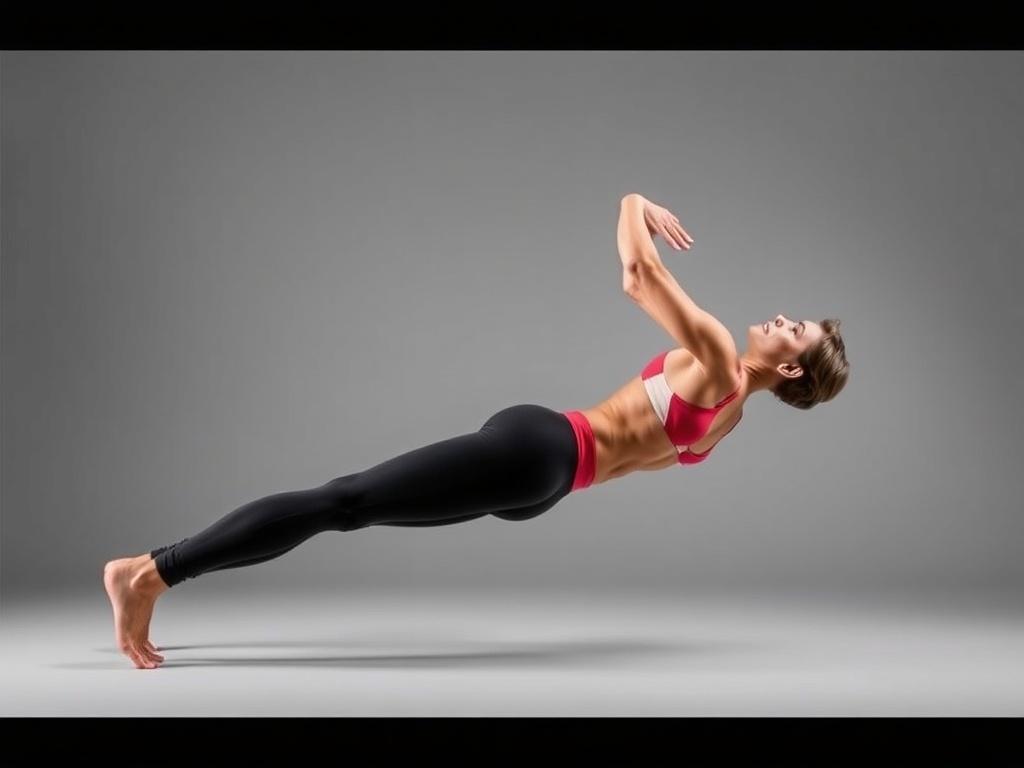
If you’ve landed here because of the search Тренировки при сколиозе: что можно, you’re in the right place — this article walks you through safe, effective approaches to exercise with scoliosis. I’ll explain what matters most: assessment, movement principles, specific exercises, and how to adapt workouts to your curve and symptoms. Read on for practical programs, red flags to watch, and real-world tips you can apply at the gym, at home, or in physical therapy.
Understanding scoliosis: what types matter for training
Scoliosis is not a single condition but a pattern: lateral curvature of the spine with rotation of the vertebrae. Curves can be structural, meaning fixed changes in the spine, or functional, where posture and muscle imbalance create the appearance of a curve that can improve with movement. Knowing which type you have affects what exercises will help and which ones to avoid.
The location of the curve matters too. Thoracic curves involve the upper and mid back and often change breathing mechanics, while lumbar curves affect lower-back stability and hip alignment. Double curves, or S-shaped scoliosis, can create side-to-side asymmetry that requires a different training emphasis than a single C-shaped curve.
Age and progression are important. In adolescents, curves can progress quickly during growth spurts and need closer professional monitoring. Adults more often have slow progression or pain related to degenerative changes, which means strength, mobility, and pain management become primary goals in training.
How curvature severity is measured
Clinicians quantify scoliosis using the Cobb angle on spinal X-rays. Generally, curves under 10 degrees are considered postural or insignificant; between 10 and 25 degrees are mild; 25–45 degrees are moderate; and over 45–50 degrees may prompt discussion of bracing or surgery depending on age and symptoms. These thresholds help determine training goals and safety considerations.
Keep in mind that Cobb angle alone doesn’t fully predict pain or function. Two people with similar angles can differ widely in flexibility, muscle strength, and tolerance for exercise. That’s why training should be individualized rather than based solely on a number from an X-ray.
Symptoms that directly affect training choices
Pain, numbness, or radicular symptoms (pain radiating into the legs or arms) change how you should exercise. If nerve compression or sharp, worsening pain occurs with specific movements, stop those activities and seek a clinical evaluation. Training can reduce pain for many people, but inappropriate loading or technique can make symptoms worse.
Balance issues, reduced endurance, or altered breathing due to thoracic curves also influence which activities are best. For example, diaphragmatic breathing and gentle aerobic conditioning can be more helpful initially than high-impact sports for someone with significant thoracic rotation and shortness of breath.
Principles of safe training with scoliosis
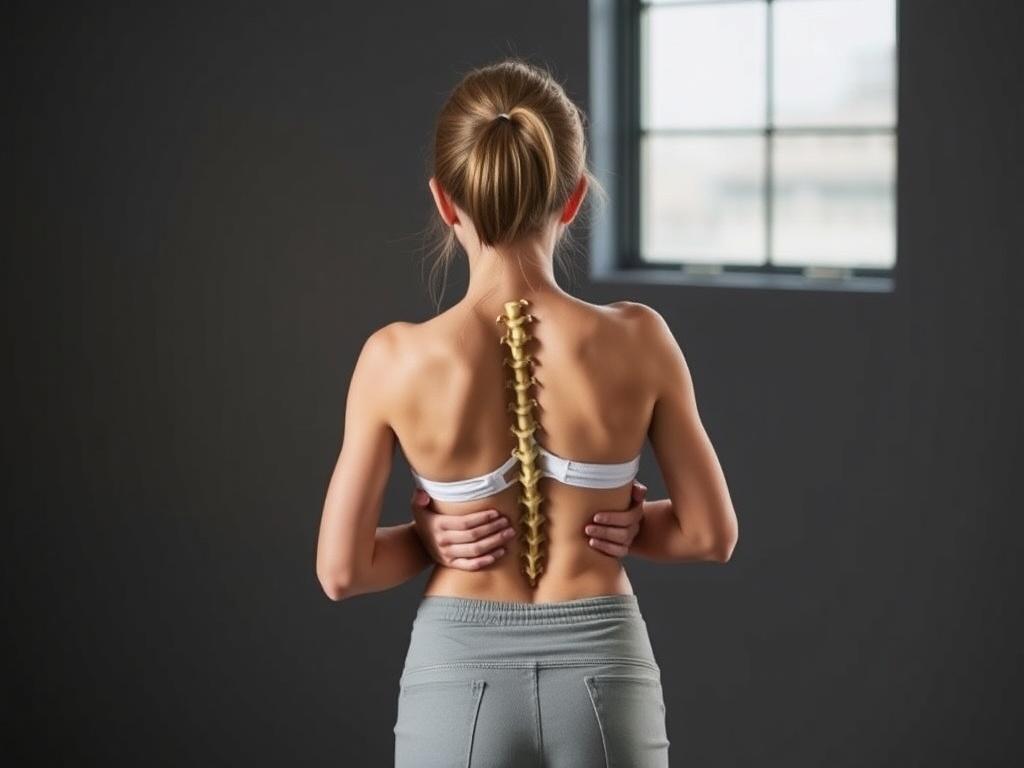
Start with an assessment. A trustworthy baseline looks at range of motion, breathing, core and hip strength, and functional movement patterns like squatting and single-leg balance. A physical therapist or experienced trainer who understands scoliosis can spot compensation patterns that typical fitness coaches might miss.
Progress gradually and respect pain as a signal. Mild, manageable soreness after new training is normal; sharp, shooting, or progressively worsening pain is not. If an exercise consistently triggers bad pain, modify it or replace it with a safer alternative.
Symmetry is a helpful training principle, but not an absolute requirement. The aim is to improve overall function, reduce asymmetrical overload, and balance strength across the chain where possible. Sometimes the therapeutic focus is on strengthening the weaker side, improving mobility where it’s limited, and not forcing artificial symmetry that causes pain.
Individual assessment and red flags
Red flags that require prompt medical evaluation include progressive neurological deficit, sudden onset of severe pain, bowel or bladder dysfunction, and rapidly worsening deformity. These signs are uncommon but important to recognize because they may indicate urgent pathology. For routine training concerns, persistent worsening of baseline symptoms also warrants reassessment.
During exercise, watch for significant shifts in posture, new numbness, or changes in balance. If a movement causes you to lean more to one side, lose coordination, or develop severe shortness of breath, stop and consult a professional. Small adjustments in form or load often resolve these reactions, but they deserve immediate attention.
Goals of exercise for scoliosis
The practical objectives of a training plan are straightforward: reduce pain, increase spinal stability, improve mobility, correct harmful movement patterns, and enhance daily function. For adolescents, another goal is slowing curve progression; for adults, the emphasis is often on pain control and functional capacity. Sport-specific goals are layered on top of these core priorities.
Setting measurable targets helps. Instead of “get stronger,” aim for “perform three sets of single-leg deadlifts with good form” or “practice diaphragmatic breathing for five minutes twice daily.” Concrete goals guide exercise selection and make it easier to track progress over months of training.
Exercises that are generally safe and beneficial
Certain categories of exercises reliably help people with scoliosis: targeted strength work for the trunk and hips, mobility drills for stiff segments, breathing exercises for thoracic curves, and low-impact cardiovascular training to improve endurance. These form the backbone of any program and can be adapted to most curve patterns and fitness levels.
Consistency matters more than intensity at first. Daily short sessions that emphasize quality movement beat sporadic high-volume training. This steady approach fixes motor patterns and builds the supportive muscle balance that helps the spine cope with daily loads.
Strengthening exercises
Focus on posterior chain and core stability without forcing painful spinal motion. Exercises like glute bridges, bird dogs, and supported rows develop posterior strength while minimizing extreme spinal bending or rotation. These moves also teach coordinated activation across hips and trunk, which is often weak in people with scoliosis.
Single-leg exercises—single-leg deadlifts, split squats, and step-ups—improve unilateral control and reduce asymmetric loading. If one side is weaker or more unstable, start with that side and perform an equal number of controlled repetitions on the opposite side to build balance.
- Bird dog: improves posterior chain coordination and lumbar stabilization.
- Glute bridge: targets glutes and posterior pelvis control without axial loading.
- Horizontal row: strengthens scapular retractors to counter thoracic rounding.
Stretching and mobility
Target areas that commonly tighten with scoliosis: the ribcage and thoracic spine on the convex side and the hip flexors on the concave side of lumbar curves. Gentle, controlled stretches are better than aggressive forced range-of-motion. Aim for regular, pain-free mobility sessions rather than infrequent deep stretches.
Spinal mobility drills that avoid large, uncontrolled rotations are useful. Cat-cow variations, thoracic extensions on a foam roller, and controlled side-bends (within comfort) can increase usable motion without stressing the curve. If something reproduces your pain, back off and consult your clinician.
Breathing and core stabilization
Breathing retraining is especially useful for thoracic scoliosis because rotation and stiffness can limit rib motion and diaphragm efficiency. Practice diaphragmatic breathing: inhale to expand the lower ribs and belly, exhale while gently engaging the deep core muscles. This builds internal support for the spine and reduces compensatory upper-chest breathing.
Core stabilization is less about six-pack sit-ups and more about timing and coordination. Hollow holds, pallof presses, and controlled dead bug variations teach the nervous system to brace the spine without excessive compression. These skills translate directly to safer lifting and better posture.
Sample exercise table: simple choices to start with
The table below lists beginner-friendly exercises, the primary target, and suggested frequency. These are broadly applicable but should be personalized with a clinician’s guidance when possible.
| Exercise | Primary target | Suggested frequency |
|---|---|---|
| Bird dog | Trunk stability, contralateral coordination | 3 sets of 8–12 reps, 3x/week |
| Glute bridge | Hip extension, pelvic stability | 3 sets of 10–15 reps, 3x/week |
| Diagonal breathing | Rib mobility, diaphragmatic control | Daily, 5–10 minutes |
| Side plank (modified) | Lateral trunk endurance | 2–3 sets of 20–45 seconds each side, 3x/week |
| Foam roller thoracic extension | Upper back mobility | 2–3 minutes, 3–5x/week |
Activities and sports: what to choose
Many activities are compatible with scoliosis when adapted. Swimming is widely recommended because it provides full-body motion and low-impact conditioning, but stroke technique should be evaluated—excessive unilateral breathing or dominant-side kicking can reinforce asymmetry. Aquatic therapy and swimming with a focus on symmetry work well for many people.
Pilates and certain forms of yoga that emphasize alignment and core control can be very helpful, provided instructors understand scoliosis and offer modifications. These disciplines train body awareness and controlled movement, which transfer to better posture and everyday function.
Low-impact cardio—elliptical, cycling, brisk walking—supports endurance without heavy spinal loading. These options are especially good in pain flares or during early rehab following bracing or surgery when impact should be limited.
Weightlifting and resistance training
Resistance training is beneficial for bone density, strength, and function, but technique and progression are critical. Avoid uncontrolled twisting under heavy load and prioritize exercises that keep the spine neutral. Machines or supported variations can provide safer options while you build control.
Squats, deadlifts, and overhead presses are not automatically forbidden, but they require careful coaching. Start with light loads, perfect form, and consider unilateral work and beltless core training before advancing to maximal lifts. If a lift consistently causes asymmetrical collapse or pain, adjust the movement pattern or load.
Contact sports, gymnastics, and extreme activities
High-impact or collision sports are not universally off-limits, but they increase risk and need individualized decision-making. For adolescents with progressive curves or adults with significant instability, contact sports might be discouraged. Conversely, many people with mild, stable scoliosis participate in soccer, basketball, and martial arts with careful preparation and protective strategies.
Gymnastics and activities with extreme spinal flexion or twisting should be approached cautiously, especially if joints are hypermobile or the curve is structural. When in doubt, consult your orthopedist or physical therapist and consider modified drills that avoid end-range spinal stress.
Exercises to avoid or modify
Not every movement is harmful, but some commonly problematic actions include deep loaded twists, repetitive powerful unilateral movements, and heavy axial compression combined with rotation. These can increase asymmetric stress and provoke symptoms in some people. Modifying or eliminating such patterns is often the easiest path to safer, more productive training.
Traditional sit-ups and Russian twists often create excessive lumbar flexion and rotation; replace them with core stability progressions that focus on neutral spine control. High-impact plyometrics may be fine for some, but they can exacerbate pain for others—start low and increase impact cautiously.
- Avoid uncontrolled heavy twisting with axial load (e.g., heavy cable chops performed poorly).
- Modify deep forward flexion movements if they reproduce pain.
- Be cautious with asymmetrical machine loading that reinforces the dominant lateral pattern.
Sample training programs: mild, moderate, and severe cases
These sample templates are meant as starting points. Work with a clinician to tailor intensity, volume, and exercise selection to your specific curve, symptoms, and goals.
Mild scoliosis (10–25°): general fitness and prevention
Frequency: 3–5 sessions per week combining 2 strength days, 2 cardio or mobility days, and daily breathing work. Focus on symmetry, unilateral control, and posterior chain strength. Example session: warm-up with diaphragmatic breathing and hip mobility, strength circuit (glute bridge, single-leg RDL, horizontal row), and cooldown with thoracic foam rolling.
Progress by increasing resistance or reps slowly and integrating sport-specific activities once form is consistent. Regular assessment every 6–12 months helps track functional improvements and adjust the plan to prevent progression during growth or life changes.
Moderate scoliosis (25–45°): rehab-focused training
Frequency: 3–4 sessions per week with emphasis on targeted physiotherapy exercises, hip and scapular stability, and low-impact cardio. Include daily brief mobility and breathing practices and two supervised sessions weekly if possible. Avoid heavy unilateral loading initially and prioritize quality of movement over volume.
Programs at this stage often include tailored corrective exercises prescribed by a specialist — for example, side-shift techniques, asymmetrical strengthening, and rib mobilization directed at the concave side. These specifics are best guided by a therapist familiar with your curve pattern.
Severe scoliosis (>45°) or post-operative cases
Training here is highly individualized. Immediately after surgery, the focus is on wound healing, gentle mobility, and breathing; supervised rehabilitation progresses to strength and functional retraining over months. For non-surgical severe curves, bracing periods or intolerance to certain activities may require alternate training modes like aquatic therapy and machine-based resistance.
Work closely with your surgical or rehabilitation team to understand permitted ranges, load limits, and timelines for returning to specific activities. Recovery is typically gradual; patience and adherence to prescribed limits prevent setbacks and support long-term function.
Working with professionals: who to seek out and why
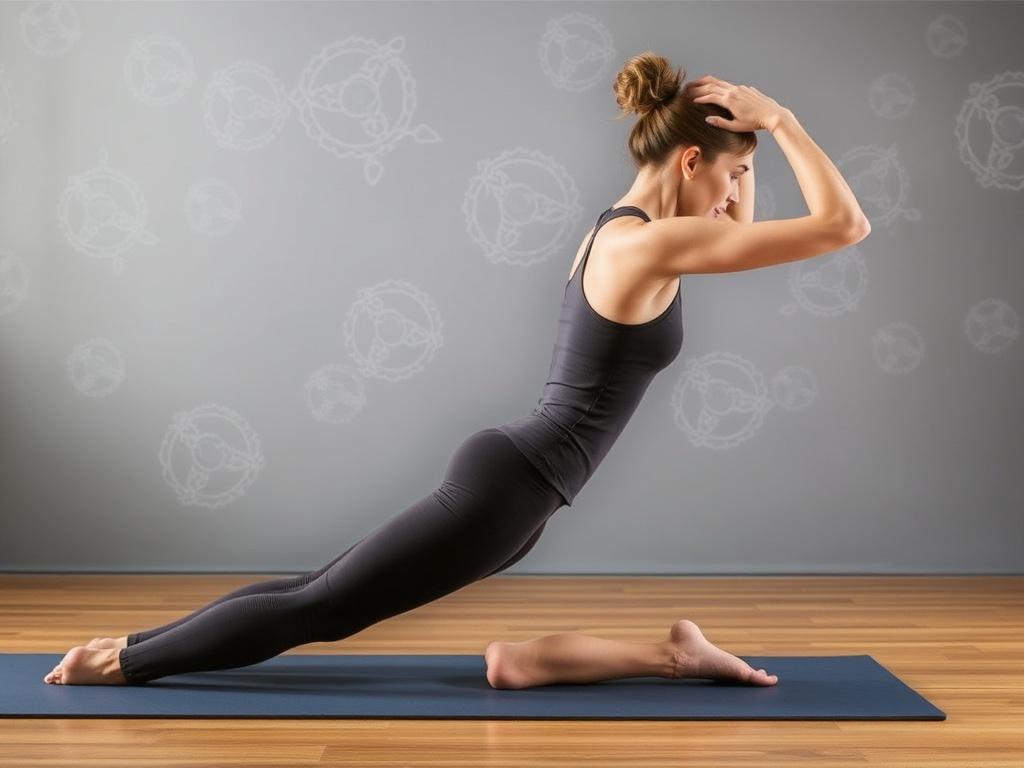
A multidisciplinary approach yields the best results. Orthopedists provide diagnostic clarity and surgical guidance if needed. Physical therapists (especially those trained in scoliosis-specific exercises) design targeted programs that address your curve pattern, breathing, and movement deficits.
A strength coach who understands medical limitations can implement progressive resistance training safely, while occupational therapists help adapt daily activities. If available, certified Schroth therapists or clinicians trained in scoliosis-specific methods add value for complex cases. Communication between professionals keeps training aligned with medical management.
Questions to ask your provider
Before starting a new program, ask: What movements should I avoid? How often should I do these exercises? What signs mean I should stop? A good practitioner will offer clear instructions, measurable goals, and a timeline for reassessment.
Also request specific modifications for your sport or job. If you lift at work or play a particular sport, translate therapeutic exercises into practical strategies that protect the spine during real-world tasks rather than keeping therapy isolated to the clinic.
Bracing, surgery, and exercise after intervention
Bracing is common in adolescents with progressive curves to try to halt progression. While in a brace, exercise focuses on maintaining strength and mobility around the brace rather than attempting heavy spine loading. Many braces allow for supervised physical therapy, and clinicians can craft in-brace exercises to be performed safely.
After spinal fusion surgery, the initial months focus on protecting the healing tissues and gradually reintroducing mobility and strength. Fusion alters spinal mechanics, so training shifts toward hip and thoracic mobility, core endurance, and global strength rather than attempting to change the fused segment. Recovery timelines vary, and close coordination with the surgical team is essential.
Monitoring progress and when to adapt
Track functional outcomes, not just pain. Measures like ability to stand comfortably for longer, improved single-leg balance, or the capacity to perform daily activities with less fatigue are meaningful. Photographic posture tracking, functional movement screens, and periodic reassessments with your therapist provide objective markers of progress.
Adaptation cues include plateaus in function, new or worsening asymmetry during movement, or persistent pain that doesn’t improve with rest. These signs trigger a program review: reduce load, increase recovery, or consult a clinician to rule out structural changes. Small tweaks often restore progress without abandoning the overall plan.
Practical tips for daily life and posture
Small daily habits make a big difference. Set reminders to change sitting position, use lumbar support when needed, and practice brief breathing breaks multiple times a day. Ergonomic adjustments at work—seat height, monitor position, and foot support—reduce asymmetric strain accumulated over hours.
Sleep and recovery matter. Firm but comfortable sleeping surfaces and a pillow that supports the natural cervical curve help maintain spinal alignment overnight. If you wear a brace, discuss sleep positioning with your clinician to ensure comfort without compromising therapeutic goals.
My experience and real-life examples
As a writer who has spent years working with athletes and patients with spinal conditions, I’ve seen scores of people transform their function through consistent, targeted training. One patient with a moderate right thoracic curve reduced daily mid-back pain and improved breathing after six months of diaphragmatic work combined with scapular strengthening and swimming.
Another example: a recreational lifter with a mild lumbar curve accepted a temporary shift to unilateral loading and machine-supported squats, which rebuilt confidence and strength without aggravating symptoms. These stories underline a consistent lesson: thoughtful, individualized adjustments beat one-size-fits-all prescriptions every time.
Common questions and myth-busting
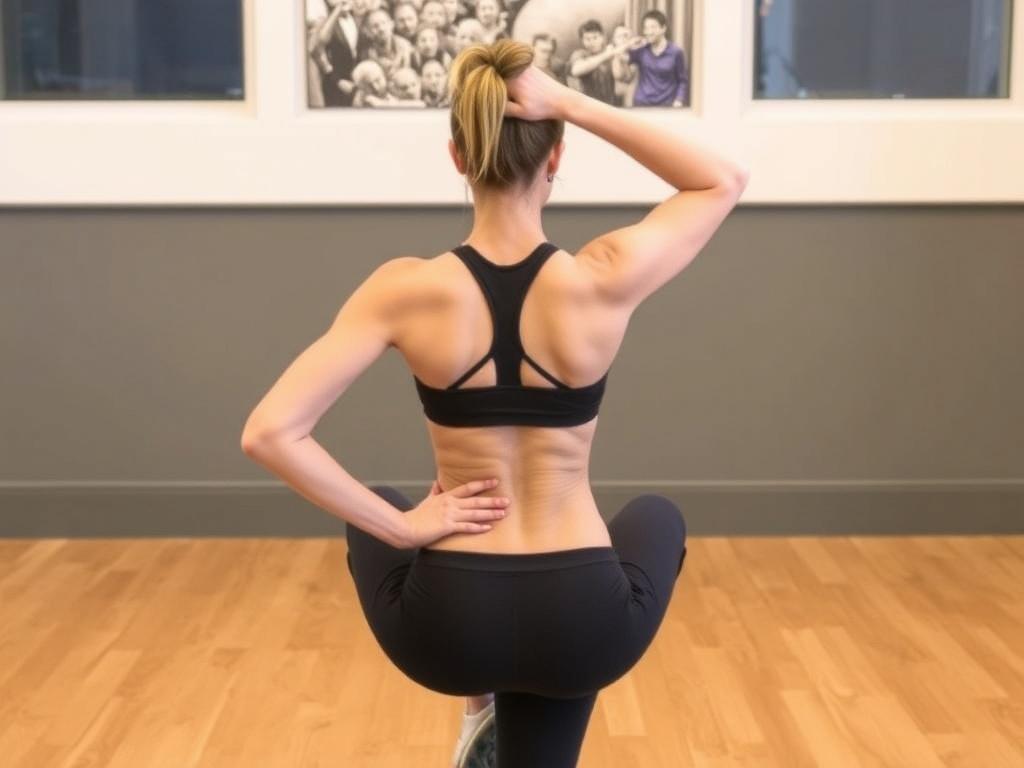
Will exercise straighten my curve? For most structural curves in adolescents, exercise alone won’t reverse the Cobb angle, but it can improve posture, function, and pain. For functional curves, targeted work can produce visible improvement. Expect better function rather than a guaranteed change in X-ray measurements.
Is heavy lifting forbidden? Not automatically. Heavy lifting can be gradually reintroduced with attention to technique, spinal neutral positions, and progressive loading rules. Avoid reflexive lifting patterns that cause collapse into asymmetry, and prioritize controlled progressions.
- Can I run? Yes, if it doesn’t increase pain. Start with low mileage and build slowly.
- Can my child play sports? Often yes, but keep clinical monitoring frequent during growth spurts.
- Do braces stop me from exercising? Most braces allow modified activity; follow provider guidance.
Final practical checklist before you train
Before you begin or modify training, run through this checklist: Have you had a recent clinical assessment? Are you clear on movements that trigger your symptoms? Do you have at least one trusted professional to consult if problems arise? These simple questions reduce risk and improve outcomes.
Start slow, prioritize control over intensity, and schedule regular reassessments. With consistent work and sensible programming, most people with scoliosis can significantly improve function, reduce pain, and continue the activities they enjoy. If you’re unsure where to begin, a short course with a knowledgeable physical therapist is the most efficient next step.