

Walking into a gym should feel like stepping into a laboratory where you test limits, not a place where you gamble with your body. Yet injuries are common, preventable setbacks that steal months of progress and often leave a longer memory than a great workout. This article lays out practical strategies drawn from research, coaching practice, and a few mistakes of my own so you can train consistently, push boundaries, and get home in one piece.
Why injuries happen and how to think about risk
Injury rarely appears out of nowhere; it usually arrives after a pattern of small decisions—skipping warm-ups, chasing heavier loads too quickly, or letting fatigue erode technique. Viewing injury as a process rather than a single event clarifies what you can control: load, movement quality, recovery, and environment.
Training is a balance between stress and adaptation. When stress (volume, intensity, frequency) increases faster than your tissues and nervous system can adapt, breakdown occurs. The goal is to create a steady, measurable progression that keeps you on the upward curve rather than causing crashes.
Psychology matters too. Ego lifts, social pressure, or the desire to match someone else’s routine can override good judgment. Developing self-awareness about why you lift — whether for strength, aesthetics, or health — makes it easier to choose the right pace and protect your body long term.
Common gym injuries and their typical causes
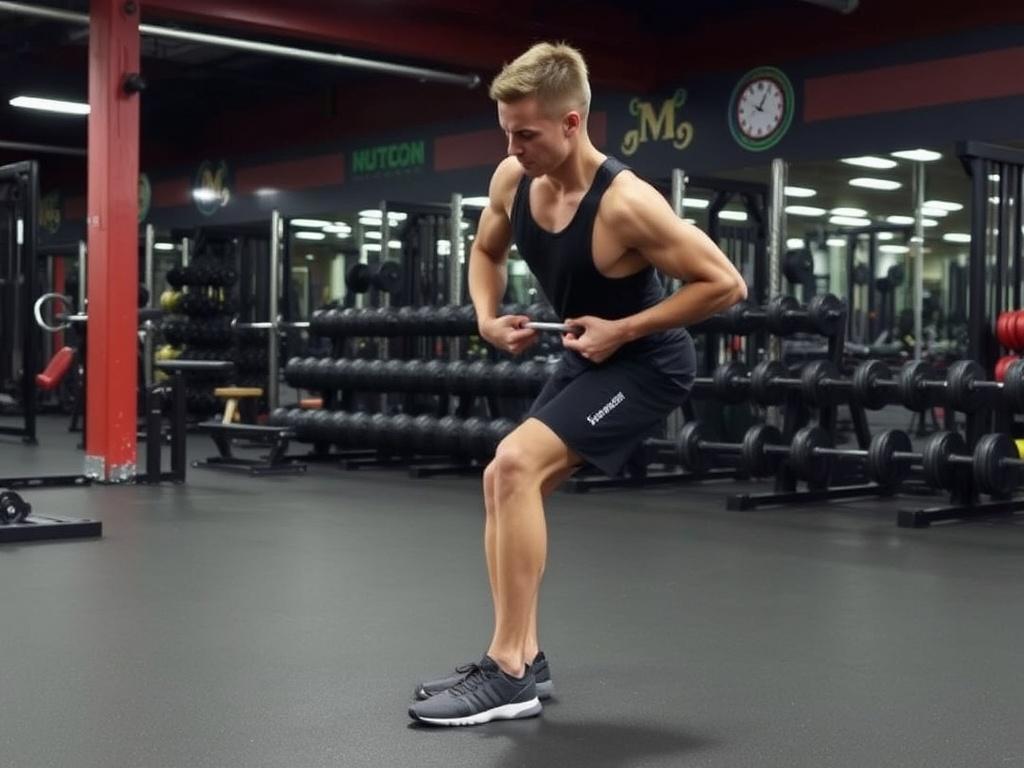
Some injuries are far more common than others. Shoulder pain, lower back strain, knee issues, and tendon problems like elbow or Achilles tendinopathy show up repeatedly across lifters and gym-goers. Each has recognizable movement patterns and risk factors you can address.
For example, shoulder problems often stem from repetitive overhead work combined with poor scapular control and tight chest muscles. Lower back injuries tend to follow poor bracing, excessive lumbar flexion under load, or sudden spikes in deadlift or squat volume.
Understanding the typical mechanics behind an injury is more useful than fear. Once you know which movements stress which tissues, you can adjust your warm-up, technique, and programming to protect those areas while still training effectively.
Table: common injuries, common causes, prevention strategies
| Injury | Typical cause | Prevention |
|---|---|---|
| Rotator cuff tendinopathy | Overhead loading, poor scapular control | Scapular stabilization, rotator cuff work, reduce volume |
| Lower back strain | Poor bracing, lumbar flexion, rapid load increases | Core bracing practice, technique coaching, gradual progression |
| Knee pain (patellofemoral) | Excessive quad dominance, poor hip control | Strengthen hips, adjust squat depth/form, manage volume |
| Tendinopathy (elbow, Achilles) | Repetitive load spikes | Load control, eccentric work, proper footwear |
Warm-up and mobility: the non-negotiable first step
A purposeful warm-up primes muscles, lubricates joints, and establishes movement patterns before heavy loading. Skipping it is like driving at high speed with cold tires: the risk of an abrupt failure increases. Warm-ups should be specific to the session that follows and last long enough to raise tissue temperature and coordination.
Start with 5–10 minutes of light aerobic activity such as brisk walking, cycling, or rowing to increase blood flow. Follow that with dynamic mobility and movement-specific drills that mimic the main lifts you plan to perform—bodyweight squats before heavy squats, banded shoulder work before presses.
Static stretching has a place, but it’s more useful after training when you want to improve flexibility long-term. Before heavy lifting, prioritize active mobility, joint rotations, and progressive activation. A short, targeted warm-up prevents abrupt stress on tendons and prime mover muscles.
Sample warm-up sequence for a lower-body day
Begin with 5 minutes of light cardio to raise core temperature and breathing rhythm. This helps systemic readiness and reduces stiffness in hips and ankles.
- World’s greatest stretch variations, 1 set x 5 reps per side
- Glute bridges, 2 sets x 10–12 to activate posterior chain
- Bodyweight squats to depth, 2 sets x 8 with slow eccentric control
- Hip airplane or single-leg balance drill, 1 set x 6 per side
- Progressive warm-up sets with barbell or lighter load before working sets
Each drill should be intentional, not a checklist to rush through. Try to feel the muscles you expect to work and correct asymmetries before the first heavy set.
Technique and form: the single best insurance policy

Technique is where time compounding works in your favor. Good movement mechanics reduce unnecessary stress and allow you to lift heavier, longer. Learning correct form is an investment that protects you while also improving performance.
Seek coaching when possible. A competent coach or experienced training partner can spot small technical errors early—pelvic tilt, knee-caving, shoulder rounding—and offer targeted cues. Video yourself from multiple angles to see habits you might not feel during a set.
For many compound lifts, two broad principles keep you safer: keep the spine neutral and maintain joint alignment. Neutral spine means preserving the natural curves of your back under load. Joint alignment means knees tracking over toes, shoulders stacked over hips in presses, and so on.
Technique cues that matter
Use simple, tactile cues that consistently improve your position. For deadlifts, think “push the floor away” to engage hips. For squats, cue “chest up” to prevent forward collapse. For bench press, imagine pulling the bar to your feet to engage lats and protect shoulders.
Cues should be specific and testable—after changing a cue, the bar path should feel different, or you should be able to complete reps with less strain in a vulnerable area. If a cue makes pain appear, stop and reassess rather than pushing through discomfort.
Progression: how to increase load without breaking yourself
Progressive overload is essential to growth, but the rate of progression matters. Rapid jumps in volume or intensity are the common pathway to overuse injuries. A consistent, modest step up every week or two will accumulate more meaningful gains than periodic spikes followed by downtime.
Use simple rules: increase load by 2.5–5% for upper-body lifts and 5–10% for lower-body lifts when you can complete your prescribed reps with good form. Alternatively, track reps and add a rep or two each session until you hit the target, then increase weight and repeat.
Monitor rate of perceived exertion (RPE), sleep quality, and joint soreness. If RPE for a given weight drifts upward across a week despite similar rest and nutrition, reduce the load or volume to avoid slipping into overtraining territory.
Programming strategies to reduce injury risk
Periodization—switching between heavier and lighter phases—gives tissues time to recover while still progressing. Microcycles with planned deloads every 4–8 weeks are a practical approach for most lifters. A deload can mean fewer sets, lower intensity, or both.
Include variation: single-leg work, rows, hinge patterns, and rotational core work complement heavy bilateral lifts and correct imbalances. Balance between pushing and pulling movements prevents dominant patterns that stress joints asymmetrically.
Equipment, setup, and environment: small details, big effects
Equipment choices influence joint angles and force distribution. Shoes with stable soles and appropriate cushioning provide a reliable platform for lifting. Running shoes with thick heels are fine for cardio but can compromise stability for squats and deadlifts.
Adjust equipment to fit your body. Seat heights, bench angles, and machine settings should match your limb lengths. A poorly set machine changes your movement geometry and can concentrate load in small areas, increasing injury potential.
Clean, well-maintained equipment and a safe environment matter. Slippery floors, clutter, or faulty racks create hazards. If a barbell collar is loose or a cable machine squeaks, report it—small maintenance issues can cascade into injury risks.
Choosing the right footwear and accessories
For heavy lifts, use shoes with flat, firm soles or dedicated lifting shoes with a slight heel to improve ankle position during squats. Minimalist shoes or barefoot options work for some deadlifters but require adaptation if you’re used to cushioned trainers.
Accessories like lifting belts, knee sleeves, and wrist wraps are tools, not crutches. Learn proper belt use: it supports intra-abdominal pressure for near-maximal lifts but won’t replace good technique. Use sleeves to keep joints warm and compressed, not to mask pain or instability.
Spotting, partners, and gym etiquette
A competent spotter can prevent a worst-case scenario, especially on heavy bench presses or squats. Communicate clearly before the lift—how many reps you expect, when you might need a lift-off, and where to assist. Don’t assume your partner knows your plan.
Respectful gym etiquette lowers stress and interruptions that can lead to mistakes. Put equipment back, clean sweat off benches, and avoid dropping barbells in crowded areas. Distracted sets are more likely to include technical lapses or collisions with nearby gym-goers.
When training with a partner, alternate sets to allow adequate recovery rather than rushing through heavy attempts. If you’re coaching someone, prioritize their safety over their ego. Pull a bar off someone who’s truly stuck rather than waiting for a failed rep—action beats applause.
Recovery, sleep, and nutrition: the quiet work that prevents injuries
Training creates the stimulus; recovery builds the tissue. Without enough sleep, protein, and overall calories, your muscles and connective tissues won’t repair at the rate you expect. Chronic under-recovery is a common, underappreciated cause of overuse injuries.
Aim for consistent sleep—seven to nine hours for most adults—and eat enough protein to support muscle repair. Simple math helps: 0.7–1.0 grams of protein per pound of bodyweight is a reasonable range for those doing regular resistance training.
Active recovery, such as light cycling, walking, or mobility sessions, keeps circulation high and stiffness down without adding excessive load. Cold or heat therapies are useful adjuncts when targeted—you don’t need a fancy recovery routine, just consistent habits that support training demands.
Managing previous injuries and working with professionals
Past injuries change how tissues tolerate load and can create compensations. If you’ve had a significant sprain, tendon tear, or surgery, get a professional assessment before returning to heavy training. A physical therapist or sports medicine specialist can map safe progressions and identify lingering deficits.
Rehabilitation is often more about gradual loading and movement retraining than endless passive treatments. Eccentric strengthening, controlled range-of-motion work, and slow progressive loading frequently restore tolerance better than avoidance or high-volume, high-intensity work too soon.
When possible, coordinate between your coach and any clinicians you see. Consistent messaging about load, movement quality, and expectations reduces confusing directions that can stall recovery or lead to re-injury.
A personal example: learning from a lower-back strain
Early in my lifting journey I jumped to heavier deadlifts without dialing in bracing and hip drive. A sharp twinge in the lumbar region ended a promising month and forced a six-week modification of training. The painful part was less the injury than the realization that small technical fixes would have prevented it.
Working with a physical therapist, I learned how to breathe and brace under load, to hinge from the hips rather than flex the spine, and to reintroduce load progressively. Those changes kept me injury-free for years after and made my lifts stronger—not because I trained harder, but because I trained smarter.
Signs you should stop and reassess during a workout
Pain that is sharp, localized, and different from normal muscle soreness is a stop signal. Muscle burn that subsides between sets is normal; an abrupt, stabbing sensation that alters your mechanics is not. Respect that signal and don’t treat it as a challenge to grit through.
Other red flags include swelling that develops quickly, loss of normal range of motion, or numbness and tingling down an arm or leg. These signs suggest a structural issue or nerve involvement and warrant pausing workouts and seeking professional evaluation.
Sometimes the correct action is to modify the exercise rather than stop training entirely. If a barbell squat bothers your knees, switch to goblet squats, Bulgarian split squats, or lighter tempo work while you address underlying mechanics. Modifying keeps you active and promotes healing without regressively immobilizing the joint.
Programming examples for safe progression
Beginner programs should focus on mastering fundamental movement patterns with linear progression. A simple three-day program of squat, hinge, press, row, and accessory work allows balanced development while limiting daily stress. Gradually increase one variable—weight, reps, or sets—each week rather than changing several at once.
Intermediate trainees benefit from periodized blocks: a strength block emphasizing lower reps and higher loads, followed by a hypertrophy block with higher volume and moderate weights. Built-in deload weeks every 4–8 weeks reduce cumulative fatigue and lower injury risk.
Advanced athletes should plan training cycles around competition goals and recovery capacity. They often need more nuanced monitoring—heart rate variability, subjective readiness scores, and planned tapering—to avoid chronic tissue fatigue that leads to injury.
Sample four-week progression for a compound lift
- Week 1: 3 sets x 5 reps at 75% of estimated 1RM
- Week 2: 3 sets x 5 reps at 77.5% (small increase)
- Week 3: 3 sets x 5 reps at 80% with slightly longer rest
- Week 4: Deload—2 sets x 5 at 65% and mobility work
Progress slowly and prioritize consistent technique. If form fails before reaching the prescribed reps, maintain the previous week’s weight or reduce it slightly rather than increasing and risking breakdown.
Practical checklists to use before, during, and after training
Use checklists to avoid skipping foundational steps when your gym session feels rushed. A short pre-training checklist keeps warm-up, equipment, and mental readiness consistent. Checklists reduce decision fatigue and make safety automatic.
- Pre-training: adequate sleep, meal timing, mobility warm-up, target weights planned
- During training: maintain breathing and bracing, monitor form, log RPE, hydrate
- Post-training: cool down, light mobility, protein within a reasonable window, note any new pain
If you’re traveling or training at a different facility, run through the same checklist. Minor changes in environment or equipment can alter how your body responds—being consistent in preparation reduces surprises.
Common myths about gym injuries
One big myth is that pain equals damage. While pain can signal injury, it isn’t always an accurate measure of tissue harm, especially with chronic conditions. A better approach is to distinguish between non-threatening discomfort during adaptation and pain patterns that suggest acute injury.
Another myth is that high volume inevitably causes injury. Volume can be protective if increased progressively and paired with recovery. The problem is sudden, unplanned volume spikes—not volume itself—that lead to failure.
Finally, many people believe heavy lifting is dangerous for beginners. In reality, with good coaching and sensible progression, strength training is one of the safest and most protective activities for joints and bones compared with repetitive, high-impact activities worn down by poor mechanics.
When to see a professional and what to expect
If pain persists beyond a week despite modification and rest, or if you experience severe swelling, loss of function, or neurological symptoms, seeing a medical professional is the responsible choice. Early assessment shortens recovery time and prevents small problems from becoming chronic.
Expect a clinician to perform a functional assessment, ask about recent training changes, and possibly order imaging if structural damage is suspected. The useful outcomes are a clear diagnosis, a graded plan to return to training, and concrete limits on what to avoid while healing.
Work with providers who understand strength training. A physician or physiotherapist who appreciates how athletes progress and how to safely reintroduce load will craft a plan that prioritizes both healing and performance return.
Practical tips for different gym-goer profiles
Recreational lifters benefit from predictable routines and moderate progression rates. If your goal is general fitness, avoid chasing extremes every session. Consistency over months matters more than sporadic maximal attempts.
Competitive athletes need structured periodization and recovery strategies aligned with competition schedules. They should plan peak phases and rest phases, and they should monitor health markers to avoid training through systemic fatigue that can cause soft-tissue injuries.
Older adults should prioritize joint-friendly variations, focus on balance and hip strength, and accept that progress may be slower but still meaningful. Strength training at any age reduces fall risk and preserves independence—safety-first programming supports that longevity.
Simple daily habits that reduce injury risk

Small habits compound. Regular 5–10 minute mobility sessions, prioritizing sleep, and staying hydrated are simple practices with big returns. They take little time and reduce the likelihood of stiffness or acute strains when you approach heavy lifts.
Track training and recovery metrics—sleep, mood, RPE, and soreness—so you can spot trends before they become problems. Patterns such as slowly increasing soreness, persistent fatigue, or escalating RPE for the same weights indicate it’s time to adjust.
Finally, build patience into your expectations. The fastest route to steady progress is rarely the most exciting, but it’s the one that keeps you training for years rather than months. Aim to be the person who’s still improving in five years, not the one who peaks tomorrow and spends the next year rehabbing.
Putting it together: a weekly safety-minded training plan
Here’s a simple, balanced weekly template for an intermediate lifter who wants strength and resilience without courting injury. It mixes heavy and light days, unilateral work, and mobility to create durable adaptation.
- Day 1: Heavy squats (work up to 3–5 sets at heavy weight), accessory posterior chain
- Day 2: Upper-body push/pull moderate intensity, scapular and rotator cuff work
- Day 3: Active recovery or light conditioning, mobility focus
- Day 4: Deadlift or hinge-focused session with progressive warm-ups
- Day 5: Hypertrophy-oriented full-body, controlled tempo, higher reps
- Day 6: Optional light conditioning, balance and single-leg work
- Day 7: Rest or gentle movement
Rotate intensity on a weekly or biweekly basis and schedule a deload every 4–8 weeks depending on cumulative fatigue. This structure keeps you building without aggressive spikes that invite injury.
How the phrase “Как избежать травм в тренажерном зале” fits into a global perspective
Whether you read training advice in English, Russian, or any other language, the underlying principles of safe training are universal: warm up, progress sensibly, respect pain signals, and recover. The Russian phrase “Как избежать травм в тренажерном зале” captures a common concern shared by gym-goers everywhere—how to train without getting hurt.
Local context matters—gym cultures vary across countries, and so do coaching styles—but the practical steps are remarkably consistent. Apply them to your setting with attention to equipment differences and cultural norms about training intensity and etiquette.
Final checklist before your next gym session
Walk into the gym with a short, practical checklist that resets your priorities: warm-up completed, technique cues reviewed, loads planned, and a clear stop signal defined. This tiny ritual reduces risky spontaneity and helps you leave smarter than you arrived.
- Did I warm up specifically for today’s main lifts?
- Is my form solid on the warm-up sets and video-reviewed if needed?
- Did I plan a conservative progression for today with a scheduled deload in the near future?
- Am I sleeping, eating, and hydrating at a level that supports this workout?
Following that checklist won’t guarantee perfection, but it will reduce preventable mistakes and build a habit of safety that compounds into years of uninterrupted training. Train with intent, listen closely to your body, and remember that longevity is the ultimate measure of success.