
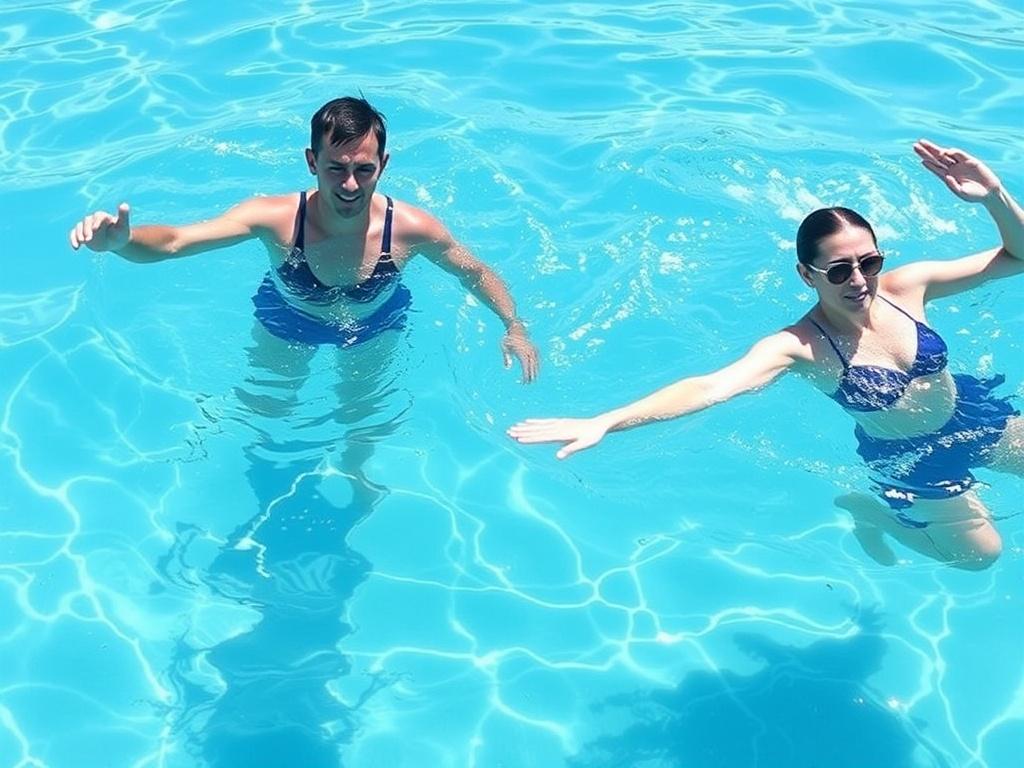
Water changes the rules of movement. It offers resistance, forgiveness, and a rhythm all its own; moving through it can feel playful and purposeful at the same time. This article walks you through everything you need to know about Тренировки на воде: аквааэробика — why it works, how classes are structured, practical exercises, safety considerations, and ways to measure progress.
Why water is a superior medium for many workouts
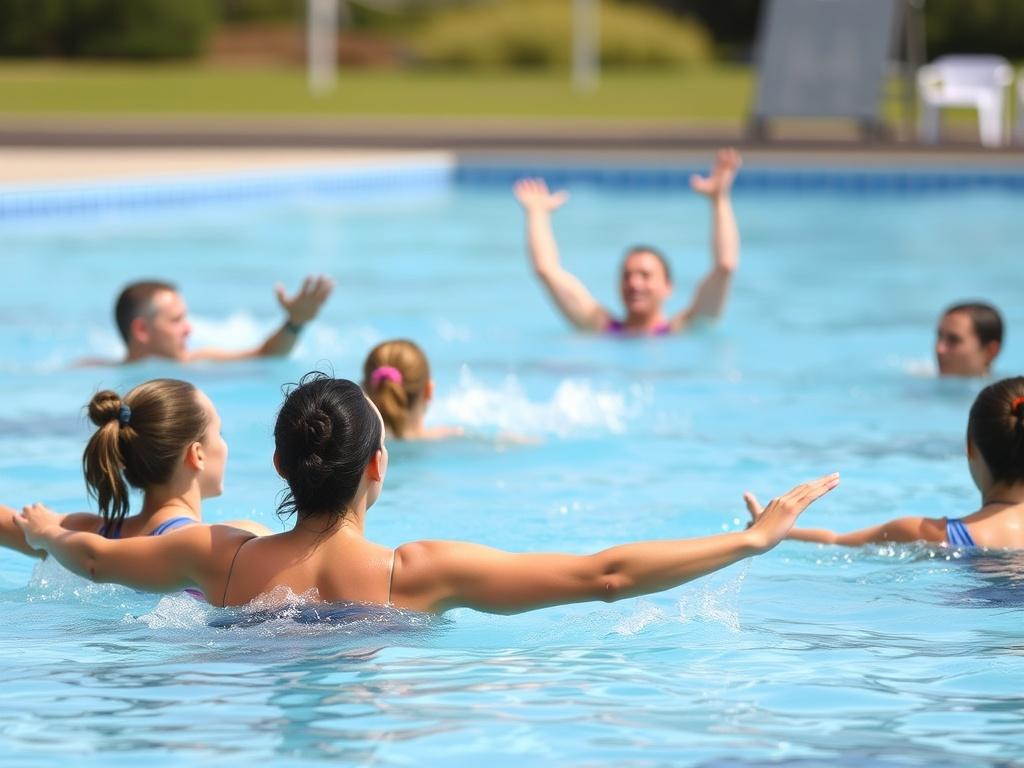
Water provides consistent, omnidirectional resistance that engages muscles throughout the entire range of motion. Unlike weights, which focus resistance along a single vector, water pushes back in every direction, so stabilizers and prime movers work together more naturally.
Buoyancy reduces the effective weight on joints, which makes high-repetition, low-impact movement possible for people recovering from injury or managing chronic pain. For many, the ability to exercise without joint pounding is what turns “I should try it” into “I go every week.”
Hydrostatic pressure — the gentle compression of water — can improve circulation and reduce swelling during and after exercise. That makes aquatic workouts useful not only for conditioning but also for short-term therapy after strains and for long-term management of conditions like arthritis.
Health benefits that go beyond the pool
Aqua aerobics builds cardiovascular fitness with less perceived exertion than land-based training for the same oxygen cost. Participants often report working at moderate intensity while feeling less breathless, which can make longer, more consistent sessions possible.
Muscle tone and endurance improve thanks to continuous resistance; every movement is a mini-resistance set. Balance and proprioception also benefit, because the water challenges the body to find equilibrium in a three-dimensional environment.
Finally, the social and psychological advantages of group water classes are substantial. The pool’s shared setting encourages camaraderie, and for many people the soothing qualities of water reduce exercise-related anxiety and increase adherence to regular training.
Types of aqua classes and who they suit
Aqua fitness comes in many flavors: shallow-water aerobics, deep-water running, aqua cycling, water-based interval training, and dance-oriented classes like aqua Zumba. Each style has a different emphasis on cardio, strength, coordination, or rehab.
Shallow-water classes are ideal for beginners and seniors because participants can touch the bottom and maintain natural balance. Deep-water sessions require a flotation belt or similar device and emphasize core and cardiovascular conditioning without ground contact.
Therapeutic aquatic classes focus on range-of-motion, gentle strengthening, and pain reduction, often led by physiotherapists or instructors with clinical training. Athletes use high-intensity aqua training for cross-training, injury prevention, and active recovery between land workouts.
Examples of popular formats
Water jogging and running mimic land strides and are excellent for cardiovascular endurance while minimizing impact. Participants can vary cadence and resistance by changing stride length, arm drive, or by adding paddles.
Aqua interval training alternates short bursts of high-intensity effort with recovery periods and transfers well to fat-loss and fitness goals. Because water cools the body more efficiently, intervals can feel more intense without overheating, allowing for higher-quality repeats.
Dance-based pool classes mix choreography with cardiovascular work, appealing to people who prefer rhythmic movement over repetitive drills. These classes usually emphasize fun and music as much as fitness, which helps with long-term participation.
How a typical class is built
Most aqua sessions follow a simple progression: warm-up, cardiovascular block, strength-focused exercises, and cooldown with stretches. This structure balances safety and effectiveness, helping participants gradually raise heart rate before moving into more demanding work.
A standard 45- to 60-minute class might begin with five to ten minutes of low-intensity mobility and water walking, followed by 20–30 minutes of cardio drills and resistance sets. The final 10–15 minutes usually include core work, stretching, and breathing exercises to promote recovery.
Instructors modulate intensity through tempo, range of motion, and equipment. A short, controlled movement at higher speed creates different muscular demands than a long, slow arc; good teachers manipulate those variables to serve class goals.
Warm-up essentials
A water warm-up focuses on gradually increasing joint range of motion and coordination while gently elevating heart rate. Start with marches, shoulder circles, and gentle kicks, progressing to light jogs and lateral shuffles when participants feel ready.
Because water reduces gravitational load, dynamic mobility work can be slightly more expansive than on land. Still, controlled movement and attention to form prevent compensatory patterns and reduce injury risk during the harder segments of the class.
Cardio and strength balance
Cardio blocks in the pool use continuous movement patterns like running, cross-country ski steps, and jumping jacks adapted for water. The water’s resistance increases energy cost without the impact, allowing for longer sustained efforts or sharper intervals.
Strength segments often use water’s own resistance or added tools like aquatic dumbbells and paddles. Exercises target posterior chain, core stabilization, and hip strength, which are critical for both athletic performance and everyday function.
Cooldown and recovery
Ending with controlled breathing, gentle stretches, and slow water walking helps transition the body from exercise to rest. Hydration and a brief post-class mobility routine reduce muscle soreness and support ongoing recovery.
In therapeutic settings, cooldown may include manual release techniques, guided relaxation, or focused range-of-motion work under clinician supervision. Those elements reinforce long-term gains in flexibility and pain management.
Essential equipment and how to use it
Good aqua classes rely on simple, affordable tools that change resistance, buoyancy, and stability. The most common items are aquatic dumbbells, noodles, kickboards, flotation belts, and fins. Each tool alters the physics of movement in the water.
Proper equipment selection depends on class goals. For added resistance use paddles or water dumbbells; for increased buoyancy and zero-impact cardio prefer flotation belts or noodles. Fins increase limb speed and amplify range of motion in propulsion drills.
Equipment is also a teaching aid: a noodle under the arms allows participants to focus exclusively on leg work, while a board can isolate the upper body. Smart instructors choose props that emphasize the intended motor pattern without creating excessive complexity.
| Equipment | Primary use | Who benefits most |
|---|---|---|
| Aquatic dumbbells | Add frontal resistance for upper-body strength | All levels, especially those seeking toning |
| Flotation belt | Allow vertical floating for deep-water work | Advanced cardio, rehab clients with limited land mobility |
| Noodle | Support during balance and leg isolation exercises | Seniors, beginners, pregnancy classes |
| Fins | Increase propulsion and ankle mobility | Athletes and those working on leg speed |
Designing an effective water workout: sample sessions
Structuring a workout requires clarity about objective, time, and participant ability. Below are three sample sessions — beginner, intermediate, and advanced — each designed to fit a 45-minute block and to be realistic for a community pool setting.
Beginner (45 minutes)
Start with gentle joint mobilization and water walking for 8–10 minutes to establish balance and breath control. Follow with 15 minutes of alternating marching, side steps, and light cross-country ski movements performed at conversational pace.
Spend 10 minutes on strength: supported leg lifts, standing hip abductions against water resistance, and gentle chest presses with light aquatic dumbbells. Finish with 8–10 minutes of slow stretches, calf release, and breathing exercises.
Intermediate (45 minutes)
Warm-up for 8 minutes including dynamic reaches and progressive jogging. Move into two 8-minute cardio blocks with 1-minute high-intensity bursts separated by 1-minute recovery marches; add paddles or dumbbells for one block to increase upper-body load.
For strength, choose two circuits of 6 minutes each: one focused on lower body (squat variations, hip bridges with noodle support) and one on core/upper body (plank holds against wall, resisted rows). Cool down with 6–8 minutes of mobility work.
Advanced (45 minutes)
Begin with a brisk 6-minute dynamic warm-up and finish with short mobility drills. Execute three 6-minute high-intensity intervals (45 seconds work, 15 seconds active recovery) incorporating plyometric water jumps, fast sprints, and resisted kicking with fins.
End with a focused 10-minute strength block using heavy paddles and larger range-of-motion exercises, then wrap up with 7–8 minutes of guided stretching and diaphragmatic breathing to restore parasympathetic tone.
Specific exercises explained
Clear technique matters in water because small changes in limb angle or speed change resistance dramatically. Below are foundational movements with cues to improve efficiency and safety.
Water walking and jogging
Keep your pelvis neutral and drive the knees forward while swinging the arms opposite the legs. Increase resistance by lengthening strides or using a higher cadence. For more intensity, add arm resistance with small dumbbells or palms turned to catch the water.
Deep-water jogging uses a vertical posture with a slight forward lean, quick reciprocation of limbs, and a flotation belt when needed. The goal is to maintain cadence and minimize vertical bobbing; focus on smooth, economical movement rather than exaggerated kicks.
Cross-country ski step
This exercise targets the lateral core and hip stabilizers. Shift weight from one foot to the other while moving the opposite arm in a sweeping diagonal through the water. Keep chest open and shoulders down to avoid neck tension.
Vary the tempo and arm surface area to increase or decrease resistance. Small, rapid strokes emphasize speed and cardio; long, deliberate arms emphasize muscular endurance and control.
Resisted flutter kick and leg lifts
Hold a noodle under the hips or use a kickboard for support while you flutter kick or perform vertical leg lifts. Keep ankles relaxed and kick from the hips rather than the knees to engage the entire posterior chain.
For added challenge, use fins to create more propulsion and increase the load on hip flexors and glutes. Short intervals of faster kicking followed by recovery sets make this exercise valuable for both conditioning and rehabilitation.
Upper-body presses and rows
Use aquatic dumbbells or paddles for pressing motions that mimic chest presses, bicep curls, and triceps extensions. Perform movements slowly enough to feel the water’s resistance on the entire limb but quickly enough to maintain cardiovascular engagement.
For horizontal pulling, stand facing the pool wall or a partner and perform rowing motions with elbows close to the body. Emphasize scapular retraction and avoid shrugging to ensure the back and shoulders share the load appropriately.
Technique tips: posture, alignment, and breathing
Neutral spine is as important in water as it is on land. Imagine a line from your head through your sacrum; maintain head neutrality to avoid forward craning that compresses the neck and impairs breathing. Small adjustments often yield immediate improvements in comfort and efficiency.
Active engagement of the core stabilizes the pelvis and allows the limbs to work more effectively against water resistance. Think of bracing gently rather than sucking in; a steady, engaged midsection improves force transfer and balance.
Breathing should be rhythmic and deliberate. If a movement sequence causes breathlessness, reduce range of motion or slow the tempo until you can reestablish a controlled inhalation-exhalation rhythm. Diaphragmatic breathing also helps with relaxation during cooldown.
Safety, pool etiquette, and precautions
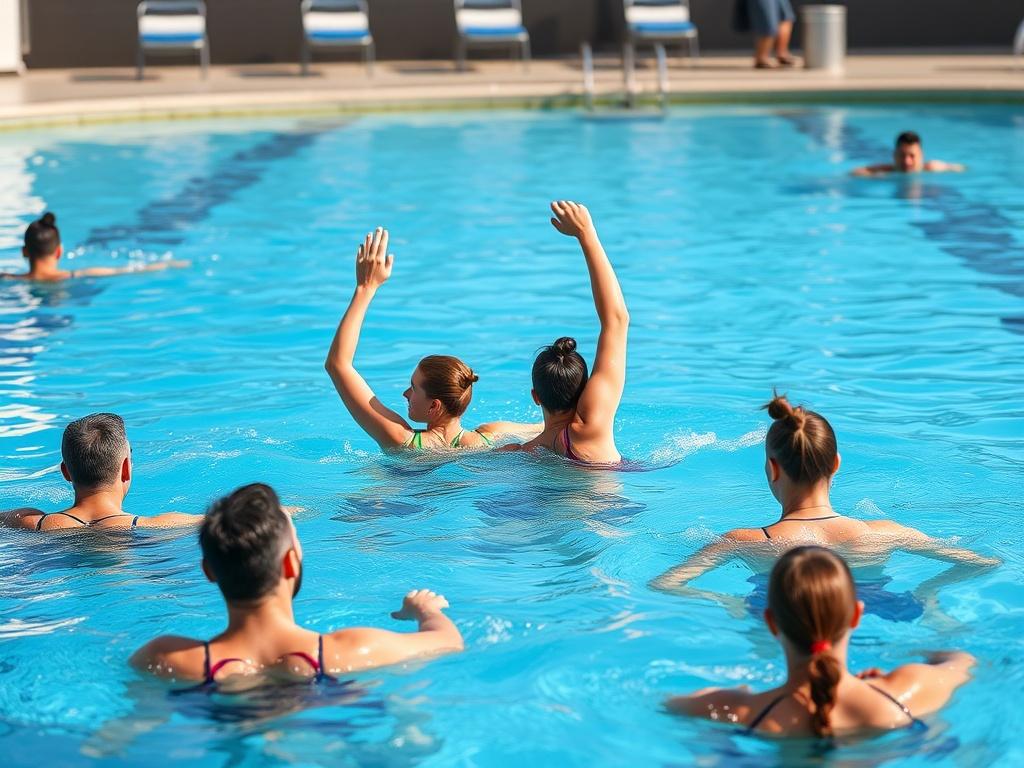
Pool safety is straightforward but nonnegotiable. Know the depth and the exit points of the pool you’re using, avoid running on wet surfaces, and follow lifeguard and instructor instructions at all times. Even shallow water can create unexpected slips and trips when surfaces are ignored.
People with cardiovascular disease, uncontrolled hypertension, respiratory conditions, or acute infections should consult a physician before starting an aqua program. Pregnancy often permits aquatic exercise, but prenatal classes and medical clearance are wise first steps.
Hygiene matters: shower before entering and avoid pool classes if you have open wounds or contagious illnesses. Proper chlorine levels and pool cleaning protocols are usually managed by facility staff, but it’s reasonable to ask about maintenance if you have concerns.
Managing chronic conditions and rehabilitation
Aquatic therapy is commonly used for arthritis, fibromyalgia, and post-operative rehab because water reduces load and pain during movement. Work with licensed therapists when recovering from surgery or when pain limits land-based exercise.
Rehabilitation by water should progress in stages: pain-free range of motion, strength rebuilding, neuromuscular control, and finally return to land-based function. A clinician will prescribe specific progressions and monitor symptoms.
Who benefits most from aquatic training
Older adults gain mobility, balance, and social connection. Joint-friendly movement in water reduces fear of falling and encourages consistent participation, which compounds into long-term functional benefits for daily living.
People recovering from injury or managing chronic joint pain find aquatic workouts often allow earlier initiation of movement without prohibitive pain. For many, the pool becomes a gateway to maintaining fitness where land-based options feel too harsh.
Athletes use water as a conditioning tool that maintains or improves cardiovascular fitness while giving the musculoskeletal system a break. Swimmers, runners, and team-sport players incorporate aquatic sessions strategically during in-season and off-season periods.
How to measure progress and set realistic goals
Progress in aqua fitness is best tracked with a mix of subjective and objective measures. Use perceived exertion scales, time/distance markers for jogging or laps, and strength markers like increased range or repetitions with a particular piece of equipment.
Functional outcomes — how easily you climb stairs, carry groceries, or stand from a chair — often reflect real-world gains better than pool-specific metrics. Keep a simple log of exercises, perceived difficulty, and any pain or discomfort to monitor trends over weeks.
Periodic retesting — such as timed water jogs, number of continuous minutes at moderate effort, or the ability to perform specific strength moves — creates tangible checkpoints. Celebrate small improvements; consistency in aquatic practice compounds into lasting change.
Nutrition, hydration, and recovery for aquatic athletes
Hydration is essential even though you may not feel sweaty in the pool. The water masks perspiration, and prolonged sessions still lead to fluid loss through sweat and respiration. Drink water before, during, and after workouts to support cardiovascular function and recovery.
Pre-workout fueling should be light and timed so you avoid feeling heavy or nauseous. A small snack with carbohydrates and a little protein 60 to 90 minutes before class works for most people. After sessions, prioritize protein and carbohydrates to aid muscle repair and glycogen replenishment.
Recovery also includes sleep and mobility work. Gentle stretching and foam rolling on land complement pool-based training, and adequate rest between hard sessions allows adaptation and prevents overuse injuries.
Common myths and misconceptions
Myth: Pool workouts are only for seniors. Reality: While older adults often benefit greatly, all ages use aquatic training for conditioning, rehab, and cross-training. The versatility of water means workouts can be tailored to high-performance athletes as well as novice exercisers.
Myth: Water exercise doesn’t build strength. Reality: While the kind of strength gains may differ from heavy lifting, aquatic resistance builds muscular endurance and functional strength across full ranges of motion. Using tools and increasing movement speed can create meaningful strength adaptations.
Myth: You can’t get a serious cardio workout in the pool. Reality: Interval designs, resisted movements, and deep-water running can produce high cardiovascular stress comparable to land workouts while sparing joints and moderating perceived exertion.
Finding the right class and instructor
Look for instructors with certifications from reputable organizations, experience teaching your target population, and a clear plan for progression. A good teacher cues technique, offers regressions and progressions, and manages intensity for diverse fitness levels within a class.
Ask about class size, water temperature, pool depth, and whether equipment is provided or if you should bring your own. Cooler pools tend to favor higher-intensity work, while warmer pools (often used for therapy) support gentle, pain-reducing movement.
Trial a few different formats before committing; some people prefer structured, drill-based sessions, while others thrive in music-driven, choreographed classes. Your preferences should guide your choice as much as convenience.
Personal experience: learning to love the water for fitness
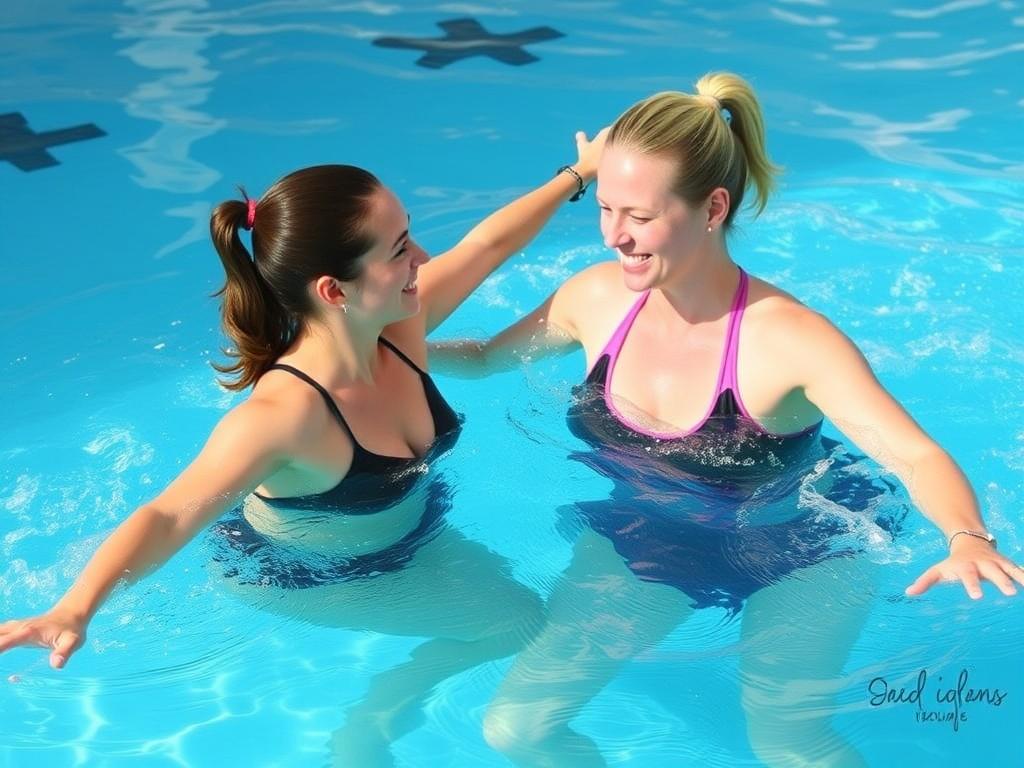
I started teaching and attending aqua classes after a lower-back injury made running intolerable for several months. The first sessions felt strange — my legs moved quickly, but there was no pounding and no sharp pain. That immediate relief turned into a routine that maintained my cardiovascular fitness and allowed a gradual, safe return to land training.
Over time I noticed unexpected gains: improved balance, better hip mobility, and an ability to perform long intervals without the soreness that used to follow a land session. The social aspect mattered too; classmates who were also recovering from injuries shared tips and mutual encouragement that kept attendance steady.
As an instructor, I learned to watch micro-adjustments: a slight forward head position made a student tire faster, while a change in arm angle reduced shoulder strain. Those small corrections made big differences in comfort and performance, and they reinforced how sensitive the body is to alignment in a forgiving medium like water.
Continuing education and resources
If you want to deepen your practice or teach, pursue certifications in aquatic fitness and therapeutic aquatic exercise. Organizations such as the Aquatic Exercise Association and similar bodies offer courses that cover biomechanics, program design, and contraindications specific to water.
Books, peer-reviewed journals, and instructor workshops provide evidence-based approaches and new workout ideas. Online video libraries and professional forums are useful for technique drills and choreography, but combine them with in-person mentorship to refine hands-on skills.
Local clinics and community centers often host workshops that introduce teachers to aquatic therapy principles and safety protocols. Those short, practical courses are excellent for grounding theoretical knowledge in real-world practice.
Tips for maintaining motivation and variety
Rotate class types, introduce periodic challenges, and track small wins to keep interest high. Variety prevents plateaus and keeps both the mind and body engaged; try alternating deep-water intervals, technical drills, and strength-focused classes across a week.
Set attainable goals like increasing continuous moderate-effort minutes, improving perceived exertion for a fixed workload, or mastering a new drill. Pairing progress metrics with social accountability — a friend or consistent class time — usually yields better adherence than goals alone.
Water workouts are adaptable, effective, and often delightfully underappreciated. Whether you’re rehabbing an injury, seeking low-impact conditioning, or looking for a fresh way to challenge your body, the pool offers unique physics and therapeutic benefits that land-based training can’t replicate. Try a session with clear goals, sensible progression, and an instructor who respects both safety and fun — and you may find a practice that fits into your life for the long haul.